14 Essential Nuts to Supercharge Your Cooking, Elevate Your Snacks, and Inspire Culinary Creativity
Your kitchen needs nuts! These small-but-mighty ingredients pack intense flavors, rich textures, and countless nutrients into every bite. From adding crunch to your morning yogurt to creating velvety sauces and hearty meat alternatives, nuts transform ordinary dishes into memorable meals.
I’ve spent years experimenting with nuts in my home kitchen, discovering how each variety brings its own character to recipes. Whether you’re blending cashews into creamy Indian curries or sprinkling toasted pine nuts over fresh pasta, these versatile ingredients will revolutionize your cooking.
This guide walks you through 14 must-have nuts and seeds for your pantry. You’ll learn the unique qualities of each one, plus creative ways to incorporate them into both traditional recipes and innovative dishes. Get ready to stock up and start cooking!
Pumpkin Seeds
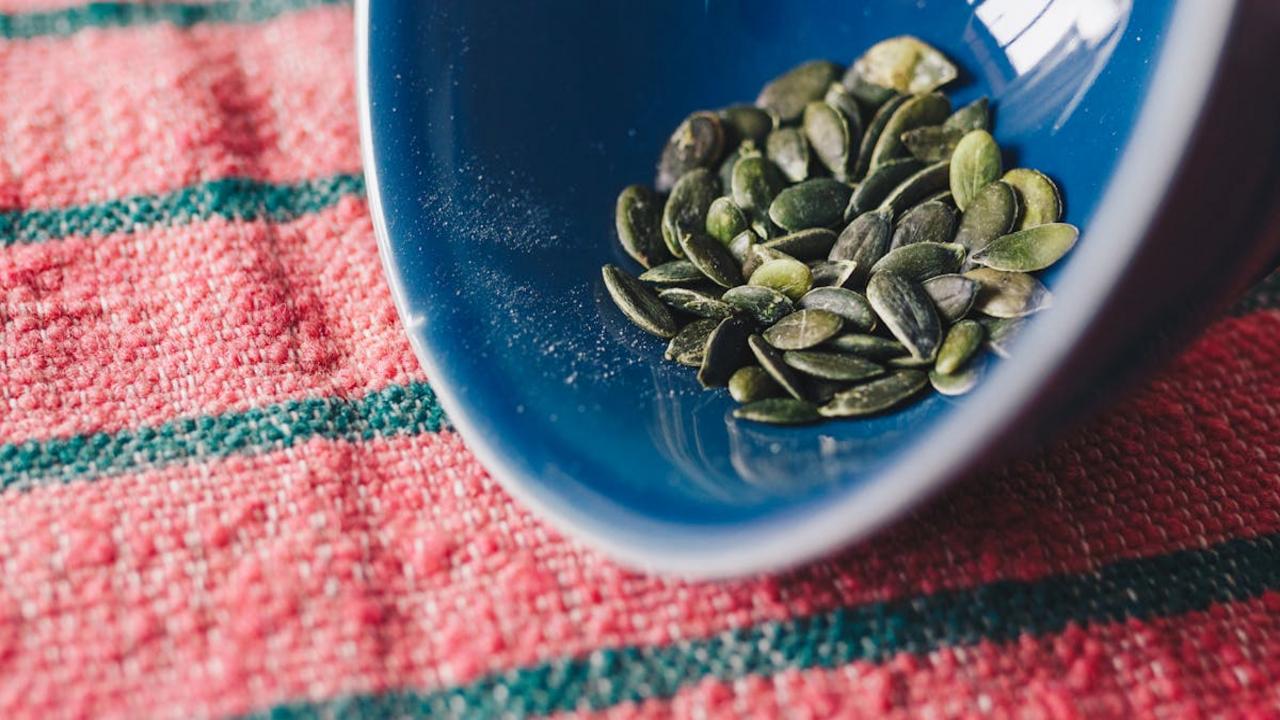
I keep a jar of raw pumpkin seeds in my kitchen at all times – they’re one of my favorite ingredients for adding crunch, protein, and rich nutty flavor to both sweet and savory dishes. After carving pumpkins each fall, I carefully clean and roast the seeds with olive oil and sea salt for a quick snack. The raw seeds work beautifully sprinkled over morning oatmeal or yogurt bowls, while toasted ones make the perfect garnish for creamy soups, roasted vegetables, or freshly baked bread.
These nutritional powerhouses pack loads of magnesium, zinc, and omega-3s into their small green packages. I love tossing them into homemade granola or trail mix for sustained energy during busy days. For a quick dinner upgrade, try pan-toasting pumpkin seeds with cumin, chili powder and lime zest – they’ll transform your tacos, salads or grain bowls with amazing texture and southwest flair. You can even blend them into pestos or sauces for extra richness. Their versatility makes them indispensable in my everyday cooking.
Sunflower Seeds
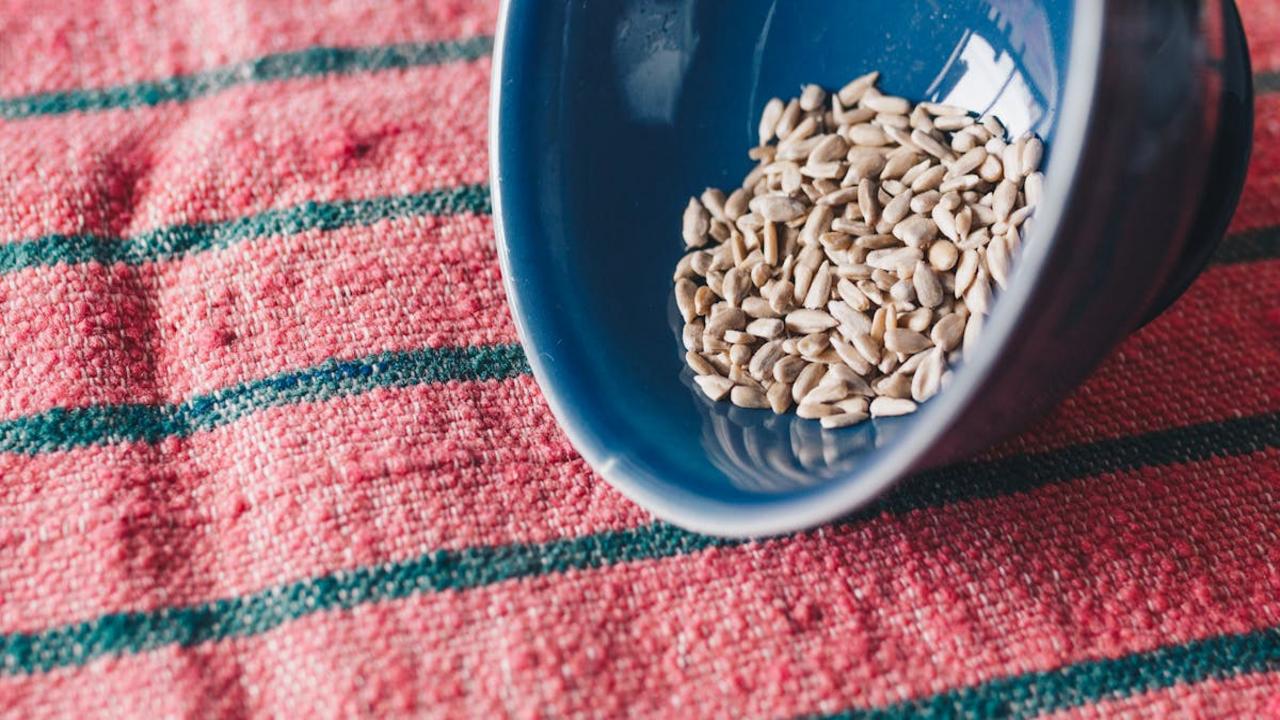
I keep sunflower seeds front and center in my pantry for their amazing versatility and rich, buttery flavor. Raw or roasted, these little powerhouses add the perfect nutty crunch to both sweet and savory dishes. I love sprinkling them over salads, blending them into smooth, creamy dressings, or incorporating them into homemade granola and energy bars. Their mild flavor makes them an ideal base for creating dairy-free cheese alternatives – just soak, blend with nutritional yeast and herbs, and watch the magic happen!
Your baking will transform once you start incorporating sunflower seeds into your recipes. I grind them into flour for gluten-free baking, adding moisture and richness to muffins and quick breads. For a quick protein boost, I toast them with a sprinkle of tamari and smoked paprika – this creates an addictive snack that disappears fast in my household! Plus, they’re budget-friendly compared to many other nuts, making them perfect for weekly meal prep. Add them to your morning oatmeal, blend them into smoothies, or use them as a crunchy coating for fish or chicken.
Soy Nuts
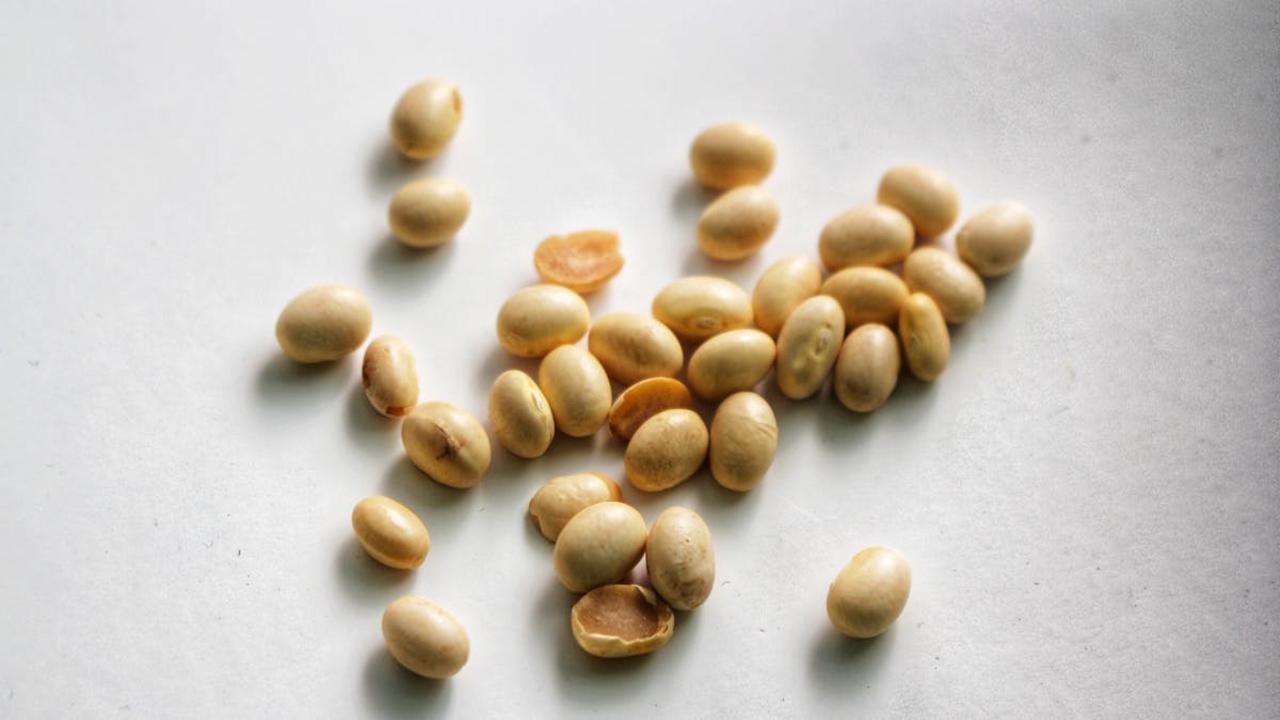
I’ve found that soy nuts bring a unique protein punch to my cooking while adding a satisfying crunch that keeps me reaching for more. These little powerhouses start as whole soybeans that undergo soaking and roasting, transforming them into crispy, nutty bites perfect for both snacking and cooking. You can toast them in a dry pan to enhance their natural nuttiness or season them with your favorite spice blends – I love adding smoked paprika and garlic powder for an extra kick of flavor.
Beyond simple snacking, I mix soy nuts into my homemade granola, sprinkle them over salads, or crush them to create a protein-rich crust for baked fish or chicken. They pack more protein than most other nuts, making them ideal for plant-based diets. Their versatility shines in Asian-inspired dishes too – try adding them to stir-fries just before serving or incorporating them into noodle bowls for that much-needed textural contrast. Just remember to store them in an airtight container to maintain their crunch and prevent them from absorbing moisture.
Peanuts
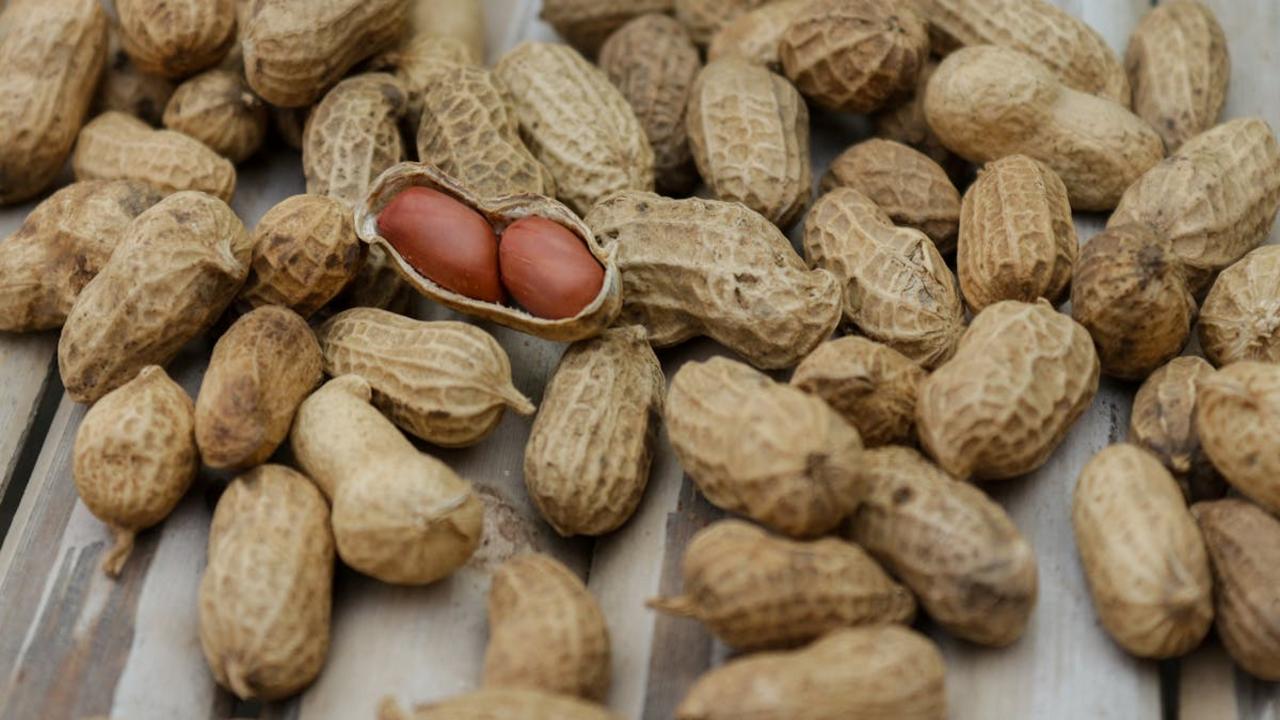
Despite what their name suggests, peanuts belong to the legume family alongside beans and lentils, not the nut family. I love their rich, buttery flavor and impressive versatility in both sweet and savory dishes. You’ll find them starring in everything from Thai pad thai to African peanut stew, bringing depth and a satisfying crunch. Raw peanuts have a mild, clean taste while roasting transforms them into deeply aromatic powerhouses. Their natural oils make them perfect for creating smooth, creamy nut butters.
I always keep a jar of roasted peanuts in my pantry for quick snacking and cooking needs. They add wonderful texture to stir-fries, noodle dishes, and salads. Ground peanuts make an excellent coating for chicken or tofu, creating a crispy crust when baked or fried. The healthy fats, protein, and nutrients make peanuts a smart choice for plant-based eating. Pro tip: Store them in an airtight container in the fridge or freezer to prevent their oils from going rancid and maintain maximum freshness for months.
Hazelnuts
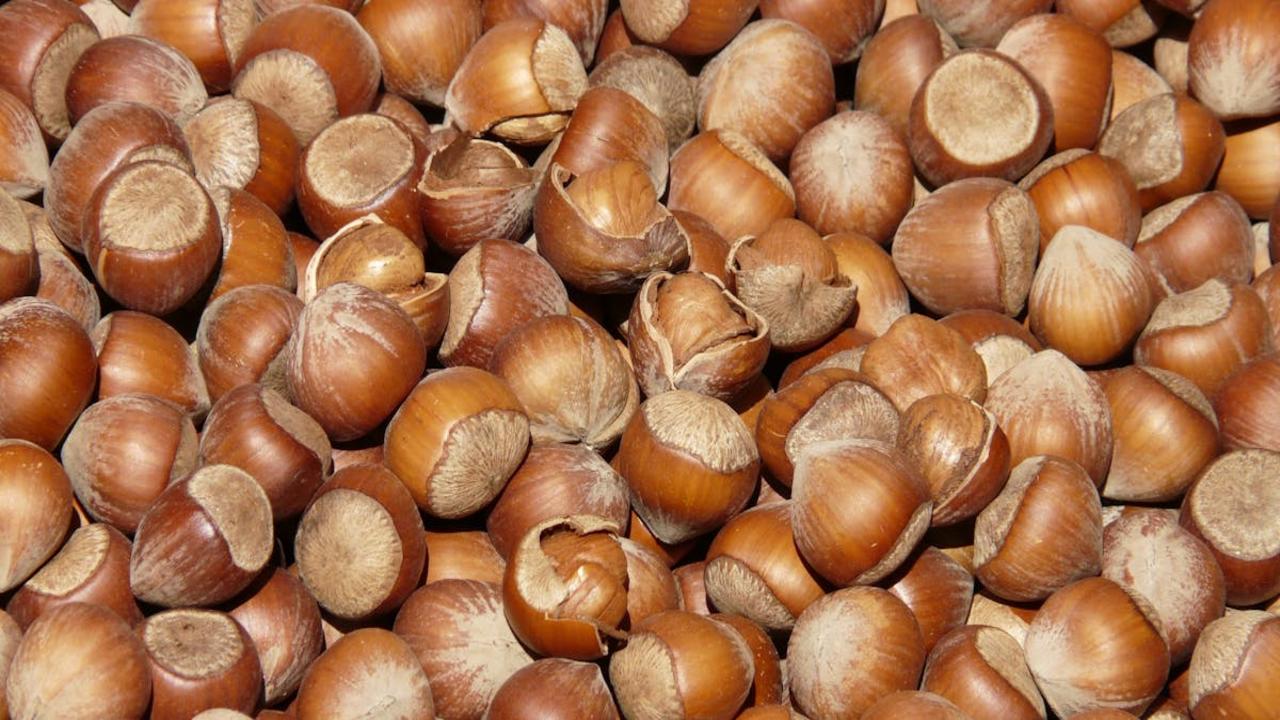
I absolutely adore hazelnuts for their rich, buttery flavor that can transform both sweet and savory dishes. These small, round nuts pack a serious nutritional punch with high amounts of vitamin E, manganese, and heart-healthy fats. You’ll find me toasting them to bring out their natural oils and intensify their flavor – just 5-7 minutes in a dry skillet over medium heat until the skins start to crack. The aroma that fills your kitchen will make you want to start baking right away!
Beyond the classic chocolate-hazelnut spread everyone knows, hazelnuts shine in so many other ways. I love grinding them into flour for gluten-free baking, chopping them coarsely for a crunchy coating on fish or chicken, or adding them to my morning granola mix. They pair beautifully with herbs like rosemary and thyme in savory dishes, while their natural sweetness complements desserts perfectly. Try sprinkling some toasted, chopped hazelnuts over roasted Brussels sprouts with a drizzle of maple syrup – this combination will make you look at these nuts in a whole new way.
Chestnuts
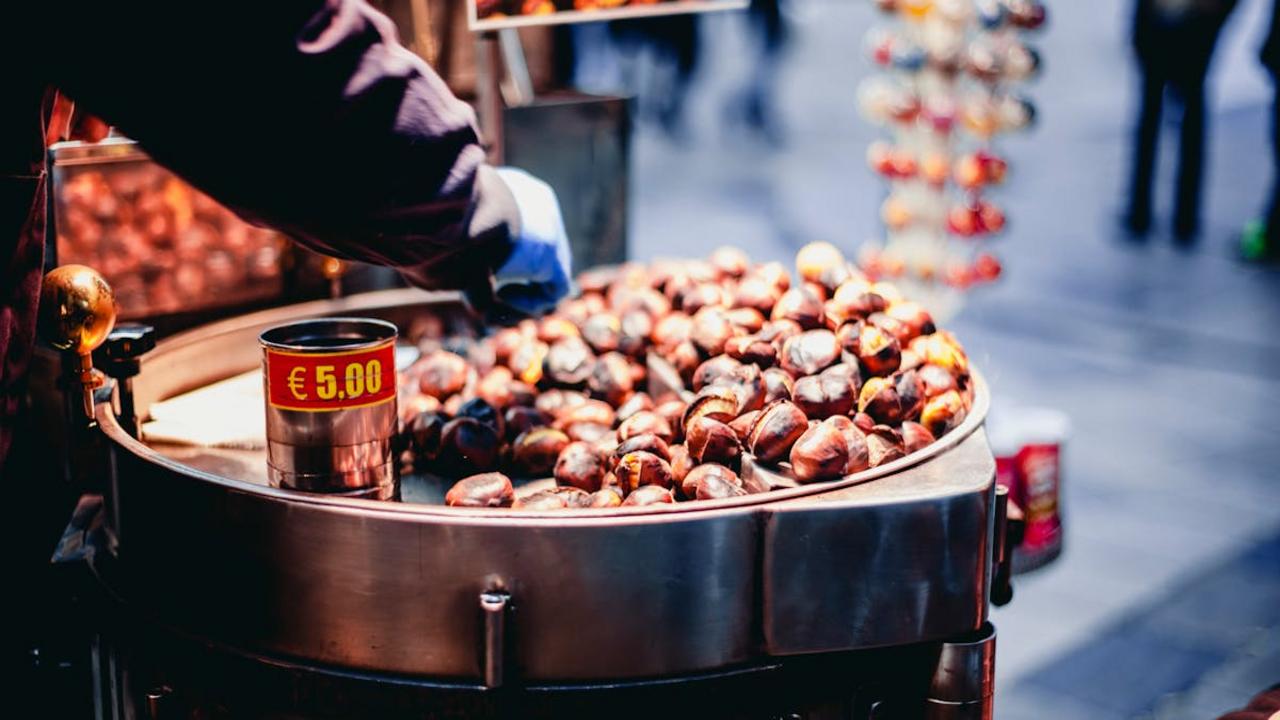
Sweet, buttery chestnuts bring a rich nuttiness and subtle earthy notes that will transform your cooking. Unlike other nuts high in fats, chestnuts pack mostly complex carbohydrates, making them perfect for both sweet and savory dishes. I love roasting them until their shells crack open, revealing their golden flesh – perfect for snacking or adding to stuffings, soups, and stews. You’ll find them fresh during fall and winter, but you can buy them pre-cooked year-round.
Want to make the most of your chestnuts? Score an X on their flat side before roasting to help with peeling. You can also simmer them in water or broth until tender, then blend them into creamy soups or purées. Try them in a classic Italian pasta dish with pancetta and sage, or go sweet by mixing them into chocolate desserts. My favorite way? I chop roasted chestnuts finely and add them to bread stuffing with mushrooms and fresh herbs – the combination creates incredible depth and texture that will make your guests ask for seconds.
Pine Nuts
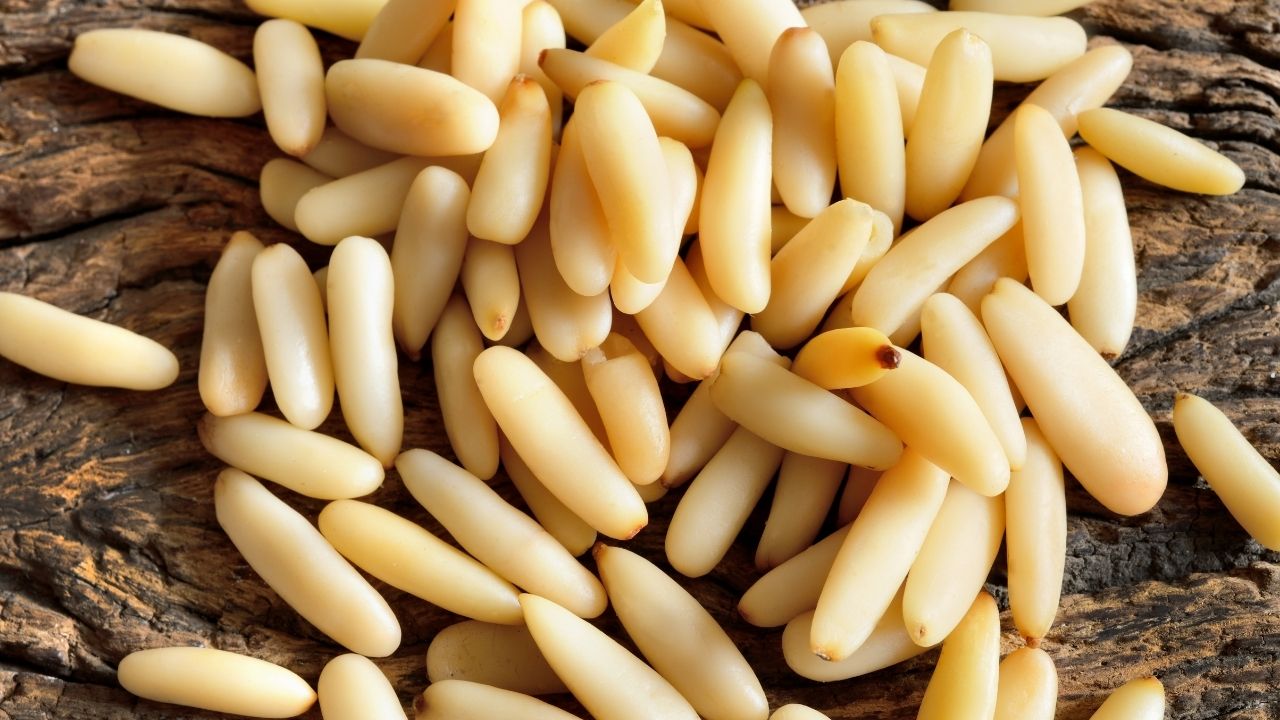
I’ve found pine nuts bring a subtle richness to any dish that regular nuts just can’t match. You’ll notice their buttery, almost sweet character really shines through in pesto – a classic Italian sauce that wouldn’t be the same without these tiny nuggets. Beyond pesto, I love toasting pine nuts until golden brown and sprinkling them over roasted vegetables, grain bowls, or mixed into Middle Eastern dishes like pilaf where they add both texture and a deep, nutty complexity.
Want to take your cooking up a notch? Try adding toasted pine nuts to your next salad – they pair beautifully with arugula, goat cheese, and a light vinaigrette. You can also blend them into dips and spreads for extra creaminess, or use them as a garnish for soups and pasta dishes. Just remember to store these delicate nuts in the freezer to prevent them from going rancid, and always toast them in a dry pan over low heat while watching carefully – they can burn quickly due to their high oil content.
Brazil Nuts
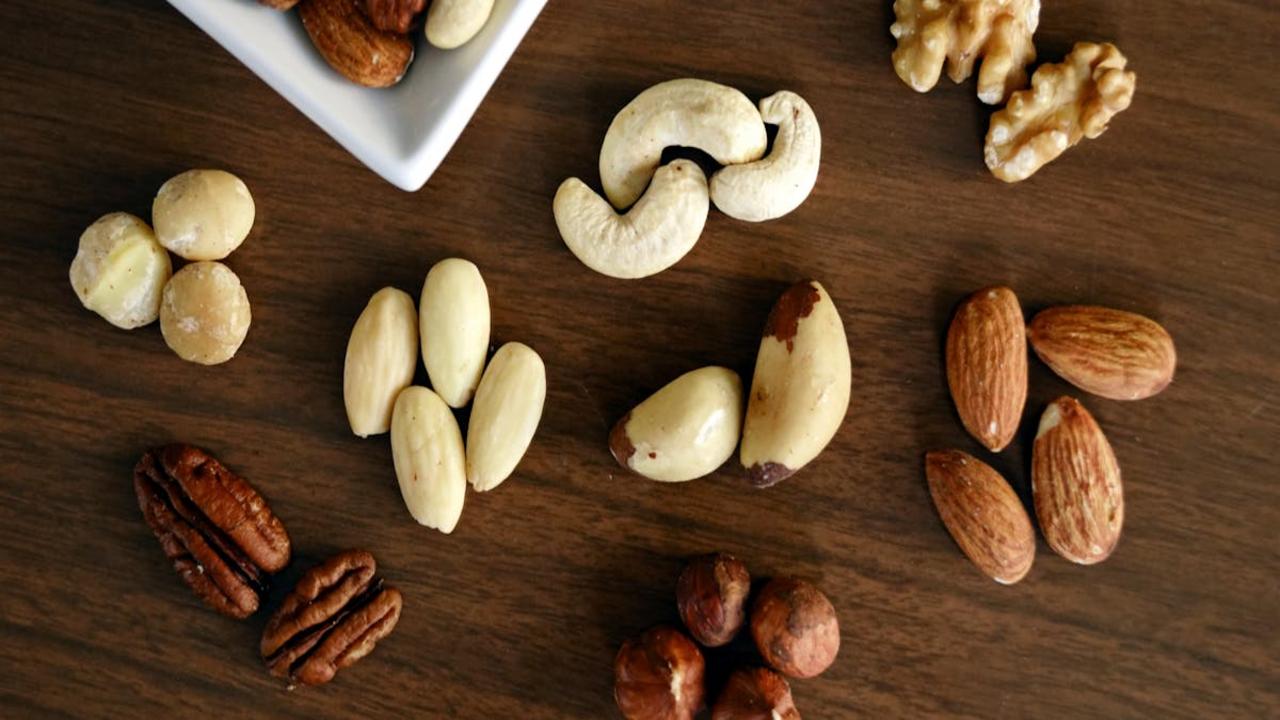
You’ll find Brazil nuts bring a uniquely rich, buttery flavor that transforms both sweet and savory dishes. I love chopping these large, creamy nuts to add into homemade granola or sprinkling them over roasted vegetables for extra crunch. Their high selenium content makes them a smart choice for boosting your daily nutrition, while their natural oils create a satisfying mouthfeel that keeps you feeling full longer. Just remember to store them in an airtight container in the fridge to maintain their freshness and prevent their natural oils from going rancid.
My favorite way to highlight Brazil nuts is by making a dairy-free cream sauce – simply soak them overnight, then blend with water, garlic, and seasonings until smooth. This creates a rich base for pasta dishes or creamy soups. You can also grind them into a flour substitute for gluten-free baking or process them into a smooth butter for spreading on toast or adding to smoothies. Their natural richness means a little goes a long way in recipes, making them an economical choice despite their higher price point.
Macadamia Nuts
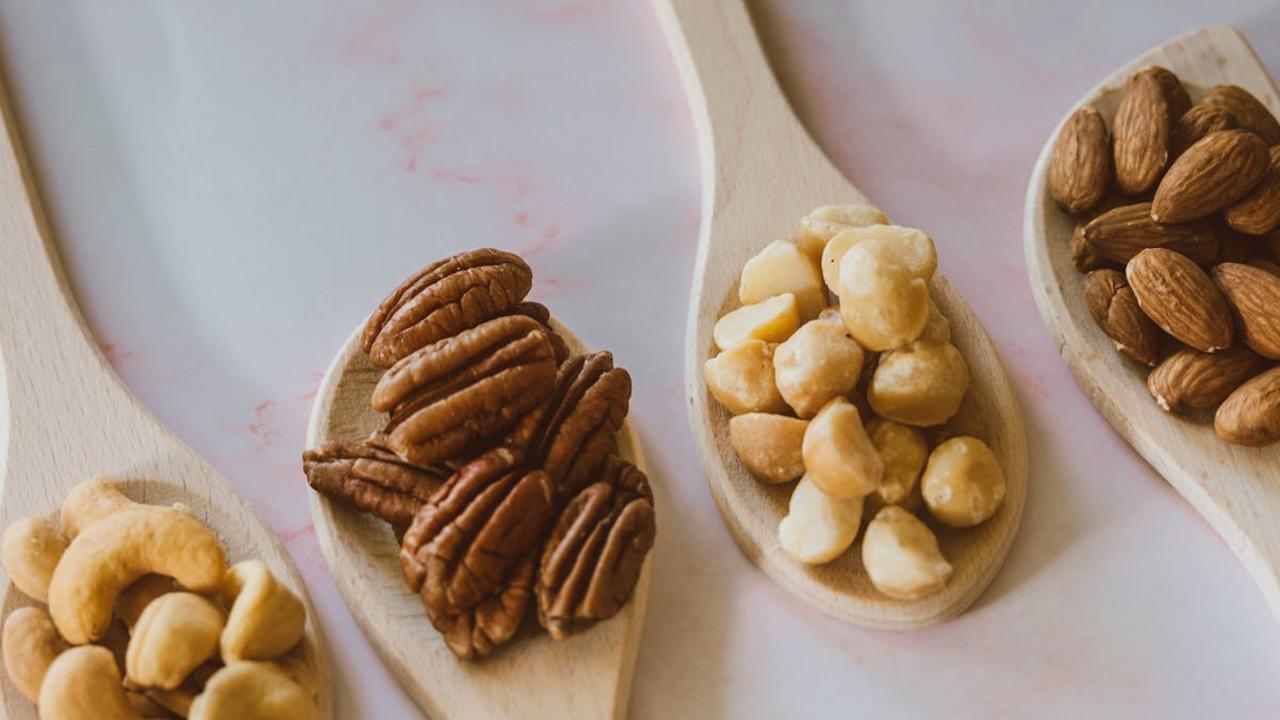
I keep macadamia nuts in my pantry for those moments when I want to add pure luxury to my cooking. These rich, buttery nuts from Hawaii bring a creamy texture and subtle sweetness that transforms both sweet and savory dishes. I love chopping them into my morning granola or crushing them as a crust for fresh fish. Their high oil content makes them perfect for creating dairy-free alternatives – blend them into a smooth cream sauce for pasta or process them into a rich nut butter that spreads like velvet.
The key to keeping macadamias fresh lies in proper storage – I seal mine in an airtight container in the fridge to maintain their delicate oils. This prevents them from going rancid and preserves their buttery flavor for months. Try adding roughly chopped macadamias to chocolate chip cookies, folding them into banana bread batter, or sprinkling them over a tropical fruit salad. Their natural richness means a little goes a long way – even a small handful can elevate an ordinary dish into something truly special.
Pistachios
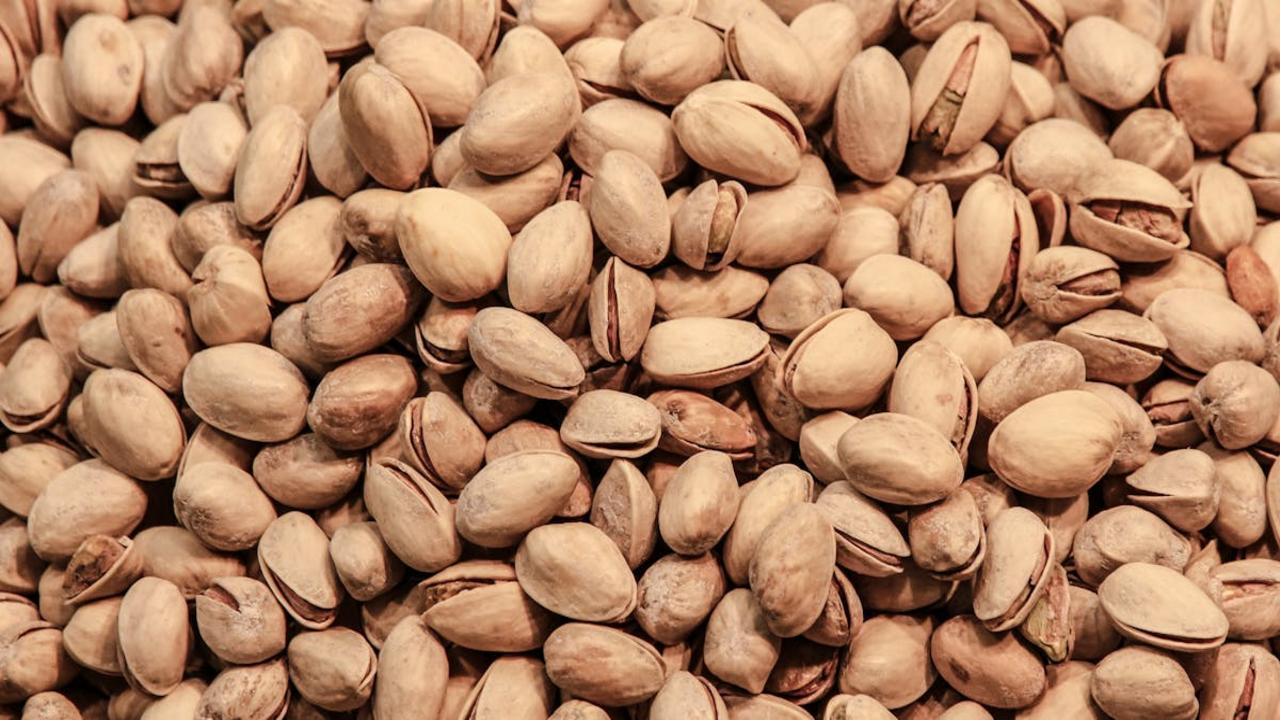
I love adding pistachios to both sweet and savory dishes, finding their bright green color and rich, buttery flavor bring instant sophistication to any recipe. You’ll notice their subtle sweetness and distinctive crunch work beautifully in everything from Middle Eastern dishes like baklava to modern salads and pestos. My favorite way to use them? I toast them lightly in a dry pan until fragrant, then crush them coarsely to sprinkle over roasted vegetables or creamy pasta dishes for an elegant finishing touch.
Beyond their flavor and versatility, pistachios pack serious nutritional benefits into their small green shells. They’re loaded with protein, fiber, and heart-healthy fats that make them perfect for snacking or adding substance to vegetarian meals. I keep a jar of shelled pistachios in my pantry for quick access – they’re amazing blended into smoothies, ground into crusts for fish or chicken, or simply tossed with dark chocolate and dried fruit for an easy afternoon pick-me-up. Just remember to store them in an airtight container to maintain their fresh, crisp texture.
Cashews
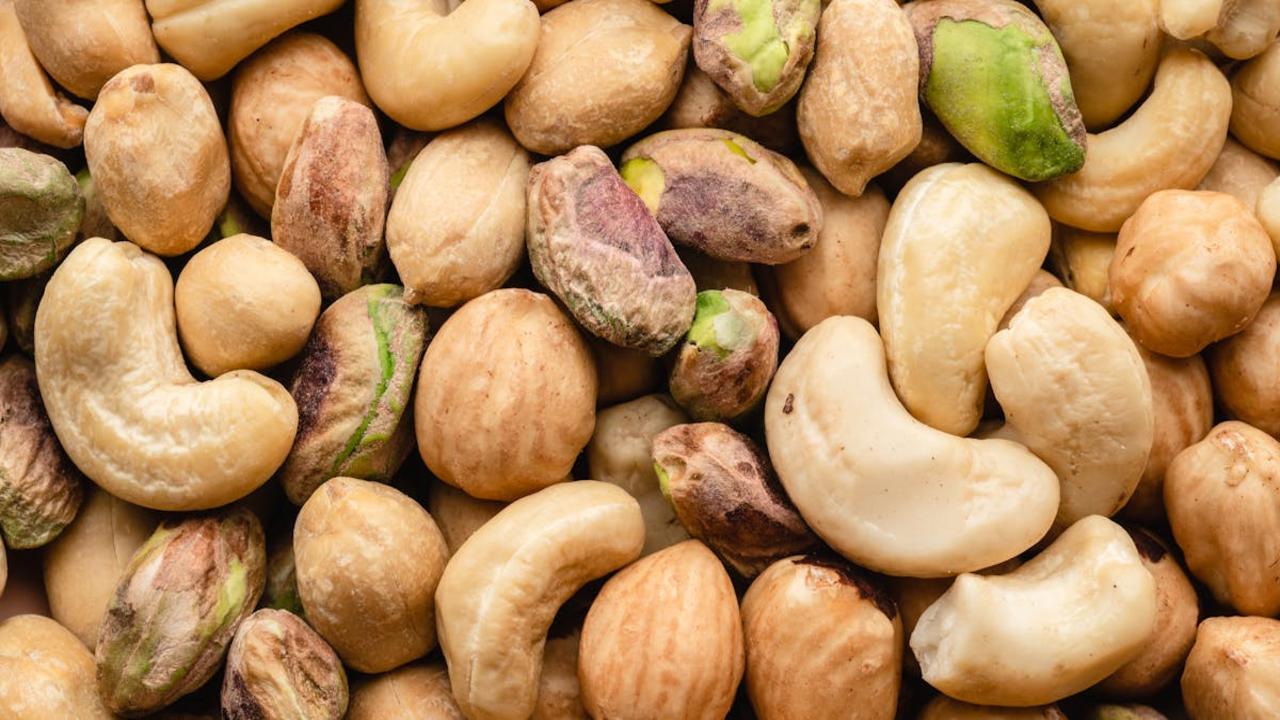
You’ll find cashews add a buttery richness to both sweet and savory dishes that few other nuts can match. I love using raw cashews to make dairy-free cream sauces – just soak them overnight, blend with water and seasonings, and you’ve got a silky base for pasta, curry, or soup. These versatile nuts also shine in stir-fries, trail mixes, and homemade granola. Their natural sweetness and smooth texture make them perfect for plant-based cheesecakes and creamy desserts.
Beyond their incredible flavor and texture, cashews pack serious nutrition into every bite. One handful gives you copper, magnesium, and heart-healthy monounsaturated fats. I keep a jar on my counter for quick snacking and another in my pantry for cooking. Try crushing them to coat chicken or fish before baking, or process them into a smooth butter for spreading on toast or adding to smoothies. You can even make your own cashew milk at home – it’s fresher and more flavorful than store-bought versions.
Pecans
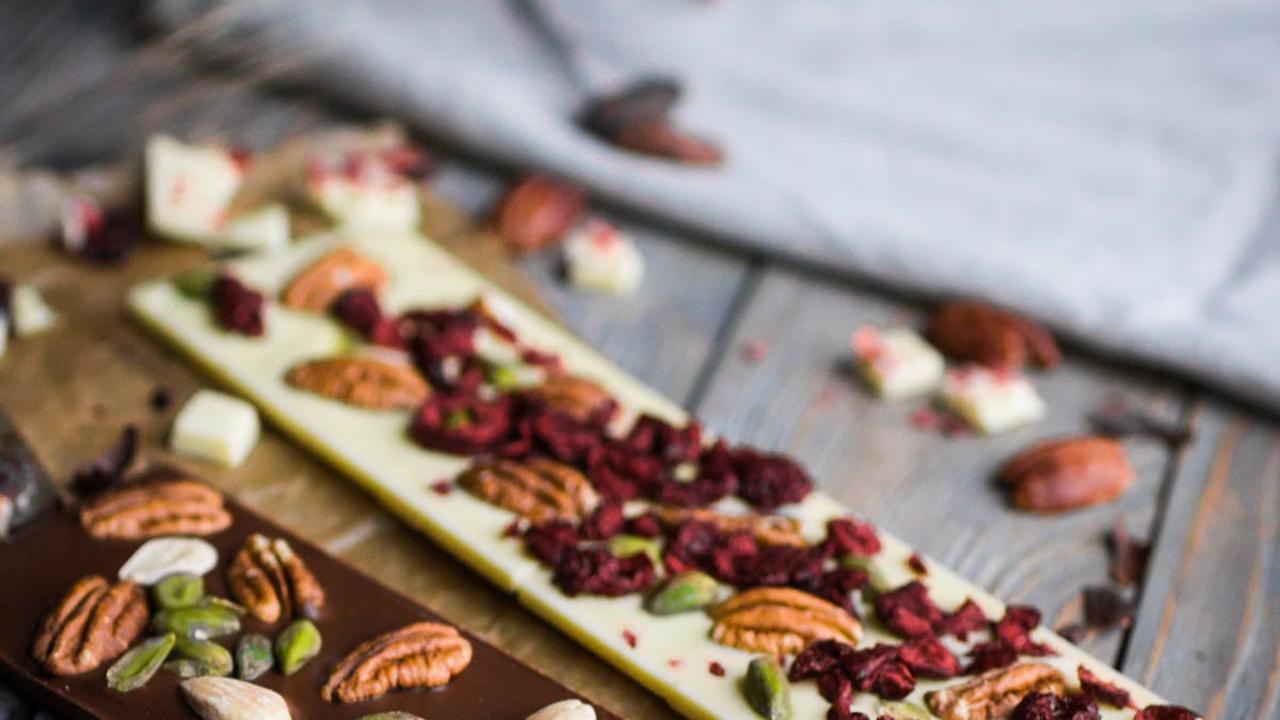
You’ll find pecans bring the perfect balance of buttery richness and natural sweetness to both sweet and savory dishes. I love tossing these into my morning oatmeal or yogurt for an instant upgrade, but they really shine when you toast them first – just 5-7 minutes in a dry skillet until they release their oils and become wonderfully fragrant. Beyond the classic pecan pie, these nuts add incredible depth to salads, especially when paired with blue cheese and fresh pears, or sprinkled over roasted Brussels sprouts with a maple glaze.
The natural oils in pecans make them particularly good for baking – they create tender, moist cakes and add wonderful texture to cookie doughs. I often grind them into a fine meal to use as a gluten-free coating for chicken or fish, giving a crispy crust that browns beautifully. Keep your pecans fresh by storing them in an airtight container in the fridge or freezer – their high oil content means they can go rancid if left at room temperature too long. Buy them in bulk when they’re on sale and freeze what you won’t use within a month.
Walnuts
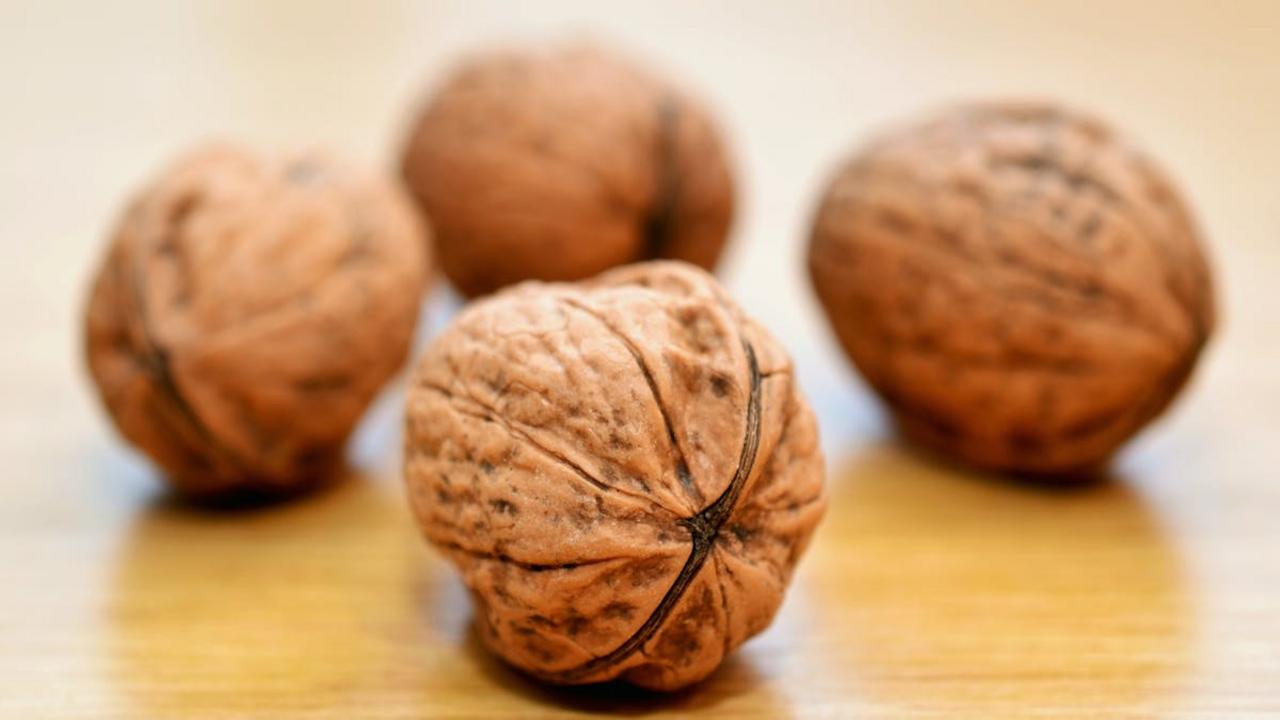
I absolutely adore walnuts for their rich, buttery flavor and distinctive brain-like appearance. They add an incredible depth to both sweet and savory dishes with their complex, slightly tangy notes. Your baked goods will thank you for tossing in some chopped walnuts – they make chocolate chip cookies extra special and bring amazing texture to banana bread. In my kitchen, I keep a jar ready to sprinkle over morning oatmeal or blend into smoothies for an omega-3 boost. The natural oils in walnuts also make them perfect for creating creamy sauces and dips.
You’ll find walnuts bringing their magic to global cuisines – from Italian pesto and Middle Eastern muhammara to Chinese stir-fries. I love toasting them lightly in a dry pan until fragrant, which intensifies their flavor and adds an irresistible crunch. Try coating them in maple syrup and a pinch of sea salt before toasting – they transform into an addictive snack or salad topper. For meal prep, I often make a big batch of spiced walnuts with cumin, cayenne, and black pepper to keep on hand for quick protein-rich nibbles or to add instant flair to weeknight dishes.
Almonds
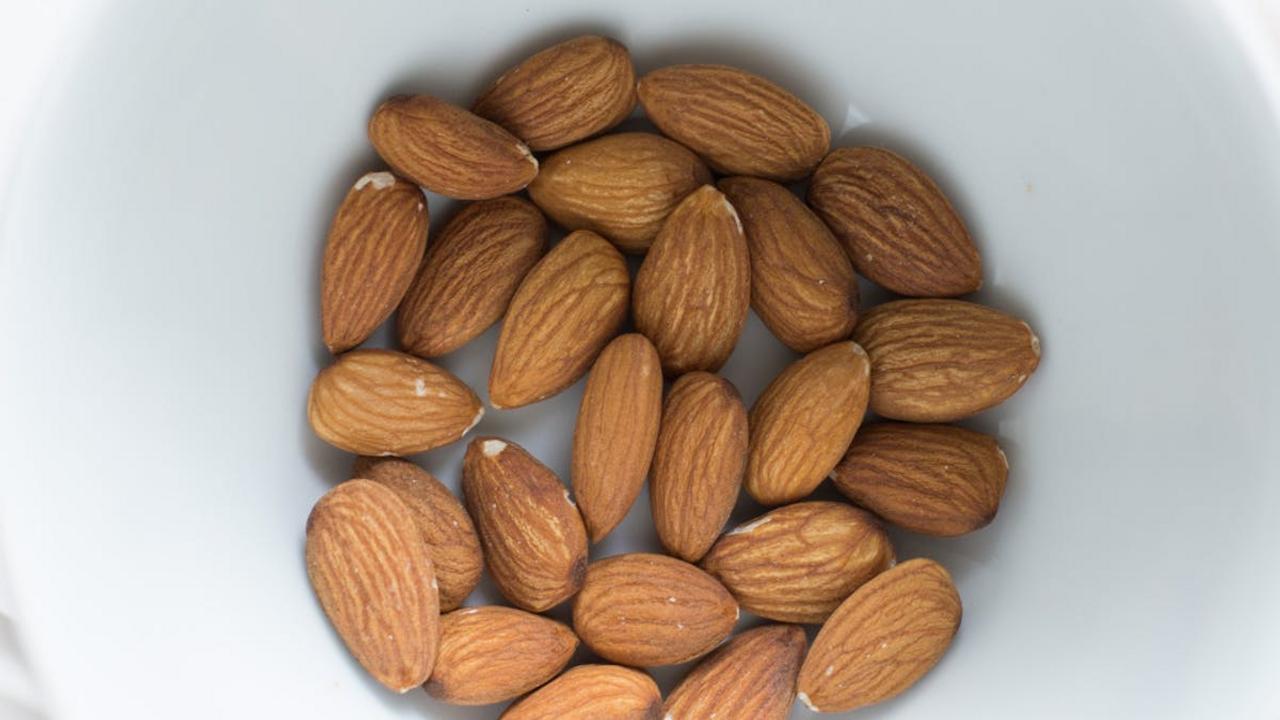
I can’t imagine my kitchen without almonds – they’re the most versatile nuts in my pantry! Raw almonds make a perfect nutrient-rich snack, while roasted ones add incredible depth to your dishes. You’ll find me sprinkling sliced almonds on morning oatmeal, blending them into creamy plant-based milk, or grinding them into flour for gluten-free baking. Their subtle sweetness and satisfying crunch work brilliantly in both sweet and savory recipes, from Moroccan tagines to Indian curries.
My favorite way to transform almonds is by blanching them briefly in hot water, which helps the skins slip right off. This technique gives you pristine white nuts ready for making traditional European desserts like marzipan or French macarons. I also love dry-roasting almonds with a pinch of sea salt and smoked paprika – the heat intensifies their natural oils and creates an addictive snack. Remember to store your almonds in an airtight container in the fridge to keep them fresh for months. Their healthy fats can turn rancid at room temperature, especially in warm climates.