15 Winter Foods Chefs and Home Cooks Are Obsessed With Right Now
Winter brings an incredible bounty of seasonal ingredients that have chefs and home cooks absolutely raving. These cold-weather gems offer bold flavors, stunning colors, and amazing nutritional benefits that make your kitchen feel warm and inviting even on the chilliest days.
From jewel-toned cranberries and pomegranates to earthy root vegetables like parsnips and celeriac, this season’s produce creates magic in every dish. You’ll discover how ingredients like blood oranges and Meyer lemons brighten heavy winter meals, while hearty greens like kale and Brussels sprouts add substance and nutrition.
These fifteen winter favorites prove that seasonal eating doesn’t mean sacrificing variety or excitement. Each ingredient brings its own personality to your cooking, whether you’re roasting chestnuts for a cozy evening or adding fennel’s licorice notes to soups and braises.
Cardoons
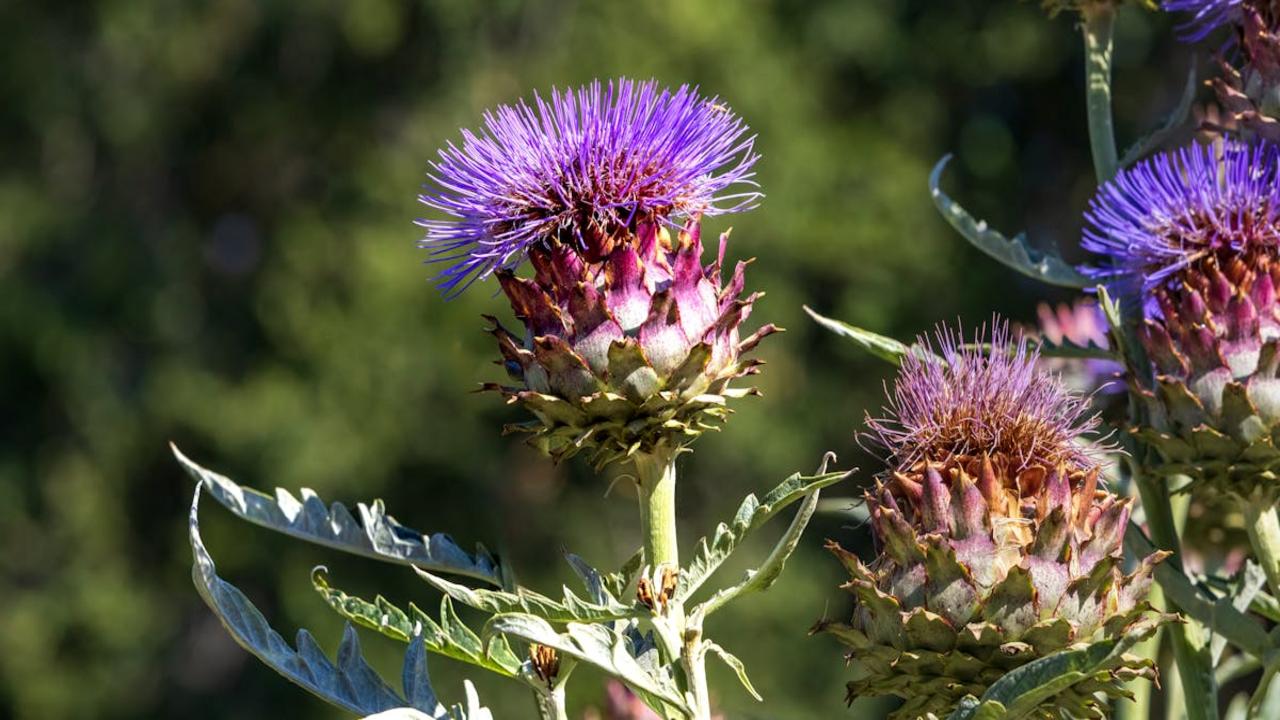
You know what’s making waves in winter kitchens right now? Cardoons – those stunning silvery-green stalks that look like celery’s sophisticated cousin. This Mediterranean vegetable brings an incredible artichoke-like flavor with hints of earthiness that makes every bite feel special. Chefs absolutely adore cardoons because they transform ordinary winter meals into something extraordinary, and honestly, once you try them, you’ll understand why they’re creating such a buzz.
Preparing cardoons might seem intimidating at first, but trust me, it’s simpler than you think! Strip away the tough outer layer, trim those thorny edges, and blanch the stalks until tender. They’re incredible braised with garlic and herbs, or try them gratinéed with creamy béchamel sauce – pure comfort food magic. The best part? Cardoons are packed with fiber, potassium, and antioxidants, so you’re nourishing your body while treating yourself to something truly delicious. Home cooks everywhere are discovering that this winter gem pairs beautifully with roasted meats and makes an unforgettable side dish for holiday gatherings.
Meyer Lemons
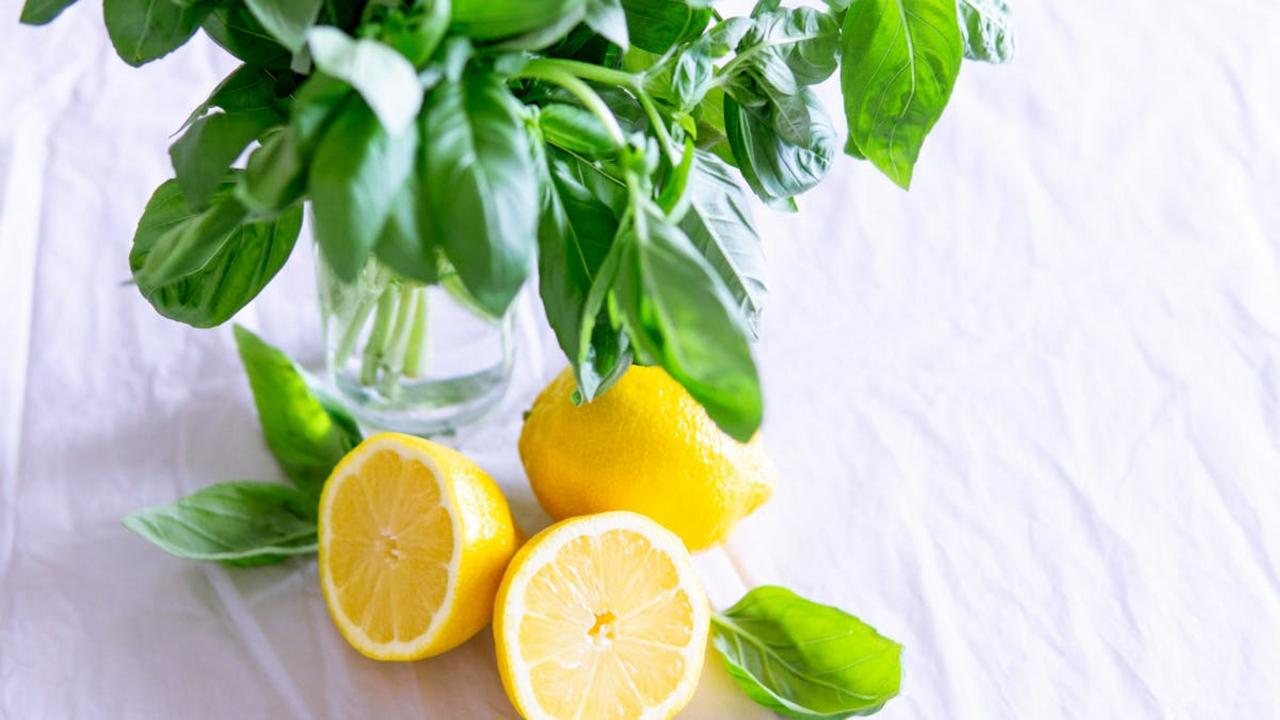
Meyer lemons are having their moment, and honestly, I can’t get enough of them! These gorgeous golden gems bring such a unique sweetness that regular lemons just can’t match. Their thin, fragrant skin and juice that tastes like sunshine mixed with honey make them perfect for everything from roasted chicken to creamy pasta sauces. I love how they add brightness to heavy winter dishes without that harsh tartness you get from regular lemons. Professional chefs have been singing their praises all season, and now home cooks are discovering why these beauties deserve a permanent spot in their fruit bowls.
What makes me so excited about Meyer lemons is how incredibly versatile they are during these colder months. You can zest that gorgeous peel into everything from winter salads to hot soups, and the juice works magic in marinades for root vegetables or slow-cooked stews. I’ve been adding them to my morning tea, squeezing them over roasted Brussels sprouts, and even making quick preserved Meyer lemon slices that keep in the fridge for weeks. The best part? They’re at their peak right now, so you’re getting maximum flavor and nutrition when your body craves that vitamin C boost most.
Chestnuts
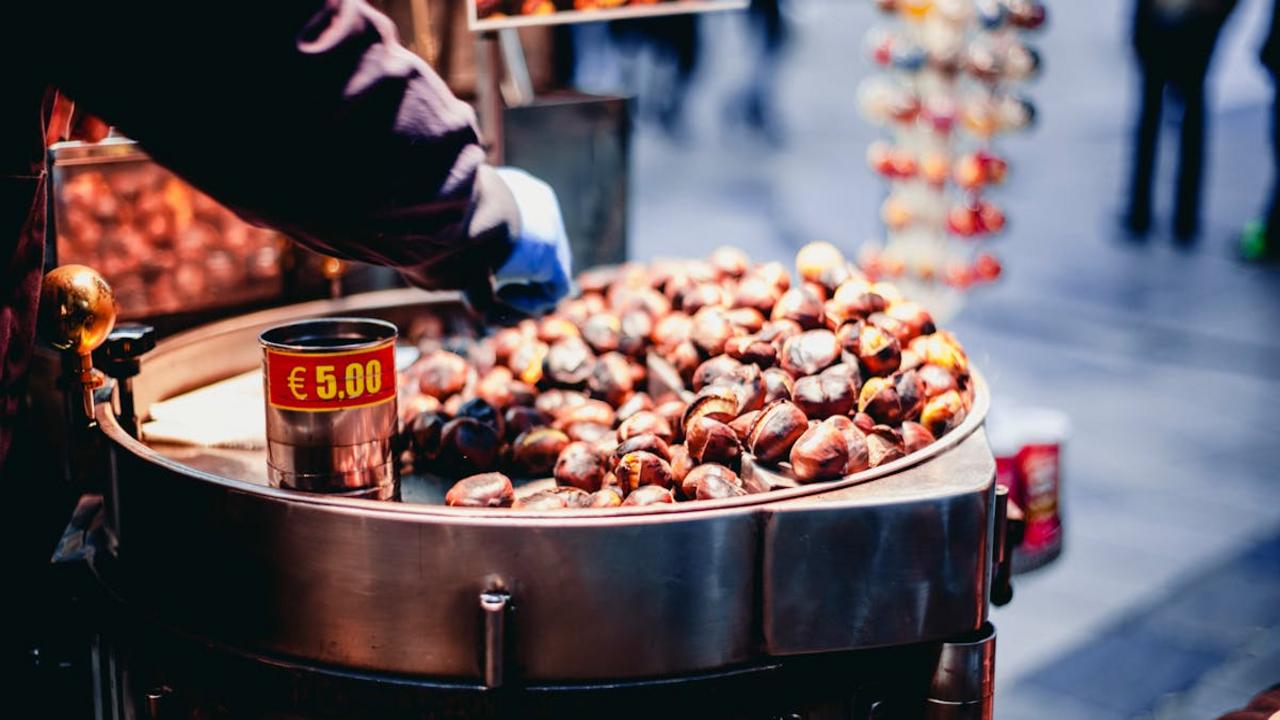
You know that magical moment when you catch the scent of roasting chestnuts on a crisp winter evening? That’s pure comfort calling your name! These gorgeous nuts have captured hearts in kitchens everywhere this season, and honestly, I can’t get enough of them. Chestnuts bring this incredible sweetness and creamy texture that transforms everything from simple weeknight dinners to show-stopping holiday spreads. Unlike other nuts, they’re surprisingly low in fat and packed with vitamin C, making them a nutritious winter treat that actually loves your body back.
What makes chestnuts absolutely irresistible right now is their incredible versatility – you can roast them whole for snacking, fold them into warm grain bowls, or blend them into the most luxurious soups you’ve ever tasted. I’ve been tossing roasted chestnuts into my Brussels sprouts stir-fries, and the combination is nothing short of spectacular. Pro tip: score an X on each chestnut before roasting to prevent any kitchen explosions, and don’t skip soaking them for 15 minutes first – it makes peeling so much easier. Trust me, once you start cooking with chestnuts, you’ll wonder why you waited so long to welcome these winter gems into your regular rotation!
Sunchokes
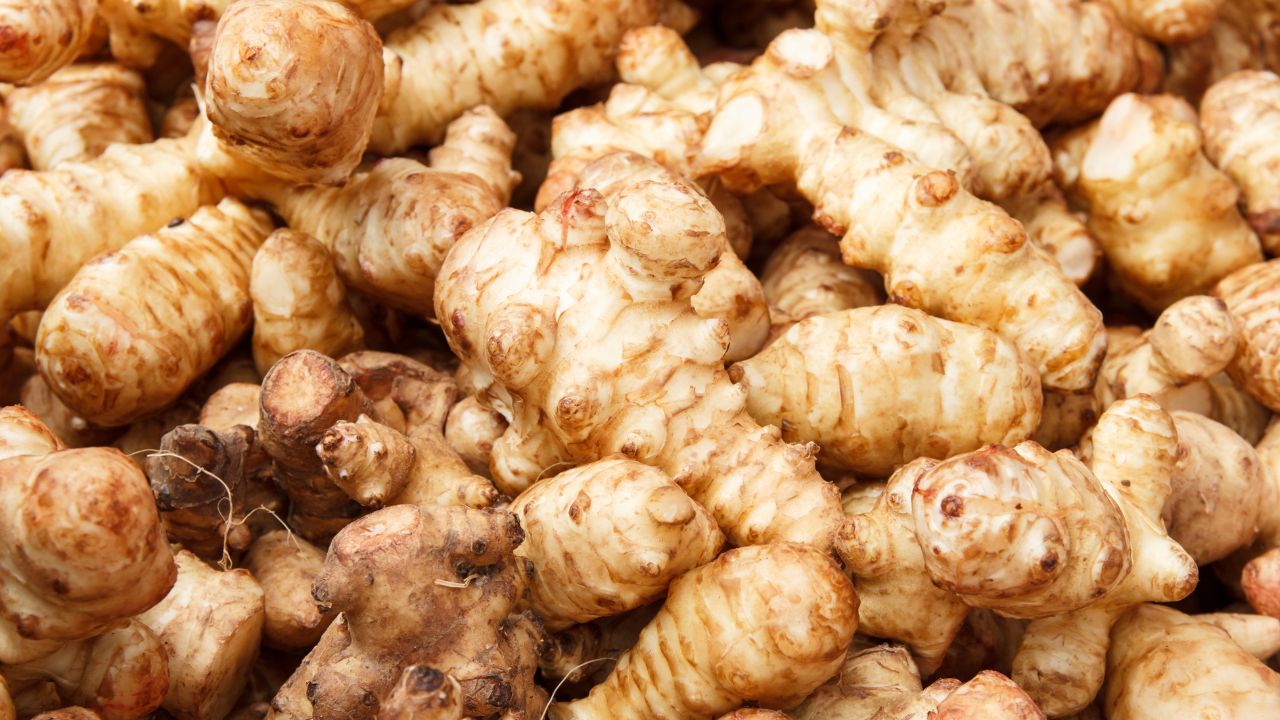
You know what’s been catching my attention in winter markets lately? Sunchokes! These knobby little tubers might look like ginger’s quirky cousin, but they pack such incredible flavor and nutrition that chefs everywhere are going wild for them. Also called Jerusalem artichokes, sunchokes bring this amazing nutty sweetness that gets even better when winter’s cold concentrates their natural sugars. I love how they’re loaded with inulin, a prebiotic fiber that supports gut health while giving you that satisfying, hearty feeling perfect for cold days.
The versatility of sunchokes absolutely blows me away! You can roast them until they’re caramelized and crispy on the outside, creamy on the inside – honestly, they rival any potato dish. Try them pureed into silky soups, shaved raw into winter salads for incredible crunch, or even pickled for that tangy bite that brightens heavy winter meals. Their earthy flavor pairs beautifully with sage, thyme, and roasted meats, making them the secret weapon that transforms simple dishes into something restaurant-worthy. Trust me, once you start cooking with these gems, you’ll wonder how you survived winter without them!
Black Radishes
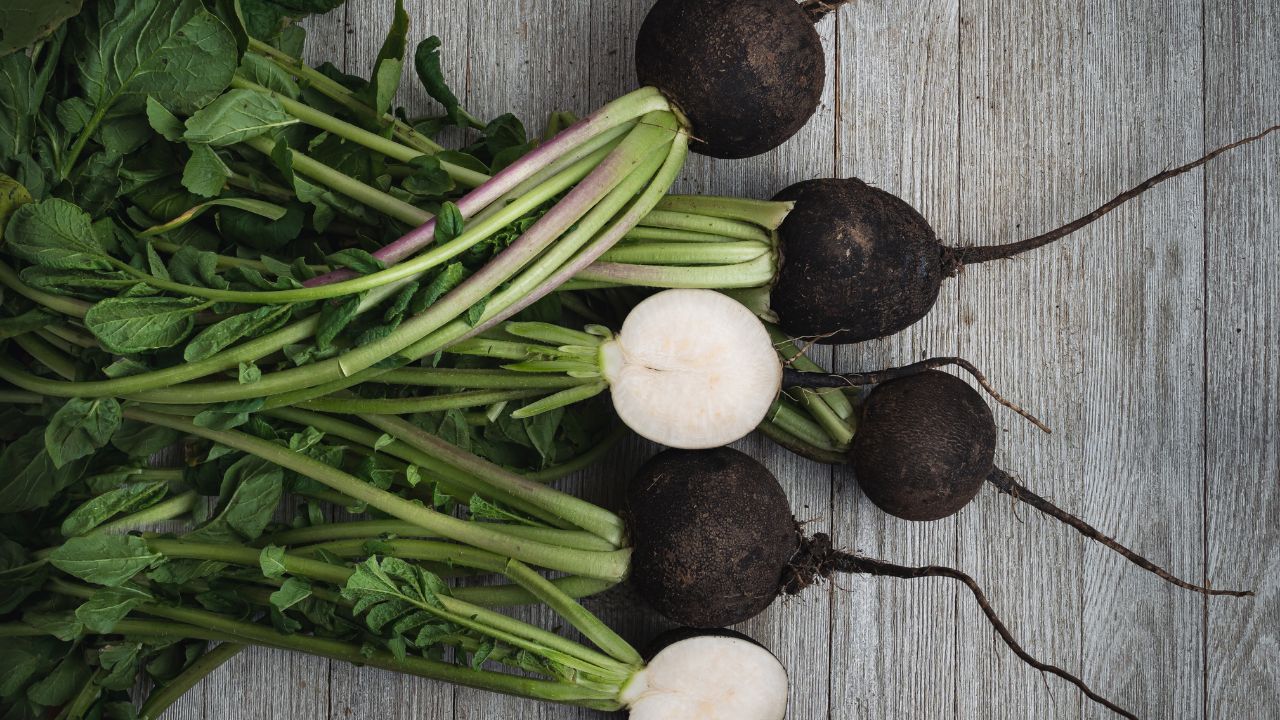
Black radishes might look intimidating with their dark, rough exterior, but don’t let appearances fool you! These winter root vegetables pack an incredible punch of peppery flavor that transforms completely when you cook them. I love how they go from sharp and spicy when raw to surprisingly sweet and tender when roasted or braised. You can find them at most farmers markets during the colder months, and they’re absolutely worth seeking out.
What makes black radishes so special is their versatility in winter cooking. Try grating them raw into salads for a bold kick, or roast them with other root vegetables for a mellower, caramelized flavor. They’re fantastic in soups and stews too – just add them during the last 20 minutes of cooking so they hold their shape. Plus, they’re loaded with vitamin C and natural compounds that support your immune system during flu season. I always keep a few in my refrigerator because they store beautifully for weeks and add such depth to simple winter meals.
Blood Oranges
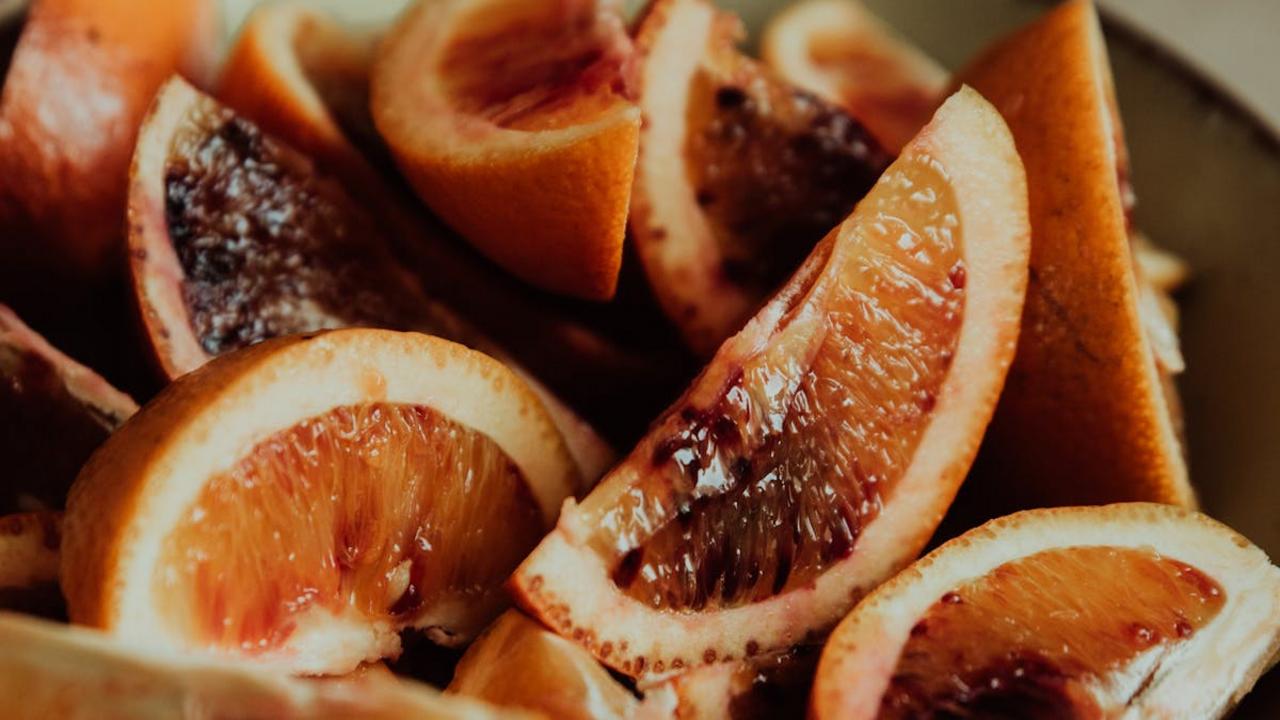
Blood oranges are having their moment right now, and I can’t get enough of these ruby-jeweled beauties! Their deep crimson flesh and sweet-tart flavor make them the perfect antidote to winter’s dreariness. You’ll find these gorgeous citrus fruits at their peak from December through March, when their natural sugars concentrate and that distinctive berry-like undertone really shines through. The anthocyanins that give them their dramatic color also pack a serious nutritional punch – think vitamin C, folate, and powerful antioxidants that your body craves during cold season.
What makes blood oranges so irresistible to chefs and home cooks alike is their incredible versatility. Segment them into winter salads with fennel and arugula, or juice them for the most stunning cocktails and vinaigrettes you’ve ever seen. I love roasting them with root vegetables or turning them into marmalade that brightens up your morning toast. Their natural acidity cuts through rich winter dishes beautifully, while their sweetness adds complexity to both savory and sweet preparations. Try them in your next batch of scones or fold them into a simple yogurt parfait – trust me, once you start cooking with blood oranges, you’ll wonder how you survived winter without them!
Celeriac
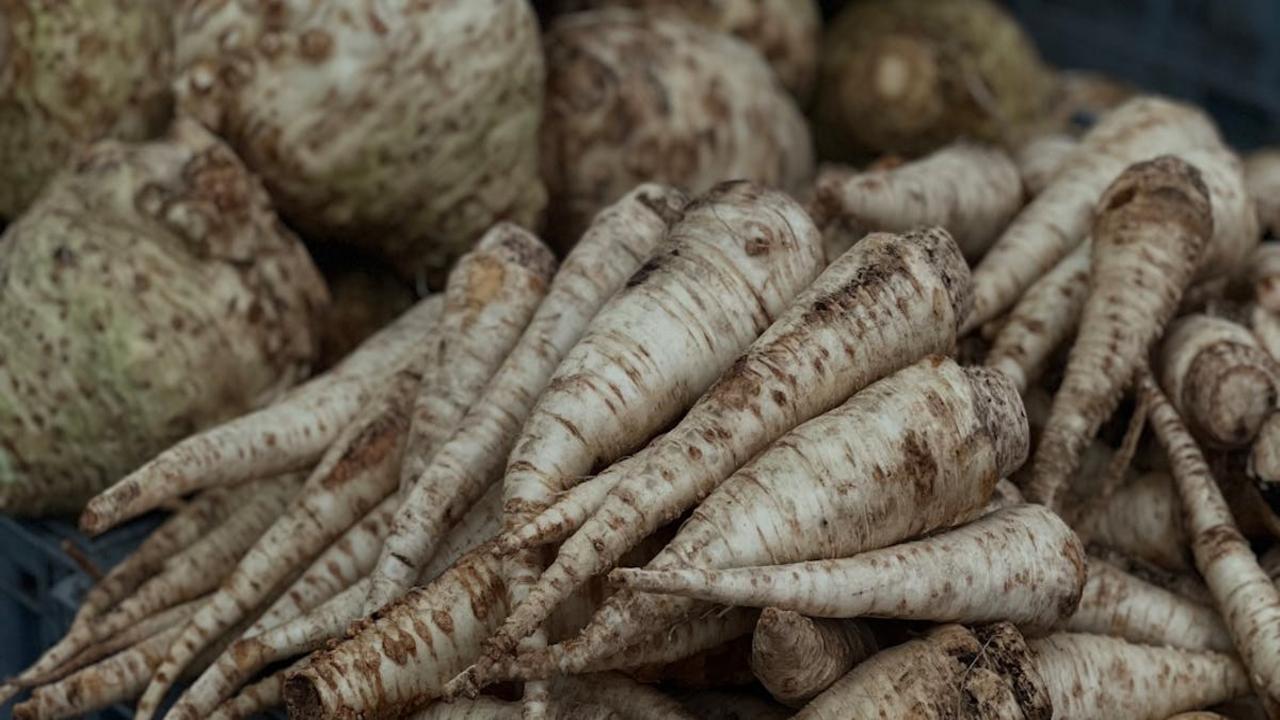
This gnarly, bulbous root vegetable might not win any beauty contests, but celeriac has captured the hearts of chefs and home cooks everywhere this winter. Also known as celery root, this versatile veggie brings a subtle celery flavor with earthy, nutty undertones that transform completely depending on how you prepare it. Roast it until caramelized for a sweet, tender side dish, or mash it with butter and cream for a lighter alternative to traditional mashed potatoes that still feels indulgent and satisfying.
What makes celeriac truly special is its incredible adaptability in your winter cooking routine. You can spiralize it into noodles, cube it for hearty soups and stews, or even grate it raw into slaws for a fresh crunch that brightens heavy winter meals. Rich in vitamin K, phosphorus, and fiber, this humble root vegetable proves that nutritious eating doesn’t mean sacrificing flavor or comfort. Don’t let its rough exterior intimidate you – simply peel away the thick skin with a sharp knife, and you’ll discover the creamy white flesh inside that’s ready to become your new winter obsession.
Parsnips
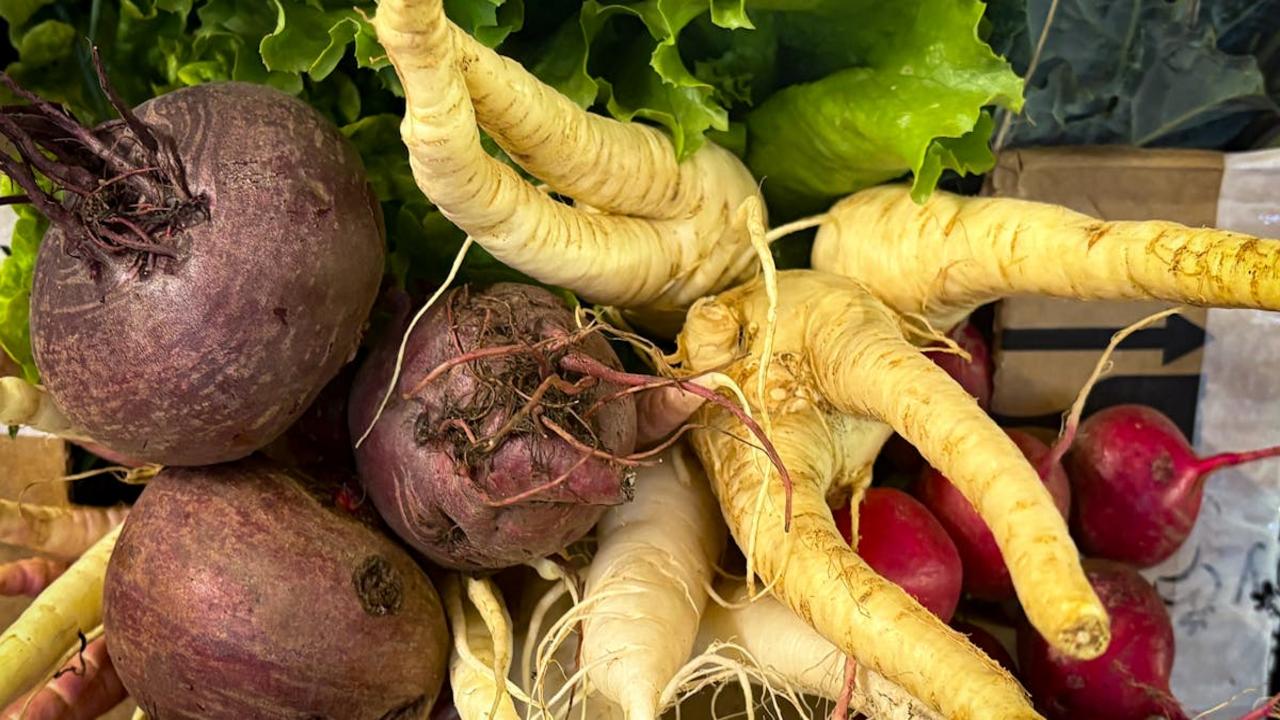
You know that sweet, nutty vegetable that looks like a pale carrot? That’s your new winter best friend right there! Parsnips bring this incredible earthy sweetness that intensifies beautifully when roasted, and chefs everywhere are going crazy for their versatility. I love how they caramelize at the edges while staying creamy inside – it’s pure magic happening in your oven. They’re packed with fiber, folate, and vitamin C, making them a nutritional powerhouse that actually tastes amazing.
The beauty of parsnips lies in how they transform completely depending on your cooking method. Roast them with olive oil and herbs for crispy-edged perfection, or mash them with butter and cream for the silkiest side dish that puts regular mashed potatoes to shame. I’ve been experimenting with parsnip fries lately, and they’re absolutely addictive – sweet, crispy, and so much more interesting than regular potato fries. Try adding them to soups and stews where they break down slightly and add natural sweetness, or grate them raw into salads for a peppery crunch that wakes up your whole plate.
Leeks
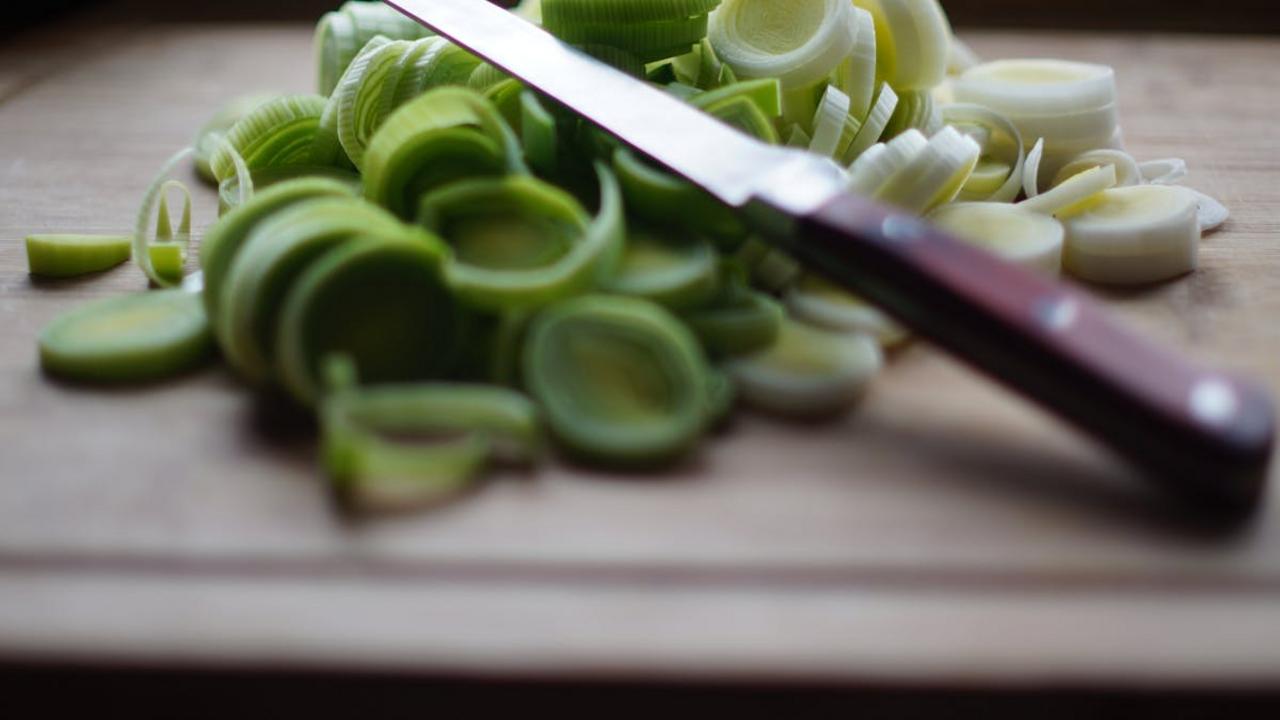
Winter brings out the best in leeks, and honestly, I can’t get enough of these gorgeous green beauties right now! Their mild, sweet onion flavor becomes incredibly tender when cooked, making them perfect for hearty soups, creamy gratins, and warming braises. You’ll find chefs across the country turning to leeks for their ability to add depth without overpowering other ingredients. The white and light green parts offer the most delicate flavor, while the darker green tops make incredible stock that adds richness to any winter dish.
What makes leeks so special this season is their incredible versatility and nutritional punch. They’re packed with vitamin K, folate, and antioxidants that support your immune system during these colder months. Try sautéing sliced leeks with garlic and thyme as a base for potato soup, or roast them whole with olive oil and herbs for a simple side dish that pairs beautifully with roasted chicken or beef. The key is cleaning them properly – slice them lengthwise and rinse thoroughly between the layers to remove any hidden dirt, then you’re ready to create something absolutely delicious!
Fennel
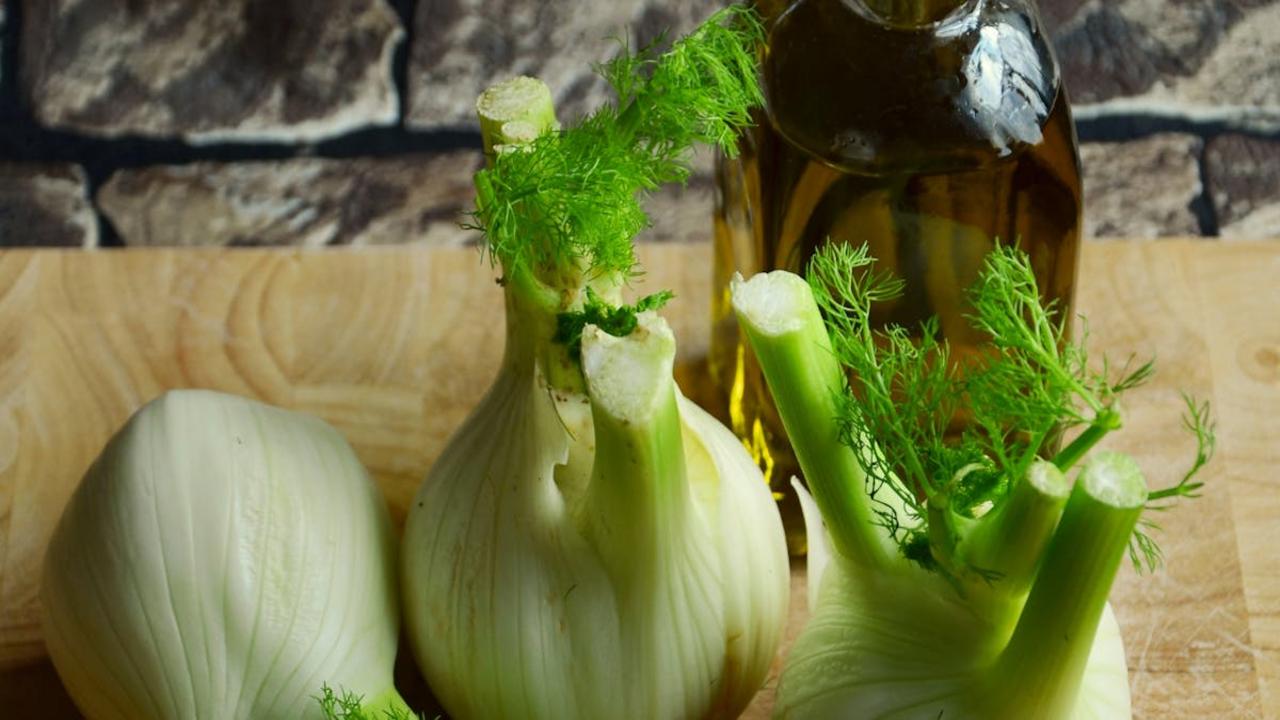
Fennel has become my absolute favorite winter vegetable, and I can’t stop recommending it to everyone who steps into my kitchen! This crisp, aromatic bulb brings a gentle licorice flavor that transforms from sharp and fresh when raw to sweet and mellow when roasted. You can slice it paper-thin for salads, braise it with white wine and herbs, or simply roast wedges with olive oil and sea salt until they caramelize beautifully. The feathery fronds make an incredible garnish, and don’t even get me started on how amazing fennel pairs with citrus, fish, and creamy winter grains like farro or barley.
What makes fennel such a winter superstar is its incredible versatility and the way it brightens up heavier seasonal dishes. I love adding shaved fennel to my winter slaws with apples and walnuts, or braising it alongside root vegetables for a side dish that feels both comforting and sophisticated. The bulb stores wonderfully in your refrigerator for weeks, making it perfect for meal prep, and its natural digestive properties help balance out all those rich winter comfort foods. Trust me, once you start cooking with fennel regularly, you’ll wonder how you ever got through winter without its bright, refreshing presence on your plate.
Persimmons
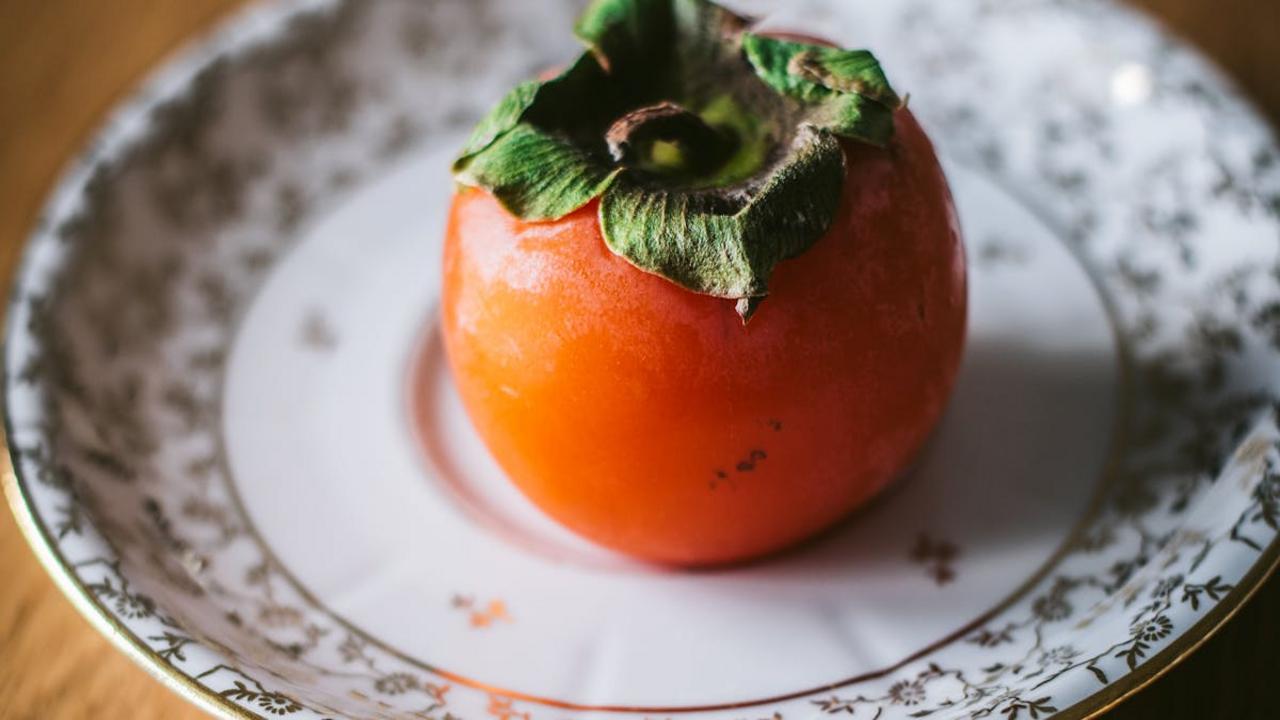
Picture this: you’re strolling through the produce section, and these gorgeous orange orbs catch your eye – meet persimmons, winter’s sweetest secret! These glossy beauties transform from firm and astringent to incredibly sweet and jammy as they ripen, making them perfect for both fresh eating and cooking. I absolutely adore how versatile they are – you can slice them into salads for a honeyed crunch, blend them into smoothies for natural sweetness, or bake them into breads and muffins that’ll make your kitchen smell like heaven.
What makes persimmons truly special is their incredible nutritional punch packed into that silky flesh. They’re loaded with vitamin A for healthy skin and eyes, plus fiber that keeps your digestive system happy during those heavy winter months. Try my favorite trick: let Fuyu persimmons get super soft, then scoop out the flesh and swirl it into Greek yogurt with a sprinkle of cinnamon – it tastes like dessert but nourishes your body beautifully. You can also roast them with winter vegetables or add them to grain bowls for a pop of natural sweetness that balances savory flavors perfectly.
Brussels Sprouts
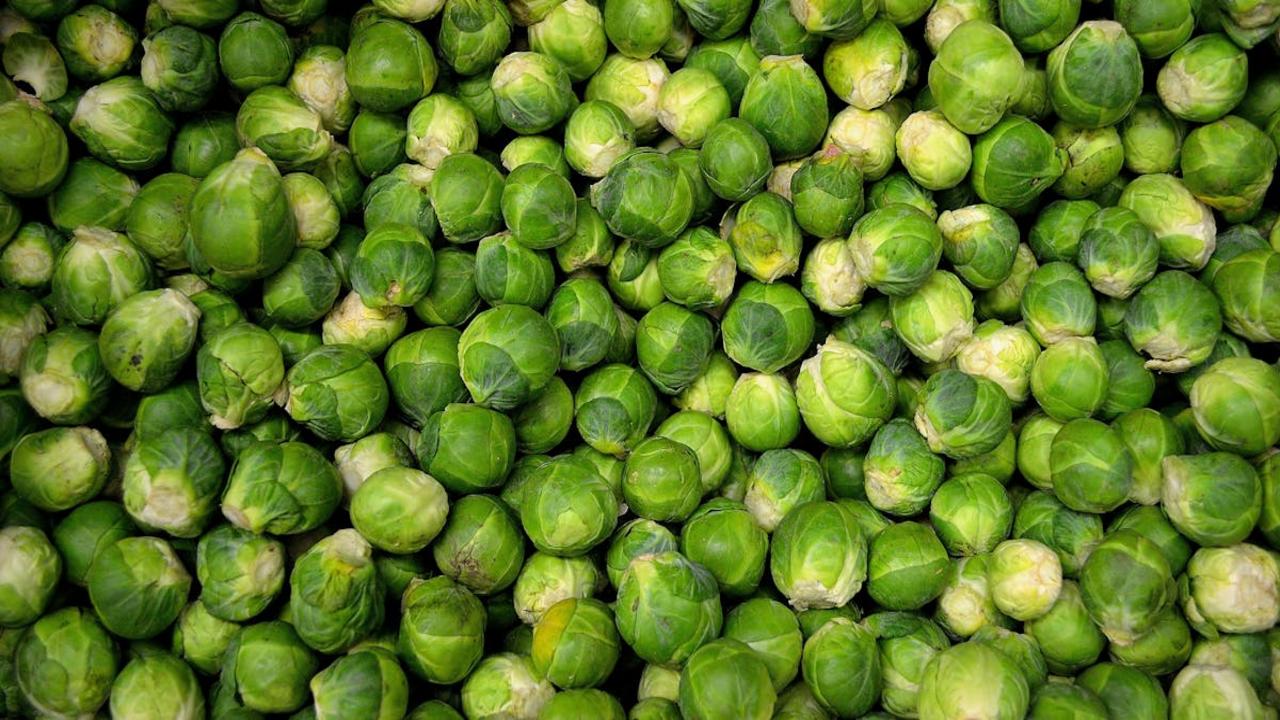
Brussels sprouts have officially shed their reputation as the vegetable everyone loves to hate! This winter, chefs and home cooks can’t get enough of these miniature cabbages, and honestly, I completely understand why. When you roast them properly – and I mean really properly – they transform into something magical. The outer leaves get crispy and caramelized while the centers stay tender and sweet. I’ve been experimenting with halving them and tossing with olive oil, salt, and a drizzle of balsamic glaze before roasting at high heat, and the results are absolutely phenomenal.
What makes Brussels sprouts perfect for winter cooking is their incredible versatility and nutritional powerhouse status. You can shred them raw for a crunchy winter salad, sauté them with bacon and onions for a cozy side dish, or even pickle them for a tangy addition to your charcuterie boards. They’re packed with vitamin C, fiber, and antioxidants – exactly what your body craves during the colder months. Try adding them to your next stir-fry or grain bowl, and watch how they soak up flavors while adding that satisfying bite. Trust me, once you master the art of cooking Brussels sprouts, they’ll become your go-to winter vegetable!
Kale
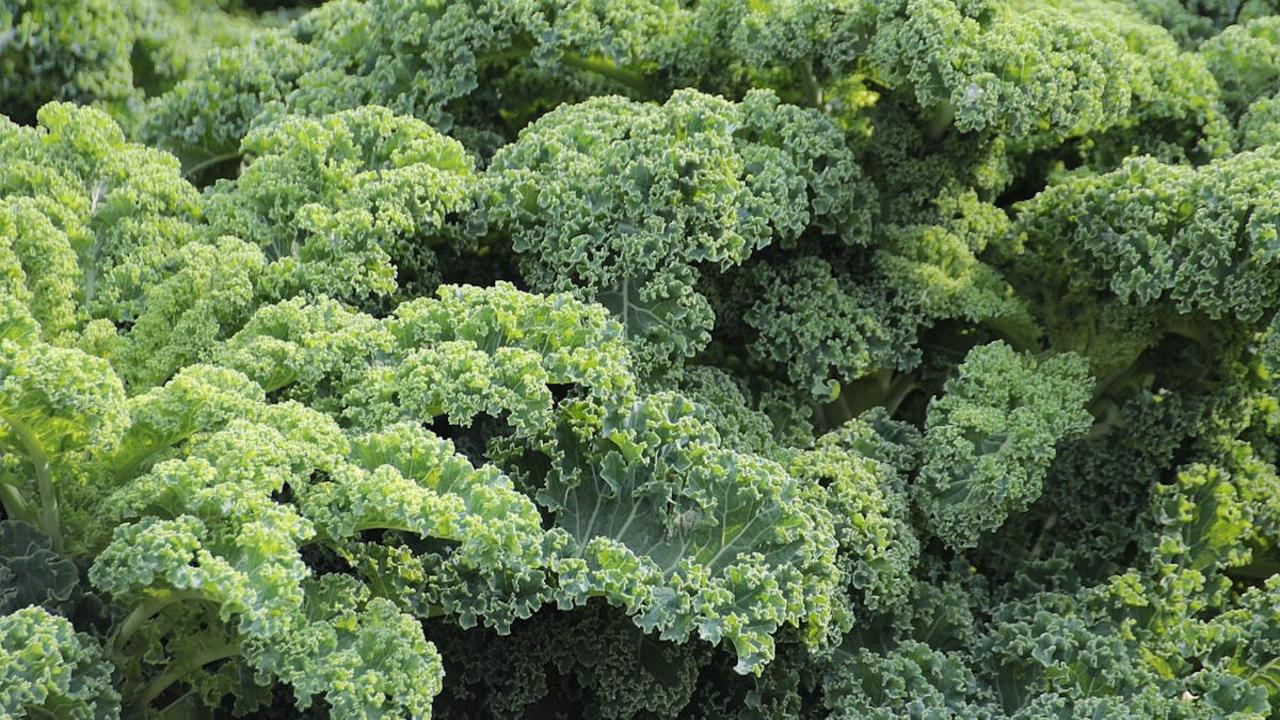
Kale transforms into something magical during winter months, becoming sweeter and more tender after those first frost kisses. You know that slightly bitter edge kale sometimes has? Cold weather mellows it out beautifully, making each leaf more palatable and downright craveable. I love how this powerhouse green becomes the star of so many winter dishes right now – from hearty soups and warming stews to crispy roasted chips that satisfy your snacking needs. The cold actually concentrates the nutrients too, so you’re getting maximum bang for your nutritional buck with every bite.
What really excites me about winter kale is how incredibly versatile it becomes in your kitchen. You can massage those sturdy leaves with a bit of olive oil and lemon juice for the most satisfying winter salads, or toss them into your slow cooker with white beans and Italian sausage for a soul-warming meal. Try sautéing chopped kale with garlic and red pepper flakes, then stirring it into creamy pasta or grain bowls. The texture holds up beautifully to longer cooking methods too, making it perfect for braising with root vegetables or adding to hearty winter soups where it won’t wilt into nothing.
Pomegranates
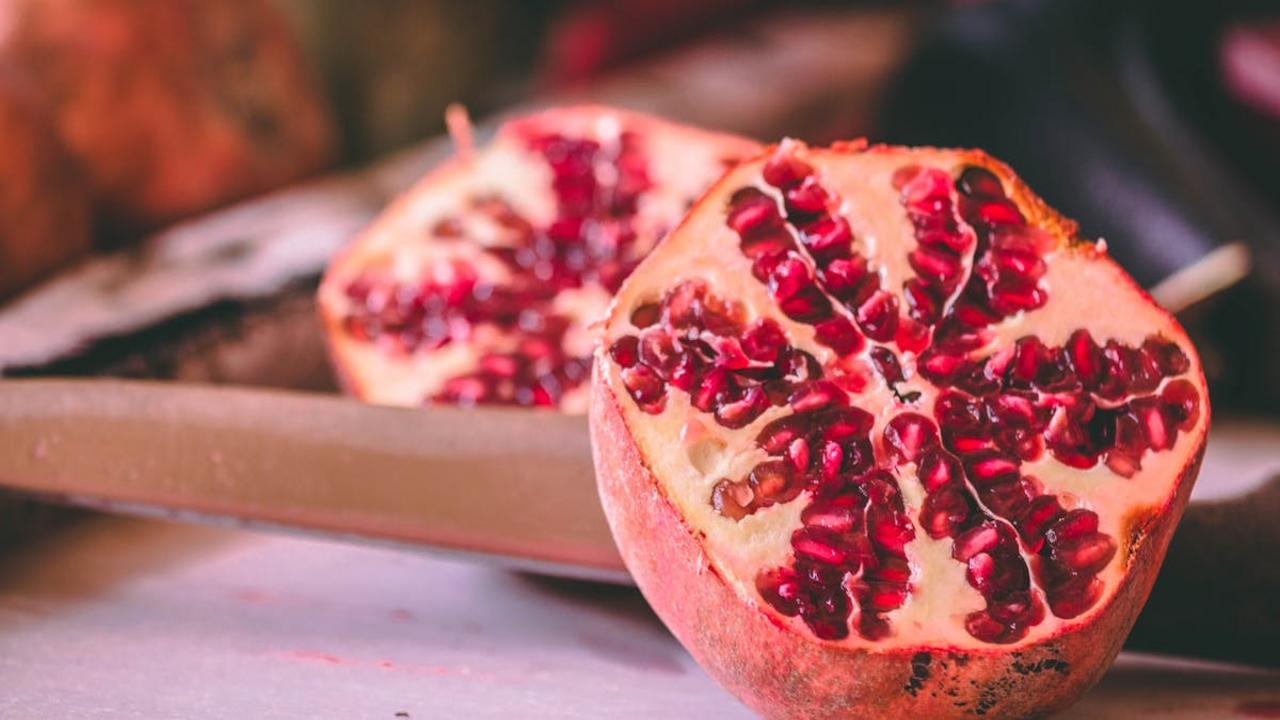
If you haven’t jumped on the pomegranate train yet, now’s the perfect time! These ruby-red gems are having a major moment in winter kitchens everywhere, and honestly, I can’t get enough of them. Chefs are sprinkling those jewel-like arils over everything from winter salads to grain bowls, while home cooks are discovering just how easy they are to work with. The sweet-tart flavor adds this incredible pop that transforms ordinary dishes into something special. Plus, they’re absolutely gorgeous – those bright red seeds instantly make any plate look restaurant-worthy.
What I love most about pomegranates is how versatile they are during these colder months. You can toss them into yogurt parfaits for breakfast, mix them into quinoa salads for lunch, or even reduce the juice into a glaze for roasted meats. They store beautifully in the fridge for weeks, so you can always have them on hand. The trick I always share is to deseed them in a bowl of water – the arils sink while the white pith floats, making cleanup a breeze. Trust me, once you start cooking with these winter beauties, you’ll wonder how you ever lived without them!
Cranberries
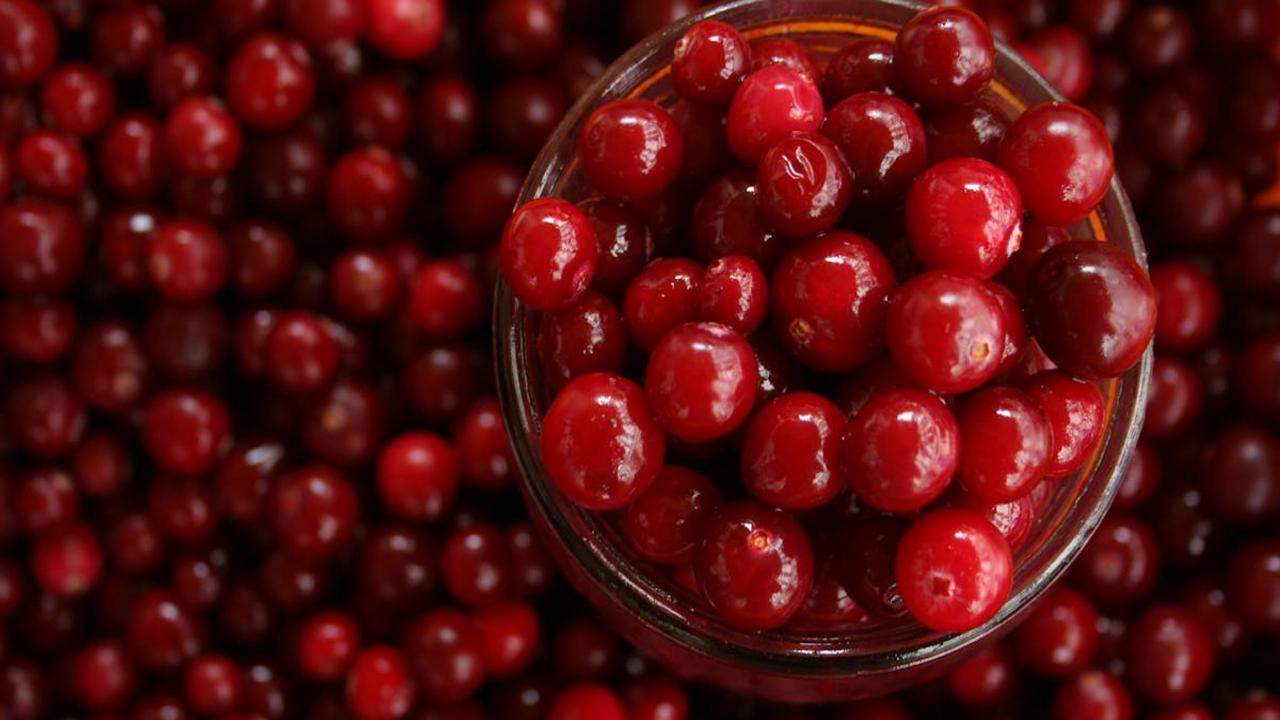
You know those ruby-red gems that pop up everywhere during the holidays? Cranberries deserve way more love than just their seasonal cameo in sauce! These tart little powerhouses pack serious nutritional punch with their antioxidants, vitamin C, and fiber. I’ve been watching chefs get creative with fresh cranberries lately, and honestly, it’s about time. They’re not just for Thanksgiving anymore – these beauties can transform your winter cooking in ways you never imagined.
Fresh cranberries bring this amazing sweet-tart balance to both savory dishes and desserts that’ll make your mouth water. Try tossing them into grain bowls with roasted vegetables, or fold them into homemade bread for breakfast. They pair beautifully with dark chocolate, nuts, and winter spices like cinnamon and cardamom. My favorite trick? Quickly sauté them with a touch of maple syrup and fresh thyme – they burst open and create this gorgeous, jewel-toned sauce that works magic over roasted chicken or pork. The best part? They freeze perfectly, so stock up now and enjoy their bright flavor all winter long.