14 Grocery Items So Pricey They Shock Your Checkout Total
You know that heart-stopping moment at the grocery checkout when the total flashes and you’re suddenly questioning your life choices? Some ingredients cost more than your monthly streaming subscriptions combined. We’re talking about foods so expensive they require a financial pep talk before adding them to your cart.
These aren’t your average splurges—they’re the rock stars of the grocery world, demanding astronomical prices for good reason. From fungi that grow under specific trees to fish that could literally kill you if prepared wrong, these items redefine “luxury eating.” Some require years to produce, others need expert foragers trekking through remote forests, and a few are just plain rare.
Whether you’re a curious foodie or just wondering why that tiny jar costs more than your rent, buckle up. We’re diving into the world’s most outrageously priced grocery items that’ll make your wallet weep and your taste buds tingle with anticipation. Trust me, after learning about these, your weekly grocery bill will suddenly seem downright reasonable.
Pine nuts
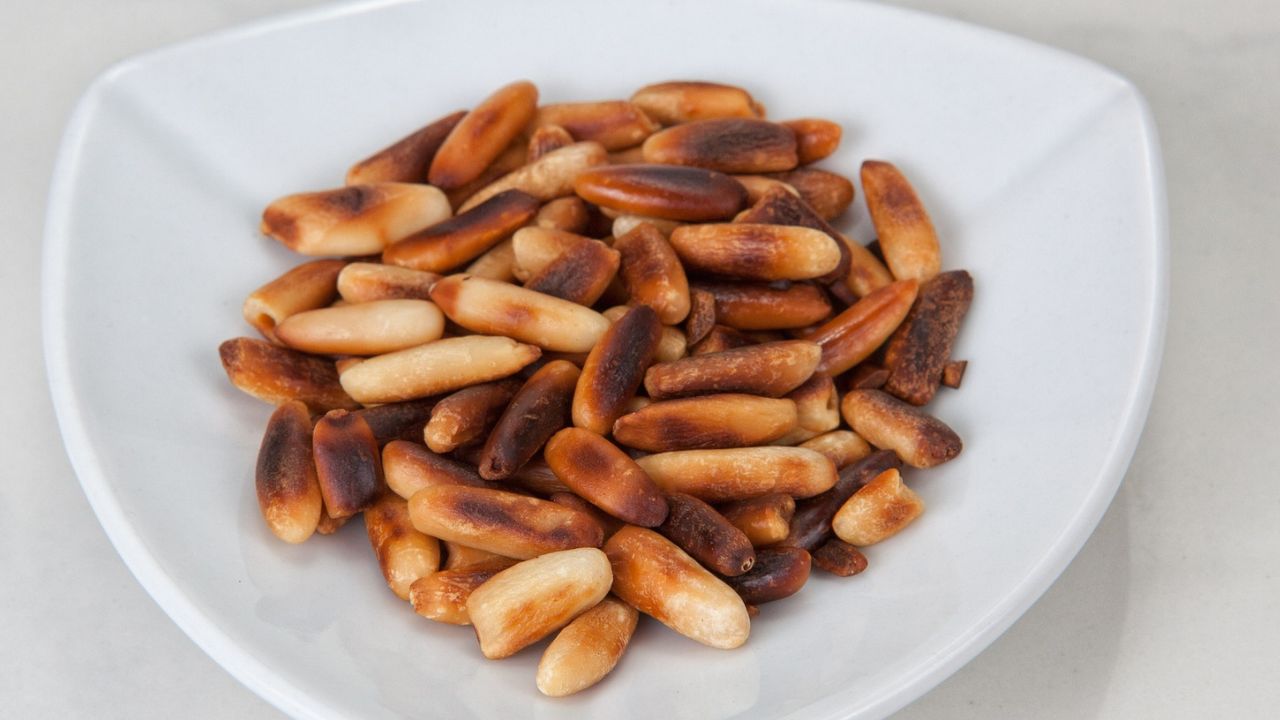
Pine nuts are basically the divas of the nut world—small, delicate, and ridiculously expensive. These tiny teardrops of buttery goodness can set you back anywhere from $20 to $30 per pound, which is enough to make you question whether that homemade pesto is really worth it. But here’s the thing: pine nuts don’t grow on just any tree. They come from specific pine cones that can take up to three years to mature, and harvesting them is absurdly labor-intensive. Workers have to collect the cones, heat them to release the seeds, then shell each individual nut by hand. It’s like nature decided to make the most inconvenient snack possible just to test our dedication to Mediterranean cuisine.
What really drives up the price is that most pine nuts sold in North America are imported from countries like China, Russia, and Mediterranean regions, adding shipping costs to an already pricey product. And if you’ve ever experienced “pine mouth”—that weird metallic taste some people get from eating certain varieties—you know that not all pine nuts are created equal. The good news? You can stretch your precious stash by toasting them lightly to intensify their flavor, meaning you’ll need fewer nuts to make the same impact. Or try substituting with toasted sunflower seeds or almonds in recipes where pine nuts aren’t the star. Your wallet will thank you, even if your pesto isn’t quite as authentic as Nonna’s.
Beluga Caviar
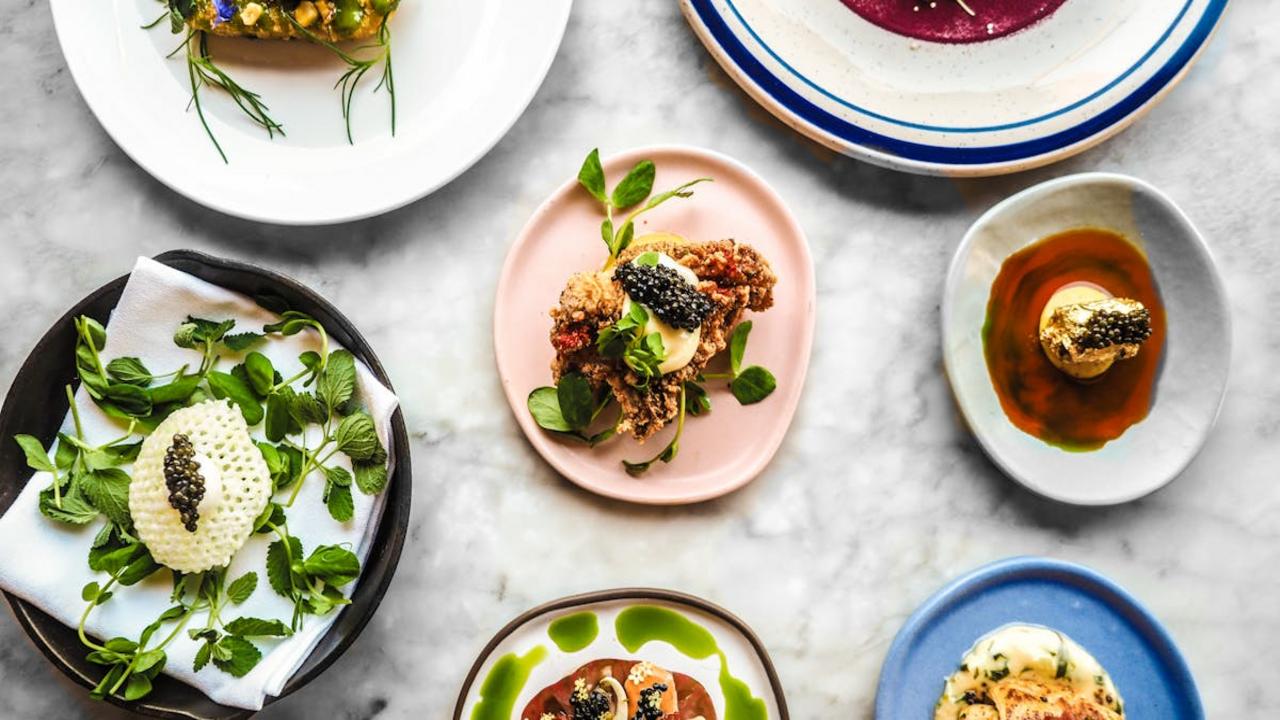
Picture yourself at the grocery store, innocently browsing the fancy food section, when you spot a tiny tin of Beluga caviar with a price tag that makes your eyes water more than chopping onions. We’re talking hundreds—sometimes thousands—of dollars for what amounts to less fish eggs than you’d find in a single goldfish cracker. This prized delicacy comes from the Beluga sturgeon, a prehistoric-looking fish that can live over 100 years and doesn’t even start producing eggs until it’s around 20 years old. No wonder it costs more per ounce than actual gold! The scarcity factor skyrocketed even higher when the U.S. banned Beluga caviar imports in 2005 due to the sturgeon’s endangered status, turning this already pricey treat into an even more exclusive indulgence.
What makes this salty splurge so special? True Beluga caviar boasts large, glossy pearls that range from pale gray to nearly black, delivering a buttery, clean flavor that melts on your tongue like ocean-kissed butter. Connoisseurs swear by eating it with mother-of-pearl spoons because metal supposedly taints the taste—fancy, right? But here’s the kicker: most Americans will never taste authentic Beluga caviar due to that import ban, so what you’re seeing at premium prices is likely Osetra or Sevruga caviar masquerading as the top-tier stuff. If you’re determined to blow your grocery budget on fish eggs, at least make sure you’re getting the real deal from a reputable source. Otherwise, you’re paying caviar prices for what might be fancy fish roe dressed up for a night out.
White Alba Truffles
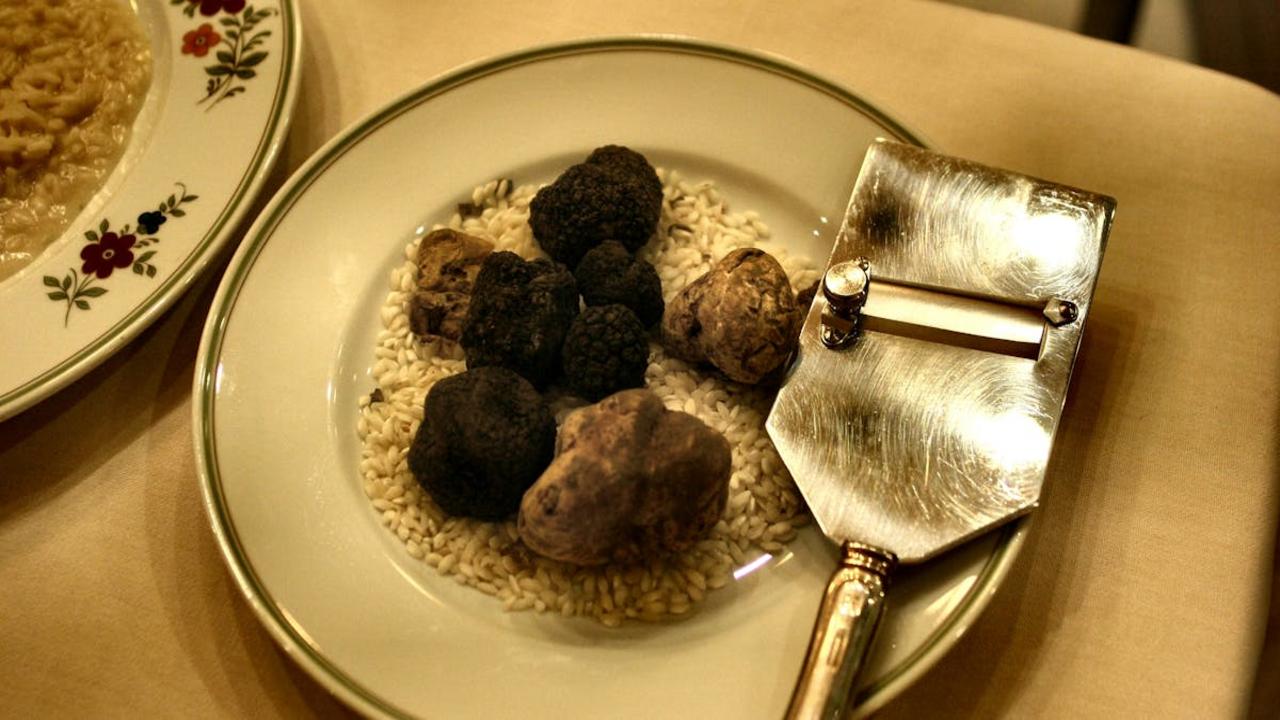
Picture this: you’re standing in a gourmet grocery store, minding your own business, when you spot a tiny, wrinkly fungi about the size of a golf ball sitting in a glass case like it’s the Crown Jewels. The price tag reads $4,000 per pound. Your jaw drops. Welcome to the world of White Alba Truffles, the undisputed royalty of the underground mushroom kingdom. These knobby treasures grow exclusively in the Piedmont region of Northern Italy, and they’re so rare and temperamental that they’ve never been successfully cultivated. That means every single one has to be sniffed out by specially trained dogs (or occasionally pigs, though dogs are preferred since pigs tend to eat the evidence). The season lasts only from October through December, and the window for peak flavor is criminally short. What makes them worth more than gold by weight? Their aroma is absolutely intoxicating—a heady mix of earth, garlic, honey, and pure magic that transforms even the simplest dish into something transcendent.
Here’s the kicker: you can’t cook these bad boys. Heat destroys their delicate fragrance faster than you can say “mortgage payment.” Instead, you shave them paper-thin over warm pasta, risotto, or scrambled eggs, and watch as that perfume fills your kitchen and makes you question every food decision you’ve ever made. A little goes a long way, thankfully, because you’ll need about two ounces for a memorable meal, which translates to roughly $500 vanishing from your bank account. Professional chefs guard their truffle suppliers like state secrets, and black market truffle fraud is a genuine problem in Italy. Some restaurants have even been caught passing off cheaper varieties as the real deal. If you ever splurge on these beauties, store them in a sealed container with eggs or rice—they’ll infuse everything with their flavor, giving you bonus truffle products. Your grocery total will absolutely skyrocket, but for those few precious moments of pure gustatory bliss, some people swear it’s worth every penny.
Yubari King Melons
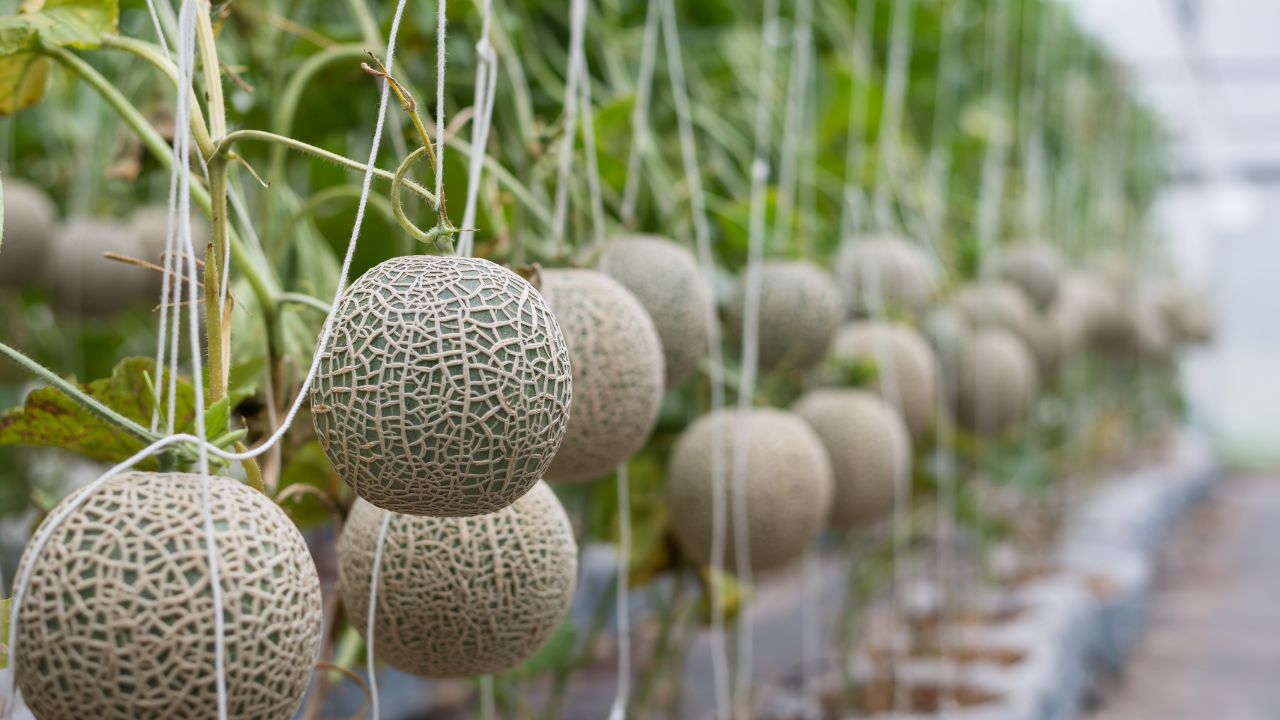
Picture this: you’re strolling through a Japanese fruit market, minding your own business, when suddenly you spot a melon wearing what appears to be a tuxedo made of perfect netting. That’s your first glimpse of the Yubari King Melon, and yes, it costs more than your monthly car payment. These cantaloupe cousins from Hokkaido have sold at auction for up to $45,000 for a pair—no, that’s not a typo. Grown in volcanic ash soil and given the VIP treatment throughout their entire existence, these melons are hand-massaged (seriously), carefully pruned so only one fruit grows per vine, and monitored more closely than a presidential motorcade. The result? A perfectly round, impossibly sweet melon with flesh so juicy it practically dissolves on your tongue like orange-hued silk.
Now, before you remortgage your house for a taste, know that most Yubari Kings sold outside of luxury auctions run “only” a few hundred dollars—still enough to make your wallet weep. The Japanese take their gift-giving seriously, and presenting someone with one of these beauties is basically saying “you’re worth more to me than a small used car.” The flavor is legitimately spectacular—imagine the sweetest cantaloupe you’ve ever had, then multiply it by ten and add a floral note that makes you wonder if you’re eating fruit or drinking perfume. But honestly, unless you’re celebrating something monumental or trying to impress your future in-laws, save your cash and grab a regular cantaloupe. Your bank account will thank you, and you can still enjoy a tasty melon without auctioning off your firstborn.
Fugu (Pufferfish)
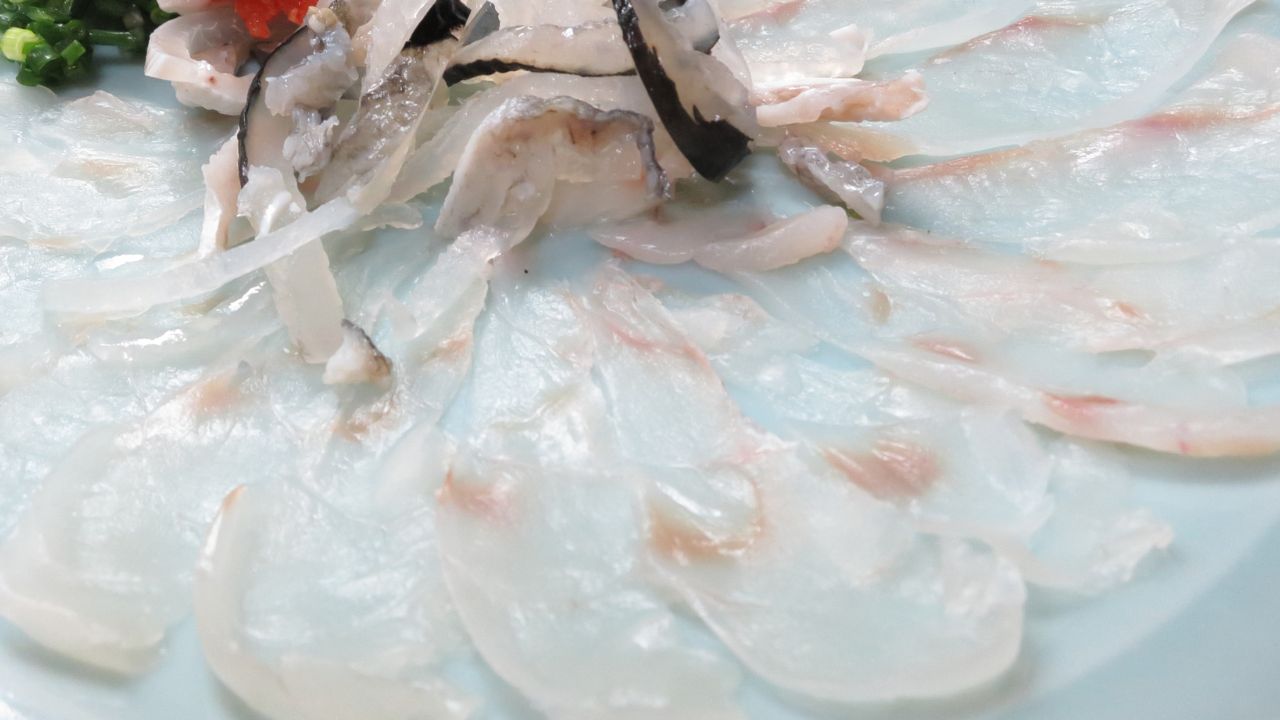
So you’re thinking about ordering fugu at that fancy Japanese restaurant? Better check your bank account first—and maybe your life insurance policy while you’re at it. This delicacy runs anywhere from $200 to $500 per plate, and that’s assuming you can even find a chef licensed to prepare it. See, fugu contains tetrodotoxin, a poison 1,200 times deadlier than cyanide, concentrated in the liver and ovaries. One wrong slice, and you’re not just overpaying for dinner—you’re playing Russian roulette with your tongue. Japanese chefs train for years to master the precise knife work required, and only a handful earn the credentials to serve it legally. The fish itself tastes mild, almost bland, with a subtle sweetness and firm, chewy texture that fans describe as worth the risk and the ridiculous price tag.
What makes this price even more absurd? You’re essentially paying someone not to kill you. The thrill factor accounts for at least half the cost—diners want bragging rights that they ate poisonous fish and lived to Instagram about it. Despite strict regulations and expert preparation, a few people still die from fugu poisoning every year, usually from overly confident home cooks who think YouTube tutorials qualify as training. The Japanese government banned fugu liver sales in 1984 after too many deaths, though some risk-takers still seek it out on the black market for the supposed tingling sensation. For that kind of money, you could buy a week’s worth of regular groceries or, you know, several meals that won’t potentially paralyze your respiratory system. But hey, if you survive, at least you’ll have one heck of a dinner party story.
Moose Milk Cheese
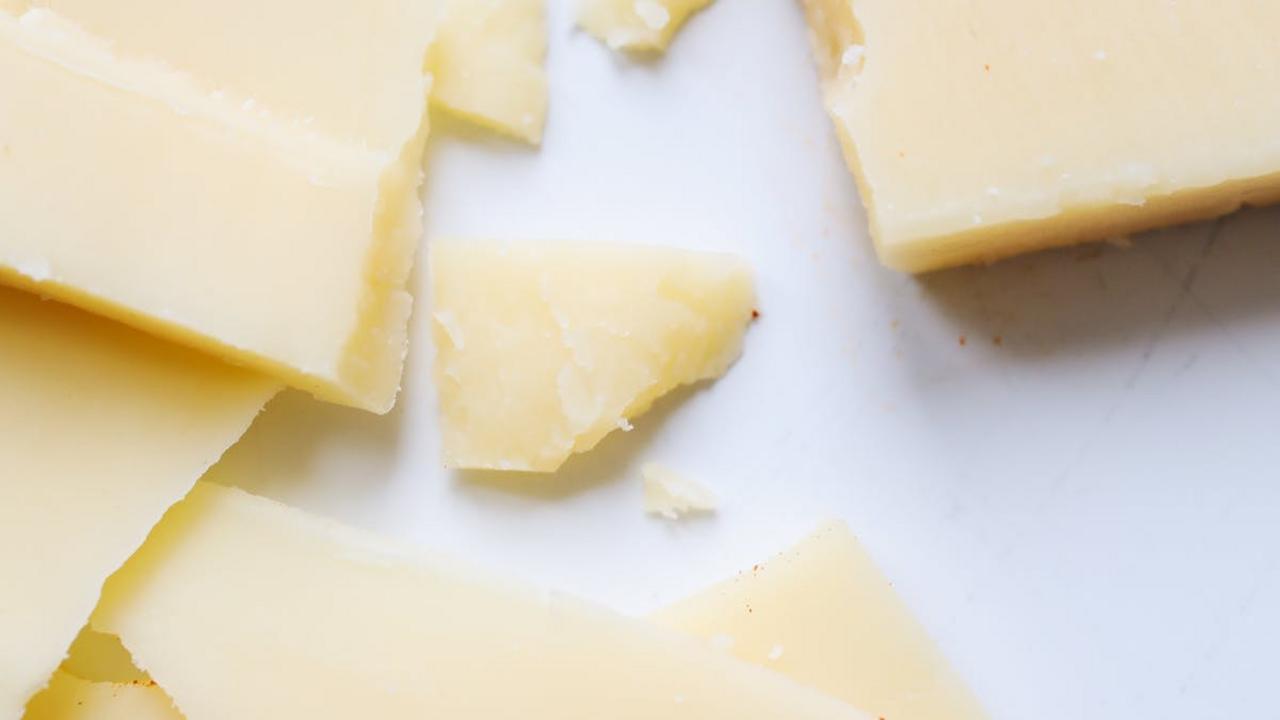
Picture this: you’re standing at a specialty cheese counter, eyeing a small wedge that costs more than your monthly Netflix subscription. That, my friend, is moose milk cheese—the unicorn of the dairy world. Made exclusively at Moose House farm in Sweden and a handful of Russian locations, this cheese commands prices upward of $500 per pound. Why so steep? Well, moose can only be milked during a short window from May to September, and each cow—er, moose—produces a measly two liters of milk per day compared to a dairy cow’s 28 liters. The animals are notoriously temperamental about the whole milking process too, which means farmers need the patience of saints and nerves of steel. Only about 300 moose in the entire world are milked commercially, making this cheese rarer than a polite comment section on the internet.
The flavor profile supposedly justifies the astronomical price tag, with connoisseurs describing it as intensely creamy with a slight gamey note that reminds you exactly what animal it came from. The cheese has a protein content about three times higher than regular cow’s milk cheese, which sounds impressive until you remember you could buy a small used car for what you’d spend on a decent-sized wheel. If you’re determined to try it, you’ll need to book a trip to Sweden since export is virtually non-existent, and even then, you’ll probably need to reserve your portion months in advance. Most of us will stick to cheddar and call it a day, but knowing that moose milk cheese exists somewhere in the world, being lovingly crafted by very patient Swedes with very moody moose, makes grocery shopping just a tiny bit more magical.
Bluefin Tuna
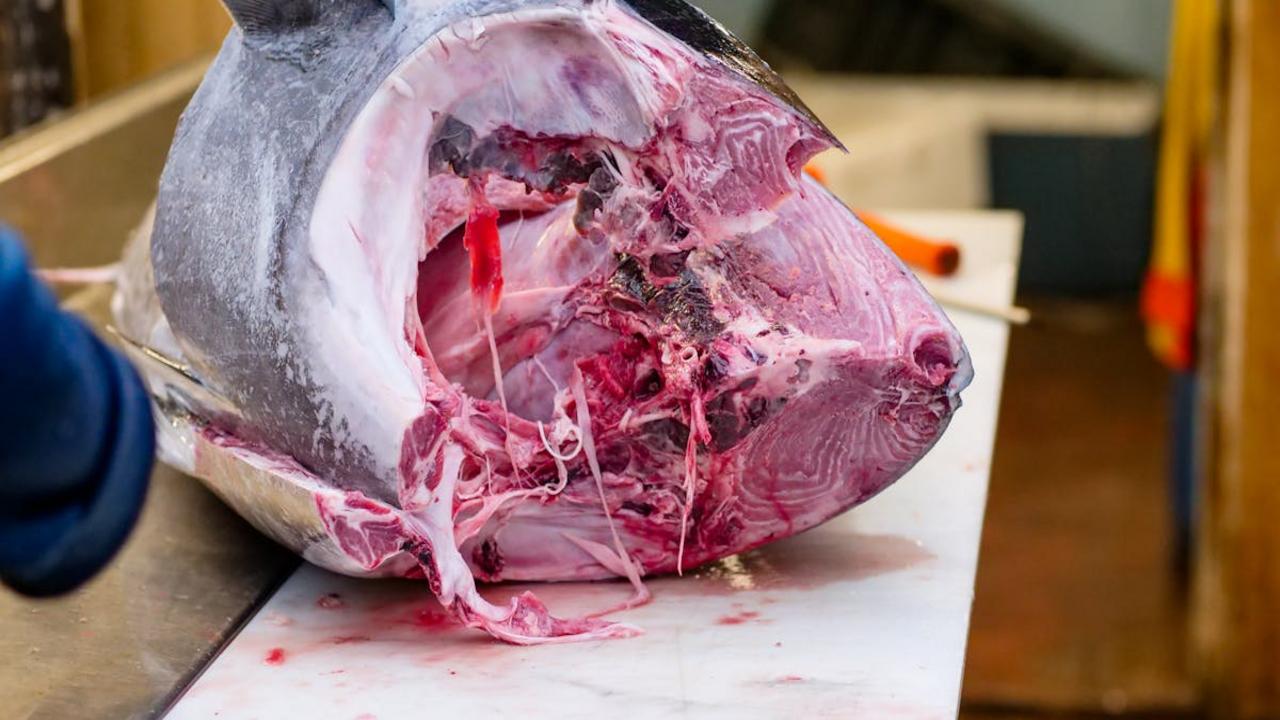
If you think paying $20 for salmon is steep, wait until you catch sight of bluefin tuna prices at a specialty fish market. This oceanic heavyweight can run anywhere from $40 to $200 per pound—and that’s just at retail. In Japan, a single bluefin tuna once sold for a record-breaking $3.1 million at auction, which breaks down to roughly $5,000 per pound. Yes, you read that correctly. The reason for this astronomical price tag? Bluefin tuna is the Rolls-Royce of sushi fish, prized for its buttery texture and rich, melt-in-your-mouth flavor. The most coveted cut, called otoro, comes from the fatty belly and is so luxurious it practically dissolves on your tongue. Overfishing has also made bluefin increasingly rare, driving prices even higher as demand continues to outpace supply.
Unless you’ve got money to burn or a very special occasion to celebrate, bluefin tuna probably won’t make it into your shopping cart. Most of us mere mortals stick to more affordable tuna varieties like yellowfin or albacore for our poke bowls and sushi nights. But if you ever get the chance to try bluefin at a high-end restaurant, do yourself a favor and order it—the experience is truly unforgettable. The fish’s deep red color, silky marbling, and intensely savory taste make every penny feel almost justified. Just remember to savor each piece slowly and resist the urge to check your bank account immediately afterward. This is one grocery item that demands respect, appreciation, and maybe a good cry when the bill arrives.
Kobe Beef
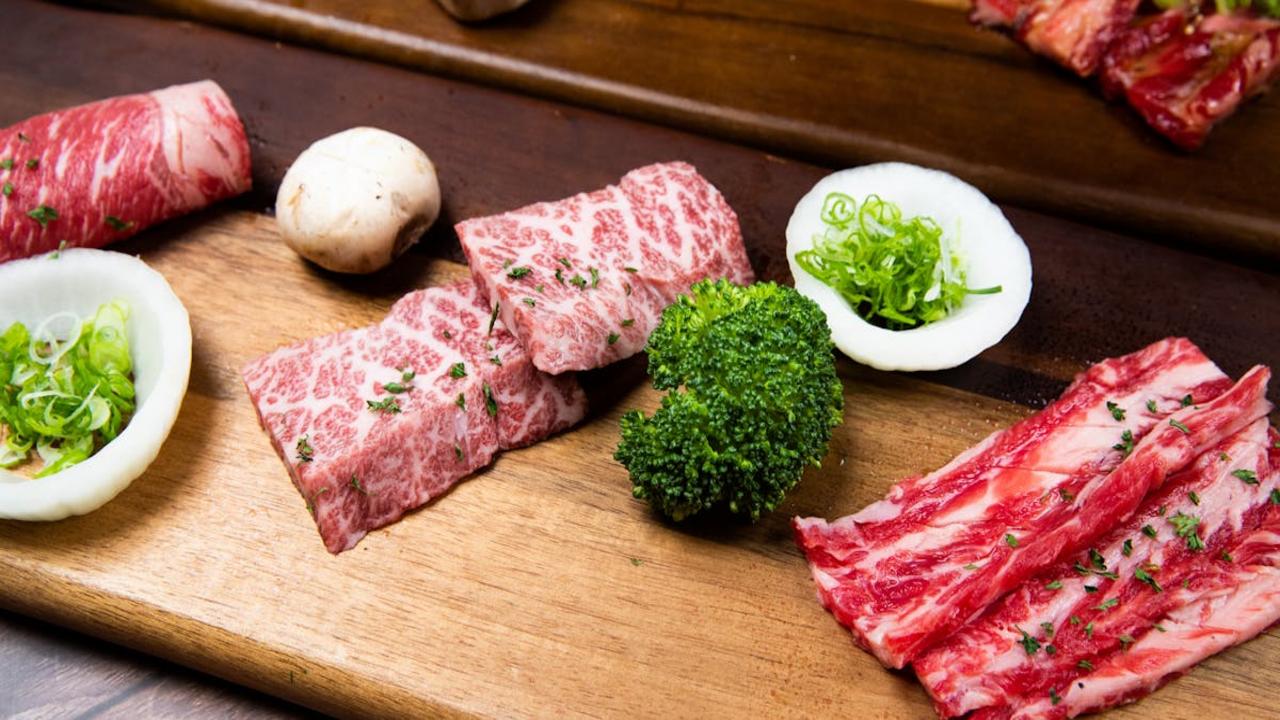
Kobe beef sits at the peak of premium proteins, and honestly, your wallet will feel the impact before your taste buds get their chance. We’re talking $150 to $250 per pound for authentic Japanese Kobe, the kind with the certificate of authenticity and everything. This isn’t just expensive meat—it’s legendary cattle raised in Japan’s Hyogo Prefecture under strict guidelines that make spa treatments look like casual Tuesday afternoons. These Wagyu cattle get beer massages (yes, really), live stress-free lives, and produce that famous marbling pattern that looks like snowflakes caught in ruby-red meat. The fat literally melts at room temperature, which creates that buttery, almost sweet flavor that beef enthusiasts lose their minds over.
Here’s the kicker: most “Kobe beef” sold outside Japan isn’t actually Kobe at all. Real Kobe beef gets exported in limited quantities, and it must meet rigorous standards including a marbling score of 6 or higher on Japan’s 12-point scale. American Wagyu, while delicious, is technically crossbred cattle and costs significantly less—around $50 to $100 per pound. Still pricey, but not mortgage-your-house pricey. If you’re shelling out for genuine Kobe, treat it simply: a quick sear on high heat, a sprinkle of coarse sea salt, maybe some freshly cracked pepper. That’s it. You don’t need fancy sauces or complicated preparations. The beef itself is the star, and after spending that much money, anything that masks its flavor would be downright criminal. Save this splurge for truly special occasions, or stick with American Wagyu for impressive dinners that won’t require a payment plan.
Iberico Ham
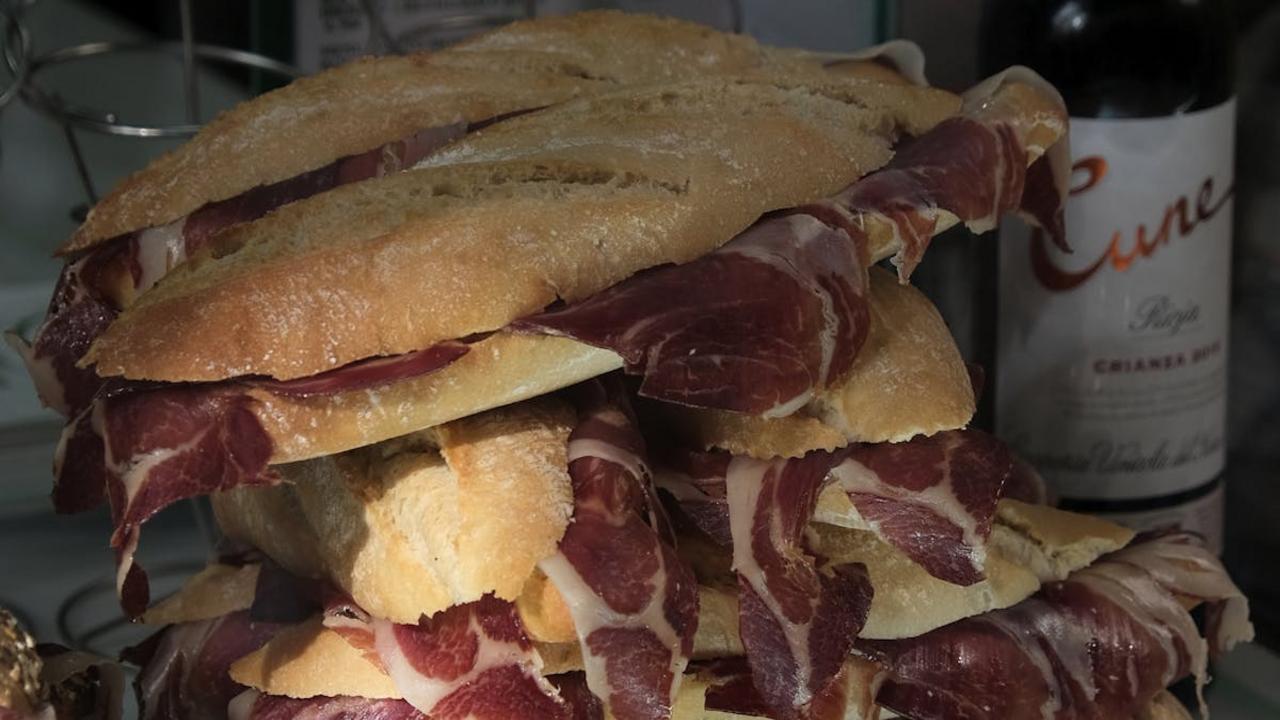
Picture this: you’re standing in front of the deli counter, and there it is—a leg of Iberico ham that costs more than your monthly Netflix, Spotify, and gym membership combined. We’re talking $80 to $150 per pound for this Spanish treasure, and suddenly you’re questioning every life choice that led you to this moment. But here’s the thing about Iberico ham: those acorn-fed pigs from Spain’s oak forests aren’t just living their best life, they’re creating liquid gold in pork form. The pigs roam freely, munching on acorns during the montanera season, which gives the meat its buttery texture and nutty flavor that melts on your tongue like the world’s most expensive candy. Some premium legs can set you back over $4,000, because apparently, patience is expensive—these hams are cured for up to 48 months.
What makes your wallet weep is the combination of time, tradition, and pure porcine luxury. Only certain black Iberian pigs qualify for the coveted “bellota” label, meaning they’ve gorged on acorns during their final fattening phase. The fat in Iberico ham contains more oleic acid than other pork, making it heart-healthier than regular ham (though your cardiologist might still give you the side-eye when you mention buying it). When you finally bite into a paper-thin slice, draped over crusty bread or paired with manchego cheese, you’ll understand why Spaniards treat this stuff like edible jewelry. Sure, you could buy a decent bottle of wine instead, but can wine make you close your eyes and contemplate the meaning of happiness? Your bank account says no, but your taste buds are screaming yes.
Manuka Honey
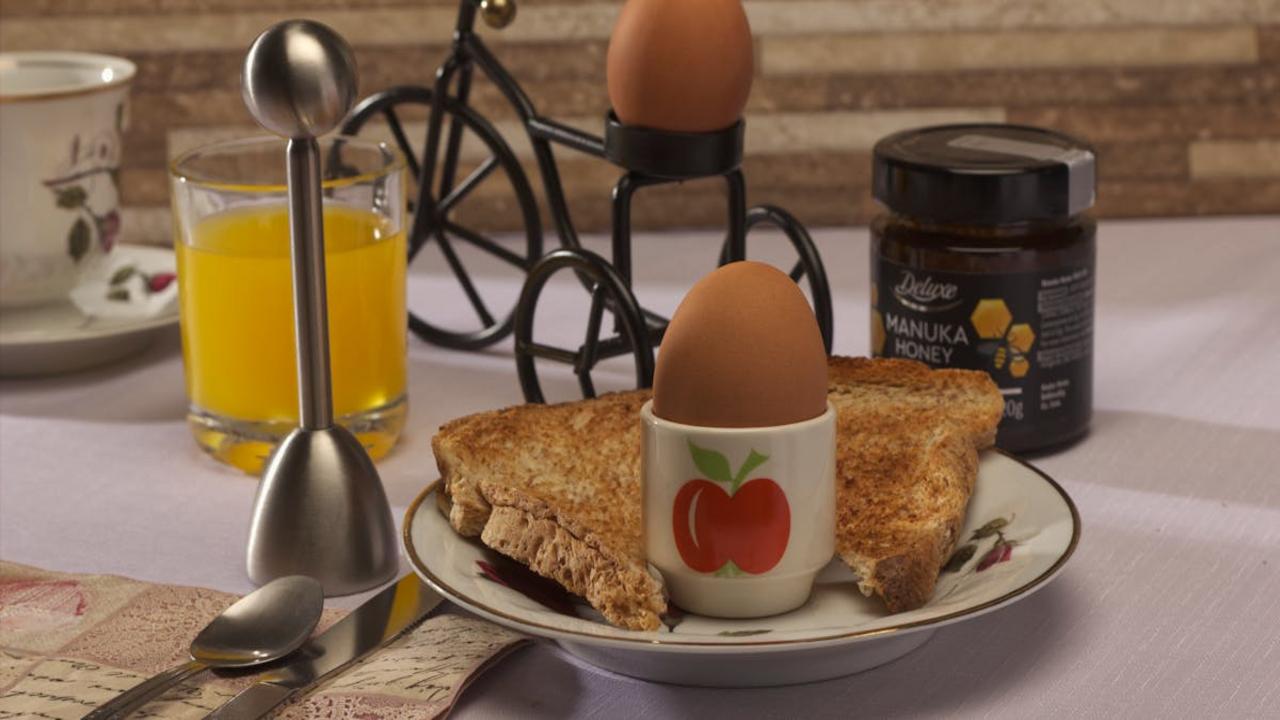
Picture this: you’re standing in the honey aisle, casually scanning jars, when suddenly you spot a tiny container of Manuka honey with a price tag that makes your credit card whimper. This isn’t your grandmother’s honey bear—this golden nectar comes from New Zealand bees that feast exclusively on Manuka bush flowers, and those industrious insects apparently charge rent. A small jar can set you back anywhere from $30 to $100, depending on its UMF (Unique Manuka Factor) rating, which measures its antibacterial potency. The higher the number, the more your wallet cries. But here’s the kicker: people swear by this stuff for everything from soothing sore throats to healing wounds, making it less of a pantry staple and more of a medicinal luxury item that moonlights as a toast topping.
What makes Manuka honey worth its weight in liquid gold? Beyond its supposed healing properties, this amber elixir has a rich, earthy flavor with hints of caramel and a slightly medicinal aftertaste that screams “I’m fancy and I know it.” The bees only have a few weeks each year to collect nectar from Manuka blossoms, creating scarcity that drives up prices faster than concert tickets for your favorite band. Plus, there’s serious science backing its antimicrobial properties—hospitals actually use medical-grade Manuka honey for wound care. So yes, you’re paying premium prices, but you’re also getting something that’s been called “nature’s antibiotic.” Just don’t expect to drizzle this liberally over your morning yogurt unless you’ve recently won the lottery or want to feel like royalty for exactly one breakfast.
Kopi Luwak Coffee
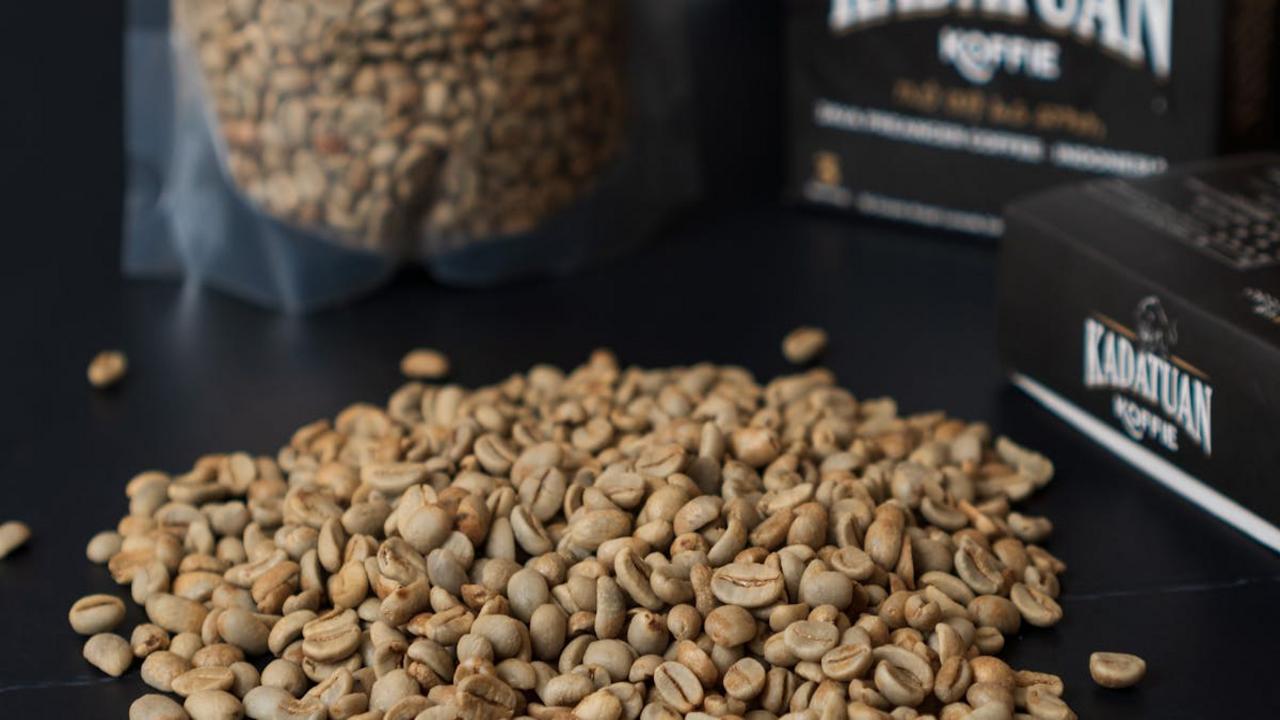
Picture this: you’re at the grocery store, scanning the coffee aisle, and suddenly you spot a bag of Kopi Luwak priced at $600 per pound. Your eyes bulge. Your wallet whimpers. This isn’t your average morning brew—it’s coffee made from beans that have been eaten, partially digested, and then, well, pooped out by a civet cat in Indonesia. Yes, you read that right. The Asian palm civet munches on coffee cherries, and somewhere in its digestive system, enzymes break down proteins that make regular coffee bitter. What emerges from the other end gets collected, thoroughly cleaned, roasted, and packaged for people willing to drop serious cash for what’s marketed as the smoothest, most exotic cup on Earth. The price tag reflects both the bizarre production method and the limited supply—civets only produce so much, after all.
Now, before you start eyeing your own digestive system for entrepreneurial opportunities, know that Kopi Luwak has a dark side. Many civets used in commercial production live in cramped cages, force-fed coffee cherries in conditions that make the whole “luxury” label feel pretty grimy. Authenticity is another problem—plenty of counterfeit versions flood the market because, honestly, who’s going to verify the poop-to-cup chain of custody? If you do splurge on a legitimate bag, expect earthy, smooth flavors with almost no bitterness, plus the bragging rights of serving your friends “cat poop coffee” without warning them first. Fair warning though: once they know the origin story, they’ll never look at you—or their coffee mug—the same way again.
Vanilla Beans
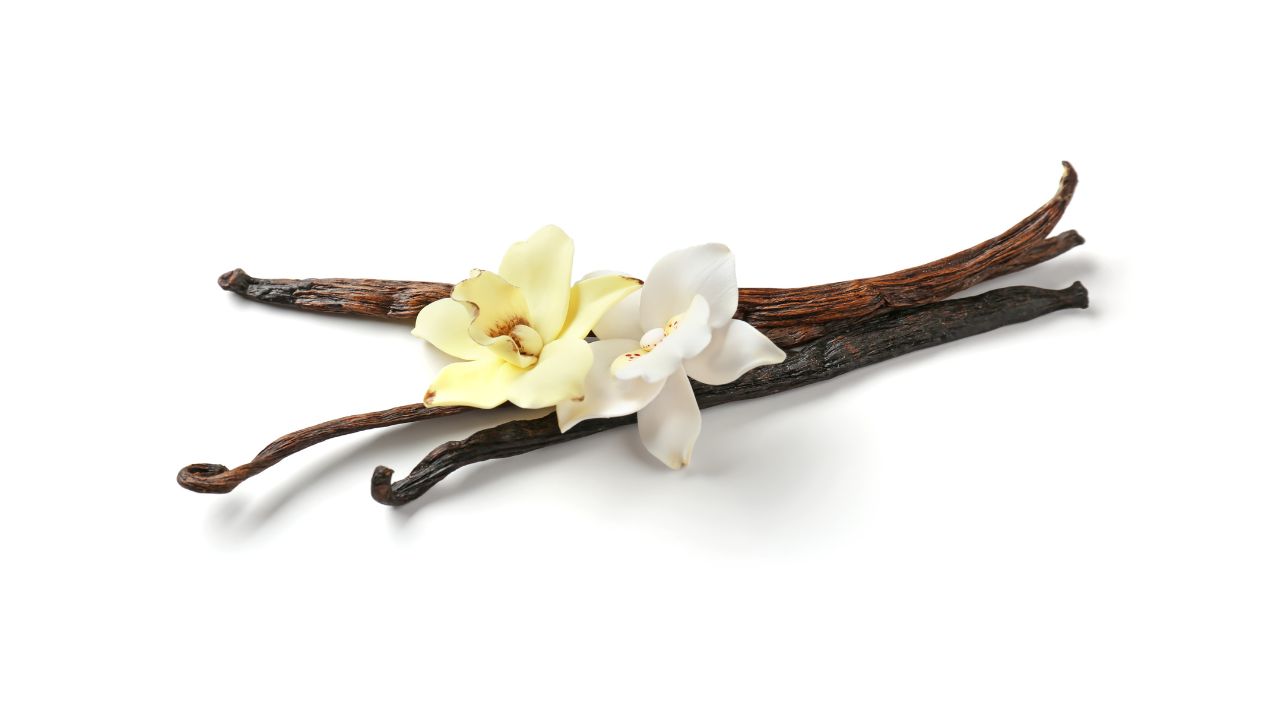
Vanilla beans are basically the gold bars of the spice aisle, and honestly, I’m not even exaggerating. These slender, dark pods can cost anywhere from $20 to $30 for just two beans, which is more than some people spend on their entire weekly coffee budget. The reason? Growing vanilla is ridiculously labor-intensive. Each vanilla orchid flower must be hand-pollinated within hours of blooming, and it takes nine months for the pods to mature. Then they undergo a months-long curing process that involves sweating, drying, and conditioning. It’s basically the baking equivalent of raising a high-maintenance houseplant that demands constant attention and then charging you a fortune for the privilege of owning its offspring.
But here’s the thing—real vanilla is absolutely worth the splurge if you’re making something special. That pure, complex flavor can’t be replicated by extract alone. The tiny black seeds scraped from inside the pod add both visual appeal and intense vanilla flavor to custards, ice creams, and cakes. If you’re balking at the price, vanilla extract is your friend for everyday baking, but save those precious pods for recipes where vanilla is the star performer. Pro tip: after you’ve scraped out the seeds, don’t toss that pod! Stick it in a jar of sugar to make vanilla sugar, or bury it in your coffee grounds to add subtle sweetness to your morning brew. That way, you’re squeezing every last drop of value from your expensive little flavor sticks.
Matsutake Mushrooms
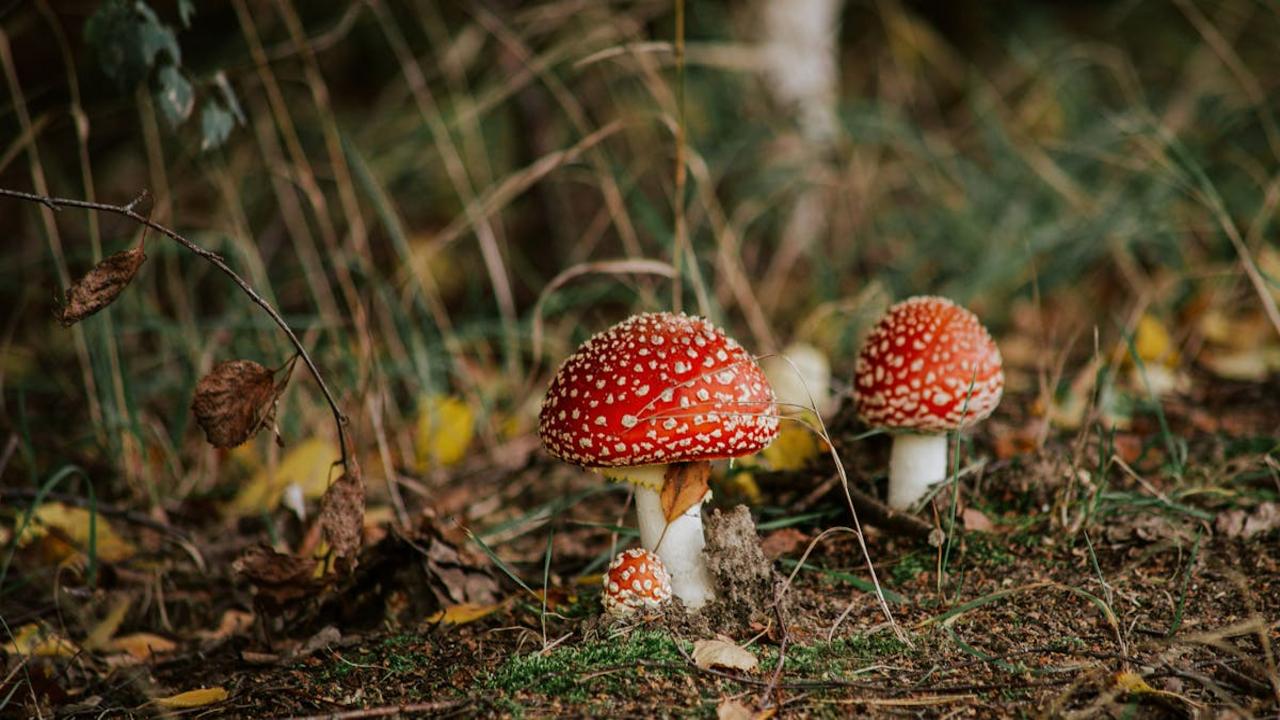
If you think your grocery bill is high, wait until you see the price tag on matsutake mushrooms. These aromatic fungi can cost anywhere from $600 to over $2,000 per pound, depending on quality and origin. Found primarily in Japan, Korea, and parts of North America, matsutakes grow in symbiotic relationships with specific tree roots, making them nearly impossible to cultivate commercially. Their spicy, pine-like aroma is so distinctive that Japanese connoisseurs can identify premium specimens from across the room. The scarcity factor gets worse every year as climate change and pine forest decline reduce their natural habitat, turning what was once a coveted seasonal treat into an astronomical luxury few can afford.
What makes these mushrooms worth more than some people’s rent? True matsutakes have an intoxicating fragrance that some describe as a blend of cinnamon, pine needles, and earth after rain. In Japanese cuisine, they’re considered the ultimate autumn delicacy, traditionally grilled, added to rice dishes, or featured in clear soups where their perfume can shine. A single pristine mushroom can elevate a meal from ordinary to unforgettable, which explains why top restaurants compete fiercely for the first harvest each season. If you’re lucky enough to stumble upon these at your local specialty market, grab a small one to try—just be prepared for your wallet to stage a protest. The experience of cooking with genuine matsutakes is extraordinary, but your credit card might need counseling afterward.
Saffron
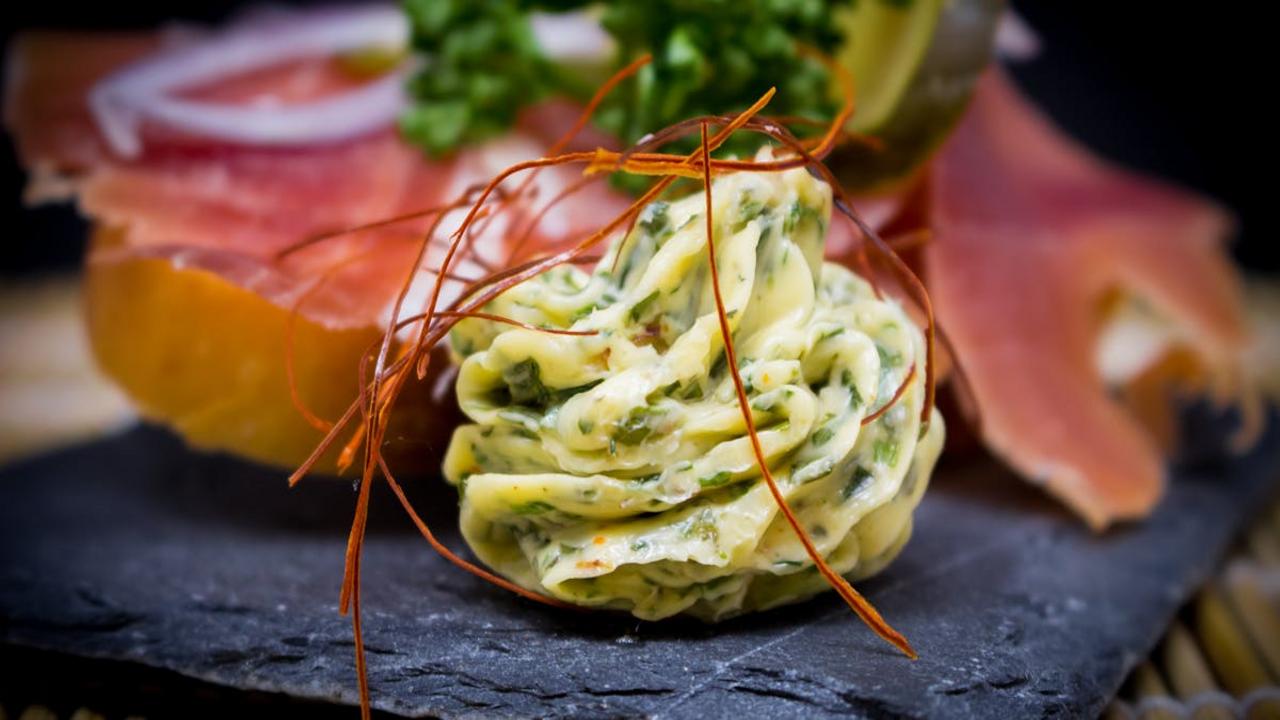
Picture this: you’re browsing the spice aisle, feeling fancy, and you spot a tiny jar of saffron. You pick it up, squint at the price tag, and nearly drop it because holy moly, when did spices start costing more than your monthly Netflix subscription? Welcome to the wild world of saffron, the most expensive spice on planet Earth. We’re talking anywhere from $500 to $5,000 per pound, depending on quality. That little pinch you need for your paella? Yeah, that’ll be twenty bucks, please and thank you. The reason for this eye-watering price tag is simple: saffron threads are the dried stigmas of the crocus flower, and each flower produces exactly three measly threads. Someone has to hand-pick around 170,000 flowers to get just one kilogram of saffron. That’s not a typo—170,000 flowers for two pounds of spice.
The good news? A little goes an incredibly long way. You only need a pinch to transform your rice into golden perfection or turn your seafood stew into something Instagram-worthy. The bad news? That pinch still feels like you’re sprinkling actual gold into your pot. Saffron has this unique, earthy flavor with hints of honey and floral notes that you simply can’t replicate with turmeric or food coloring, despite what budget recipe blogs might suggest. If you’re going to splurge on saffron, buy it from reputable sources because counterfeit saffron is absolutely a thing. Some sneaky sellers will try to pass off dyed corn silk or safflower as the real deal. Store your precious threads in an airtight container away from light, and they’ll last you years—which is good because you’ll want to make that investment count!