14 Make-Do Dishes That Became Iconic Food Traditions
Some of history’s most beloved dishes started as clever solutions to empty pantries and tight budgets. Resourceful cooks transformed stale bread, leftover vegetables, and tough cuts of meat into comforting meals that fed families through hard times.
These make-do recipes reveal the beautiful creativity that blooms from necessity. What began as “whatever’s in the kitchen” became treasured traditions passed down through generations. Each dish tells a story of ingenuity, proving that limitations often spark the most brilliant innovations in the kitchen.
Today, these humble creations grace restaurant menus worldwide and anchor family dinner tables. They remind us that exceptional food doesn’t require expensive ingredients—just imagination, patience, and the willingness to turn scraps into something magical. Real cooking magic happens when you work with what you have.
Matzo Ball Soup
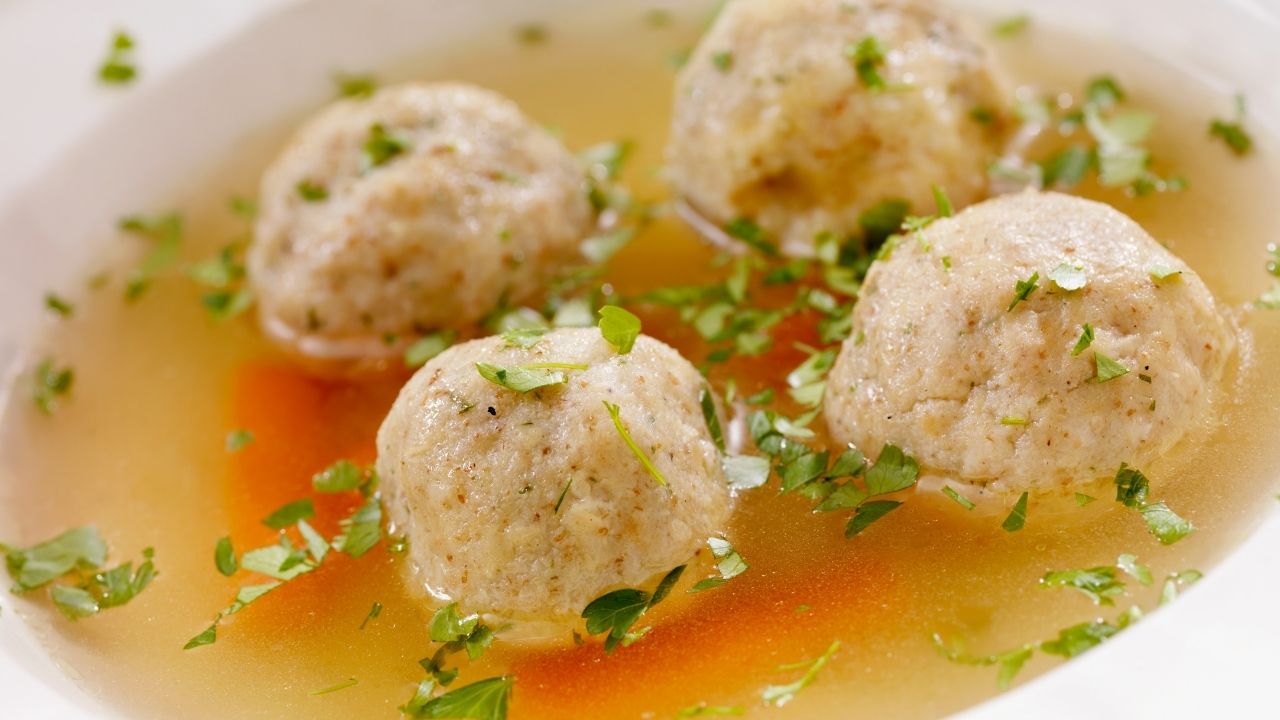
You know how sometimes the most beautiful dishes come from having almost nothing? That’s exactly what happened with matzo ball soup during Jewish migrations and times of scarcity. When fresh bread wasn’t available and resources ran thin, Jewish cooks transformed simple matzo meal—basically ground unleavened crackers—into those pillowy, comforting dumplings we all crave today. What started as a practical way to stretch ingredients became this soul-warming bowl that defines comfort food for millions of people.
I love making matzo balls from scratch because they teach you so much about intuitive cooking. You’re working with just matzo meal, eggs, a bit of fat, and water or broth, but getting that perfect texture—not too dense, not falling apart—requires you to really feel your way through the process. The beauty lies in how this humble make-do dish became central to Jewish holidays and family gatherings worldwide. Every family has their own technique passed down through generations, whether it’s adding seltzer for extra fluffiness or letting the mixture rest longer for better binding. It’s pure proof that necessity truly creates the most enduring food traditions.
Spam Musubi
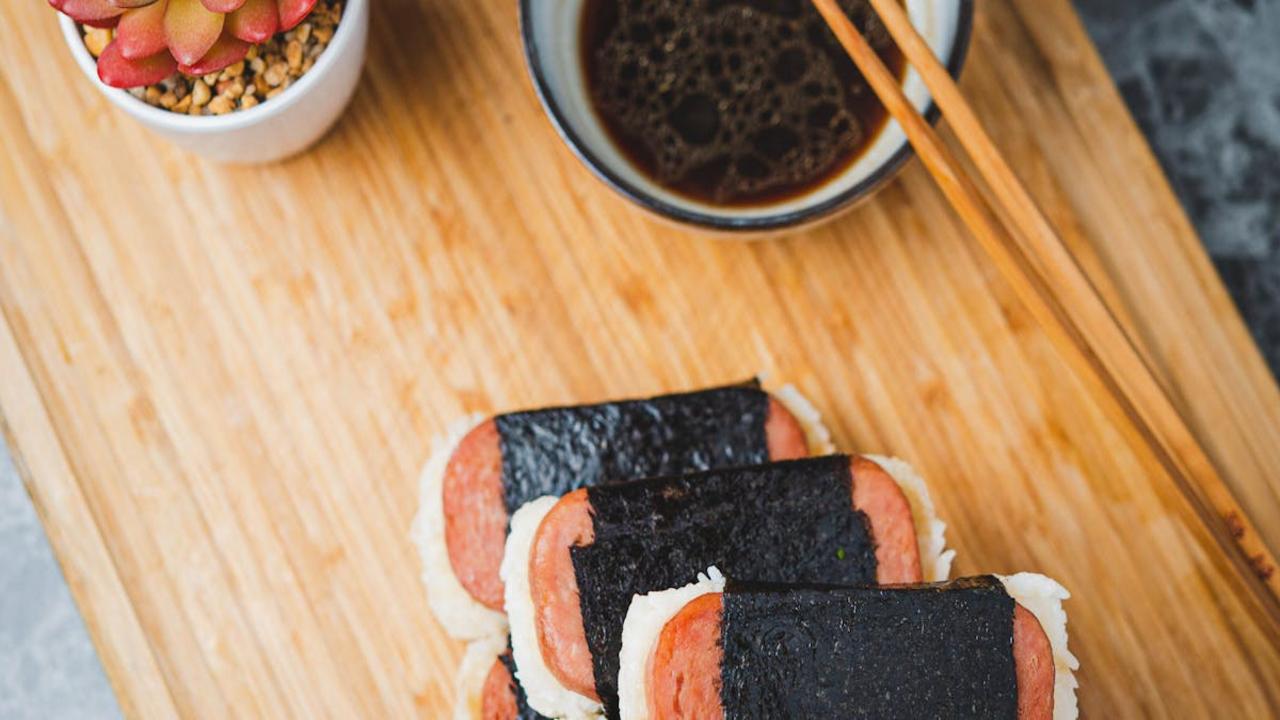
You know how the best recipes often come from the most unexpected circumstances? Spam musubi perfectly captures this beautiful truth. During World War II, when resources were scarce in Hawaii, creative cooks took what they had—canned Spam and rice—and transformed them into something magical. This portable snack became a bridge between cultures, marrying Japanese onigiri techniques with American processed meat in a way that shouldn’t work but absolutely does.
I love making spam musubi because it reminds me that great food doesn’t always need fancy ingredients. You slice that Spam thick, give it a good sear until the edges caramelize, then wrap it with perfectly seasoned sushi rice and a strip of nori. The contrast between the salty, umami-rich meat and the clean taste of rice creates this incredible balance. While I usually advocate for whole foods over processed ones, spam musubi taught me that sometimes tradition trumps my usual rules. This dish proves that when communities adapt and create with what they have, they often birth something more meaningful than any gourmet creation could ever be.
Pad Thai
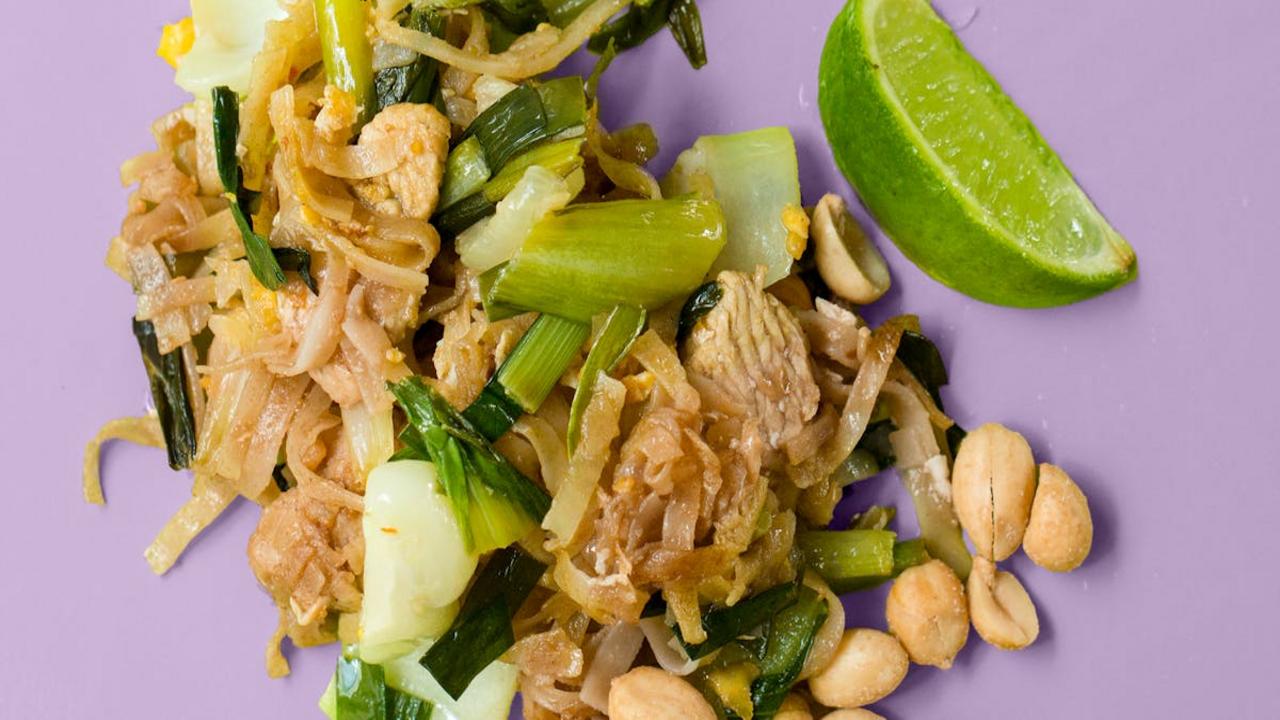
You know how sometimes the best dishes come from pure necessity? Pad Thai is exactly that kind of story. Back in the 1930s, Thailand’s Prime Minister Plaek Phibunsongkhram wanted to create a national identity through food, and this stir-fried noodle dish became the perfect ambassador. What started as a government-promoted recipe to unite the country has become one of the world’s most beloved comfort foods. I find it fascinating how political motivation created something so genuinely delicious – it just goes to show that great food transcends its origins.
The beauty of Pad Thai lies in its perfect balance of sweet, sour, and savory flavors, all dancing together in one pan. Rice noodles get tossed with tamarind paste, fish sauce, palm sugar, and whatever protein you have on hand – shrimp, chicken, tofu, or even just scrambled eggs work beautifully. Fresh bean sprouts add that satisfying crunch, while lime juice and crushed peanuts finish the dish with bright acidity and rich nuttiness. What I love most about making Pad Thai at home is how forgiving it is – you can adjust the sweetness, add more vegetables, or swap proteins based on what’s in your fridge. It’s proof that the most iconic dishes often come from making do with what you have.
Poutine
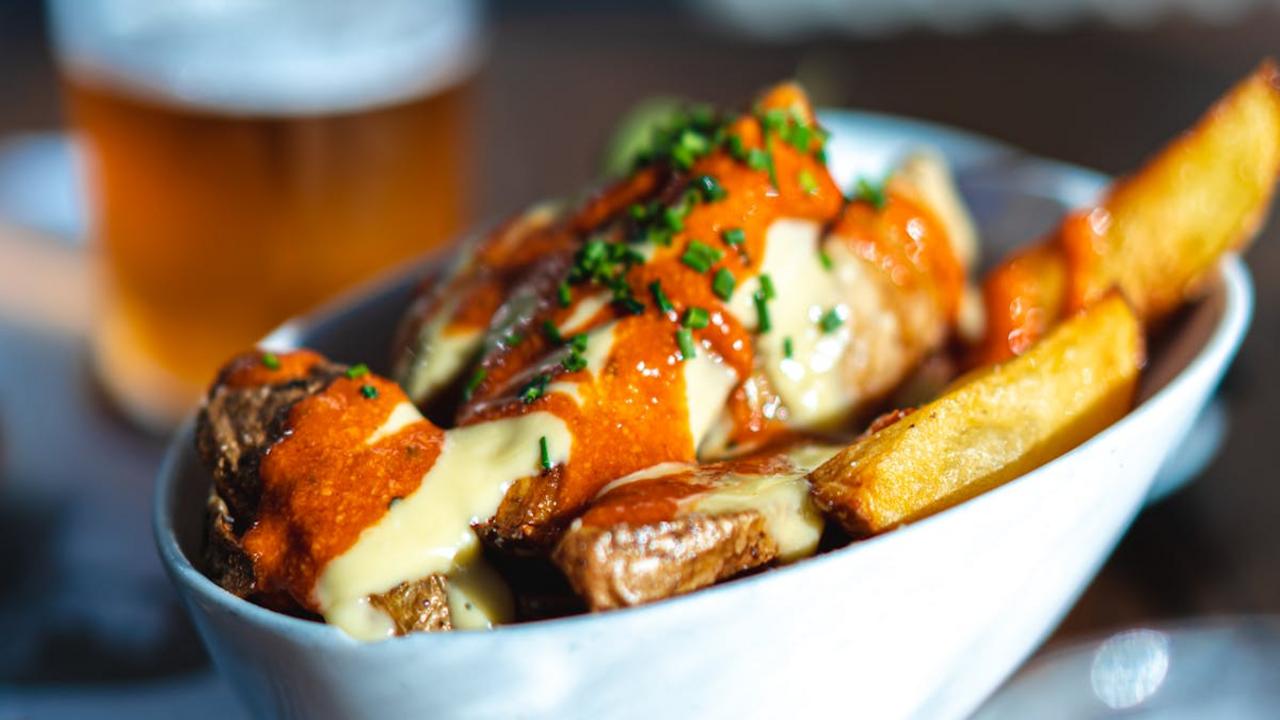
You know what I love about poutine? It started as pure resourcefulness in rural Quebec during the 1950s, when someone decided to throw cheese curds over french fries and drown the whole thing in gravy. Talk about making magic from leftovers! The story goes that truckers and late-night diners needed something hearty and warming, so this brilliant combination was born from whatever was hanging around the kitchen. What strikes me most is how this humble dish represents the beautiful accident of comfort food—three simple ingredients creating something that hits every craving at once.
Now, I’ve made my own healthier versions using sweet potato fries, homemade bone broth gravy, and fresh cheese curds from my local farmer’s market. The key is getting that contrast right—crispy fries, squeaky curds, and rich gravy that brings everything together. You can absolutely make this from scratch and control the quality of each component. I love adding fresh herbs like rosemary or thyme to my gravy, and sometimes I’ll toss in some caramelized onions for extra depth. This dish proves that the best food traditions often come from necessity, creativity, and a willingness to experiment with what you have on hand.
Colcannon
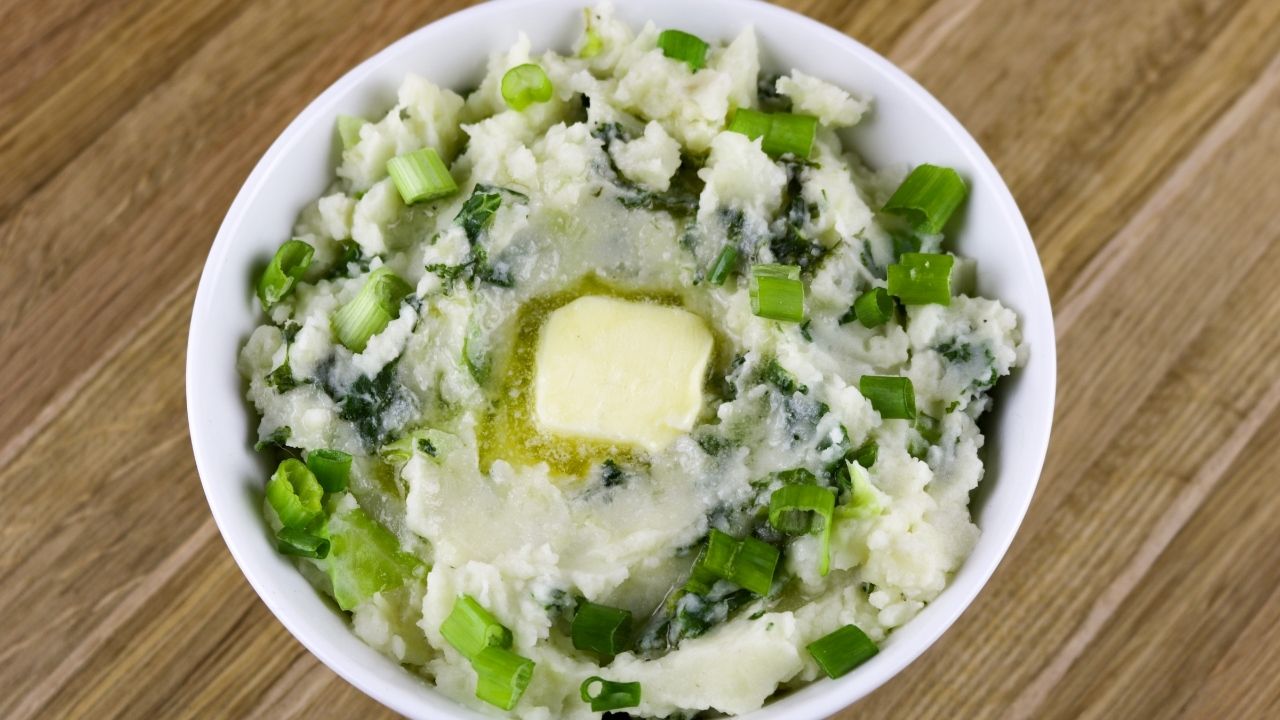
You know how the best recipes come from those moments when you open your fridge and work magic with whatever’s staring back at you? That’s exactly how Ireland’s beloved colcannon came to life. Picture this: it’s late autumn, your potato harvest is abundant, but fresh greens are getting scarce. What do you do? You marry those creamy mashed potatoes with whatever hardy greens survived the season—usually kale or cabbage—and create something that warms you from the inside out. This wasn’t fancy cooking; this was survival cooking that happened to taste incredible.
I love making colcannon because it teaches us that comfort food doesn’t need complicated ingredients or techniques. You take perfectly cooked potatoes, mash them with butter and milk until they’re silky smooth, then fold in sautéed kale or cabbage that’s been cooked down until sweet and tender. The result? A dish that’s both rustic and refined, proving that sometimes the most satisfying meals come from the simplest combinations. Today, I often add a drizzle of good olive oil or fold in some fresh herbs from my garden, but the soul of this dish remains unchanged—it’s about taking humble ingredients and turning them into something that feeds both body and spirit.
Feijoada
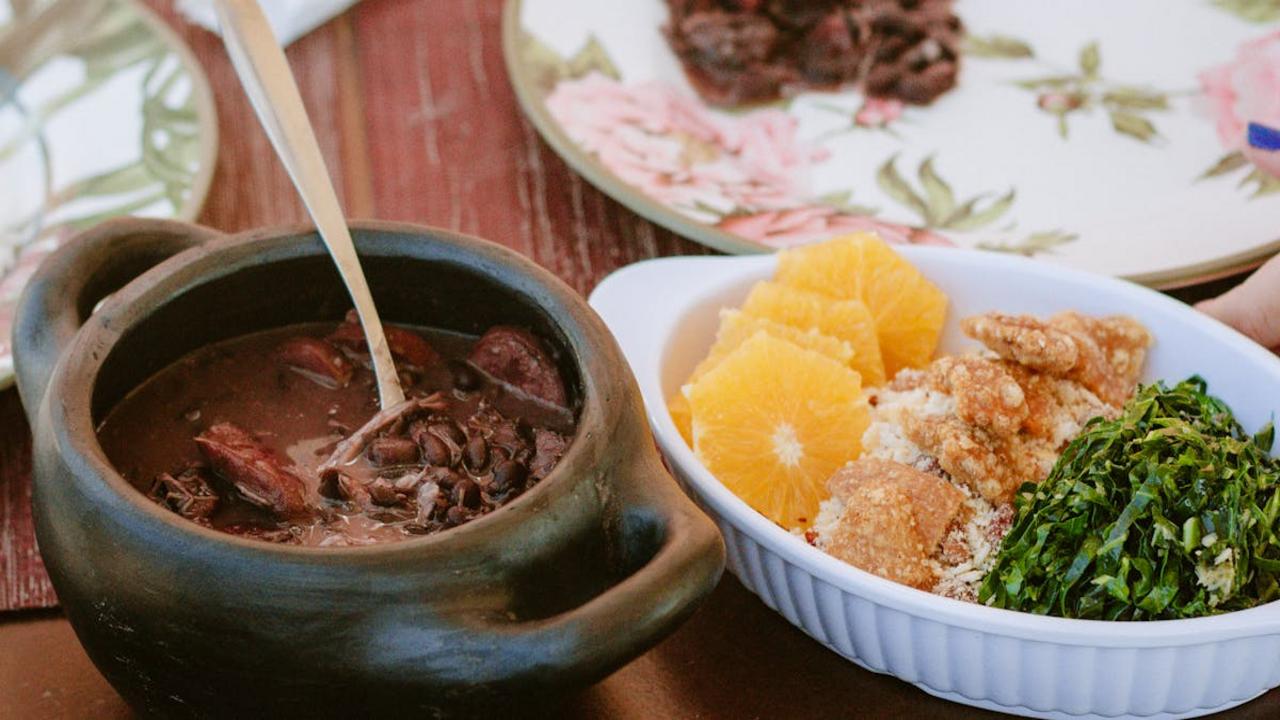
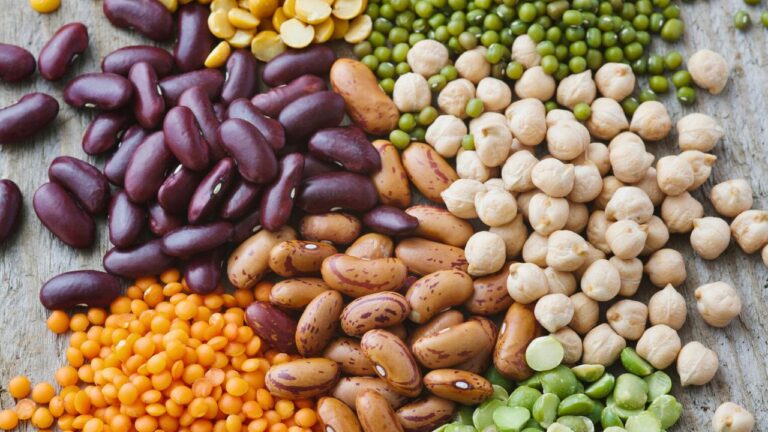
Picture this: you’re a resourceful cook in colonial Brazil, and you’ve got tough cuts of meat, dried beans, and whatever vegetables you can find. What do you create? Feijoada – a hearty black bean stew that transforms humble ingredients into pure comfort. I love how this dish tells the story of making magic from scraps. Those tougher cuts of pork and beef that others might discard become incredibly tender after slow-cooking with beans, creating layers of smoky, savory flavor that fill your kitchen with the most incredible aroma.
What strikes me most about feijoada is how it brings people together around the table. In Brazil, families gather for hours-long feijoada feasts, especially on Wednesdays and Saturdays. The beauty lies in its flexibility – you can add chorizo, bacon, or whatever protein you have on hand. I always soak my black beans overnight and build the flavor base with onions, garlic, and bay leaves. The slow simmer transforms everything into this rich, satisfying stew that’s served with rice, collard greens, and orange slices. It’s proof that the most memorable dishes often come from the simplest beginnings.
Coq au Vin
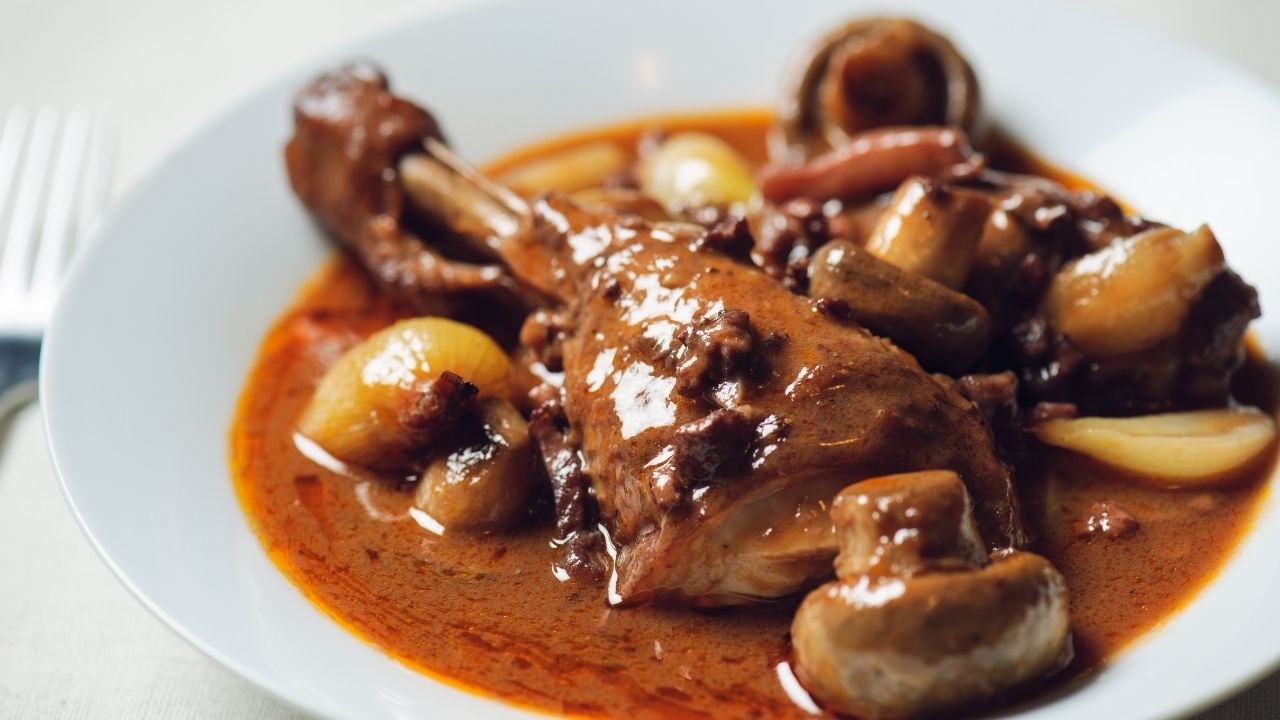
Picture this: you’re a French peasant centuries ago, and your old rooster has stopped laying eggs. What do you do? You transform that tough, stringy bird into something magnificent by braising it slowly in wine until it becomes tender enough to fall off the bone. That’s exactly how Coq au Vin came to life—born from necessity, not luxury. I love how this dish teaches us that time and patience can turn the most humble ingredients into something extraordinary. The wine doesn’t just add flavor; it breaks down those tough fibers, creating a sauce so rich and complex that you’ll want to soak up every last drop with crusty bread.
What makes me smile about Coq au Vin is how it perfectly represents the French philosophy of waste nothing, create everything. Today, I make this with chicken thighs instead of rooster, and I always reach for organic, free-range meat because the flavor difference is incredible. The beauty lies in building layers—first browning the meat, then sautéing mushrooms and pearl onions, deglazing with that beautiful wine, and letting everything simmer together with fresh herbs. Don’t skip the bacon or pancetta at the beginning; that rendered fat becomes the foundation of flavor that makes this dish sing. Every time I make it, I’m reminded that the best recipes often come from making the most of what you have.
Gazpacho
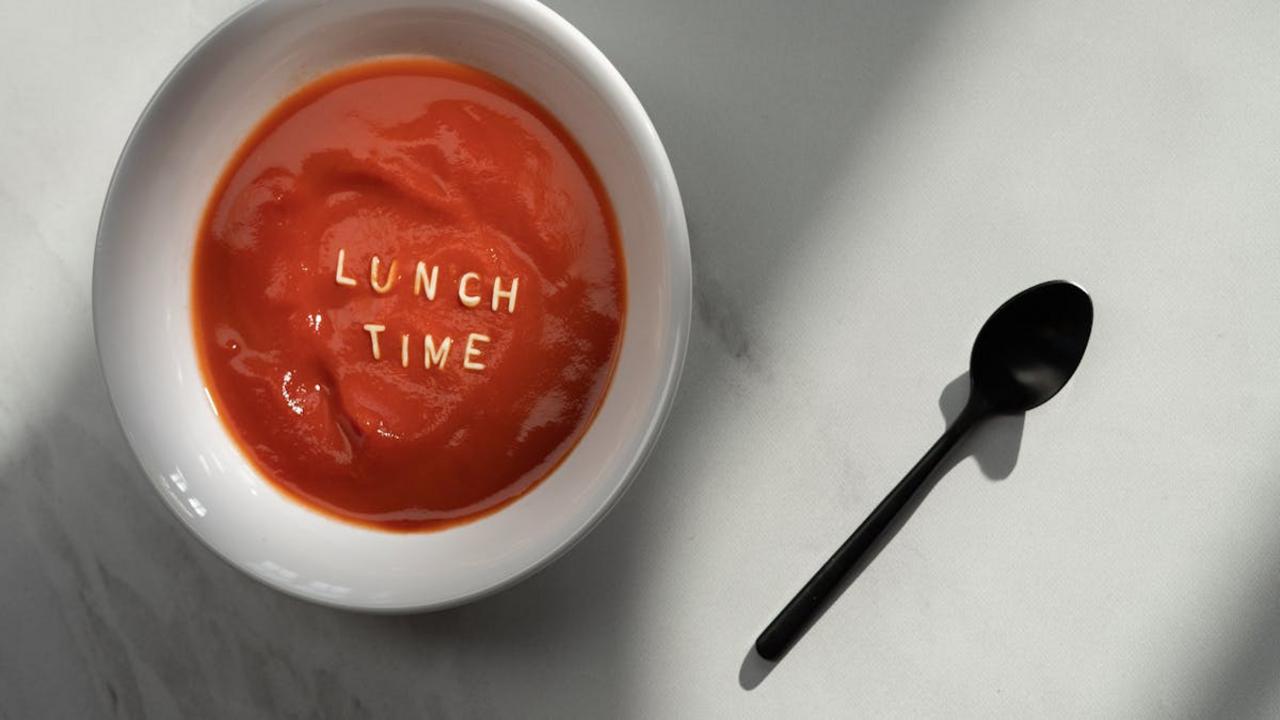
Picture this: Spanish farmworkers during scorching summer days, with nothing but stale bread, tomatoes, olive oil, and whatever vegetables they could find. Out of pure necessity, they created what would become one of the world’s most refreshing soups. Gazpacho started as peasant food—workers would soak hard bread in water, mash it with garlic, salt, and olive oil, then add any available vegetables. This wasn’t fine dining; this was survival food that happened to be absolutely brilliant.
What I love about gazpacho is how it teaches us that the best dishes often come from having less, not more. You take peak summer vegetables—ripe tomatoes, crisp cucumbers, sweet peppers—and transform them into something that’s both nourishing and cooling. No cooking required, just your hands, a blender, and trust in the ingredients. I make mine with day-old sourdough, really good olive oil, and whatever vegetables are singing to me at the market. The beauty lies in its simplicity: you’re not masking flavors or adding unnecessary complexity. You’re celebrating what nature gives you, turning humble ingredients into liquid sunshine that feeds both body and soul.
Shepherd’s Pie
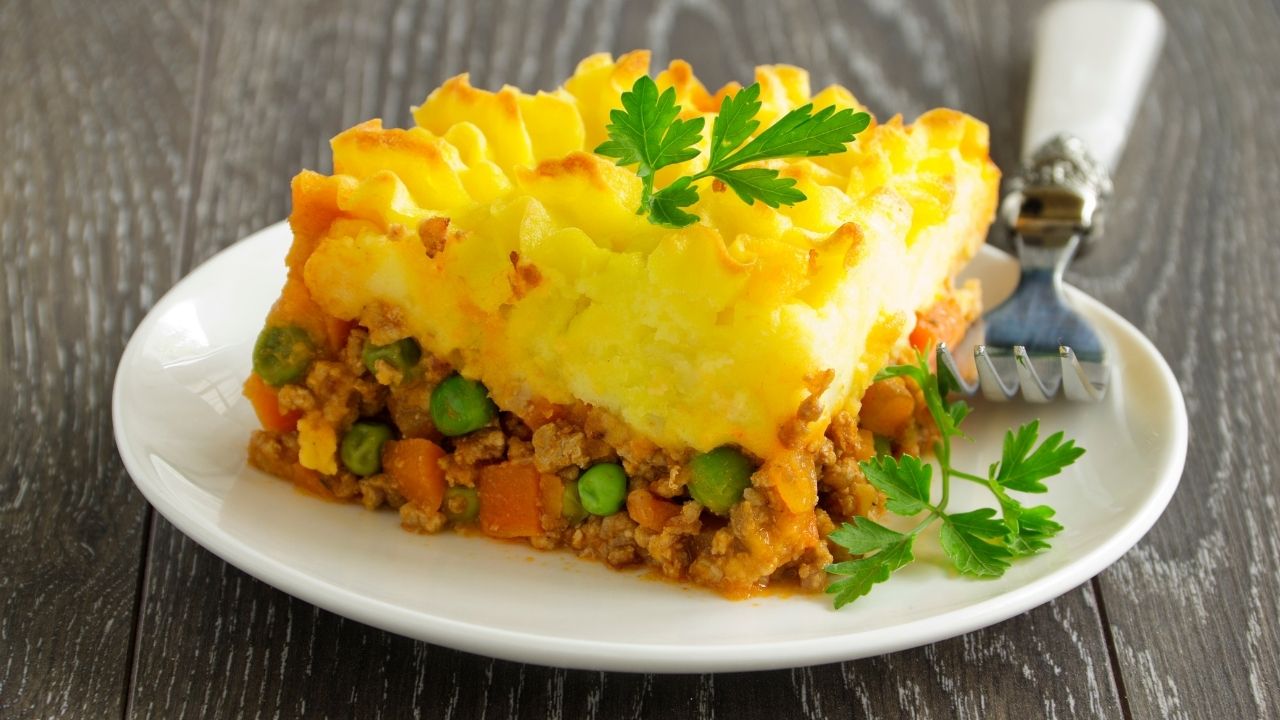
You know that feeling when you open your fridge and find odds and ends that somehow need to become dinner? That’s exactly how shepherd’s pie came to life in 18th-century Britain. Home cooks faced with leftover roasted lamb created this brilliant layered dish, stretching precious meat with vegetables and topping it all with creamy mashed potatoes. What started as pure necessity transformed into one of Britain’s most beloved comfort foods, proving that the best recipes often spring from resourcefulness rather than abundance.
I love making my own version using whatever ground meat I have on hand – lamb when I can find it, but beef or even a mix of turkey and mushrooms works beautifully. The magic happens in that bottom layer where you build deep flavor with onions, carrots, and peas, seasoning everything with fresh thyme and a splash of Worcestershire sauce. That fluffy potato crown on top becomes golden and crispy in the oven, creating the perfect contrast to the rich, savory filling below. It’s the kind of one-dish meal that feeds both body and soul, turning humble ingredients into something truly special.
Ribollita
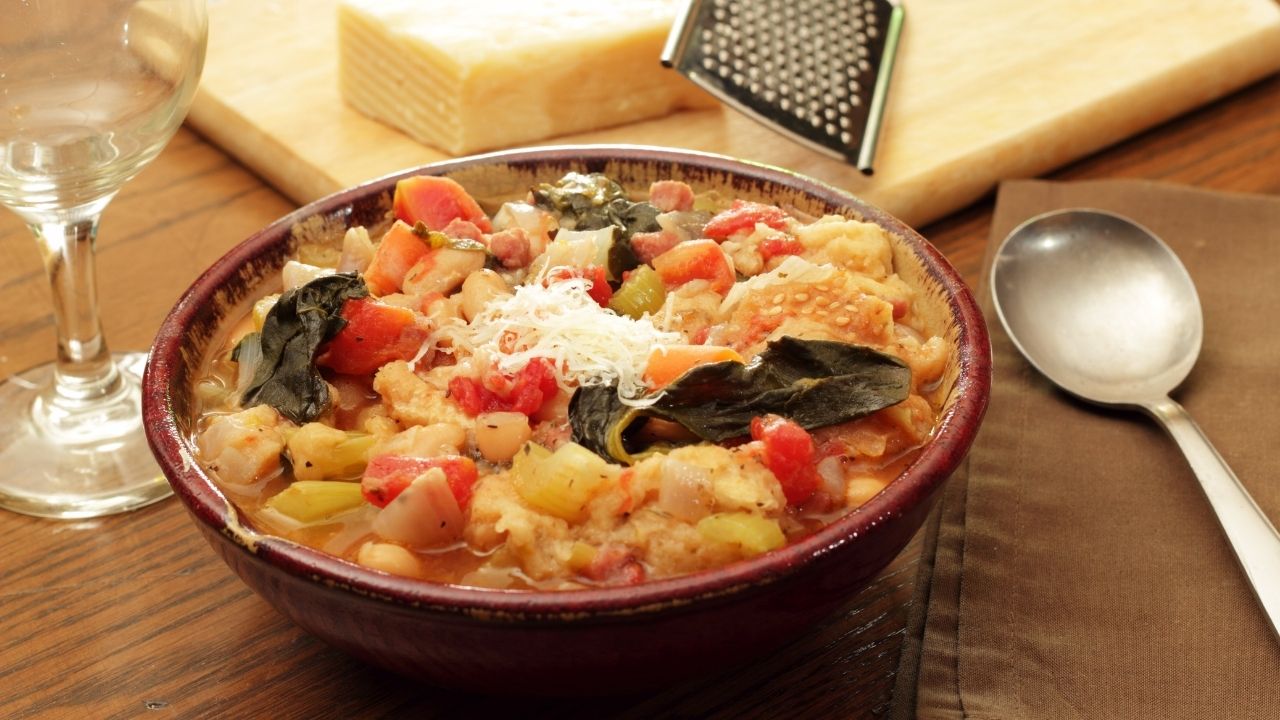
Picture this: you’re staring at yesterday’s leftover minestrone, some stale bread, and wilted greens in your fridge. Most people would toss these ingredients without a second thought, but Tuscan cooks saw pure gold. They created ribollita, which literally means “reboiled,” transforming these humble leftovers into something magical. The beauty of this dish lies in its complete honesty – it never pretends to be fancy, yet it delivers flavors that could make you weep with joy.
I make ribollita whenever my vegetable drawer looks sad and forgotten. You start with your leftover soup base, add those wilted kale leaves, torn bread pieces, maybe some cannellini beans, and let everything simmer together until it becomes this thick, soul-warming stew. The bread breaks down and thickens everything naturally, creating the most satisfying texture. What started as peasant food born from necessity has become one of Tuscany’s most beloved dishes. Every time I make it, I’m reminded that the best cooking doesn’t come from expensive ingredients – it comes from respecting what you have and transforming it with love and patience.
French Onion Soup
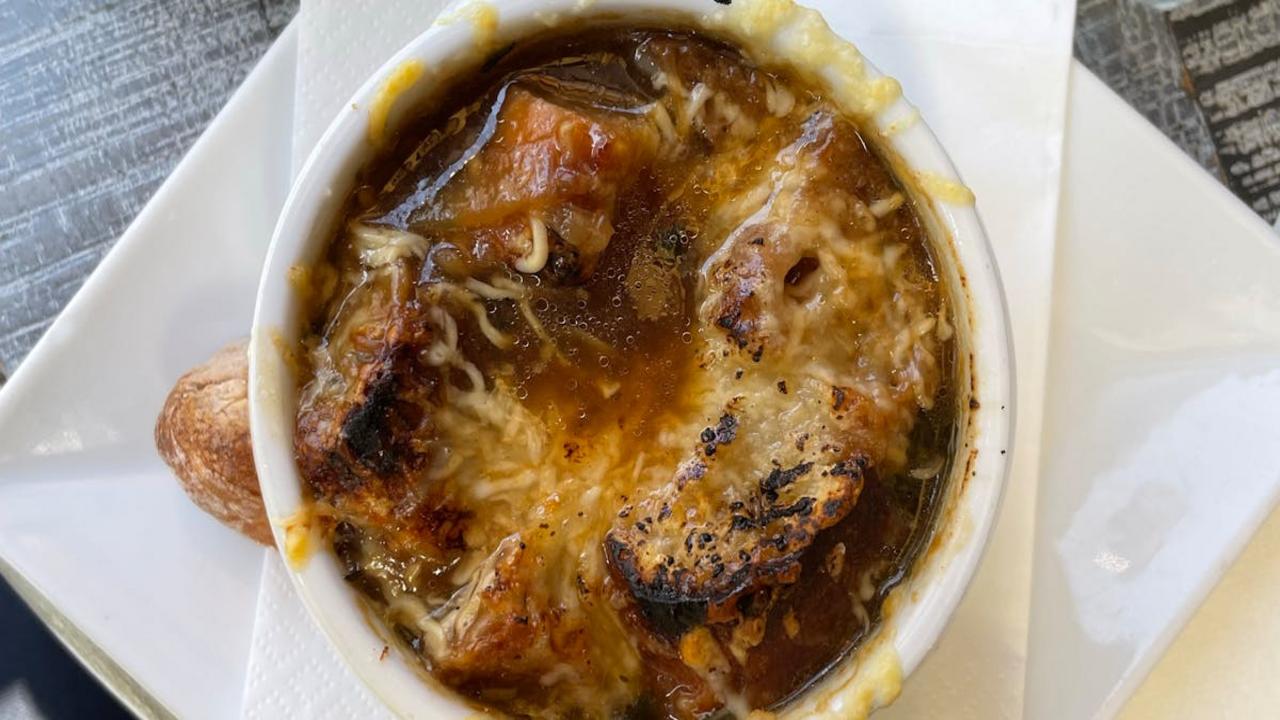
You know what I love about French onion soup? It started as pure peasant food—just onions, stale bread, and whatever broth was lying around. Back in 18th-century France, working-class families would take their day-old bread, layer it with slowly cooked onions, and pour hot broth over everything. No fancy ingredients, no complicated techniques, just honest cooking born from necessity. The magic happened when those onions cooked low and slow until they turned golden and sweet, transforming humble ingredients into something that could feed a family and warm them through cold nights.
Today, I still make my version this way—starting with a mountain of yellow onions that I caramelize for at least 45 minutes until they’re jammy and rich. I skip the processed beef stock and make my own bone broth, simmering beef bones with herbs for hours to get that deep, nourishing base your body craves. Instead of refined white bread, I use thick slices of sourdough I bake myself, and I grate fresh Gruyère right before serving. This soup teaches us that patience and good ingredients can turn the simplest pantry staples into something magical—no shortcuts needed, just time and love.
Bubble and Squeak
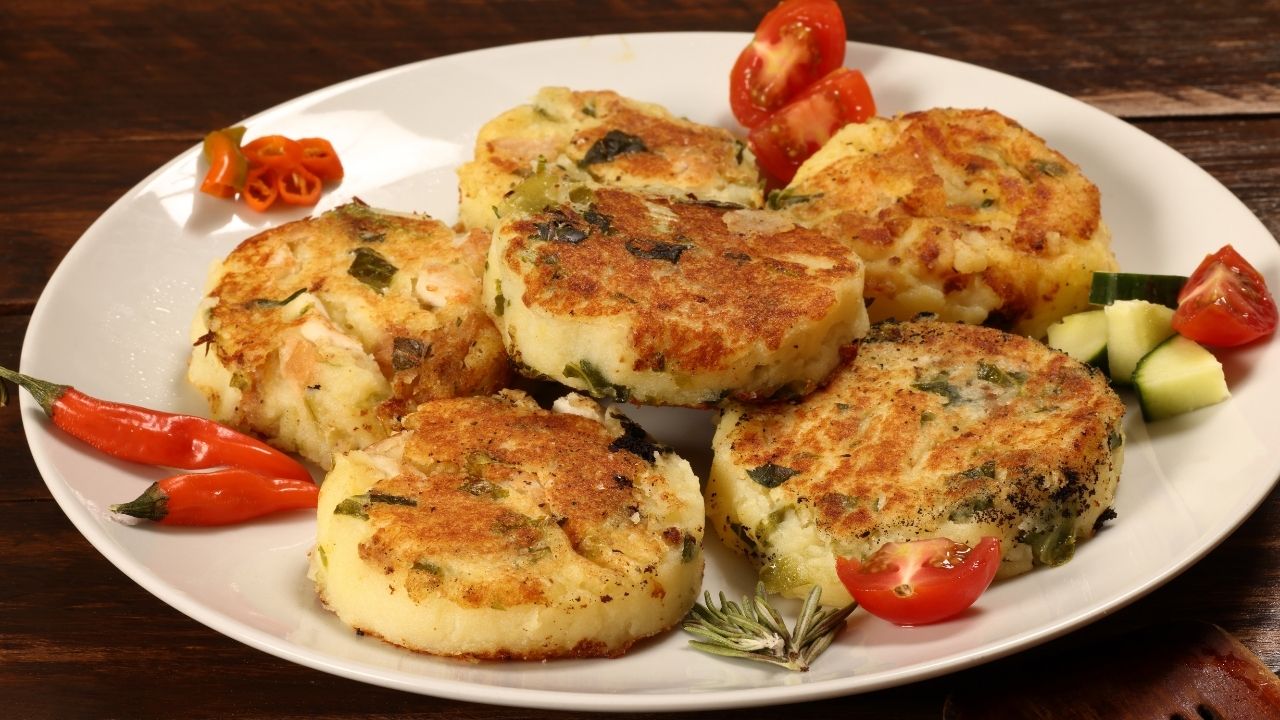
You know that moment when you open your fridge and see leftover roasted vegetables and mashed potatoes staring back at you? That’s exactly how Bubble and Squeak was born in British kitchens centuries ago. This brilliant dish transforms yesterday’s Sunday roast remnants into something completely new and satisfying. I love how this recipe proves that some of the best meals come from necessity rather than fancy ingredients. The name itself comes from the sounds the dish makes while cooking – the bubbling of moisture and the squeaking of cabbage against the pan.
What makes Bubble and Squeak so special is its complete flexibility. You take whatever vegetables you have – cabbage, Brussels sprouts, carrots, parsnips – mix them with leftover potatoes, and pan-fry until golden and crispy. The magic happens when those edges get caramelized and create this wonderful contrast of textures. I always add a touch of fresh herbs or a sprinkle of cheese to brighten things up. This dish teaches us that waste reduction doesn’t mean sacrificing flavor. Every bite connects you to generations of home cooks who understood that good food comes from making the most of what you have.
Panzanella
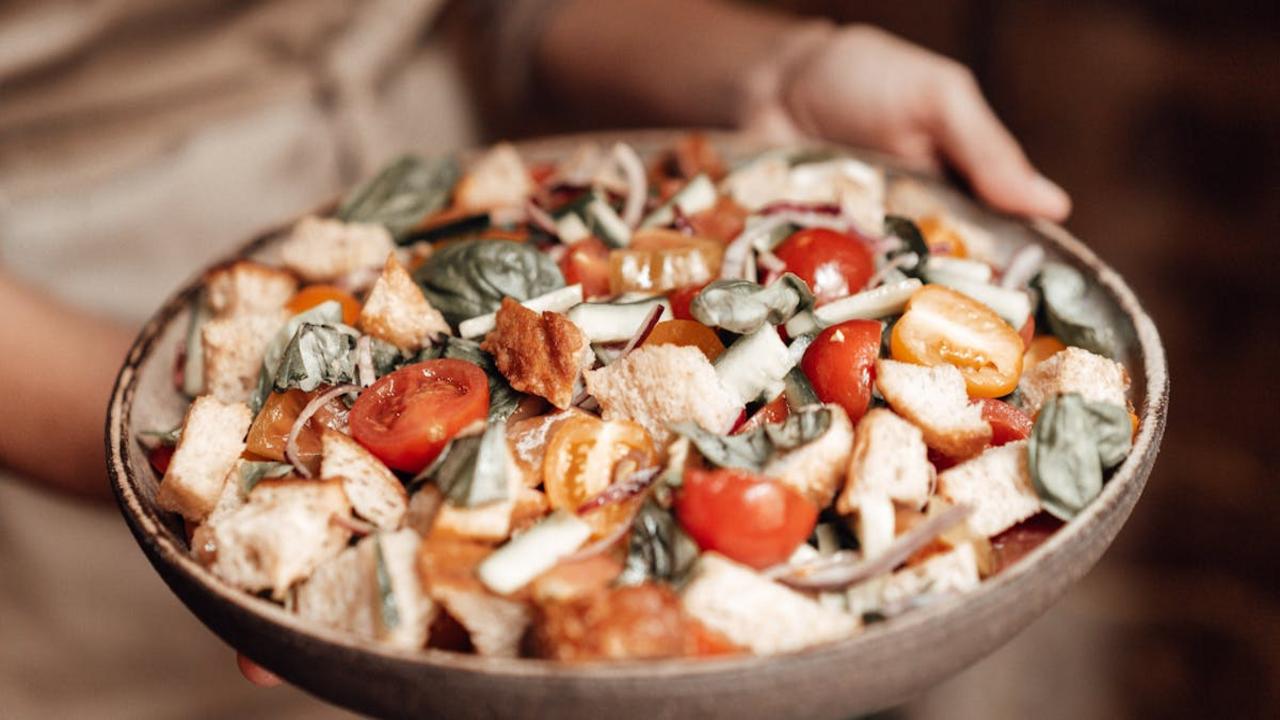
You know that moment when you have day-old bread sitting on your counter and wilted vegetables in your fridge? That’s exactly how panzanella came to life in Tuscan kitchens centuries ago. This brilliant bread salad transforms what most people would toss into the compost into something absolutely magical. I love how this dish teaches us that “waste not, want not” isn’t just a saying—it’s a philosophy that creates incredible flavors. The genius lies in how stale bread soaks up all those gorgeous juices from ripe tomatoes, creating this perfect balance of textures and tastes that makes your mouth sing.
What gets me excited about panzanella is how it celebrates the beauty of simplicity while giving you endless room to play. Start with your foundation of torn bread, ripe tomatoes, and good olive oil, then build from there based on what you have. Maybe you add some crisp cucumber, fresh basil, or even stone fruit during summer months. The key is letting that bread drink up all the vegetable juices and dressing—don’t rush this step! I always tell people to let it sit for at least 30 minutes so every bite becomes this incredible harmony of flavors. This dish proves that the best recipes often come from necessity, turning humble ingredients into something that feels like pure summer on a plate.
Bread Pudding
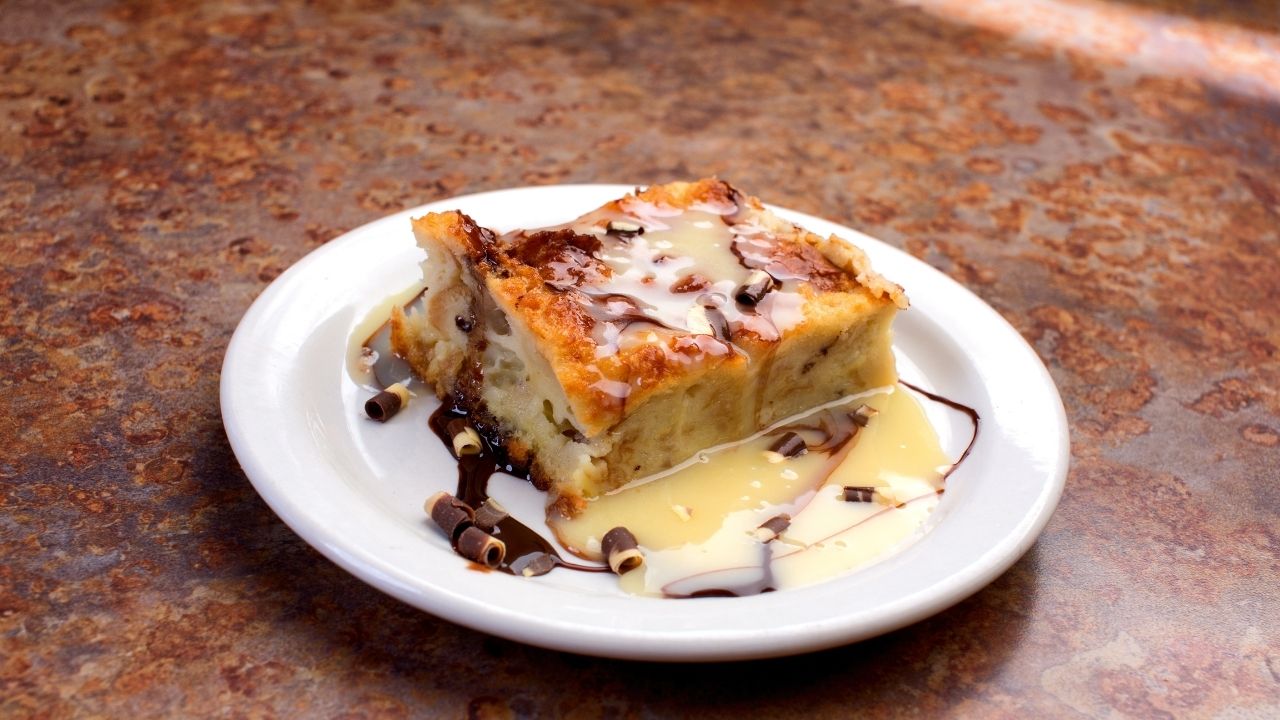
You know that feeling when you open your bread box and find those slices that have seen better days? Instead of tossing them, I transform them into something magical. Bread pudding started as pure necessity – home cooks across cultures refusing to waste precious bread. From the British “poor man’s pudding” to New Orleans’ decadent bread pudding with whiskey sauce, this dish proves that the most beloved recipes often spring from making the most of what you have. I love how different cultures put their spin on it – adding coconut milk in the Caribbean, or using challah and honey in Jewish traditions.
What makes bread pudding so special is how forgiving it is. You can use any bread – crusty sourdough, soft brioche, even day-old cinnamon rolls. I whisk together eggs, milk (or plant-based alternatives), and whatever spices call to me that day. Sometimes I fold in fresh berries, other times leftover roasted apples or a handful of nuts. The beauty lies in its adaptability – you’re creating something warm and comforting while honoring the simple wisdom of not wasting food. Every spoonful tells a story of resourcefulness turned into pure comfort.