15 Iconic Eats That Defined Every Decade from the 1920s to Today
Food marks time in ways nothing else can. From the Great Depression’s practical pineapple cakes to today’s plant-based revolution, what we eat reflects our cultural moments. Each iconic food in this lineup captures the spirit of its decade – technological advances, social shifts, and changing tastes all preserved in edible form.
I’ve tracked these flavor landmarks across a century, connecting each bite to its moment in history. Remember your first Pop-Tart or the thrill of opening a Lunchable at school lunch? These foods didn’t just fill our stomachs; they defined generations and created shared memories that still bring smiles decades later.
Looking back at these 15 foods shows how our eating habits evolved from home cooking to convenience foods and now toward health-conscious choices. The journey from Spam to bubble tea tells the American story in snacks, meals, and treats that became more than just food – they became cultural touchstones that still stir nostalgia and hunger in equal measure.
Plant Based Meat
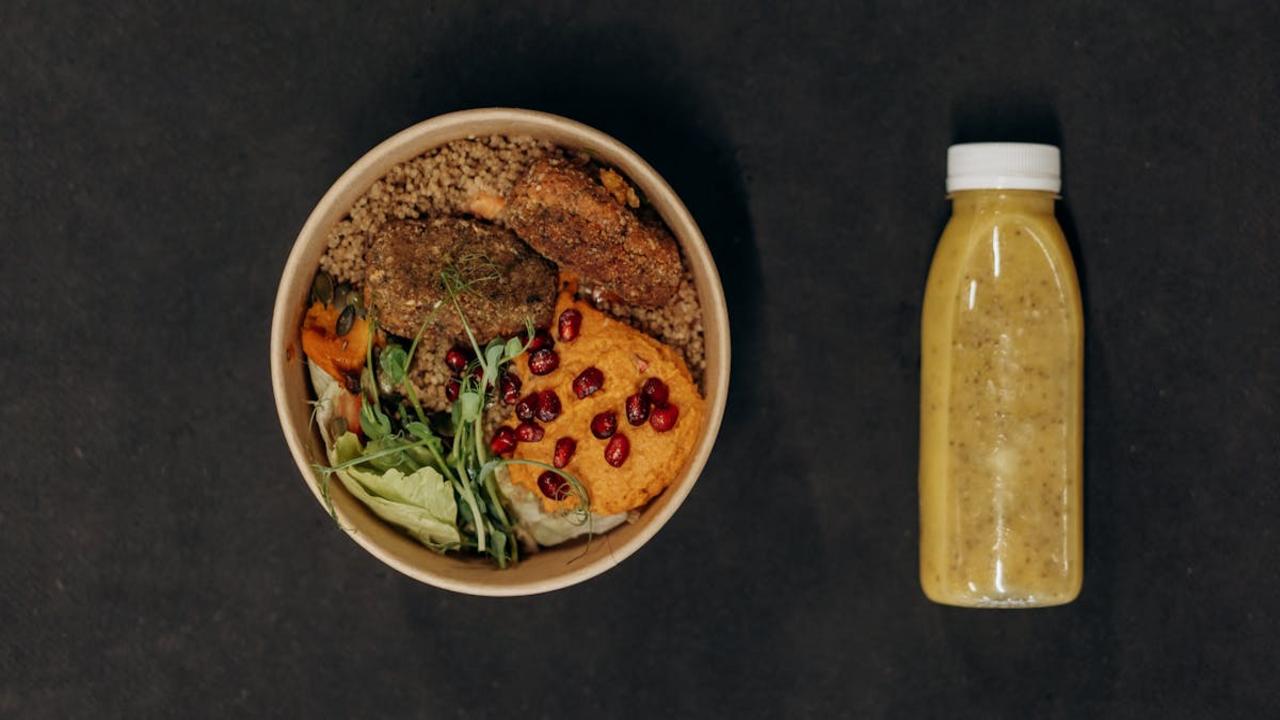
You know what fascinates me about plant-based meat? It’s not just about recreating the texture of beef or chicken—it’s about understanding how ingredients work together to create something entirely new. When I first started experimenting with mushrooms, lentils, and jackfruit in my kitchen, I realized these weren’t substitutes trying to be something else. They were ingredients with their own unique properties that could transform into satisfying, protein-rich meals. The beauty lies in how you season them, how you build layers of umami with soy sauce, nutritional yeast, and smoky spices.
What excites me most is watching home cooks discover they can make incredible plant-based proteins from scratch. I’ve taught friends to press and marinate tofu until it becomes golden and crispy, or to slow-cook jackfruit with berbere spice until it shreds like pulled pork. These ingredients don’t need to hide behind heavy processing—they shine when you treat them with respect and creativity. The movement toward plant-based eating has opened up a world where we’re not limiting ourselves, but expanding our palates. Every time I create a new recipe using these ingredients, I’m reminded that good food doesn’t need labels—it just needs to nourish your body and bring joy to your table.
Bubble Tea
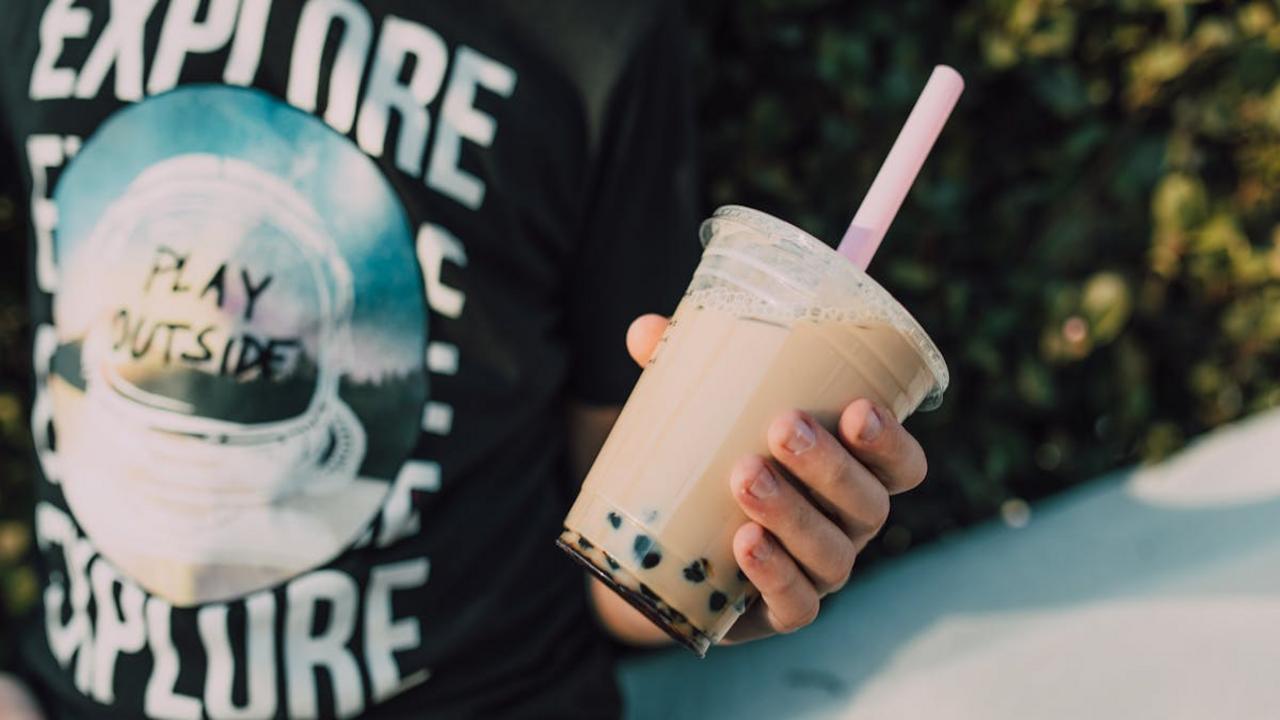
You know that moment when you take your first sip of bubble tea and wonder how something so wonderfully weird became such a global sensation? I remember my first encounter with those chewy tapioca pearls dancing at the bottom of my cup – it felt like discovering a secret that half the world already knew. This Taiwanese creation from the 1980s transformed how we think about beverages, turning drinks into interactive experiences that require their own special wide straws. What started as a simple addition of cassava pearls to sweetened tea has grown into endless flavor combinations, from classic milk tea to fruit-forward creations that blur the lines between drink and dessert.
Making bubble tea at home has become one of my favorite weekend projects, especially since I can control the sweetness and experiment with natural ingredients. I love brewing strong black tea, adding a touch of honey instead of processed syrups, and sometimes throwing in fresh fruit purees for that extra nutrition boost. The real magic happens when you perfect those tapioca pearls – they need just the right chewiness, what the Taiwanese call “QQ texture.” I’ve even started making my own pearls using tapioca starch and natural sweeteners, turning this trendy drink into something that feels both indulgent and wholesome. There’s something deeply satisfying about creating these little spheres of joy from scratch, knowing exactly what goes into every single pearl.
Avocado Toast
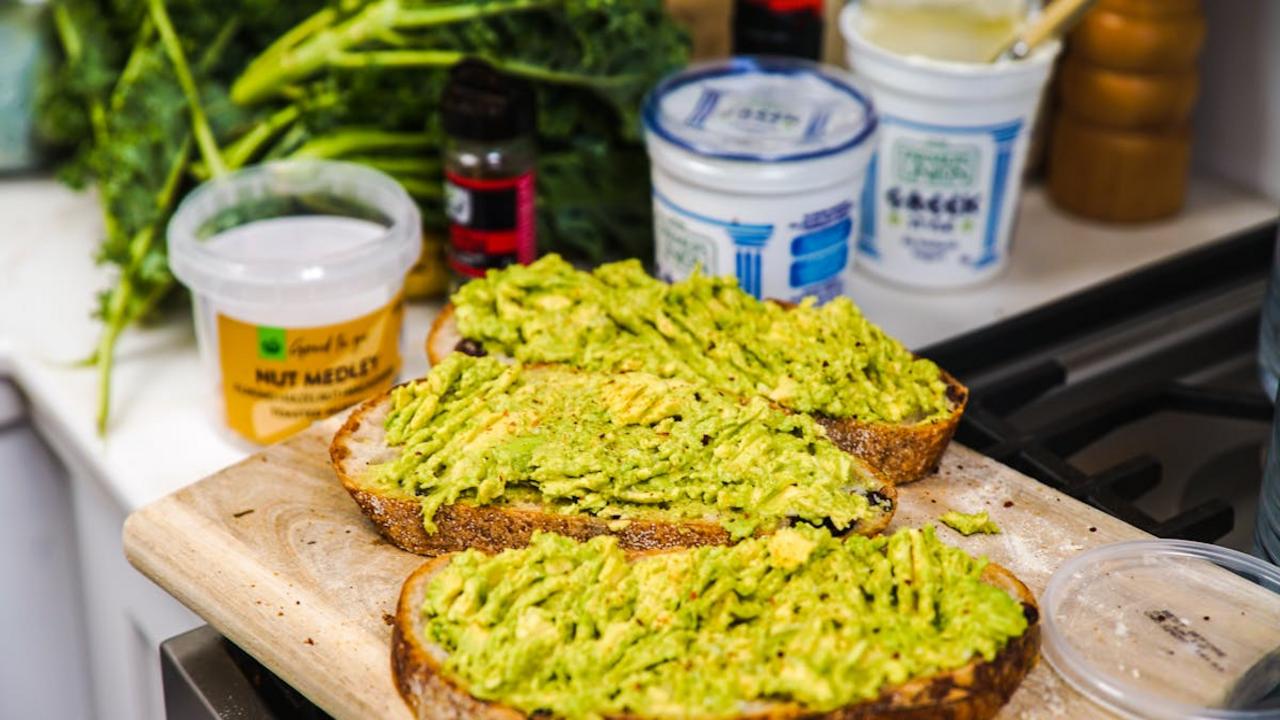
You know, when I first started cooking seriously in the early 2010s, everyone around me was going absolutely wild for avocado toast. What began as a simple breakfast in Australian cafés somehow became the defining food of an entire generation. I watched friends line up at brunch spots, paying fifteen dollars for what I could make at home in five minutes. But here’s what I learned: the magic wasn’t just in the avocado—it was in how this simple dish opened our eyes to ingredient quality and mindful eating.
Making proper avocado toast taught me that cooking doesn’t need complexity to be transformative. I’d mash perfectly ripe Hass avocados with a fork, add a pinch of sea salt, squeeze fresh lime juice, and spread it thick on sourdough bread I’d toasted until golden. Sometimes I’d top it with everything bagel seasoning, other times with sliced radishes and microgreens from my windowsill garden. This dish represented everything I believed in: whole ingredients, minimal processing, and maximum flavor. Sure, people joked about millennials spending their house deposits on avocado toast, but I saw something deeper—a generation choosing fresh, nourishing food over processed convenience, even if it meant spending a little more.
Cupcakes

You know what makes me smile every time I see them? Those perfectly portioned little cakes that somehow managed to transform from simple teatime treats into Instagram sensations. I’ve been making cupcakes from scratch for years now, and there’s something magical about how these individual portions bring out the inner child in everyone. When I first started baking, I was amazed by how much healthier homemade versions could be – swapping refined sugar for natural sweeteners like maple syrup or coconut sugar, adding whole grain flours, even sneaking in some pureed vegetables or fruits. The beauty of cupcakes lies in their versatility; you can infuse them with global flavors like cardamom and rose water from my Indian heritage, or create tropical versions with coconut and passion fruit.
What really gets me excited about cupcakes is how they became the poster child for creative home baking during the 2000s. Those elaborate frosting swirls and decorative toppers weren’t just pretty – they represented a movement back to homemade goodness. I love teaching people how to make buttercream from real butter instead of buying those artificial tubs from the store. The technique is surprisingly simple: just cream butter with powdered sugar, add a splash of vanilla, maybe some fresh fruit puree for natural coloring. Every time I make a batch, I remember that cupcakes are really about connection – sharing something sweet that you made with your own hands, creating moments of joy one perfectly sized cake at a time.
Kale Chips
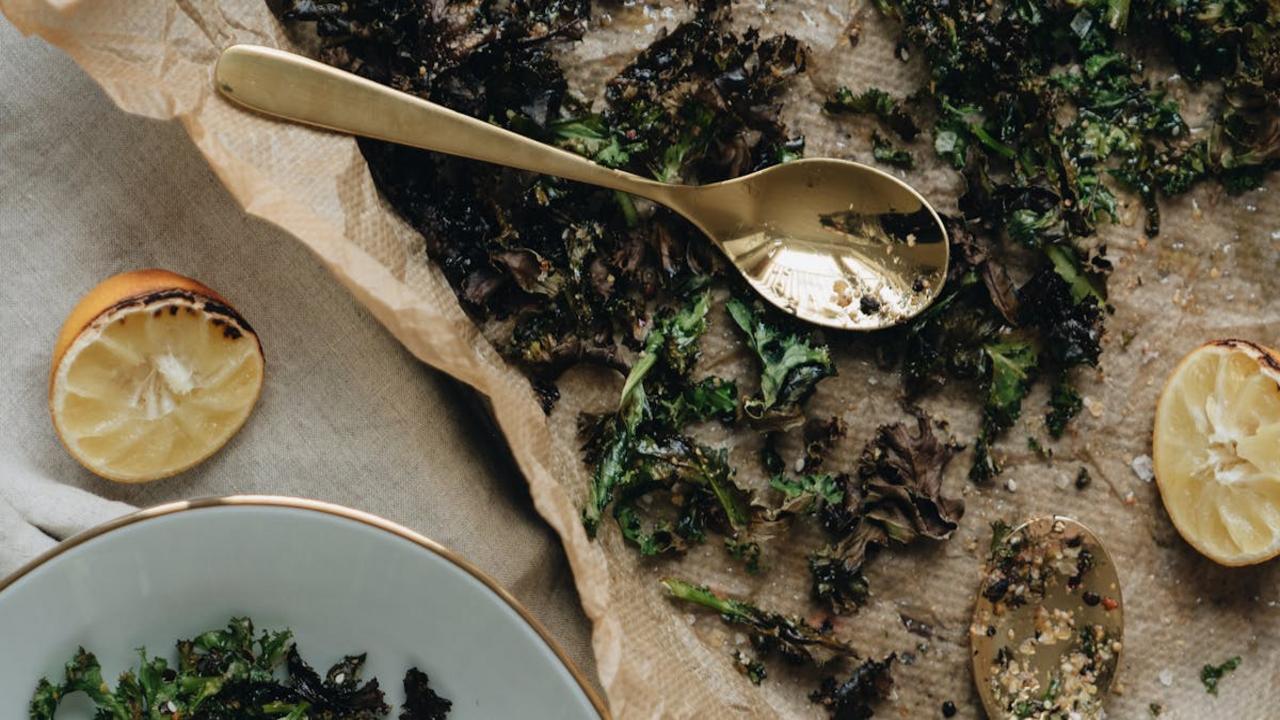
Remember when kale was just that tough, bitter green your grandmother tried to sneak into soup? Fast forward to the 2010s, and suddenly everyone was transforming this humble leafy vegetable into crispy, addictive chips that actually made you crave more greens. I watched this transformation happen in real time, and honestly, it changed how I think about healthy snacking forever. The beauty of kale chips lies in their simplicity – just massage those sturdy leaves with a drizzle of olive oil, sprinkle with sea salt, and let your oven work its magic at a low temperature until they become paper-thin and shatteringly crisp.
What really excites me about kale chips is how they opened the door to so many global flavor experiments in my kitchen. I started with basic salt and pepper, but then began incorporating everything from nutritional yeast for that cheesy umami punch to za’atar for a Middle Eastern twist, or even a light dusting of curry powder for warmth and complexity. These chips taught me that healthy eating doesn’t mean sacrificing flavor or satisfaction – they’re proof that whole foods can be just as crave-worthy as any processed snack. Plus, making them from scratch means you control every ingredient, avoiding the preservatives and excessive sodium found in store-bought versions while creating something that genuinely nourishes your body.
Lunchables
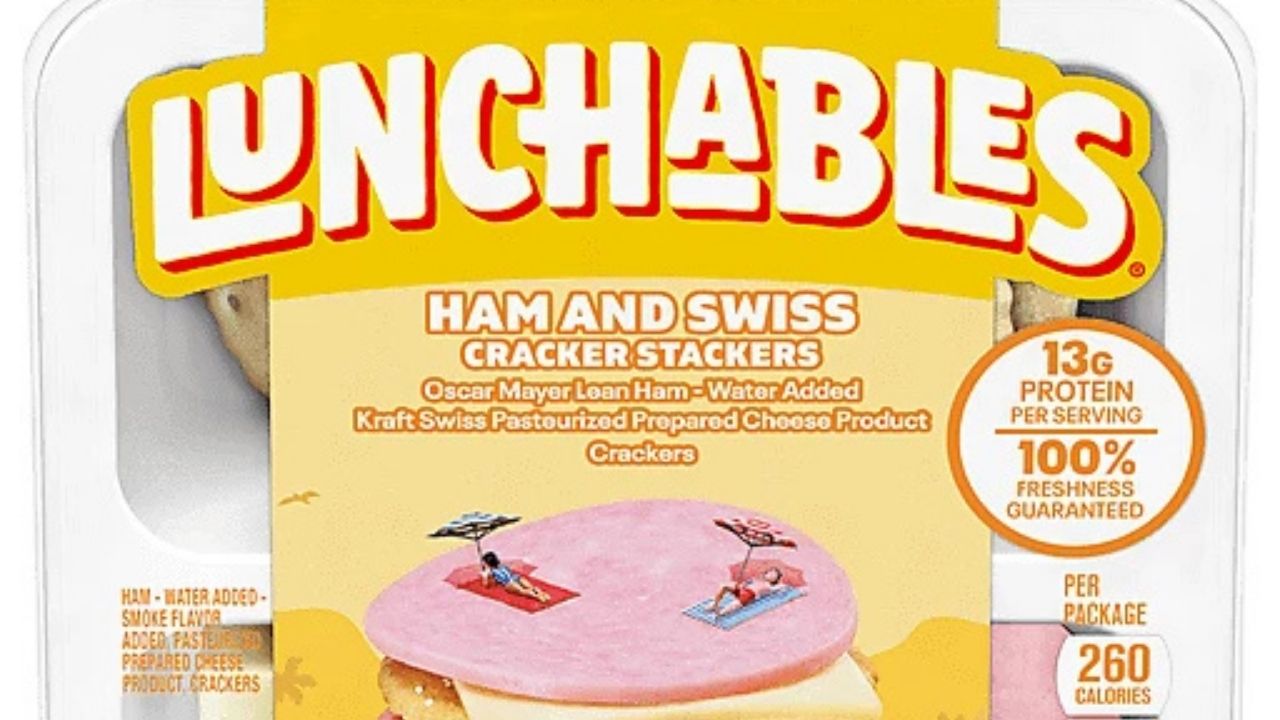
You know, when I think about the 1980s food scene, Lunchables perfectly captured that decade’s obsession with convenience and kid-focused marketing. Oscar Mayer launched these compartmentalized meal kits in 1988, and they became an instant playground currency—trading crackers for cheese, swapping ham slices like precious commodities. As someone who champions cooking from scratch, I’ll admit these pre-packaged combinations taught an entire generation that meals could be assembled rather than prepared. The genius wasn’t in the food quality (those processed meats and artificial cheeses still make me cringe), but in how they made children feel independent and in control of their eating experience.
What fascinates me most about Lunchables is how they reflected our shifting relationship with food preparation during the late ’80s and early ’90s. Busy parents grabbed these from grocery shelves, believing they were providing balanced nutrition while saving precious time. But here’s what I’ve learned from years of creating wholesome meals: the real magic happens when kids participate in actual food preparation. Instead of reaching for those plastic trays, try setting up a DIY lunch station at home with whole grain crackers, real cheese you’ve sliced together, and nitrate-free deli meats. Your children get that same sense of assembly and choice, but with ingredients that actually nourish their growing bodies. Sometimes the best lessons come from understanding what we want to improve upon.
Fruit Roll Ups
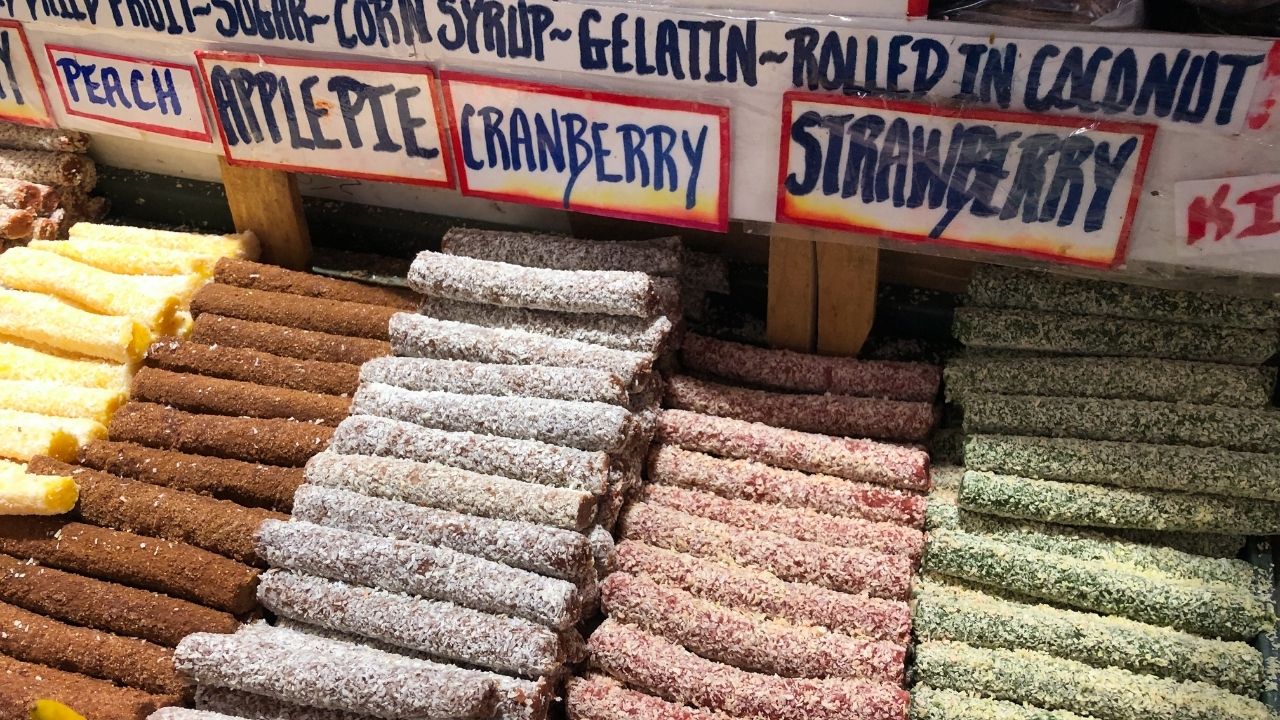
You know what makes me shake my head every time I walk down the snack aisle? Those brightly colored Fruit Roll-Ups that became the lunch box heroes of the 1980s. Betty Crocker launched these stretchy, synthetic strips in 1983, and kids went absolutely wild for them. I get it—the fun of peeling them off that plastic backing and rolling them up felt like edible play-doh. But here’s the thing that gets me: despite having “fruit” in the name, these chewy treats contained more corn syrup and artificial flavoring than actual fruit. They became so popular that trading them at lunch became its own currency system among elementary school kids.
Now, before you think I’m completely against fun snacks, hear me out. What if I told you that making real fruit leather at home takes just two ingredients and tastes infinitely better? I blend fresh strawberries, mangoes, or whatever seasonal fruit I have on hand with just a touch of honey, spread it thin on a dehydrator tray or parchment-lined baking sheet, and let time do the work. The result? Chewy, naturally sweet strips that actually deliver nutrients instead of artificial colors that could paint a rainbow. Your kids get that same satisfying peel-and-eat experience, but you’re feeding them concentrated fruit goodness instead of laboratory creations. Trust me, once you make these homemade versions, those store-bought rolls will taste like flavored plastic.
Diet Coke

You know, when Diet Coke hit the scene in 1982, I watched my own relationship with artificial sweeteners shift dramatically. As someone who champions cooking from scratch and minimizing processed foods, I’ll be honest—this silver-canned phenomenon represents everything I typically steer my kitchen away from. Yet I can’t ignore how Diet Coke became the drink that defined an entire decade’s approach to “having it all.” People wanted the fizzy satisfaction without the sugar crash, and suddenly everyone from busy executives to fitness enthusiasts had that distinctive can in hand.
What fascinates me most is how Diet Coke influenced our broader food culture in the 1980s. This drink normalized the idea that we could engineer our way around natural ingredients to create “better” versions of what we craved. While I prefer squeezing fresh lime into sparkling water with a pinch of sea salt for my fizzy fix, I understand why Diet Coke captured millions of hearts. It promised freedom from guilt while delivering that signature cola flavor. Even today, when I’m developing recipes that satisfy cravings naturally, I think about what Diet Coke taught us: sometimes people want familiar flavors without the consequences, which pushes me to create healthier alternatives that don’t sacrifice satisfaction.
Hamburger Helper
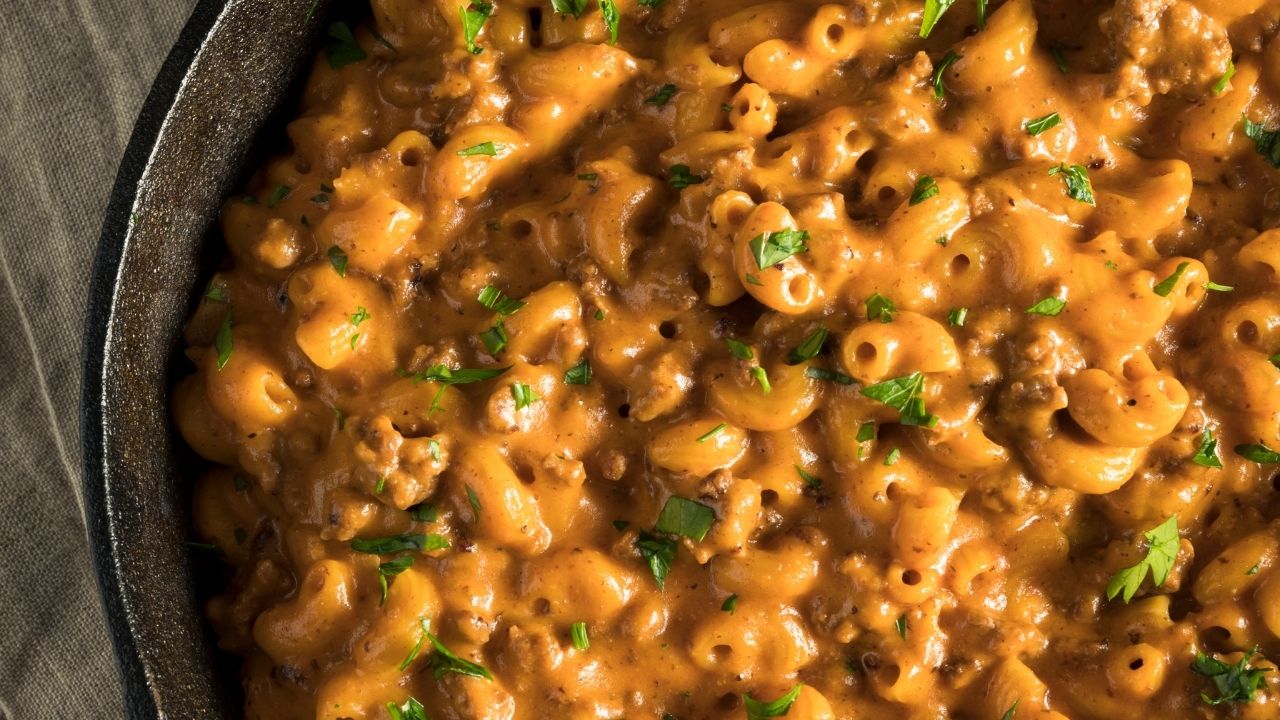
You know, there’s something beautifully nostalgic about Hamburger Helper that takes me right back to childhood kitchens across America in the 1970s. This boxed wonder became the superhero of weeknight dinners, swooping in to save busy families with its promise of a complete meal in just one skillet. I remember watching my own mother transform simple ground beef into what felt like magic with just a box, some water, and milk. The genius wasn’t just in the convenience—it was in how it made cooking accessible to everyone, regardless of skill level.
Now, as someone who champions cooking from scratch, I’ve learned to appreciate what Hamburger Helper taught us about building flavors in layers. Those little packets contained the foundation of what we do when we create pasta dishes today—building a sauce, incorporating protein, and bringing everything together in harmony. I’ve taken that same concept and created my own versions using whole grain pasta, fresh herbs, and spice blends I mix myself. You can capture that same comforting, one-pot magic by browning your meat with onions, adding tomato paste for depth, and finishing with cheese and fresh herbs. The spirit lives on, just with ingredients you can pronounce!
Pop Tarts
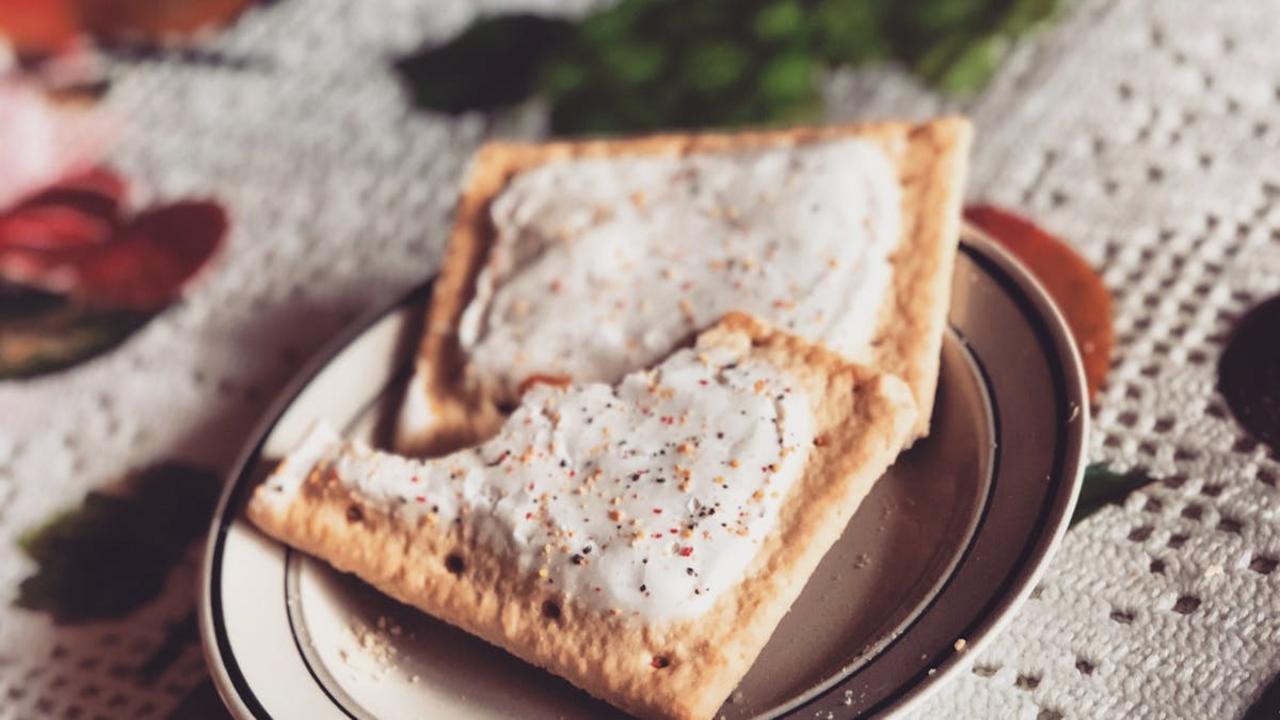
Pop Tarts arrived in 1964 and completely changed how we thought about breakfast. As someone who grew up making everything from scratch, I have complicated feelings about these foil-wrapped rectangles! Kellogg’s marketed them as the perfect grab-and-go morning meal for busy families, and honestly, they nailed the convenience factor. You could toast them, eat them cold, or even crumble them over ice cream. My kids still ask for them sometimes, and while I usually steer toward homemade granola bars or overnight oats, I understand the appeal of that sweet, flaky pastry filled with jam or frosting.
What fascinates me about Pop Tarts is how they represented a shift toward ultra-processed convenience foods that many families still rely on today. Instead of dismissing them completely, I’ve experimented with creating healthier homemade versions using whole wheat pastry flour, natural fruit spreads, and coconut oil. The original strawberry and brown sugar cinnamon flavors were simple enough, but now there are dozens of varieties that read more like candy than breakfast. While I can’t recommend the store-bought versions as regular nutrition, they definitely hold cultural significance as the breakfast that taught an entire generation that morning meals could be sweet, portable, and ready in under two minutes.
Fish Sticks
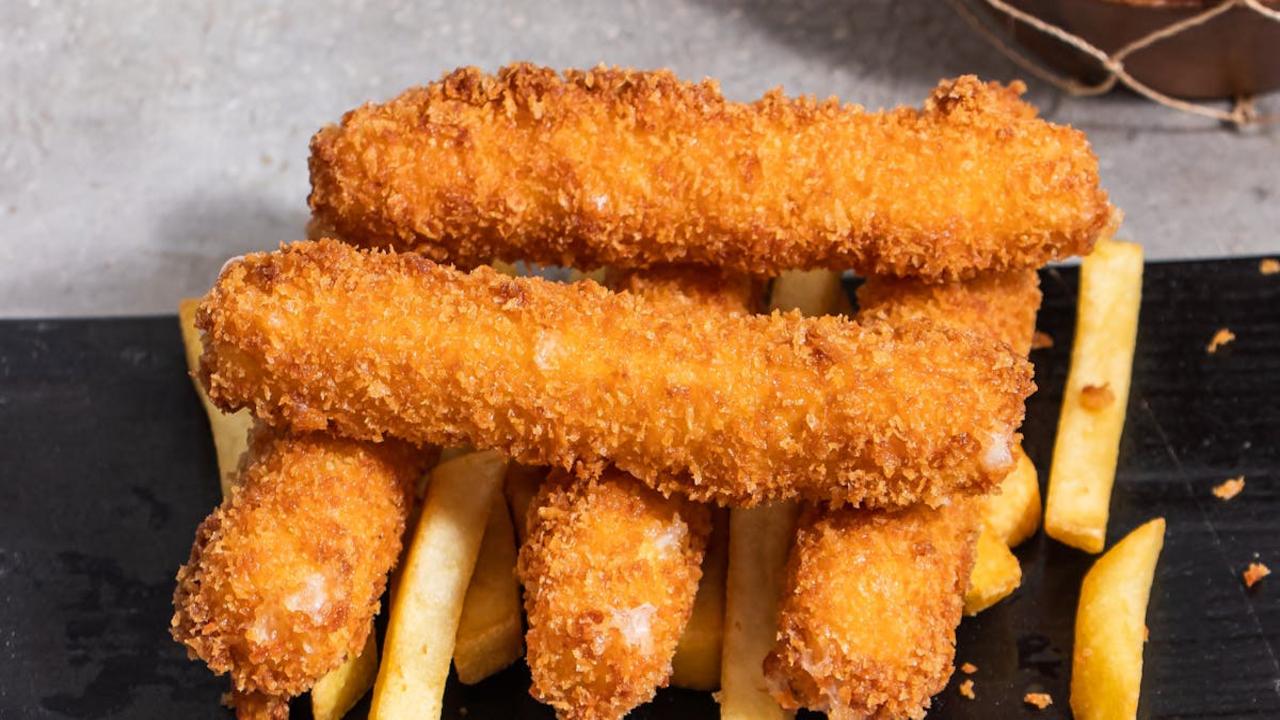
I know what you’re thinking—fish sticks aren’t exactly the poster child for wholesome cooking. But hear me out! These frozen rectangles of convenience first swam into American freezers during the 1950s, when Gorton’s and Birds Eye were busy revolutionizing dinnertime. They became the weeknight hero for busy parents everywhere, promising a quick protein that kids would actually eat without complaint. While I’m usually the first person to champion cooking from scratch, I can’t ignore the cultural impact these golden-brown strips had on shaping how families approached seafood.
Here’s where my home cook heart kicks in though—you can absolutely create better versions at home! I love making my own fish fingers using fresh cod or halibut, coating them in seasoned panko mixed with herbs from my garden, then baking until crispy. The difference is night and day. You control the fish quality, skip the mysterious preservatives, and can add flavors that actually complement the delicate seafood. Try adding a pinch of smoked paprika or dried dill to your coating—suddenly you’ve transformed this humble convenience food into something that honors both nostalgia and your commitment to nourishing meals.
Cheerios
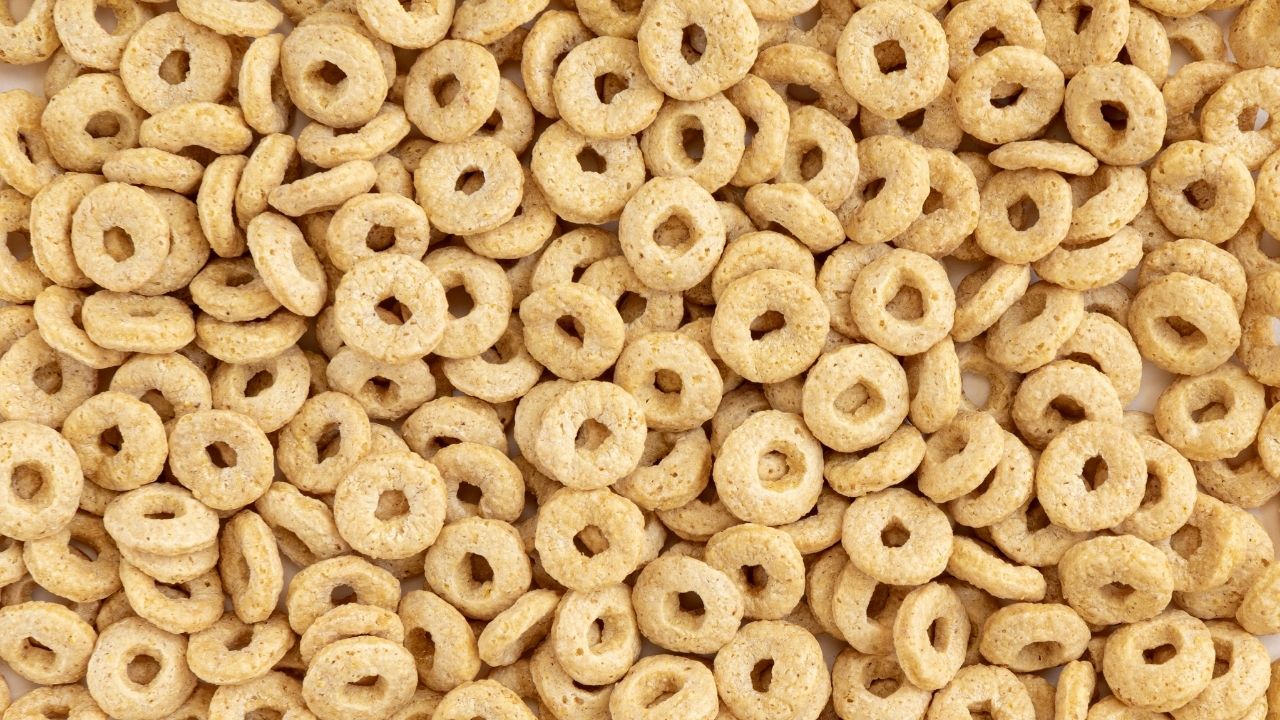
You know what gets me excited about Cheerios? They represent something beautiful about American breakfast culture from the 1940s onward – the idea that wholesome doesn’t have to mean boring. When General Mills introduced these little oat rings as “CheeriOats” in 1941, they created something that would become a breakfast staple for generations. I love how they took simple whole grain oats and transformed them into something kids would actually want to eat, without loading them up with artificial colors or excessive sugar like so many cereals that followed.
What really speaks to my heart as someone who values real ingredients is how Cheerios stayed true to their oat foundation. Sure, they’ve expanded into different flavors over the decades, but that original plain variety still sits on shelves today – just oats, a touch of salt, and minimal processing. I often use plain Cheerios in my own kitchen as a crunchy topping for yogurt bowls or blend them into homemade granola bars. They remind me that sometimes the most iconic foods are the ones that don’t try too hard – they just do one thing really well and let that simplicity shine through breakfast after breakfast.
Kraft Macaroni & Cheese
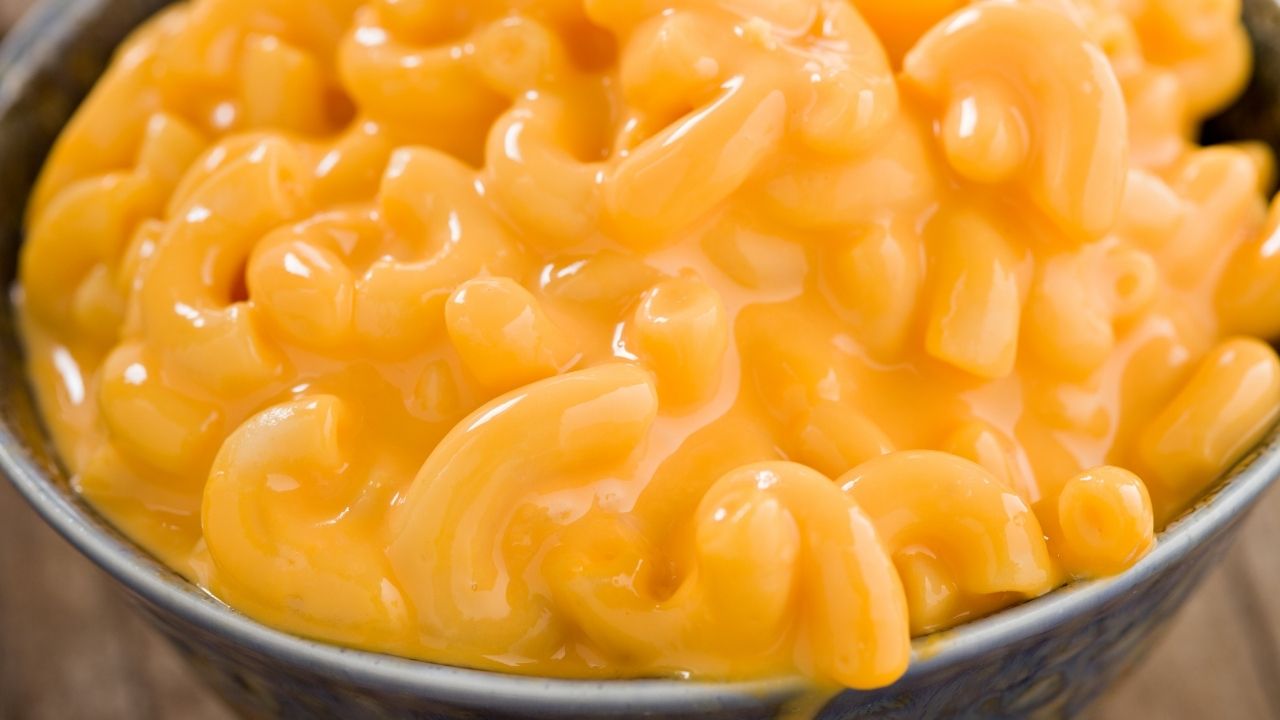
You know, I have such mixed feelings about that bright orange box that became a kitchen staple in 1937. Kraft Macaroni & Cheese promised convenience during the Great Depression—one box could feed a family of four for just 19 cents. That powdered cheese sauce became comfort food for generations, and I get it. Sometimes you need that nostalgic hit of creamy, cheesy pasta that takes you back to childhood afternoons.
But here’s where I always encourage you to take that craving and make it your own! Instead of reaching for the processed packet, I love creating a quick stovetop mac using real aged cheddar, a splash of milk, and maybe some roasted butternut squash for natural sweetness and color. You can have homemade comfort on the table in nearly the same time, with ingredients you can actually pronounce. The beauty lies in keeping that same satisfying feeling while nourishing your body with whole foods that love you back.
Spam
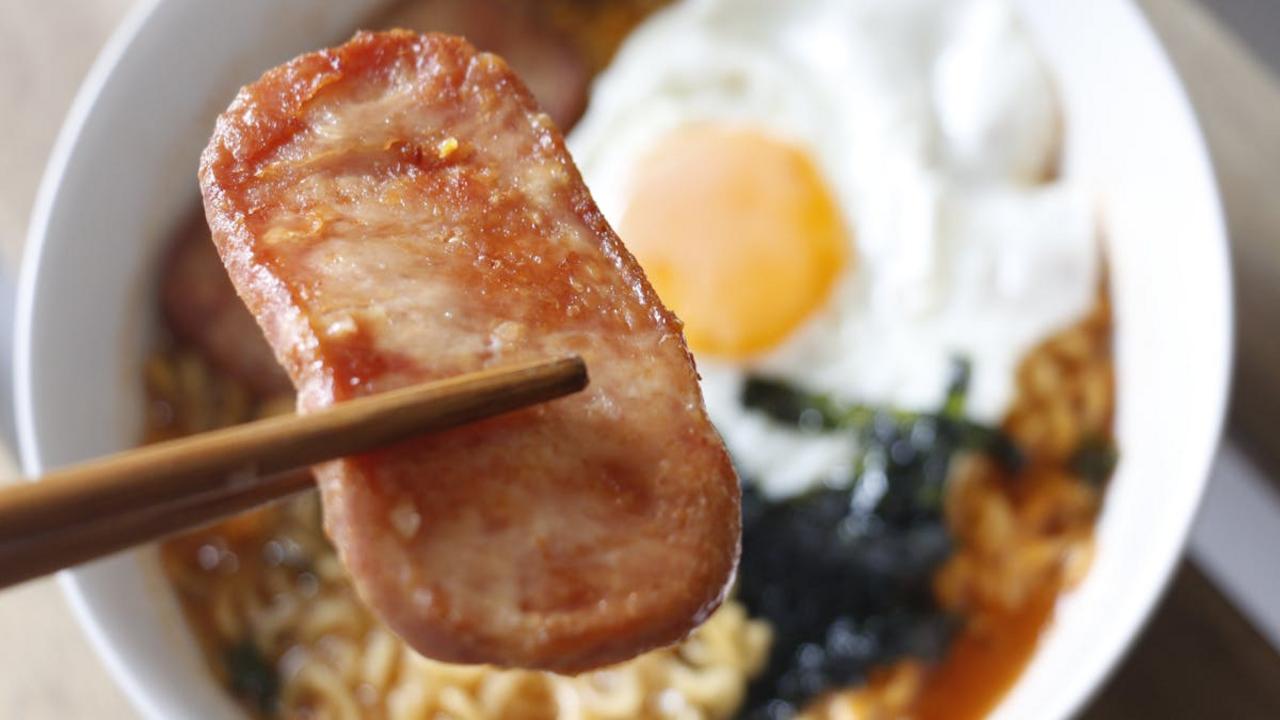
I know what you’re thinking – Spam gets a bad rap in today’s whole-foods world. But hear me out on this canned meat phenomenon that became a household staple during the 1940s. When World War II hit, fresh meat became scarce, and Spam stepped in as an affordable protein source that could feed families without refrigeration. What started as wartime necessity transformed into comfort food, especially in Hawaiian and Asian communities where it found new life in dishes like Spam musubi and fried rice.
Now, I’m not saying you should make Spam your daily protein (my philosophy leans heavily toward fresh, whole ingredients), but I respect its place in food history and the creativity it sparked. Hawaiian cooks turned this processed meat into something special, pairing it with rice, nori, and fresh vegetables. Korean budae jjigae uses Spam alongside kimchi and vegetables, creating something greater than its parts. While I’d rather you reach for fresh pork or chicken most days, Spam taught us that resourcefulness in the kitchen matters. Sometimes the most unexpected ingredients, when treated with care and paired thoughtfully, create dishes that comfort and nourish in their own unique way.
Pineapple Upside Down Cake

You know what I love about pineapple upside down cake? It’s that beautiful moment when you flip the pan and reveal those gorgeous caramelized pineapple rings sitting pretty on top like golden halos. This 1920s sensation became the poster child for convenience cooking when canned pineapple hit American kitchens. But here’s my twist on this retro beauty—I swap refined sugar for coconut palm sugar and add a pinch of cardamom to the batter. The natural enzymes in fresh pineapple (when I can get my hands on good ones) create this incredible depth that makes your kitchen smell like paradise.
What makes this cake so special is how it transforms simple ingredients into something magical. I often make individual portions in my cast iron skillet, and sometimes I throw in unexpected additions like fresh ginger or a splash of rum extract. The key is getting that caramel just right—not too dark, not too light—and making sure your fruit is well-drained so you don’t end up with a soggy bottom. This cake taught me that sometimes the most stunning desserts come from turning things completely upside down, both literally and figuratively.