14 Sneaky Supermarket Psychology Tricks That Push You to Buy More
Ever walked into the grocery store for “just milk” and left with a cart full of snacks and items you never planned to buy? That’s not a coincidence! Supermarkets design their layouts and promotions specifically to encourage you to spend more money during each shopping trip.
These stores apply clever psychology tactics that most shoppers don’t notice. From the way products catch your eye on shelves to how prices appear on tags, every detail serves a purpose. The science behind grocery store design combines marketing know-how with human behavior research to influence your purchasing decisions.
I’ve uncovered 14 tactics supermarkets use to empty your wallet. By recognizing these tricks, you’ll shop more wisely and stick to your budget. Ready to become a more aware shopper? Let’s pull back the curtain on these sneaky supermarket strategies!
Mobile App Personalized Deals

Your favorite grocery store’s mobile app knows you better than your best friend! Those personalized deals that pop up on your phone aren’t just convenient – they’re carefully crafted to match your shopping habits and preferences. The app tracks every purchase you make, from your weekly organic spinach to that midnight ice cream craving, building a detailed profile of your food choices. When you see those customized coupons for the exact brand of pasta sauce you bought last month, it feels like the store is reading your mind and offering you exactly what you need.
This personalized approach creates a powerful psychological pull that makes you feel special and understood as a customer. The deals often include items you regularly buy alongside tempting suggestions for new products that complement your usual purchases. If you frequently buy chicken breast, the app might offer discounts on marinades or side dishes you haven’t tried yet. This strategy not only increases your basket size but also builds loyalty by making you feel like the store truly cares about your specific needs. Before you know it, you’re adding extra items to your cart simply because they appeared in your personalized deals section, even if you hadn’t planned to buy them originally.
Sample Stations
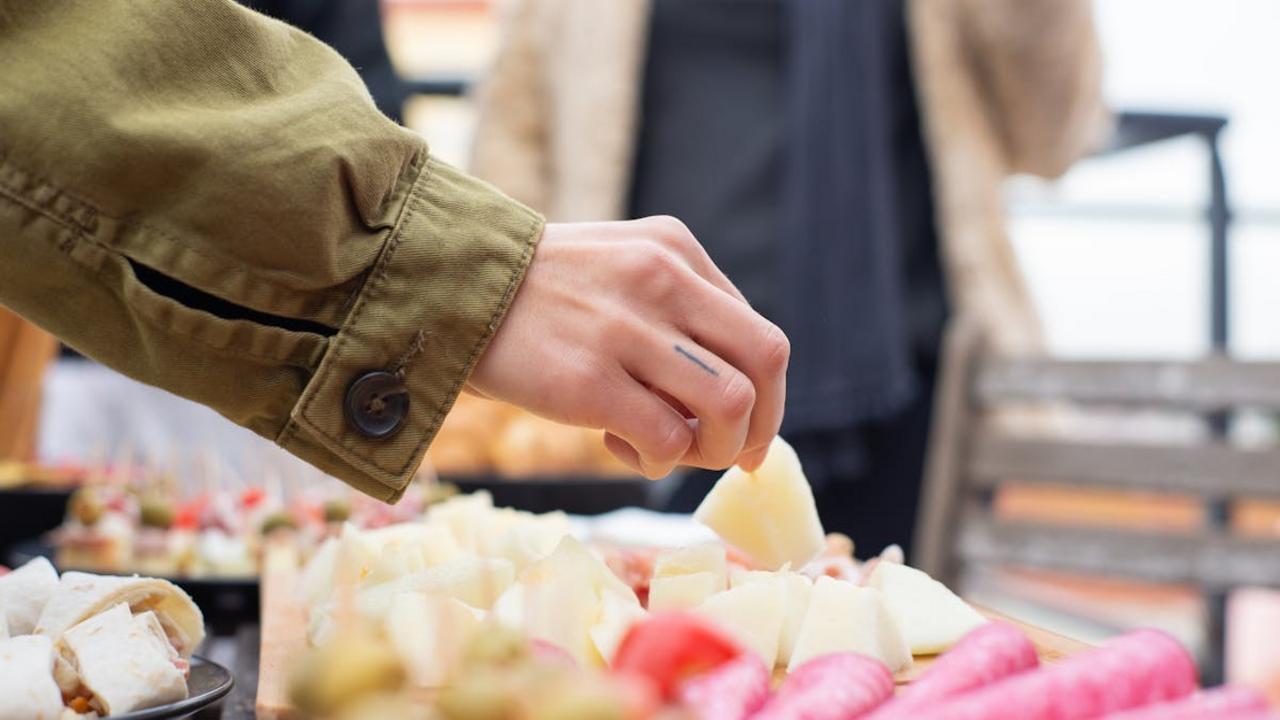
Those friendly folks offering tiny cups of soup or cheese cubes aren’t just being generous – they’re using one of the most effective psychological triggers in retail! When you accept that free sample, you’re creating what psychologists call a “reciprocity obligation.” Your brain naturally wants to return the favor, and suddenly that $8 artisan cheese feels like a reasonable purchase. I see shoppers do this dance every weekend – they try the sample, chat with the demonstrator, and walk away with items they never planned to buy. The beauty of this strategy lies in how it transforms you from a browser into an active participant in the shopping experience.
Sample stations also work because they lower the risk barrier completely. You get to taste before you commit, which makes trying new products feel safe and exciting rather than wasteful. That exotic hummus flavor or fancy coffee blend becomes less intimidating when you know exactly what you’re getting. Smart marketers place these stations near complementary items too – try the salsa, then notice the organic tortilla chips conveniently displayed right next to you. The combination of social interaction, free food, and risk-free testing creates the perfect storm for impulse purchases. Next time you approach a sample station, enjoy the treat but pause before heading to the checkout with your new “discoveries.”
Decoy Pricing
You know how you walk into the grocery store planning to buy the medium-sized cereal box, but somehow end up with the large one? That’s decoy pricing working its magic on you! Supermarkets strategically place three similar products together – small, medium, and large – but they make the medium option so unappealing that the large size suddenly looks like an amazing deal. The medium becomes the “decoy” that makes you feel smart for choosing what seems like better value, even though you’re spending more money than you originally planned.
I see this trick everywhere in the grocery aisles, from coffee packages to frozen meals. The store wants you to buy the premium option, so they price the middle choice just a few cents less than the large size. Your brain immediately calculates that you’re getting way more product for barely any extra cost – what a steal! But here’s the thing: you probably didn’t need that much product in the first place. Next time you’re shopping, take a moment to consider what you actually need before those clever price comparisons convince you to upgrade your purchase.
Left Digit Pricing
You walk down the grocery aisle and spot that organic pasta sauce for $4.99, and your brain instantly registers it as closer to $4 than $5. This sneaky trick works because we read prices from left to right, giving that first number way more mental weight than it deserves. Supermarkets know this psychological quirk inside and out, which is why you’ll rarely see round numbers on price tags. That 99-cent ending makes the difference between thinking “around four dollars” versus “five dollars” – even though we’re talking about a single penny!
I’ve caught myself falling for this so many times while shopping for ingredients for my weekly meal prep. That $2.99 bell pepper feels like such a better deal than a $3.00 one, even though my logical brain knows better. The craziest part? This pricing strategy works even when we’re fully aware of it. Your subconscious mind processes that left digit first and forms an impression before your rational thinking kicks in. Next time you’re shopping for those pantry staples or fresh produce, take a second to do the real math – you might discover that the “expensive” $5.00 item is actually just one cent more than the $4.99 option sitting right next to it.
Package Size Illusions
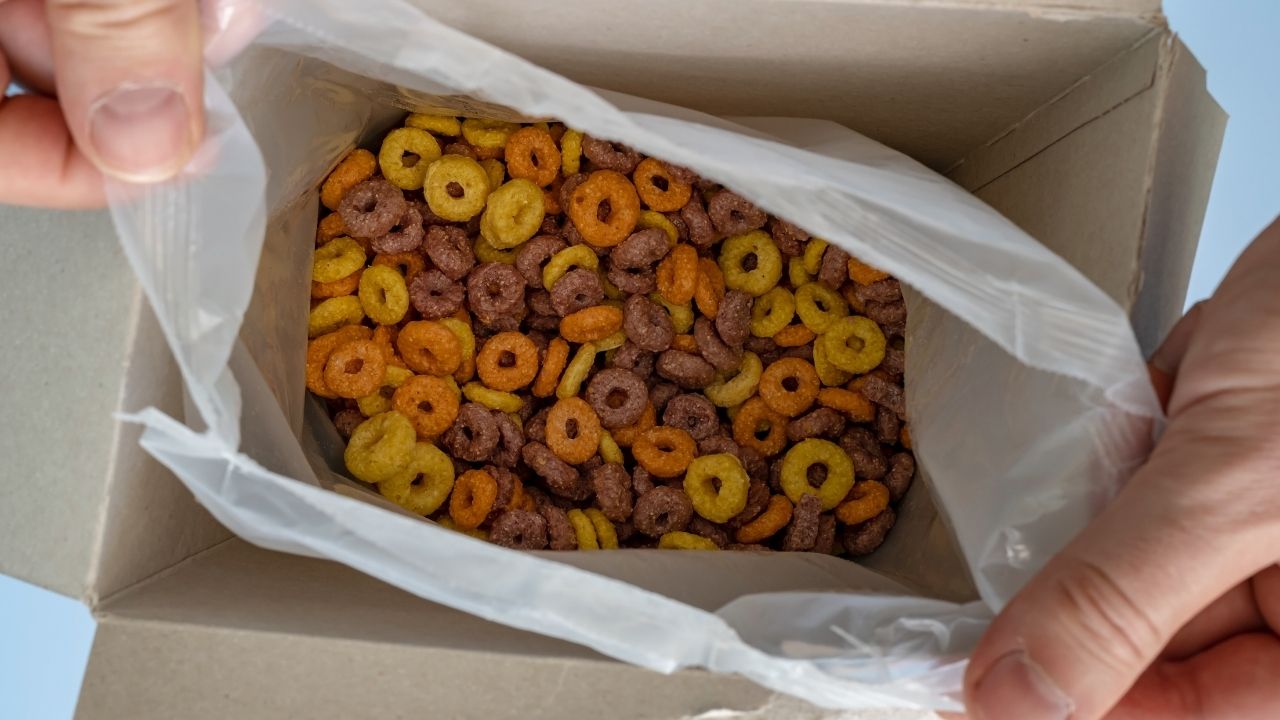
You know that feeling when you grab what looks like a great deal on cereal, only to get home and realize the box is mostly air? Supermarkets master the sneaky trick of making packages appear larger than they actually are. They create tall, wide boxes with thick bottoms or curved surfaces that give the impression of more product inside. Sometimes they’ll even use the same size box for different quantities, filling the extra space with cardboard inserts or creative packaging design that fools your eyes into thinking you’re getting more bang for your buck.
This psychological trickery works because our brains make quick visual assessments based on external packaging rather than carefully reading the actual weight or volume listed in small print. I’ve caught myself doing this countless times – picking up the “bigger” yogurt container only to discover it holds the same amount as the smaller-looking one next to it. The smart shopping move here is to always check the unit price per ounce or pound, which most stores display on shelf tags. Train yourself to look past the flashy packaging and focus on those numbers – your wallet will thank you, and you’ll become a more mindful shopper who sees through these clever marketing illusions.
Limited Time Offers
You’ve probably felt that familiar rush when you see a bright red “Limited Time Only!” banner stretching across your favorite snack’s packaging. Supermarkets know exactly what they’re doing when they plaster these urgent messages everywhere – they’re triggering your fear of missing out on something good. Your brain starts racing: “What if this amazing deal disappears tomorrow? What if I never get another chance to try this new flavor?” Before you know it, you’re tossing items into your cart that weren’t even on your shopping list, convinced you’re making smart decisions by “saving money” on things you didn’t originally need.
The psychology behind this tactic runs deeper than simple urgency – it taps into our natural hoarding instincts and desire to feel special. When you see “Only available this week!” or “While supplies last!” your brain interprets this as scarcity, making the product seem more valuable than it actually is. Smart shoppers can beat this trick by asking themselves one simple question before grabbing that “limited time” item: “Would I buy this at full price next month?” If the answer is no, then you’re probably falling for marketing magic rather than finding a genuine deal. Take a moment to breathe, check your actual shopping list, and remember that truly good products don’t need artificial time pressure to sell themselves.
Fresh Scents in Strategic Areas

You walk into the bakery section and suddenly catch yourself breathing deeper, drawn in by that incredible aroma of freshly baked bread. That’s no accident! Supermarkets pump specific scents through their ventilation systems to trigger your appetite and create positive associations with food. The bakery section gets those warm, yeasty bread smells, while the produce area might feature subtle citrus or apple fragrances. These carefully chosen aromas work directly on your brain’s limbic system, which controls both smell and emotion, making you feel hungrier and more likely to make impulse purchases.
The psychology behind scent marketing runs deeper than just making things smell good. When you smell something delicious, your brain releases digestive enzymes and increases saliva production, literally preparing your body to eat. This physical response makes everything look more appealing and can override your logical shopping list. You might notice vanilla scents near the cookie aisle or coffee aromas by the breakfast items – each one strategically placed to maximize your cravings in that specific area. Next time you shop, pay attention to how different sections smell and notice how your shopping behavior changes as you move through these scented zones.
Slow Music to Encourage Browsing
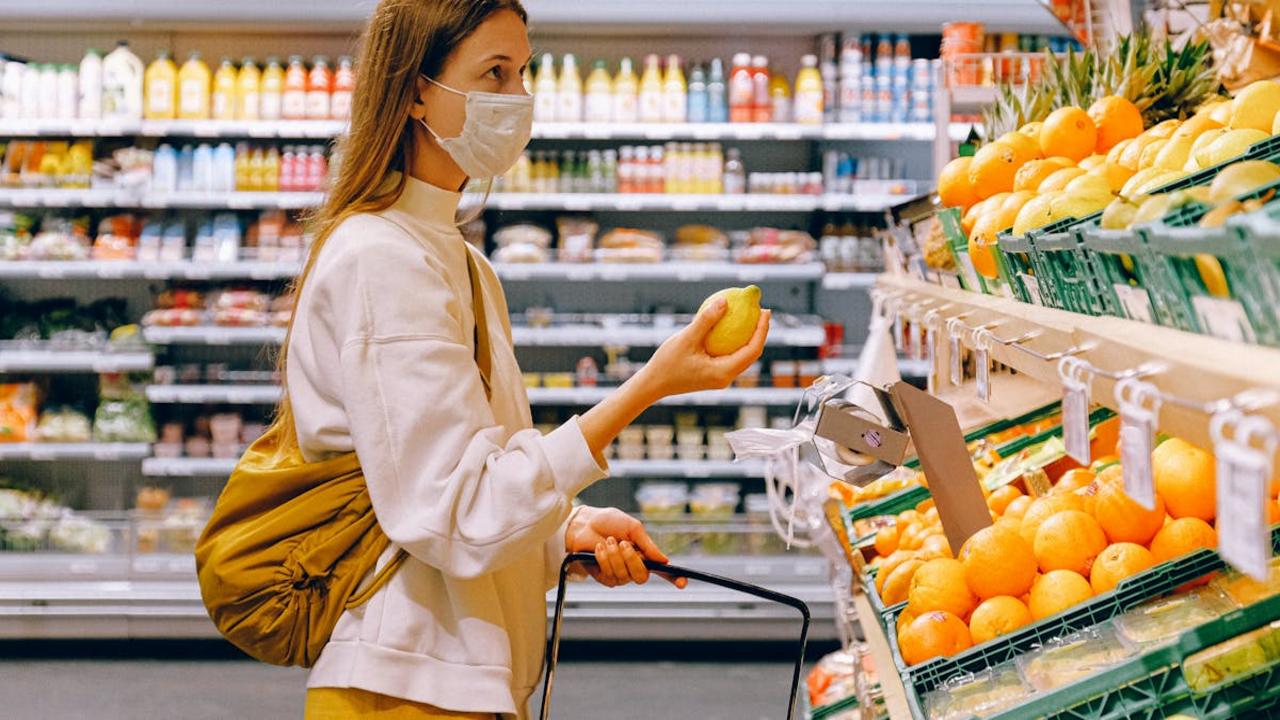
You know that relaxed feeling you get when you’re shopping and suddenly realize you’ve been wandering the aisles for way longer than planned? That’s no accident! Supermarkets pump in slow, mellow music specifically designed to make you move at a leisurely pace through their stores. Research shows that when shoppers hear music with a slower tempo, they naturally adjust their walking speed and spend more time examining products. This extra browsing time translates directly into more items landing in your cart, which is exactly what store managers want.
The next time you’re grocery shopping, pay attention to the background soundtrack playing overhead. You’ll likely notice gentle, unhurried melodies that create a calm, almost meditative shopping atmosphere. This psychological trick works so well because slower music reduces stress and makes the shopping experience feel more enjoyable, encouraging you to linger longer in each section. Smart shoppers can beat this tactic by creating a focused shopping list beforehand and setting a timer on their phone to stay on track with their grocery mission!
Product Clustering and Cross Merchandising
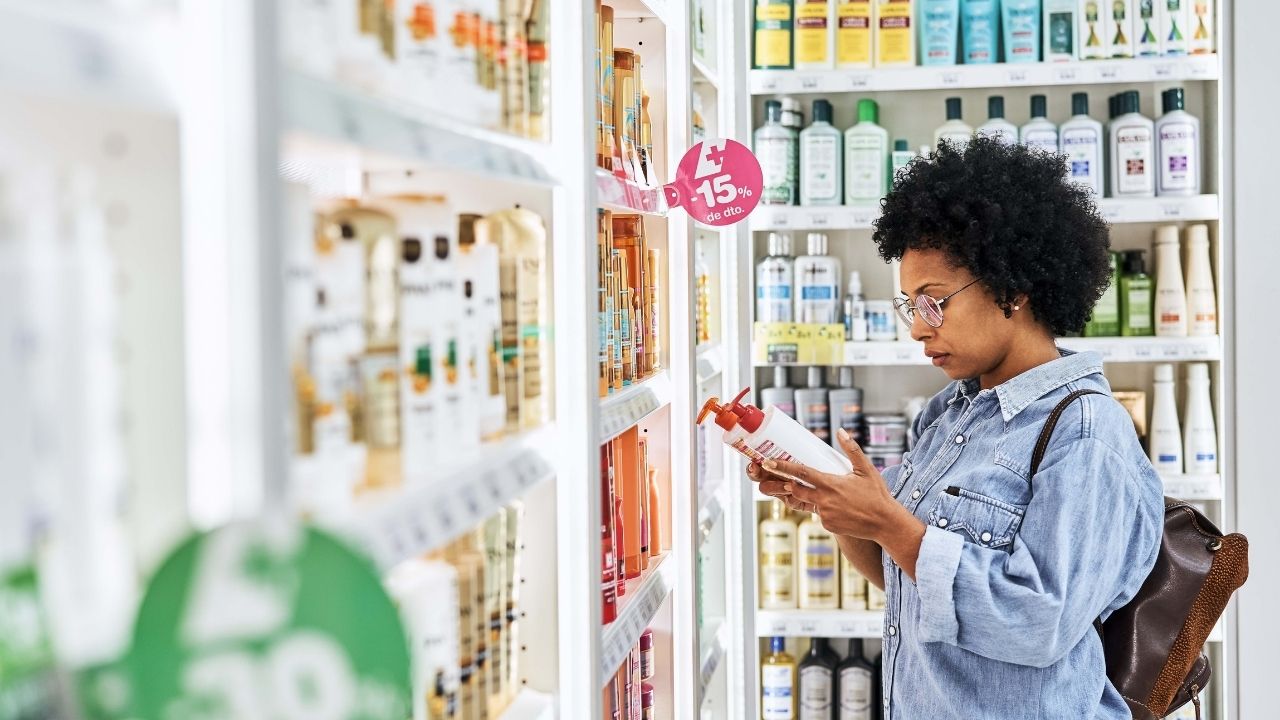
You know that feeling when you walk into the grocery store for just milk and somehow leave with a cart full of items? That’s product clustering working its magic on you! Supermarkets strategically place complementary products together to create what I like to call “convenience bundles” that make your shopping feel effortless. Think about how they position pasta sauce right next to the noodles, or how tortilla chips live happily beside the salsa and avocados. This isn’t random – it’s a carefully orchestrated dance designed to remind you of complete meals and inspire those “oh, I should grab this too” moments that turn a simple grocery run into a full dinner plan.
Cross merchandising takes this concept even further by creating unexpected partnerships between products from different categories. You’ll spot bananas near the cereal aisle (hello, perfect breakfast combo!), or find marshmallows mysteriously appearing next to graham crackers and chocolate bars during summer months. Smart retailers know that when you see ingredients grouped together, your brain automatically starts recipe planning. They’re basically doing the meal planning work for you, which feels helpful but also means you’re buying items you hadn’t originally intended to purchase. Next time you shop, notice how these strategic partnerships make you think about complete dishes rather than individual ingredients – it’s pretty genius when you think about it!
Buy One Get One Promotions
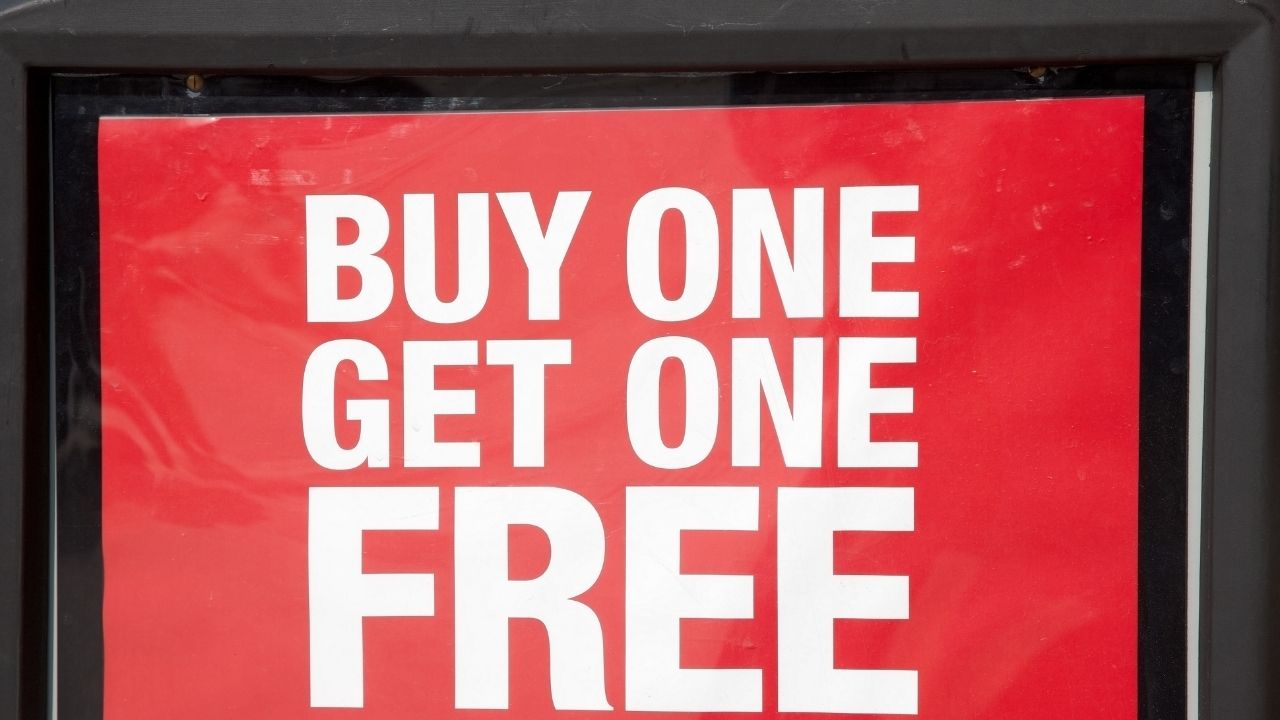
You know that rush of excitement when you spot those bright BOGO signs scattered throughout the grocery aisles? Those “Buy One, Get One Free” deals trigger something primal in our brains – the irresistible feeling that we’re scoring an amazing bargain. Supermarkets strategically place these promotions on items with high profit margins, knowing that most shoppers will grab two units even when they only need one. The psychology behind this works because our minds focus on the perceived savings rather than questioning whether we actually need double the quantity of pasta sauce or cereal boxes cluttering our pantry.
Here’s what really happens during these promotions: stores often raise the regular price slightly before launching the BOGO offer, so you’re not always getting the incredible deal you think you are. Smart shopping means checking unit prices and comparing them to regular sales at other stores. I always ask myself whether I can realistically use both items before they expire – especially with fresh produce or dairy products. Sometimes buying just one item at full price from a different brand or store actually costs less than participating in the BOGO promotion, plus you avoid food waste and pantry overflow.
End Cap Displays
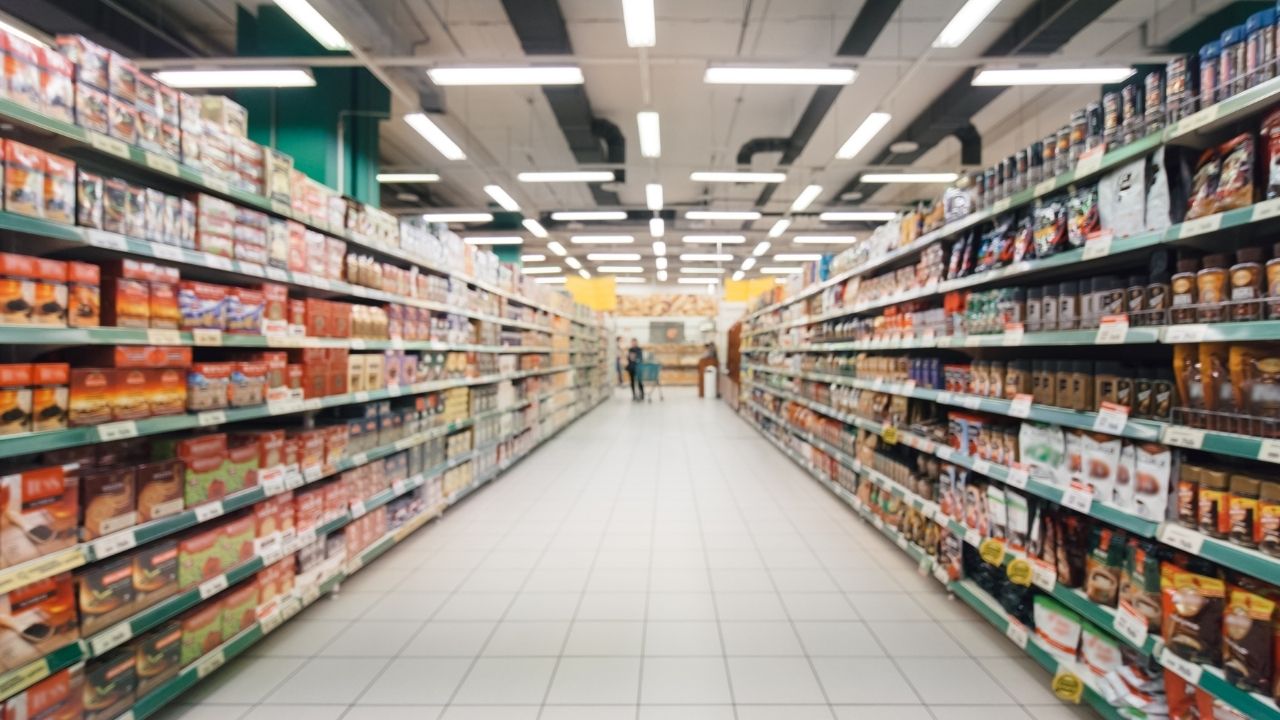
Those eye-catching displays at the end of grocery store aisles work like magnets, drawing you toward products that might not have caught your attention otherwise. Supermarkets strategically place these end cap displays in high-traffic areas where you naturally pause to turn corners or scan your surroundings. The psychology behind this placement is brilliant – retailers know you’re more likely to make impulse purchases when you encounter products in unexpected locations outside their regular aisle homes.
What makes these displays particularly sneaky is how they create an illusion of special deals or featured items, even when the products aren’t actually on sale. You might spot your favorite pasta sauce or a new granola bar brand positioned prominently on an end cap and assume it’s discounted or specially recommended. Smart shoppers can turn this trick to their advantage by taking a moment to compare prices with the same products in their regular aisle locations. Sometimes you’ll discover genuine bargains on wholesome ingredients perfect for your weekly meal prep, but other times you’ll realize the regular shelf price is actually better. Keep your shopping list handy and stick to your planned purchases – your wallet and your healthy eating goals will thank you for the discipline.
Larger Shopping Carts
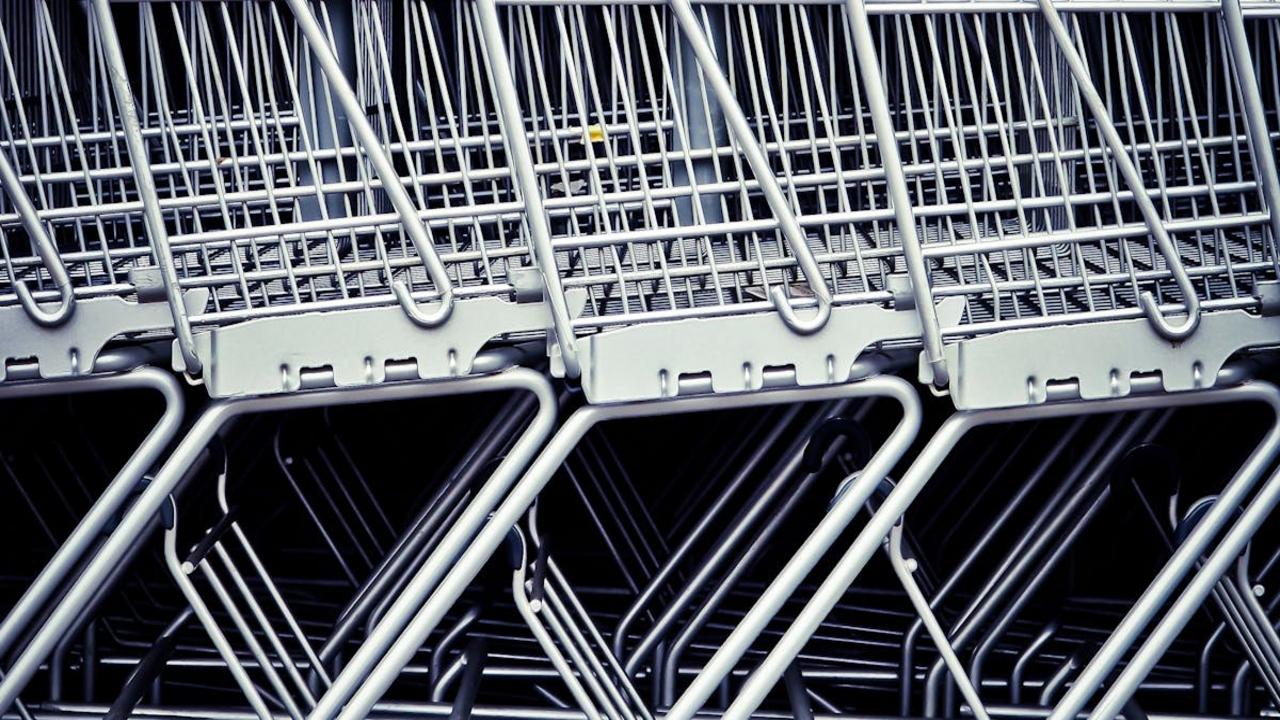
Have you ever noticed how shopping carts seem to be getting bigger and bigger? That’s no accident! Supermarkets deliberately design oversized carts because they know something fascinating about human psychology: we tend to fill whatever container we have in front of us. When I grab one of those massive carts for what should be a quick grocery run, I find myself unconsciously thinking I need more items to justify the space. It’s like cooking a big pot of soup – somehow, we always manage to eat more when the serving bowl is larger.
These roomy carts create a visual trick that makes your purchases look smaller and less significant than they actually are. A cart that’s only one-quarter full feels almost empty, even if you’ve already picked up everything on your list plus a few extras. This psychological phenomenon pushes us to keep shopping until the cart looks “full enough.” Smart shoppers can beat this trick by bringing a small handheld basket for quick trips, or by mentally dividing that big cart into sections and sticking to just one area for your planned purchases. Remember, your grocery budget doesn’t need to expand just because your cart did!
Color Psychology in Packaging
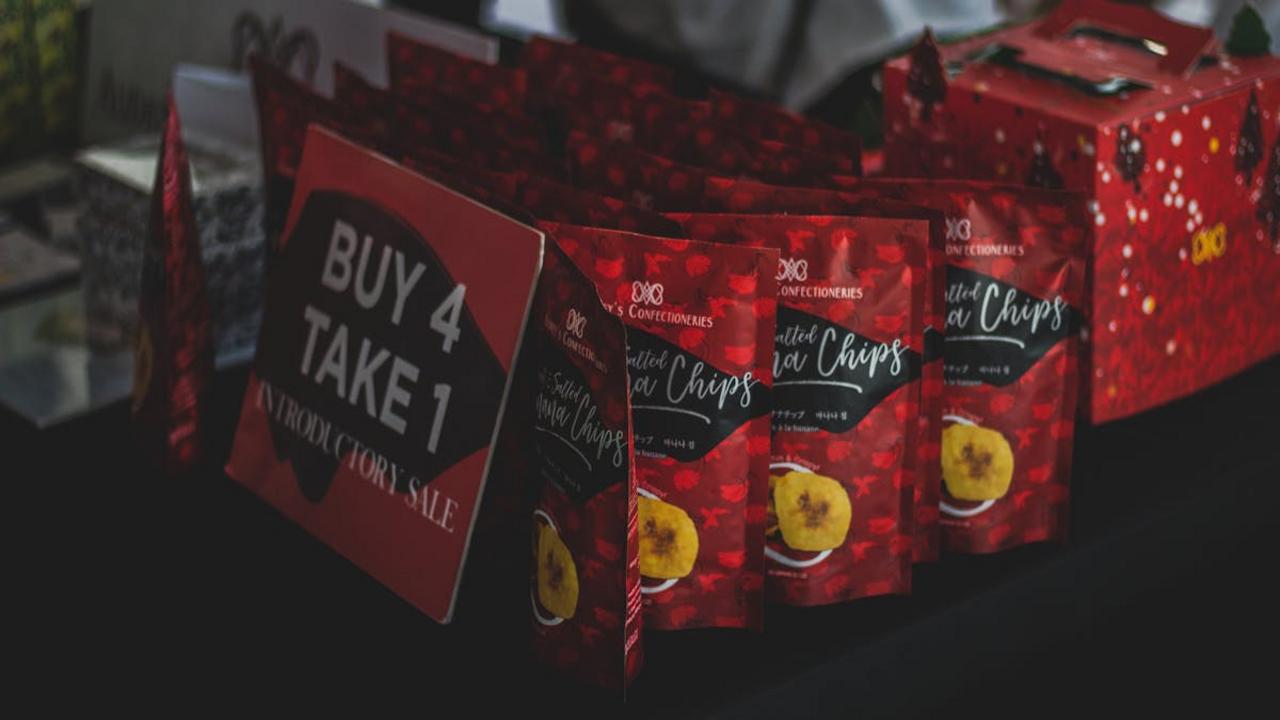
Have you ever noticed how your eyes immediately gravitate toward certain products on the shelf? That’s no accident! Supermarkets and food manufacturers spend millions studying how different colors make you feel and react. Red packaging screams “energy” and “excitement” – think Coca-Cola or your favorite spicy snacks. These warm colors actually increase your heart rate slightly and create a sense of urgency that makes you want to grab that item right now. Blue, on the other hand, suggests trust and reliability, which is why you’ll see it on so many healthy food products and organic brands.
Green packaging taps into your desire for freshness and natural goodness – perfect for vegetables, salads, and anything marketed as “clean eating.” Yellow creates feelings of happiness and optimism, making you associate those products with good times and positive experiences. Even black packaging has its purpose, conveying luxury and premium quality that justifies higher prices. Next time you’re shopping, take a moment to really look at the colors surrounding you. You’ll start noticing patterns everywhere – from the bright orange cheese crackers at eye level to the calming pastels in the organic section. Understanding these color tricks helps you make more intentional choices based on what you actually need, not just what catches your eye first.
Strategic Shelf Placement at Eye Level
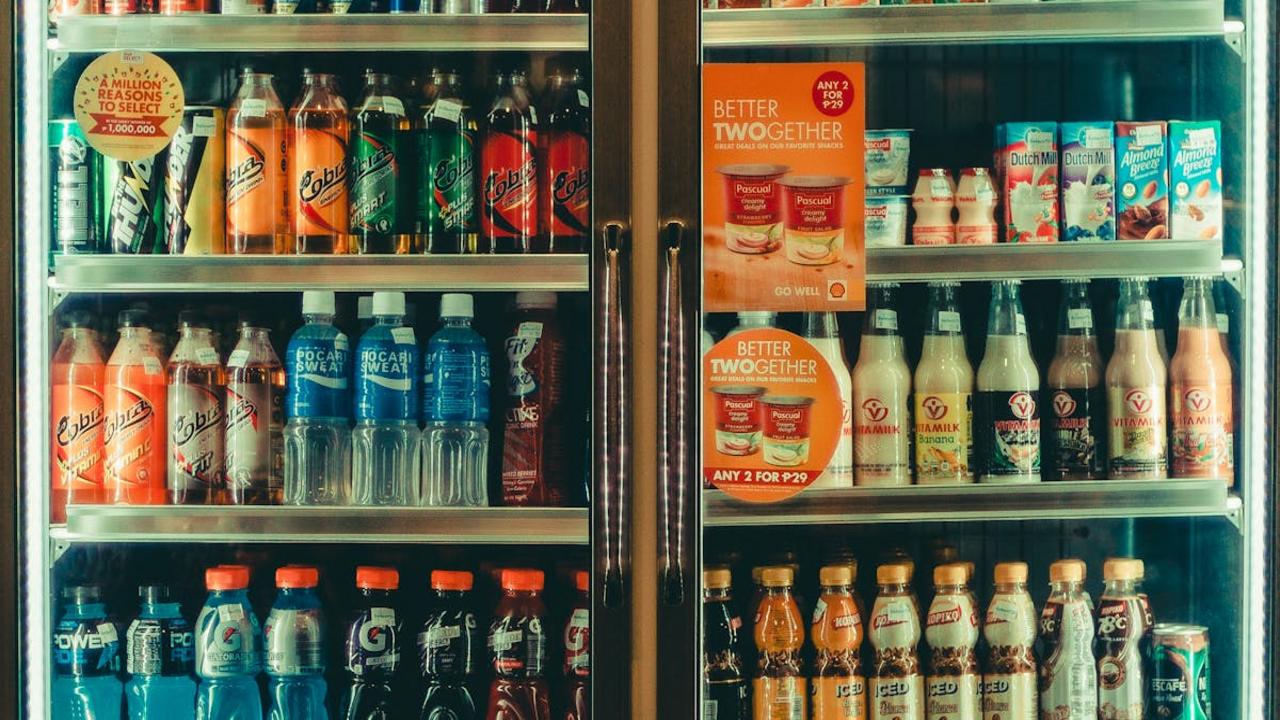
You know that moment when you walk down the grocery aisle and your eyes naturally land on those beautifully packaged items right at your eye level? That’s no accident, my friend! Supermarkets spend serious time and money researching the perfect height to place their most profitable products. The prime real estate – that sweet spot between your chest and eye level – gets reserved for the items they really want you to grab. Think about it: you don’t have to bend down or stretch up, making it incredibly convenient to just reach out and add something to your cart without much thought.
Here’s where it gets really interesting for us home cooks who care about what we put in our bodies. The healthiest options often get banished to the bottom shelves or way up high, while processed snacks and sugary cereals claim that premium eye-level territory. Next time you shop, make it a point to look up and down those shelves! You’ll discover amazing whole grain options, natural nut butters, and organic products that might cost the same or even less than what’s being pushed at eye level. I always tell people to shop like you’re treasure hunting – the good stuff is there, but sometimes you need to search a little bit to find those wholesome ingredients that will make your kitchen adventures so much more rewarding.