14 1970s Restaurant Classics We Want Back on the Menu
Remember those glorious 1970s restaurants where tuxedoed waiters created flaming masterpieces tableside? Those dramatic dishes weren’t just meals—they were performances that turned dinner into theater. From the sizzle of Steak Diane to the fiery spectacle of Cherries Jubilee, these classics combined showmanship with genuinely delicious food.
The ’70s restaurant scene celebrated technique and presentation in ways our casual dining culture has largely abandoned. Chefs took pride in French-influenced dishes like Duck a l’Orange and Sole Meunière, while desserts like Baked Alaska made everyone at nearby tables jealous. These weren’t just recipes—they were culinary achievements that demanded skill and precision.
Today’s restaurants might offer small plates and deconstructed classics, but nothing matches the pure indulgence of a perfectly executed Chateaubriand for Two or the rich decadence of Lobster Thermidor. These 14 forgotten classics deserve another moment in the spotlight—not as ironic retro offerings, but as the genuinely impressive dishes they always were.
Baked Alaska
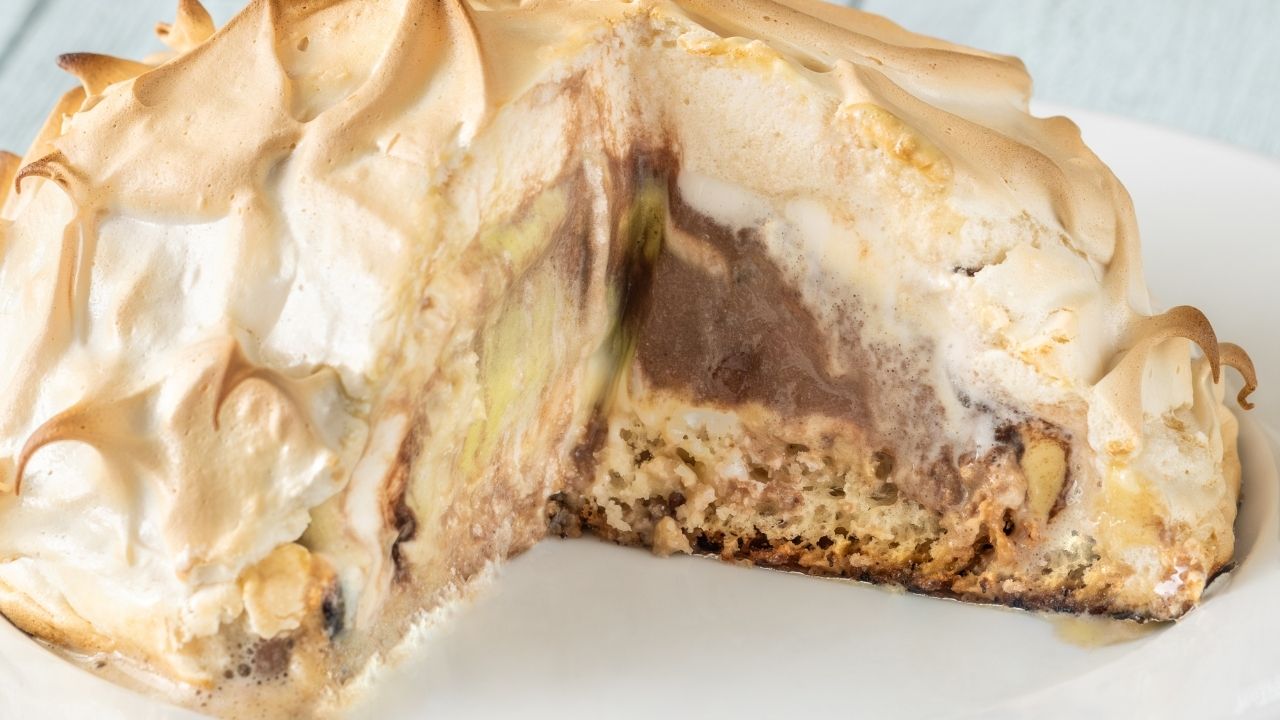
Picture this: you’re at a fancy restaurant in 1975, and the lights suddenly dim. The waiter approaches your table carrying what looks like a flaming iceberg, and everyone in the dining room turns to watch this theatrical masterpiece arrive at your table. That’s Baked Alaska for you – part dessert, part dinner theater, and completely ridiculous in the best possible way. This towering creation features ice cream sitting on a cake base, completely encased in meringue that’s been torched to golden perfection. The genius lies in the science: meringue acts as insulation, keeping the ice cream frozen while the outside gets that gorgeous caramelized finish.
Named after the 1867 purchase of Alaska (because apparently nothing says “frozen wilderness” quite like setting dessert on fire), this show-stopper became the ultimate way to end a meal with flair. Restaurants loved it because diners would literally applaud when it arrived – try getting that reaction from a slice of cheesecake! The beauty of Baked Alaska isn’t just its dramatic presentation; it’s the perfect contrast of temperatures and textures that makes your mouth do a little happy dance. Sure, making it at home requires some planning and a kitchen torch, but imagine the look on your dinner guests’ faces when you walk out with this flaming masterpiece. Some traditions deserve a comeback, and this theatrical treat definitely tops that list.
Chateaubriand for Two
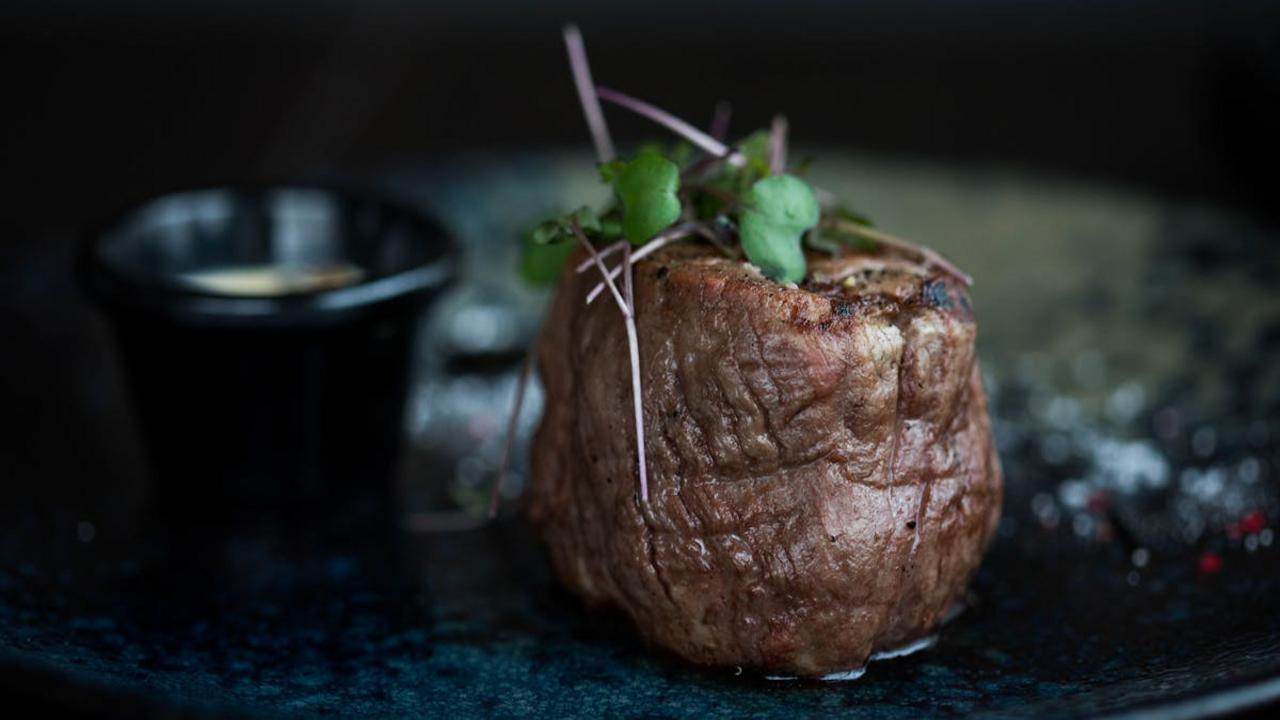
Picture this: you and your dinner companion seated at a dimly lit table while a tuxedoed waiter approaches with a silver cart, theatrical flames dancing around a thick, gorgeous cut of beef tenderloin. That’s Chateaubriand for two, the 1970s power move that made every anniversary dinner feel like a scene from a Bond film. Named after French author François-René de Chateaubriand (who probably never imagined his legacy would involve perfectly pink meat), this dish transforms a simple beef tenderloin into dinner theater. The whole production involves roasting the tenderloin to perfection, then carving it tableside with ceremonial flair, serving it with béarnaise sauce that’s richer than your uncle’s stories about “the good old days.”
What made Chateaubriand so special wasn’t just the premium cut of meat—it was the shared experience, the way couples had to negotiate who got the more perfectly cooked slice, and how restaurants turned dinner into an event worth dressing up for. The dish typically fed two people generously, making it perfect for romantic occasions or business dinners where you needed to impress someone without breaking the bank on two separate steaks. Sure, you can still find Chateaubriand at some upscale steakhouses today, but it lacks that vintage glamour of the disco era, when ordering it meant you were sophisticated enough to pronounce French words correctly and patient enough to wait for tableside service. Modern diners rush through meals like they’re catching flights, but Chateaubriand demanded you slow down, savor the moment, and maybe even hold hands across the table while waiting for your theatrical feast.
Sole Meuniere
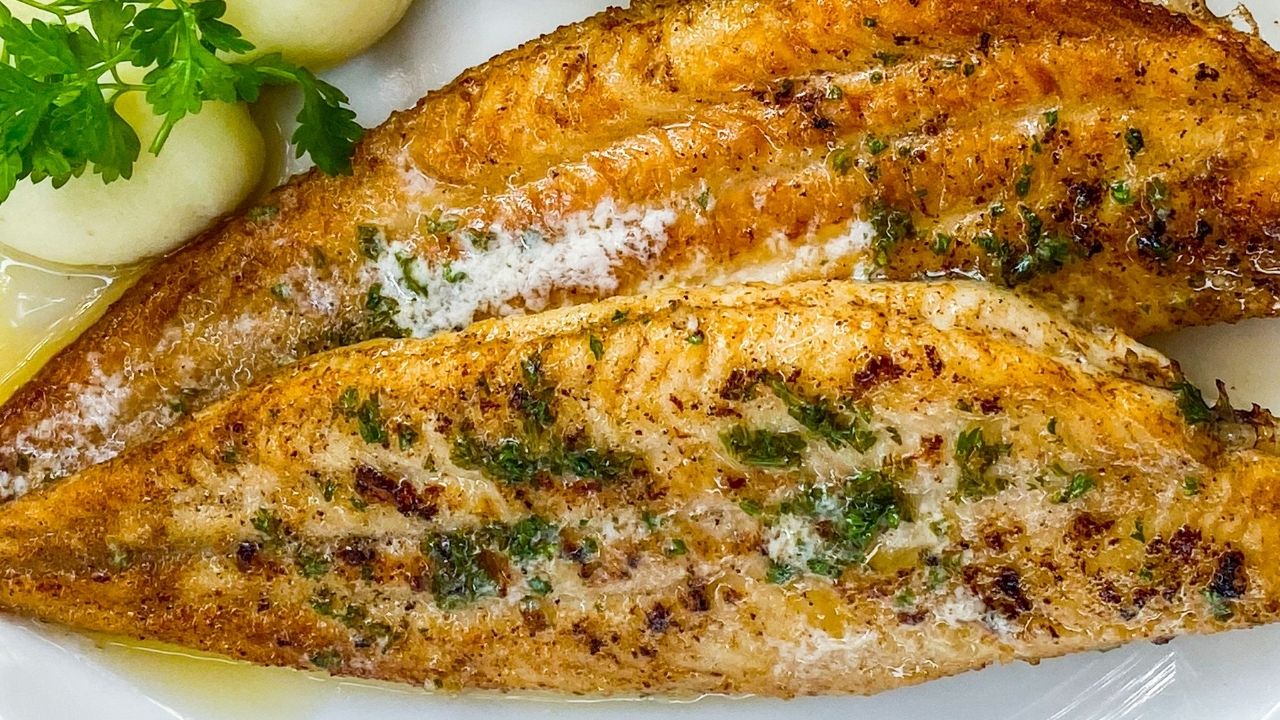
Picture this: you walk into a dimly lit restaurant where the waiters wear bow ties and actually know how to properly pronounce French menu items. The sole meuniere arrives at your table, and suddenly you understand why Julia Child made such a big deal about this dish. This buttery, lemony masterpiece was the sophisticated choice for diners who wanted to prove they had refined palates without ordering something too adventurous. The preparation is deceptively simple—fresh sole gets dredged in flour, pan-fried in butter until golden, then finished with brown butter, lemon juice, and parsley. Yet somehow, this humble combination created pure magic on a plate.
What made sole meuniere so special wasn’t just the technique—it was the theater of it all. Many restaurants would prepare it tableside, with servers dramatically swirling the brown butter and adding that final squeeze of lemon right before your eyes. The fish would practically melt on your fork, and that nutty brown butter sauce was so good you’d want to lick the plate (though your 1970s etiquette wouldn’t dare let you). These days, you’d be lucky to find decent sole at most restaurants, let alone someone who knows how to make proper beurre noisette. We’ve traded this elegant simplicity for salmon everything and sea bass pretensions, but nothing quite matches the pure satisfaction of perfectly executed sole meuniere.
Quiche Lorraine
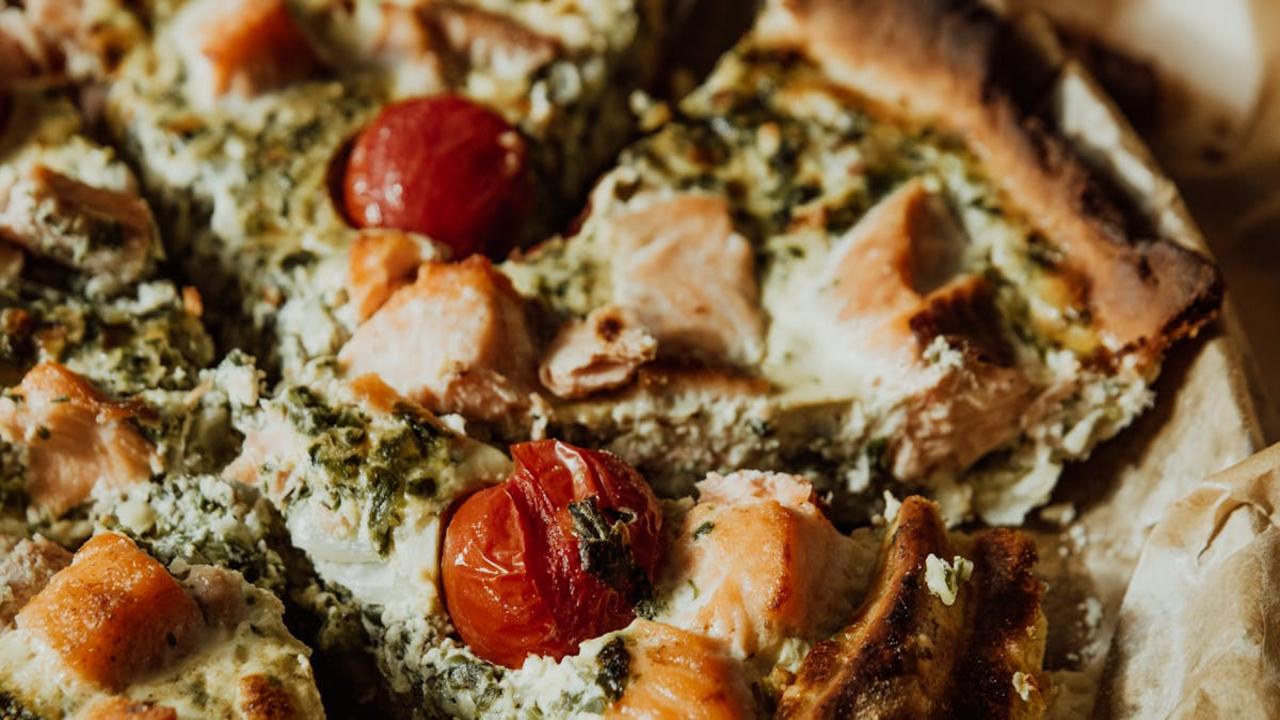
Ah, Quiche Lorraine – the dish that made eggs fancy and convinced America that breakfast could wear a tuxedo! This French import swept through 1970s dinner parties like a sophisticated tornado, transforming humble ingredients into something that screamed “I have my life together” even when you absolutely didn’t. Picture this: silky custard studded with crispy bacon bits, all nestled in a buttery pastry shell that practically whispers sweet French nothings to your fork. The classic version keeps things simple – just eggs, cream, bacon, and maybe some Gruyère cheese if you’re feeling particularly continental.
What I love most about Quiche Lorraine is its sneaky versatility – you could serve it at brunch and look like Martha Stewart, or grab a cold slice from the fridge at midnight and feel like you’re having the most elegant late-night snack ever. The beauty lies in that perfect wobble when you slice into it, that moment when the custard holds its shape just long enough to make you proud before surrendering to gravity. Fun fact: traditional French versions skip the cheese entirely, but honestly, who are we kidding? The 1970s American adaptation with its generous sprinkle of cheese made this dish the crowd-pleaser it deserved to be. Ready in about 45 minutes, it’s the kind of dish that makes you look like a kitchen wizard without breaking a sweat.
Lobster Thermidor
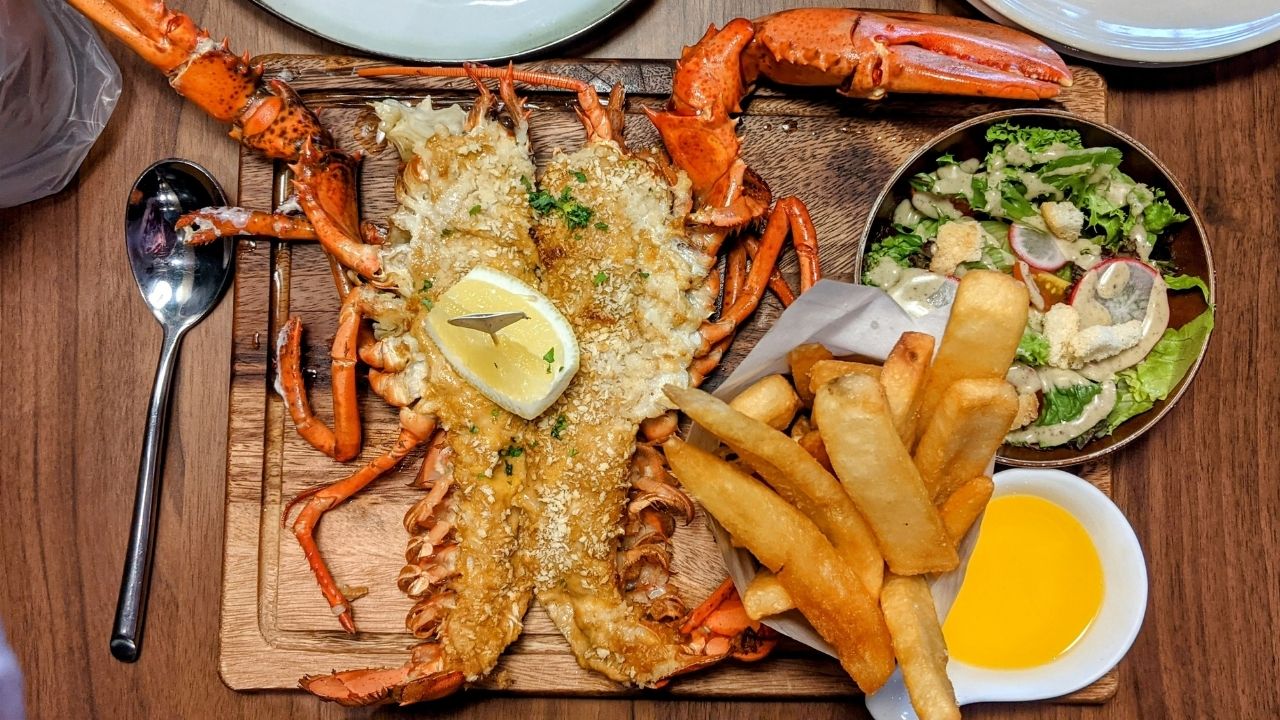
Remember when ordering Lobster Thermidor made you feel like royalty dining in a palace? This French masterpiece ruled 1970s fine dining menus with its rich, creamy sauce made from egg yolks, brandy, and mustard, all nestled back into the lobster shell and broiled until golden. The dish supposedly got its name from a play called “Thermidor,” which premiered during the French Revolutionary period – talk about dramatic dining! Back then, restaurants would wheel out special carts just to prepare this theatrical dish tableside, complete with flaming brandy that made everyone at nearby tables crane their necks to watch the show.
Today’s restaurants seem afraid of this indulgent beauty, probably because it requires actual skill and patience – two things that don’t mesh well with our instant-everything culture. You can’t rush Thermidor; the sauce needs careful whisking to avoid curdling, and the timing has to be perfect to achieve that gorgeous golden crust without overcooking the precious lobster meat. Modern chefs have replaced this classic with simpler preparations, but nothing matches the pure decadence of cracking into that shell to find creamy, cognac-kissed lobster waiting inside. If you’re brave enough to attempt this at home, remember that the secret lies in using real cream, good mustard, and never, ever letting that sauce boil – patience pays off in the most delicious way possible.
Bananas Foster
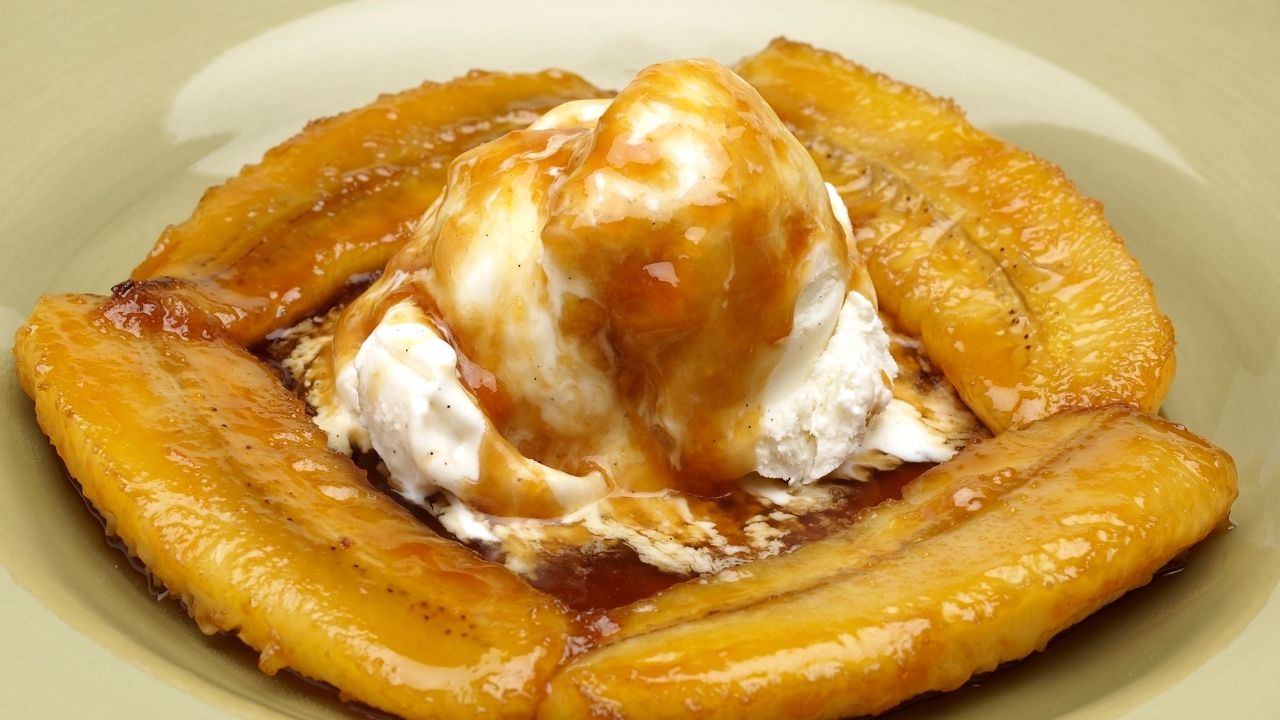
Picture this: you’re sitting in a dimly lit New Orleans restaurant in 1976, and suddenly your server wheels over a cart with flames dancing dramatically above caramelized bananas. That’s Bananas Foster for you – the dessert that turned every waiter into a fire-breathing magician and made diners feel like they were witnessing actual magic instead of just watching someone flambé fruit with rum. Created at Brennan’s Restaurant in 1951, this theatrical treat became the poster child for tableside drama during the groovy decade, when everything had to be a show.
What made this dessert absolutely irresistible wasn’t just the pyrotechnics – though watching your dessert literally burst into flames never got old. The real magic happened when butter, brown sugar, cinnamon, and dark rum transformed ordinary bananas into something that tasted like liquid velvet mixed with sunshine. Served over vanilla ice cream, each spoonful delivered that perfect contrast of warm, boozy fruit against cold, creamy sweetness. Sure, you can make it at home (just keep a fire extinguisher handy), but nothing beats the restaurant experience where trained professionals handle the flames while you sit back and marvel at dessert that doubles as dinner theater.
Veal Oscar
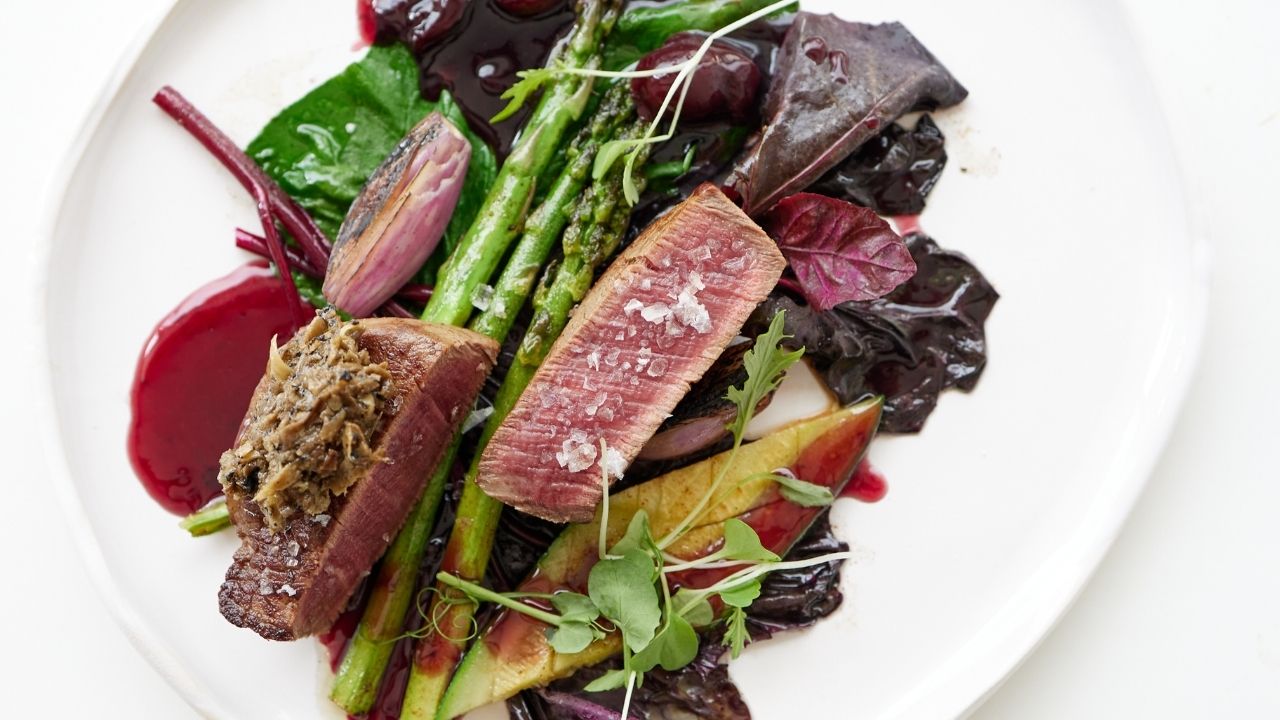
Picture this: you’re at a fancy steakhouse in 1976, the carpet is thick enough to lose your keys in, and the menu features something called Veal Oscar that sounds like it should win an Academy Award. This decadent dish paired tender veal cutlets with asparagus spears, crowned with fresh crab meat, and smothered in hollandaise sauce that was rich enough to require a small loan. Named after Sweden’s King Oscar II (who apparently had excellent taste in over-the-top food combinations), this dish represented everything glamorous about fine dining in the disco era. The combination sounds bizarre until you realize it’s basically surf-and-turf’s sophisticated European cousin who studied abroad and came back speaking three languages.
What made Veal Oscar special wasn’t just the ingredients – it was the theatrical presentation that made diners feel like royalty. Servers would arrive at your table with perfectly arranged plates, the golden hollandaise gleaming under those amber restaurant lights that made everything look like a movie scene. The dish disappeared from menus partly because veal became controversial, but also because making proper hollandaise requires actual skill (unlike today’s microwave packets). You can recreate this retro masterpiece at home by substituting chicken or pork cutlets, but don’t skip the asparagus – those bright green spears aren’t just garnish, they’re the supporting actors that make this whole production work. Trust me, your dinner guests will think you’ve hired a French chef.
Crepes Suzette
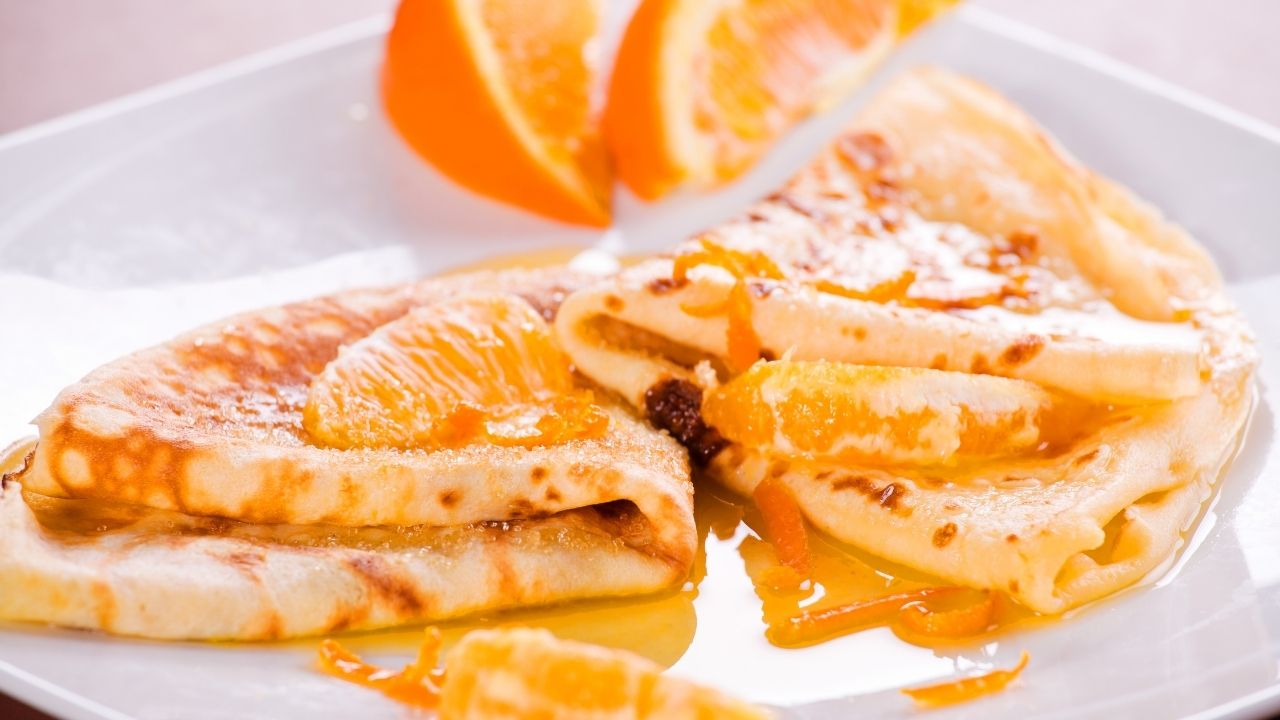
Picture this: you’re sitting in a dimly lit restaurant, watching a tuxedoed waiter dramatically ignite orange liqueur right at your table. The flames dance across thin, delicate pancakes while the intoxicating aroma of Grand Marnier fills the air. That, my friend, was the theatrical magic of Crepes Suzette – the dessert that made everyone feel like dining royalty in the 1970s. Named after a French actress (or possibly a Belgian prince’s companion, depending on which gossip you believe), these boozy crepes became the ultimate way to end a fancy meal with literal fireworks.
The beauty of Crepes Suzette lies in its perfect balance of sophistication and showmanship. You fold paper-thin crepes into elegant quarters, bathe them in a buttery orange sauce spiked with cognac or Grand Marnier, then set the whole thing ablaze tableside. The alcohol burns off, leaving behind a complex, citrusy sweetness that transforms humble pancake batter into pure decadence. Sure, flambéing desserts might seem terrifyingly dramatic now, but back then, it was Tuesday night at your neighborhood French bistro. Today’s restaurants have largely abandoned this spectacular finish, probably because insurance companies frown upon open flames and dramatic gestures – but wouldn’t dinner parties be infinitely more exciting if we brought back this flaming finale?
Beef Stroganoff
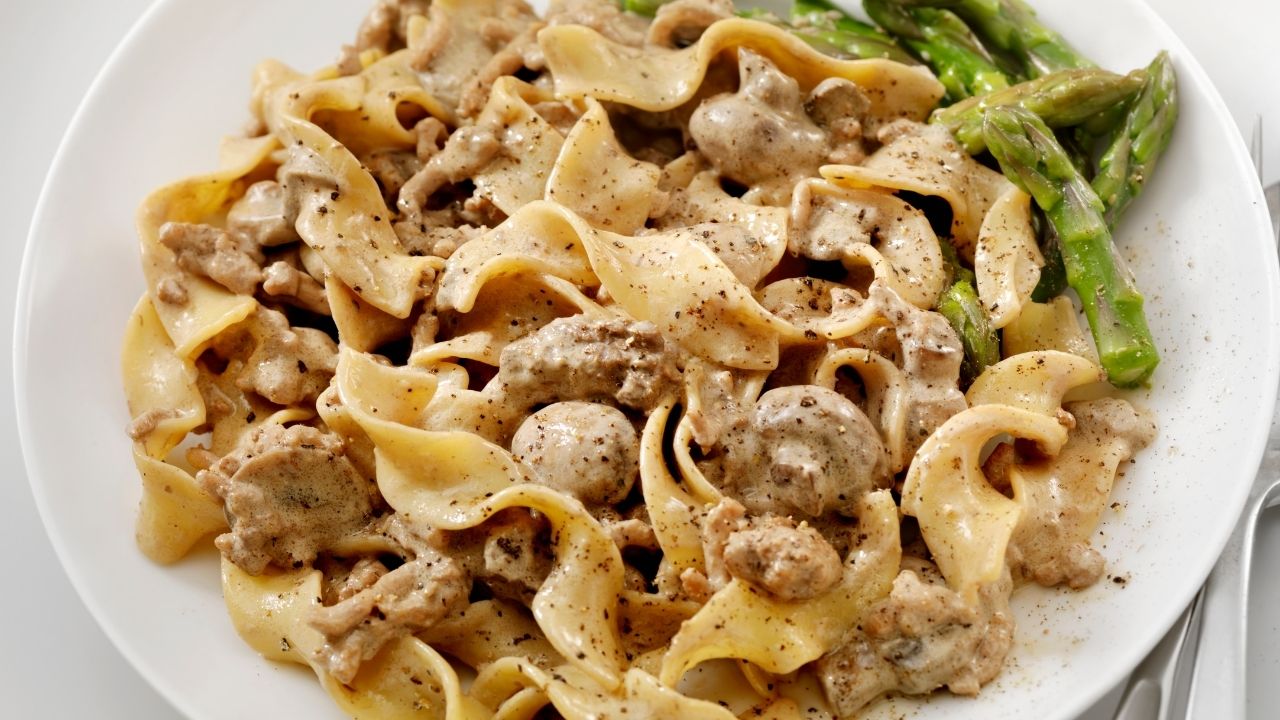
Picture this: tender strips of beef swimming in a velvety mushroom and sour cream sauce, draped over a bed of buttered egg noodles like a cozy blanket on a cold winter night. Beef Stroganoff was the crown jewel of 1970s dinner parties, the dish that made hostesses feel like sophisticated Russian countesses even if they’d never left their suburban kitchens. Named after a 19th-century Russian noble family (yes, actual aristocrats!), this creamy masterpiece became America’s go-to comfort food when we wanted something fancier than meatloaf but more approachable than coq au vin. Your mom probably had three different recipes clipped from magazines, each claiming to be “authentic.”
The beauty of Stroganoff lies in its forgiving nature—you can make it with expensive tenderloin or budget-friendly sirloin, and it still delivers that rich, satisfying experience that makes you want to lick the plate clean. The secret weapon? That tangy sour cream stirred in at the very end, creating a sauce so luxurious it could make cardboard taste good. Modern restaurants have mostly abandoned this classic, probably because it doesn’t photograph well for Instagram (brown food, what a crime!), but your kitchen can become a time machine with just some beef, mushrooms, and a generous dollop of dairy magic. Trust me, once you smell those onions caramelizing and see that sauce come together, you’ll wonder why we ever moved on from this perfection.
Duck a l’Orange
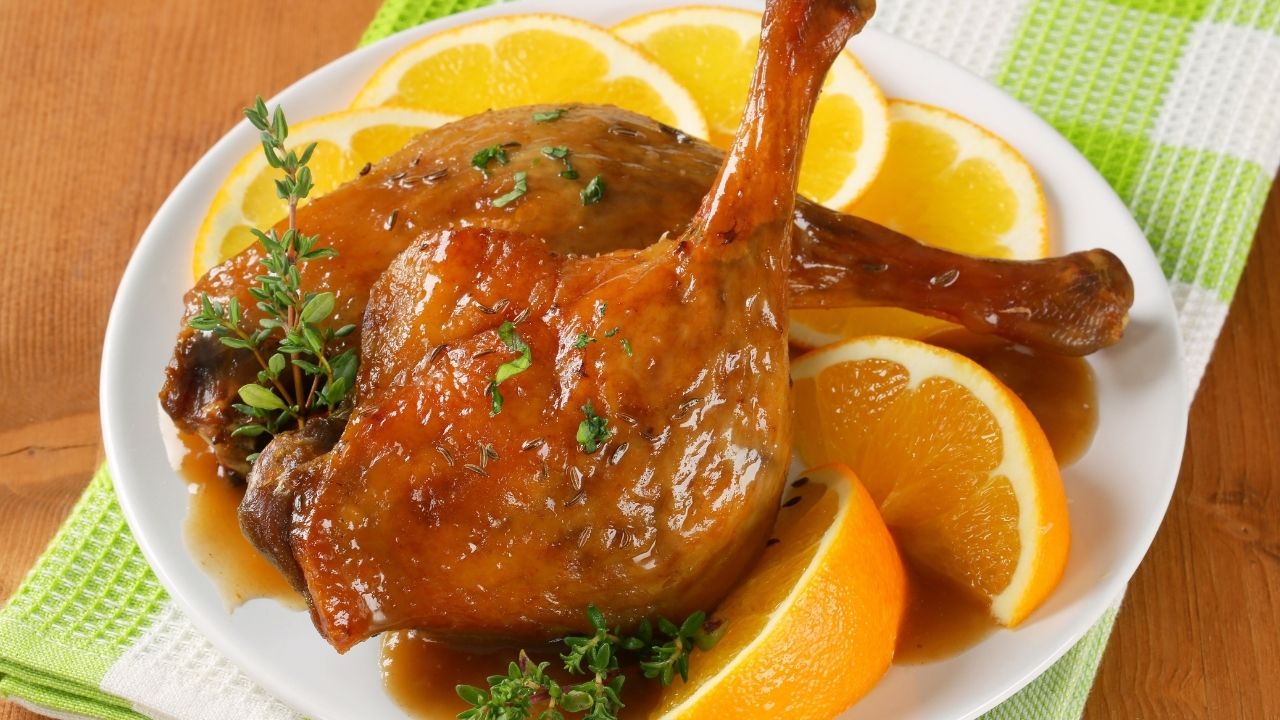
Duck à l’Orange strutted into American dining rooms during the 1970s like it owned the place – and honestly, it kind of did. This French classic became the ultimate dinner party showstopper, the dish that separated the sophisticated hosts from the casserole crowd. Picture this: a golden-bronzed duck, glistening with a glossy orange sauce that caught the candlelight just right, making everyone at your table feel like they’d stumbled into a Parisian bistro. The sweet-tart sauce, made with fresh orange juice, Grand Marnier, and a touch of vinegar, created this magical balance that made grown adults close their eyes and make little “mmm” sounds. Fun fact: the dish actually dates back to medieval times when cooks paired duck with bitter orange sauce, but the modern version we swooned over used sweet oranges instead.
What made Duck à l’Orange so special wasn’t just the flavor – though that crispy skin paired with tender meat and that bright, citrusy sauce was pure magic. It was the theater of it all! Restaurants would wheel out carving stations, and skilled waiters would slice the duck tableside with dramatic flourishes that made you feel like royalty. The dish required real technique: properly rendering the fat, achieving that perfect crispy skin, and timing the sauce so it didn’t break. Sure, it took some serious kitchen skills, but that’s exactly why we need it back. In our world of microwave meals and drive-thru dinners, we’ve lost the joy of creating something truly spectacular. Duck à l’Orange reminded us that cooking could be an event, not just a chore – and frankly, we could all use a little more drama on our dinner plates.
Chicken Kiev
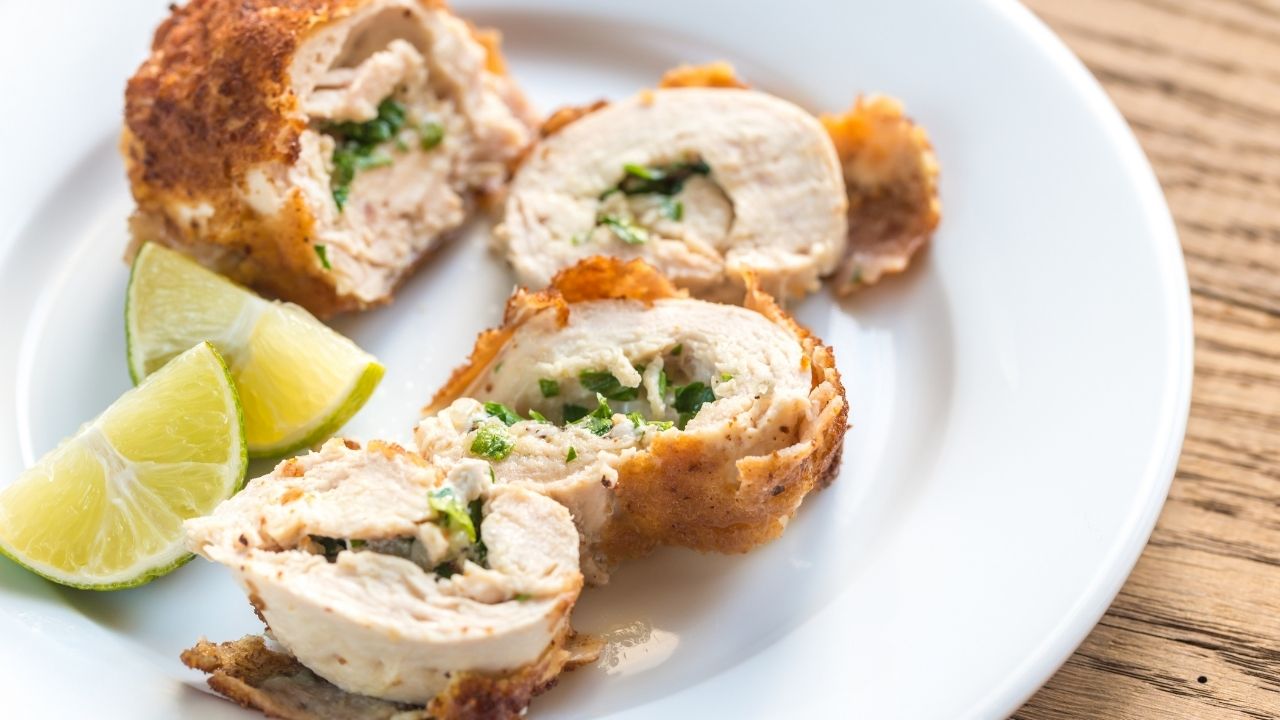
Picture this: you slice into what looks like an ordinary breaded chicken breast, and suddenly—WHOOSH—a fountain of molten garlic butter erupts across your plate like a delicious geyser. That’s Chicken Kiev for you, the dinner party showstopper that made every 1970s hostess feel like a culinary magician. This Ukrainian-inspired dish became the peak of sophistication back when avocado green was the height of kitchen chic, and honestly, we’ve been missing out on this buttery drama ever since it disappeared from most menus.
The genius lies in the technique: you pound chicken breasts flat, roll them around a cylinder of herb butter (usually loaded with garlic, parsley, and sometimes a splash of lemon), then coat the whole thing in breadcrumbs before frying or baking. The result? Pure theater on a plate. Sure, making Chicken Kiev requires some finesse—seal those edges tight or you’ll have butter everywhere—but the payoff is incredible. Modern restaurants shy away from this retro classic, probably because it’s messy and requires actual skill, but that’s exactly why we need it back. In our age of deconstructed everything, sometimes you just want a chicken breast that knows how to put on a show.
Oysters Rockefeller
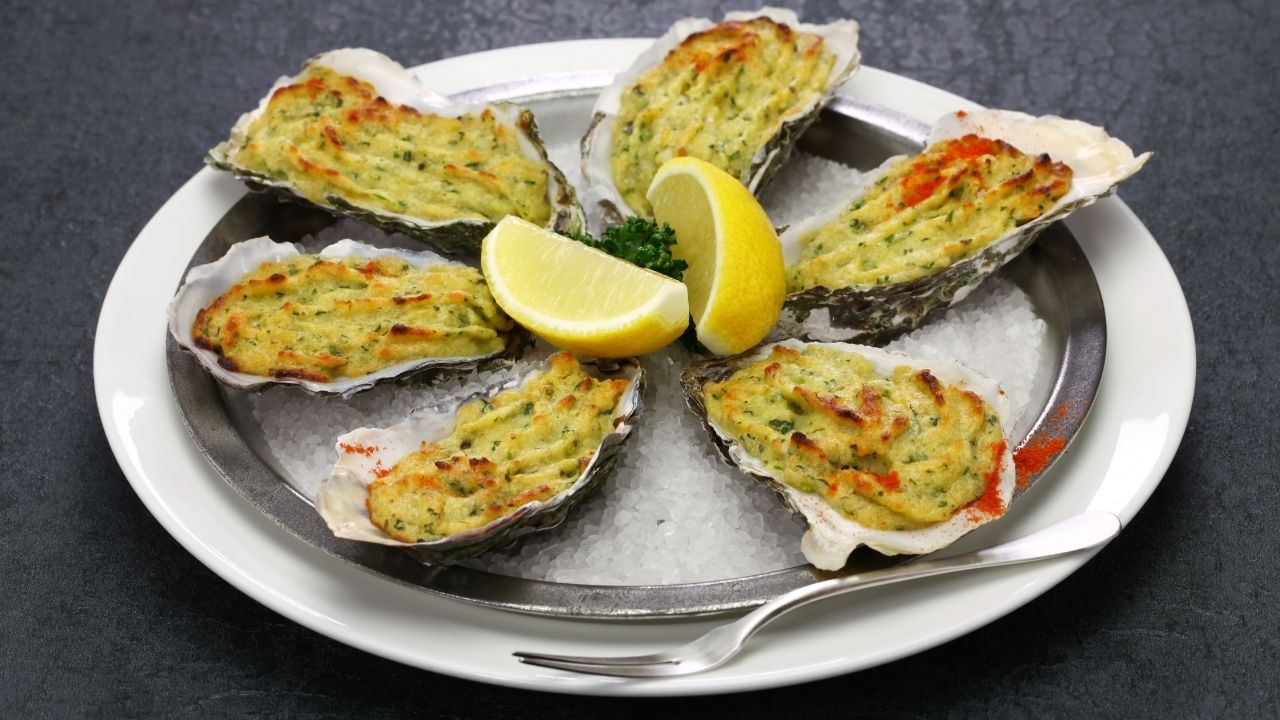
Picture this: you’re at a swanky 1970s restaurant, the kind where the waiters wore bow ties and everyone ordered cocktails with names like “Harvey Wallbanger.” The appetizer that ruled them all? Oysters Rockefeller, those magnificent mollusks swimming in a sea of buttery, herb-laden heaven. Created at Antoine’s in New Orleans back in 1899, this dish got its name because it was supposedly “as rich as Rockefeller” – and boy, they weren’t kidding! The original recipe remains a closely guarded secret, but we know it involves oysters topped with a green mixture of butter, herbs, and breadcrumbs, then baked until bubbly perfection.
What made these beauties so special was the theatrical presentation – they arrived at your table still sizzling in their shells, looking like tiny green volcanos ready to erupt with flavor. The classic preparation usually featured spinach, parsley, celery, scallions, and sometimes a splash of Pernod or another anise-flavored liqueur. Each bite delivered a perfect storm of briny ocean essence mixed with rich, aromatic herbs that made you feel like royalty. Sure, you can still find Oysters Rockefeller today, but they’ve lost that 1970s flair when restaurants made them the star of the show, not just another menu afterthought.
Cherries Jubilee
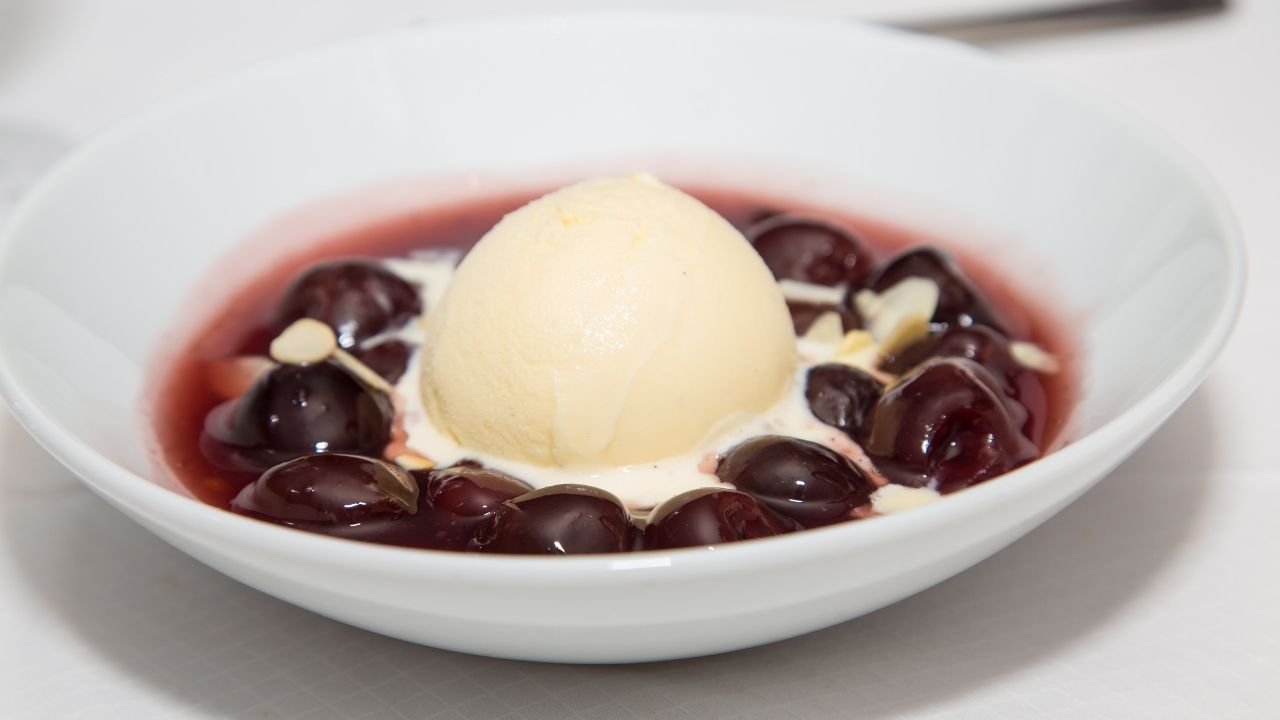
Picture this: you’re at a fancy restaurant in 1975, and suddenly your waiter appears tableside with a chafing dish, dramatically igniting brandy while spooning glossy cherries over vanilla ice cream. The flames dance, the room goes quiet, and everyone turns to watch this theatrical dessert unfold. That’s Cherries Jubilee for you – part dessert, part dinner theater, and completely unforgettable. Created originally for Queen Victoria’s Diamond Jubilee (hence the regal name), this flambéed treat became the ultimate show-stopper of upscale dining rooms across America during the groovy decade.
The beauty of Cherries Jubilee lies in its perfect balance of sweet, tart, and boozy flavors wrapped up in pure spectacle. Fresh or canned cherries get simmered in sugar and kirsch or brandy, then dramatically set ablaze before cascading over premium vanilla ice cream. The alcohol burns off, leaving behind a rich, complex sauce that transforms simple ice cream into something extraordinary. Sure, you can make it at home (and you absolutely should!), but nothing quite matches the restaurant experience of watching a skilled server work their flambé magic. Modern restaurants seem to have forgotten that dining out should sometimes feel like dinner and a show rolled into one delicious package.
Steak Diane
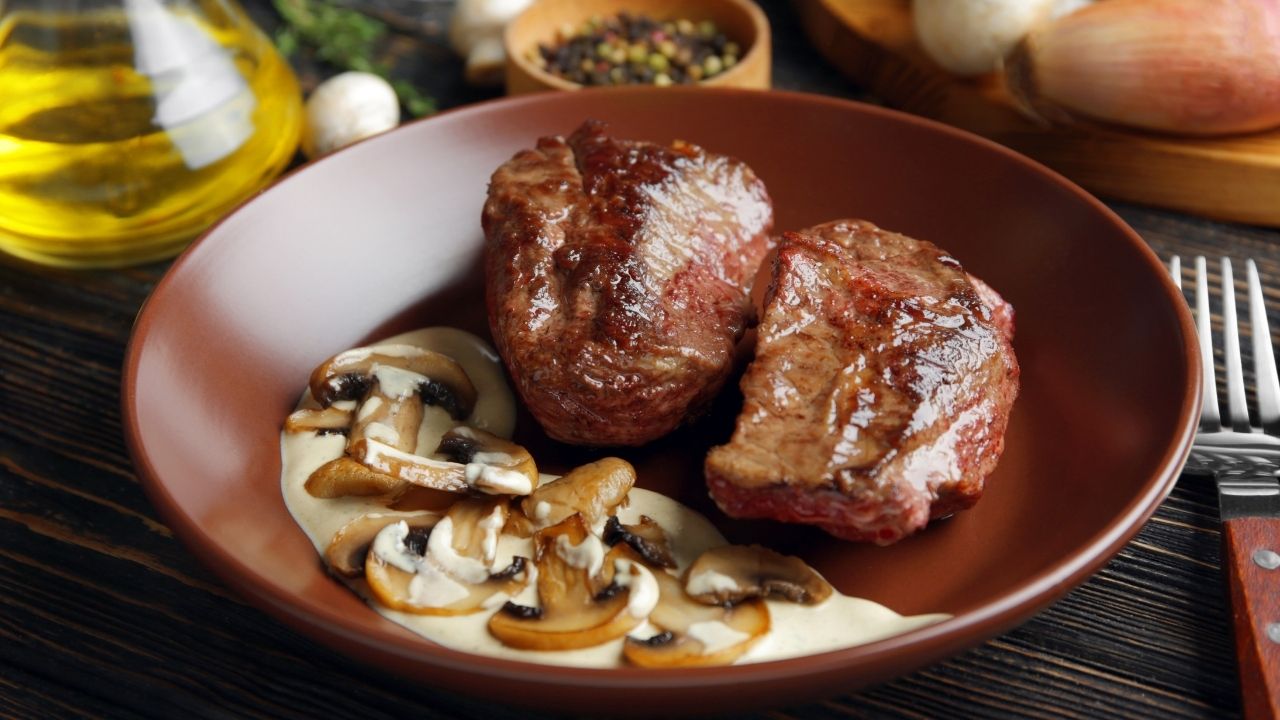
Picture this: you’re at a fancy restaurant in 1975, the lights are dimmed, and your waiter wheels over a cart with a blazing pan. Suddenly, he’s flambéing your steak right at your tableside while you watch in awe, wondering if his eyebrows will survive the experience. That’s Steak Diane for you – the ultimate dinner theater where your meal doubled as entertainment! This theatrical dish featured tender beef medallions swimming in a rich cognac and cream sauce, often topped with mushrooms and finished with a dramatic flame that made everyone in the restaurant turn their heads.
The beauty of Steak Diane wasn’t just the showmanship (though watching your dinner catch fire never gets old). The sauce was pure magic – a velvety combination of butter, shallots, Dijon mustard, Worcestershire sauce, and heavy cream that transformed simple beef into something spectacular. Fun fact: despite its French-sounding name, this dish actually gained popularity in New York City’s swanky establishments. Today’s restaurants have mostly abandoned the tableside theatrics, probably because insurance companies frown upon open flames near customers’ hair. But honestly, wouldn’t you love to see your server light your dinner on fire again? It beats watching them awkwardly grind pepper over your salad any day!