Smelled Like Heaven, Tasted Like Deception: Grandmother Feels ‘Tricked’ by Supermarket’s Vegan Sausage Casserole
There is a universal truth that many of us hold dear: the kitchen is the heart of the home, and food is the language of love. For generations, we have taken comfort in the simple honesty of a home-cooked meal, the smell of a roast, and the certainty of what we are feeding our families. We grew up in an era where a spade was a spade, and a sausage was meat. It was simple. It was honest.
But for some of us, that simplicity is being held hostage by a modern world that seems determined to confuse, trick, and even shame us. We are finding that the traditions we cherish are being eroded, replaced by substitutes that mimic the look and smell of our comfort foods but lack the “real” heart we expect. A recent story from our community highlights this growing fracture—not just in our supermarkets, but in how we are treated when we ask for simple transparency.
The Incident
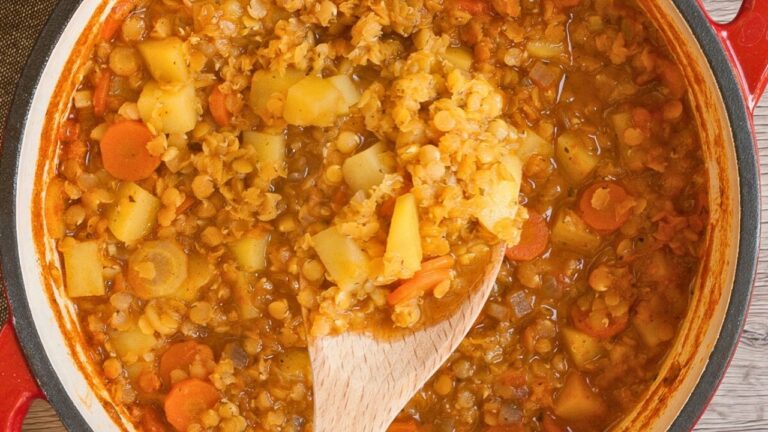
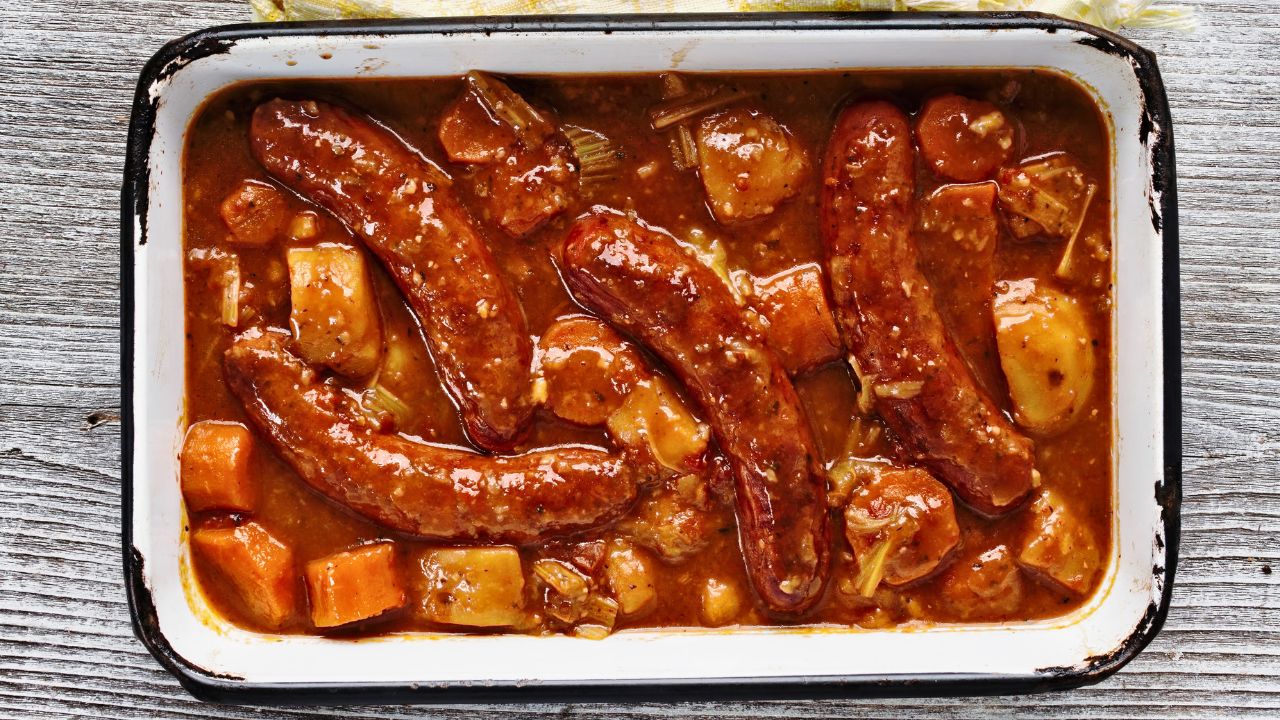
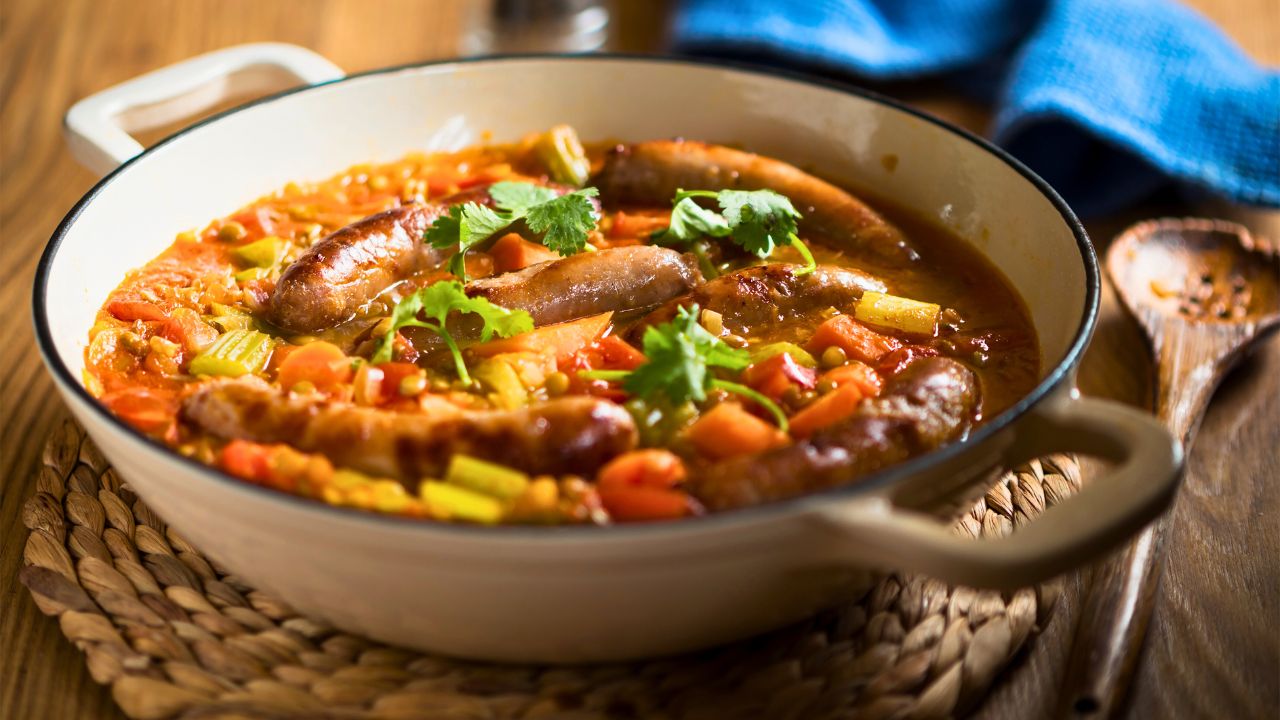
The story comes from a grandmother in our community, Esspee, who experienced a moment of sensory delight that quickly turned into confusion and disappointment. She described a recent trip to Walmart, where she was greeted by the undeniable, warming scent of home. As she put it, “The entrance smelt of a delicious casserole which was bubbling away just inside.”
Drawn in by the aroma, she tasted a sample. It was “excellent.” For a moment, it was a perfect experience—good food, good smells, a familiar comfort. But then came the rug-pull. From the discussion taking place, she discovered that “what I thought was a sausage casserole was in fact a vegan product.”
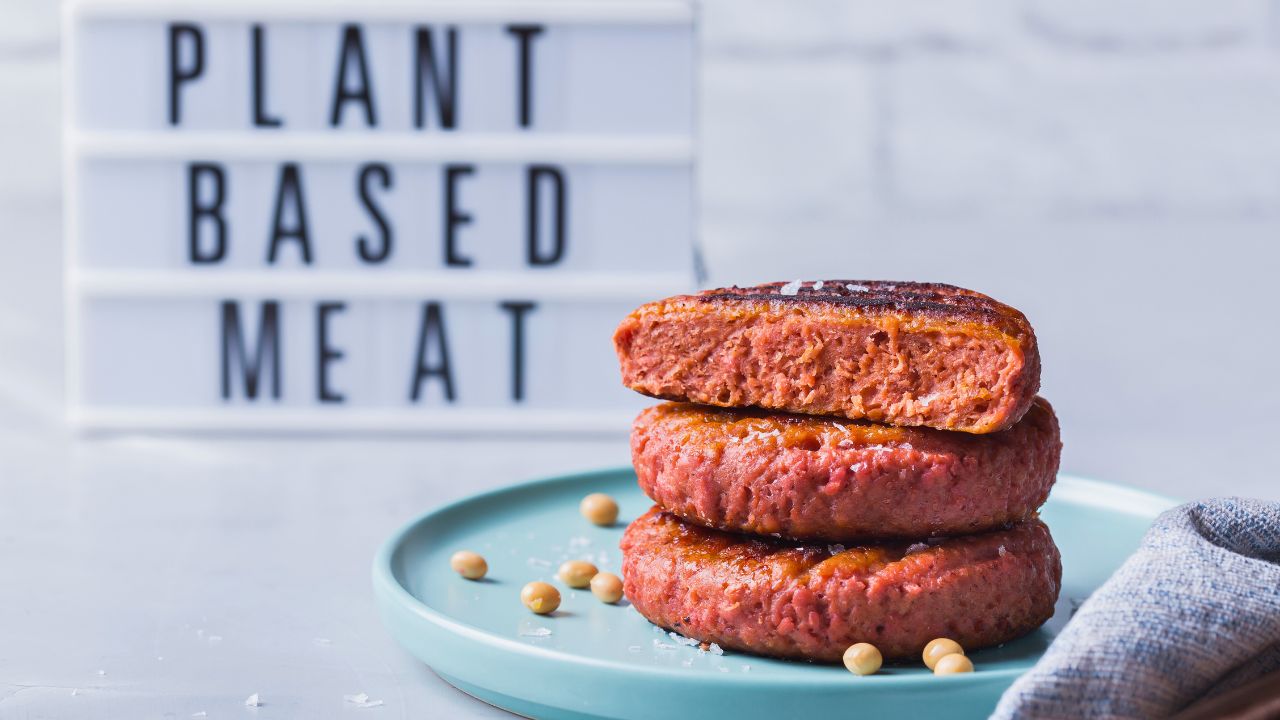
She hadn’t been told. The smell had deceived her. The look had deceived her. She was left feeling foolish for enjoying something that wasn’t what it claimed to be. Her reaction was one of quiet, defiant heartbreak. She asked the community if she was being unreasonable to feel that “artificial meat products should be clearly labelled?”
In a poignant attempt to reclaim her reality, she declared, “I’ll be making it myself tomorrow – with real sausages!” It was a small act of rebellion against a world that feels increasingly like it is trying to trick us.
The Community Weighs In
The reaction to Esspee’s story revealed a deep divide. While some rushed to offer tea and sympathy, others—representing the harsher, modern “villains” of the story—were quick to shame her for her preferences.
Camp 1: The Sympathetic Defenders
Many in the community rallied around Esspee, validating her shock. They argued that transparency is paramount. Eglantine21 pointed out the genuine dangers of this ambiguity, noting, “Surely legally there must have been information about the contents… To protect people with allergies. You couldn’t let people just dip in!!”

Rosina shared the emotional toll of the deception, writing, “I find the false ‘meat’ products rather silly… I too find it strange that having tasted a delicious meal you are a little annoyed that you weren’t told what it was.” These women understood that the issue wasn’t the taste, but the breach of trust.
Camp 2: The “Just Get Over It” Crowd
Then there were those who felt Esspee should simply accept the change and move on, ignoring the principle of the matter. Mumofmadboys offered a “hard truth,” stating, “If it tasted excellent I think you should have given the vegan product a go. We all need to eat less meat.”
LullyDully agreed, suggesting that the shape of the food shouldn’t matter: “I suppose the sausage form of food is easy and satisfying and does not necessarily need meat… The casserole from Walmart is a good way to do this.” For them, the tradition of the “real” sausage was less important than the modern dietary shift.
Camp 3: The Aggressive “Vegan Brigade”
Finally, we saw the cruelty that so often leaves our generation feeling battered. Julesw noted the hypocrisy, saying, “The vegan brigade go ape if meat products are not clearly explained… but the same seems not to be true for non meat products.”
But the true heartbreak came from comments like that of Hetty58, who didn’t just disagree, but shamed. She sneered, “Maybe it’s because we find it rather repulsive that people still eat rotting dead animal?” It is this kind of language—calling our Sunday roasts “rotting dead animals”—that feels like a slap in the face to our history and our culture.
The Verdict
This incident at the supermarket is about more than just sausages; it is about respect. It is about the feeling that our generation is being tricked into compliance with new standards we didn’t vote for. While we can all agree that varied diets are healthy, shaming a grandmother for wanting “real meat” or calling her food “repulsive” is cruel and unnecessary.

We deserve clear labels. We deserve to know what we are eating. And most importantly, we deserve to hold onto our traditions without being treated as villains by the modern world. Transparency is a form of respect, and unfortunately, it seems to be in short supply.
What Do You Think?
Is it unreasonable to feel cheated when food isn’t clearly labeled? Have you ever felt shamed by younger generations for your traditional eating habits? How would you handle the “Vegan Brigade”?
Ready for the next level of insight? Discover more in my latest article here.