14 Mouthwatering Exotic Fruits You Need to Taste to Believe
Ready to add some excitement to your fruit bowl? The world offers countless exotic fruits bursting with unique flavors, textures, and nutrients that will transform your daily eating routine. From sweet to tangy, creamy to crunchy, these 14 incredible fruits will open up a whole new world of tastes.
Each fruit on this list brings its own personality to the table – some hide behind spiky exteriors while others showcase beautiful patterns and colors. Many of these fruits pack powerful antioxidants, vitamins, and minerals that can boost your health while treating your taste buds to something special.
I’ve gathered my favorite exotic fruits from markets and grocery stores across the globe. These fruits may look unusual at first glance, but their amazing flavors will have you coming back for more. Get ready to discover nature’s most fascinating and delicious creations!
Cherimoya
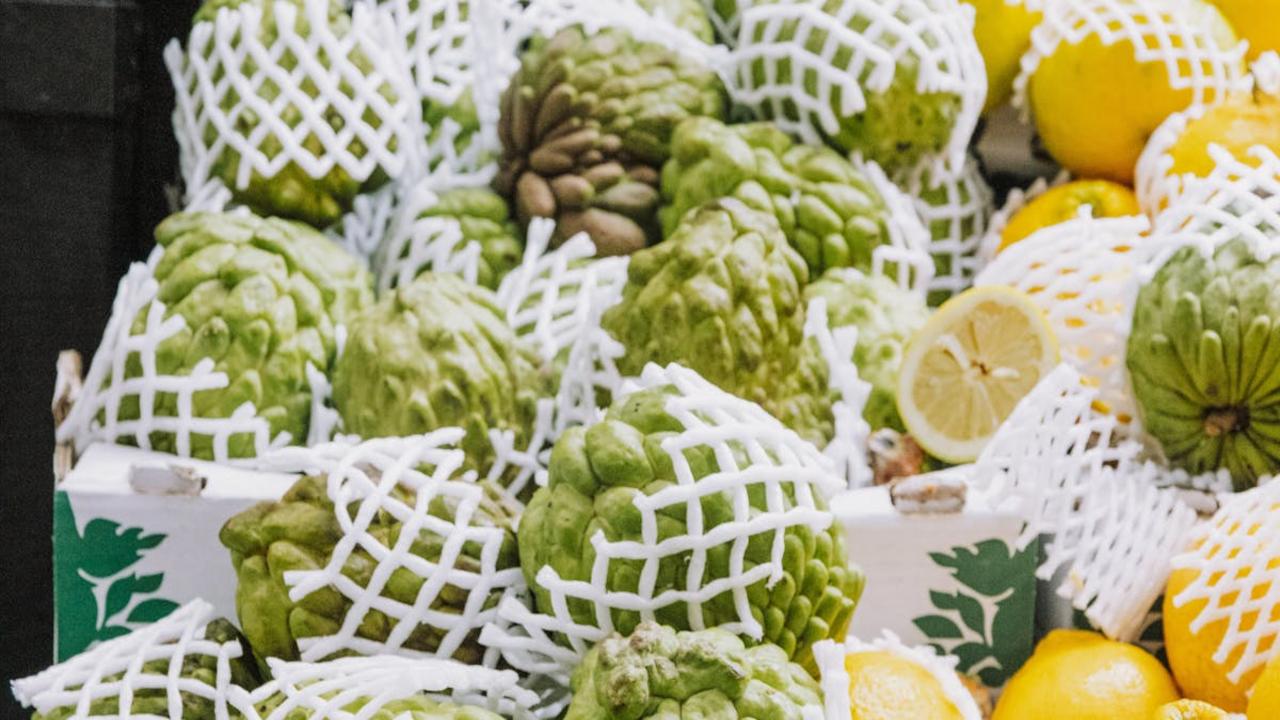
I’d never seen anything quite like a cherimoya until I stumbled upon one at a local market. This heart-shaped fruit with its scaly green exterior holds a creamy white flesh that reminds me of a natural custard. The sweet taste perfectly blends hints of banana, pineapple, and strawberry – earning it the nickname “custard apple.” The texture feels smooth and velvety, making each bite pure bliss. Native to the Andean valleys of Peru and Ecuador, this tropical delight grows best in Mediterranean climates and high altitudes.
Getting the most out of your cherimoya requires perfect timing. Wait until the fruit gives slightly under gentle pressure, similar to a ripe avocado. Then slice it in half and scoop out the smooth flesh with a spoon, avoiding the large black seeds scattered throughout. I love adding cherimoya to smoothies or eating it chilled for a refreshing snack. The fruit packs plenty of vitamin C, fiber, and antioxidants, making it both delicious and nutritious. Try serving it with a squeeze of lime juice to enhance its natural sweetness.
Feijoa
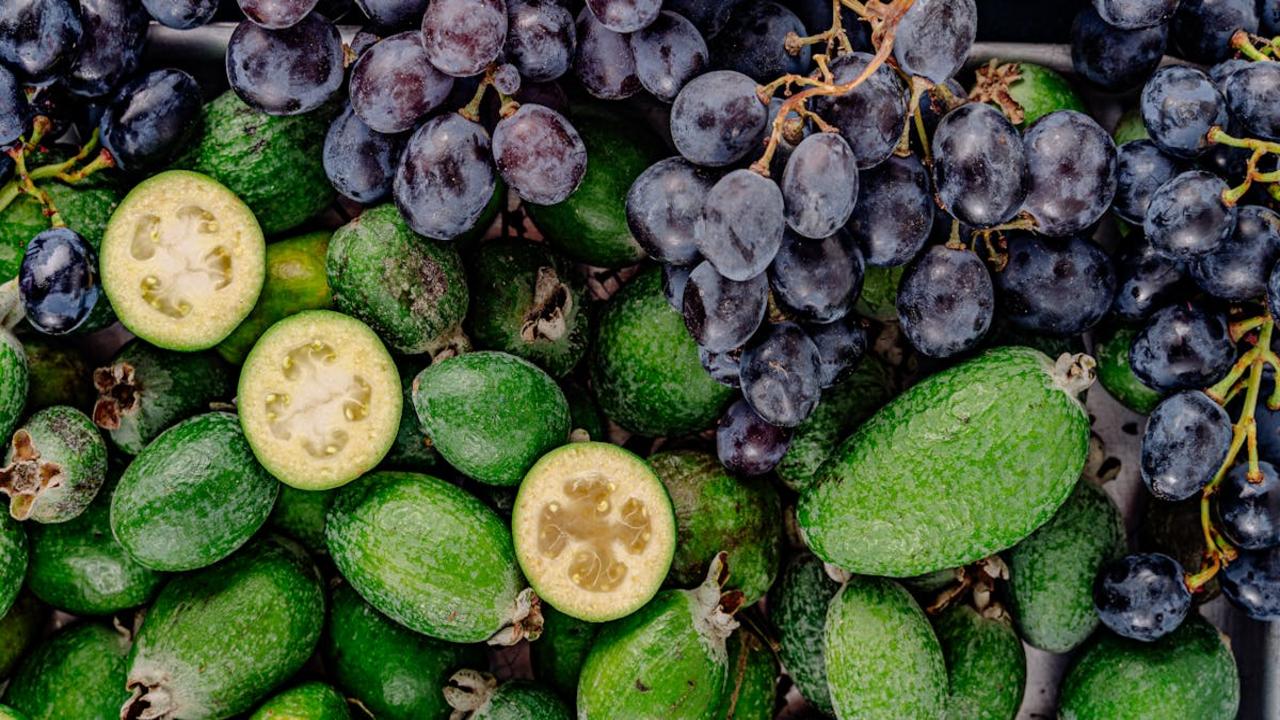
I can’t get enough of feijoas, these small green oval fruits that pack a massive flavor punch! Native to South America, feijoas (also called pineapple guavas) deliver a unique mix of sweet, tart, and minty notes that will make your mouth water. The flesh inside has a jelly-like texture near the center and firmer, grainier flesh near the skin. You’ll catch hints of pineapple, guava, and even a subtle dash of spearmint in every bite – making this fruit truly one-of-a-kind.
You can enjoy feijoas in many ways – scoop out the flesh with a spoon and eat them raw, blend them into smoothies, or add them to your morning yogurt bowl. I love baking with feijoas too – they make fantastic muffins, cakes, and jams. The fruit ripens in autumn and you’ll know they’re ready when they give slightly under gentle pressure. Just remember to wait until they fall from the tree naturally – that’s when they’re at their sweetest and most flavorful. Trust me, once you try a perfectly ripe feijoa, you’ll want to add these little green gems to your regular fruit rotation!
Custard Apple
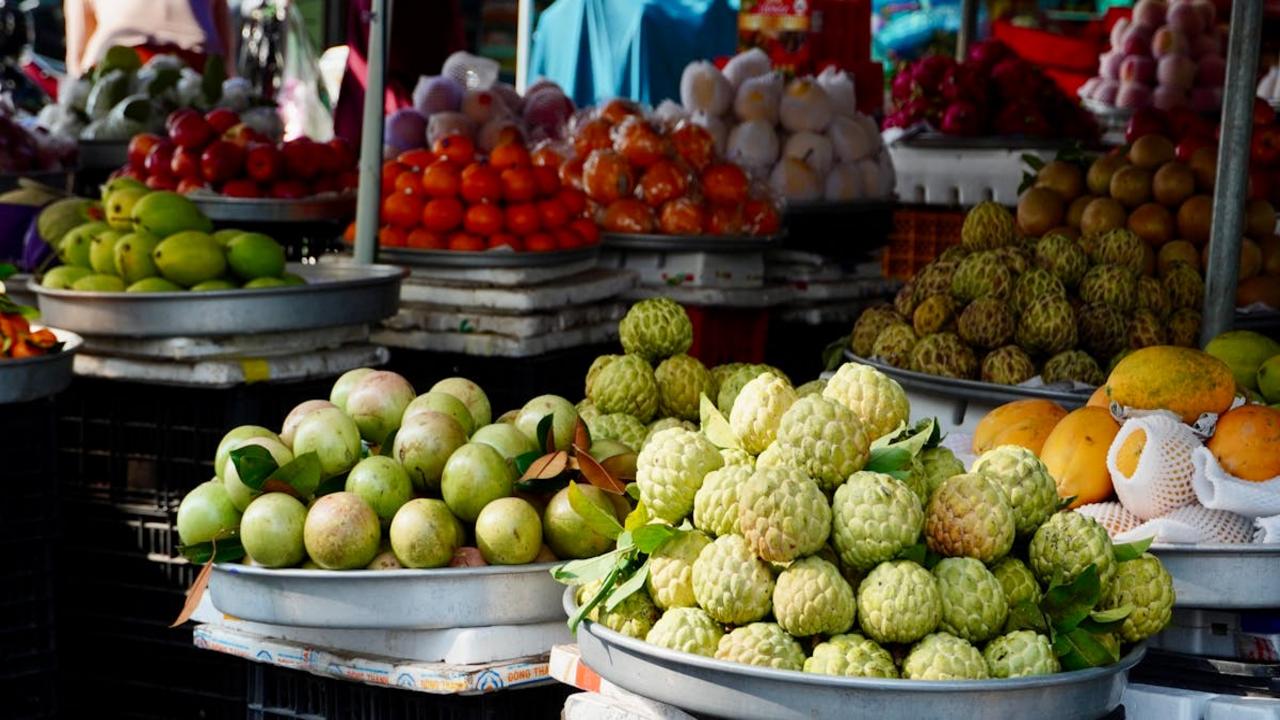
If you’re looking for a unique fruit that lives up to its name, you’ll adore the custard apple! This heart-shaped delight from the tropical regions of the Americas has a creamy, sweet flesh that truly mimics the texture and flavor of homemade custard. The pale green exterior might not catch your eye at first, but crack open this bumpy-skinned treasure, and you’ll discover segments of velvety white flesh dotted with dark seeds. Each spoonful delivers a perfect blend of vanilla-like sweetness with subtle hints of banana and pear.
What makes the custard apple extra special is its rich nutritional profile. You’ll get a healthy dose of vitamin C, potassium, and magnesium in every serving. Plus, the fiber content helps keep you full and satisfied. I recommend enjoying this fruit chilled – just slice it in half, scoop out the creamy segments with a spoon, and savor each bite. The custard apple works beautifully in smoothies too, adding natural sweetness and a silky smooth texture that will make your morning blend extra indulgent without any added sugars.
Breadfruit
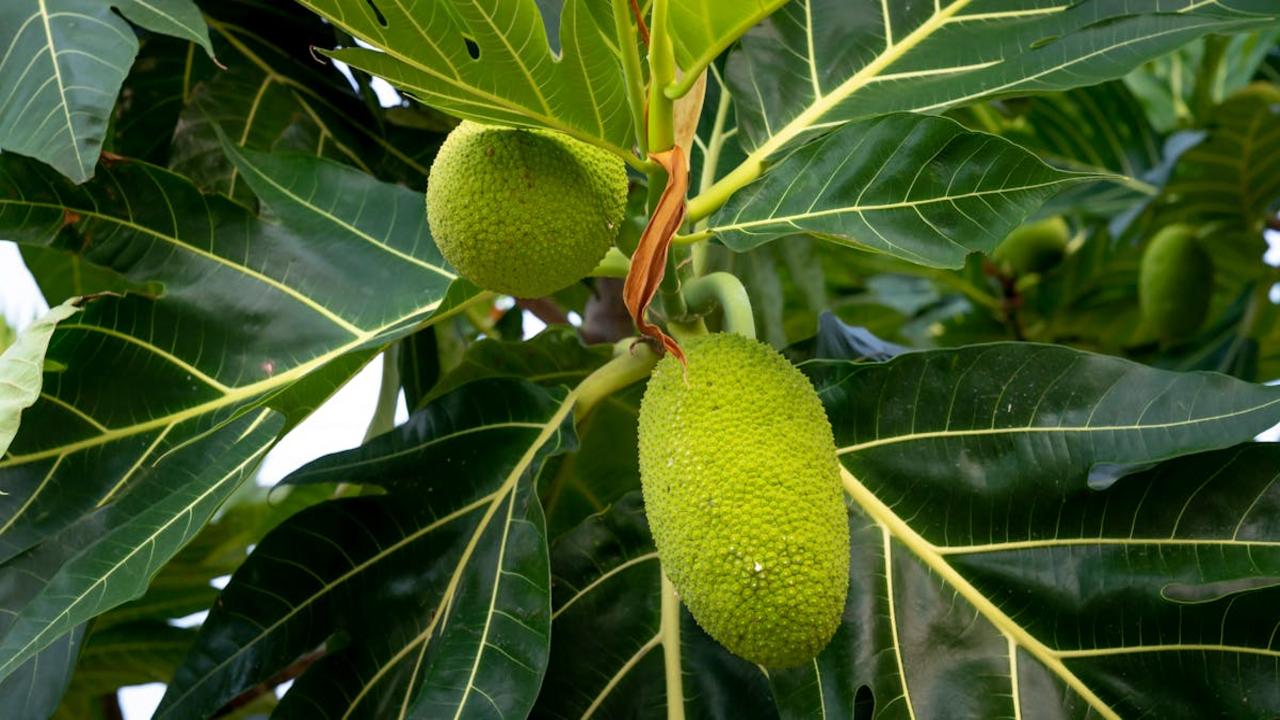
I discovered breadfruit during my trip to Hawaii, and it totally changed my view of starchy fruits! This large, round fruit has a thick, bumpy green exterior that looks almost prehistoric. When you cook it, the pale flesh transforms into something magical – imagine a cross between freshly baked bread and potatoes. The name “breadfruit” makes perfect sense once you catch that warm, yeasty aroma wafting through your kitchen.
You’ll find breadfruit in many Pacific Island dishes, where locals roast, fry, or steam it to create filling meals. Raw breadfruit has little flavor, but cooking brings out its subtle sweetness and starchy goodness. I love to slice it thin and fry it into crispy chips, or cube it for hearty stews. The best part? This fruit packs serious nutrition – it’s rich in fiber, potassium, and vitamin C. Next time you spot breadfruit at a specialty market, grab one and try it yourself – it might become your new favorite comfort food!
Guava
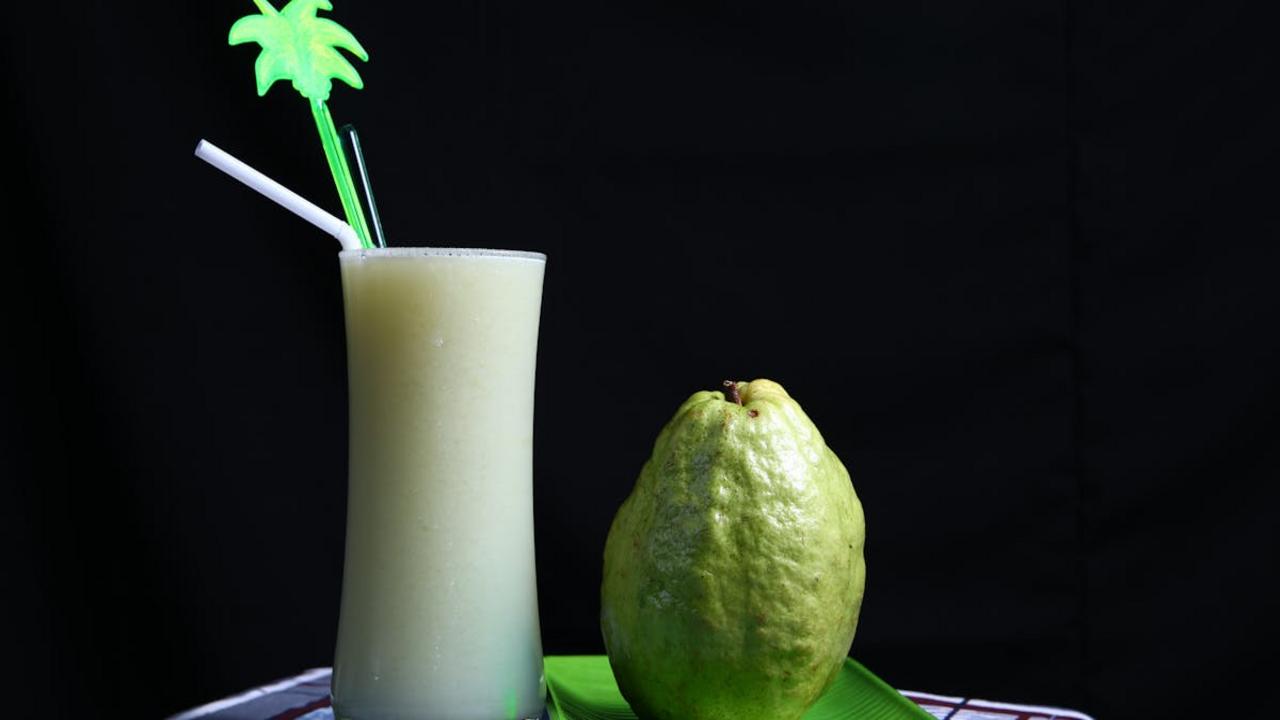
If you’ve never tasted a fresh guava, you’re missing out on one of nature’s most aromatic treasures! This tropical fruit packs a powerful punch of vitamin C – up to four times more than oranges. The fruit has light green or yellowish skin and can range from white to deep pink flesh inside. I love biting into a ripe guava and experiencing its sweet-tart flavor that reminds me of a mix between strawberries and pears. The entire fruit is edible, including the rind and seeds, though many people prefer to scoop out just the soft inner flesh.
You’ll find guavas starring in countless Latin American and Asian dishes, from refreshing drinks to rich pastries and preserves. My favorite way to enjoy this fruit is to slice it up and sprinkle a little chili powder and lime juice on top – a popular Mexican street food snack that will make your taste buds dance! The fruit also makes incredible jams, jellies, and even BBQ sauces. Next time you spot these round gems at your local market, grab a few and give them a gentle squeeze – if they yield slightly to pressure, they’re ready to eat.
Soursop
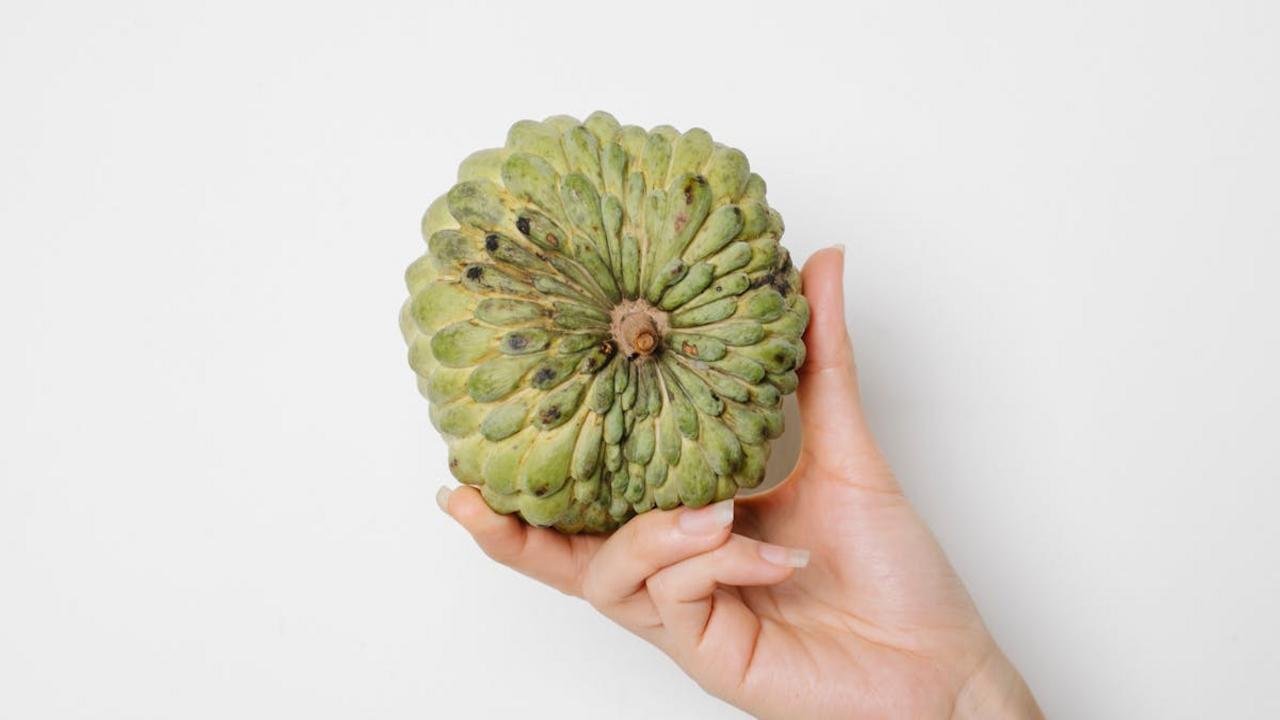
I first discovered soursop at a local tropical market, and this spiky green fruit completely changed my understanding of sweet-tart flavors! The white, custard-like flesh inside tastes like a mix of strawberry and pineapple with subtle notes of coconut cream. You’ll find this tropical treasure growing throughout the Caribbean and South America, where locals often blend it into smoothies or scoop it straight from the rind with a spoon.
Beyond its incredible flavor, soursop packs some impressive health benefits that’ll make you want to add it to your shopping list right away. This fruit brings plenty of vitamin C, fiber, and antioxidants to your diet. The texture reminds me of cotton candy meets creamy yogurt – it’s truly unique and unforgettable. Next time you spot this spiky beauty at your grocery store or farmers market, grab one and prepare for a fruit experience that’ll bring tropical vibes right to your kitchen!
Durian
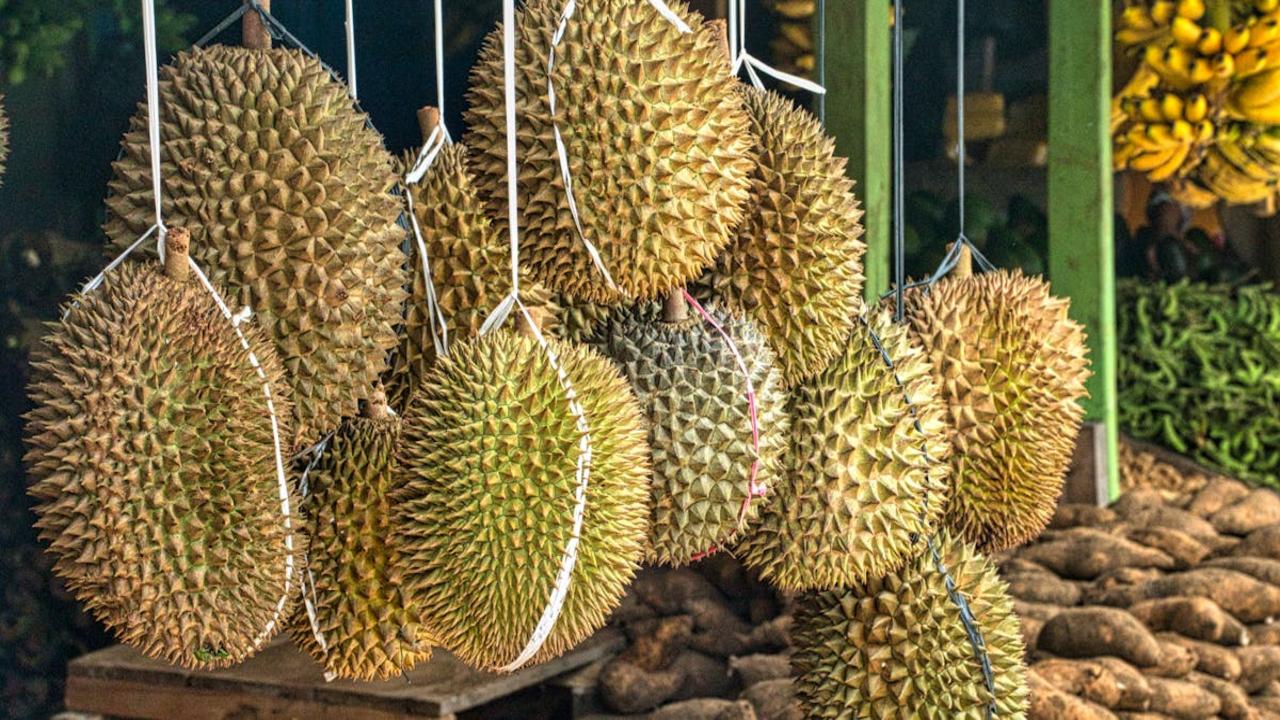
I’ll never forget my first encounter with durian in Singapore – this spiky, football-sized fruit demands attention! Known as the “King of Fruits” across Southeast Asia, durian’s intense aroma will hit you before you even see it. The creamy, custard-like flesh inside offers a unique blend of sweet and savory notes that remind me of caramelized onions, almonds, and vanilla all mixed together. While some people run from its distinctive smell, I promise the rich, complex flavor makes it worth trying at least once.
Once you get past the thorny exterior and strong fragrance, durian rewards you with incredibly nutrient-dense flesh. Each segment contains high levels of iron, fiber, and vitamin C – making it both delicious and nutritious. The fruit’s texture feels like smooth pudding with a slight chewiness that melts in your mouth. I recommend finding a reputable Asian market or specialty grocer who can help select a properly ripened durian. Just remember – many hotels and public spaces ban durian due to its powerful scent, so plan to enjoy this memorable fruit outdoors or at home!
Jackfruit
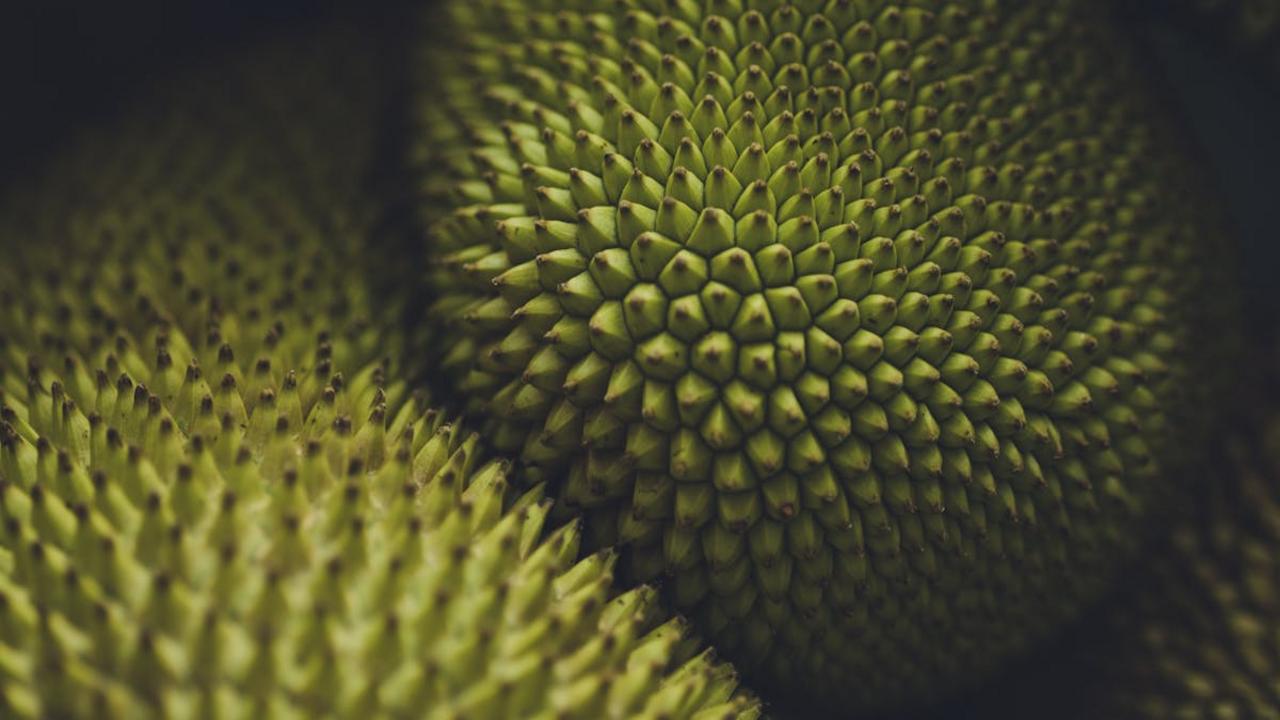
I’ll never forget my first encounter with jackfruit at a local farmers market – this giant, spiky fruit can weigh up to 80 pounds and fills the air with its sweet, tropical aroma! Native to South India, jackfruit has a unique texture that makes it incredibly versatile in both sweet and savory dishes. When ripe, the yellow pods inside offer a deliciously sweet flavor that combines hints of pineapple, banana, and mango. The best part? You can eat the seeds too – just roast them for a nutrient-rich snack that packs plenty of protein and minerals.
What makes jackfruit truly special is its incredible ability to mimic pulled meat when it’s young and unripe. You’ll find it featured in many plant-based recipes as a meat substitute, particularly in BBQ sandwiches and tacos. The fruit’s fibrous texture soaks up seasonings beautifully, making it a favorite among vegans and vegetarians. If you buy jackfruit fresh, wear gloves while cutting it open – the sticky sap inside can make quite a mess! For an easier option, try canned young jackfruit in water or brine, which you’ll find in most Asian grocery stores or natural food markets.
Star Fruit
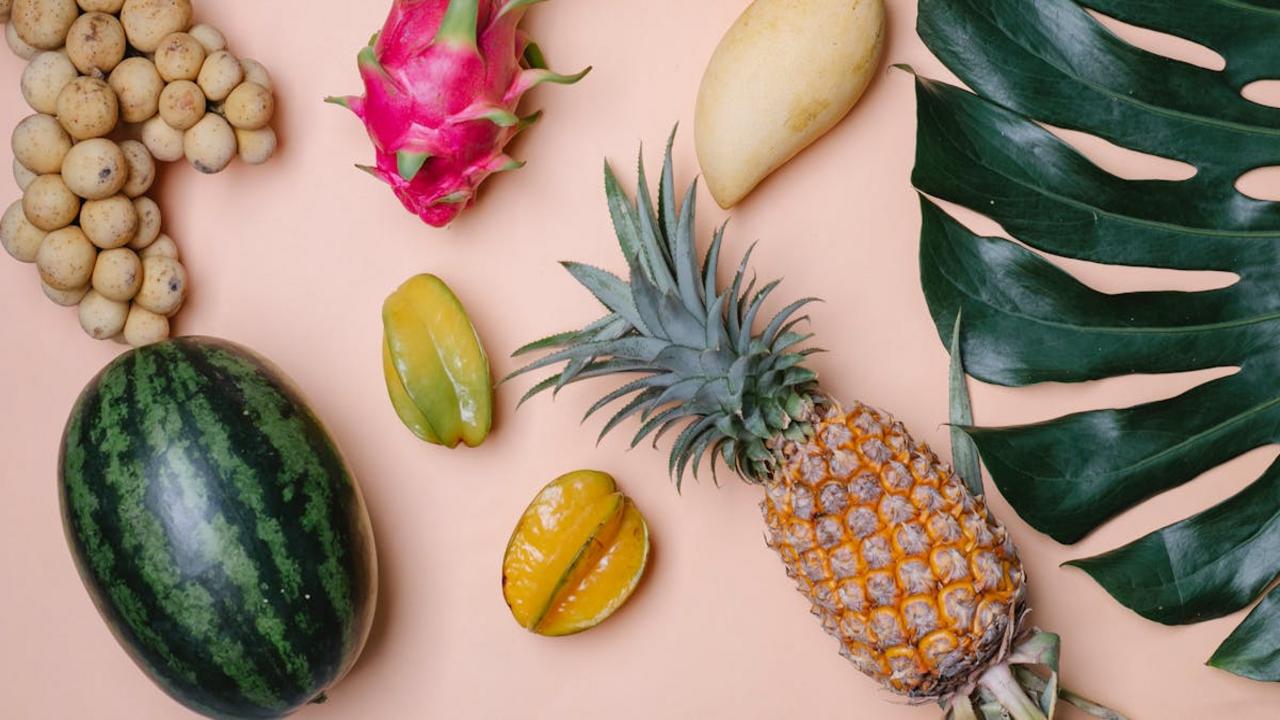
You’ll know exactly why this fruit got its name the moment you slice into it! Every cross-section of star fruit creates a perfect five-pointed star shape that will make your fruit platters look absolutely stunning. The yellow-golden skin has a waxy feel, while the flesh inside brings you a unique mix of sweet and tart flavors that remind me of a blend between green grapes and fresh pears. I love adding these beautiful stars to my morning smoothie bowls or using them as natural decorations for tropical-themed parties.
The real magic of star fruit goes beyond its looks – it packs a serious nutritional punch! Each serving gives you a big dose of vitamin C and antioxidants, plus it’s super low in calories. The entire fruit is edible, including the waxy skin, though I recommend washing it thoroughly first. You can eat it fresh, add it to salads, or cook it into chutneys. Here’s a quick tip: pick star fruits that are firm and bright yellow, with minimal brown spots. If they’re still greenish, just leave them on your counter for a few days until they ripen to a beautiful golden color.
Rambutan
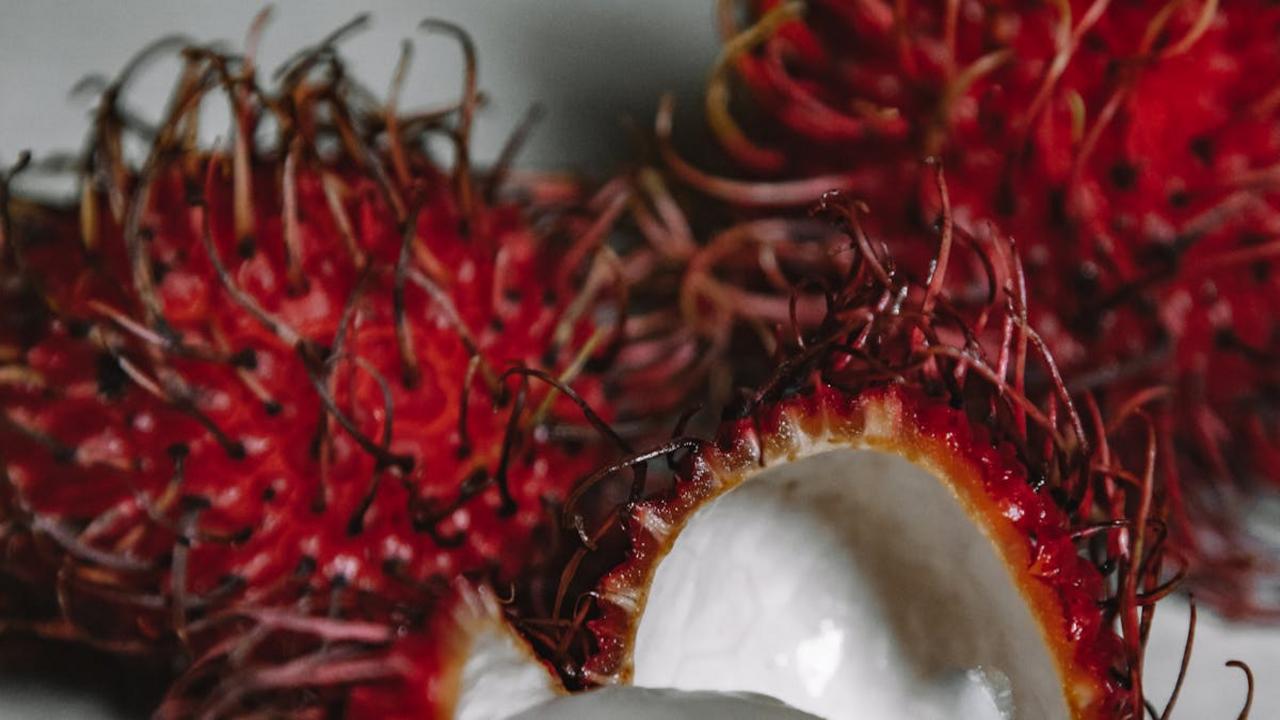
You’ll find this spiky-looking tropical fruit absolutely adorable once you get to know it! Native to Southeast Asia, the rambutan looks like a tiny red sea urchin with soft, hair-like spines covering its exterior. But don’t let its wild appearance fool you – beneath that striking red shell lies a sweet, translucent flesh that’ll remind you of lychee, but with its own unique character. The texture feels like a perfect grape, and the flavor brings together notes of cream, strawberry, and a gentle floral sweetness that’ll make you reach for another.
I love showing my friends how to open a rambutan – just score the outer skin with your thumbnail and peel it back to reveal the juicy treasure inside. The flesh clings to a single brown seed in the center, which you’ll want to avoid eating. Keep your eyes peeled for rambutans at Asian markets or specialty produce stores, especially during summer months. Pro tip: choose fruits with bright red spines that still look fresh and springy. If the spines have turned black or dried out, the fruit is past its prime. Fresh rambutans will keep in your fridge for about a week, making them perfect for snacking or adding to fruit salads.
Mangosteen
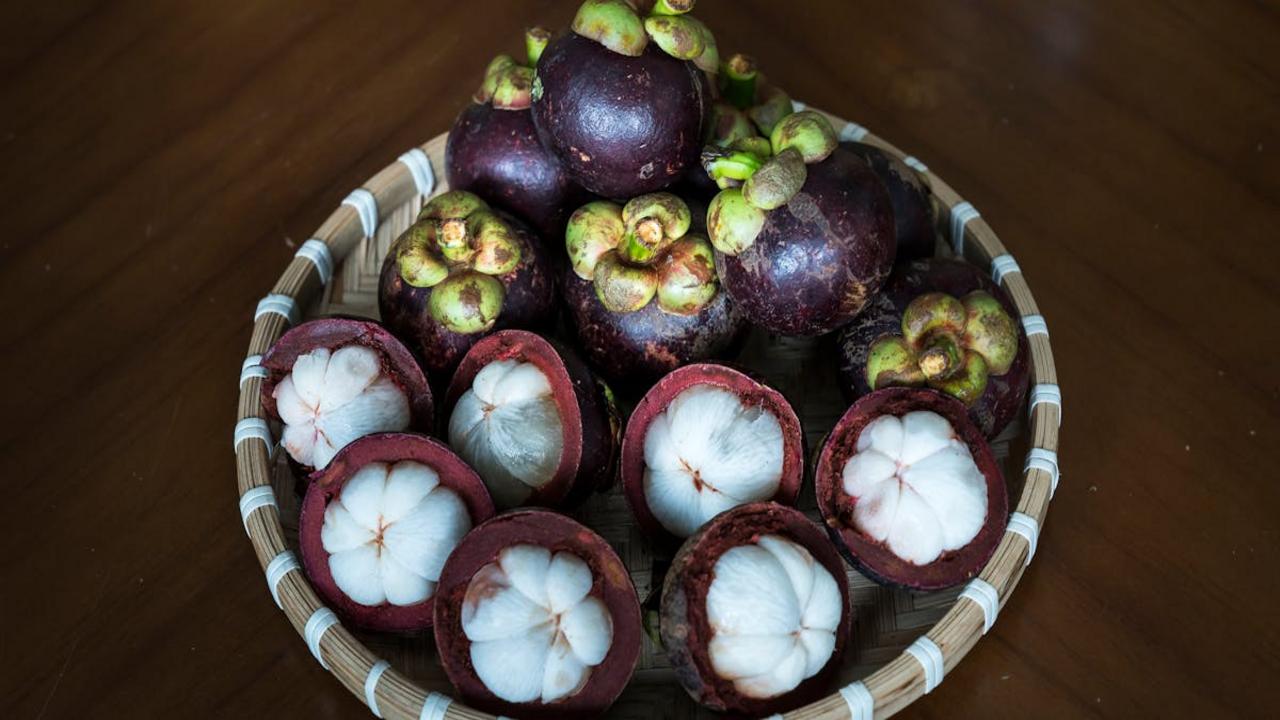
If you’ve never tried mangosteen before, you’re missing out on one of nature’s most incredible fruits! Known as the “Queen of Fruits” in Southeast Asia, this purple-skinned beauty holds pure white segments inside that melt in your mouth with the perfect balance of sweet and tangy notes. The flavor will remind you of a mix between lychee, peach, and strawberry – but honestly, mangosteens have their own unique taste that you’ll need to experience firsthand to truly understand.
I always get excited when I spot fresh mangosteens at my local Asian market because they’re pretty rare to find in the US. To enjoy this fruit, gently press the thick purple rind until it cracks open, revealing the snow-white segments inside. Each segment is incredibly juicy and has a soft, custard-like texture that makes them incredibly addictive. Beyond their amazing flavor, mangosteens pack powerful antioxidants and have been used in traditional medicine for centuries to boost immunity and fight inflammation. Next time you see these purple gems at the store, grab a few – you won’t regret it!
Lychee
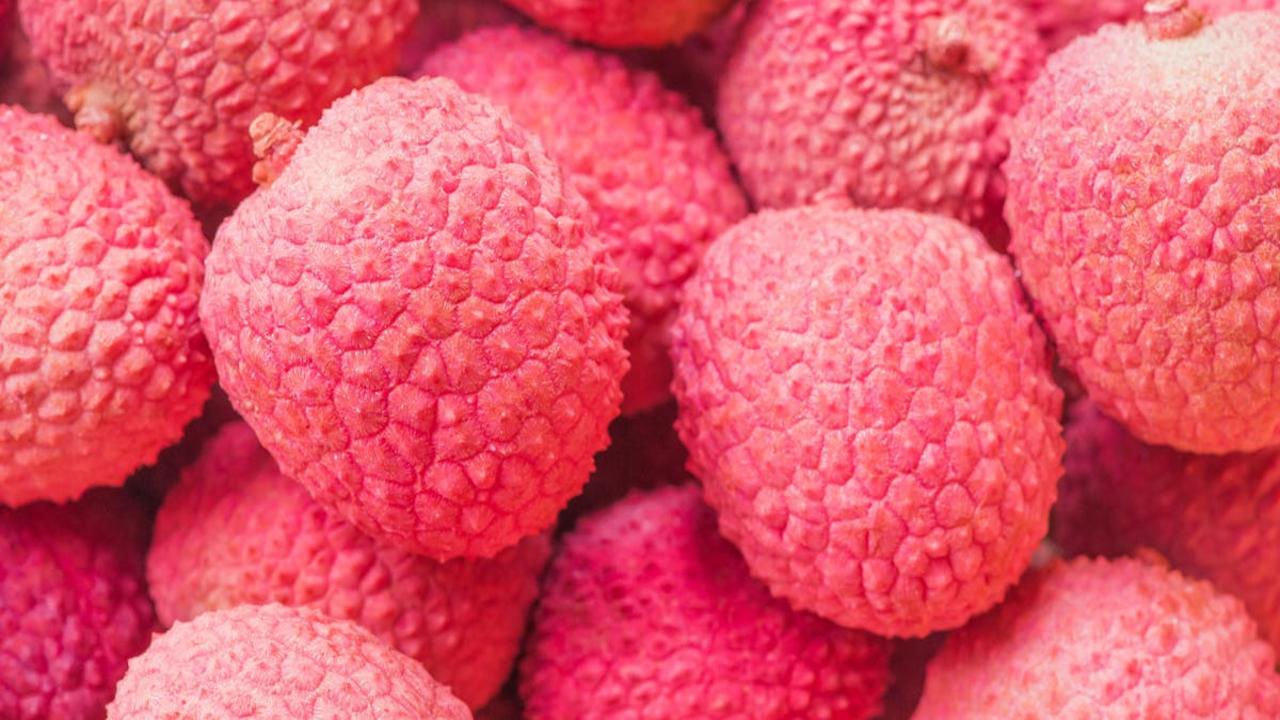
I absolutely adore lychees – these small, bumpy-skinned fruits pack an incredible sweet and floral punch that will transport you straight to a tropical paradise! Native to southern China, lychees have a translucent white flesh that’s wonderfully juicy and fragrant. The texture reminds me of a perfect grape, with notes of rose water and honey that make each bite pure bliss. Once you peel away the thin pink-red shell, you’ll discover why this fruit has been treasured in Asian cuisine for thousands of years.
You can find fresh lychees at Asian markets and some grocery stores during summer months, or grab them canned year-round. I love adding them to fruit salads, smoothies, and cocktails for an exotic twist. The fruit pairs beautifully with coconut, lime, and ginger in desserts too. Just watch out for the dark brown seed in the center – it’s not edible! Pro tip: Choose lychees that feel heavy for their size and have bright, unblemished shells for the freshest, sweetest experience. Your taste buds will thank you for trying this incredible fruit.
Passion Fruit
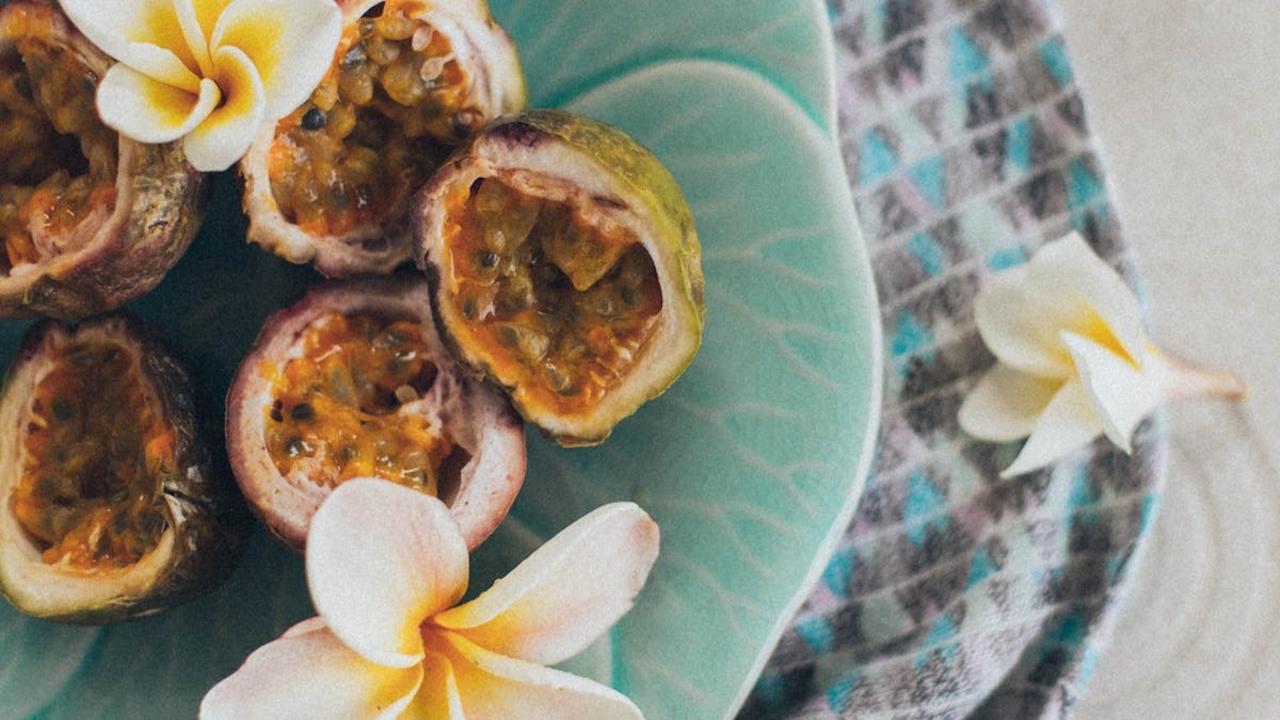
You’ll find the most intriguing combination of sweet and tart flavors packed inside this exotic purple or yellow fruit! Passion fruit’s wrinkled exterior opens up to reveal golden-orange pulp filled with crunchy black seeds. The fragrant flesh makes an incredible addition to smoothies, cocktails, and desserts. I love adding a spoonful of fresh passion fruit to my morning yogurt bowl – the vibrant flavor instantly brightens up my day.
While passion fruit might look small, it delivers big on nutrition. Each fruit contains high amounts of vitamin C, vitamin A, and fiber, plus powerful antioxidants that help boost your immune system. The edible seeds provide a satisfying crunch and healthy omega-3 fatty acids. You can find passion fruit year-round in many grocery stores – look for fruits that feel heavy for their size and have slightly wrinkled skin, which means they’re perfectly ripe and ready to enjoy.
Dragon Fruit
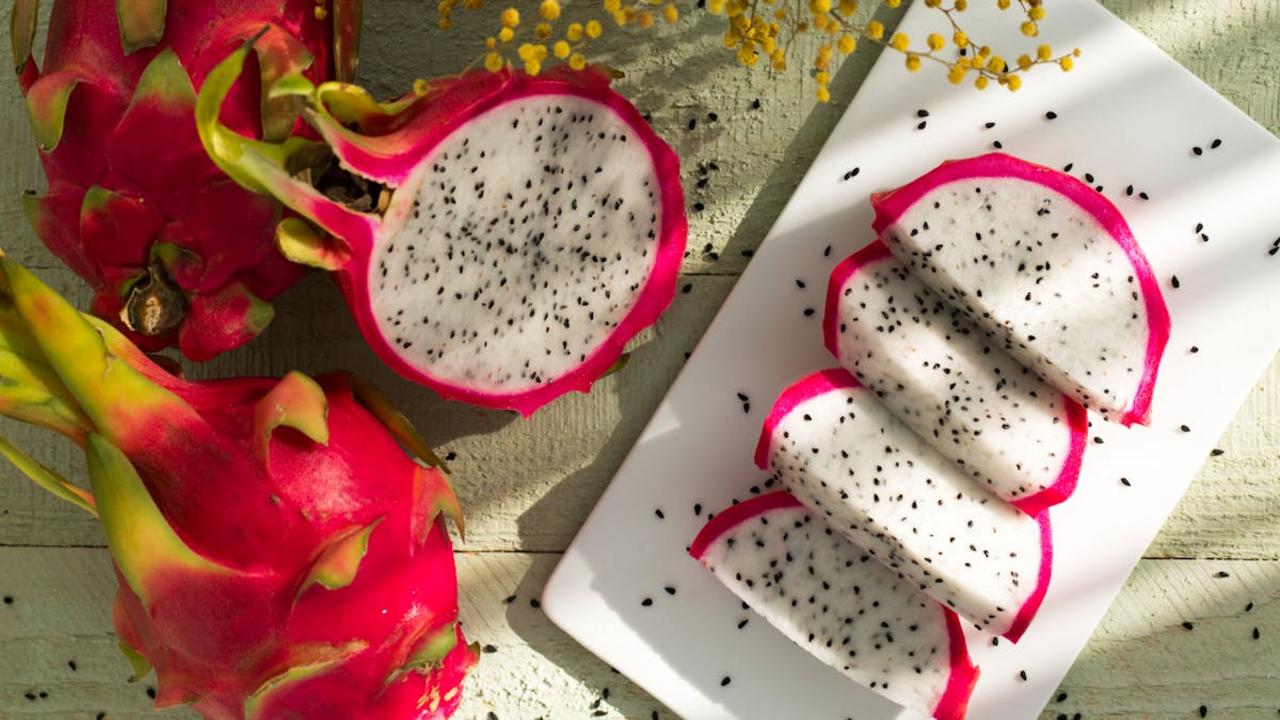
You’ll spot dragon fruit right away at any market – its hot pink exterior with green scales makes it impossible to miss! This beautiful tropical fruit, also known as pitaya, grows on climbing cacti and packs a wonderfully subtle sweetness that reminds me of kiwi mixed with pear. The inside can be white or vibrant magenta, filled with tiny black seeds that add a fun crunch similar to those in kiwi fruit. I love cutting it in half and scooping out the flesh with a spoon for a quick, refreshing snack.
Dragon fruit brings more than just stunning looks to your table – it’s loaded with antioxidants, fiber, and vitamin C. You can toss it into smoothie bowls, add it to fruit salads, or blend it into refreshing drinks. My favorite way to enjoy this fruit is to chill it first, then serve it with a squeeze of lime juice which really brings out its natural sweetness. The mild flavor makes it perfect for breakfast or as a light dessert, and its high water content helps keep you hydrated during hot summer days.