15 Humble Dishes That Feed the World’s Poorest Communities
Food tells our most honest stories—especially in communities where resources run thin but creativity runs deep. These 15 dishes represent human ingenuity at its finest, transforming simple, affordable ingredients into meals that sustain millions daily. I’ve always found beauty in these humble recipes that prioritize function while delivering remarkable flavor.
Each dish reflects generations of wisdom—like how combining rice and beans creates complete protein, or how fermentation makes nutrients more accessible. Many feed families for pennies yet provide surprising nutrition through clever cooking techniques passed down through generations. What looks simple often hides brilliant culinary science.
While global food trends come and go, these staples remain constant lifelines. They remind us that good cooking isn’t about expensive ingredients but about making the most of what’s available. These recipes aren’t just sustenance—they’re testaments to human resilience and creativity when facing scarcity.
Chili with Squash (Native American Tribes)
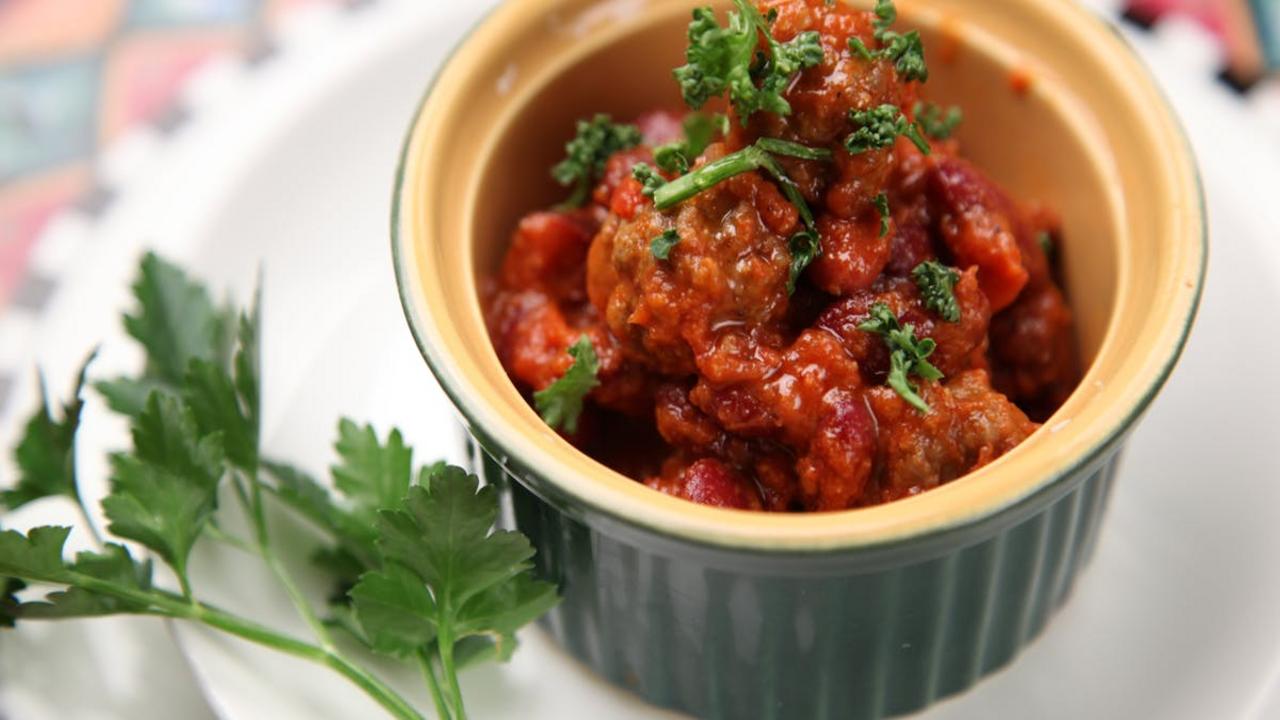
You know what amazes me every time I think about Native American cooking? The genius of combining just two simple ingredients to create something that sustained entire communities for generations. Chili with squash represents pure nutritional wisdom—the capsaicin from peppers boosting metabolism and circulation while winter squash provides complex carbohydrates, fiber, and beta-carotene your body craves during harsh seasons. I’ve made versions of this dish countless times, and each bowl reminds me how our ancestors understood food synergy long before nutritionists gave it fancy names.
What I love most about this combination is how it transforms basic pantry staples into something deeply satisfying. The sweetness of roasted squash balances the heat from chilies beautifully, creating layers of flavor that develop with each simmering minute. You can start with whatever winter squash you have—butternut, acorn, or hubbard—dice it up, and let it cook down with dried chilies until everything melds together. Sometimes I add beans or corn when I have them, but honestly, the magic happens with just those two core ingredients. This isn’t just survival food; it’s comfort in a bowl that connects us to generations of cooks who knew exactly what their families needed.
Plantain and Beans (Caribbean)
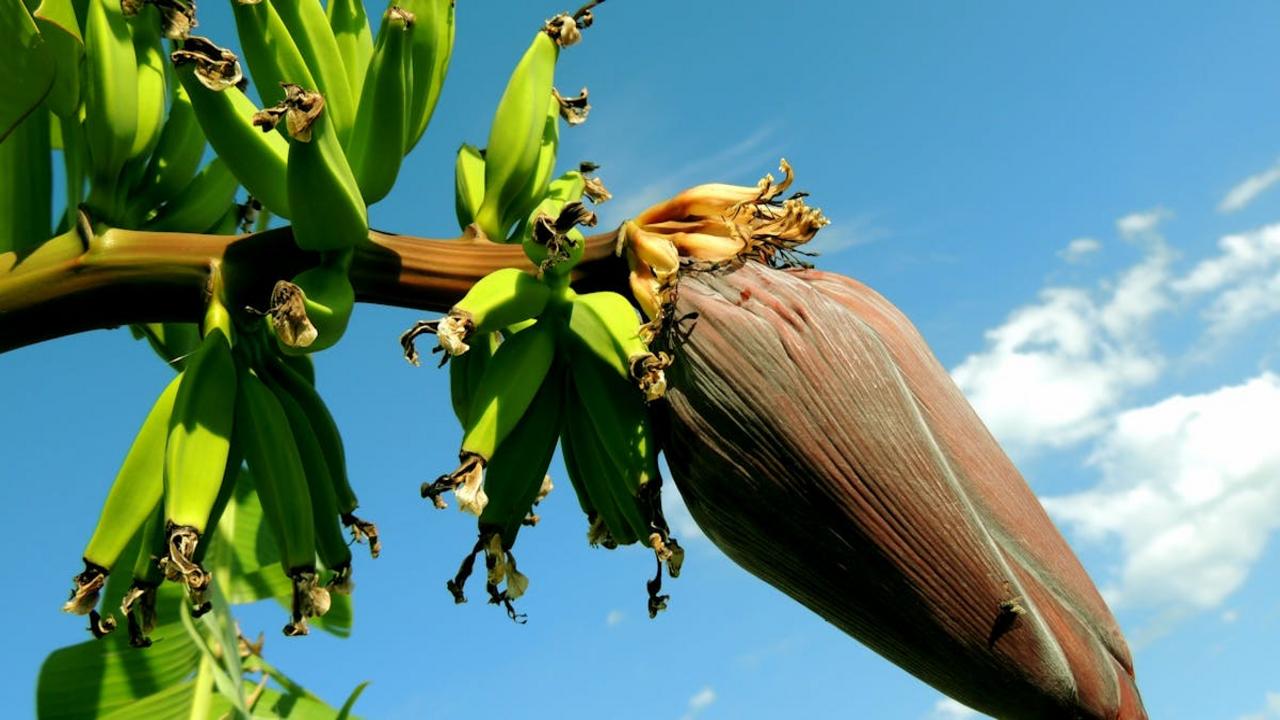
When I first moved to a Caribbean neighborhood, my elderly neighbor Miss Carmen taught me the beauty of plantain and beans – a dish that has sustained families across the islands for generations. You take green plantains, slice them thick, and cook them alongside kidney beans or pigeon peas with just onions, garlic, and maybe a scotch bonnet pepper if you’re feeling bold. The magic happens when these simple ingredients transform into something deeply satisfying, where the starchy sweetness of plantains balances perfectly with the earthy protein of beans.
This combination costs pennies to make but delivers complete nutrition – the beans provide protein and fiber while plantains offer potassium and complex carbohydrates. I love how versatile this dish becomes depending on what you have on hand. Add coconut milk for richness, throw in some leafy greens for extra vitamins, or season with curry powder for a different flavor profile. Miss Carmen always said this dish taught her children that good food doesn’t need fancy ingredients, just patience and love. Every time I make it, I understand why this humble meal has fed Caribbean families through both lean times and celebrations.
Injera with Shiro (Ethiopia)
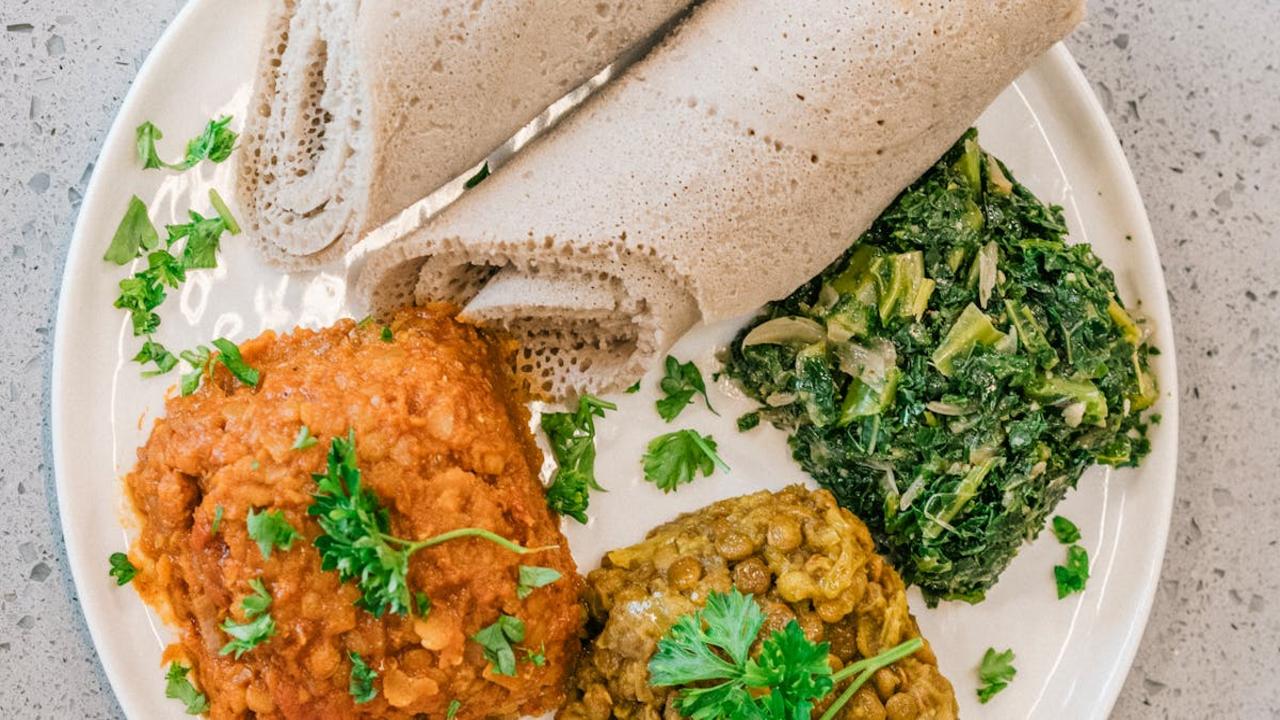
In Ethiopian homes, injera serves as both plate and utensil, cradling spoonfuls of shiro—a protein-rich stew made from ground chickpeas or split peas. This combination costs just pennies per serving yet delivers complete nutrition to families across the Horn of Africa. I’ve watched Ethiopian cooks transform humble legumes into this aromatic, spiced stew using berbere seasoning, onions, and garlic. The fermented teff flour creates injera’s signature spongy texture, perfect for scooping up every last drop of the savory shiro.
Making shiro from scratch teaches you patience and respect for ingredients—you slowly toast the legumes until fragrant, then grind them by hand or in a simple mill. The resulting flour becomes a hearty base that stretches to feed large families on minimal budgets. What amazes me most about this dish is how Ethiopian mothers pass down the art of injera fermentation through generations, maintaining starter cultures that bubble and transform plain teff into something magical. Together, injera and shiro prove that the most nourishing meals often come from the simplest pantry staples, seasoned with love and tradition.
Khichdi (India)
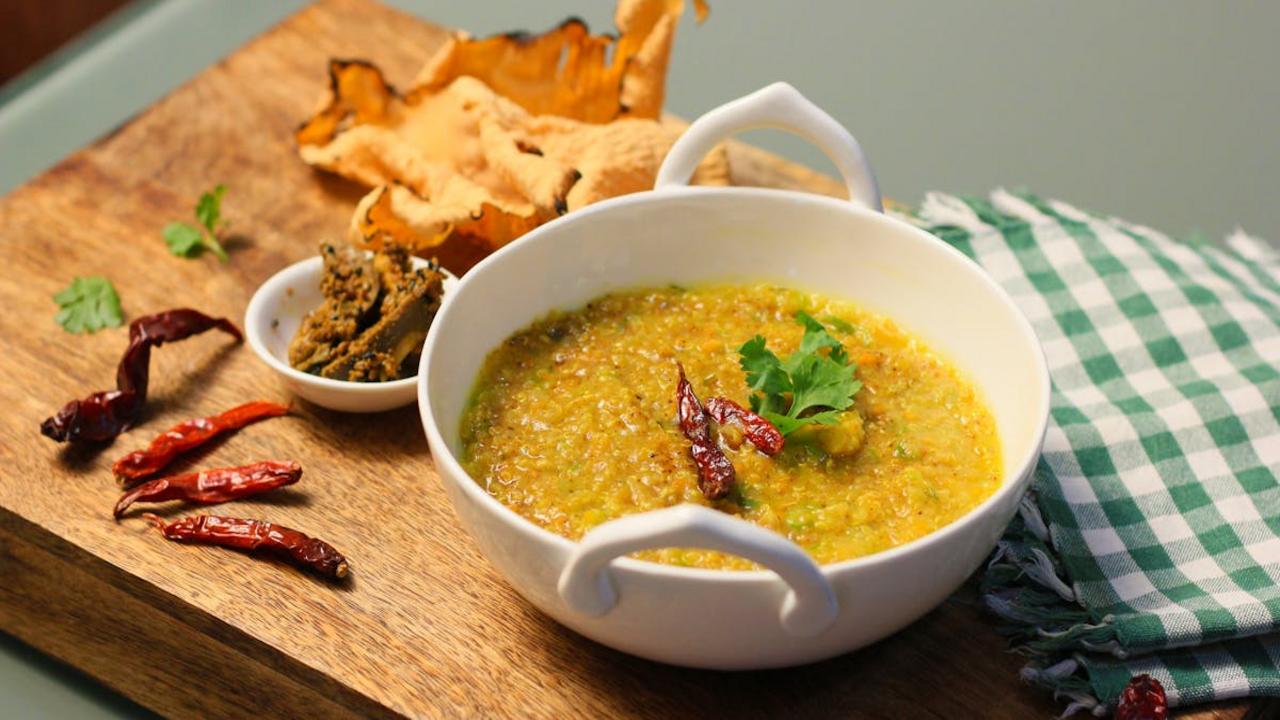
You know what makes my heart happy? Watching a simple bowl of khichdi transform someone’s entire day. This humble combination of rice and lentils has fed countless families across India for generations, and honestly, it’s one of those dishes that proves you don’t need fancy ingredients to create something deeply nourishing. I cook mine with just a handful of whole spices – cumin seeds, a bay leaf, maybe some turmeric – and watch as these basic pantry staples become something that feels like a warm hug from the inside out.
What I love most about khichdi is how it adapts to whatever you have on hand. Sometimes I throw in whatever vegetables are sitting in my refrigerator – carrots, peas, spinach – and other times I keep it beautifully simple with just the rice and dal. The magic happens when everything cooks together in one pot, creating this creamy, porridge-like texture that’s incredibly easy to digest. For millions of people, especially children and the elderly, khichdi serves as both comfort food and medicine. I’ve made it for friends recovering from illness, and there’s something almost healing about how gently it nourishes your body back to strength.
Barley Soup (Tibet)
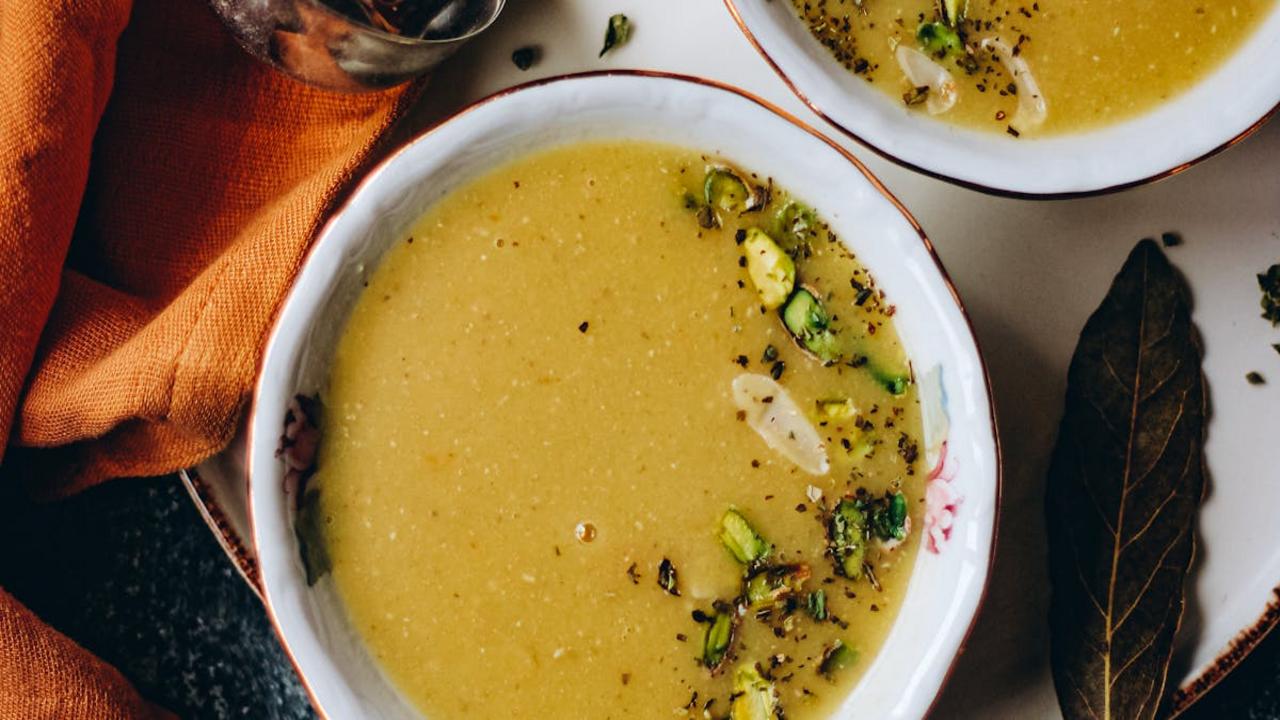
High in the Tibetan plateau, where oxygen runs thin and temperatures drop below freezing for months, barley soup becomes more than just a meal—it transforms into liquid sustenance that keeps families alive through brutal winters. I’ve always admired how Tibetan cooks take simple roasted barley flour, called tsampa, and create something so nourishing from what seems like almost nothing. You mix the nutty flour with yak butter tea or simple broth, add whatever vegetables you can find—maybe some dried radish or wild greens—and suddenly you have a soup that warms you from the inside out. The beauty lies in its simplicity; no fancy techniques required, just honest ingredients working together.
What moves me most about this dish is how it represents pure survival cooking at its finest. Tibetan families have perfected this recipe over generations, understanding exactly how much protein and carbohydrates their bodies need to function at high altitude. You can make your own version using pearl barley instead of tsampa—toast it first in a dry pan until fragrant, then simmer with bone broth and root vegetables. The result gives you that same earthy, satisfying flavor that has sustained mountain communities for centuries. This soup teaches us that sometimes the most profound cooking happens when you strip away everything unnecessary and focus on what truly nourishes.
Jollof Rice (West Africa)
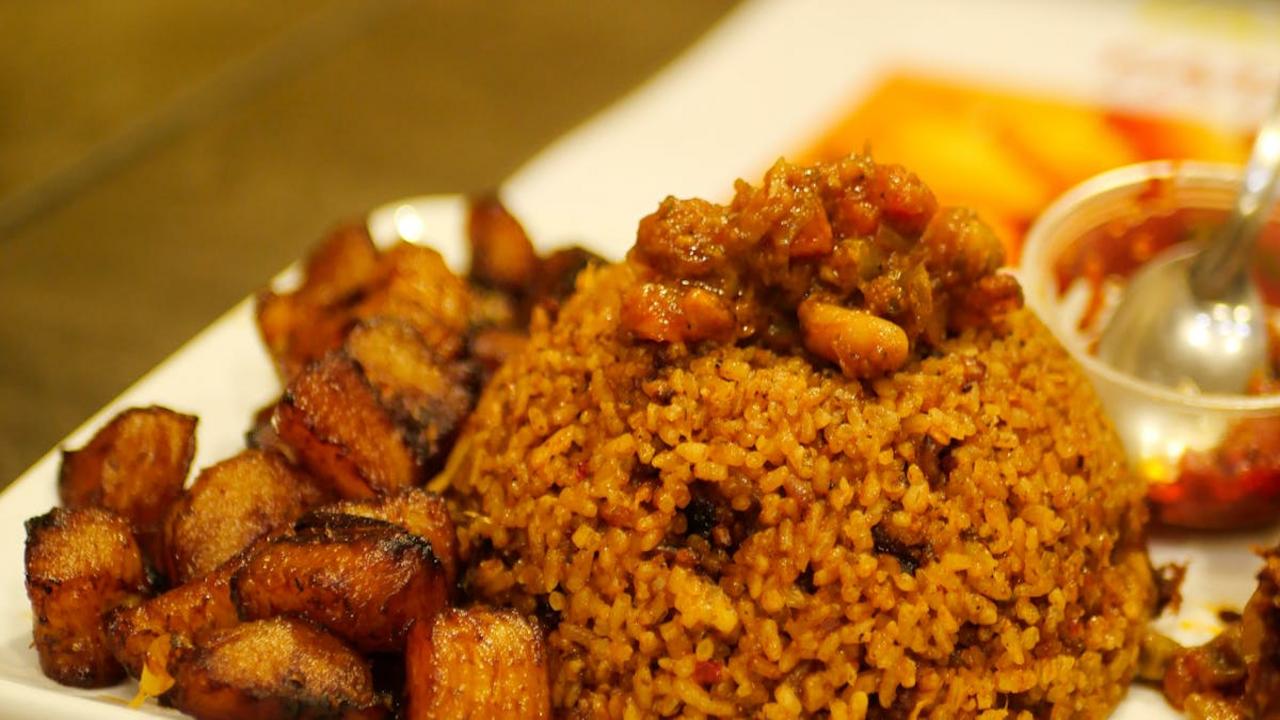
You know that feeling when your kitchen fills with the most incredible aroma, and suddenly everyone in the house gravitates toward you? That’s exactly what happens when I make jollof rice. This beloved West African dish transforms simple pantry staples—rice, tomatoes, onions, and a handful of spices—into something that feeds both body and soul. What I love most about jollof is how it adapts to whatever you have on hand. Sometimes I add chicken or fish when the budget allows, other times I keep it completely plant-based with extra vegetables. The magic happens in that perfect balance of tomato paste, stock, and spices like thyme, bay leaves, and scotch bonnet peppers that create layers of flavor you simply can’t achieve with processed seasonings.
Every West African country claims the best version of jollof, and honestly, I think they’re all right in their own way. The beauty of this dish lies in its accessibility—you don’t need expensive ingredients or fancy equipment to create something that rivals any restaurant meal. I’ve watched my friends stretch a single pot to feed eight people, adding more water and vegetables as needed. The technique of achieving that coveted smoky bottom layer, called “concon” in some regions, takes practice, but even imperfect jollof tastes incredible. This rice dish represents everything I believe about cooking: fresh ingredients, intuitive seasoning, and the ability to create abundance from simplicity. When communities gather around a pot of jollof, they’re sharing more than food—they’re celebrating resilience, tradition, and the universal language of a well-cooked meal.
Thieboudienne (Senegal)
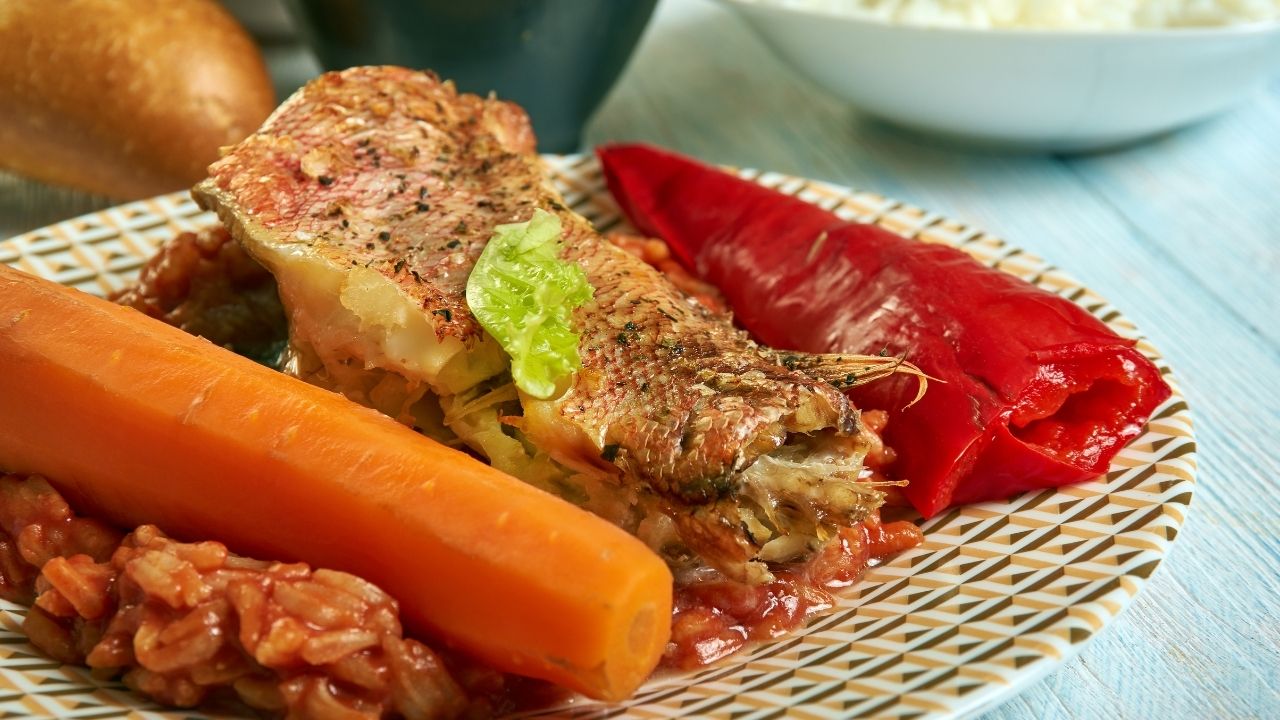
You know what makes my heart sing? When I discover a dish that transforms simple ingredients into pure magic, and thieboudienne does exactly that. This Senegalese masterpiece starts with broken jasmine rice—yes, broken rice that costs a fraction of whole grains—combined with whatever fish the day brings and vegetables from the garden. I love how Senegalese cooks take tomato paste, onions, and a handful of spices to create this vibrant, one-pot wonder that feeds entire families without breaking anyone’s budget. The beauty lies in its flexibility; you can swap ingredients based on what you have, making it accessible to households across economic lines.
What moves me most about thieboudienne is how it represents the genius of resourceful cooking. The dish teaches us that you don’t need expensive proteins or exotic ingredients to create something deeply satisfying and nutritious. I’ve adapted this recipe in my own kitchen, using local vegetables and whatever fish I find on sale, and every single time, it reminds me why simple cooking resonates so powerfully. The slow-building flavors from that beautiful tomato base, the way the rice absorbs all those incredible juices, and how vegetables become tender and sweet—this is food that nourishes both body and soul while proving that humble ingredients can create the most memorable meals.
Millet Porridge (Sahel Region)
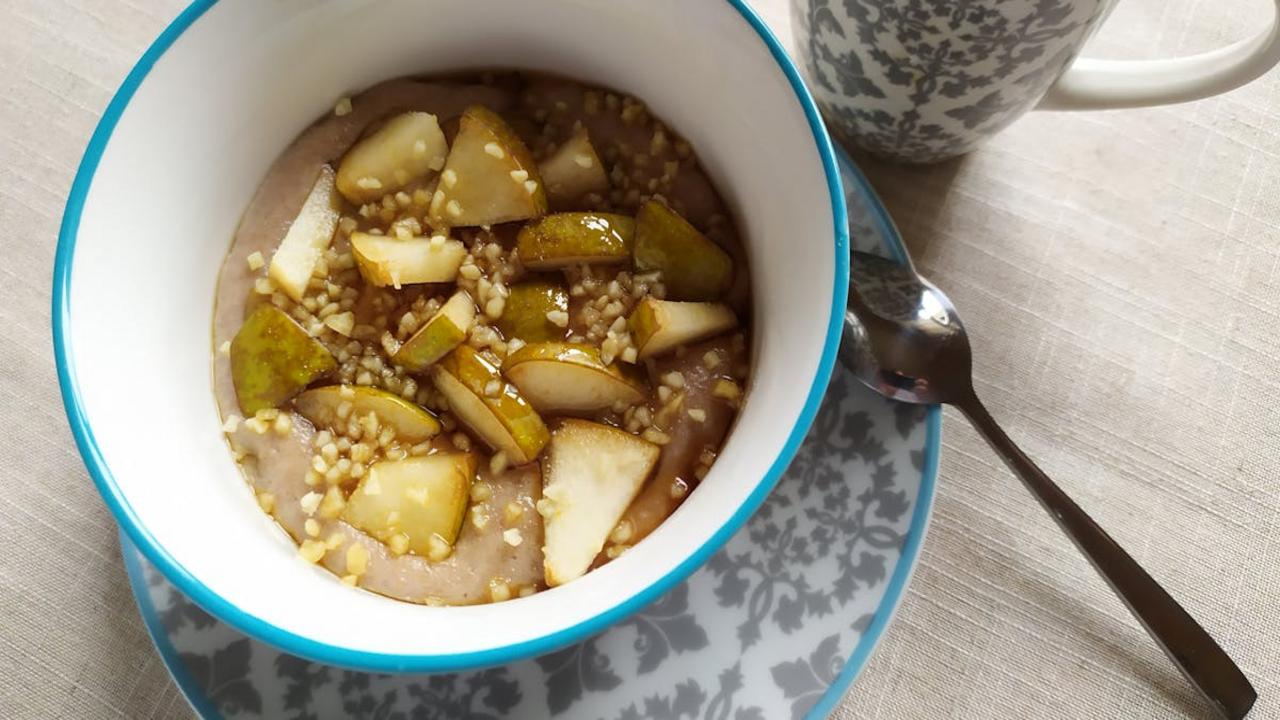
You know what amazes me about millet porridge? This tiny grain carries entire communities through harsh seasons in the Sahel region of Africa. I’ve worked with millet in my own kitchen, and I can tell you – this grain doesn’t get nearly enough credit. Unlike rice or wheat that need abundant water, millet thrives in dry conditions, making it a lifeline for families in Mali, Niger, and Burkina Faso. When you cook millet porridge, you’re creating something that has sustained generations through droughts and difficult times.
The beauty of millet porridge lies in its simplicity and versatility. You start with whole millet grains, toast them lightly to bring out their nutty flavor, then simmer them slowly with water until they break down into a creamy, satisfying bowl. Families often add whatever they have – a handful of groundnuts, some dried fish, or locally foraged greens. I love how this dish adapts to what’s available while providing complete nutrition. The protein content surprises people, and millet delivers minerals like iron and magnesium that growing bodies desperately need. One pot feeds many mouths, stretches ingredients beautifully, and creates warmth that goes beyond just filling stomachs.
Dal Bhat (Nepal)
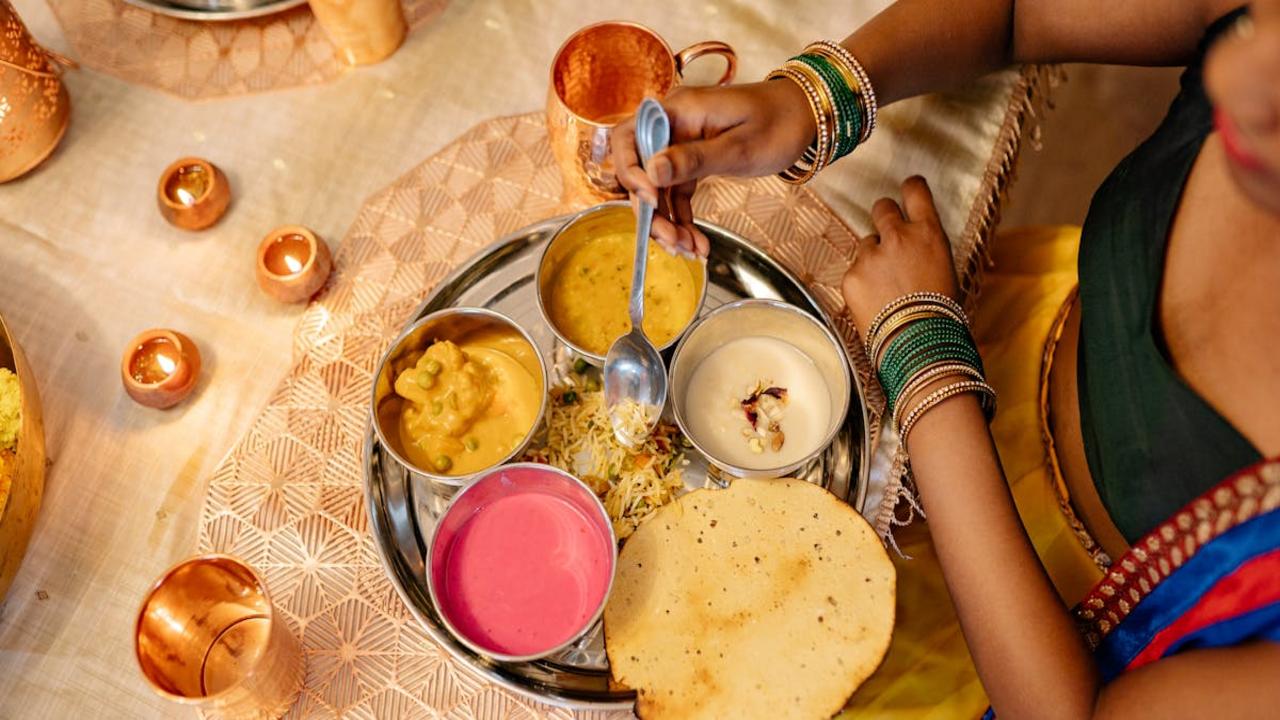
You know that feeling when you find a meal so perfectly balanced it becomes your daily anchor? That’s dal bhat for millions across Nepal. This isn’t just food—it’s a complete nutritional symphony served on a single plate. Picture fluffy steamed rice paired with creamy lentil curry, accompanied by pickled vegetables, fresh greens, and whatever seasonal vegetables the family can gather. I’ve watched home cooks in Kathmandu transform simple red lentils into something magical with nothing more than turmeric, cumin, and a touch of ginger.
What moves me most about dal bhat is its beautiful simplicity and completeness. The rice provides energy, the lentils offer protein and fiber, while the accompanying vegetables add vitamins and minerals your body craves. Families prepare this twice daily, and the ritual never gets old because each cook adds their personal touch—maybe a sprinkle of fenugreek seeds or a dollop of homemade ghee. You can create this nourishing bowl anywhere in the world with basic pantry staples. The magic happens when you taste how these humble ingredients come together to create something so satisfying that it keeps entire communities strong and healthy, meal after meal, generation after generation.
Cassava Porridge (Sub-Saharan Africa)
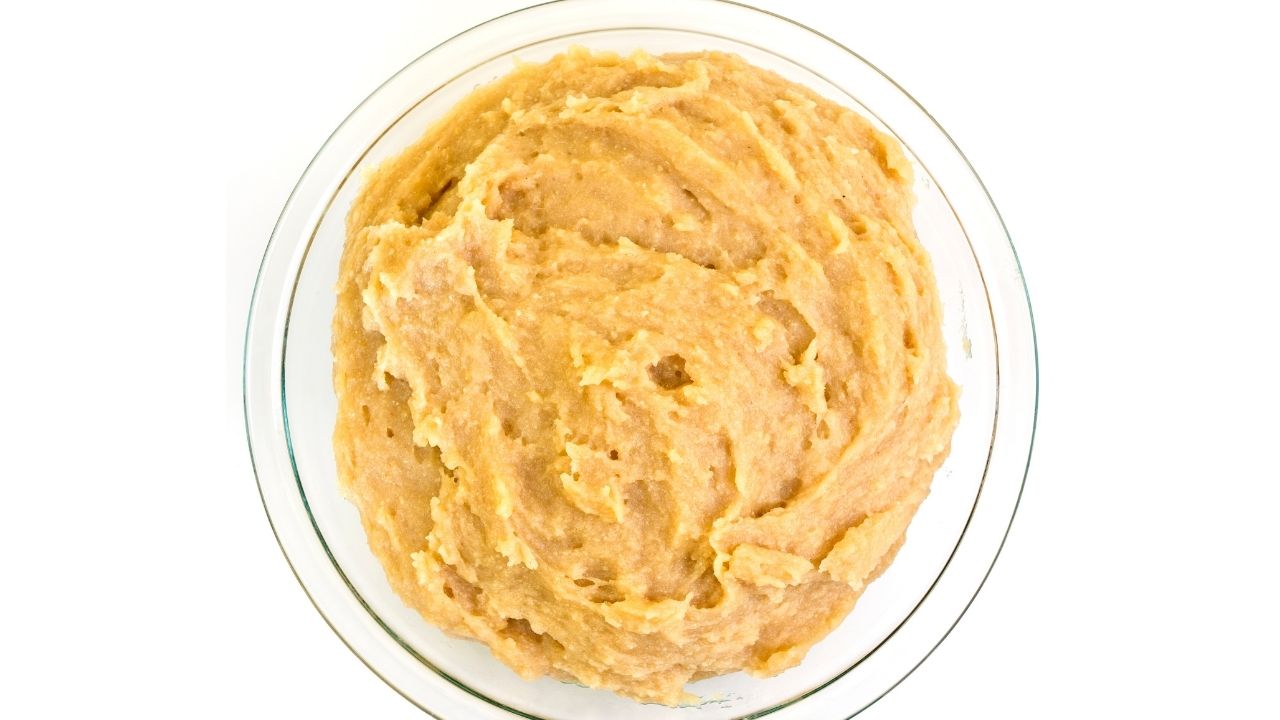
You know that feeling when you discover a simple ingredient that transforms everything? That’s cassava for millions across Sub-Saharan Africa. This starchy root becomes a creamy, satisfying porridge that fills bellies and nourishes families on the smallest budgets. I love how cassava works—you can boil it, mash it, or grind it into flour for countless preparations. The porridge version particularly speaks to my heart because it shows how one humble ingredient can become something comforting and complete.
What makes cassava porridge brilliant is its adaptability. You start with the basic recipe—cassava flour cooked with water until thick and creamy—then build from there. Add a handful of groundnuts for protein, stir in some palm oil for richness, or throw in whatever vegetables you have on hand. I’ve experimented with similar techniques using other root vegetables, and the principle remains the same: simple ingredients, cooked with intention, create meals that sustain both body and spirit. This porridge proves that nourishing food doesn’t need complexity, just care and creativity.
Lentils and Rice (South Asia)
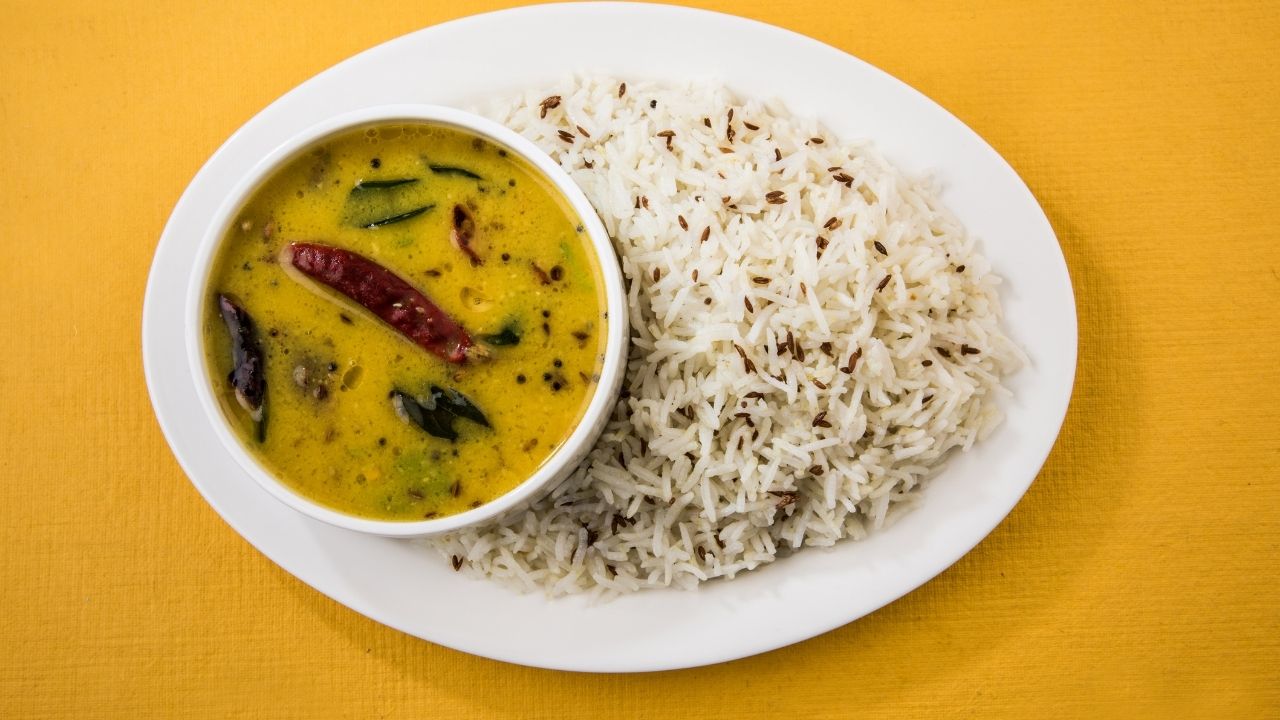
You know, every time I cook dal and rice in my kitchen, I’m reminded of the incredible power this simple combination holds. Across South Asia, from bustling Mumbai streets to quiet Bangladeshi villages, lentils paired with rice create complete protein magic that has sustained millions for generations. I love how this humble duo transforms with just a few spices—turmeric, cumin, maybe some ginger—into something that nourishes both body and soul. The beauty lies in its simplicity: red lentils break down into creamy comfort, yellow ones hold their shape with pride, and black lentils become rich and earthy. Each variety tells its own story on your plate.
What moves me most about this dish is how it democratizes nutrition. You don’t need expensive ingredients or fancy techniques to create a meal that delivers complete amino acids, fiber, iron, and folate. I often make my version with whatever lentils I have on hand, tempering them with mustard seeds and curry leaves, then serving over perfectly steamed basmati. The aroma alone transports you, but the real magic happens when you realize you’re eating the same combination that feeds families spending less than two dollars a day. This isn’t just food—it’s proof that the most profound nourishment often comes from the earth’s simplest gifts, prepared with love and shared with gratitude.
Ugali (East Africa)
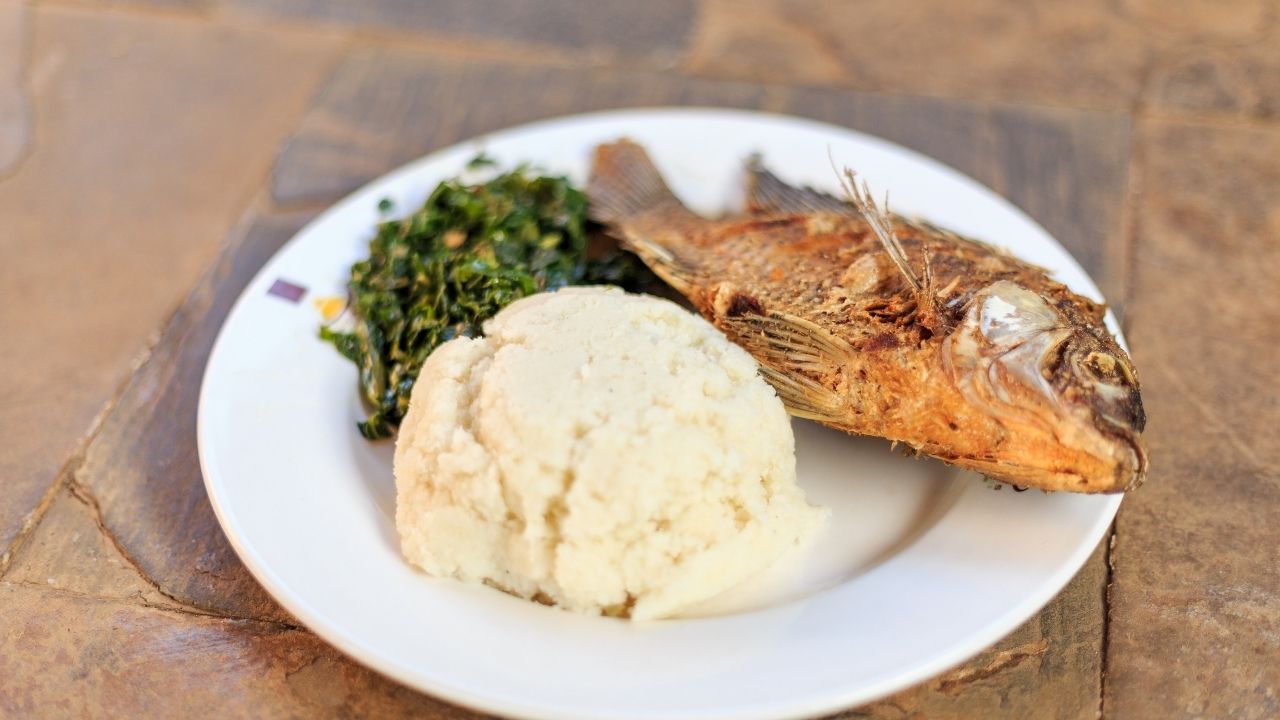
Friend, I want you to understand something beautiful about ugali – this simple cornmeal porridge feeds millions across East Africa every single day. You take just two ingredients: white cornmeal and water. That’s it. But watch what happens when you stir them together over gentle heat. The mixture transforms into something magnificent, a creamy, moldable base that becomes the foundation for countless meals. In Kenya, Tanzania, and Uganda, mothers teach their daughters the perfect consistency – thick enough to shape with your hands, smooth enough to scoop up stews and vegetables.
What moves me most about ugali is how it brings people together around shared bowls. You roll small portions between your palms, creating little boats to carry spicy sukuma wiki (collard greens) or fragrant bean stews. The beauty lies in its neutrality – ugali never competes with other flavors but supports them completely. I’ve learned that the real magic happens in your technique: add the cornmeal gradually while stirring constantly to prevent lumps. Your arm will get tired, but this motion creates that perfect, pillowy texture that makes ugali so satisfying. This dish proves that nourishment doesn’t require complexity, just care and intention in every stir.
Maíz Tortillas (Mexico)
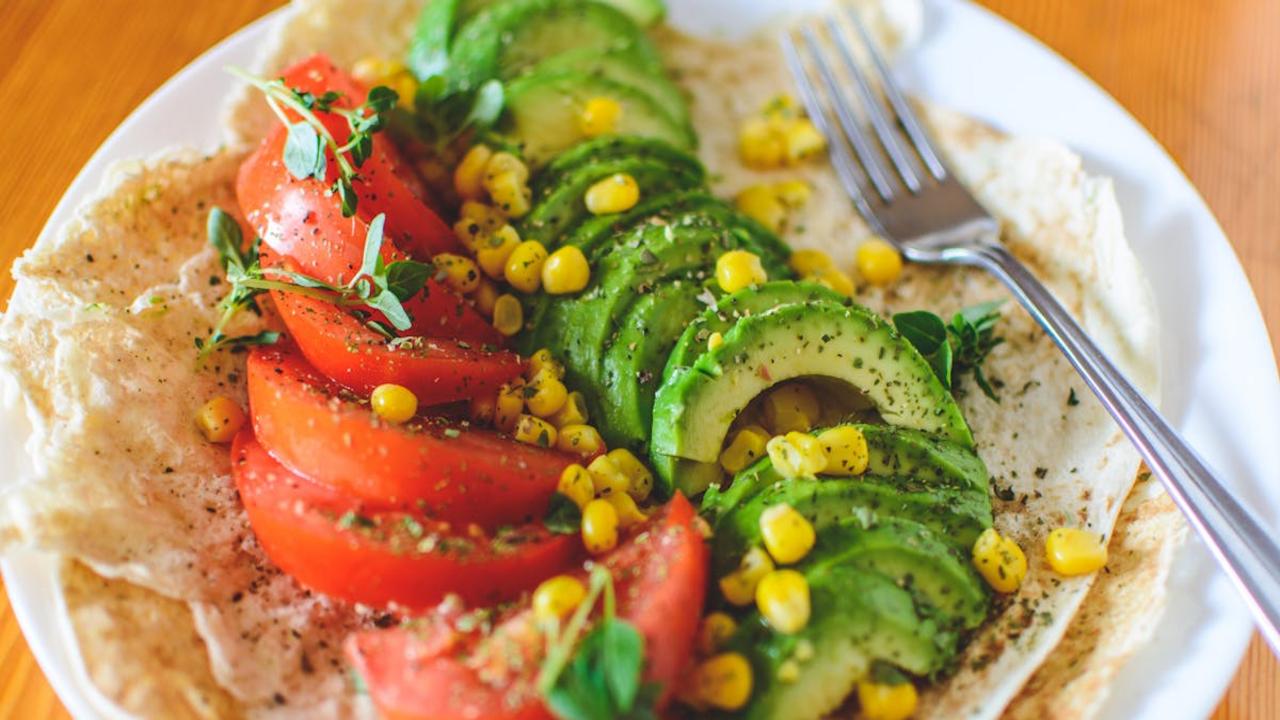
You know what amazes me about corn tortillas? They represent thousands of years of ingenuity wrapped in something so beautifully simple. I’ve watched abuelitas in Mexico transform dried corn kernels into masa using nothing but cal (lime water) and generations of wisdom. This ancient nixtamalization process doesn’t just make the corn pliable—it actually boosts the nutritional value, making niacin available and increasing calcium content. When you press that soft masa between your palms and hear it sizzle on a hot comal, you’re participating in a ritual that has sustained entire civilizations.
What moves me most about tortillas is how they democratize nutrition. A single tortilla provides protein, fiber, and B vitamins for just pennies, making it accessible to families stretching every peso. I’ve seen street vendors serve elaborate meals using tortillas as both plate and utensil—filled with beans, wrapped around eggs, or simply warmed with a sprinkle of salt. In rural communities where processed bread remains expensive, families still gather around griddles, turning corn into sustenance with their own hands. This isn’t just food; it’s cultural preservation served warm, connecting the poorest communities to their ancestral strength while nourishing bodies and souls.
Fufu and Egusi Soup (West Africa)
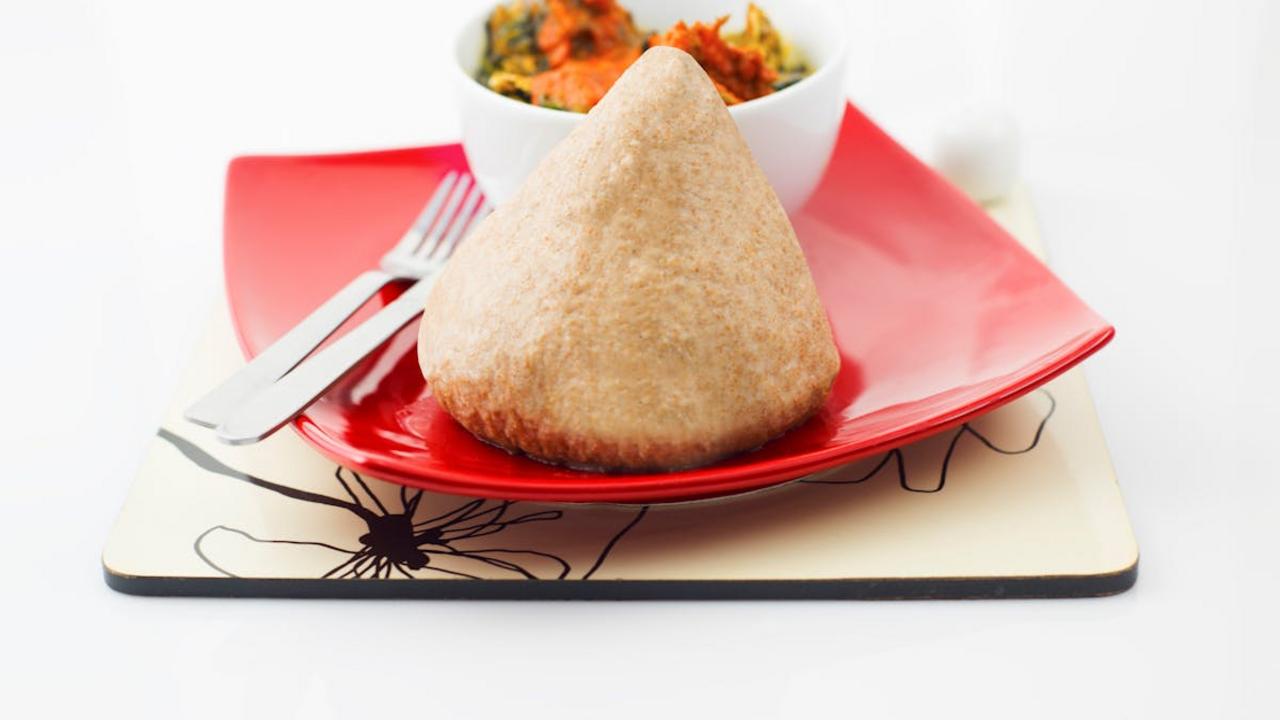
When you think about comfort food that truly sustains communities across West Africa, fufu paired with egusi soup represents everything I believe cooking should be—nourishing, accessible, and deeply rooted in tradition. This combination transforms simple ingredients into something magnificent. Fufu, made from pounded cassava, yam, or plantain, creates the perfect starchy base that soaks up every drop of flavor. Meanwhile, egusi soup brings together ground melon seeds, leafy greens like spinach or bitter leaf, and whatever protein families can afford—fish, meat, or sometimes just the rich, nutty flavor of palm oil.
What moves me most about this dish is how it demonstrates the brilliance of resourceful cooking. You don’t need fancy ingredients or complicated techniques—just fresh vegetables, aromatic spices, and patience to let the flavors develop. The melon seeds create a naturally thick, protein-rich base that fills you up and keeps you satisfied for hours. I’ve watched home cooks transform a handful of greens and seeds into a feast that feeds an entire family. This soup teaches us that nutrition doesn’t require expensive supplements when you understand how to combine whole foods thoughtfully. The communal way of eating fufu—gathering around one bowl, sharing with your hands—reflects the spirit of community that keeps these traditions alive across generations.
Rice and Beans (Central America)
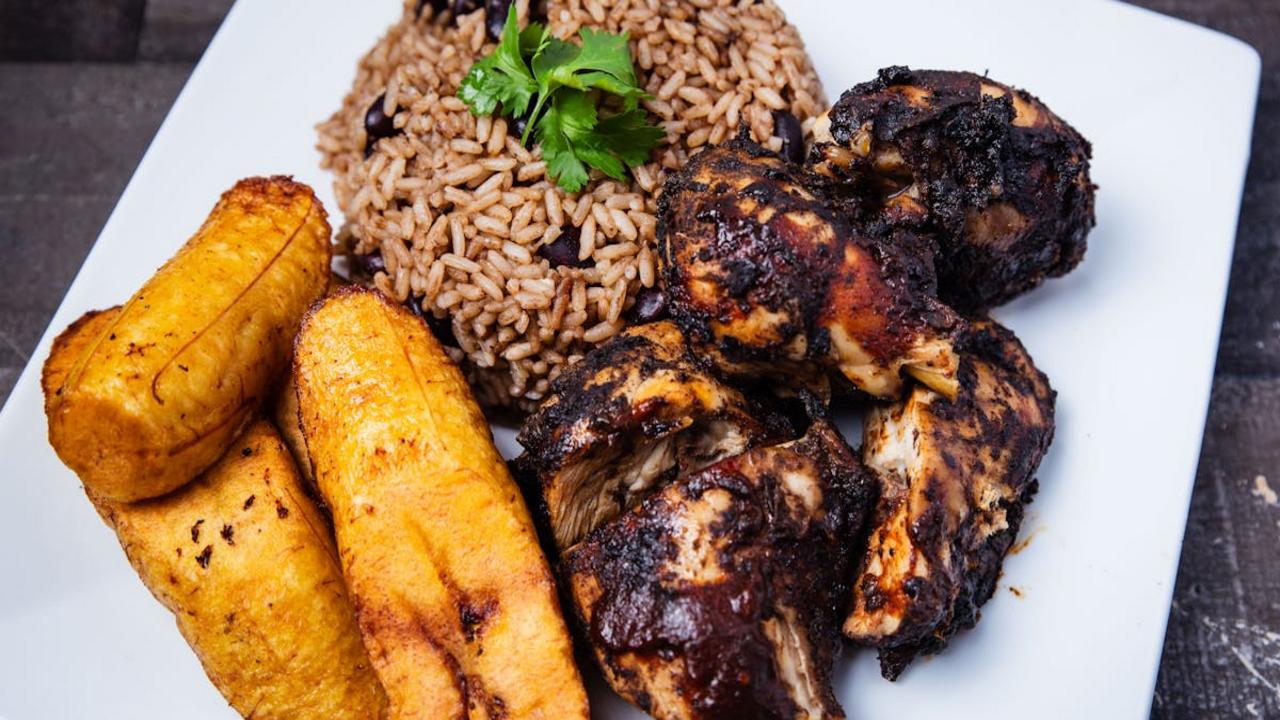
You know that feeling when you open your pantry and wonder how to create something satisfying from the simplest ingredients? In Central America, families have perfected this everyday magic with rice and beans – a combination so fundamental that it appears on tables from Guatemala to Costa Rica multiple times each day. I’ve watched home cooks transform these humble staples into something that nourishes both body and soul, using nothing more than a sofrito base of onions, garlic, and bell peppers, maybe a bay leaf or two if they’re lucky.
What strikes me most about this dish is how it proves that nutrition doesn’t require complexity or expense. These two ingredients together form a complete protein, delivering all the amino acids your body needs to thrive. The black beans common in many Central American versions bring iron and fiber, while the rice provides energy and B vitamins. I love how each family adds their own signature – some stir in a splash of coconut milk, others add a pinch of cumin or a diced tomato. The beauty lies in its adaptability and how it stretches to feed whoever shows up at the table, making it the ultimate expression of hospitality in communities where sharing what little you have defines daily life.