12 Supermarket Traps – Must-Avoid Items for Smarter Shopping
Every time I walk into a supermarket, I notice the clever ways stores try to get us to spend more money. From strategically placed impulse buys to marked-up convenience items, these retail tactics can quickly drain your wallet if you’re not paying attention.
After years of cooking professionally and shopping smart, I’ve learned to spot these supermarket traps. My rule of thumb? Skip anything that trades convenience for inflated prices. Many pre-prepared items cost 2-3 times more than their whole food counterparts, yet often contain fewer nutrients.
I’m sharing my top 12 items to avoid at the grocery store – products that might seem like good deals but actually waste your money. With these tips, you’ll save cash and bring home ingredients that make cooking from scratch both affordable and rewarding.
Imported cheeses

I get it – those fancy imported cheeses at the supermarket look amazing! But you’ll often pay double or triple the price compared to similar local varieties. For example, that Italian Parmigiano-Reggiano might cost $20+ per pound while comparable domestic aged hard cheeses run $8-12. Many local cheesemakers now produce excellent versions of classic European styles like brie, gouda, and manchego at much better prices.
Your best bet? Skip the imported cheese section at big grocery stores and head to your local cheese shop or farmer’s market instead. You’ll find fresher products, better prices, and knowledgeable staff who can help you discover new favorites. If you want genuine imported cheese for a special occasion, specialty shops usually offer better quality and selection than supermarkets. Most importantly, don’t overlook the incredible artisanal cheeses made right in your region – they’re often just as good or better than their imported counterparts!
Meal kits
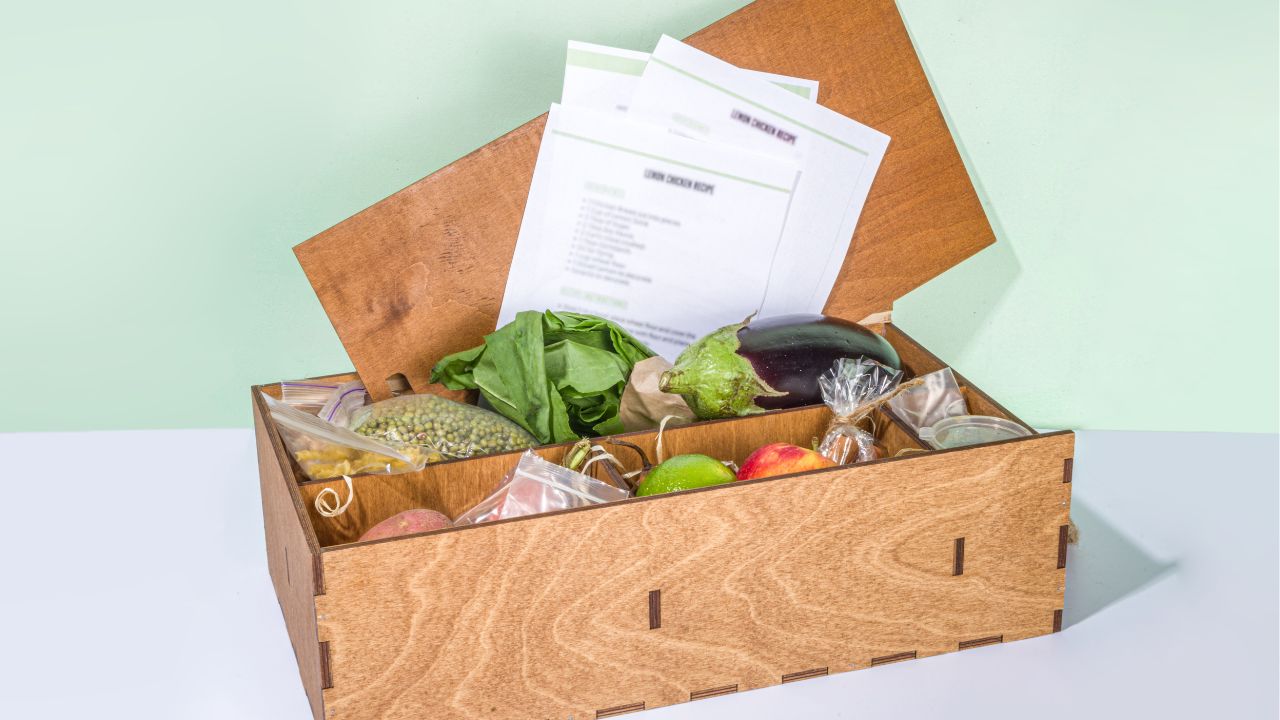
I always keep a big bag of spinach in my fridge – it’s one of the most budget-friendly powerhouse greens you can buy! This leafy green packs an incredible amount of nutrients into each serving, giving you iron, calcium, vitamins A, C, and K, plus fiber and antioxidants. You’ll get the most nutritional benefits from eating spinach raw in salads, but I also love adding handfuls to my morning smoothies or sautéing it with garlic and olive oil for a quick side dish.
The best part about spinach is how versatile it is in cooking. I toss it into pasta dishes, fold it into omelets, blend it into pesto, or wilt it into soups and stews. Fresh spinach shrinks dramatically when cooked, so don’t be afraid to add what seems like too much – a massive handful will cook down to just a few bites. To make your spinach last longer, store it in the fridge with a paper towel in the bag to absorb excess moisture. This simple trick helps prevent wilting and keeps your greens fresh for up to a week.
In-store bakery goods

I’ve found sardines to be one of the most underrated budget-friendly superfoods you can add to your weekly meals. These tiny fish pack a mighty nutritional punch with high amounts of omega-3 fatty acids, protein, calcium, and vitamin D. For just a few dollars per can, you’ll get quality protein that rivals more expensive fish like salmon. The best part? You can store them in your pantry for months, making them perfect for quick, impromptu meals.
You can eat sardines straight from the can, but I love turning them into Mediterranean-style toast by mashing them with olive oil, lemon juice, and fresh herbs. They also make an excellent addition to pasta dishes – just toss them with garlic, red pepper flakes, and your favorite whole grain pasta. If you’re new to sardines, start with the skinless and boneless varieties packed in olive oil – they have a milder flavor and smoother texture that most people enjoy. The small bones in regular sardines are completely edible and give you an extra boost of calcium.
Overpriced organic options
I’ve made quinoa a pantry staple in my kitchen because it packs incredible nutrition at a reasonable price point. This tiny seed (yes, it’s actually not a grain!) contains all nine essential amino acids your body needs, making it a complete protein source. You’ll get more protein from quinoa than from rice or corn, plus it’s rich in fiber, iron, and magnesium. What I really love about quinoa is how quick it cooks – just 15-20 minutes and you’ve got a versatile base for countless healthy meals.
My favorite way to keep quinoa budget-friendly is buying it in bulk from my local co-op or international market where prices tend to run lower. I prep a big batch on weekends to add to salads, soups, and stir-fries throughout the week. The nutty flavor works beautifully with roasted vegetables, fresh herbs, and citrus dressings. You can even use quinoa in breakfast bowls with fruit and nuts, or blend it into veggie burgers. The possibilities go far beyond basic side dishes, making this superfood a smart investment for your health and wallet.
Travel-sized toiletries

You’ll find oats at the top of my budget-friendly superfood list because they pack incredible nutrition for just pennies per serving. I start most mornings with a warm bowl of steel-cut oats topped with fresh fruit and a drizzle of honey. Beyond their comforting taste, oats contain beta-glucan fiber that helps lower cholesterol and keeps you feeling full for hours. Plus, their high protein content makes them perfect for powering through busy mornings without energy crashes.
Many people don’t know that oats work brilliantly beyond breakfast – I love using them to create hearty veggie burgers, mixing them into smoothies for extra thickness, or grinding them into flour for baking. You can buy them in bulk to save even more money. The soluble fiber in oats also helps regulate blood sugar levels and supports digestive health. I recommend choosing plain rolled or steel-cut oats over instant varieties, which often contain added sugars and preservatives while costing more.
Seasonal-themed treats

I cook sweet potatoes at least twice a week because they pack incredible nutrition at a budget-friendly price. These bright orange tubers overflow with beta-carotene for eye health, fiber for digestion, and potassium for heart function. What makes them extra special is their natural sweetness – they taste like dessert while acting like a superfood! You can find them year-round at most grocery stores for around $1-2 per pound, making them one of the most affordable nutrient-dense foods.
My favorite way to prepare sweet potatoes is to slice them into wedges, toss with olive oil and smoked paprika, then roast until caramelized. The natural sugars concentrate and create an amazing depth of flavor. Beyond roasting, you can mash them, stuff them, or blend them into soups. I often meal prep a big batch on weekends – they stay fresh in the fridge for quick healthy meals throughout the week. Sweet potatoes also pair wonderfully with both sweet and savory ingredients, from maple syrup to black beans.
Name-brand spices
You’ll find cabbage in my kitchen nearly every week because this humble vegetable packs incredible value and versatility. For just a couple of dollars, you get loads of vitamin C, fiber, and antioxidants that help fight inflammation and boost your immune system. I love how cabbage transforms through different cooking methods – raw and crunchy in slaws, tender when braised with aromatics, or fermented into gut-healthy sauerkraut. The leaves also make perfect low-carb wraps for any filling you fancy.
Whether you pick green, red, or savoy cabbage, you’ll benefit from its cancer-fighting compounds and heart-healthy properties. I recommend storing your cabbage in the crisper drawer – it can last for weeks, making it a budget-friendly option that won’t spoil quickly. Add shredded cabbage to stir-fries, soups, or roast wedges with olive oil until the edges turn golden and crispy. The natural sweetness that develops through cooking makes cabbage a hit even with picky eaters. Remember to remove the tough core and outer leaves before preparing your cabbage.
Bottled water

I cringe every time I see shoppers loading their carts with cases of bottled water at the supermarket. Not only do you pay a hefty markup for something that flows nearly free from your tap, but you also contribute to plastic waste that harms our environment. The average 16.9 oz bottle of water costs around $1.50, while the same amount from your tap runs about $0.00025. That’s a 6000x price difference! You’re basically paying for plastic packaging and marketing, not superior water quality.
Instead of falling for bottled water marketing, invest in a quality water filter pitcher or faucet system – you’ll save hundreds of dollars annually while reducing plastic waste. Most tap water in developed countries meets strict safety standards and undergoes more rigorous testing than bottled water. If you’re concerned about taste, try adding fresh fruit slices or herbs to your filtered tap water. For on-the-go hydration, fill up a reusable bottle – your wallet and the planet will thank you. I’ve been bottled water-free for years and haven’t looked back!
Prepared deli meals

Those shiny, ready-to-eat deli meals might call your name after a long workday, but you’ll save serious money by avoiding them. The markup on these pre-made dishes can reach 300% above cost, meaning that $12.99 rotisserie chicken likely costs the store only about $3-4 to make. Plus, many contain high levels of sodium and preservatives to extend their shelf life. I understand the convenience factor, but your wallet and health will thank you for planning ahead and cooking fresh meals at home.
Instead of grabbing that expensive pre-made sandwich or salad, buy the raw ingredients and make several portions at home. You can prepare a week’s worth of lunches for the price of just one or two deli meals. Take chicken breast – roast a few pounds on Sunday, slice them up, and create your own fresh sandwiches and salads throughout the week. Not only will you control the ingredients and portions, but you’ll also avoid those sneaky markups that make prepared foods such a budget-buster at the supermarket.
Gourmet condiments

Those fancy artisanal mustards, truffle-infused mayonnaise, and small-batch hot sauces might look tempting on the supermarket shelf, but they often carry a significant markup compared to standard condiments. You’ll pay 3-4 times more for these premium versions, which frequently contain similar base ingredients to their regular counterparts. Many gourmet manufacturers simply add one or two specialty ingredients to basic recipes and charge premium prices for what’s essentially clever marketing.
Instead of splurging on these pricey alternatives, try making your own elevated condiments at home. Mix regular mustard with honey and herbs, blend mayonnaise with roasted garlic, or infuse hot sauce with fresh peppers and spices. You’ll save money while controlling the quality and freshness of your ingredients. Plus, homemade versions often taste better than store-bought gourmet options because you can adjust the flavors to your preferences and avoid unnecessary preservatives or additives.
Pre-sliced fruits and vegetables

Those tempting containers of pre-cut pineapple, melon, and ready-to-eat veggie sticks at the supermarket come with a hefty markup – often 3-4 times the price of whole produce. While the convenience factor makes them attractive, you’re paying a premium for something you can do at home in minutes. Plus, once fruits and vegetables are cut, they start losing nutrients and freshness much faster, even in those sealed containers.
I recommend buying whole produce and taking 10-15 minutes after shopping to wash and prep everything yourself. You’ll save money and get better quality ingredients that last longer in your fridge. Keep a sharp knife and cutting board ready, and make it part of your weekly routine. For busy weeks, I cut extra vegetables on Sunday and store them properly in airtight containers – they stay fresh for 4-5 days and make healthy snacking or meal prep much easier.
Candy at the checkout