15 Incredible Fruits and Vegetables That Stay Fresh Much Longer Than You’d Believe
Fresh produce brings life to our kitchens, but too often we rush to use everything before it spoils. The good news? Many fruits and vegetables keep far longer than you think – with the right storage techniques, you can extend their freshness for weeks or even months.
Through my years of cooking and experimenting in the kitchen, I’ve discovered incredible fruits and vegetables that maintain their quality much longer than others. From sturdy root vegetables to certain hardy fruits, these ingredients will help you reduce food waste and save money on groceries.
I want to share my top picks for long-lasting produce that will transform how you stock your kitchen. These fruits and vegetables stay fresh naturally – no special preservation methods needed. Just simple storage tips that work with their natural properties to keep them at peak quality.
Parsnips
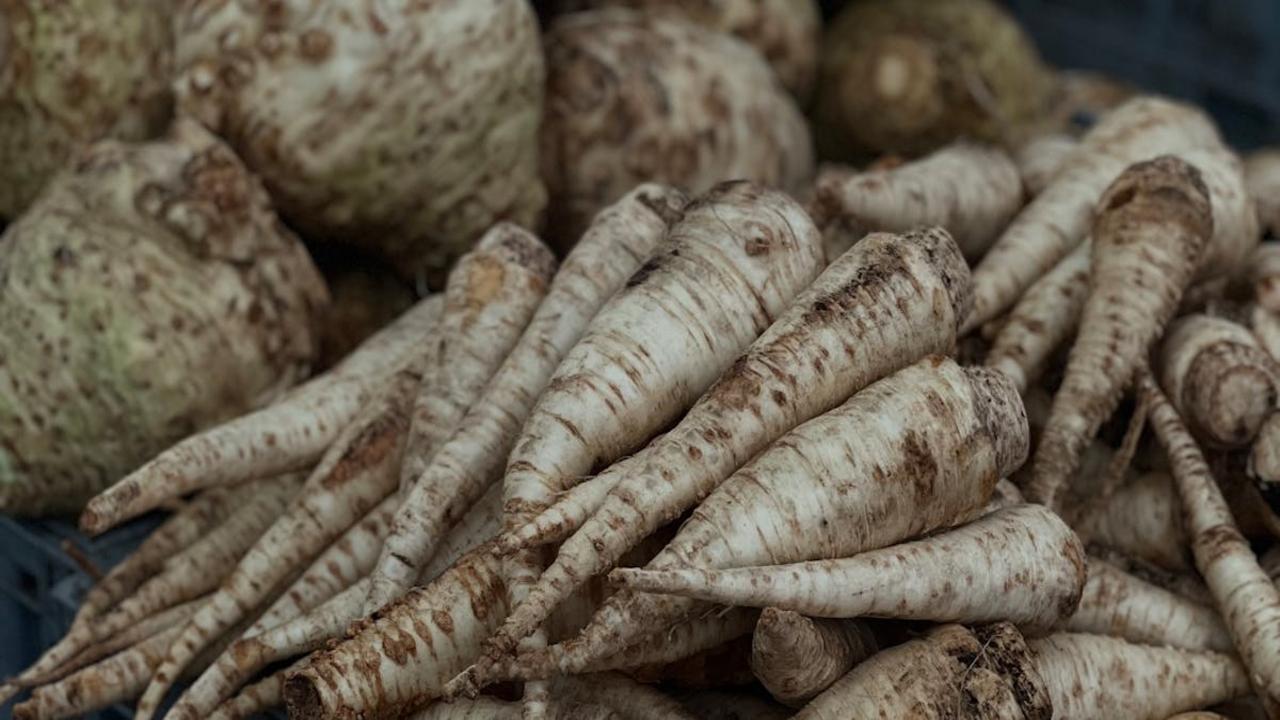
I adore parsnips for their sweet, nutty flavor and impressive shelf life – these root vegetables can stay fresh for up to 3 weeks in your fridge! Store them unwashed in a plastic bag in the crisper drawer, and they’ll maintain their firm texture and rich nutritional content. The key to maximizing their longevity lies in keeping them cold and slightly damp, but not wet. You’ll know they’re still good when they remain firm to the touch and maintain their creamy white color.
If you want to extend their life even further, wrap your parsnips individually in paper towels before placing them in the plastic bag. This method absorbs excess moisture while maintaining the right humidity level, helping them stay fresh for up to 4 weeks. Remember to trim off any green shoots that may develop, as these can drain nutrients from the root. I love having these versatile roots ready to roast with honey, puree into soups, or shred raw into winter salads – their natural sweetness intensifies during storage, making them perfect for both sweet and savory dishes.
Rutabaga
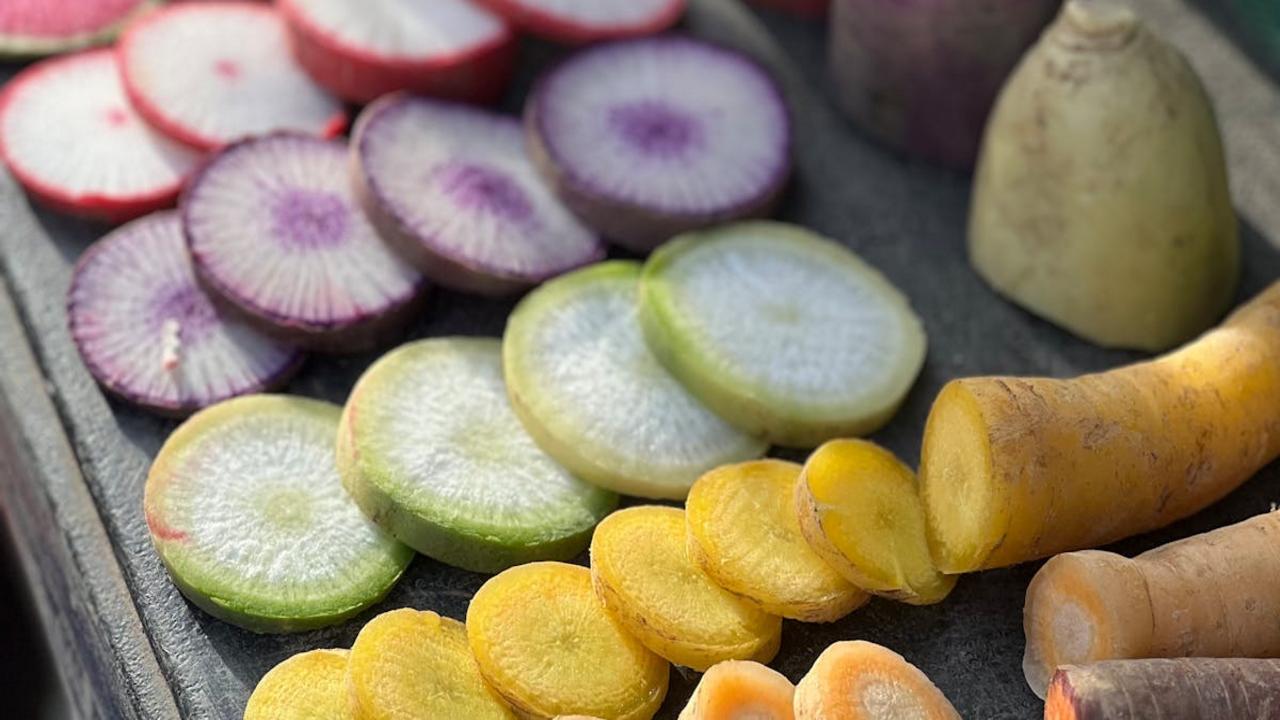
I rediscovered rutabaga recently while shopping at my local farmers market, and I can’t believe I overlooked this root vegetable for so long! The humble rutabaga brings together the best qualities of turnips and cabbage with its mild, slightly sweet flavor. What really makes rutabaga stand out is its incredible storage life – you can keep it fresh in your crisper drawer for up to 4 months if you store it properly. Just wrap it loosely in a paper bag, place it in the refrigerator’s vegetable drawer, and it will maintain its crisp texture and nutritional benefits.
Your rutabaga will stay at peak freshness if you keep the temperature between 32-40°F and maintain good air circulation. Before storing, make sure to trim off any greens but leave about an inch of the stem attached. Don’t wash the vegetable until you’re ready to use it, as excess moisture can speed up spoilage. You’ll know your rutabaga is still good when it feels firm and heavy for its size with no soft spots. I love incorporating this long-lasting root into hearty stews, roasted vegetable medleys, or mashing it with potatoes for a nutritious twist on a classic side dish.
Celery
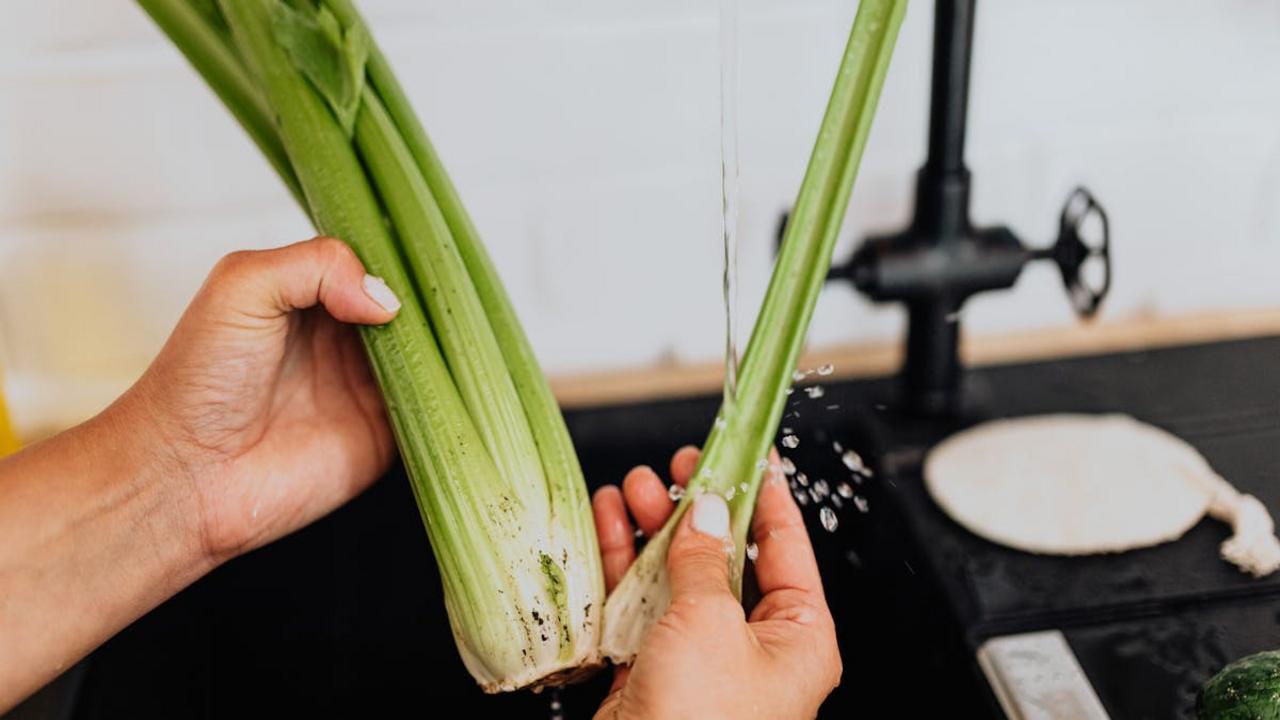
I keep my celery fresh and crisp for up to 4 weeks by wrapping it tightly in aluminum foil before storing it in the fridge’s crisper drawer. The foil helps maintain just the right amount of moisture while allowing ethylene gas to escape, preventing premature wilting. You’ll want to avoid plastic bags since they trap too much moisture and speed up spoilage. If your celery starts getting limp, trim the bottom and place the stalks in cold water for an hour – they’ll perk right back up!
My favorite trick for making celery last even longer is to prep it right after buying. I separate the stalks, wash them thoroughly, and trim off the leaves (which you can dry for seasoning). Then I cut the stalks into snack-sized pieces and store them submerged in water in an airtight container. Change the water every few days, and you’ll have fresh, crunchy celery ready for snacking or cooking for nearly a month. The water bath method keeps the celery hydrated and maintains that satisfying snap we all love.
Carrots
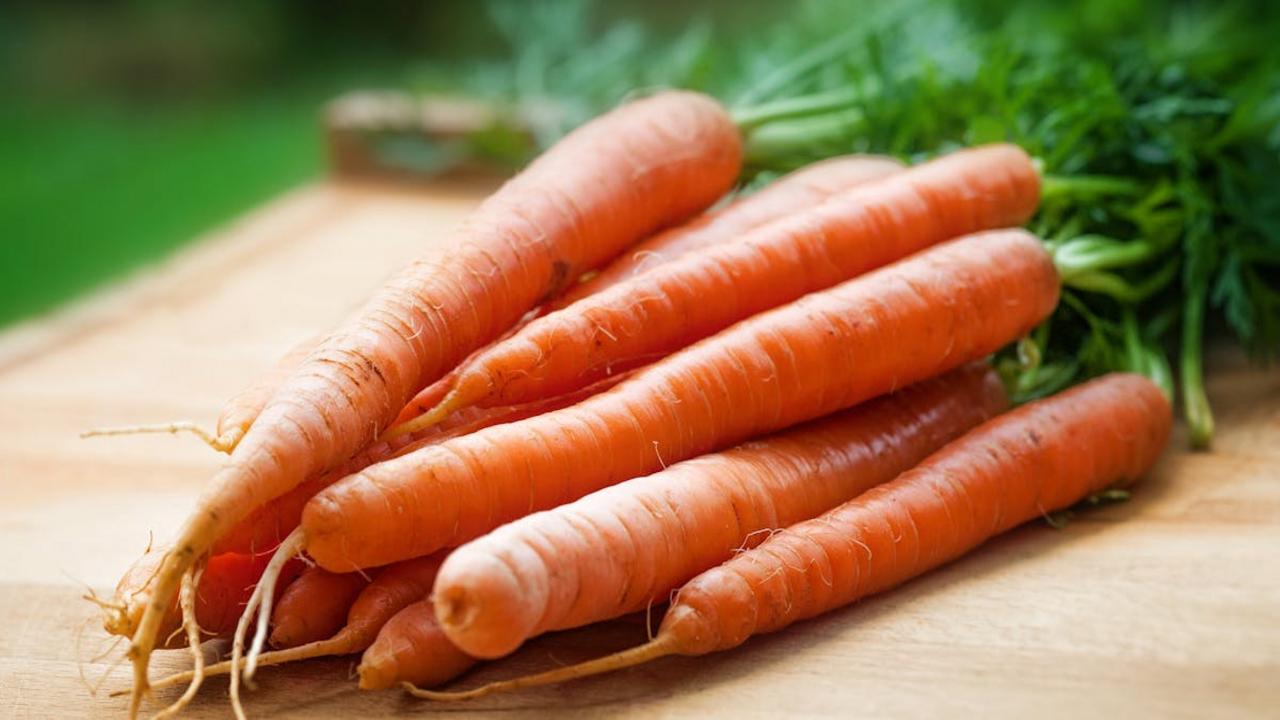
I’ve discovered the secret to keeping carrots crisp and vibrant for weeks – proper storage makes all the difference! Remove the leafy green tops immediately since they pull moisture from the roots, then wrap your carrots loosely in paper towels. Place them in a sealed plastic bag or container with small holes for airflow and store them in your crisper drawer. Your carrots will stay fresh and crunchy for 4-6 weeks using this method.
Many people don’t realize that exposure to ethylene gas from fruits like apples and pears can make carrots turn bitter quickly. Keep your carrots away from these ethylene-producing foods in your fridge. If your carrots start looking a bit limp, you can revive them by cutting off the ends and soaking them in cold water for about an hour. This simple trick restores their signature snap and crunch. By following these storage tips, you’ll always have fresh carrots ready for snacking, cooking, or juicing.
Beets
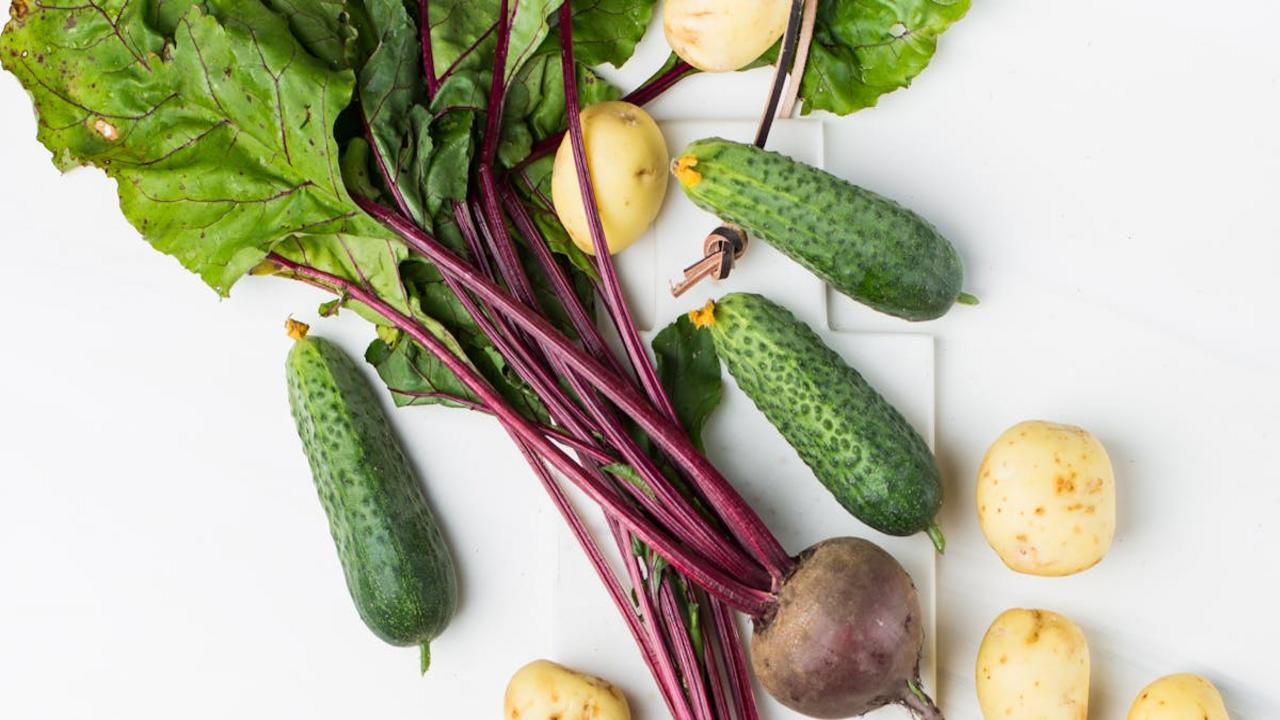
You’ll get much more value from your beets by storing them properly – these hardy root vegetables can stay fresh for 2-3 months when you know the right techniques! Start by cutting off the greens, leaving about 2 inches of stem attached to prevent moisture loss and bleeding. Place your unwashed beets in a plastic bag with small holes for airflow, then keep them in your crisper drawer. The cool, slightly humid environment helps maintain their firm texture and sweet, earthy flavor for weeks.
Raw beets contain natural compounds that give them impressive staying power compared to many other vegetables. I recommend checking them periodically and removing any that show signs of softening. For extra longevity, avoid washing beets until you’re ready to use them – moisture accelerates spoilage. If you notice condensation forming in the storage bag, add a paper towel to absorb excess moisture. With proper storage, your beets will keep their nutrients and remain ready for roasting, juicing, or adding to salads whenever you need them.
Cabbage
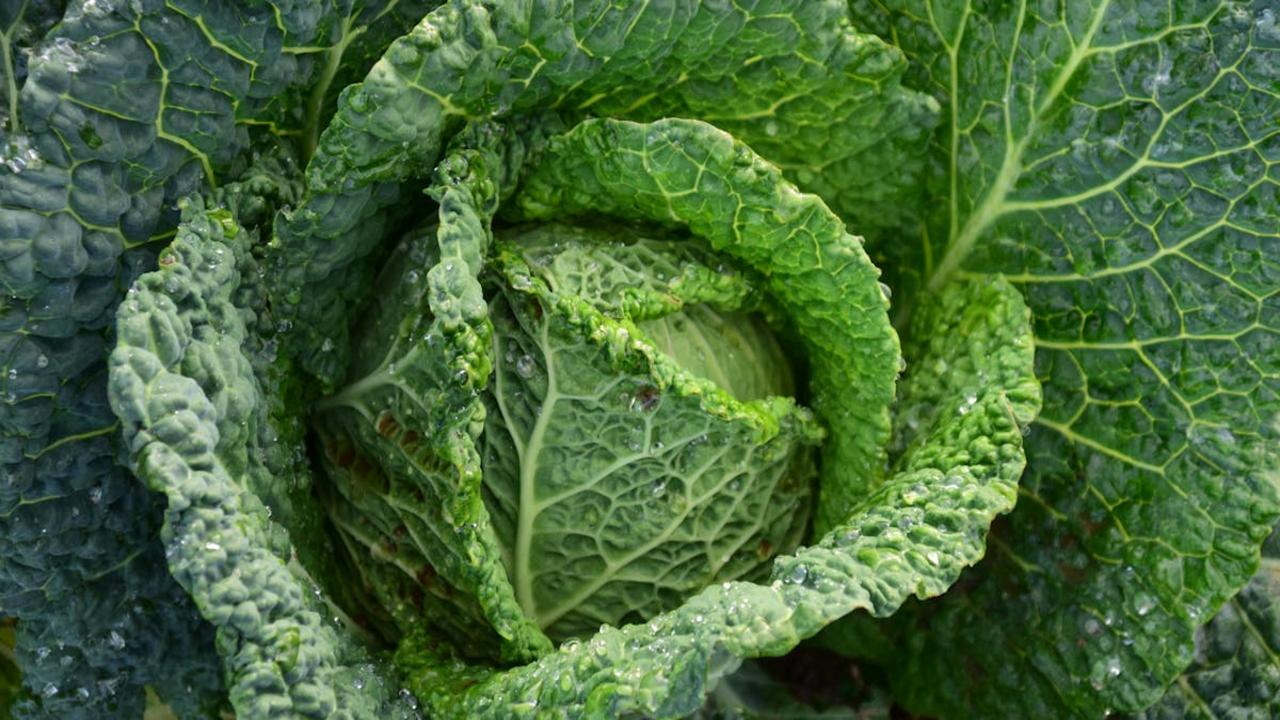
I keep a head of cabbage in my fridge drawer for weeks without any signs of spoilage – you’ll get 2-3 months of freshness when stored properly! The thick, sturdy leaves naturally protect the inner core, making cabbage one of the longest-lasting vegetables around. Just wrap your whole cabbage head loosely in plastic or store it in a produce bag with a few air holes. The key is keeping it dry and cool around 40°F in your crisper drawer.
You can maximize your cabbage’s lifespan by only cutting what you need and leaving the rest intact. Once cut, use the exposed parts within 3-4 days. I’ve learned through years of cooking that slightly wilted outer leaves don’t mean the whole cabbage has gone bad – simply peel those off to reveal fresh, crisp layers underneath. A properly stored cabbage maintains its nutritional value and crisp texture, ready for coleslaw, stir-fries, or my favorite quick-pickled side dishes whenever you need it.
Winter squash
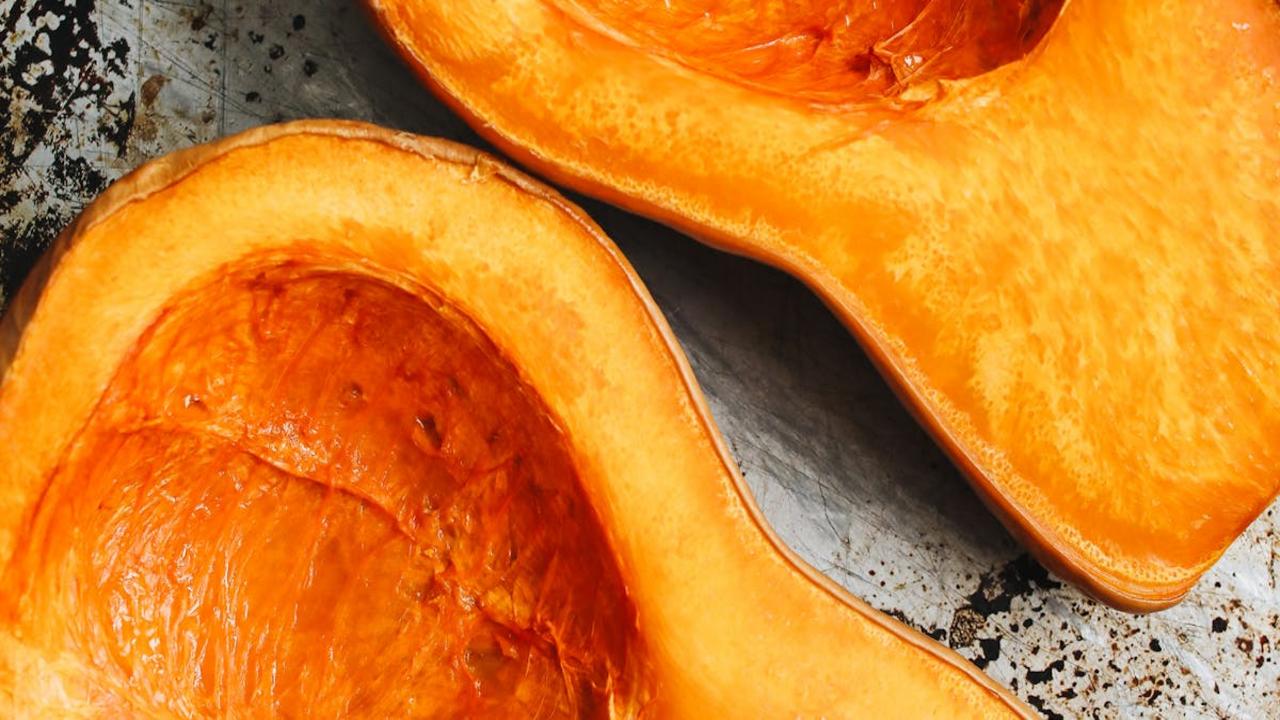
Your winter squash will remain fresh and ready to use for up to 6 months when you store it correctly! I keep mine in a cool, dark spot in my pantry at around 50-55°F (10-13°C). The thick, protective rind of varieties like butternut, acorn, and kabocha squash acts as a natural shield, preventing moisture loss and maintaining the sweet, nutty flesh inside. Just make sure your squash has no cuts or soft spots before storing, as these can lead to early spoilage.
The beauty of winter squash lies in its adaptability – you can transform it into warming soups, roast it with herbs, or stuff it with grains and proteins for a complete meal. I love buying several squash during peak season when prices are lower and quality is at its best. Remember to keep your squash away from apples and pears during storage, as these fruits release ethylene gas that can speed up ripening. With proper storage, you’ll have this nutrient-rich vegetable available throughout the colder months.
Quince

I discovered quince while cooking through my grandmother’s old recipes, and this unique fruit has become my secret weapon for extending produce shelf life. You can store quinces in your refrigerator’s crisper drawer for up to three months – far longer than most other fruits! The thick, fuzzy skin and dense flesh naturally protect the fruit from spoilage, making it an excellent choice for long-term storage. Just pick firm, yellow quinces without any bruising and wrap them loosely in a paper bag before refrigerating.
While raw quinces are too tough and tart to eat, their transformation through cooking creates incredible dishes. You’ll find quinces maintaining their quality even after extended storage, ready to be turned into jams, preserves, or traditional desserts. The fruit actually develops a deeper, more complex flavor profile during storage as its starches convert to sugar. I recommend checking your quinces occasionally during storage and removing any that show signs of softening or decay to protect the rest of your batch. Store them away from other produce since quinces release ethylene gas that can speed up ripening in nearby fruits.
Pears
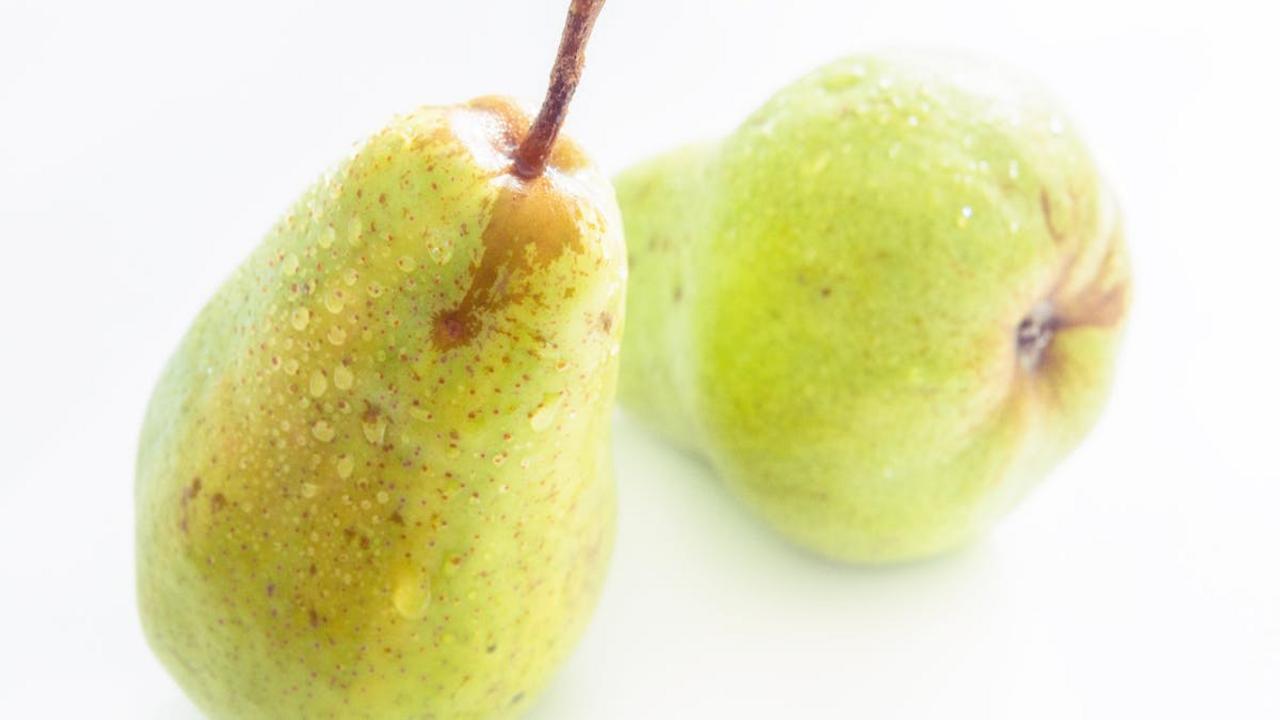
I absolutely adore pears for their sweet, delicate flavor and versatility in both cooking and baking. The key to keeping these beauties fresh lies in understanding their ripening process. Unlike many fruits that you can store at room temperature, pears need special attention – I recommend storing them in your refrigerator’s crisper drawer at around 40°F (4°C). This way, they’ll stay good for 3-4 weeks, giving you plenty of time to enjoy them at their peak!
My favorite trick is to check the ripeness of pears near their stem – if it yields slightly to gentle pressure, they’re perfect for eating. For the longest shelf life, buy slightly underripe pears and store them in a plastic bag with a few holes punched in for airflow. This prevents excess moisture while maintaining the right humidity. Remember to keep pears away from strong-smelling foods in your fridge, as they tend to absorb odors easily. Take them out a few days before you want to eat them and let them ripen at room temperature for the best flavor and texture.
Watermelon
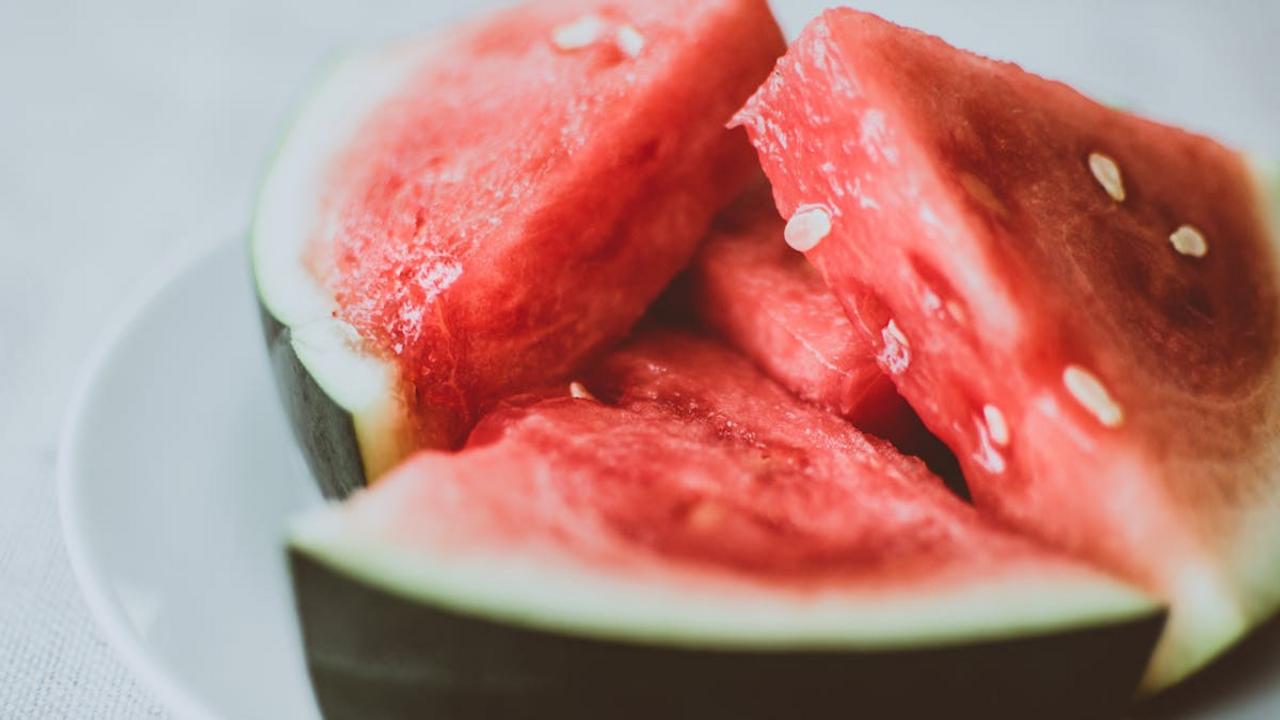
I store watermelons in my fridge and they stay fresh for a solid 2-3 weeks! If you buy a whole watermelon, keep it at room temperature until you cut it open. The thick rind acts like natural armor, protecting all that sweet, juicy goodness inside. Once you slice into it though, wrap the cut portions tightly in plastic wrap or store them in airtight containers before refrigerating – this prevents the flesh from drying out and absorbing other food odors.
You can maximize your watermelon’s shelf life by checking for freshness before buying. Pick one that feels heavy for its size and has a creamy yellow spot where it sat on the ground while growing. Give it a gentle tap – a ripe watermelon will have a hollow sound. If you notice any soft spots, mold, or bruising, skip it and choose another. By selecting the freshest watermelon and storing it properly, you’ll have this refreshing fruit ready whenever you need a sweet, hydrating snack.
Apples
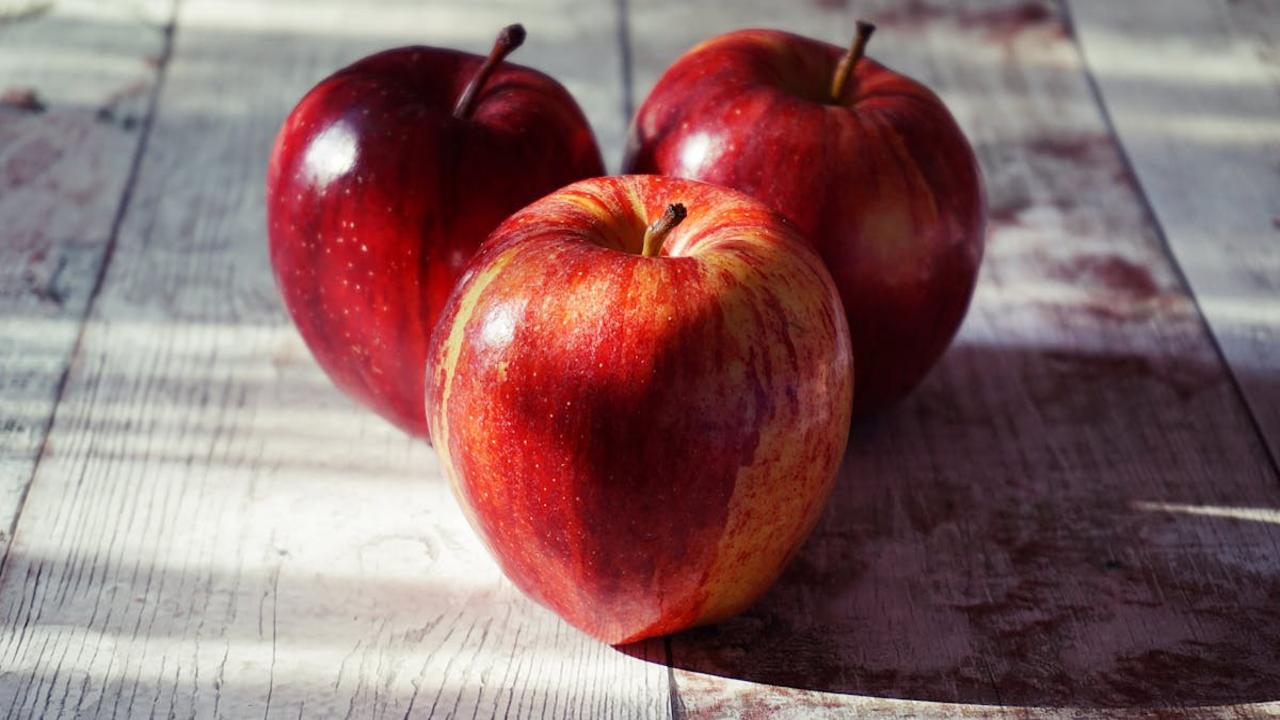
You might be amazed to learn that your apples can stay fresh for up to six months with the right storage methods! Keep them in your refrigerator’s crisper drawer at around 32°F (0°C), and make sure to separate them from other produce. Apples naturally release ethylene gas that can speed up ripening in nearby fruits and vegetables. A damp paper towel in the drawer helps maintain the ideal humidity level, keeping your apples crisp and juicy longer.
I’ve found that selecting apples without bruises or soft spots dramatically extends their shelf life. Give each apple a gentle squeeze – firm fruits will last longer. Store them in a plastic bag with small holes for airflow, and check regularly for any that start to soften. Remove any spoiled apples immediately since one bad apple really can affect the whole bunch! By following these simple steps, you’ll keep your apples fresh and ready for snacking, baking, or cooking for months to come.
Cranberries
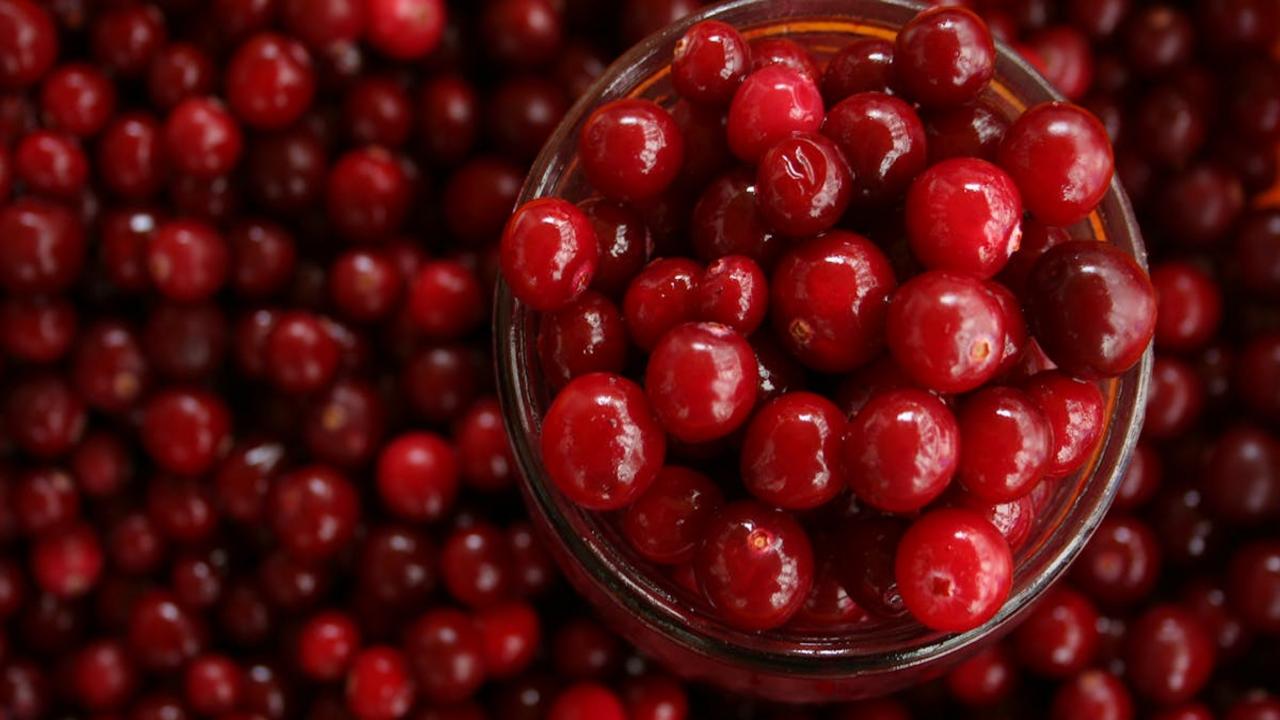
You might think cranberries only belong on your Thanksgiving table, but these tart little berries deserve a spot in your regular shopping rotation. Fresh cranberries can stay good for up to 4 weeks in your fridge’s crisper drawer – and if you freeze them, they’ll keep their quality for 8-12 months! I always stock up during peak season (October through December) and pop extra bags in my freezer for year-round use in smoothies, baked goods, and savory sauces.
The secret to cranberries’ impressive shelf life lies in their natural compounds that fight off bacteria and mold. Keep them in their original packaging or transfer to a sealed container with small ventilation holes. Just remember to sort through them before storing – remove any soft or discolored berries since one spoiled berry can affect the whole batch. You’ll know they’re still fresh when they bounce (yes, really!) and feel firm to the touch. Don’t wash them until you’re ready to use them, as moisture can speed up spoilage.
Citrus fruits
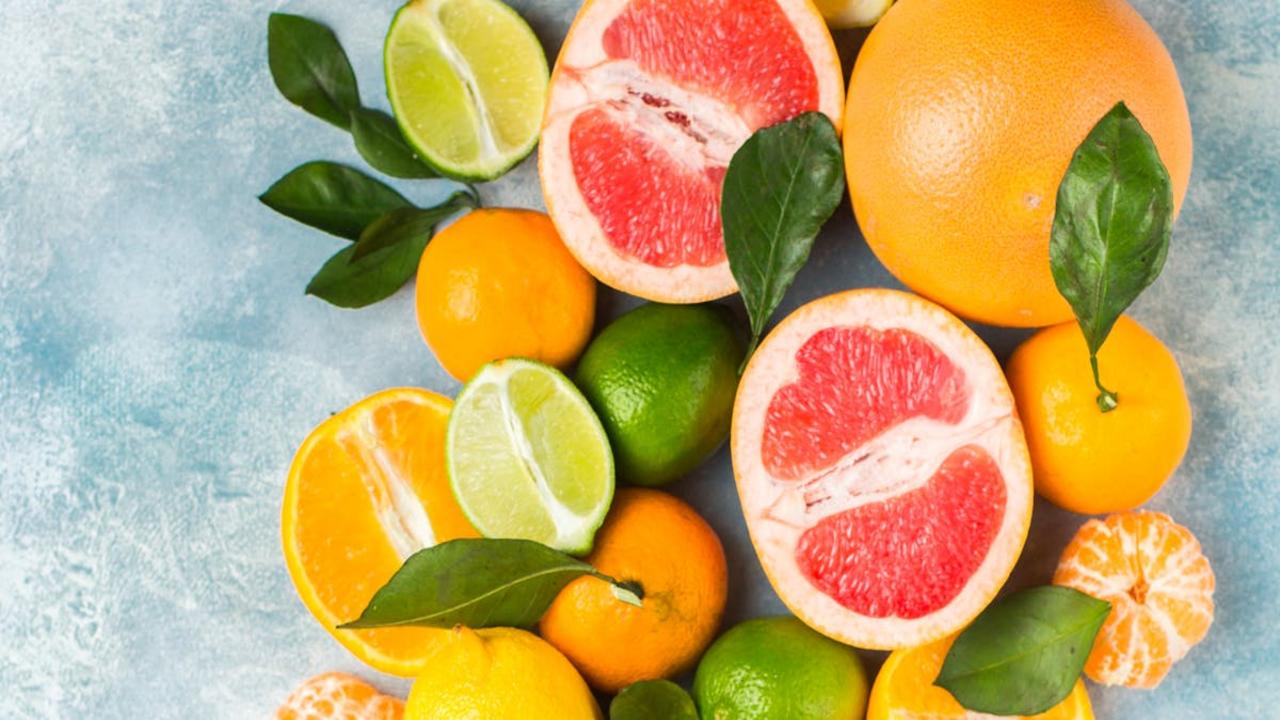
I love keeping citrus fruits in my kitchen because they last an impressively long time – up to 6 weeks when stored correctly! Your oranges, lemons, limes, and grapefruits will stay fresh longer in the refrigerator’s crisper drawer, maintaining their juicy goodness and bright flavors. The natural oils in their peels act as preservatives, while their thick rinds protect the flesh inside from spoiling quickly. Just remember to keep them dry and check occasionally for any soft spots.
Here’s a pro tip I’ve learned from years of cooking: don’t store your citrus fruits in plastic bags, as they need proper air circulation. Instead, place them loose in the crisper drawer or in mesh bags. At room temperature, they’ll last about a week – perfect if you plan to use them quickly. For maximum freshness, wash citrus fruits only right before using them. The natural protective coating on their peels helps prevent moisture loss and decay, keeping them fresh and ready for your cooking adventures.
Dragon fruit
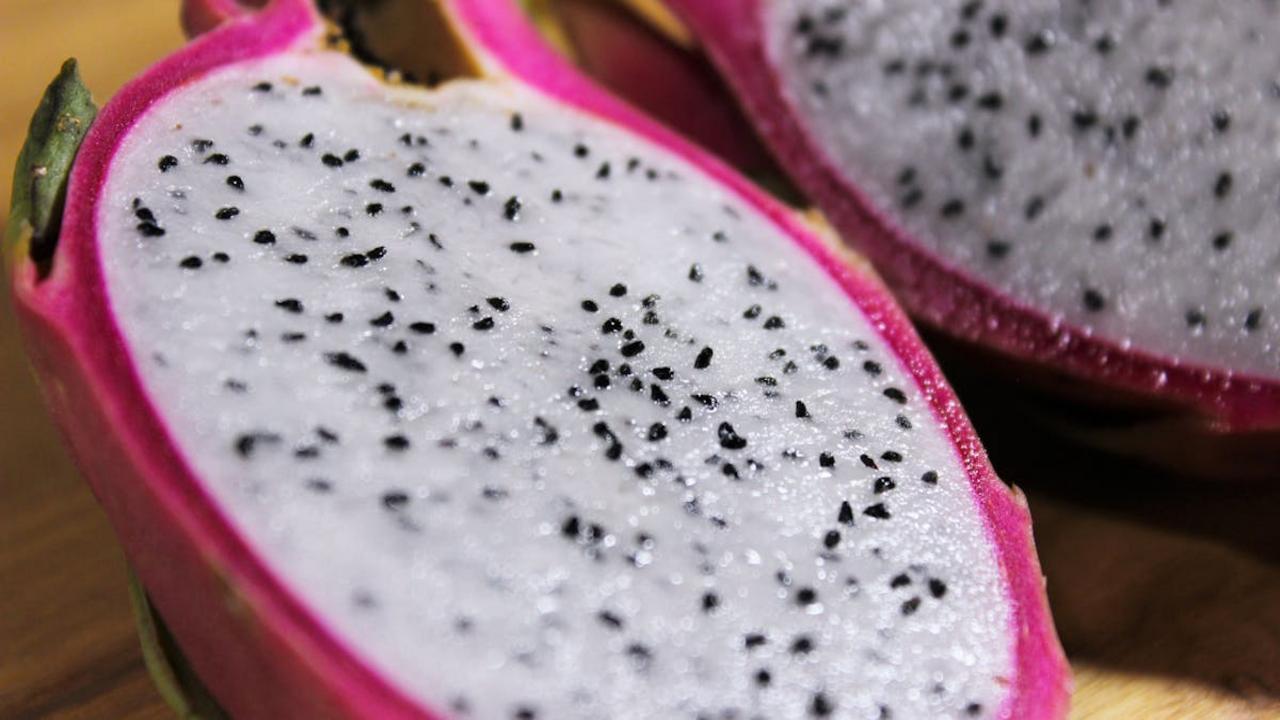
You might think dragon fruit looks too exotic to last long, but this beautiful pink powerhouse will stay fresh in your fridge for 2-3 weeks! I keep mine in the crisper drawer, where the slightly humid environment helps maintain its vibrant appearance without encouraging mold growth. The thick, protective skin acts like natural packaging, shielding the delicate white flesh inside from damage and dehydration. Just make sure to check for any soft spots or discoloration before buying – a firm, evenly colored dragon fruit will give you the longest shelf life.
To extend your dragon fruit’s freshness even further, avoid washing it until you’re ready to eat. Once cut, you can store the remaining fruit in an airtight container for up to 3 days. I’ve found dragon fruit adds an amazing pop of color and subtle sweetness to breakfast bowls and fruit salads. The black seeds pack healthy omega-3s and fiber, making this long-lasting fruit both beautiful and nutritious. Pro tip: slightly underripe dragon fruit will ripen nicely on your counter within a few days – just like an avocado!
Pomegranate
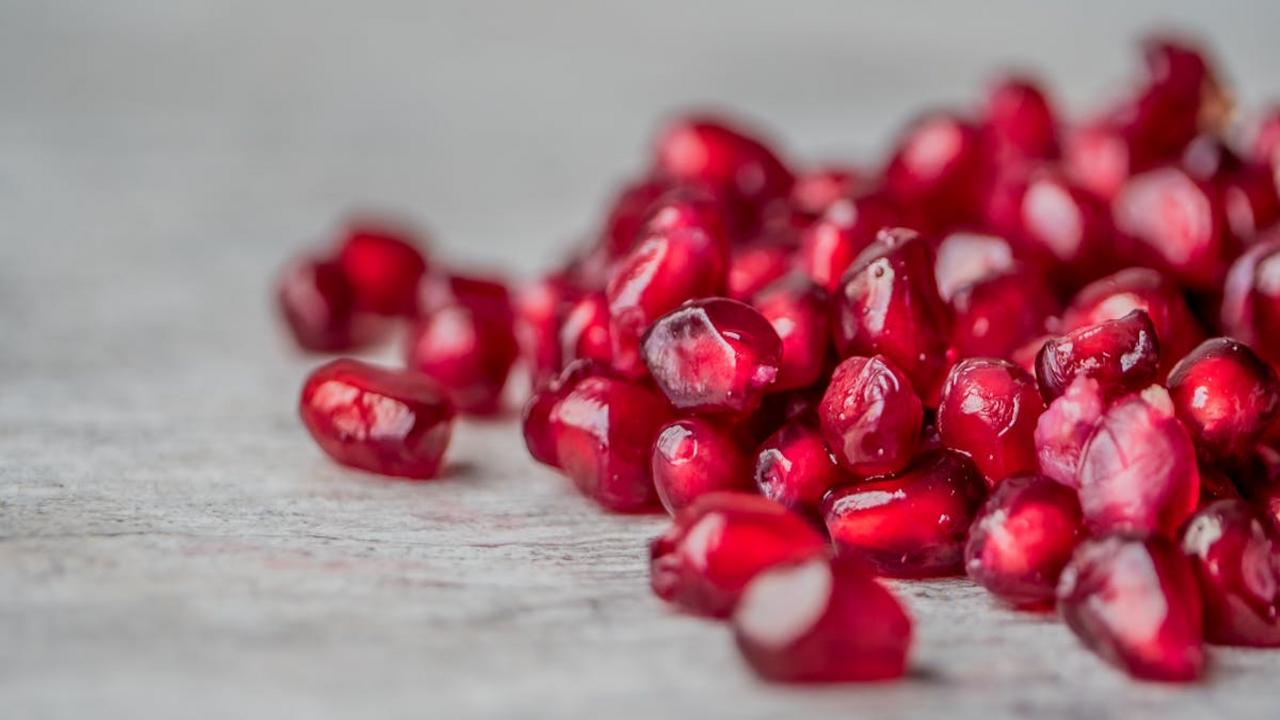
I keep pomegranates in my kitchen for weeks without worrying about spoilage – these ruby-red fruits maintain their freshness for up to two months when stored properly in your fridge’s crisper drawer. The thick, protective rind acts like natural armor, keeping the juicy arils inside safe and preventing moisture loss. Your pomegranates will stay good even longer if you avoid washing them before storage and check occasionally for any soft spots or mold.
Make the most of your pomegranates’ long shelf life by incorporating them into your weekly meal prep. I love adding the sweet-tart seeds to morning yogurt bowls, sprinkling them over salads, or mixing them into grain dishes. The seeds freeze beautifully too – just spread them on a baking sheet, freeze until solid, then transfer to a freezer bag. This way, you can enjoy their bright flavor and antioxidant benefits for up to six months beyond their regular storage time.