15 Grocery Staples That Suddenly Cost a Fortune
Have you noticed your grocery bill creeping higher lately? You’re not alone. Some of our favorite kitchen staples have jumped in price, turning everyday ingredients into mini splurges. From breakfast favorites to dinner essentials, these items now demand a bigger chunk of our food budget.
What’s behind these price hikes? Climate changes, shipping costs, and supply chain hiccups all play a role. Even simple ingredients we once tossed in our carts without thinking twice now make us pause at the checkout. The good news is understanding which items cost more helps us shop smarter.
Ready to see which pantry favorites made the list? Whether you’re meal planning or just curious about your rising grocery expenses, knowing what’s gotten pricier helps you adjust recipes and budgets accordingly. Let’s look at fifteen items that have become surprisingly expensive.
Pine Nuts
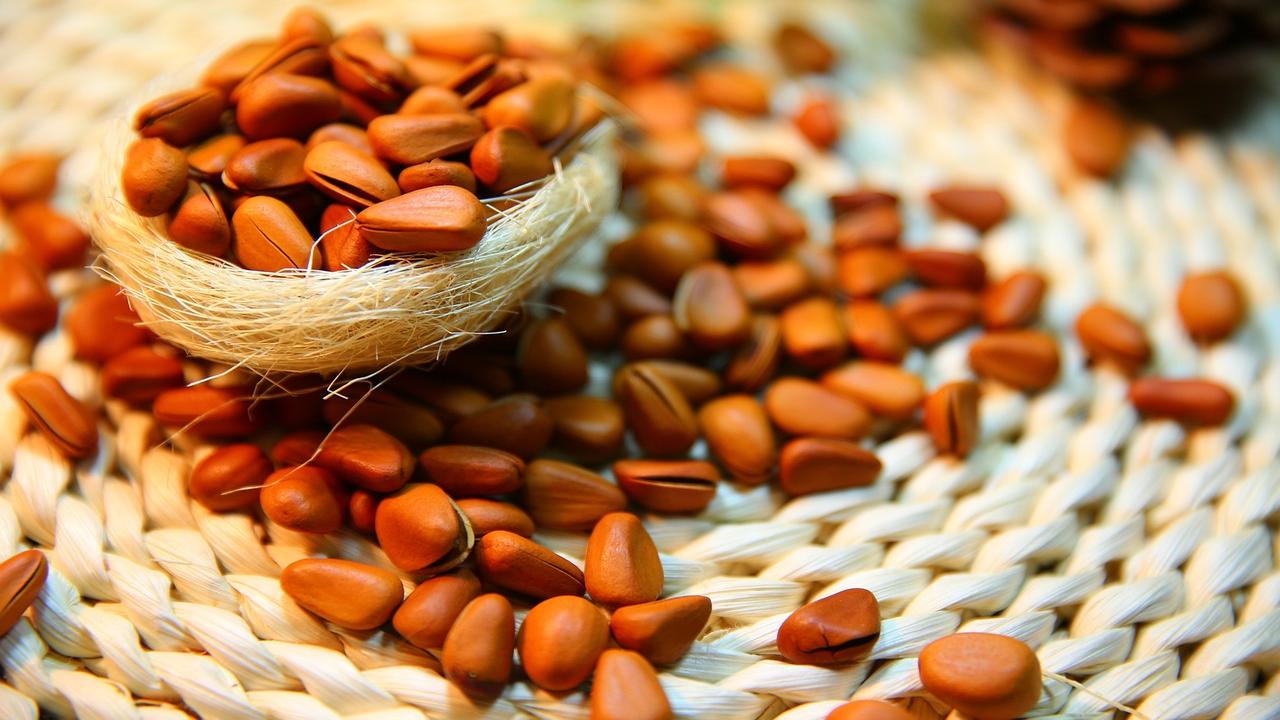
Pine nuts have always carried a bit of luxury, but lately, their price tags make them feel like actual gold nuggets. These buttery little gems come from pine cones, and harvesting them is incredibly labor-intensive. Most pine nuts sold in stores come from specific pine tree species that take years to mature, and extracting those tiny seeds from tough cones requires serious effort. Add global supply chain disruptions and increased demand from health-conscious eaters who love their rich, delicate flavor in everything from pesto to salads, and you’ve got yourself a perfect storm of expensive ingredients. A small jar that once cost you ten bucks now easily hits twenty or more, making you think twice before tossing a handful into your dinner.
Before you completely abandon your favorite recipes, consider some budget-friendly alternatives that still deliver great taste and texture. Toasted sunflower seeds or pepitas bring that satisfying crunch and work beautifully in pesto when you blend them with fresh basil, garlic, and good olive oil. Walnuts offer a similar buttery richness, especially when lightly toasted, and they cost a fraction of what pine nuts do. If you’re making a special occasion dish and really want authentic pine nuts, buy them in smaller quantities and use them strategically as a garnish rather than mixing them throughout. You’ll still get that distinctive flavor without breaking the bank, and honestly, your guests probably won’t even notice the difference when you swap in clever substitutes for everyday cooking.
Cashew Nuts
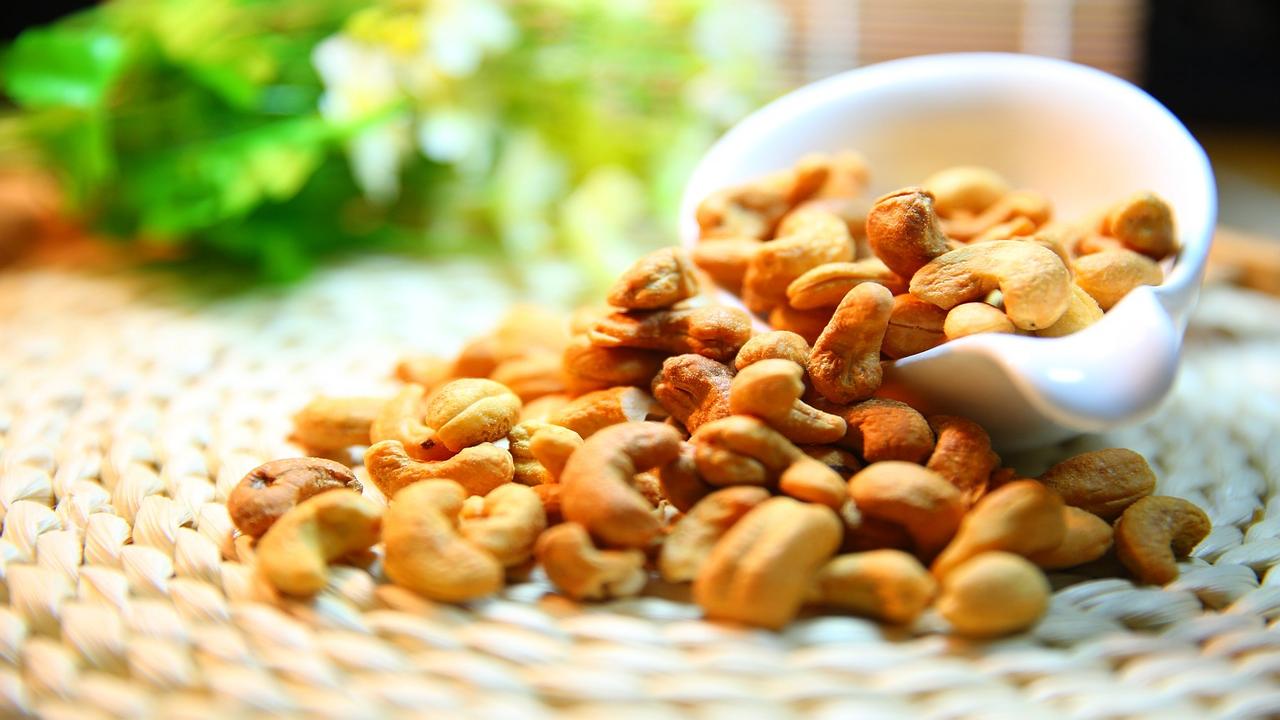
Remember when you could grab a bag of cashews for your trail mix without wincing at the checkout? Those days are long gone. Cashew prices have skyrocketed, and it’s not just your imagination playing tricks on you. These creamy, buttery nuts now cost nearly double what they did a few years ago, making them one of the pricier protein sources in your pantry. The price surge stems from labor-intensive harvesting processes and growing demand worldwide. Each cashew requires careful hand-processing to remove its toxic shell, and most of the world’s supply comes from countries facing climate-related challenges that affect crop yields. When you see that $15 price tag on a small container, you’re paying for all that meticulous work and limited availability.
But here’s the thing—you don’t have to give up on these nutritious powerhouses completely! Instead of eating them by the handful, think of cashews as a flavor investment. Use them sparingly in stir-fries where their rich texture shines, or blend a small amount into creamy sauces that’ll stretch further than snacking straight from the bag. You can also make your own cashew butter at home during sales, which gives you more bang for your buck than buying pre-made versions. Consider mixing cashews with more affordable nuts like peanuts or sunflower seeds to create a budget-friendly blend that still delivers that satisfying crunch and nutritional boost your body needs.
Coconut Oil
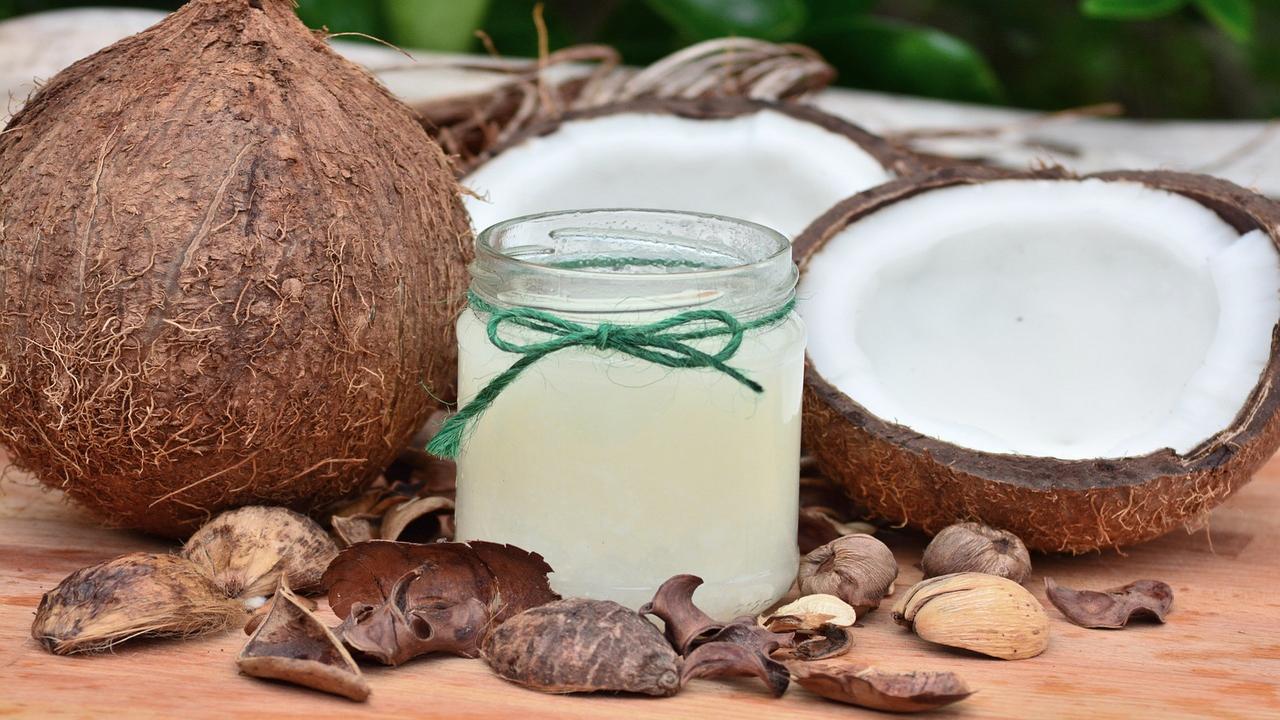
Once hailed as a budget-friendly pantry hero, coconut oil has transformed into a luxury item that makes shoppers do a double take at the checkout. What used to cost around $6 for a decent-sized jar now runs closer to $12 or more, depending on whether you’re going for refined or virgin varieties. The price spike stems from multiple factors: increased global demand, supply chain disruptions affecting tropical regions where coconuts grow, and rising production costs. Weather patterns and crop yields have also played a significant role in driving prices upward, making this versatile oil feel like a splurge rather than a staple.
If you’ve been using coconut oil for everything from sautéing vegetables to moisturizing your skin, you’ve probably noticed your jar disappearing faster than your wallet can keep up. The good news is you can stretch your supply by reserving it for dishes where its distinct flavor really shines—think Thai curries, tropical desserts, or morning smoothies. For everyday cooking where you don’t need that coconut essence, switching to more affordable alternatives like canola or vegetable oil makes sense. You can also watch for sales and stock up when prices dip, since coconut oil has a remarkably long shelf life. Being strategic about when and how you use this pricey ingredient helps you enjoy its benefits without breaking the bank every grocery trip.
Hazelnuts
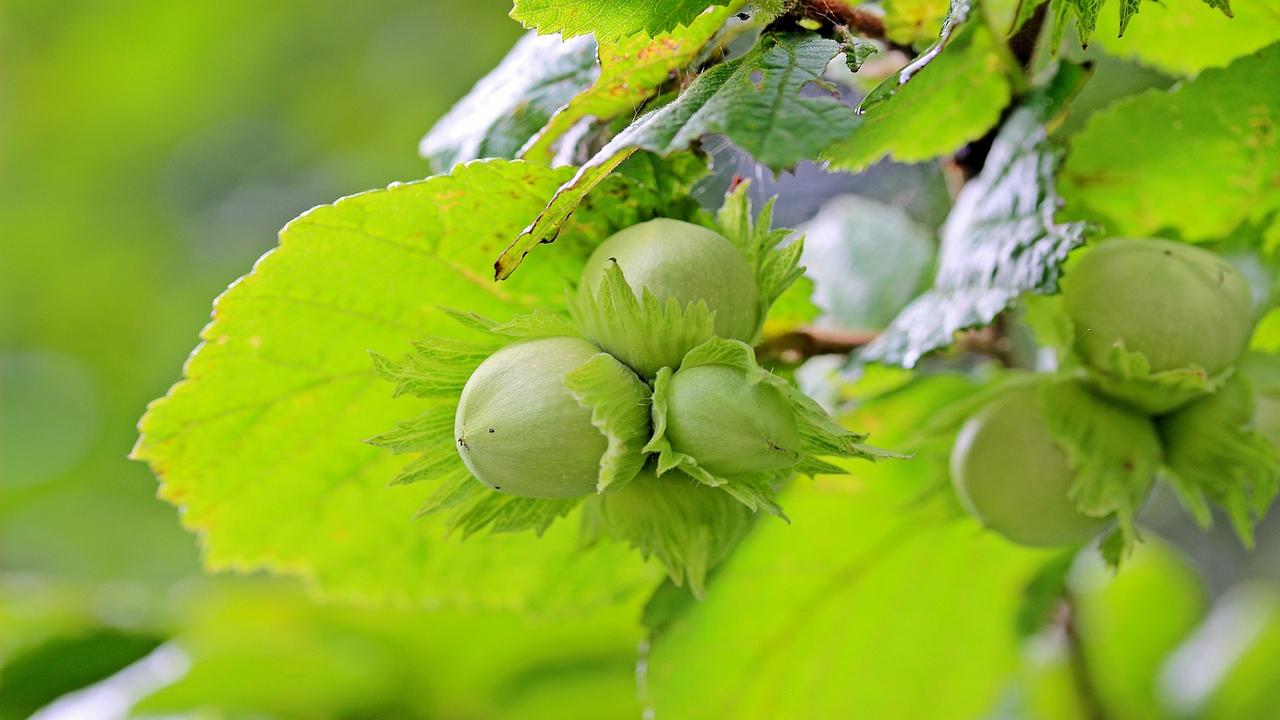
Hazelnuts have become surprisingly expensive, and if you’ve been eyeing that jar of hazelnut spread or contemplating making your own homemade chocolate-hazelnut butter, you’ve probably noticed the sticker shock. These buttery, rich nuts now carry a premium price tag due to several factors hitting the market simultaneously. Climate change has significantly impacted hazelnut production in Turkey, which supplies about 70% of the world’s hazelnuts. Unpredictable weather patterns, including late frosts and droughts, have reduced yields and driven prices upward. Additionally, increased global demand for plant-based foods and nut-based products has put pressure on supply chains, making these already-precious nuts even more costly.
If you’re someone who loves adding hazelnuts to your morning granola, baking them into cookies, or simply enjoying them as a protein-packed snack, you’ll need to get creative with your budget. Consider buying hazelnuts in bulk during sales and storing them in your freezer to extend their shelf life and lock in savings. You can also stretch your supply by mixing hazelnuts with more affordable nuts like almonds or cashews in recipes. Another option is to reserve hazelnuts for special occasions rather than everyday use, substituting them with pecans or walnuts in regular recipes. While hazelnuts remain a nutritious choice packed with healthy fats, vitamin E, and antioxidants, being strategic about when and how you use them will help your wallet breathe easier while still enjoying their distinctive, toasty flavor.
Maple Syrup

Remember when you could grab a bottle of real maple syrup without wincing at the price tag? Those days feel like ancient history now. Pure maple syrup has become seriously expensive, with prices climbing steadily over the past few years. Climate change has wreaked havoc on maple tree production, particularly in Vermont and Canada, where unpredictable weather patterns mess with the sap flow. Shorter, warmer winters mean shorter tapping seasons, which directly translates to less syrup and higher costs for you at checkout. What used to be a breakfast staple now feels like a luxury item you save for special occasions.
If you’re looking to stretch your breakfast budget, consider mixing pure maple syrup with a touch of honey or agave to make it last longer. You’ll still get that rich, caramel-like flavor without emptying your wallet quite so fast. Another smart move? Buy in bulk during seasonal sales or directly from local producers at farmers markets—you’ll often find better deals than in grocery stores. Store your syrup in the fridge after opening to keep it fresh for months. While the high price stings, remember that a little goes a long way, and you’re supporting small-scale producers who are dealing with their own climate-related struggles. Your pancakes deserve that genuine maple flavor, so find creative ways to make it work for your budget.
Organic Peanut Butter

Remember when you could grab a jar of organic peanut butter without thinking twice about the price? Those days feel like ancient history now. What used to be a reasonable splurge has turned into a serious grocery expense, with prices climbing steadily over the past few years. You’re looking at paying almost double what you did before, and that’s not just your imagination playing tricks on you. The combination of organic peanut farming costs, processing expenses, and supply chain issues has created the perfect storm for your favorite spread. Organic peanuts require more labor-intensive farming practices without synthetic pesticides, and droughts in major peanut-growing regions haven’t helped matters either.
If you’re committed to keeping organic peanut butter in your pantry without breaking the bank, consider buying it in bulk when it’s on sale or checking out warehouse stores where the per-ounce cost drops significantly. You can also make your own at home with a food processor and organic roasted peanuts, which gives you control over added ingredients and often saves money in the long run. Store brands at natural food stores sometimes offer better deals than name brands without sacrificing quality. Don’t forget to check the ingredient list regardless of price—you want peanuts and maybe a pinch of salt, nothing more. Your wallet and your body will thank you for being a smart shopper about this protein-packed pantry staple.
Dark Chocolate

Dark chocolate has become a luxury item in grocery stores, and your favorite bar might now cost double what it did just a year ago. Climate change has wreaked havoc on cocoa crops in West Africa, where most of the world’s cocoa comes from, driving prices through the roof. Add shipping complications and increased demand for premium chocolate products, and you’ve got a perfect storm for higher prices. If you’re someone who needs that square or two of dark chocolate after dinner, you’re probably noticing the pain at checkout. The good news is that a little goes a long way with dark chocolate, so buying smaller quantities of higher-quality bars can still fit into your budget while satisfying those cravings.
Consider switching things up by looking for store-brand dark chocolate options or buying in bulk during sales. Many grocery stores offer their own versions of premium dark chocolate at better prices than name brands. You can also stretch your chocolate budget by using dark chocolate chips or chunks in baking instead of eating whole bars, or try melting a small amount over fresh fruit for a decadent dessert. Some health food stores sell dark chocolate in larger blocks that you can portion yourself, which often costs less per ounce. Don’t forget to check the cacao percentage too – sometimes bars with slightly lower percentages cost significantly less while still giving you those beneficial antioxidants and rich flavor you love.
Sriracha

Remember when you could grab a bottle of sriracha for a couple of bucks? Those days feel like ancient history now. This beloved hot sauce has skyrocketed in price, and it’s not just your imagination playing tricks on you. The shortage that hit in 2022 sent prices soaring, and while bottles have made their way back to shelves, they’re commanding premium prices that would have seemed outrageous just a few years ago. What used to be an affordable way to add serious kick to your meals now requires some budget consideration before tossing it in your cart.
The price surge stems from a perfect storm of factors. The main culprit? A shortage of red jalapeño peppers caused by unfavorable growing conditions. When your entire production depends on a specific ingredient, any disruption in the supply chain hits hard. Add in increased production costs and higher demand from home cooks who discovered their love for spicy food during the pandemic, and you’ve got a recipe for sticker shock. If sriracha is a must-have in your kitchen, consider buying in bulk when you spot a decent price, or explore making your own version at home. You can control the heat level and save money while you’re at it. Stock up smartly and your wallet will thank you later.
Cauliflower
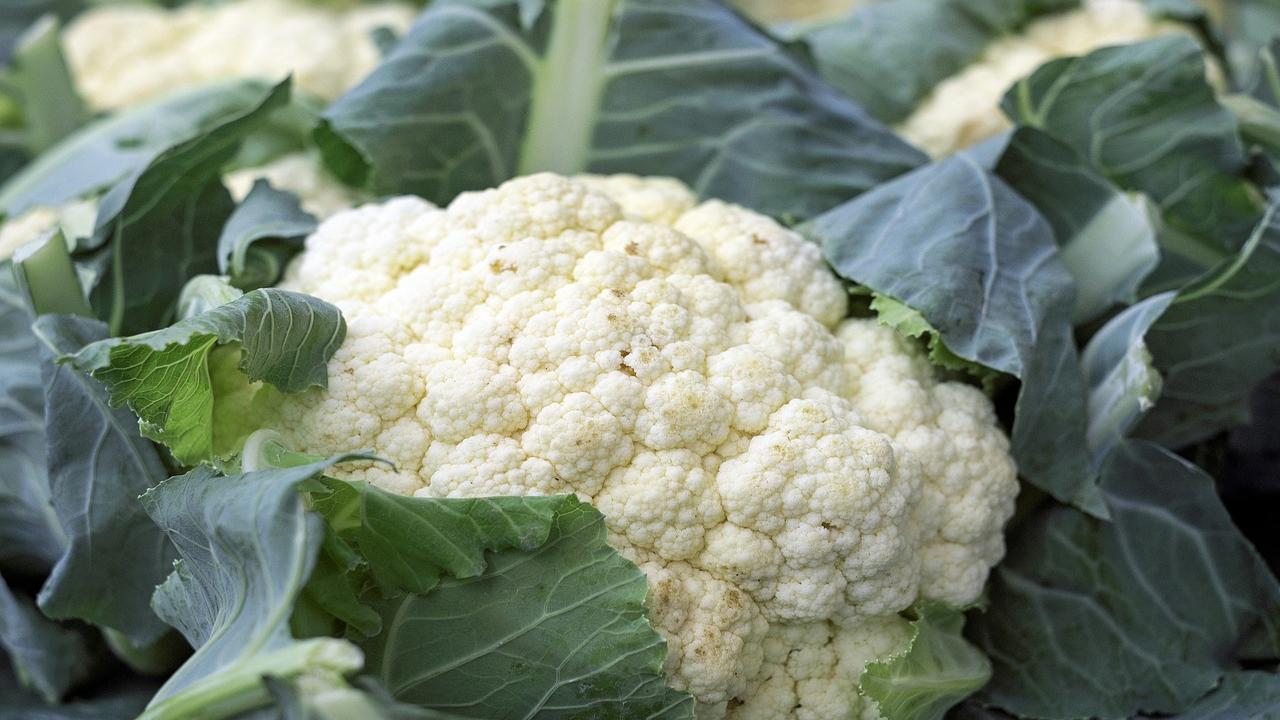
Cauliflower has become one of those vegetables that makes you do a double-take at the checkout line. What used to be a budget-friendly staple has transformed into a premium produce item, with heads now costing anywhere from $6 to $9 depending on your location and the season. The price spike comes from a combination of factors: increased demand for low-carb alternatives, weather-related crop challenges, and the rising popularity of cauliflower rice, pizza crusts, and other trendy substitutes. Growing conditions matter significantly for this particular vegetable, and unpredictable weather patterns in major growing regions have made consistent supply more difficult to maintain.
The good news is that you can still enjoy cauliflower without breaking the bank if you shop smart. Buy it when it’s in season during fall and winter months, and consider purchasing frozen cauliflower rice or florets, which often cost less per serving than fresh heads. Don’t toss those leaves and stems either—they’re completely edible and add great flavor to soups and stir-fries. You can also stretch your cauliflower further by mixing it with other vegetables in your recipes rather than making it the star of every dish. If you see a sale, grab an extra head and blanch the florets before freezing them yourself. This way, you’ll have your own stash ready for future meals at a fraction of the current retail price.
Blueberries
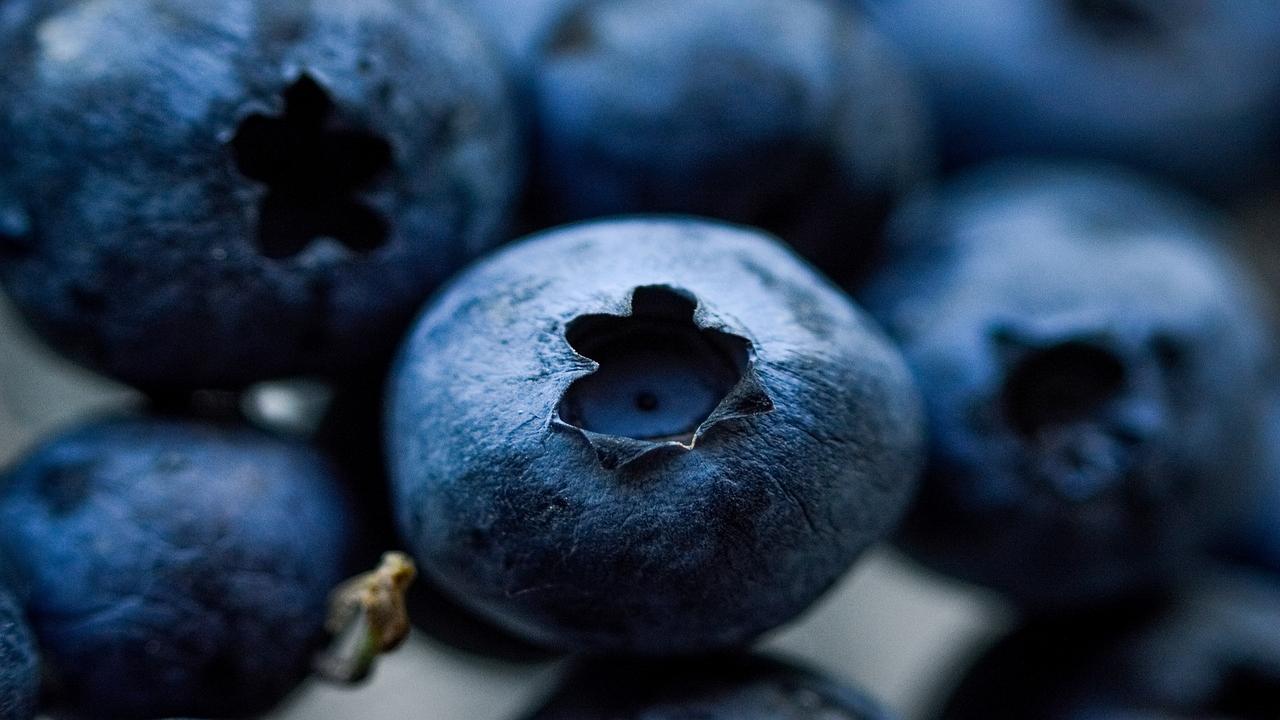
Remember when you could toss a pint of blueberries into your cart without thinking twice? Those days feel like ancient history now. These tiny purple powerhouses have skyrocketed in price, and it’s hitting breakfast lovers and smoothie enthusiasts right in the wallet. Climate challenges affecting major growing regions, combined with increased labor costs and transportation expenses, have created a perfect storm that’s pushing prices higher than ever. You might notice your favorite grocery store charging nearly double what you paid just a couple of years ago for the same container of these antioxidant-rich gems.
The good news is you don’t have to give up on these nutritious berries completely. Frozen blueberries offer a budget-friendly alternative that’s just as healthy and works perfectly in smoothies, baked goods, and overnight oats. Buy them during peak season when prices typically drop, and freeze extra batches yourself for later use. Another smart move is shopping at farmers’ markets toward closing time, where vendors often reduce prices to avoid taking produce home. You can also stretch your blueberry budget by mixing them with other fruits in recipes or using them as a special topping rather than the main ingredient. Your wallet and your health goals can both stay happy with a little creative planning.
Almonds
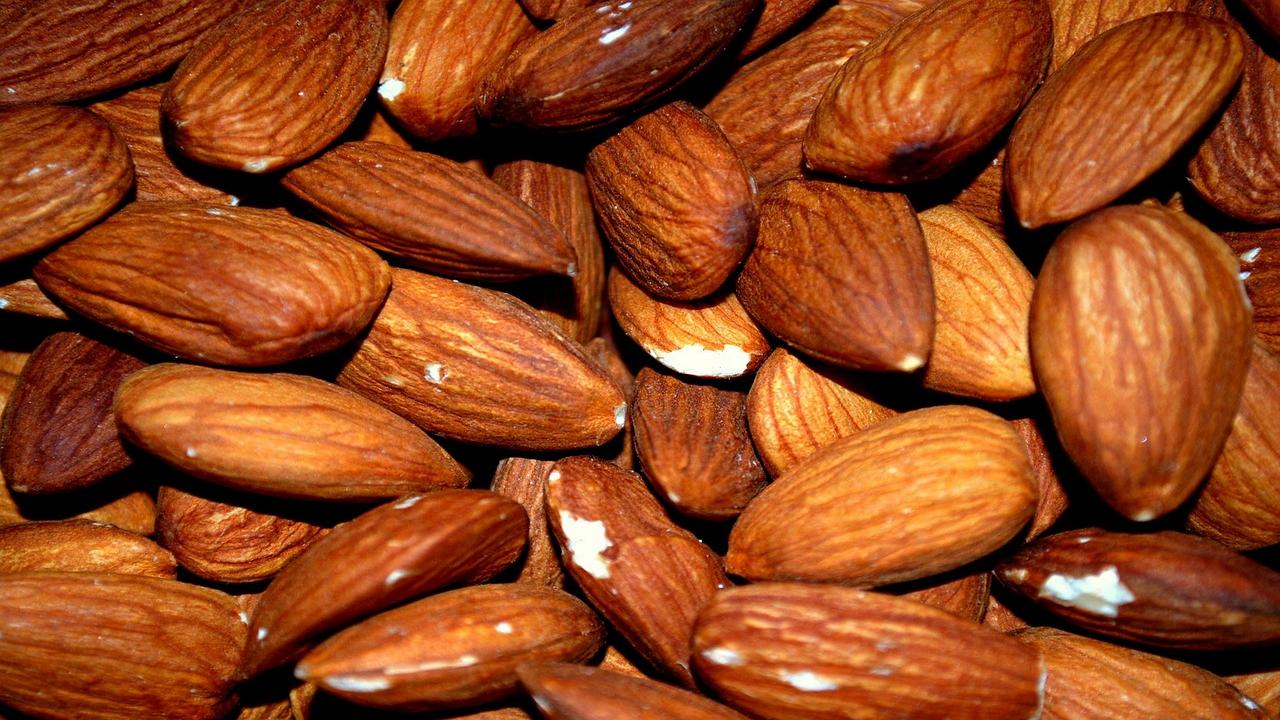
Almonds used to be that affordable snack you’d toss in your cart without a second thought, but lately, they’ve become surprisingly expensive. A single bag of raw almonds that once cost around $8 now easily runs you $12 or more, and if you’re buying organic or flavored varieties, you’re looking at even steeper prices. The reason? Drought conditions in California, where most of the world’s almonds grow, have driven up production costs significantly. Water scarcity means farmers pay more to irrigate their orchards, and those costs get passed directly to you at checkout.
If you’re someone who loves snacking on almonds or adding them to your morning oatmeal, smoothies, or salads, this price jump hurts. The good news is you can still enjoy them without breaking the bank by buying in bulk from warehouse stores or looking for sales and stocking up when prices dip. You might also consider switching to almond butter when whole nuts feel too pricey—it often goes on sale and gives you that same nutty flavor and nutrition. Another smart move is mixing almonds with less expensive nuts like sunflower seeds or peanuts to stretch your supply further while still getting that satisfying crunch and protein boost you love.
Quinoa
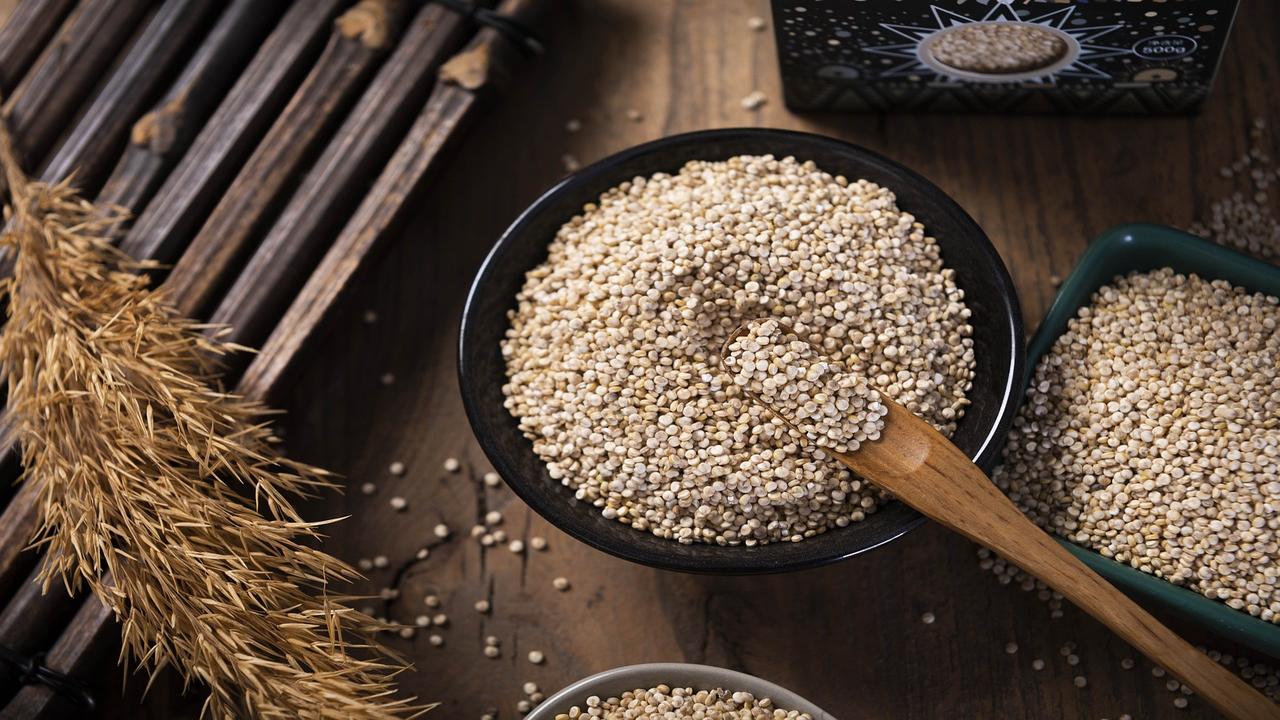
Remember when quinoa was that mysterious grain (technically a seed!) that health food stores tucked away in the back corner? Now it’s everywhere, but your wallet definitely feels the pinch every time you toss a bag in your cart. This protein-packed powerhouse has jumped from around $3 per pound to upwards of $6 or even $8, depending on where you shop. The price surge stems from its skyrocketing global popularity combined with the fact that most quinoa grows in specific regions of South America, particularly Bolivia and Peru. Climate changes affecting these growing regions, plus increased shipping costs, have pushed prices even higher.
Here’s the thing though—quinoa delivers serious nutritional bang for your buck despite the sticker shock. You’re getting all nine essential amino acids, making it a complete protein that’s perfect for vegetarians and meat-eaters alike. Plus, it cooks up in just 15 minutes and works beautifully in everything from breakfast bowls to dinner sides. If the price makes you hesitate, try buying in bulk from warehouse stores or online retailers, which can cut costs significantly. You can also stretch your quinoa by mixing it half-and-half with brown rice or using it strategically as a protein boost in soups and salads rather than as the main event. Your body will thank you for the fiber, iron, and magnesium, even if your budget needs a little creative adjusting.
Salmon
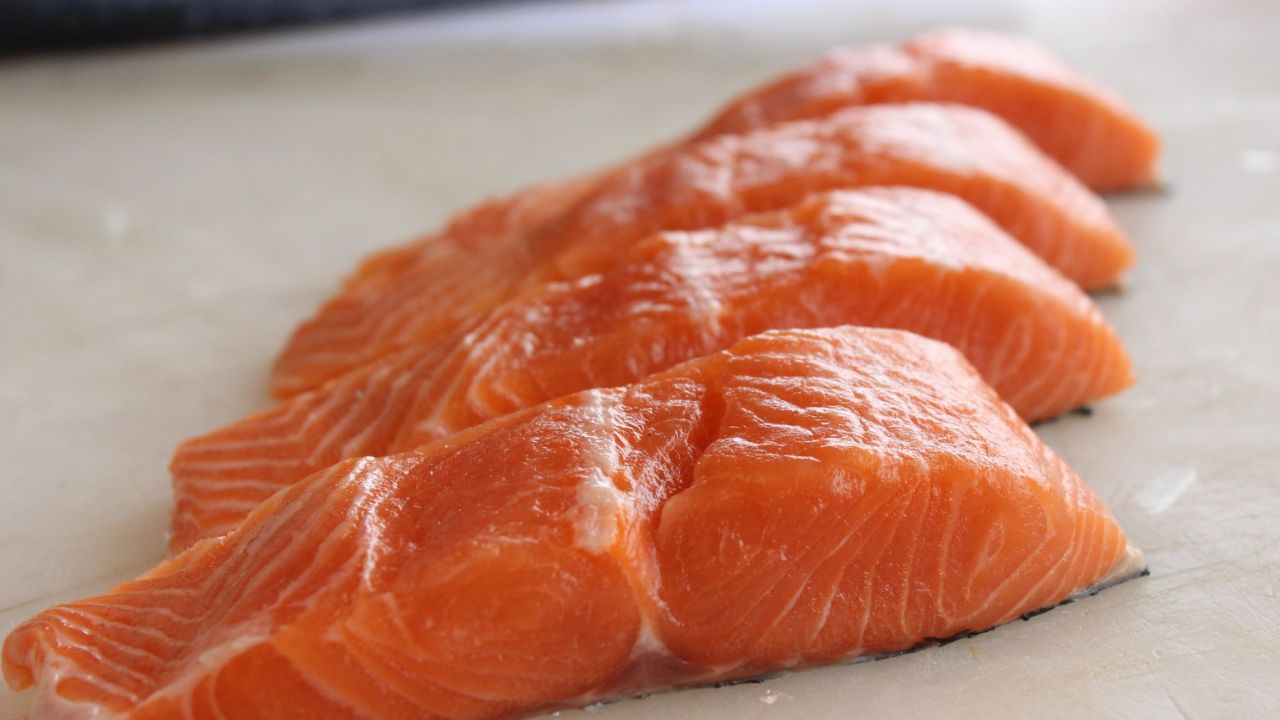
Fresh salmon has become one of those proteins that makes you wince at the checkout counter. Whether you’re buying wild-caught Alaskan or farm-raised Atlantic, prices have skyrocketed over the past few years. This heart-healthy fish, packed with omega-3 fatty acids and protein, used to be a regular weeknight dinner option for many families. Now, you might find yourself saving it for special occasions or switching to more budget-friendly seafood alternatives. The price jump stems from multiple factors, including climate change affecting wild populations, rising costs for fish feed in aquaculture operations, and increased global demand for this nutritious powerhouse.
If you’re determined to keep salmon on your menu without breaking the bank, consider buying frozen fillets instead of fresh. Frozen salmon is flash-frozen right after being caught, locking in freshness and nutrients while typically costing significantly less per pound. Look for sales and stock up when prices drop, or try purchasing whole sides of salmon and portioning them yourself at home. Canned salmon also deserves a spot in your pantry—it’s budget-friendly, shelf-stable, and perfect for salmon patties, salads, or pasta dishes. You can even rotate between salmon and other omega-3-rich fish like sardines or mackerel to give your wallet a break while maintaining those nutritional benefits your body needs.
Coffee

Your morning cup of joe has become a luxury purchase rather than an everyday staple. Coffee prices have surged dramatically due to poor harvests in major producing countries like Brazil and Vietnam, where extreme weather patterns and droughts have devastated crops. Supply chain disruptions and increased shipping costs have added even more burden to the final price tag. Whether you prefer ground coffee or whole beans, you’re looking at prices that have jumped 30-40% compared to just a couple years ago. The beloved beverage that once seemed like a reasonable daily expense now requires serious budget consideration for many households.
If you’re feeling the pinch, there are smart ways to keep your coffee habit affordable without sacrificing quality. Buy in bulk when you spot sales, and store extra coffee in airtight containers in a cool, dark place to maintain freshness. Consider switching to store brands, which often deliver comparable taste at significantly lower prices than premium labels. You can also stretch your coffee further by brewing it properly—use the right water-to-grounds ratio and invest in a quality reusable filter instead of disposable options. Making coffee at home instead of grabbing it from cafes will save you hundreds of dollars annually, even with the higher retail prices. Small adjustments to your buying and brewing habits can help you continue enjoying your daily ritual without breaking the bank.
Avocados
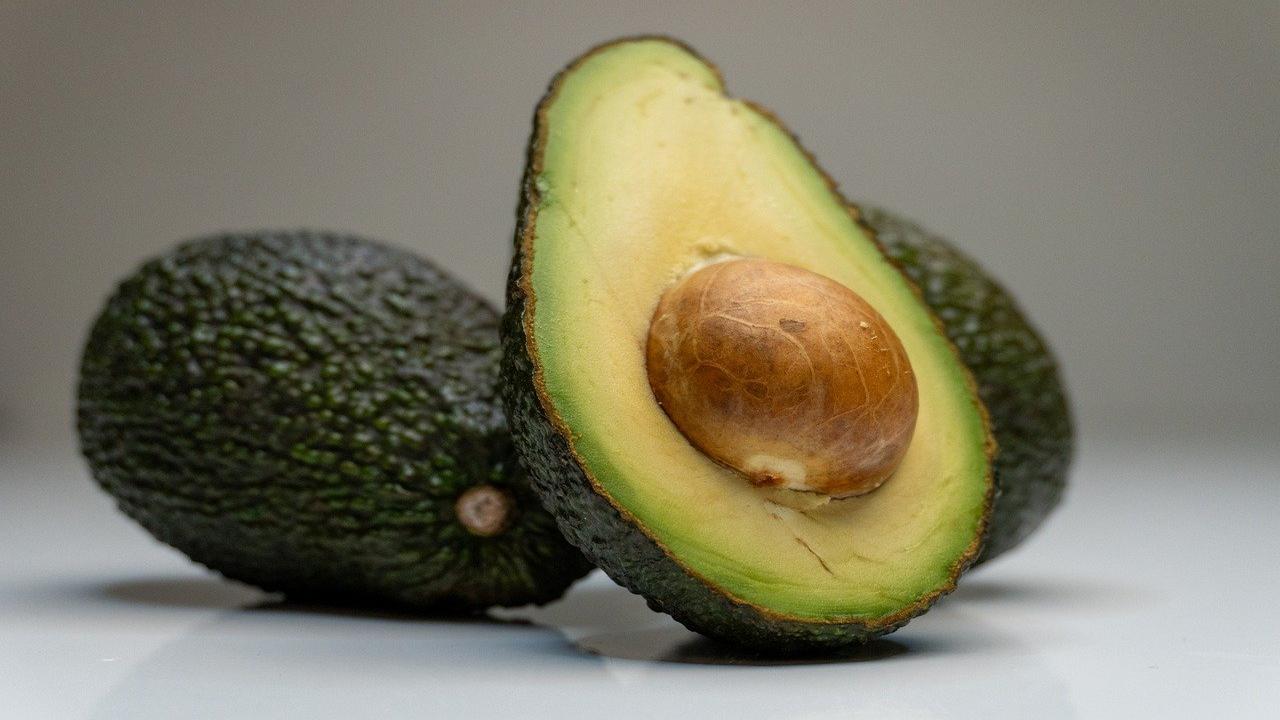
Remember when you could grab a few avocados without thinking twice about the price? Those days feel like ancient history now. Avocados have become one of the priciest items in the produce section, sometimes costing $2-3 per piece depending on the season and where you live. Climate change has hit avocado-growing regions hard, affecting yields and driving prices up. Water shortages in California and Mexico, combined with increased global demand, mean your morning toast topper now requires some serious budget consideration. The creamy texture and nutritional benefits haven’t changed, but your wallet definitely feels the difference every time you shop.
Here’s the thing about avocado prices: they fluctuate wildly throughout the year, making meal planning a bit trickier. You might find them reasonable one week and shockingly expensive the next. If you’re committed to keeping avocados in your diet without breaking the bank, buy them when prices dip and freeze the flesh for smoothies or future guacamole batches. Alternatively, consider limiting avocado use to special occasions rather than daily meals. You can stretch one avocado further by mixing it with Greek yogurt for spreads or incorporating small amounts into salads where a little goes a long way. The good news? Their healthy fats and nutrients still pack serious value, so when you do splurge, you’re getting quality nutrition for your money.