12 Secret Kitchen Hacks to Shrink Your Carbon Footprint Bite by Bite
Want to make a real difference in fighting climate change right from your kitchen? I’ve discovered 12 creative ways to cook more sustainably while having fun and saving money. These simple tricks will transform how you think about food waste, local ingredients, and eco-friendly protein sources.
Your kitchen holds untapped potential for reducing carbon emissions. From regrowing vegetables from scraps to turning “ugly” produce into delicious meals, each small action adds up to create meaningful environmental impact. Plus, you’ll learn exciting new cooking techniques that expand your culinary skills.
Get ready to discover how insects can become tasty protein alternatives, how foraging connects you with local ecosystems, and why eating invasive species helps restore natural habitats. These practical tips will help you build sustainable habits that benefit both your health and the planet.
Cultivate microgreens indoors
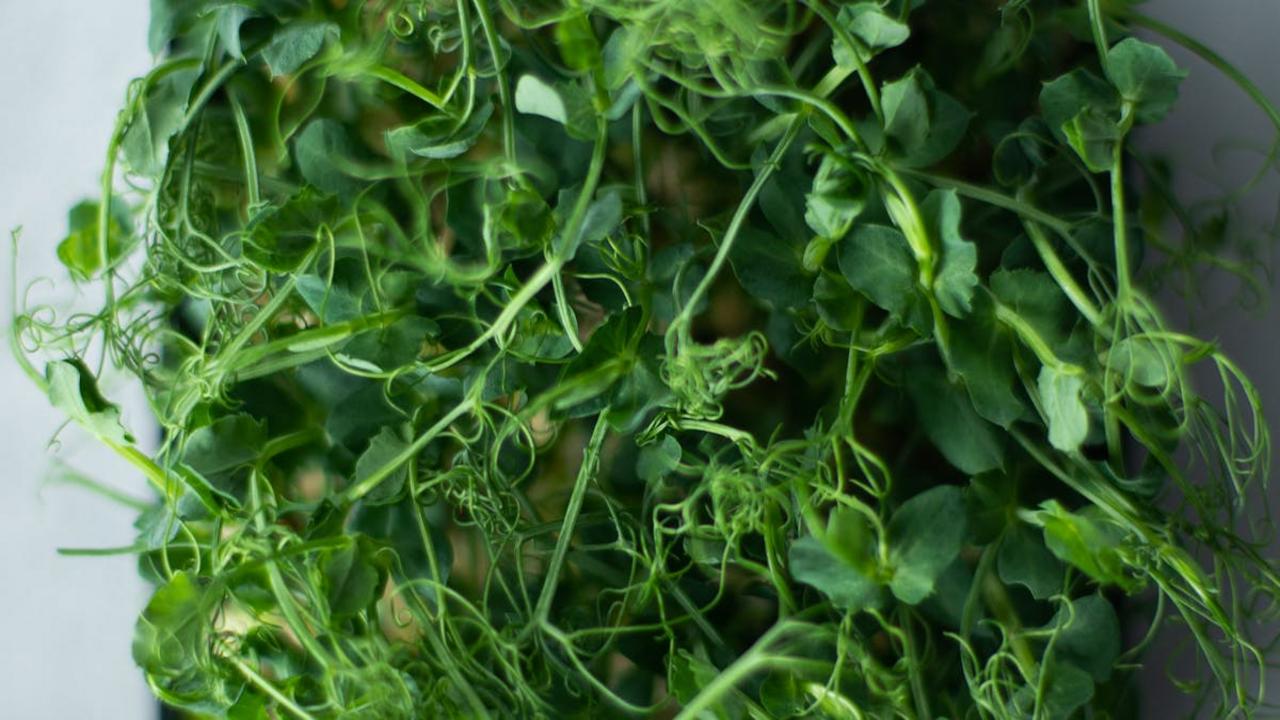
You can transform a small corner of your kitchen into a mini greenhouse for growing nutrient-packed microgreens! These tiny powerhouses need minimal space and grow quickly – in just 7-14 days you’ll have fresh, tender shoots ready to harvest. By growing your own microgreens, you’ll cut down on plastic packaging waste from store-bought greens and eliminate transportation emissions. Plus, you’ll save money while getting the freshest possible greens for your salads, sandwiches, and garnishes.
Getting started with microgreens is simple and fun. Pick up some organic seeds like radish, sunflower, or pea shoots, along with a shallow tray and organic potting soil. Place your tray near a sunny window or under a small LED grow light. Water gently each day, and soon you’ll have an endless supply of fresh, living greens right at your fingertips. Growing microgreens indoors gives you control over what goes into your food while shrinking your environmental impact – a win-win for your health and the planet!
Support regenerative agriculture products

Want to make a real difference through your food choices? Buy products from regenerative agriculture farms! These amazing farmers go beyond organic by actively improving soil health, increasing biodiversity, and pulling carbon from the atmosphere. Look for meat, dairy, and produce from farms that practice rotational grazing, cover cropping, and minimal tilling. You’ll find these products at farmers markets, through CSA programs, or by checking labels at your local grocery store for regenerative certification.
Your purchasing power sends a clear message to food producers that you value sustainable farming methods. Each dollar you spend on regenerative products helps farmers invest in better soil practices, water conservation, and wildlife preservation. The bonus? Regeneratively grown food often contains more nutrients and tastes better than conventionally grown alternatives. Start small by switching one regular item in your shopping cart to a regenerative option each month. You’ll build momentum while supporting farmers who are working to reverse climate change through smart agriculture.
Join a food waste rescue program

Want to make a real difference while saving perfectly good food from the landfill? Join your local food waste rescue program! These amazing initiatives connect businesses like restaurants, grocery stores, and bakeries with volunteers who pick up surplus food and deliver it to shelters, food banks, and community organizations. You’ll meet fantastic people in your community, learn about food distribution, and help fight both hunger and climate change. Plus, many programs let you keep a portion of the rescued food as a thank you for volunteering.
Getting started is simple – just search online for food rescue organizations in your area or check with local food banks. Most programs offer flexible scheduling, so you can volunteer when it fits your schedule. Whether you help once a week or once a month, every rescued meal counts. Some popular programs include Food Rescue US, City Harvest, and 412 Food Rescue. Your efforts will prevent good food from decomposing in landfills and releasing methane gas, while also feeding people in need. It’s a win-win that creates lasting positive change in your community.
Use aquaponic systems at home
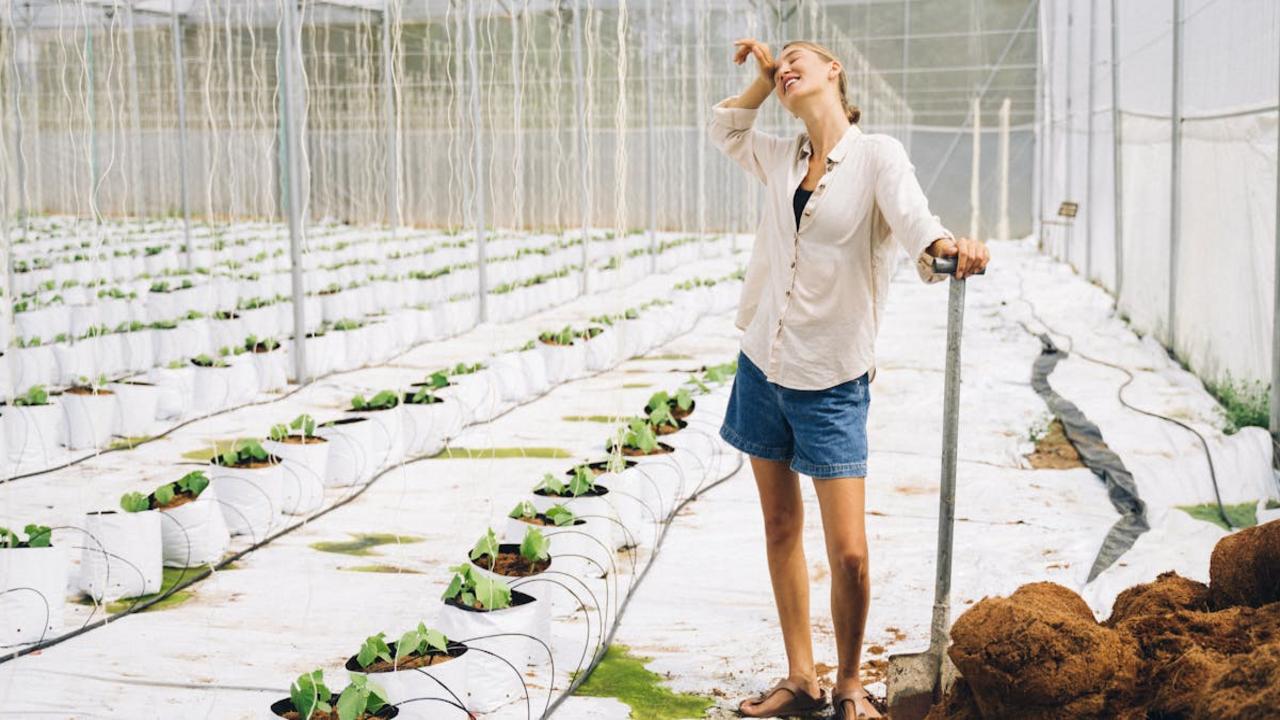
I want to share one of my favorite eco-friendly kitchen projects – setting up a small aquaponic system right in your kitchen! This smart setup combines raising fish with growing herbs and vegetables, creating a mini ecosystem where fish waste feeds the plants while the plants clean the water. You can start with a basic 20-gallon tank, add some tilapia or goldfish, and grow fresh herbs like basil, mint, and oregano on top. The best part? You’ll save water since these systems use 90% less water than traditional gardening.
Your aquaponic garden will give you access to fresh herbs and veggies year-round while reducing your carbon footprint. The fish provide natural fertilizer, eliminating the need for chemical nutrients, and the closed-loop system means minimal waste. I’ve seen my friends transform unused counter space into thriving mini-gardens that produce enough herbs for their daily cooking needs. Plus, watching the fish swim while you cook adds a peaceful element to your kitchen! Just remember to check water quality weekly and feed your fish regularly to keep your system running smoothly.
Practice nose to tail cooking
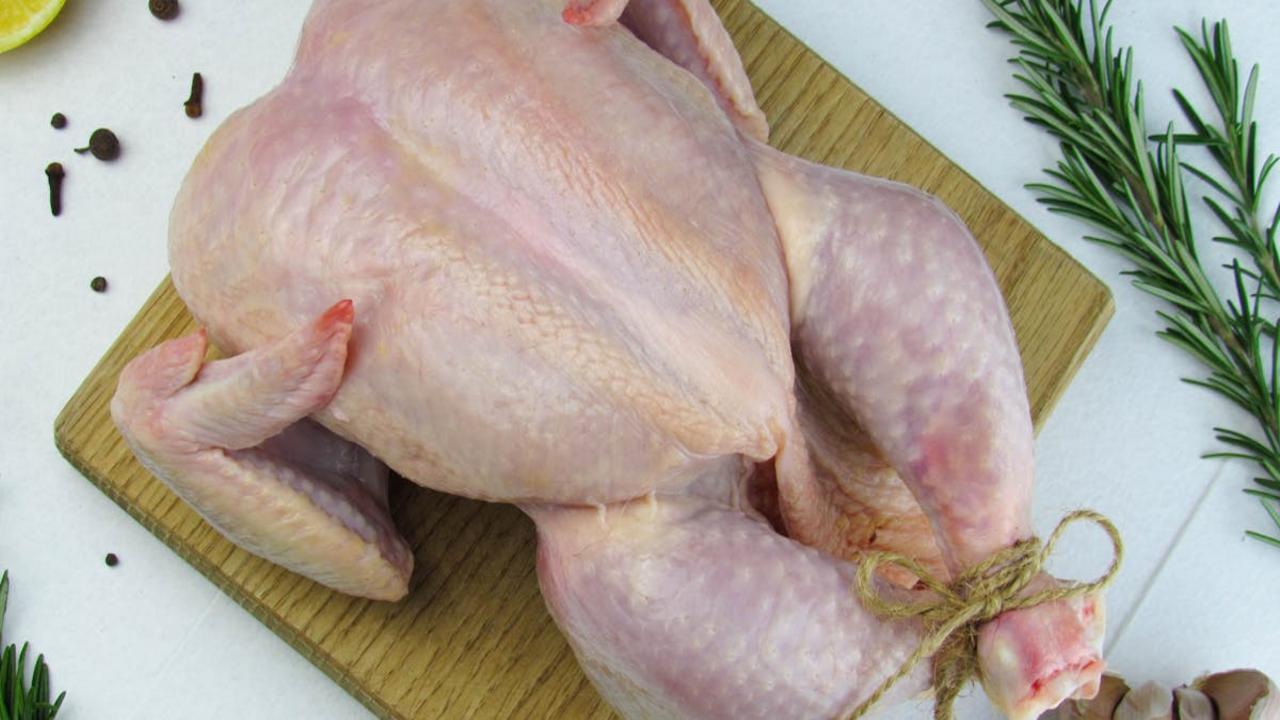
Want to make your kitchen more planet-friendly? Try nose-to-tail cooking! This smart approach means using every part of the animal – from snout to tail. Instead of tossing out “odd bits” like organ meats, bones, and skin, you’ll learn to transform them into rich bone broths, crispy pork rinds, or creamy liver pâtés. Not only will you cut down on food waste, but you’ll also discover amazing new flavors and textures that’ll take your cooking to new heights.
I love teaching my readers about lesser-known cuts and organs because they pack incredible nutrition and often cost less than popular cuts. Start small by making stock from leftover bones, then work your way up to trying dishes like heart stir-fry or tongue tacos. Your wallet and the environment will thank you! Plus, you’ll honor traditional cooking wisdom that valued every part of the animal. Many cultures worldwide still cook this way, creating some of their most treasured dishes from these overlooked ingredients.
Eat invasive species

Did you know you can help the environment by eating certain “unwanted” species? Invasive species like lionfish, wild boar, and Asian carp cause billions in environmental damage each year by disrupting local ecosystems. By adding these creatures to your menu, you’ll help control their populations while discovering unique and tasty protein sources. Many invasive species are rich in nutrients and offer a sustainable alternative to conventionally farmed meat.
I’ve found several delicious ways to prepare invasive species in my kitchen. Lionfish makes excellent fish tacos with its mild, buttery meat that takes well to spices. Wild boar transforms into amazing pulled pork sandwiches and hearty stews. Asian carp, despite its reputation, yields tender white fillets perfect for frying or baking. Your local fish market or hunting outfitter can help you source these ingredients responsibly. Remember to check local regulations about harvesting invasive species in your area before getting started.
Choose ugly produce

I want to let you in on a little secret – those quirky, misshapen fruits and vegetables at the grocery store are just as nutritious and tasty as their “perfect” counterparts! By choosing these unconventional-looking gems, you’ll help reduce food waste since many stores often toss out perfectly good produce simply because they don’t meet standard appearance requirements. Plus, you can often snag these items at a discount, making your grocery bill a bit lighter while doing something good for the planet.
Next time you’re shopping, make it a point to pick up that funky-shaped carrot or that slightly bumpy apple. Think of it as giving these underdogs a chance to shine in your kitchen! These irregular beauties would otherwise go to waste, contributing to greenhouse gas emissions from landfills. Your choice to buy imperfect produce helps create a market demand for these items, encouraging stores to keep stocking them and farmers to keep selling them instead of throwing them away. You’ll be amazed at how these odd-looking fruits and veggies transform into the most delicious meals!
Forage local edible plants

Want to add fresh, wild ingredients to your meals while reducing your carbon footprint? Local foraging brings you closer to nature and helps you discover free, nutritious foods right in your backyard or nearby parks. From dandelion greens and wild berries to mushrooms and edible flowers, your neighborhood holds countless treasures. By gathering these plants yourself, you’ll skip the transportation emissions and packaging waste that come with store-bought produce.
Before you start foraging, learn to identify plants correctly through local guides, experienced foragers, or nature groups in your area. Keep a guidebook handy and only pick from clean areas away from roads or pesticide use. Start with common, easy-to-identify plants like blackberries or mint, and gradually build your knowledge. Remember to follow local regulations and only take what you need – leaving plenty for wildlife and plant regeneration. Your meals will gain unique flavors while supporting a more sustainable food system.
Ferment and preserve surplus produce
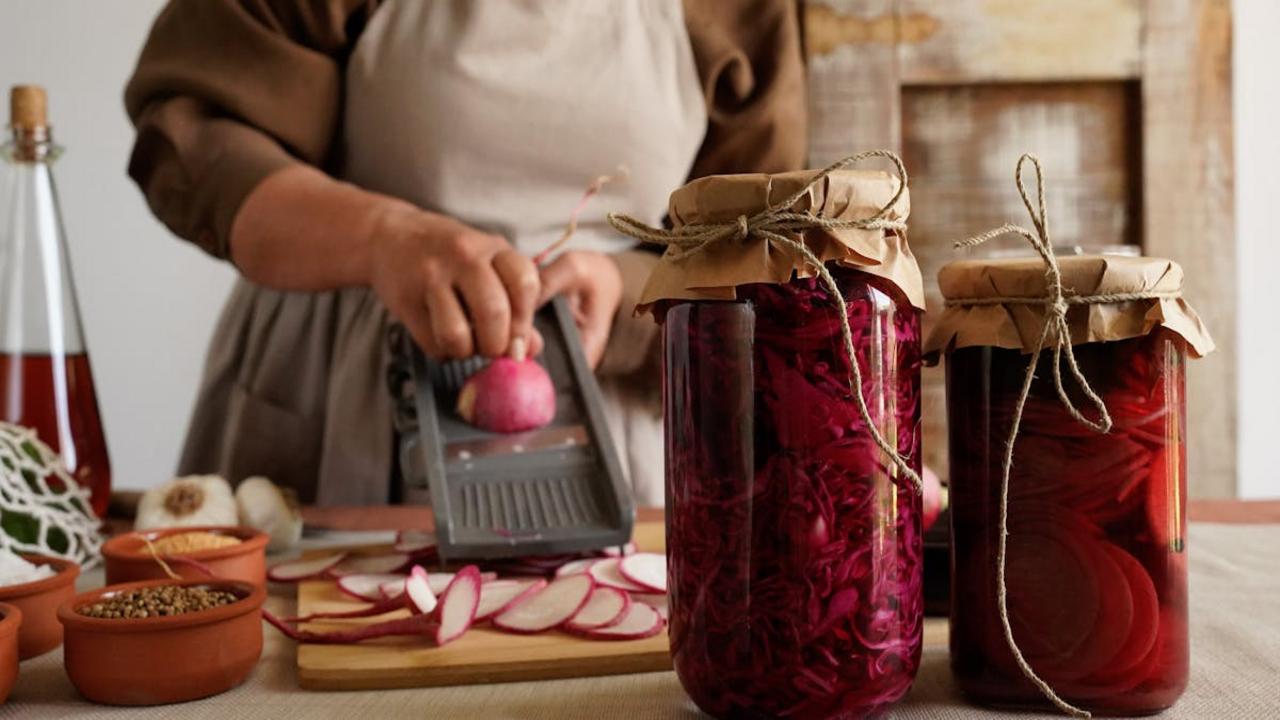
Your garden’s overflowing with tomatoes and you can’t eat them fast enough? Turn those extras into pickles, kimchi, or fermented goodies! By fermenting your surplus produce, you’ll create probiotic-rich foods while stopping waste from hitting the landfill. I love transforming my excess cabbage into tangy sauerkraut – it takes just salt, time, and a clean jar. The fermentation process needs zero electricity and actually helps your food last for months without refrigeration, making it a super eco-friendly preservation method.
Start small with quick pickled vegetables or try your hand at kombucha brewing using fruit scraps. The natural bacteria do all the work for you, transforming simple ingredients into complex, flavorful foods rich in good-for-you probiotics. Plus, fermenting at home means fewer store-bought products in plastic packaging. You’ll save money, reduce food waste, and create unique preserved foods that pack way more nutrition and flavor than their commercial counterparts. My homemade kimchi has become a family favorite – and knowing it helps shrink our carbon footprint makes it taste even better!
Grow food from kitchen leftovers

Want to turn your kitchen scraps into fresh food? You can regrow many vegetables right from their leftover parts! Start with green onions by placing the white root ends in a glass of water near a sunny window. Within days, you’ll see new green shoots emerging. The same goes for lettuce hearts, celery bases, and even pineapple tops. This simple practice not only reduces waste but gives you free produce while cutting down trips to the grocery store.
I keep a dedicated windowsill space for my “scrap garden” where I experiment with different vegetables. Ginger roots sprout beautiful leaves when partially buried in soil, while sweet potato vines make stunning indoor plants. Garlic cloves that start sprouting in your pantry will grow into full bulbs if planted. You’ll get such satisfaction watching new life spring from what you’d normally throw away. Plus, teaching kids about regrowing food helps them understand where their meals come from and builds their connection to nature.
Consider insects as protein

I know what you’re thinking – eating insects might sound strange at first! But incorporating edible insects into your meals can slash your carbon footprint dramatically compared to traditional meat sources. Crickets, mealworms, and grasshoppers need just a fraction of the water, feed, and land that cattle require. Plus, these tiny powerhouses pack more protein per gram than beef while producing minimal greenhouse gases. You’ll find cricket flour, whole roasted insects, and insect-based protein bars in many health food stores now.
Start small by mixing cricket flour into your morning smoothie or adding it to baked goods – you won’t even notice the difference! The mild, nutty flavor blends perfectly into chocolate chip cookies or banana bread. If you’re ready to go bigger, try spicing up roasted mealworms with your favorite seasonings for a crunchy snack. Many cultures worldwide have enjoyed insects as food for centuries, and now you can join this sustainable food movement while helping our planet. Your small choice to include insect protein can create a huge positive impact on the environment.
Cook with scraps and peels
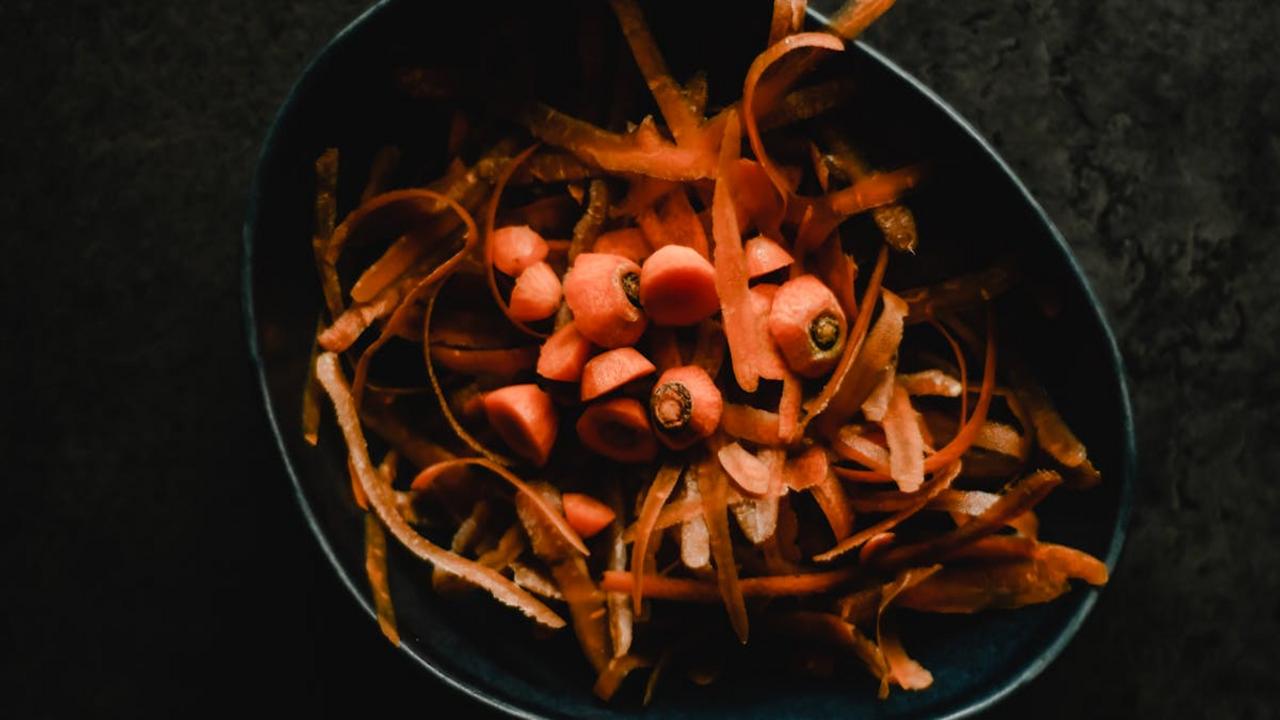
You know those vegetable scraps and peels you usually toss in the trash? They’re actually kitchen gold! I’ve discovered so many ways to transform potato skins, carrot tops, and onion ends into amazing dishes. My favorite trick is to collect these bits throughout the week in a freezer bag, then simmer them into a rich homemade vegetable stock. You can also roast potato and carrot peels with olive oil and sea salt for crispy, nutritious chips that’ll make you wonder why you ever threw them away.
The stems from herbs like parsley and cilantro pack tons of flavor – chop them finely and add them to salads or blend them into pestos. Apple peels make a fantastic tea when simmered with cinnamon, while citrus rinds can be candied or zested into baked goods. By using every part of your produce, you’ll not only reduce food waste but also add extra nutrients and flavor to your meals. Plus, you’ll save money while helping the planet – it’s a win-win situation that makes cooking even more rewarding!