12 Herbs Professional Chefs Rely On to Boost Flavor in Any Dish
Professional kitchens hold secrets that transform ordinary dishes into extraordinary experiences. These twelve herbs represent the hidden arsenal that top chefs reach for when they need to create depth and complexity in their cooking.
You probably know basil and oregano, but these lesser-known herbs will revolutionize how you approach seasoning. Each one brings unique characteristics that can turn your home cooking into restaurant-quality meals. From the peppery bite of winter savory to the cucumber notes of borage, these herbs offer flavor profiles that most home cooks never experience.
I’ve spent years experimenting with these professional-grade seasonings, learning how each one can transform simple ingredients into memorable dishes. Once you understand their individual strengths, you’ll discover new ways to build layers of flavor that make people ask for your recipes.
Borage

You know that moment when you discover an herb that completely transforms your cooking game? That’s exactly what happened when I first encountered borage in a farmer’s market years ago. This blue-flowered beauty brings such a unique cucumber-like freshness to dishes that professional chefs have been quietly using it for decades. The leaves taste like the most refreshing cucumber you’ve ever had, with a subtle mineral note that adds complexity without overwhelming other flavors. I love tossing young borage leaves into salads where they provide that crisp, cooling element that makes people ask, “What’s that amazing flavor?”
What makes borage truly special is how versatile it becomes once you understand its personality. The flowers are completely edible and make stunning garnishes for cocktails or desserts – imagine your guests’ faces when you serve them drinks decorated with those brilliant blue blooms! I often muddle borage leaves into summer beverages or blend them into green smoothies for an unexpected twist. The older leaves work beautifully when sautéed like spinach, losing some of their fuzziness while maintaining that distinctive flavor. Professional chefs appreciate borage because it bridges the gap between herb and vegetable, offering both visual appeal and genuine flavor enhancement that feels both familiar and exotic.
Caraway
You walk into Subway thinking you’re making a healthier choice, and honestly, compared to many fast-food options, you probably are. But that Sweet Onion Sauce you’re drizzling on your turkey sandwich? It’s basically liquid candy masquerading as a condiment. With around 6 grams of sugar per serving, this sauce contains more sweetness than some dessert toppings I keep in my pantry. The ingredient list reads like a chemistry experiment – high fructose corn syrup, sugar, and corn syrup all make appearances within the first few ingredients.
Here’s what gets me fired up about this: onions are naturally sweet! I caramelize onions in my kitchen all the time, and they develop this incredible depth of flavor without adding a single grain of processed sugar. The beautiful thing about real onions is how their natural sugars concentrate during cooking, creating that golden, jammy goodness we all crave. Instead of reaching for that squeeze bottle next time, ask for extra red onions on your sub and maybe a splash of vinegar. Your body will thank you for skipping the unnecessary sugar rush, and you’ll actually taste real food instead of artificial sweeteners doing a poor impression of onion flavor.
Winter Savory
You walk into Panera thinking you’re making a smart choice with their Asian Sesame Salad, but that innocent-looking dressing packet packs a shocking 9 grams of sugar. I get it—sesame sounds healthy, and Asian-inspired flavors feel fresh and light. But here’s what happens behind the scenes: food manufacturers load these dressings with high fructose corn syrup and other sweeteners to create that addictive sweet-tangy balance we crave. What should taste like nutty sesame oil, rice vinegar, and soy sauce instead becomes a sugar bomb masquerading as a healthy choice.
I always make my own version at home using real sesame oil, fresh ginger, rice vinegar, and just a touch of honey or maple syrup for sweetness. You control exactly how much sugar goes in—usually just a teaspoon compared to those 9 grams hiding in the restaurant version. Mix it with some tamari, garlic, and a squeeze of lime, and you’ve got something that actually tastes like food instead of candy. Your salad becomes nourishing fuel for your body, not a sneaky dessert that leaves you craving more processed foods an hour later.
Lemon Balm
You know that feeling when you think you’re making a healthy choice, but then reality hits? That’s exactly what happens with Jamba Juice’s strawberry smoothie. This seemingly innocent fruit blend packs a shocking 58 grams of sugar – that’s more than a can of Coca-Cola! While strawberries naturally contain some sugar, most of this comes from added fruit juices, sherbet, and sweeteners that transform what could be a nutritious drink into a sugar bomb. The bright pink color and fruity taste mask just how much sweetness they’ve pumped into each cup.
Here’s what drives me crazy about these commercial smoothies – they take something as perfect as fresh strawberries and completely overdo it. When I make strawberry smoothies at home, I use whole frozen berries, a splash of coconut milk, maybe half a banana for natural sweetness, and that’s it. The result? Pure strawberry flavor without the sugar crash that follows thirty minutes after drinking one of these store-bought versions. Your body deserves better than processed fruit concentrates masquerading as health food. Skip the chain and blend your own – your energy levels will thank you later.
Lovage
You grab that little packet of Wendy’s honey mustard sauce thinking it’s the perfect balance of sweet and tangy for your nuggets, but here’s what I discovered when I started reading labels more carefully: this innocent-looking condiment packs a whopping 8 grams of sugar per packet! That’s nearly two teaspoons of sugar hiding in what many people consider a “healthier” dipping option compared to ketchup or barbecue sauce. The culprit? High fructose corn syrup sits right there in the second ingredient spot, followed by regular corn syrup – that’s a double dose of processed sweeteners masquerading behind the wholesome image of honey.
I’ve been making my own honey mustard at home for years now, and trust me, the real deal doesn’t need anywhere near that much sugar to taste incredible. My go-to version uses just a tablespoon of raw honey, Dijon mustard, a splash of apple cider vinegar, and a tiny pinch of turmeric for that golden color – it takes two minutes to whisk together and contains maybe 3 grams of natural sugar total. The homemade version actually lets you taste the complexity of the mustard seeds and the floral notes of good honey, rather than just overwhelming sweetness. Once you start making your own condiments, you realize how much unnecessary sugar gets pumped into these commercial versions.
Chives
You know that tangy-sweet BBQ sauce coating KFC’s chicken sandwich? That glossy glaze packs a shocking 15 grams of sugar – more than what you’d find in a glazed donut! As someone who makes BBQ sauce from scratch, I can tell you that commercial versions rely heavily on high fructose corn syrup and brown sugar to achieve that sticky consistency we all crave. The sauce alone contains more sugar than many desserts, and that’s before we even consider the brioche bun underneath.
What gets me is how this sugar bomb masquerades as a savory meal. I’ve recreated this sandwich at home using a simple rub of smoked paprika, garlic powder, and a touch of coconut sugar, then finishing with a homemade sauce that balances tomato paste, apple cider vinegar, and just a hint of maple syrup. The result? All that smoky, tangy flavor you want without the sugar overload. Your body will thank you for skipping the processed version that treats your lunch like a candy bar in disguise.
Sorrel
You walk into Starbucks thinking you’re making a healthy choice with that colorful fruit parfait, but here’s what I wish someone had told me years ago: this seemingly innocent breakfast contains a shocking 22 grams of sugar! That’s more than a glazed donut from some bakeries. The Greek yogurt base gets sweetened with added sugars, and those “fresh” berries often come with their own syrup coating. I learned this the hard way after tracking my sugar intake for a month and discovering my morning parfait habit was sabotaging my energy levels.
Instead of reaching for this sugar bomb, I create my own parfait magic at home using plain Greek yogurt, fresh seasonal berries, and a drizzle of pure maple syrup or honey. You control every ingredient this way, and trust me, your body will thank you for it. I love adding toasted coconut flakes or crushed almonds for texture without the processed sugar overload. The homemade version gives you the same satisfying breakfast experience but with half the sugar and twice the nutrition. Your morning routine doesn’t have to involve a sugar crash before 10 AM!
Summer Savory
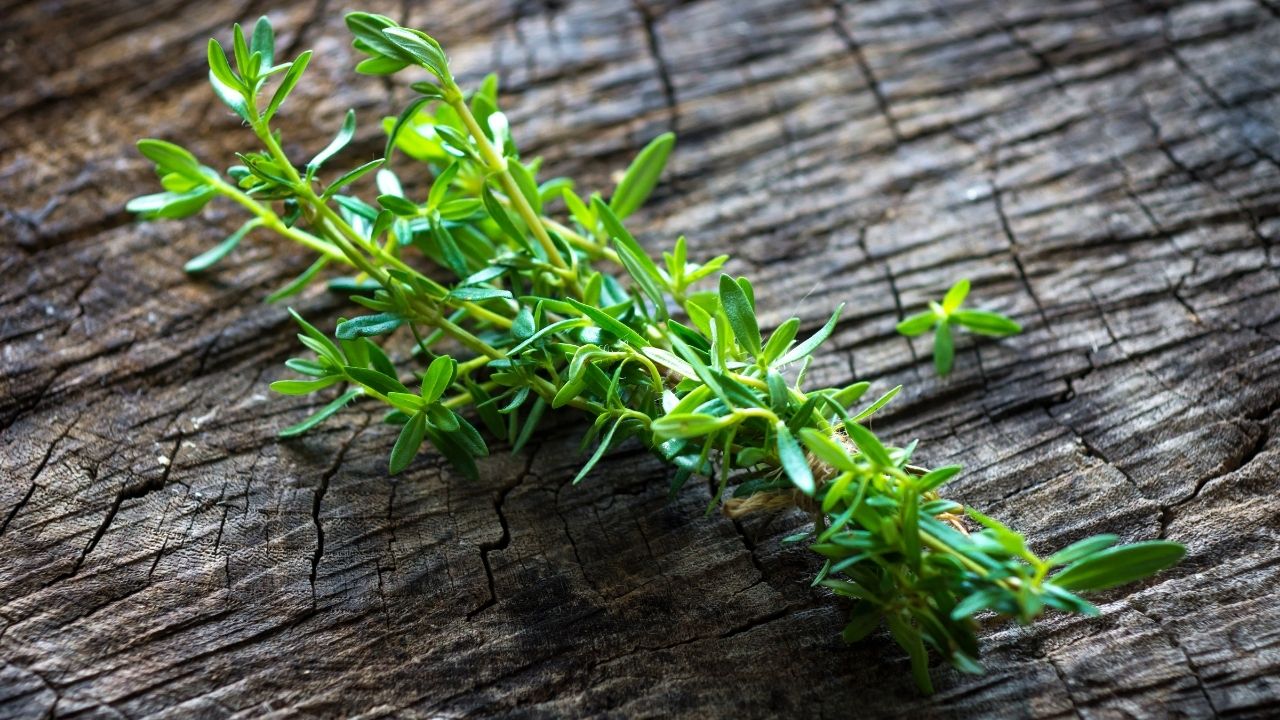
Summer savory might be one of the most underrated herbs in your spice cabinet, but professional chefs know its secret power. This Mediterranean herb brings a peppery, almost pine-like intensity that transforms simple dishes into something extraordinary. I love how it bridges the gap between thyme and oregano, offering that warm, earthy complexity that makes you pause mid-bite and wonder what that incredible flavor is. Unlike its winter cousin, summer savory has a lighter, more delicate touch that won’t overpower your ingredients.
You’ll find summer savory working magic in bean dishes—there’s a reason the French call it “the bean herb.” But don’t limit yourself to legumes! I sprinkle it over roasted vegetables, mix it into herb butter for grilled meats, and add it to my homemade bread dough for an unexpected twist. The key is using it fresh whenever possible, though dried works beautifully too. Start with just a pinch because this herb packs serious flavor punch. Try it in your next marinade or rub it between your fingers before adding to soups—that aromatic release will tell you everything you need to know about why chefs keep this herb close at hand.
Chervil
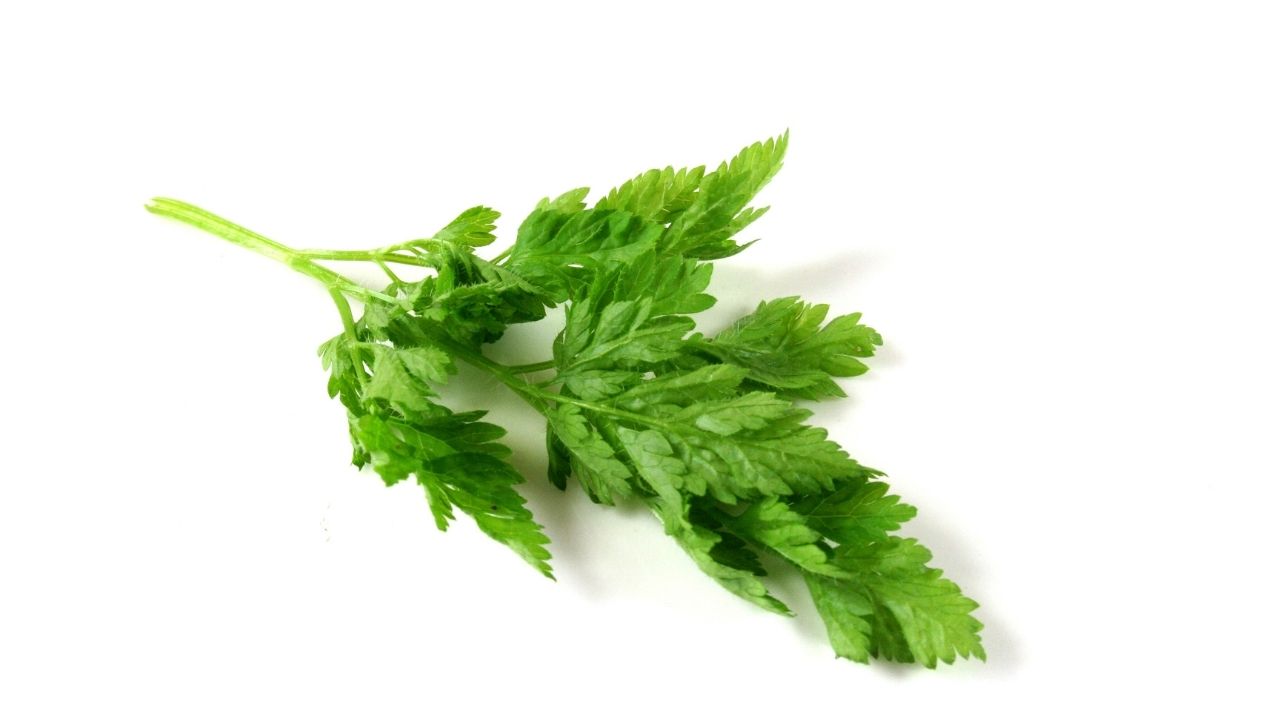
You know how some herbs shout their presence while others whisper sweet secrets? Chervil belongs to that second category, and professional chefs absolutely adore it for that exact reason. This delicate French herb brings a gentle aniseed flavor with hints of parsley, but here’s what makes it special – it never overwhelms your dish. I keep fresh chervil in my kitchen because it transforms simple ingredients into something magical. When I’m making my weekend omelets or finishing a creamy soup, just a handful of chopped chervil elevates everything without competing with other flavors.
The beauty of chervil lies in its versatility and timing. Unlike hardier herbs that can handle long cooking times, chervil works best when you add it at the very end of cooking or as a fresh garnish. I love folding it into butter for fish dishes, mixing it into homemade vinaigrettes, or sprinkling it over roasted vegetables just before serving. Professional chefs call it one of the “fines herbes” – that classic French quartet that also includes parsley, chives, and tarragon. Trust me, once you start cooking with fresh chervil, you’ll understand why French cuisine prizes it so highly for bringing subtle sophistication to everyday meals.
Marjoram
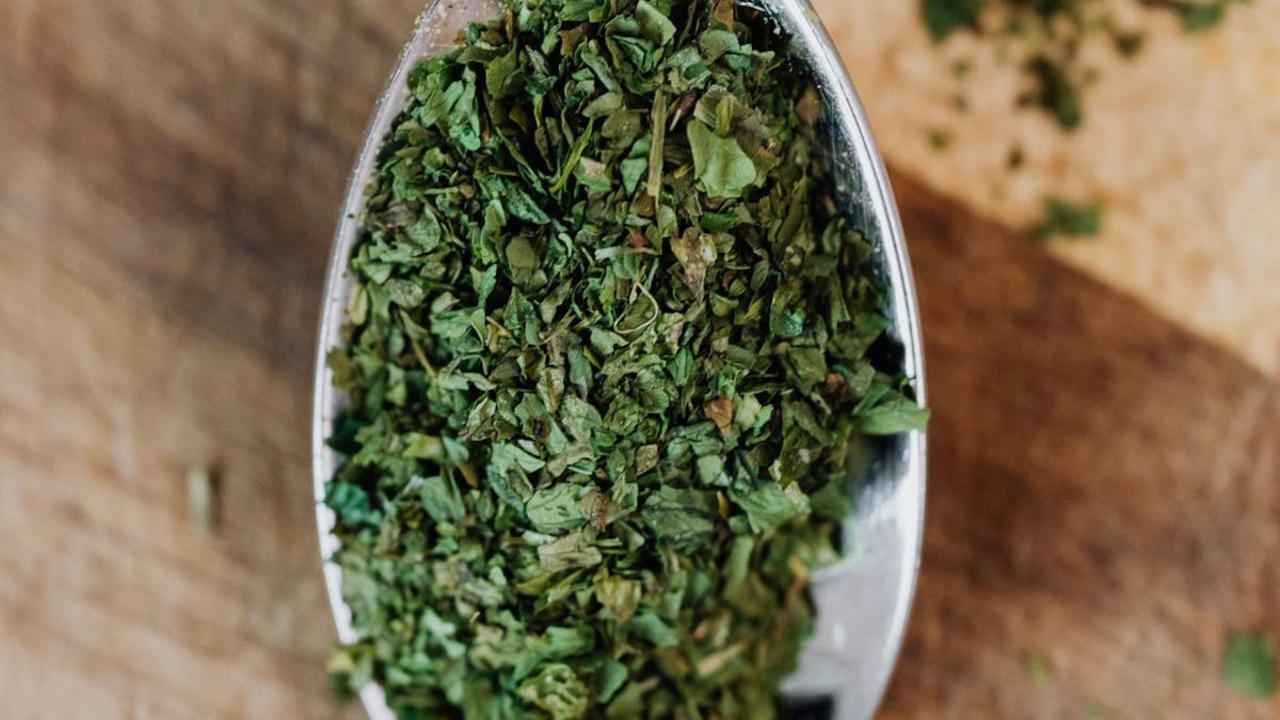
Marjoram holds a special place in my spice cabinet because it brings this gentle, almost floral sweetness that transforms simple dishes into something memorable. I discovered this herb while experimenting with Mediterranean flavors, and now I reach for it whenever I want to add depth without overwhelming other ingredients. Unlike its bold cousin oregano, marjoram whispers rather than shouts, making it perfect for delicate proteins like fish or chicken. You can use it fresh or dried, though I prefer fresh when I’m making my weekend herb-crusted salmon or tossing it into a warm quinoa salad with roasted vegetables.
What I love most about marjoram is how it plays beautifully with other herbs – try combining it with thyme and rosemary for a gorgeous herb butter that melts over steamed vegetables or grilled meats. Professional chefs often pair it with tomato-based sauces because it adds complexity without competing with the tomatoes’ natural acidity. I’ve started growing my own marjoram plants because fresh sprigs make such a difference in homemade soups and stews. Next time you’re making a simple pasta dish or roasting root vegetables, sprinkle some marjoram on top during the last few minutes of cooking – you’ll be amazed at how this humble herb elevates the entire dish with its warm, pine-like notes.
Tarragon
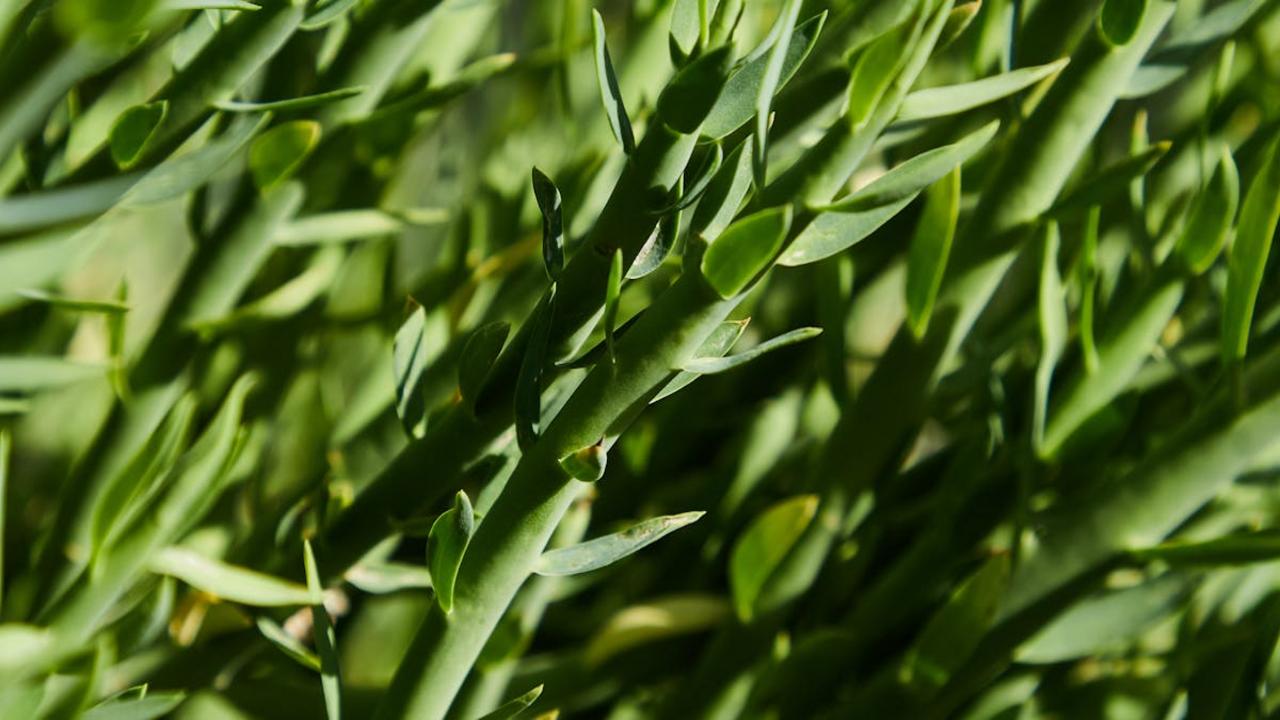
You know that moment when you taste something in a restaurant and think, “What makes this so special?” Nine times out of ten, it’s tarragon working its magic behind the scenes. This delicate French herb brings an almost licorice-like sweetness that transforms ordinary dishes into something restaurant-worthy. I keep both fresh and dried tarragon in my kitchen because each offers something unique—fresh tarragon gives you that bright, almost peppery bite, while dried tarragon provides a more concentrated, earthy flavor that holds up beautifully in longer cooking methods.
Professional chefs reach for tarragon when they want to add sophistication without overwhelming a dish. It pairs beautifully with chicken, fish, and eggs—think classic béarnaise sauce or a simple tarragon cream sauce that makes pan-seared salmon sing. I love adding fresh tarragon to my homemade salad dressings or stirring it into yogurt-based marinades for grilled vegetables. The key with tarragon is knowing when to add it—fresh leaves should go in at the end of cooking to preserve their delicate flavor, while dried tarragon can handle the heat from the beginning. Start with just a pinch; this herb has personality and a little goes a long way in creating that “secret ingredient” effect that makes people ask for your recipe.
Sage
3