14 Foods You Should Never Give Your Kids, Experts Warn
As a mom of three and a food safety advocate, I’ve learned that certain foods can pose serious choking hazards or health risks to children. Many parents don’t realize that common items in their kitchen might actually endanger their little ones. Your awareness of these potentially harmful foods can prevent emergency situations and keep your children safe.
Choking remains a leading cause of injury for kids, particularly those under four years old. Their smaller airways, developing chewing skills, and natural curiosity make them especially vulnerable. Some foods that adults eat without thinking twice require caution or complete avoidance depending on your child’s age.
This guide highlights 14 foods that experts flag as risky for children. From tiny round foods that can block airways to unpasteurized products containing harmful bacteria, understanding these dangers helps you make safer choices during mealtime. You’ll learn which foods to avoid completely and which need simple modifications to become kid-friendly.
Citrus fruits for infants
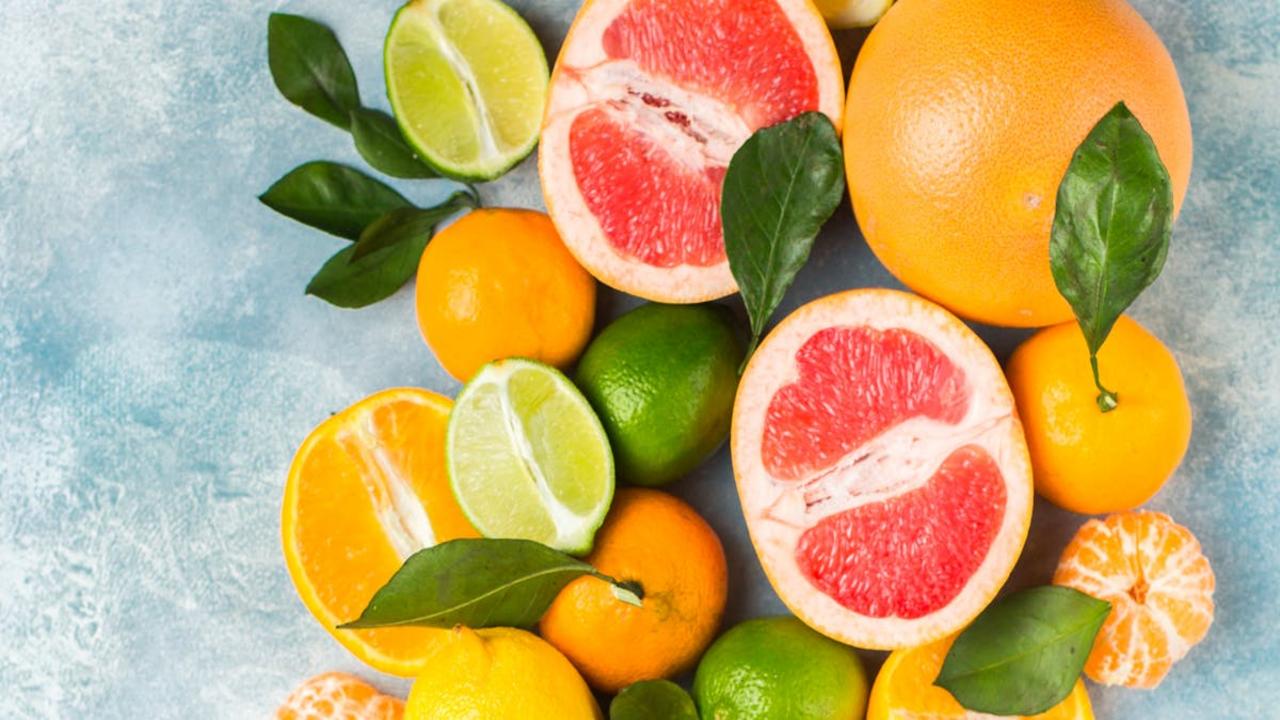
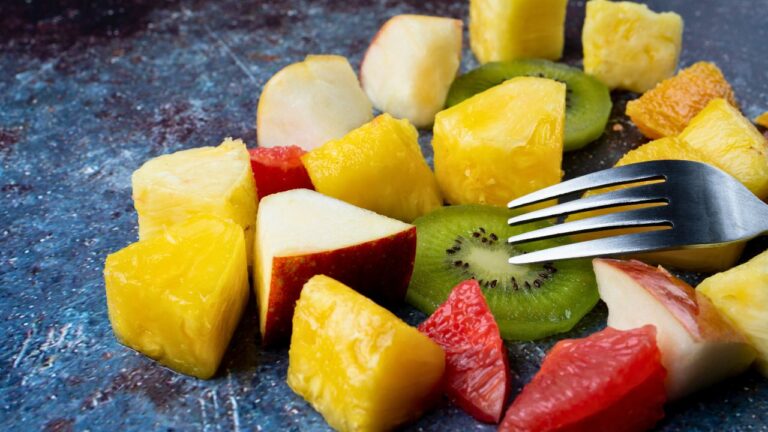
I know how excited you get when your little one starts showing interest in different foods, and those bright, colorful oranges and grapefruits might seem like perfect healthy options. However, pediatricians strongly recommend waiting until your baby reaches at least 12 months before introducing citrus fruits. The high acidity in oranges, lemons, limes, and grapefruits can cause uncomfortable diaper rashes and potentially trigger allergic reactions in young digestive systems that aren’t quite ready for such intense flavors.
Your baby’s stomach is still developing that protective lining needed to handle acidic foods comfortably. Instead of citrus, try offering sweeter, gentler fruits like bananas, pears, or cooked apples during those first months of food exploration. Once your child celebrates their first birthday, you can gradually introduce small amounts of citrus fruits and watch how they respond. Remember, there’s no rush – your baby will have plenty of time to enjoy these vitamin-rich fruits once their little body is better equipped to handle them safely and comfortably.
Canned tuna
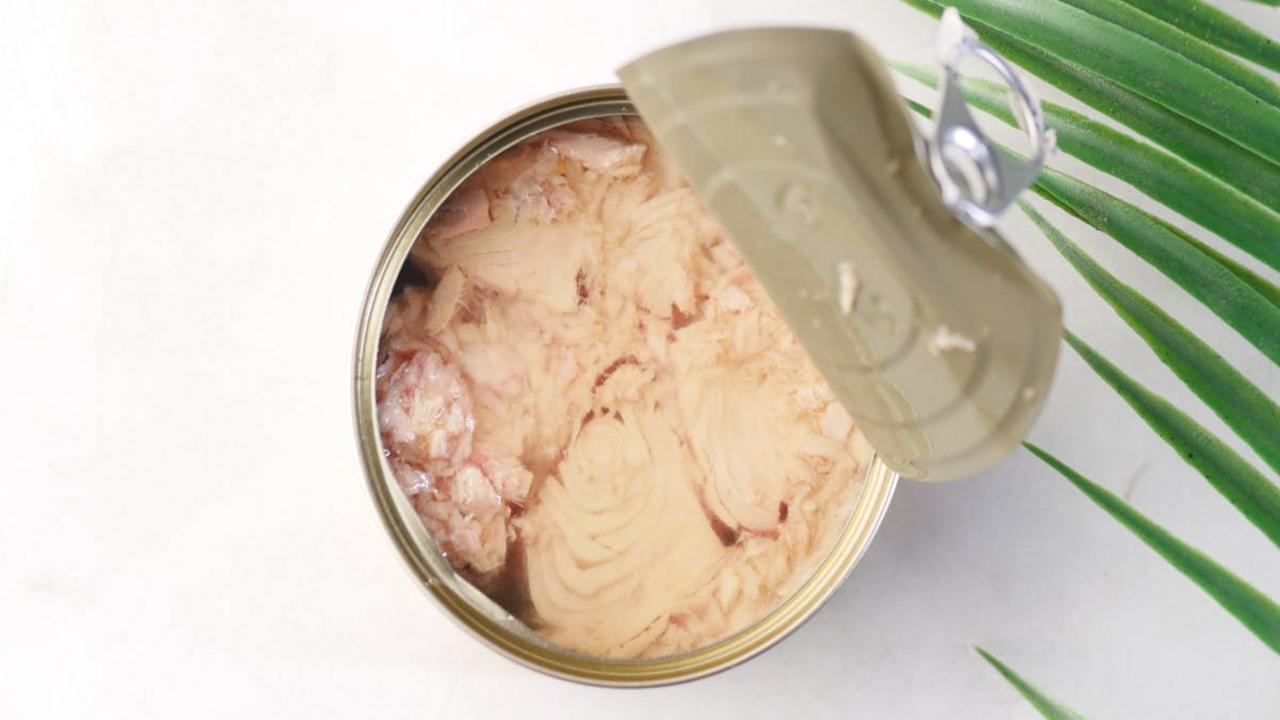
I know what you’re thinking – tuna is packed with protein and omega-3s, so how could it possibly make this list? The concern isn’t with tuna itself, but rather with the mercury levels found in canned varieties. Mercury accumulates in larger fish like tuna, and children’s developing nervous systems are particularly sensitive to this heavy metal. Regular consumption can lead to developmental delays, learning difficulties, and other neurological issues that no parent wants to risk.
If your family loves tuna, don’t panic! You can still serve it occasionally, but moderation is key. The FDA recommends limiting canned light tuna to once a week for young children, while avoiding albacore (white) tuna entirely for kids under six. Consider swapping in smaller fish like salmon, sardines, or mackerel instead – they offer similar nutritional benefits with significantly lower mercury content. You can make delicious salmon patties, sardine pasta, or even try those kid-friendly fish sticks made from cleaner alternatives. Your little ones will still get their seafood fix without the worry!
Unpasteurized milk
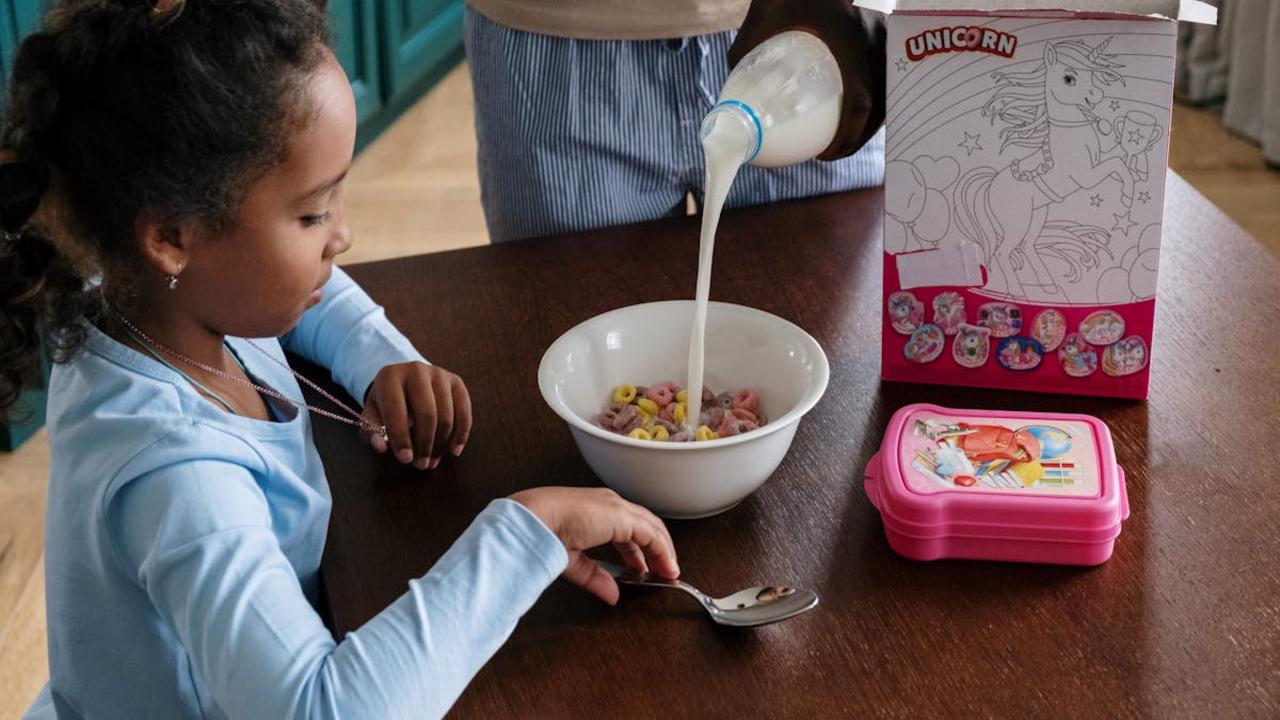
Raw milk might sound like a natural, wholesome choice for your family, but experts strongly advise against giving unpasteurized milk to children. Unlike the milk you find in grocery stores, raw milk hasn’t gone through the pasteurization process that kills harmful bacteria like E. coli, Salmonella, and Listeria. These dangerous pathogens can cause serious foodborne illnesses that are particularly risky for kids, whose immune systems are still developing. Young children, pregnant women, and elderly adults face the highest risk of severe complications from consuming contaminated raw milk.
I know the idea of “natural” milk straight from the farm appeals to many parents who want to provide the purest foods for their children. However, pasteurization doesn’t strip away the nutritional benefits of milk – it simply makes it safe to drink. The process heats milk to specific temperatures for precise time periods, destroying harmful microorganisms while preserving the calcium, protein, and vitamins your growing kids need. Stick with pasteurized milk from trusted sources, and you’ll give your family all the nutritional goodness without the worry of dangerous bacteria lurking in their glass.
Soft cheeses
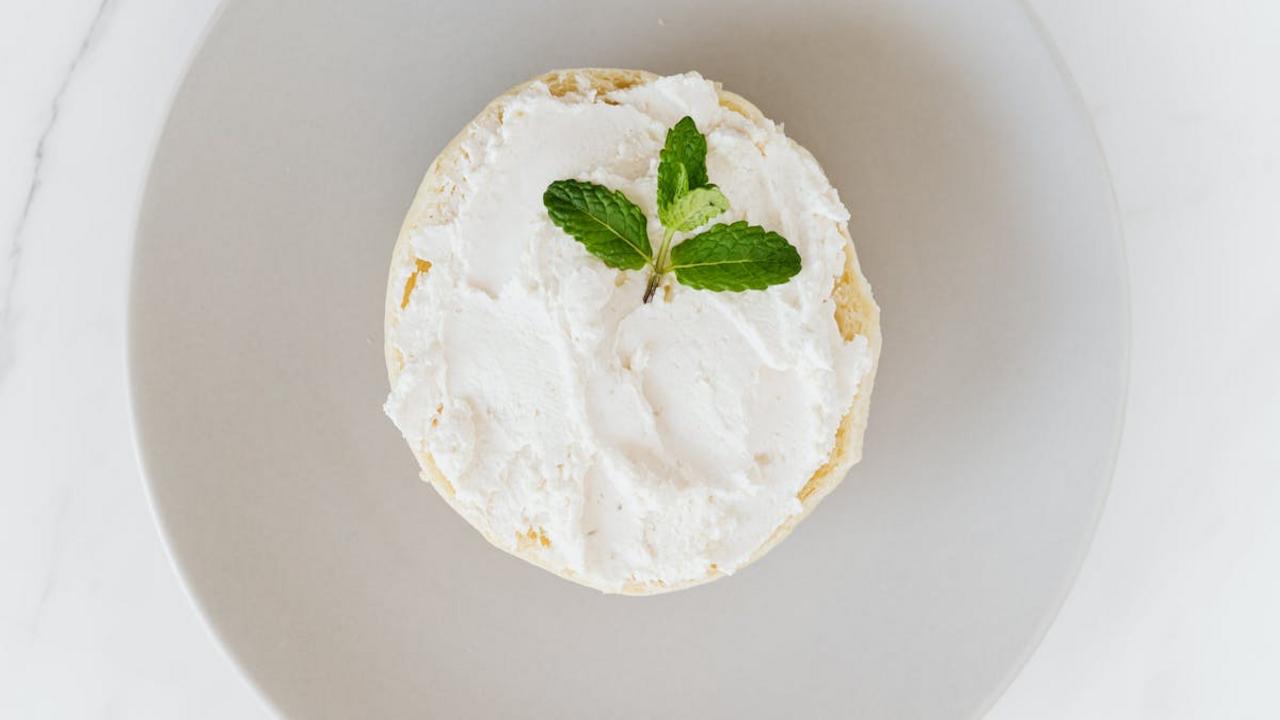
You know that creamy brie or that gorgeous camembert calling your name from the cheese aisle? Hold up before sharing these with your little ones! Soft cheeses made from unpasteurized milk can harbor some seriously nasty bacteria like listeria, E. coli, and salmonella. These bugs might not bother adults much, but they can really knock kids for a loop since their immune systems are still developing. The soft, moist texture of these cheeses creates the perfect breeding ground for harmful microorganisms to multiply and thrive.
Now, don’t panic completely – many soft cheeses you find in regular grocery stores are made with pasteurized milk and are totally safe for kids. The trick is reading those labels carefully! Look for that magic word “pasteurized” on the packaging. If you’re shopping at farmers markets or specialty cheese shops, always ask about the pasteurization process. Hard cheeses like cheddar and mozzarella are generally safer bets for children since their lower moisture content makes bacterial growth much less likely. When in doubt, stick with familiar brands that clearly label their pasteurization practices.
Dried fruits
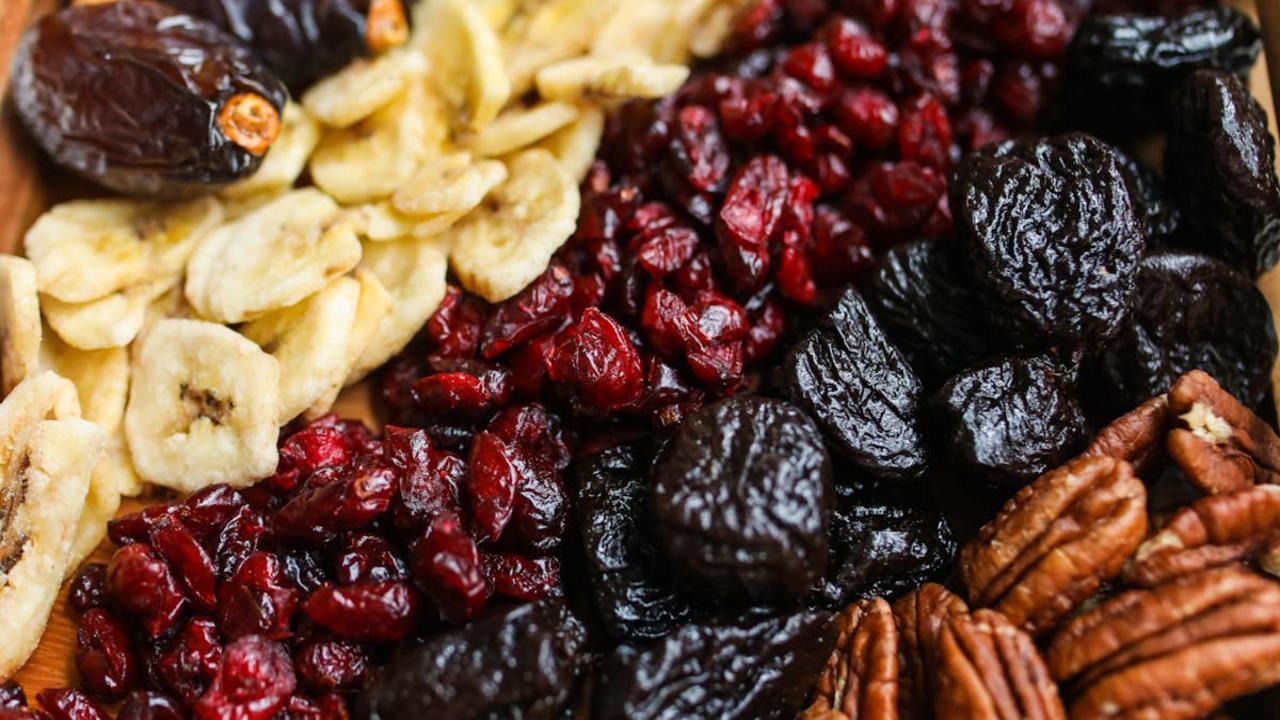
I know what you’re thinking – dried fruits sound like the perfect healthy snack for kids, right? Unfortunately, these seemingly innocent treats can pack a serious sugar punch that might surprise you. Most commercial dried fruits contain added sugars on top of their already concentrated natural sugars, creating a double whammy that can send your child’s blood sugar levels on a wild roller coaster ride. Plus, the chewy texture makes them incredibly sticky, and they love to cling to little teeth for hours, creating the perfect environment for cavity-causing bacteria to throw their own party.
Here’s what really gets me fired up about this topic: the portion sizes! A handful of dried cranberries or banana chips might seem small, but you’re actually giving your child the sugar equivalent of several whole pieces of fresh fruit in one tiny serving. Fresh grapes versus raisins? Those twenty raisins your kiddo just gobbled up represent about sixty fresh grapes worth of sugar! Instead of reaching for that bag of dried mango strips, try offering fresh fruit with a small portion of nuts or seeds. Your children will get fiber, vitamins, and healthy fats without the sugar overload that leaves them cranky and hungry again in thirty minutes.
Hot dogs
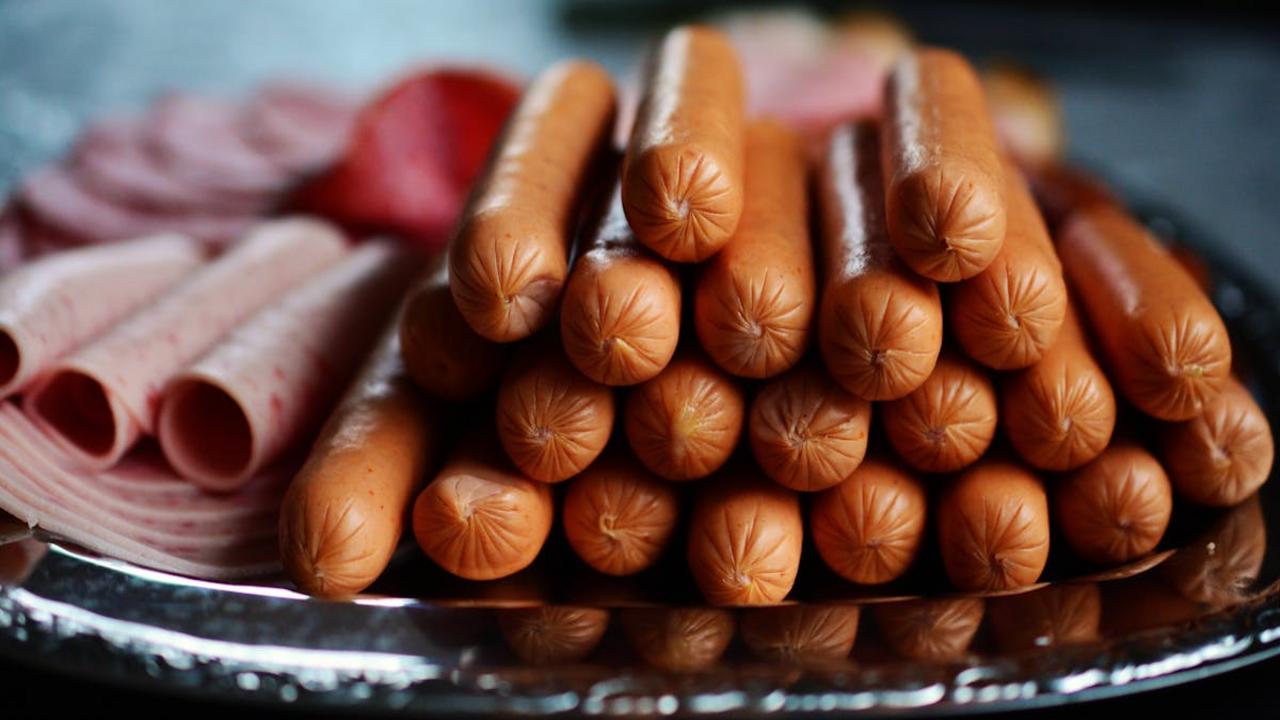
I know hot dogs seem like the perfect kid-friendly food – they’re quick, easy, and most children absolutely love them. But here’s what many parents don’t realize: these processed meat products pack some serious health concerns that make them unsuitable for growing bodies. Hot dogs contain high levels of sodium, nitrates, and preservatives that can be particularly harmful to children’s developing systems. The nitrates used to preserve that familiar pink color and extend shelf life have been linked to increased cancer risk, while the excessive sodium content can contribute to high blood pressure and kidney stress in young ones.
Beyond the chemical concerns, hot dogs present a significant choking hazard for children under four years old. Their cylindrical shape and firm texture make them one of the top choking foods for toddlers. If you absolutely must serve hot dogs occasionally, slice them lengthwise into thin strips rather than rounds, and always supervise young children while they eat. Better yet, try making homemade turkey or chicken meatballs, or look for nitrate-free, lower-sodium alternatives made from organic meats. Your kids might resist the switch initially, but their bodies will thank you for choosing healthier protein sources that fuel their growth and development properly.
Marshmallows
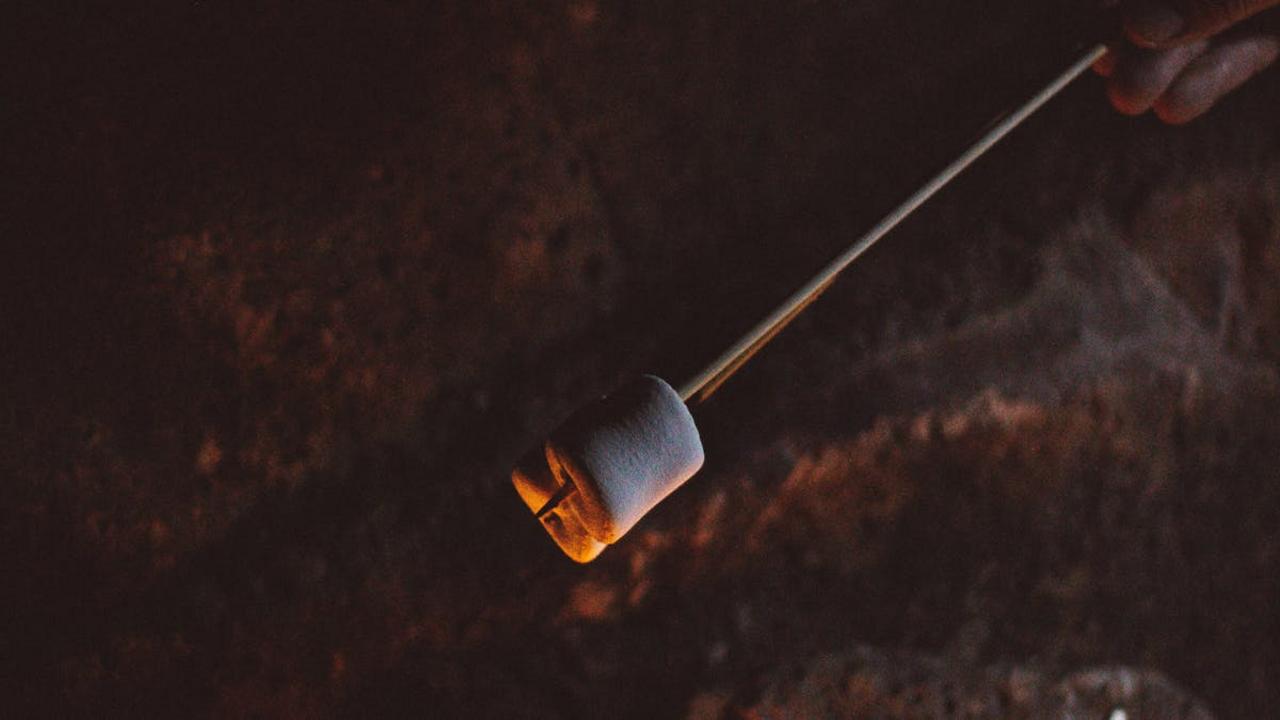
Those fluffy, sweet treats that kids absolutely adore might seem harmless, but marshmallows pose serious choking risks for little ones. The squishy texture that makes them so appealing can quickly turn dangerous when a child tries to swallow a whole marshmallow or takes too big a bite. The sticky, gooey consistency can block airways completely, and unlike harder foods that might break apart, marshmallows can create a seal that’s incredibly difficult to dislodge.
Beyond the immediate choking danger, marshmallows offer zero nutritional value while packing in loads of sugar and artificial ingredients that can spike blood sugar levels and contribute to tooth decay. If you want to satisfy that sweet tooth safely, try offering fresh berries with a drizzle of honey, or make homemade fruit leather that gives kids that chewy texture they crave without the risks. Remember, there are so many delicious alternatives that can make snack time both fun and safe for your precious little ones!
Popcorn

You know that satisfying crunch of popcorn during movie night? While it might seem like a harmless snack, pediatric experts strongly advise keeping popcorn away from children under four years old. Those fluffy kernels pose a serious choking hazard because they can easily get lodged in small airways. Even the hulls – those pesky kernel pieces that get stuck in your teeth – can become dangerous for little ones who don’t yet have the chewing skills to break them down properly.
Beyond the choking risk, popcorn often comes loaded with butter, salt, and artificial flavors that aren’t doing your kids any favors nutritionally. Instead of reaching for that bag of microwave popcorn, try offering your children softer alternatives like puffed rice cereal or small pieces of soft fruit. Save the popcorn for when they’re older and can handle the texture safely – your peace of mind during snack time will thank you for making this simple swap.
Hard candies
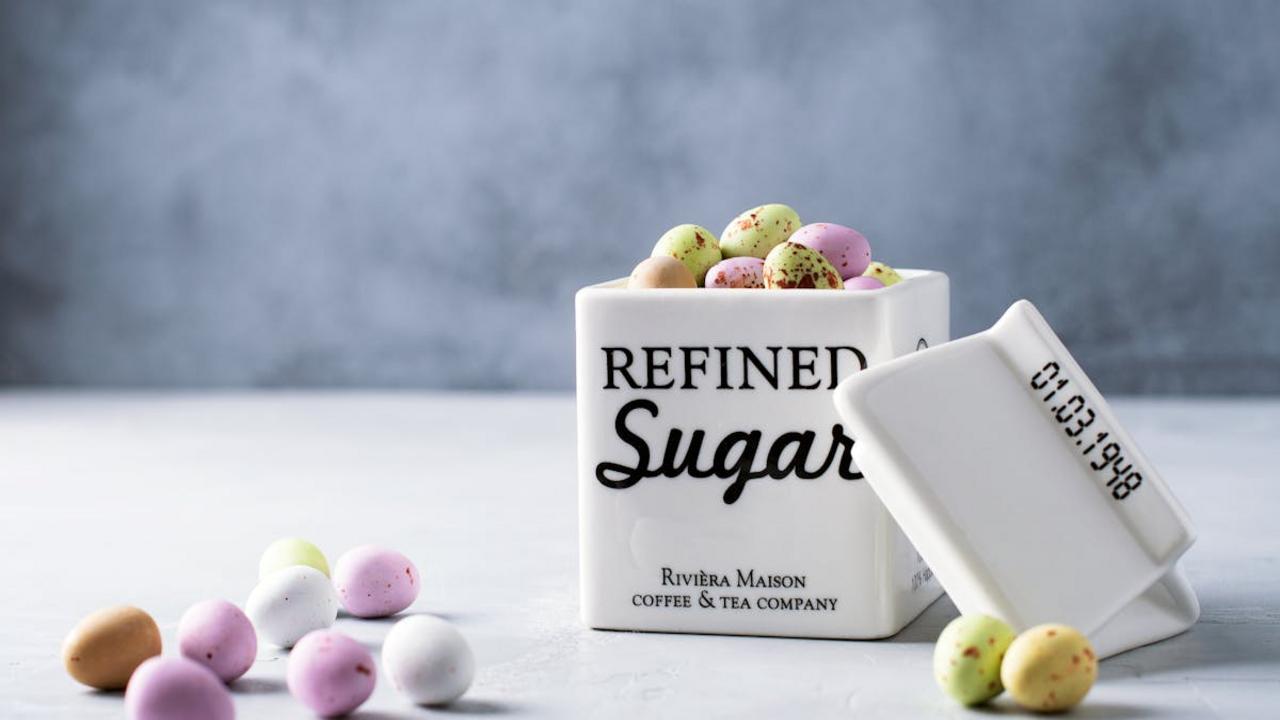
Hard candies pose a serious choking hazard for young children, particularly those under four years old. These small, solid sweets can easily become lodged in a child’s throat, blocking their airway completely. Even older kids can struggle with hard candies if they try to bite down on them too quickly or if they accidentally inhale while the candy is in their mouth. The smooth, round shape of many hard candies makes them especially dangerous because they can slip down the throat unexpectedly.
Beyond the choking risk, hard candies deliver concentrated sugar directly to your child’s teeth, creating the perfect environment for tooth decay and cavities. Unlike other treats that get chewed and swallowed quickly, hard candies sit in the mouth for extended periods, bathing teeth in sugar. This prolonged exposure feeds harmful bacteria that produce acid, which attacks tooth enamel. Instead of reaching for hard candies, try offering your kids naturally sweet alternatives like frozen grapes, apple slices with a touch of cinnamon, or homemade fruit popsicles. These options satisfy their sweet tooth while providing actual nutrition and keeping their teeth safer.
Whole nuts
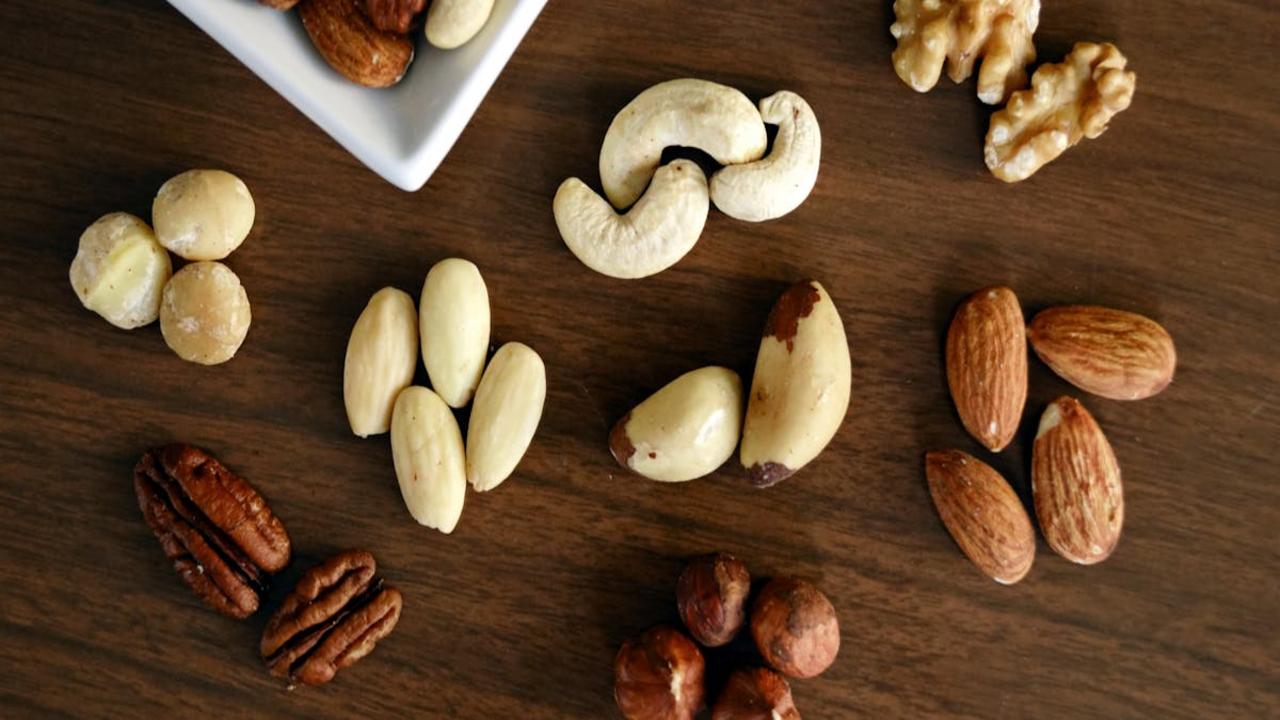
Whole nuts might seem like the perfect healthy snack for your little ones, but they pose a serious choking hazard for children under four years old. Those smooth, round shapes can easily block tiny airways, and even older kids can struggle with larger nuts like walnuts or Brazil nuts. I always recommend grinding nuts into butter or chopping them finely before serving them to young children. The nutritional benefits of nuts are incredible – packed with healthy fats, protein, and vitamins – but safety comes first in our kitchens.
Instead of whole nuts, try spreading almond butter on apple slices or mixing finely chopped pecans into your homemade muffins. You can also blend cashews into smoothies or sprinkle ground walnuts over oatmeal for that nutty flavor without the risk. Remember, children’s chewing and swallowing skills develop gradually, so what seems manageable to us adults can be dangerous for them. Keep whole nuts stored safely away from curious little hands, and save them for when your kids are older and can handle them properly.
Cherry tomatoes
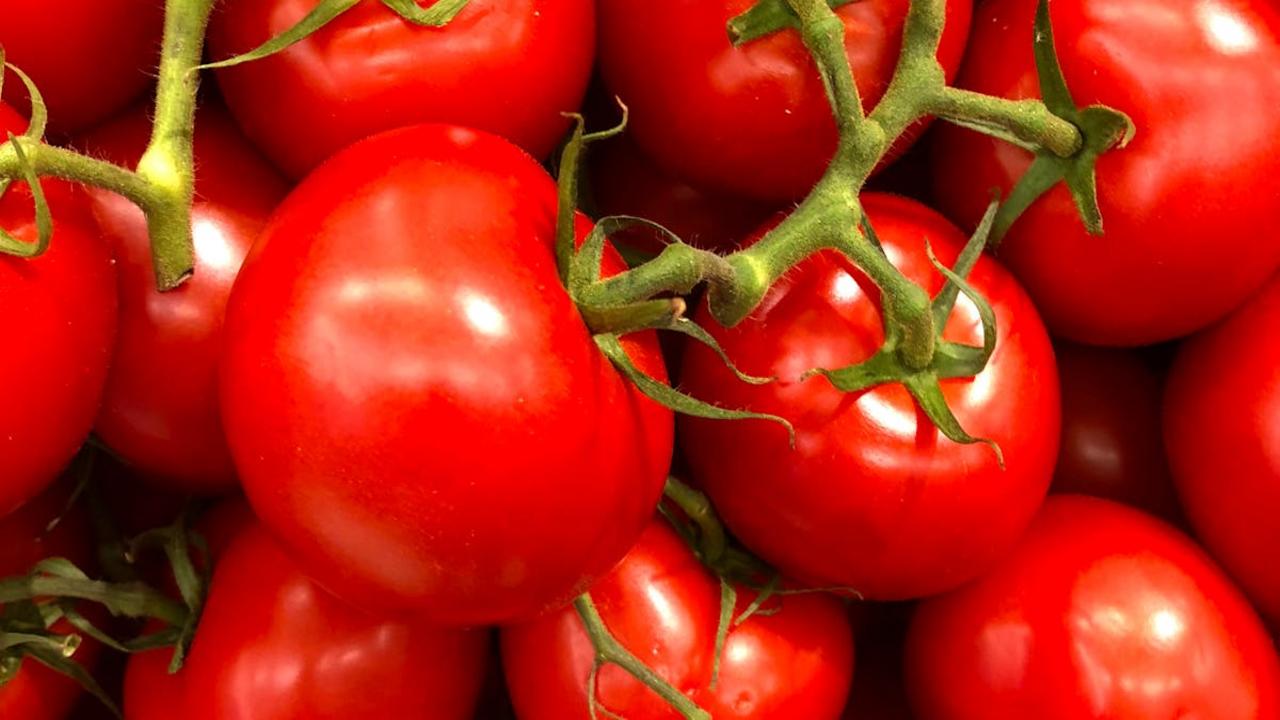
Cherry tomatoes might seem like the perfect snack-sized treat for little ones, but they pose a serious choking hazard that many parents don’t realize. These small, round fruits are just the right size to block a child’s airway completely, and their firm skin makes them particularly dangerous. The smooth surface can cause them to slip down the throat unexpectedly, while their size means they can lodge perfectly in a young child’s windpipe. Pediatric experts consistently warn against giving whole cherry tomatoes to children under four years old.
The good news is you don’t have to eliminate cherry tomatoes from your child’s diet entirely – you just need to prepare them safely! Cut each cherry tomato into quarters lengthwise to break up that dangerous round shape and reduce the choking risk significantly. This simple step transforms them from a hazard into a nutritious snack packed with vitamin C, lycopene, and other beneficial nutrients your growing child needs. Many parents find that kids actually prefer the quartered pieces because they’re easier to chew and the flavors release more readily, making snack time both safer and more enjoyable for everyone.
Raw honey
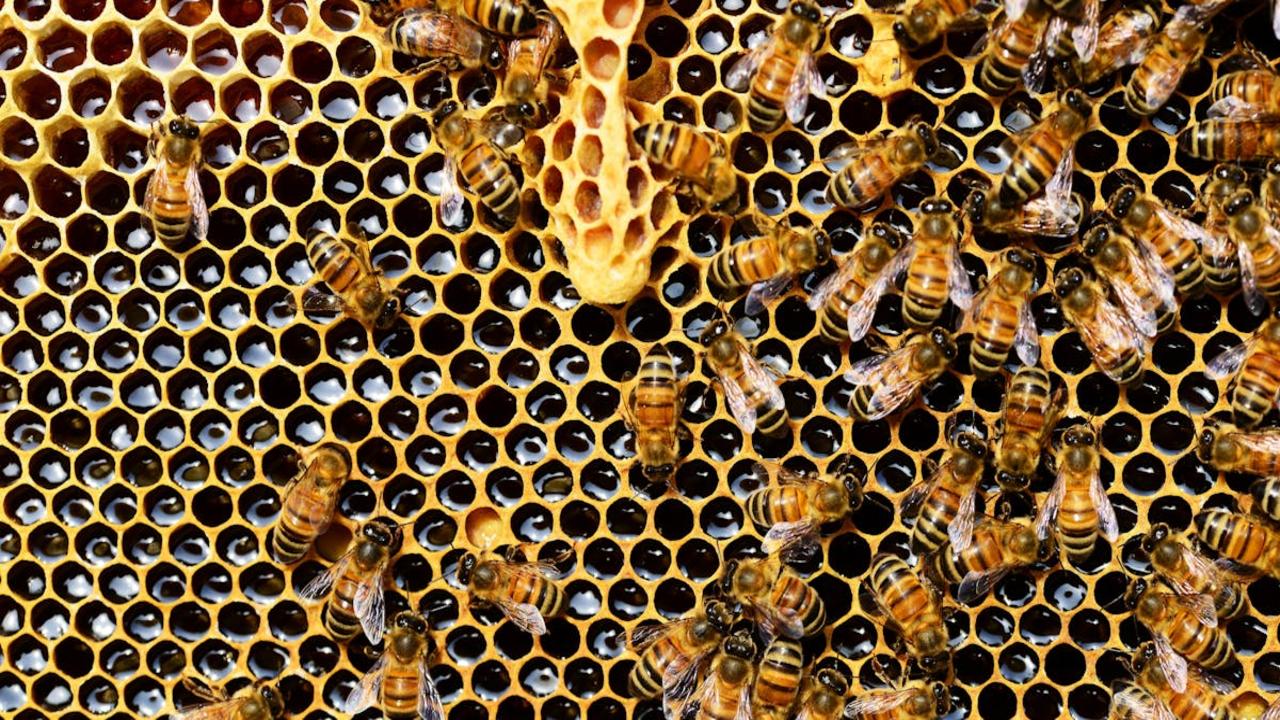
I know how tempting it can be to reach for that gorgeous jar of raw honey when you want to sweeten your little one’s food naturally. After all, honey seems like the perfect wholesome alternative to processed sugar, right? But here’s something that might surprise you: babies under 12 months should never have raw honey, and honestly, I’d recommend waiting even longer. Raw honey can contain Clostridium botulinum spores, which can cause infant botulism – a serious condition that affects your baby’s nervous system and can lead to muscle weakness, breathing problems, and even paralysis.
Your baby’s digestive system simply isn’t mature enough to handle these spores the way older children and adults can. While our developed gut flora can prevent these spores from growing, babies don’t have that protection yet. I always tell parents that even cooked or baked goods containing honey should be off-limits for infants. Once your child hits their first birthday, their digestive system becomes strong enough to safely process honey, and then you can start introducing this golden sweetener in small amounts. Trust me, waiting that extra year is absolutely worth keeping your precious little one safe and healthy.
Peanut butter
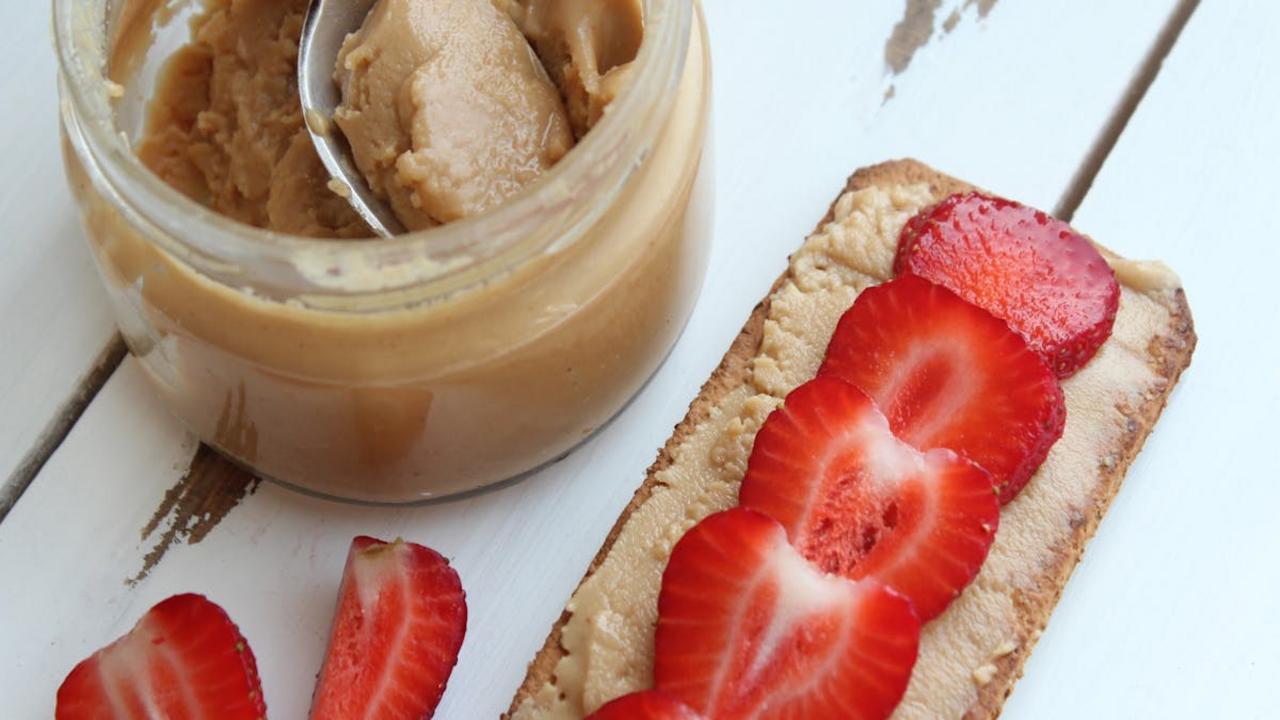
I know what you’re thinking – peanut butter seems like such a wholesome pantry staple! But here’s the thing: many commercial peanut butters pack way more sugar and sodium than you’d expect. When you flip that jar around and read the label, you might discover your favorite brand contains added sugars, hydrogenated oils, and preservatives that don’t belong in your little one’s diet. These additives can contribute to tooth decay, blood sugar spikes, and create unhealthy eating patterns from an early age.
The bigger concern? Choking hazards for toddlers and young children. That thick, sticky texture can easily get lodged in small throats, making peanut butter particularly dangerous for kids under four years old. If you want to introduce peanuts safely, try thinning natural peanut butter with water or mixing it into oatmeal or yogurt. Always choose varieties with just peanuts and maybe salt – nothing else. Your pediatrician can guide you on the right age to introduce peanut products, especially if allergies run in your family.
Grapes
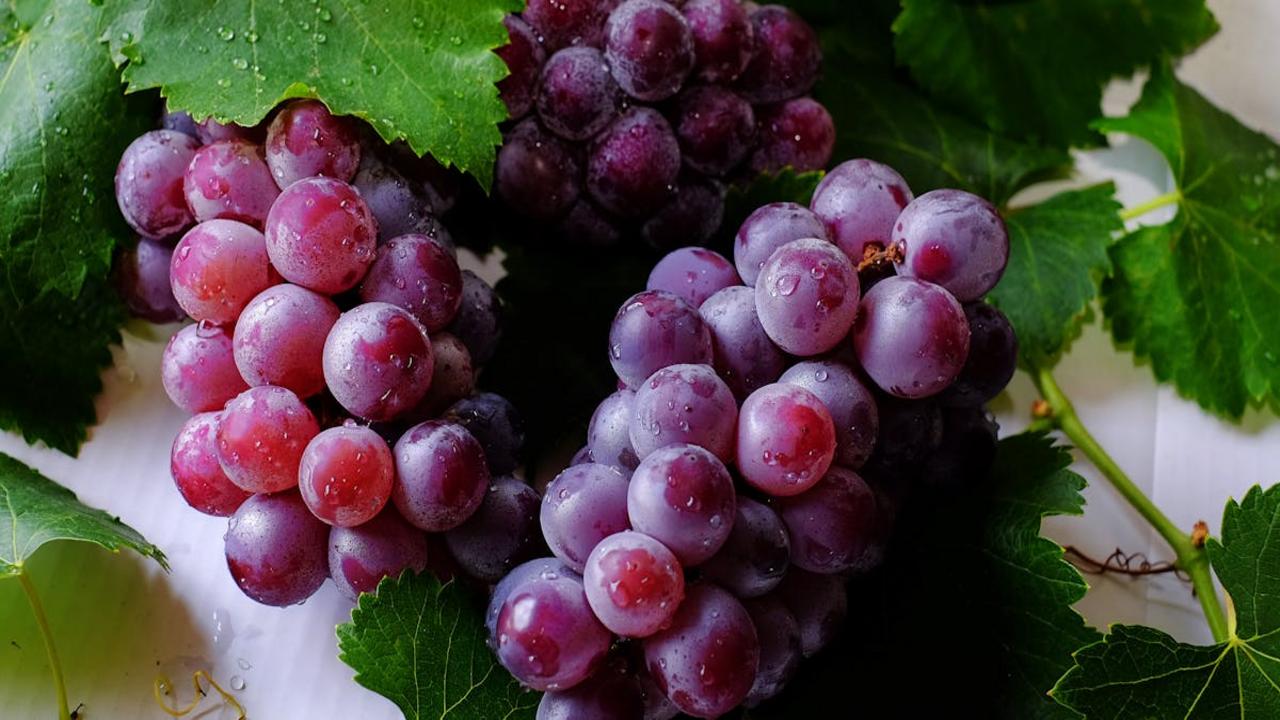
Whole grapes pose a serious choking hazard for young children, especially those under four years old. Their round shape and firm texture create the perfect storm for blocking little airways. I’ve seen too many parents panic when a grape gets lodged in their child’s throat, and honestly, it’s completely preventable with some simple preparation. The size matches a child’s windpipe almost perfectly, making grapes one of the most dangerous foods you can offer without modification.
Here’s the good news though – you don’t need to ban grapes entirely from your family’s diet! Simply slice them lengthwise into halves or quarters before serving them to your little ones. This breaks up that dangerous round shape while keeping all the sweet, juicy goodness your kids love. I always keep a sharp paring knife handy during snack prep for exactly this reason. Your children can still enjoy this nutritious fruit packed with vitamins and antioxidants, but now you’re giving them safely. Remember, even older kids can benefit from quartered grapes since they sometimes stuff too many in their mouths at once.