14 Reasons Oktoberfest Food Is Worth Celebrating Even Without the Beer
Forget everything you think you know about Oktoberfest – the food steals the show. Yes, the beer flows freely, but the real magic happens on those long wooden tables laden with traditional German dishes that make your mouth water just thinking about them. From giant pretzels to savory pork knuckles, each bite tells a story passed down through generations.
My German grandmother taught me the beauty of these recipes lies in their simplicity and the way they bring people together. Picture yourself tearing into a warm pretzel, sharing a plate of crispy bratwurst, or discovering the creamy joy of obatzda cheese spread. These foods create moments of pure happiness that last long after the festival ends.
The best part? You don’t need beer to appreciate these incredible flavors. Each dish stands proudly on its own merit, offering a window into centuries of German cooking tradition. Whether you’re into hearty comfort foods or light nibbles, Oktoberfest’s menu delivers satisfaction that goes way beyond the typical festival fare.
The Giant Pretzels Are Actually a Balanced Meal

You know what makes me smile every time I see those massive Oktoberfest pretzels? They’re not just Instagram props or carb-heavy indulgences—they’re genuinely balanced nutrition wrapped up in twisted dough perfection. These beauties pack complex carbohydrates from quality flour, provide sustained energy, and when you pair them with traditional mustard or cheese dips, you’re getting protein and healthy fats too. The coarse salt crystals on top? They replace electrolytes your body needs, especially after dancing to polka music or simply enjoying an active day outdoors.
I love recreating these at home because you control every ingredient that goes into the dough. Fresh yeast gives you probiotics, the long fermentation process makes the bread easier to digest, and that chewy texture comes from real technique, not artificial additives. When I make mine, I use whole grain flour for extra fiber and nutrients, then serve them with homemade herb butter or a yogurt-based dip loaded with fresh herbs. Suddenly, this “festival food” becomes a wholesome meal that nourishes your body while satisfying that primal urge to tear into something delicious with your hands.
Bratwurst Has More Varieties Than You Think
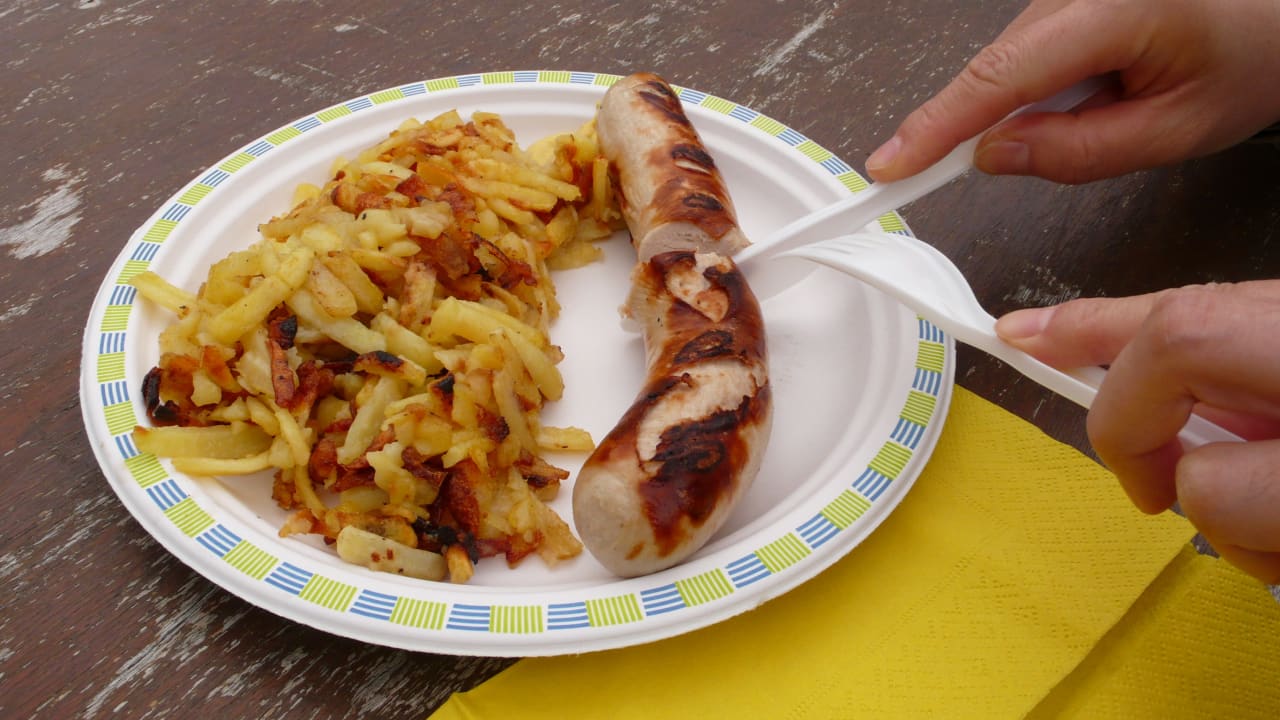
You probably know bratwurst as that classic grilled sausage at every German festival, but friend, there’s a whole world of bratwurst varieties waiting to surprise you! From the herb-packed Nürnberger bratwurst—tiny sausages bursting with marjoram and other spices—to the coarse-textured Thüringer bratwurst with its distinctive caraway and garlic notes, each region in Germany has perfected its own signature style. I love how these sausages tell stories of their birthplaces through unique spice blends and preparation methods that have been passed down through generations.
What excites me most about bratwurst is how you can recreate these authentic flavors at home using quality ground pork, natural casings, and fresh spices rather than settling for processed alternatives. Try making Weisswurst with veal and pork, seasoned with lemon zest, parsley, and white pepper—it’s incredibly satisfying to twist your own sausages and know exactly what goes inside. The beauty lies in understanding that each variety serves different purposes: some work perfectly for breakfast, others shine when grilled with sauerkraut, and many pair beautifully with mustard and fresh bread for a complete, nourishing meal that connects you to centuries of German food traditions.
Sauerkraut Is a Probiotic Powerhouse
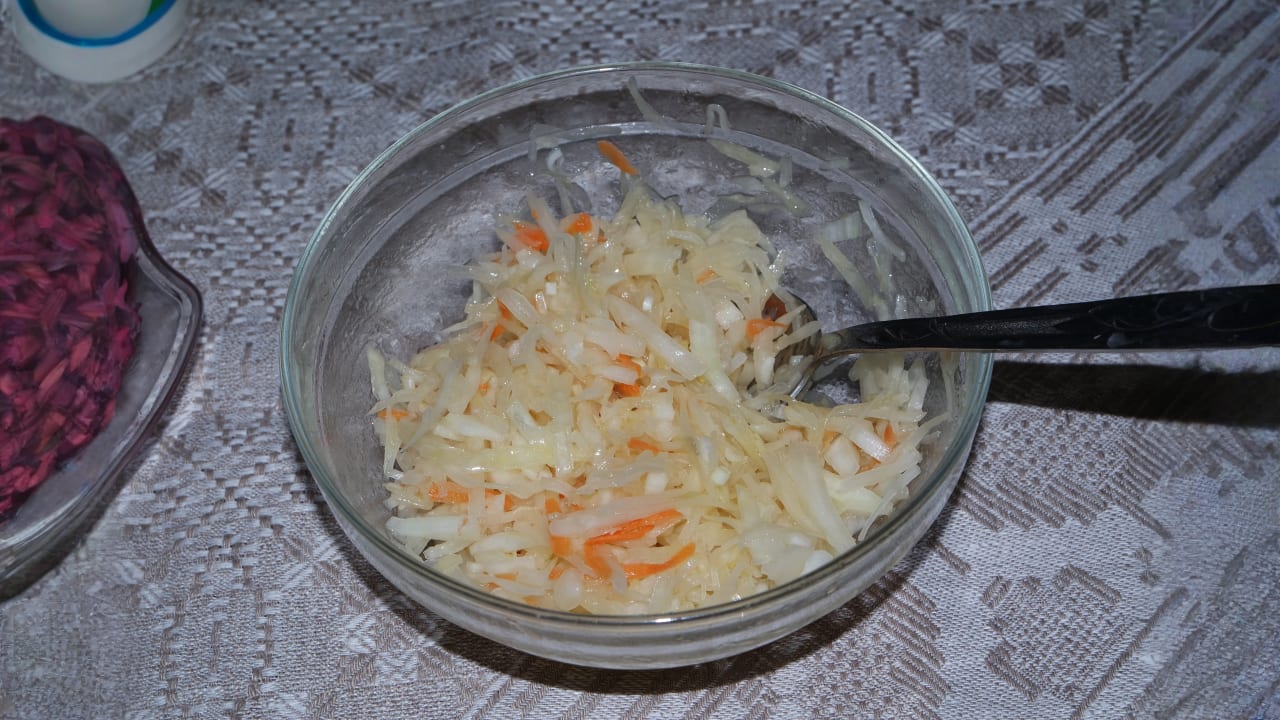
You know how I always say the best ingredients work double duty in your kitchen? Sauerkraut perfectly proves this point! This tangy, fermented cabbage brings so much more than flavor to your Oktoberfest spread. Each forkful delivers billions of beneficial bacteria that support your digestive health naturally. I love how traditional German cooks understood this centuries before we had scientific proof. The fermentation process transforms simple cabbage into a living food that actively helps balance your gut microbiome.
What really excites me about sauerkraut is how it bridges the gap between comfort food and wellness. You don’t need expensive probiotic supplements when you can make or buy quality sauerkraut that does the same job deliciously. I often add a small serving to my meals throughout the week, not just during October festivities. The crisp texture and bright acidity cut through rich foods beautifully while quietly working behind the scenes to support your immune system. It’s one of those ingredients that makes me appreciate how our ancestors intuitively created foods that nourished their bodies completely.
Pork Knuckle Is the Ultimate Comfort Food
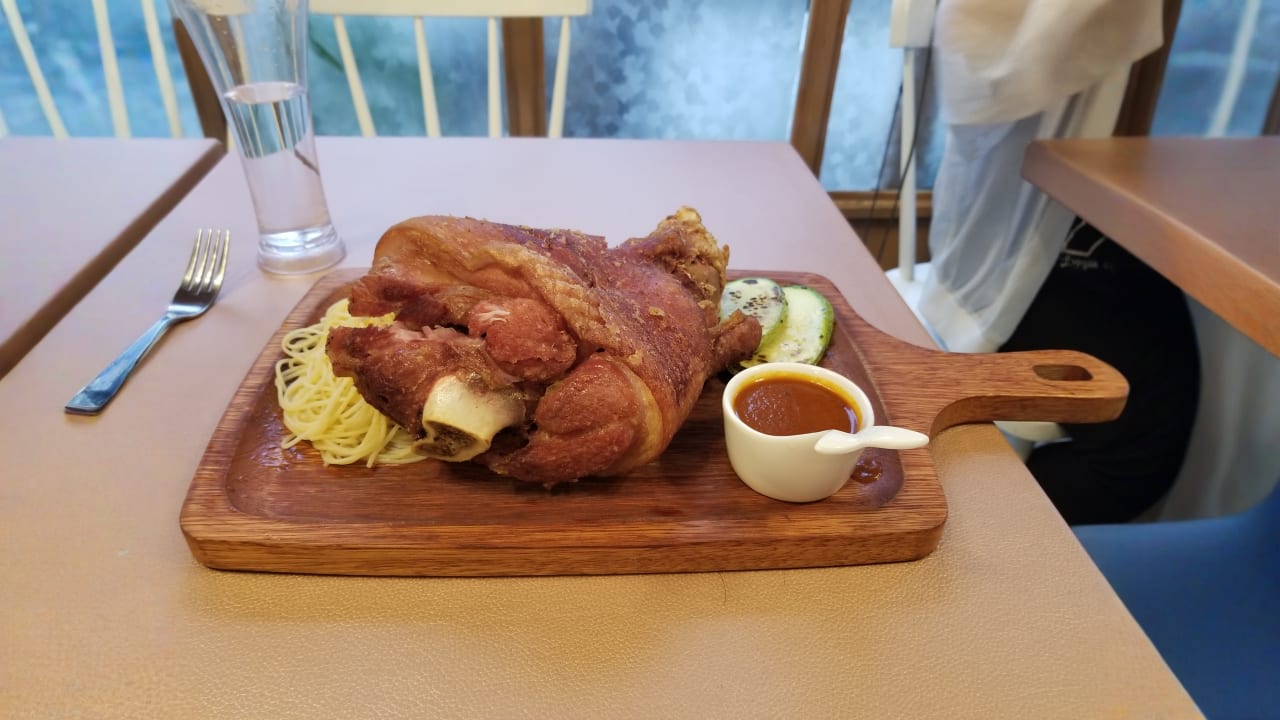
Picture this: a massive, glistening pork knuckle sitting before you, its crispy skin crackling with each gentle touch of your fork. This isn’t just meat – it’s pure, unadulterated comfort wrapped in golden-brown perfection. I’ve spent countless hours perfecting my own version at home, and trust me, there’s something almost meditative about the slow-braising process that transforms this tough cut into fall-off-the-bone tenderness. The beauty lies in its simplicity – just pork, time, and heat working together to create magic on your plate.
What makes pork knuckle so special goes beyond its impressive presentation. This cut forces you to slow down, to savor each bite mindfully, which feels revolutionary in our fast-paced world. I love how the rich, gelatinous meat pairs beautifully with fresh herbs and tangy sauerkraut, creating a perfect balance of flavors and textures. The collagen breaks down during cooking, creating that silky, satisfying mouthfeel that processed foods simply can’t replicate. When you make this at home, you control every ingredient, ensuring you’re nourishing your body with real, wholesome food that connects you to centuries of traditional cooking wisdom.
German Potato Salad Beats the Mayo Version
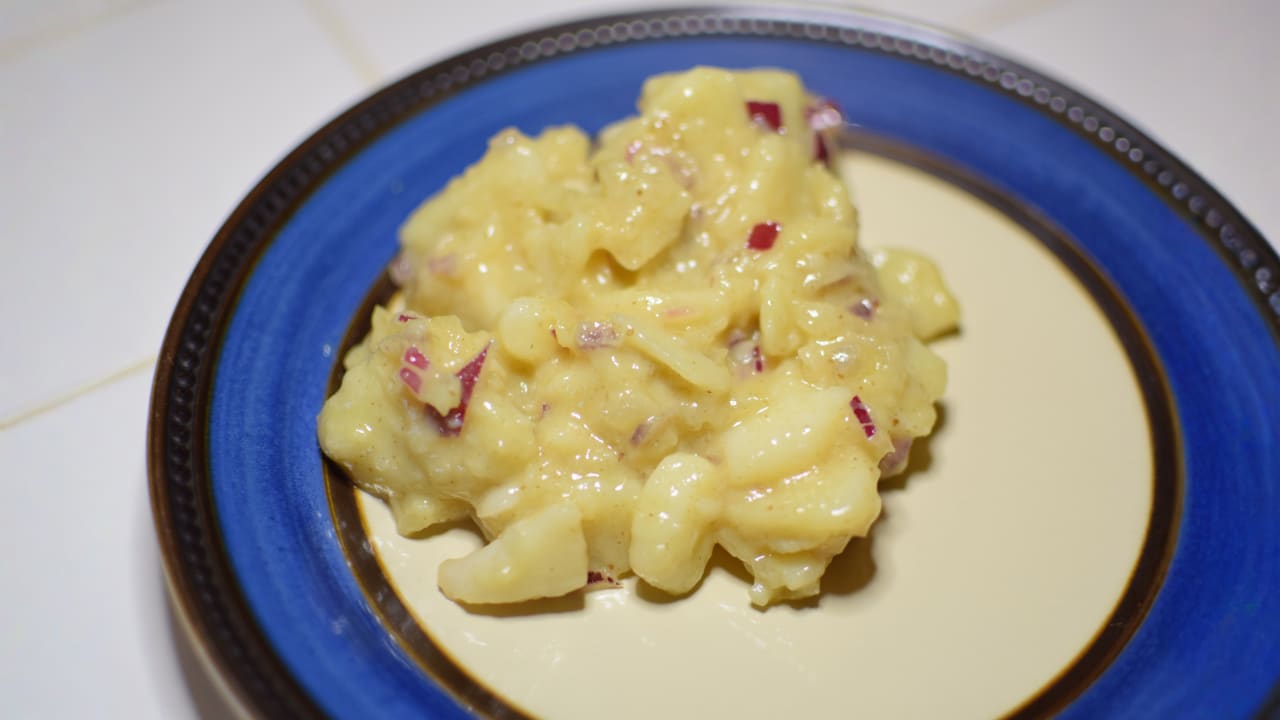
German potato salad completely transforms what you think potato salad should be. Instead of drowning tender potatoes in heavy mayonnaise, this version celebrates the natural earthy flavors with a warm, tangy dressing made from bacon fat, vinegar, and mustard. I make mine with waxy potatoes that hold their shape beautifully, crispy bacon bits, and fresh herbs that add brightness to every bite. The warm dressing soaks into the potatoes while they’re still hot, creating this incredible depth of flavor that cold mayo versions simply can’t match.
What makes this dish so special is how it brings people together around the table. You serve it warm, and everyone gathers close because the aroma fills the entire kitchen with comfort. I love adding thinly sliced onions and a generous sprinkle of fresh parsley, sometimes even a touch of caraway seeds for that authentic German touch. This potato salad actually gets better as it sits for a few minutes, allowing all those flavors to meld together. You can make it your own by adjusting the vinegar-to-oil ratio or adding different herbs from your garden.
Spätzle Is Like Mac and Cheese’s Sophisticated Cousin
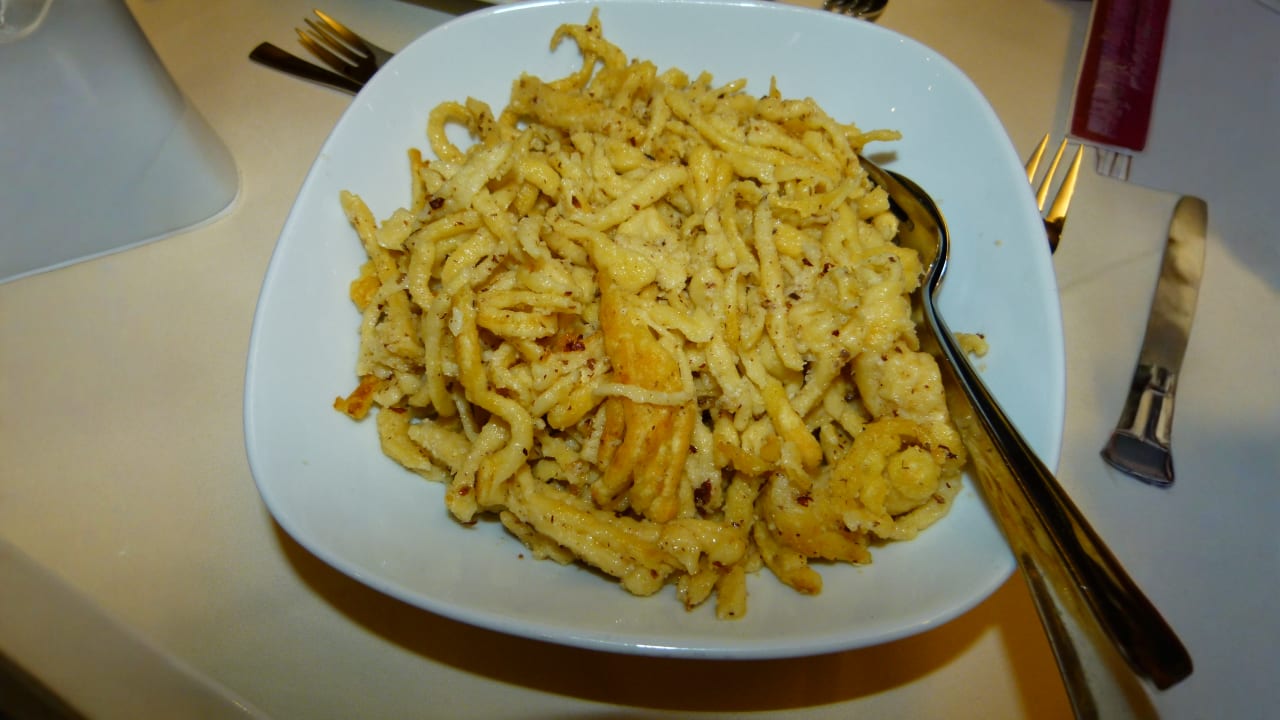
Think of spätzle as mac and cheese’s worldly German cousin who studied abroad and came back with refined tastes. These tender, irregular egg noodles possess the same comfort-food soul but with an elegant twist that makes your dinner guests lean in for seconds. I love making spätzle from scratch because you can feel the dough’s perfect consistency under your fingers—just flour, eggs, and a splash of milk creating something magical. The beauty lies in its simplicity, yet the texture delivers pure satisfaction that boxed pasta simply cannot match.
What makes spätzle truly special is how it absorbs flavors while maintaining its distinctive chewy-soft bite. I often toss mine with brown butter and fresh herbs, or fold it into a rich mushroom gravy that clings to every ridge and curve. Unlike regular pasta, spätzle has this wonderful way of becoming the star while still playing well with bold ingredients like caramelized onions, crispy bacon bits, or even a sprinkle of sharp cheese. Making it at home means you control every ingredient—no preservatives, no artificial anything—just wholesome eggs and flour transformed into something that feels both rustic and refined on your plate.
Lebkuchen Hearts Are Not Just Decorations
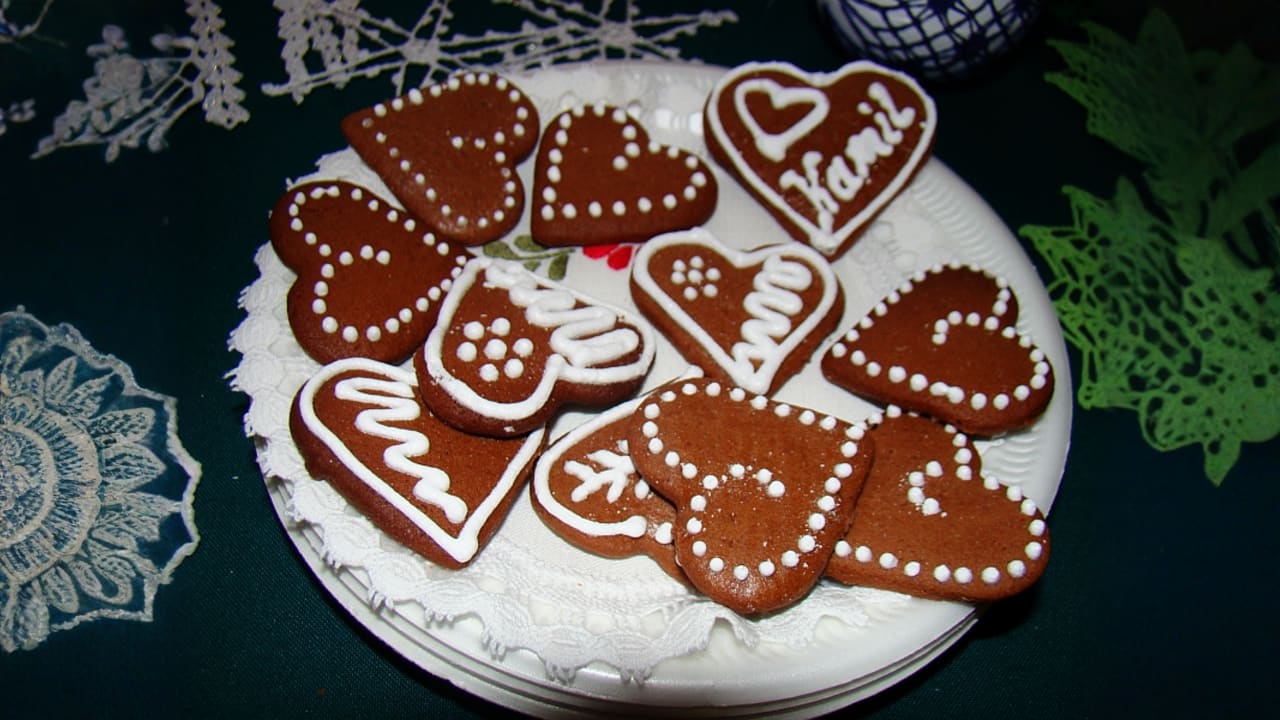
These spiced gingerbread hearts hanging at every Oktoberfest booth aren’t just pretty decorations—they’re edible love letters packed with centuries of German baking tradition. I remember the first time I bit into one of these beauties, expecting something hard and ornamental, only to discover a soft, honey-sweetened treasure that melted on my tongue. The complex blend of warm spices like cinnamon, cloves, and cardamom creates this incredible depth that makes your whole kitchen smell like Christmas morning. You can make these at home using whole wheat flour instead of refined white, and I love adding a touch of orange zest to brighten up the traditional recipe.
What makes lebkuchen hearts special is how they improve with time—the flavors actually deepen and become more harmonious after a few days of storage. I keep mine in an airtight container with a slice of apple to maintain that perfect chewy texture, and they become my go-to treat when I need something sweet but not overly indulgent. The honey acts as a natural preservative while providing that distinctive flavor you can’t replicate with regular sugar. Try spreading a thin layer of dark chocolate on top or dusting them with powdered sugar for an extra special touch that transforms these traditional treats into something truly memorable.
Roasted Almonds Fill the Air with Magic
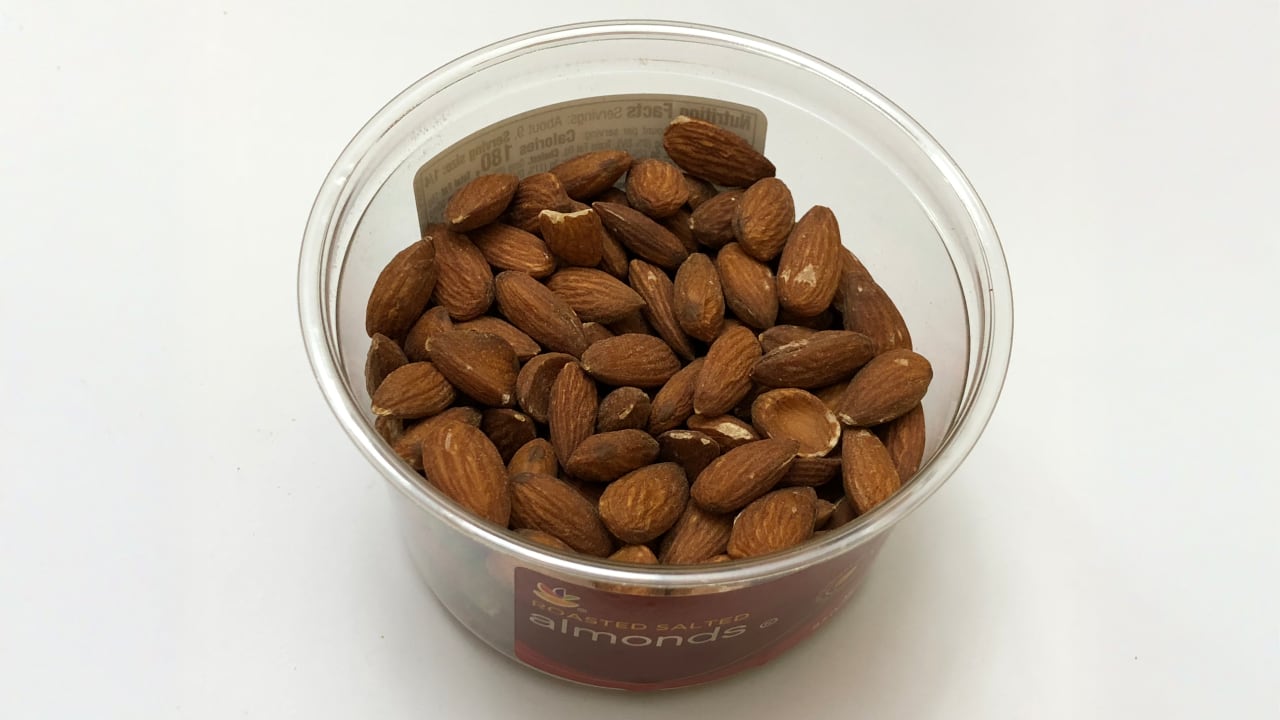
Walking through Oktoberfest grounds, you can’t miss that distinctive aroma floating through the crisp autumn air—warm, toasted almonds with hints of cinnamon and sugar. These geröstete Mandeln represent pure comfort food magic, and I’ve been recreating this experience in my own kitchen for years. The beauty lies in their simplicity: raw almonds slowly roasted until golden, then tossed with a light coating of sugar and warming spices. What captivates me most is how this traditional German treat transforms something as humble as an almond into an irresistible snack that brings people together.
Making roasted almonds at home connects you directly to centuries-old German tradition while giving you complete control over ingredients. I skip the artificial additives and focus on quality almonds, organic coconut sugar, and real vanilla extract. The key is patience—slow roasting allows the nuts to develop that perfect crunch while the sugar caramelizes into a delicate shell. You’ll hear them crackling in the pan, smell that intoxicating nutty fragrance filling your kitchen, and know you’ve captured something special. These almonds work beautifully as a healthy snack, party appetizer, or even chopped over yogurt for breakfast—proving that Oktoberfest flavors deserve a place in everyday cooking.
Obatzda Cheese Spread Is Secretly Addictive
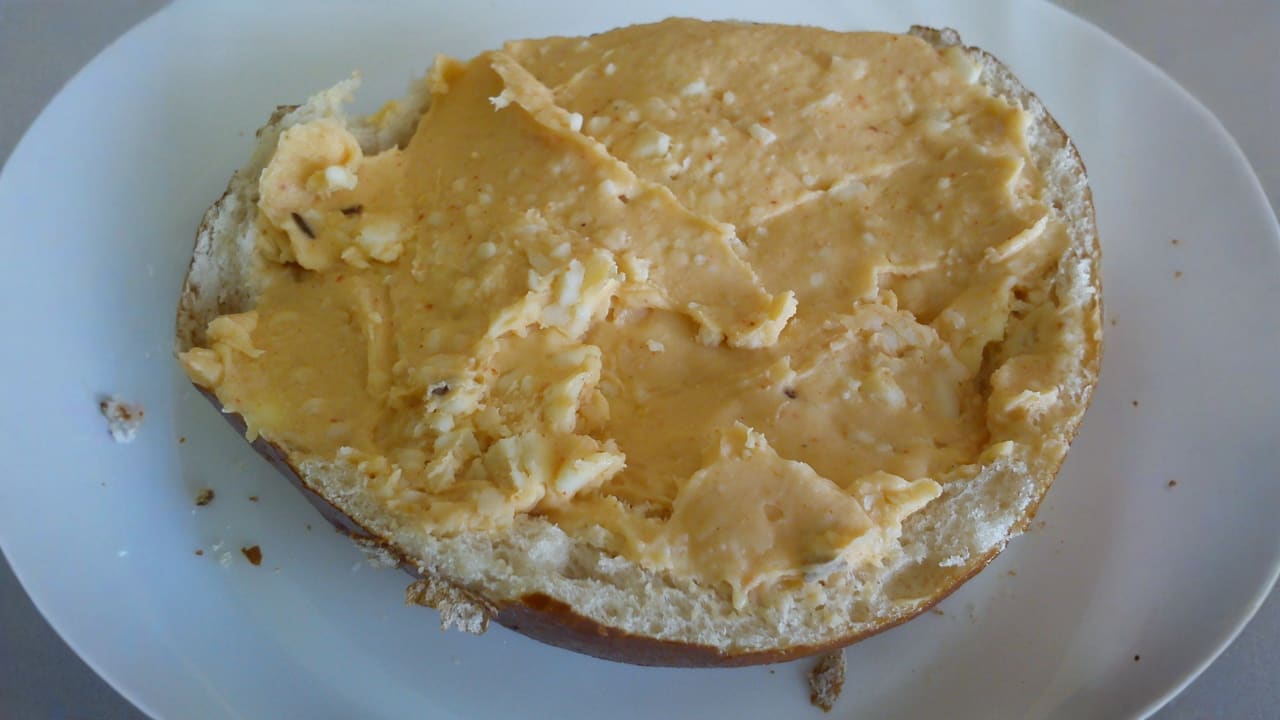
You know that moment when you taste something so unexpectedly good that you can’t stop reaching for more? That’s exactly what happens with Obatzda, Bavaria’s beloved cheese spread that transforms simple ingredients into pure magic. I make mine by mashing together creamy camembert with butter, mixing in finely diced onions, a splash of beer (or skip it entirely), sweet paprika, and a pinch of caraway seeds. The result is this incredibly rich, tangy spread that somehow manages to be both rustic and sophisticated at the same time.
What makes Obatzda so dangerously good is how it balances creamy indulgence with bright, sharp flavors that keep your palate interested. I love serving it with thick slices of dark rye bread or soft pretzels, but honestly, I’ve caught myself eating it straight from the bowl with a spoon more times than I care to admit. The beauty of this spread lies in its simplicity – you’re taking wholesome, real ingredients and letting them shine together. Make a batch for your next gathering, and watch how quickly it disappears while everyone asks for the recipe.
The Chicken Dance Burns Off Your Meal
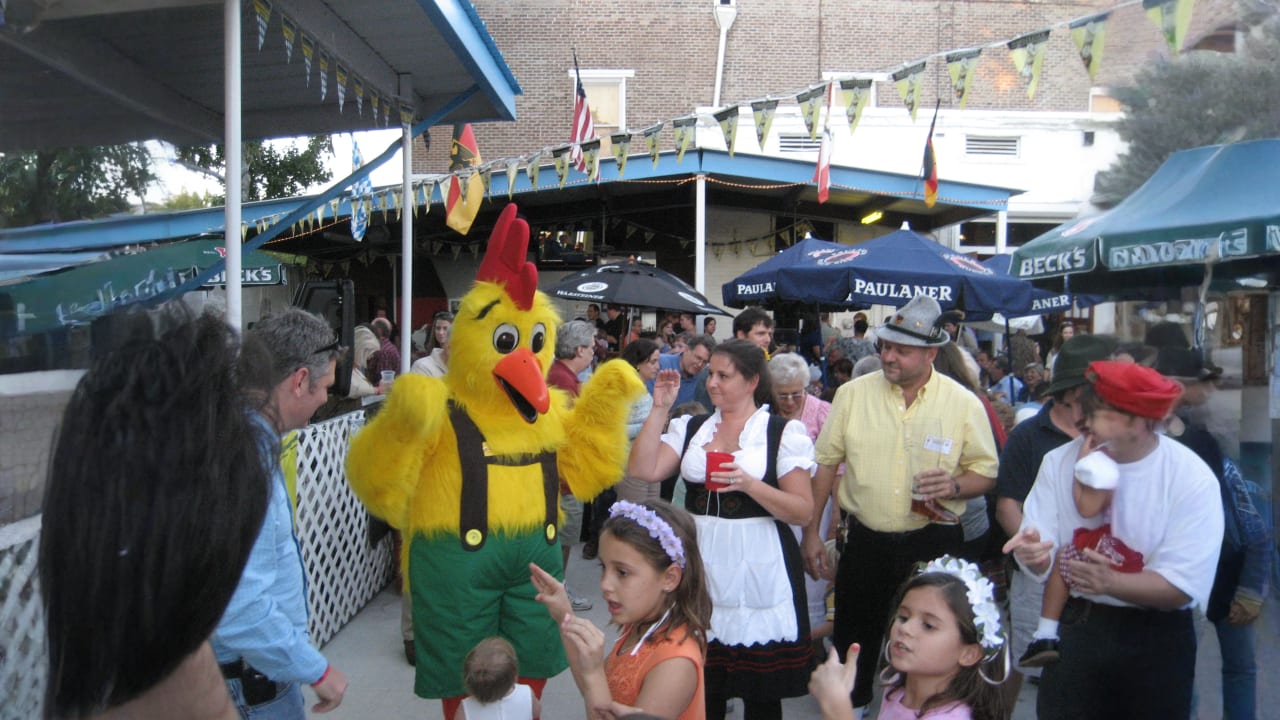
You know what I absolutely love about Oktoberfest? The fact that between bites of schnitzel and pretzels, you’re practically doing cardio on the dance floor! The Chicken Dance becomes this hilarious ritual where everyone flaps their arms, claps, and wiggles around like nobody’s watching. I’ve seen grown adults completely lose themselves in this silly dance, and honestly, it’s pure magic. What strikes me most is how this simple tradition creates space for movement between all that rich, hearty food. Your body gets a chance to celebrate and digest simultaneously.
From a cook’s perspective, I find this balance between indulgence and activity brilliant. Traditional German festival food tends to be dense and satisfying – think bratwurst, spätzle, and those incredible soft pretzels. But then you have these moments where the entire crowd erupts into synchronized silliness, getting hearts pumping and spirits soaring. It reminds me why I love cooking for gatherings – food tastes better when you’re laughing, moving, and sharing the experience with others. The Chicken Dance transforms eating from a passive activity into part of a larger celebration of life and community.
Food Portions Are Meant for Sharing and Bonding
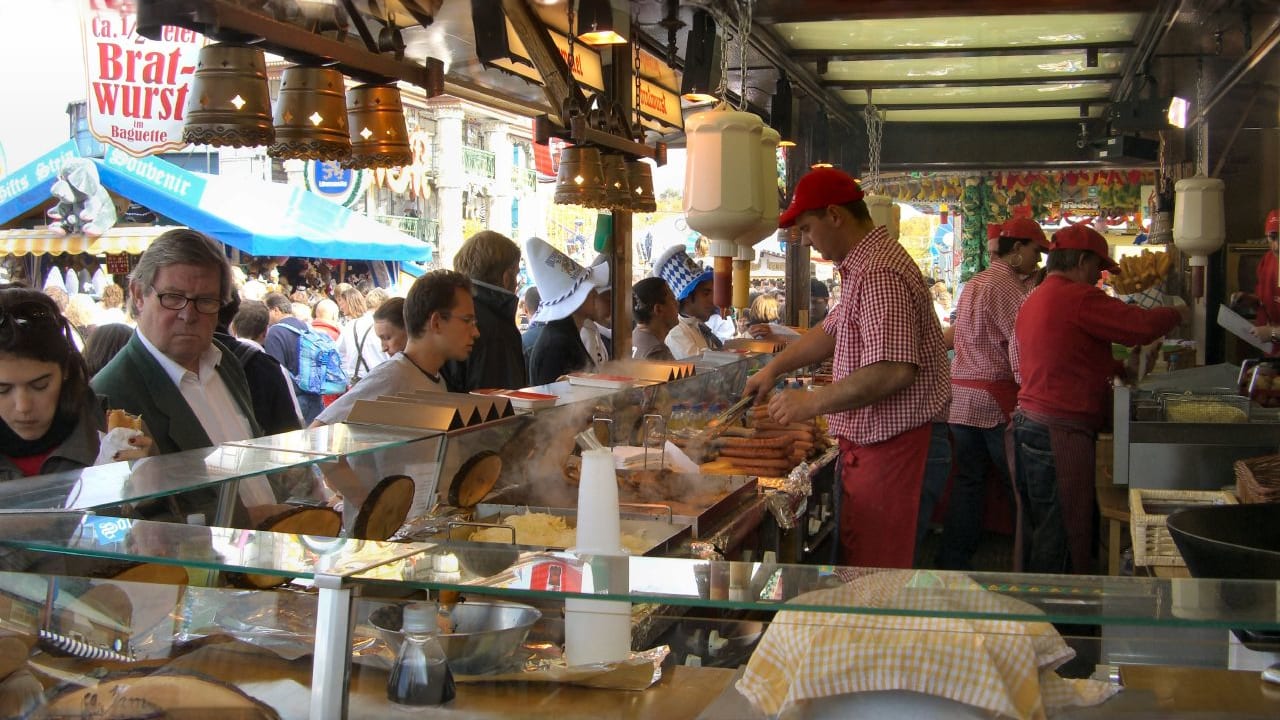
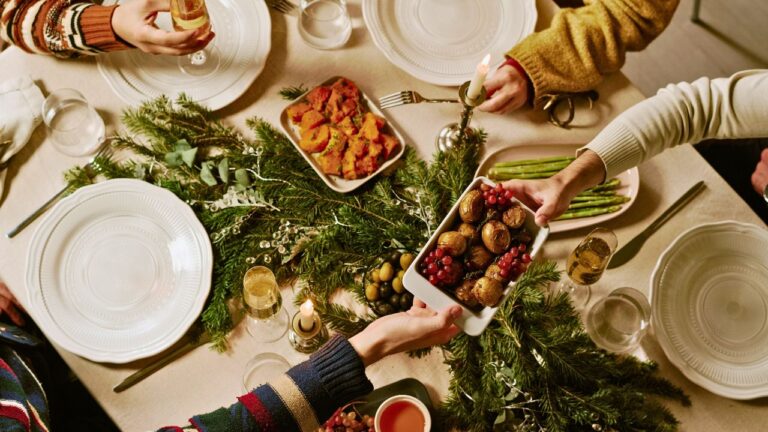
Walking through any authentic Oktoberfest, you’ll notice something beautiful about how food gets served – everything comes in generous, family-style portions that practically beg you to share. Those massive pretzels, towering sausage platters, and hefty servings of sauerkraut aren’t designed for solo dining. They’re meant to bring people together around the table, creating natural conversation starters and encouraging that wonderful ritual of passing dishes back and forth. I love how this approach transforms eating from a rushed individual activity into a communal experience where stories flow as freely as the shared plates.
This communal dining philosophy mirrors what I practice in my own kitchen – cooking with abundance and generosity in mind. When I prepare meals inspired by these German traditions, I always make extra portions because food tastes better when shared with the people you care about. There’s something magical about watching friends tear off pieces of warm pretzel bread or helping themselves to spoonfuls of braised cabbage from the same serving bowl. These oversized portions force us to slow down, engage with each other, and create those meaningful connections that happen naturally when we gather around food prepared with intention and love.
Traditional Recipes Are Centuries Old Family Secrets
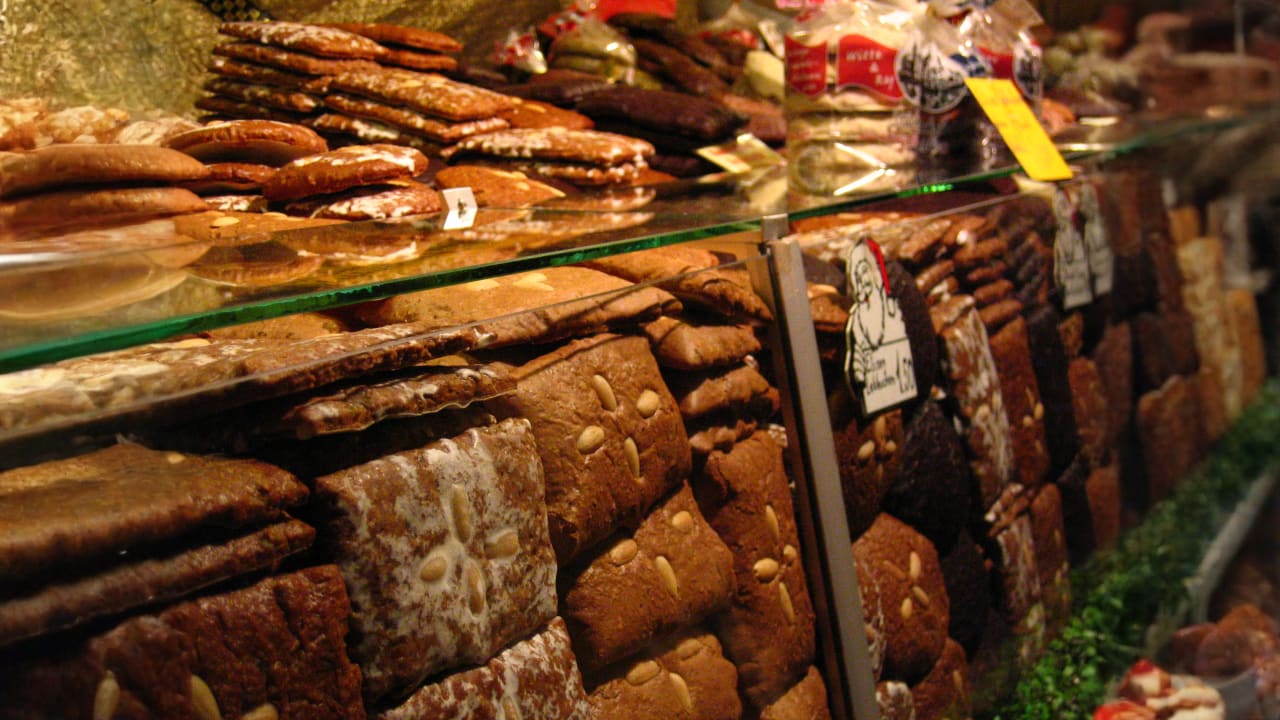
You know that feeling when your grandmother refuses to write down her recipe because “it’s all in the feel”? That’s exactly what makes Oktoberfest food so magical. These recipes have been passed down through generations of German families, with each cook adding their own subtle touches while maintaining the soul of the dish. I’ve spent years trying to recreate authentic sauerbraten from a Bavarian friend’s grandmother, and every time I think I’ve got it right, she’ll taste it and say, “Close, but you need more love.” These family secrets aren’t just about measurements – they’re about understanding how ingredients transform over time, how the weather affects your dough, and why certain spice combinations have survived centuries of wars and migrations.
What fascinates me most about these traditional recipes is how they represent pure, unprocessed cooking at its finest. Before industrial food production, German cooks had to preserve meats through careful salting and smoking, ferment vegetables to last through harsh winters, and create hearty breads that would sustain families through long workdays. When I make fresh sauerkraut using nothing but cabbage, salt, and time, I’m connecting with generations of home cooks who understood that the best flavors come from patience and simple, whole ingredients. These recipes teach us that you don’t need complicated techniques or exotic ingredients to create deeply satisfying food – you just need to respect the process and trust in methods that have nourished families for hundreds of years.
Some Festival Foods Are Only Available Once a Year

There’s something magical about festival foods that appear only during specific seasons – they create anticipation that builds throughout the year. Oktoberfest specialties like leberkäse (a unique Bavarian meatloaf), weisswurst (delicate white sausages), and traditional schweinshaxe (roasted pork knuckle) disappear from most menus once the festival ends. You can’t just walk into any restaurant in March and order these authentic preparations. This scarcity makes each bite more precious, turning simple ingredients into treasured experiences that connect you to centuries of tradition.
I love how this seasonal availability forces us to slow down and truly appreciate what’s in front of us. You start planning your festival visit around specific dishes, researching vendors who make their sauerkraut from scratch or age their cheeses properly. The limited-time nature of these foods mirrors how our ancestors ate – seasonally, intentionally, with deep respect for timing and tradition. When you finally taste that perfectly spiced bratwurst or buttery spätzle that you’ve been thinking about since last October, every flavor feels more intense, more meaningful. This anticipation transforms eating from a daily routine into a celebration worth waiting for.
German Grandmas Judge the Food Competitions

Picture this: rows of stern-faced German grandmothers, armed with decades of kitchen wisdom, scrutinizing every bratwurst and pretzel that crosses their path. These women don’t mess around when it comes to authentic Oktoberfest food competitions. They’ve been perfecting their sauerkraut recipes since before you were born, and they can spot a shortcut ingredient from across the festival grounds. What I find absolutely beautiful about this tradition is how these grandmothers become the ultimate gatekeepers of culinary authenticity – they know exactly how a proper schnitzel should sound when you tap it with a fork, and whether the potato salad has the right balance of vinegar to oil.
You know what strikes me most about these competitions? The grandmothers judge with their hearts just as much as their palates. They’re not looking for Instagram-worthy presentations or trendy fusion twists – they want food that tastes like home, like Sunday dinners that brought families together for generations. These women understand that real German cooking comes from using quality ingredients simply and letting natural flavors shine through. Their standards push modern cooks to move away from processed shortcuts and return to the fundamentals: proper seasoning, patience in preparation, and respect for traditional techniques that have stood the test of time.