15 Frugal Dishes From Around The World That Kept Communities Fed In Hard Times
Throughout history, communities worldwide have created brilliant, budget-friendly recipes from limited ingredients during tough economic times. These dishes weren’t just about survival – they became cultural treasures, carrying stories of resilience and creativity through generations.
I’ve always found it fascinating how these humble meals, born from necessity, now grace restaurant menus and family tables alike. From Central American rice and beans to Ethiopian injera with shiro, these recipes transform basic staples into deeply satisfying meals that nourish both body and soul.
The beauty of these 15 dishes lies in their simplicity and adaptability. They remind us that good food doesn’t need expensive ingredients or complicated techniques – just thoughtful preparation and respect for tradition. These recipes continue to feed millions daily, proving that frugal cooking can be both practical and delicious.
Chili with Squash (Native American Tribes)
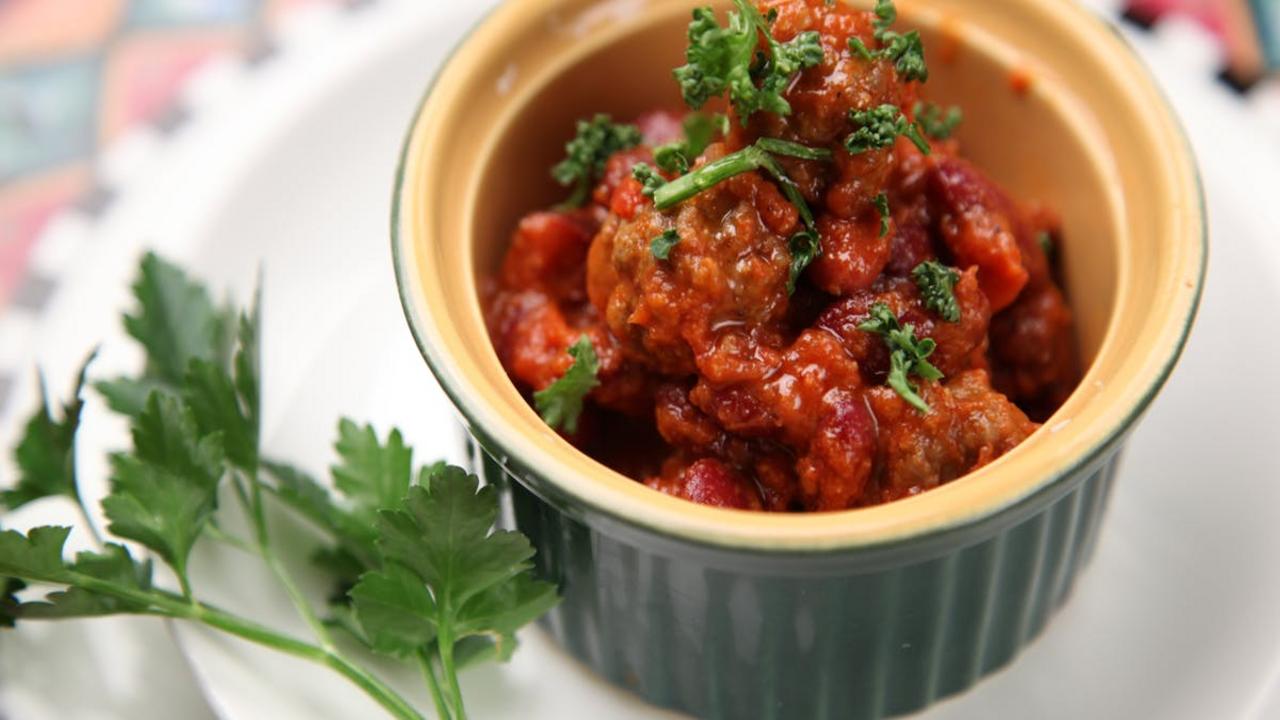
When I think about survival cooking, this Native American dish stands as one of the most brilliant examples of making abundance from scarcity. Tribes across North America created this nourishing combination using wild chilies and whatever squash varieties grew in their region – winter squash, summer squash, or even wild gourds. The beauty lies in its simplicity: roasted chilies provide heat and flavor while squash adds natural sweetness and filling substance. You can recreate this today using poblano or jalapeño peppers with butternut or acorn squash, slow-cooking them together until the squash becomes tender and absorbs all those smoky, spicy notes.
This dish teaches us so much about intuitive cooking and working with seasonal ingredients. Native communities understood that combining the capsaicin from chilies with the complex carbohydrates from squash created a meal that would sustain energy throughout long, harsh winters. I love how you can adapt this concept – try roasting cubed squash with diced green chilies, adding just a touch of salt and maybe some wild herbs if you have them. The natural sugars in the squash caramelize beautifully, creating a sweet-heat balance that feels both comforting and energizing. It’s proof that the most satisfying meals often come from the most humble ingredients.
Plantain and Beans (Caribbean)
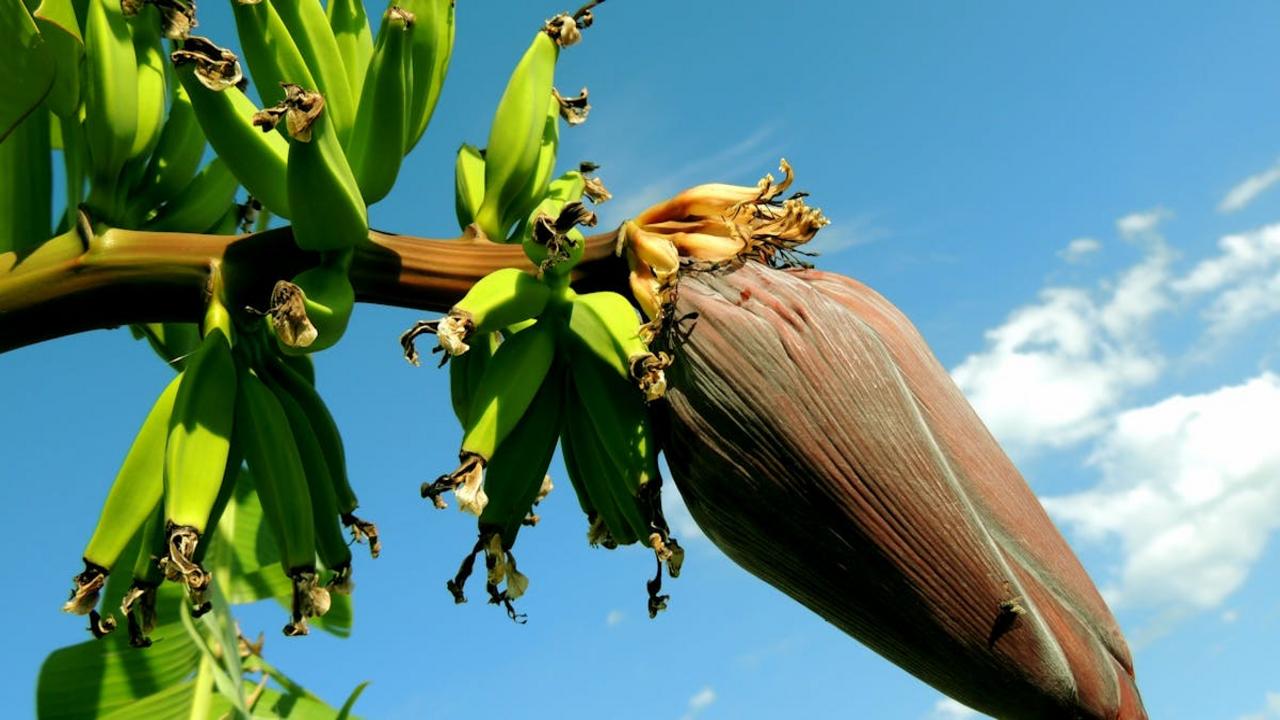
In Caribbean households, plantain and beans became the backbone of survival during economic hardships, stretching limited ingredients into satisfying meals that could feed entire families. I’ve watched my grandmother transform a handful of dried beans and overripe plantains into something magical, proving that the simplest combinations often create the most memorable dishes. The natural sweetness of caramelized plantains balances perfectly with earthy beans, while coconut milk adds richness that makes you forget this meal costs mere dollars to prepare.
What I love most about this dish is how it teaches you to cook with intuition rather than strict measurements. You can use black beans, kidney beans, or whatever dried legumes you have on hand, soaking them overnight and slow-cooking until tender. The plantains work at any stage of ripeness – green ones add starch and substance, while yellow-black ones contribute natural sweetness that eliminates the need for added sugars. Throw in some garlic, onions, and whatever herbs grow in your garden, and you have a complete protein that sustained communities through hurricanes, economic downturns, and times when grocery stores were luxuries few could afford.
Injera with Shiro (Ethiopia)
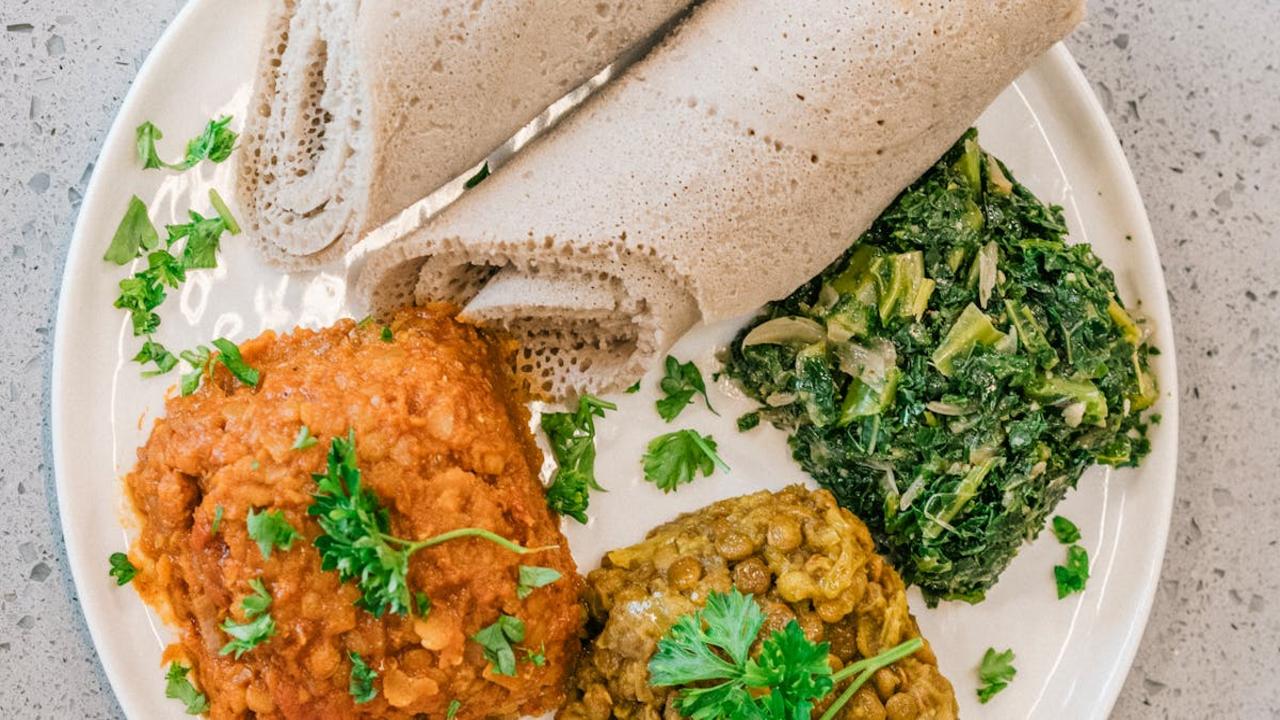
When I first tasted injera with shiro in an Ethiopian friend’s kitchen, I understood immediately how this combination sustained families through countless generations. Injera, that wonderfully tangy sourdough flatbread made from teff flour, serves as both plate and utensil – you tear off pieces to scoop up the rich, protein-packed shiro stew. Shiro itself is pure genius: ground chickpeas or broad beans cooked with berbere spice blend, onions, and garlic into a hearty, warming dish that costs mere pennies to make yet delivers incredible nutrition and satisfaction.
What I love most about this pairing is how it transforms humble pantry staples into something truly special. The fermented teff batter for injera requires nothing more than flour, water, and time – the natural fermentation creates those signature bubbles and develops complex flavors that perfectly complement the earthy richness of shiro. During tough times, Ethiopian families could stretch small amounts of legumes into filling meals for large households, adding vegetables when available but knowing the basic combination would always nourish. This isn’t just food – it’s community on a plate, meant to be shared from one large injera, bringing people together around simple, wholesome ingredients.
Khichdi (India)
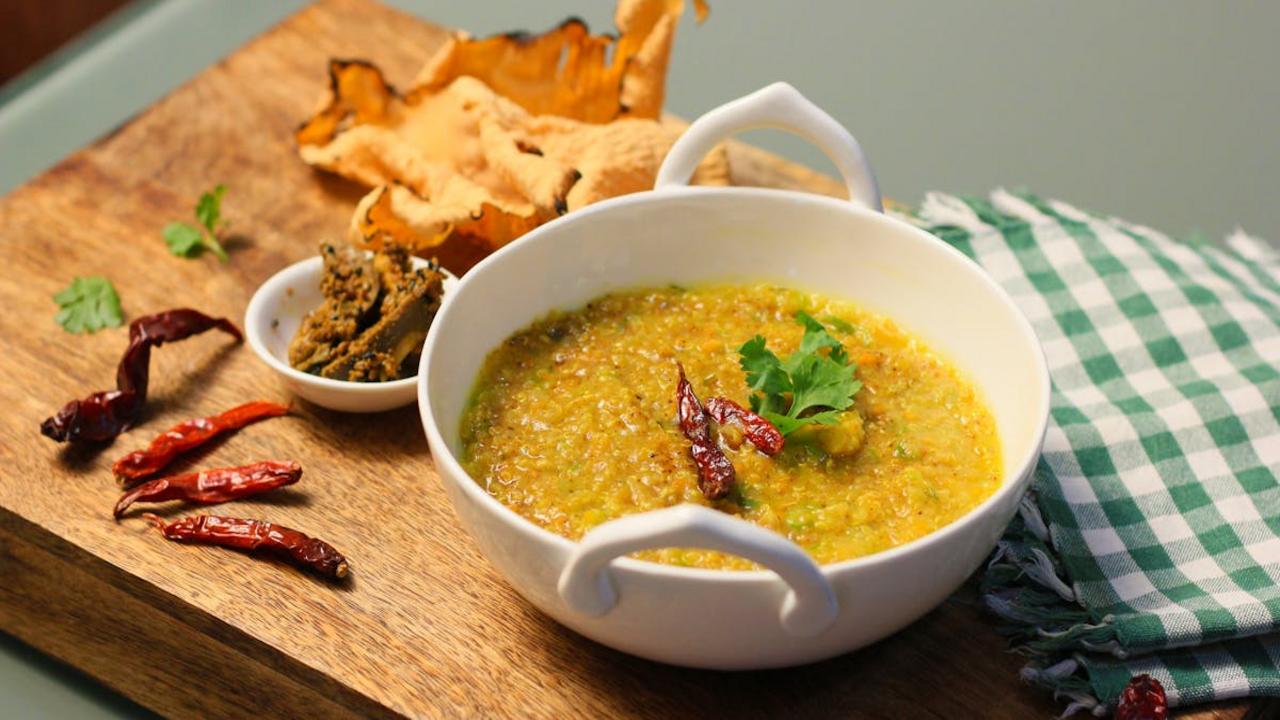
You know what I absolutely adore about khichdi? This humble one-pot wonder proves that the most nourishing meals often come from the simplest ingredients. Rice and lentils – that’s literally all you need to create this protein-complete comfort food that has sustained millions across India for centuries. I remember my grandmother telling me how entire families survived difficult times with just these two pantry staples, transforming them into something deeply satisfying. The beauty lies in its adaptability – you can make it with whatever dal you have on hand, whether it’s moong, masoor, or toor, and the rice can be basmati or simple broken rice.
What makes khichdi truly magical is how it becomes a blank canvas for whatever vegetables or spices you have available. During lean times, families would add just a pinch of turmeric and salt, creating a golden, healing bowl of sustenance. But when times were better, they’d fold in seasonal vegetables, fresh ginger, or fragrant whole spices. I love making mine with a generous handful of spinach and a few cumin seeds – the greens add iron and vitamins while the cumin aids digestion. The slow cooking process melds everything into a creamy, porridge-like consistency that’s gentle on the stomach and deeply nourishing for the soul. It’s exactly the kind of wholesome, from-scratch cooking that reminds us how powerful simple ingredients can be.
Barley Soup (Tibet)
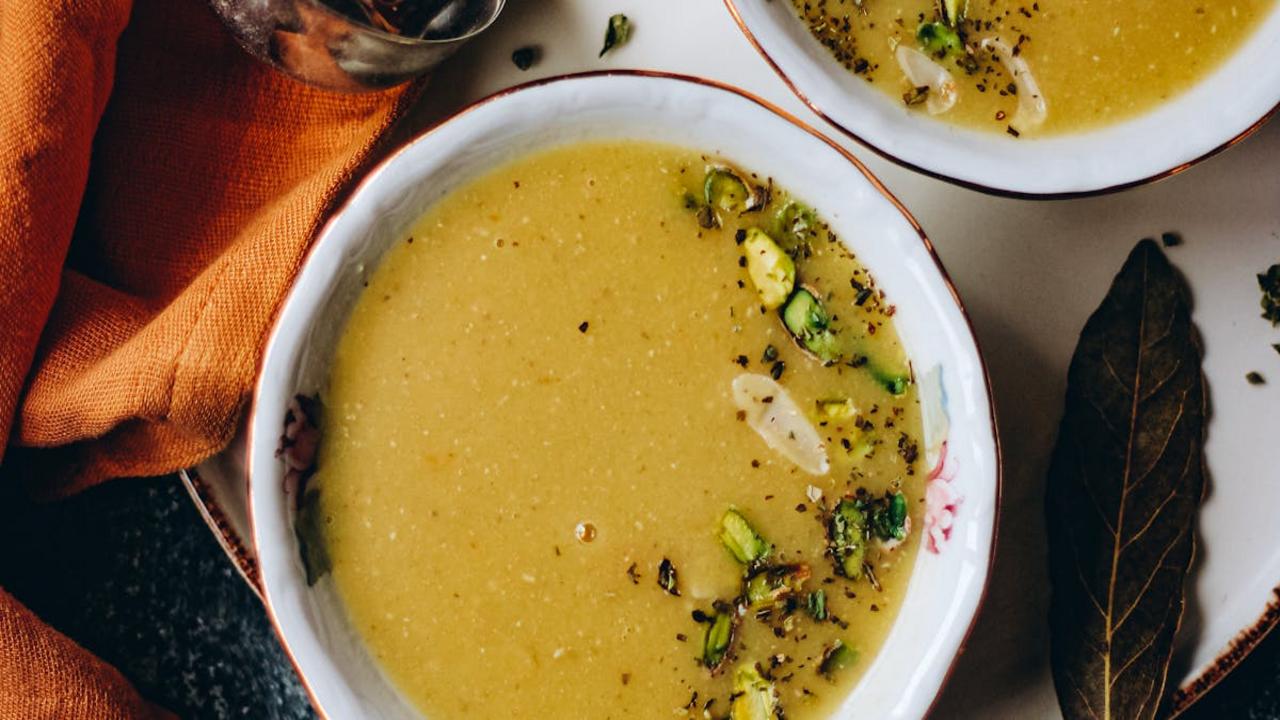
High in the Tibetan mountains, where harsh winters stretch for months and fresh vegetables remain a distant dream, barley soup has kept families warm and nourished for centuries. This humble grain, perfectly adapted to high-altitude growing conditions, transforms into a hearty soup that delivers both comfort and complete nutrition. You’ll find yak butter or vegetable oil creating the base, while dried meat or vegetables add depth to this simple yet satisfying bowl. The beauty lies in how few ingredients create such profound warmth – barley flour gets toasted first, releasing nutty aromas that fill your kitchen with the promise of something truly nourishing.
What strikes me most about Tibetan barley soup is how it teaches us that restriction breeds creativity. When your pantry holds only barley, salt, and perhaps some dried turnip greens, you learn to coax maximum flavor from minimum ingredients. I love how the barley gets ground into tsampa flour, then slowly whisked into hot broth until it reaches the perfect creamy consistency. This technique prevents lumps while creating a texture that satisfies both hunger and soul. You can adapt this ancient wisdom to your own kitchen – toast any whole grain flour you have, whisk it into warm broth with whatever dried herbs or vegetables you keep on hand, and discover how simplicity often creates the most memorable meals.
Jollof Rice (West Africa)
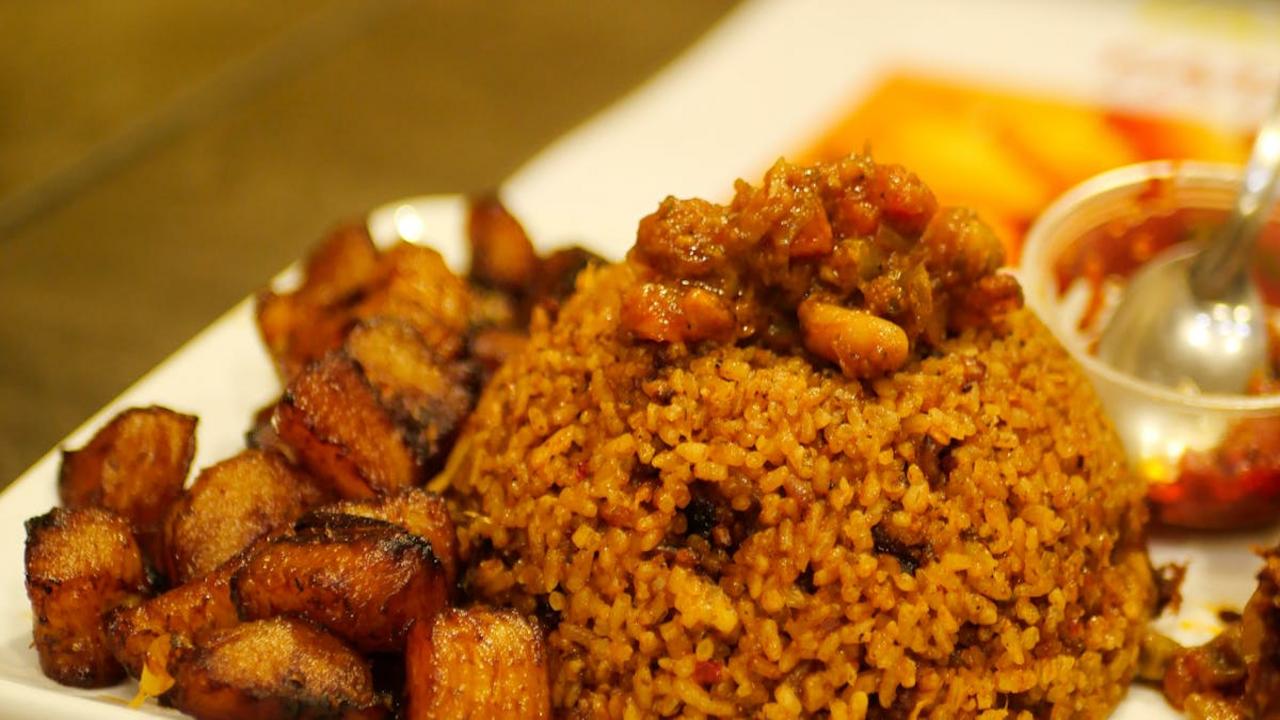
You know that feeling when your pantry looks nearly empty, but you still need to create something magical for your family? That’s exactly how Jollof rice came to life across West Africa. This vibrant one-pot wonder transforms the most basic ingredients—rice, tomatoes, onions, and whatever protein or vegetables you have on hand—into a feast that can stretch to feed unexpected guests. I love how this dish teaches us that limitations often spark the most creative cooking. When communities faced tough times, mothers and grandmothers would throw everything available into that pot, creating layers of flavor that made simple rice taste like celebration food.
What makes Jollof rice so brilliant is its forgiving nature and infinite adaptability. Start with your rice, build that beautiful tomato base with onions and peppers, then add whatever protein fits your budget—chicken, fish, beans, or even just more vegetables. The magic happens when everything simmers together, absorbing those rich, smoky flavors. I always tell people to trust their instincts with this dish—taste as you go, adjust the spices, and don’t worry about perfection. Each region has its own version, each family has its secrets, and that’s the beauty of it. This isn’t just rice; it’s comfort, community, and resourcefulness all rolled into one satisfying bowl.
Thieboudienne (Senegal)
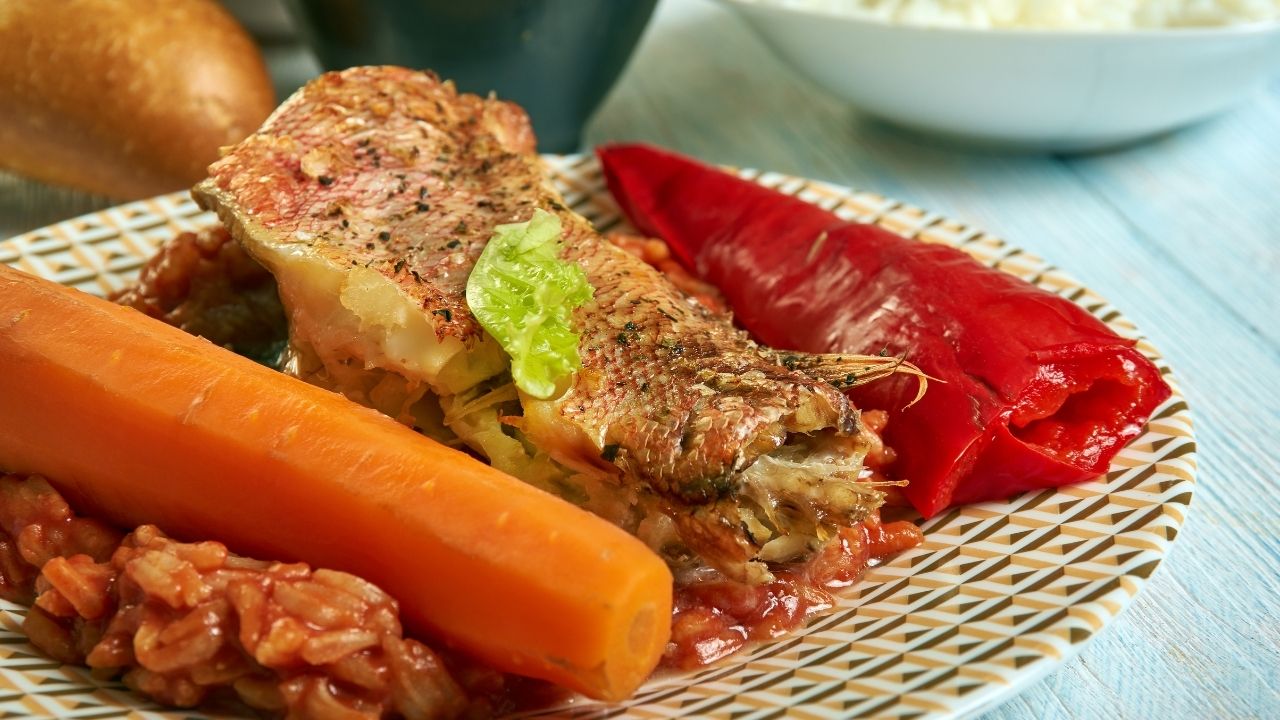
When I first learned about thieboudienne from my Senegalese friend Fatou, she called it “the dish that feeds a village with wisdom.” This national treasure transforms humble broken rice, fish scraps, and whatever vegetables you can find into something magnificent. The magic happens in one pot – you brown your fish (often the cheaper cuts that fishmongers practically give away), then build layers of flavor with tomato paste, onions, and that gorgeous tamarind tang that makes your mouth water. The rice cooks in the same pot, soaking up every drop of that rich, reddish broth while vegetables like cassava, sweet potato, and okra bubble alongside.
What moves me most about thieboudienne is how it teaches us that limitation breeds creativity. During tough economic times in Senegal, families would stretch one fish to feed eight people, adding more vegetables and rice to make the pot go further. You can use any firm white fish, even frozen fillets work beautifully. I’ve made this with whatever vegetables I had languishing in my fridge – carrots, turnips, even green beans. The key lies in that aromatic base of garlic, scotch bonnet pepper, and the holy trinity of Senegalese cooking: nokoss (a fermented locust bean paste that adds incredible umami depth). Every grain of rice becomes a tiny flavor bomb, proving that the most satisfying meals often come from the most practical beginnings.
Millet Porridge (Sahel Region)
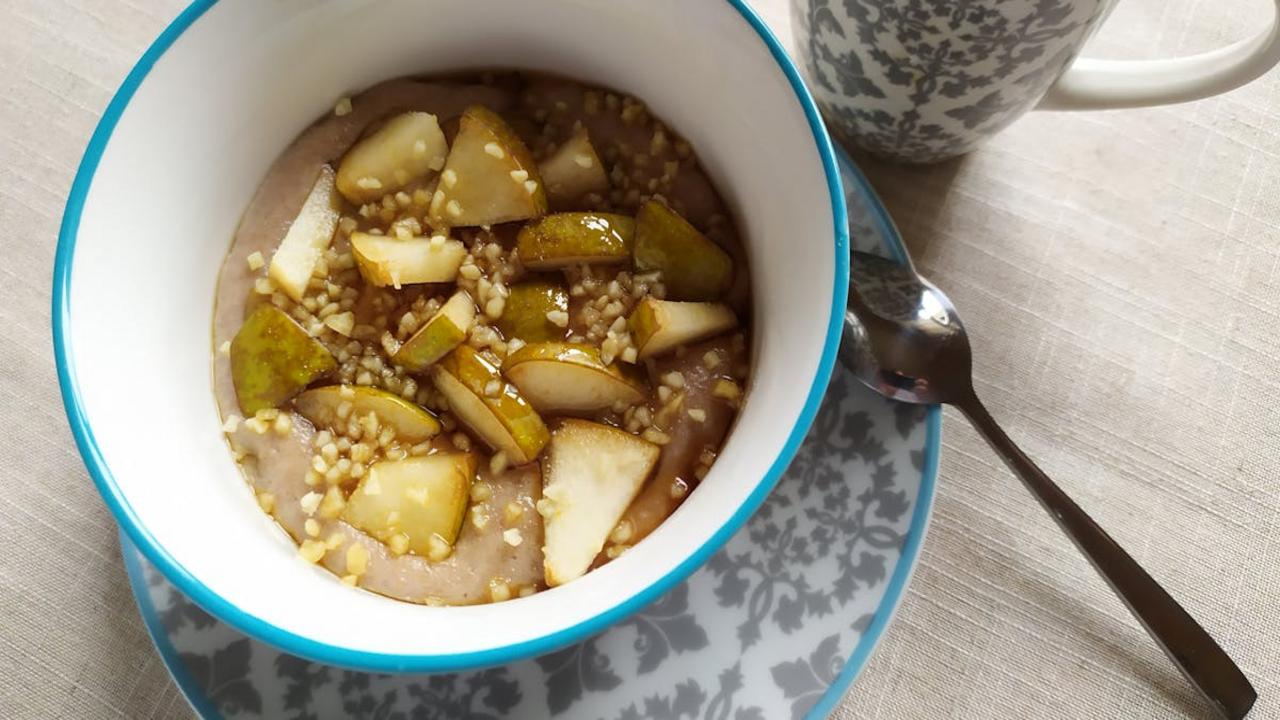
You know what amazes me about millet porridge? This humble grain carried entire communities through seasons of scarcity across the Sahel, that vast stretch of land between the Sahara and the savannas. Families would cook this nutrient-dense seed with whatever they had—sometimes just water and salt, other times with wild greens or dried meat when fortune smiled. The beauty lies in millet’s resilience; it grows where other crops fail, storing easily for months without spoiling. I’ve learned to appreciate how this simple porridge delivers complete proteins and minerals that kept generations strong.
Making millet porridge connects you to ancient wisdom about nourishing your body with minimal resources. I toast the tiny grains first until they smell nutty, then simmer them slowly with twice the water until they break down into creamy comfort. Sometimes I add grated ginger or a handful of peanuts for richness, honoring the traditional variations that made each bowl special. The texture reminds me of polenta, but with an earthy flavor that grounds you completely. This dish teaches us that true sustenance comes from understanding your ingredients—millet transforms from hard little beads into silky nourishment that fills your belly and feeds your soul.
Dal Bhat (Nepal)
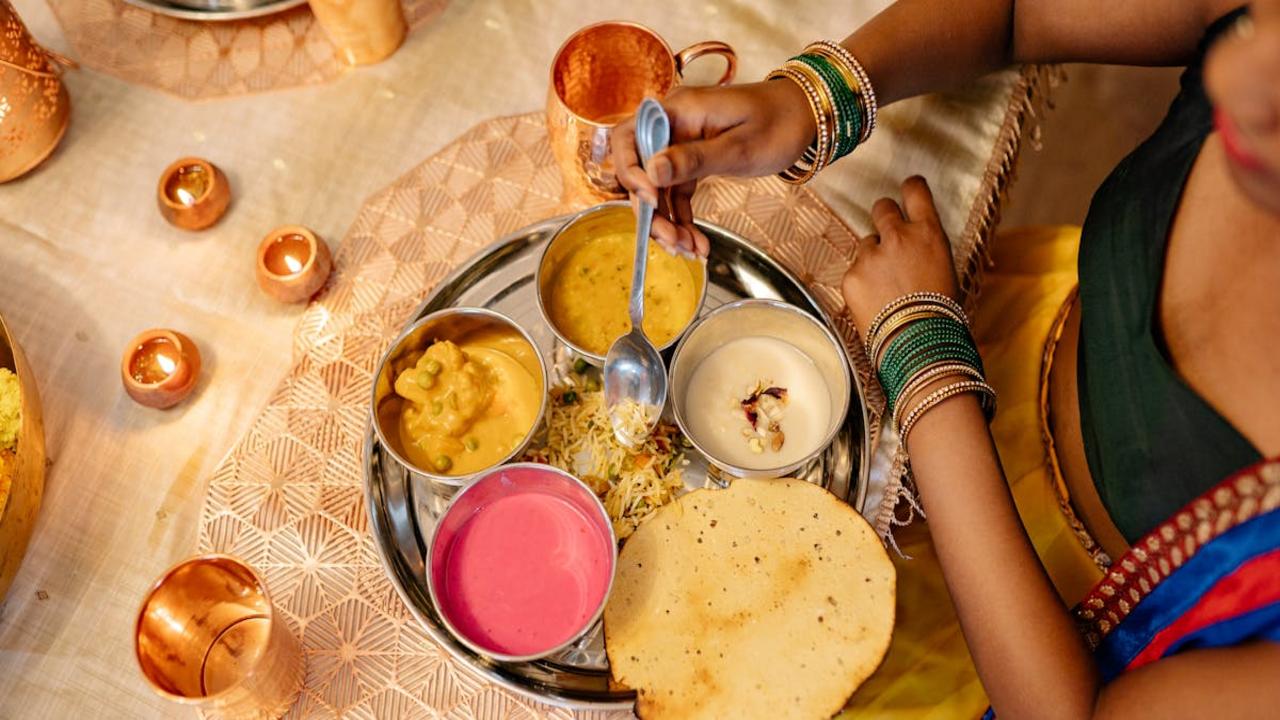
You know what amazes me about dal bhat? This humble combination of lentils and rice represents pure nutritional genius born from necessity. When I first learned about Nepal’s national dish, I realized how brilliant our ancestors were at creating complete proteins from the simplest ingredients. The dal—whether made from yellow split peas, red lentils, or black gram—provides protein and fiber, while the bhat (rice) gives you sustained energy. Together, they form a perfectly balanced meal that can feed a family for pennies. I love how different regions add their own touches: some include garlic and ginger, others throw in leafy greens or tomatoes, but the foundation remains beautifully consistent.
What strikes me most is how this dish teaches us about intuitive cooking at its finest. You don’t need precise measurements or fancy techniques—just watch the dal as it bubbles away, adding water when needed, seasoning to taste. I’ve made versions using whatever lentils I have on hand, and each one turns out wonderfully different yet satisfying. The beauty lies in its adaptability: tired after work? Keep it simple with just turmeric and salt. Have extra vegetables wilting in your fridge? Toss them in for added nutrition. This is comfort food that nourishes both body and soul, proving that the most profound dishes often come from the most practical needs.
Cassava Porridge (Sub-Saharan Africa)
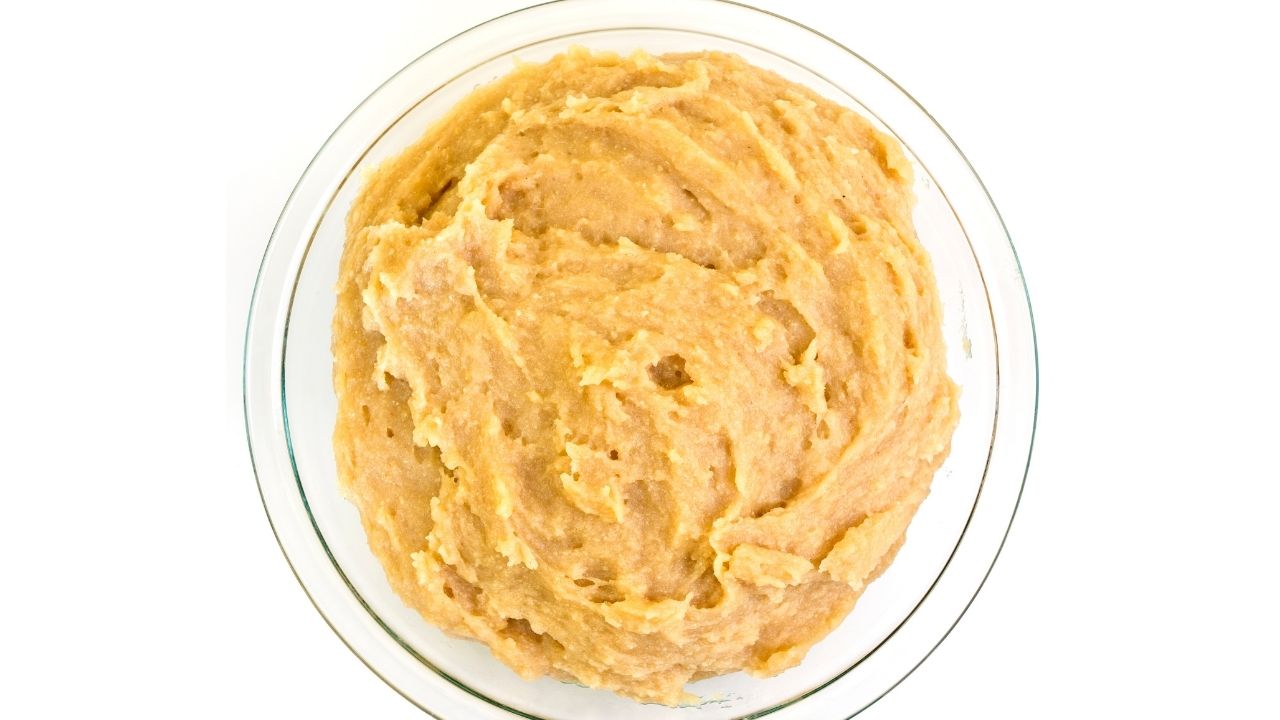
You know, cassava porridge holds a special place in my heart because it represents pure resourcefulness at its finest. This humble root vegetable, also known as yuca or manioc, became the backbone of survival for countless families across Sub-Saharan Africa during tough economic periods and food shortages. I’ve made this creamy, comforting porridge countless times, and what amazes me most is how something so simple can be so deeply nourishing. The cassava root gets peeled, boiled until tender, then mashed or blended with just enough water or milk to create a smooth, satisfying consistency that fills you up without breaking the bank.
What I love about cassava porridge is its incredible versatility – you can sweeten it with a touch of honey or palm sugar for breakfast, or keep it savory with a pinch of salt and maybe some groundnut paste stirred in. During my travels through West Africa, I watched mothers prepare this dish with such care, often adding whatever vegetables they had on hand – maybe some leafy greens or a few tomatoes. The beauty lies in its simplicity and the way it stretches to feed an entire family from just one or two roots. This dish taught me that nourishing food doesn’t need fancy ingredients; sometimes the most profound comfort comes from the humblest sources.
Lentils and Rice (South Asia)
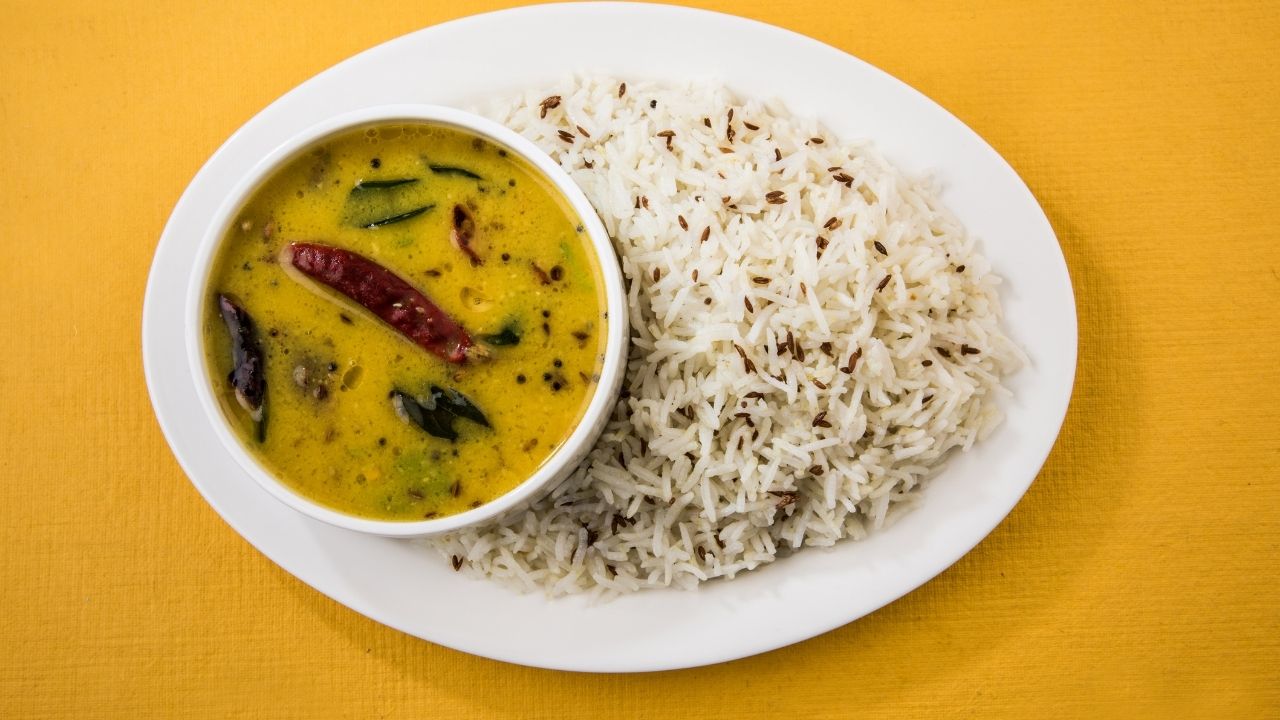
You know that feeling when your pantry looks almost empty, but you still need to create something nourishing and satisfying? That’s exactly when lentils and rice become your best friends. This humble combination has sustained entire communities across South Asia for generations, transforming two simple ingredients into countless variations that never get boring. I love how dal and rice (or khichdi when cooked together) represents the perfect marriage of protein and carbohydrates, creating a complete meal that costs mere pennies per serving. The beauty lies in its adaptability – you can make it with whatever lentils you have on hand, whether it’s red masoor, yellow moong, or hearty black urad.
What makes this dish truly special is how it responds to your creativity and whatever spices are sitting in your kitchen. Start with basic turmeric and salt, then build layers of flavor with cumin seeds, ginger, garlic, or a simple tadka of ghee and mustard seeds. During tough times, families would stretch this meal further by adding vegetables like spinach, tomatoes, or potatoes – whatever was available or affordable. I’ve made versions with just onions and a squeeze of lemon that taste absolutely incredible. The slow-cooked, creamy texture becomes pure comfort food, and the best part is that it actually gets better the next day, making it perfect for meal prep when money is tight.
Ugali (East Africa)
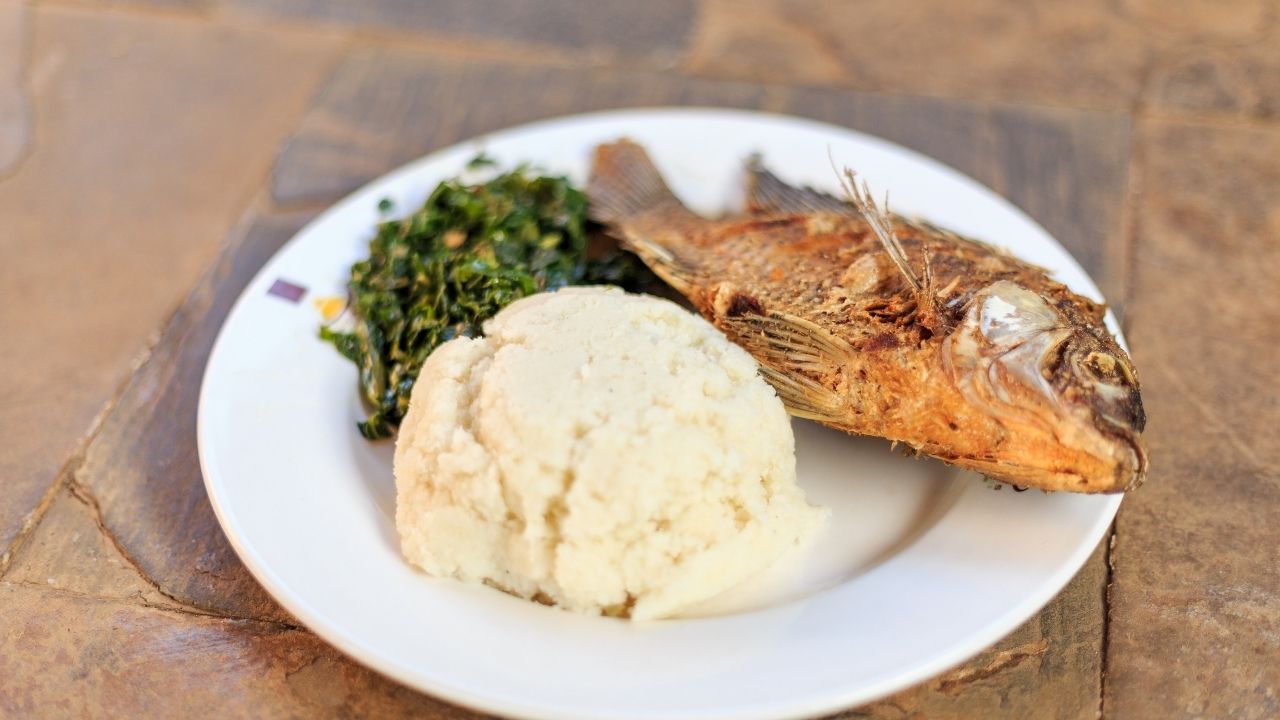
Picture this: you walk into any East African home during tough times, and you’ll find a pot of ugali simmering on the stove. This simple cornmeal porridge has been the backbone of countless families across Kenya, Tanzania, and Uganda for generations. I remember my grandmother telling me how ugali saved her village during the droughts of the 1970s – when other crops failed, maize flour remained affordable and accessible. The beauty of ugali lies in its incredible simplicity: just cornmeal and water, stirred with patience until it reaches that perfect, smooth consistency that can fill bellies and hearts alike.
What I love most about ugali is how it transforms any meal into something substantial. You take whatever vegetables you have – maybe some collard greens, tomatoes, or even wild spinach – and suddenly you have a complete, nourishing meal. I’ve learned to appreciate how this humble dish teaches us about resourcefulness and community. Families would gather around one pot, sharing stories while the ugali cooked, creating bonds that lasted lifetimes. Today, I still make ugali when I want to ground myself in tradition, stirring it slowly with a wooden spoon, watching it come together just like countless cooks before me have done.
Maíz Tortillas (Mexico)
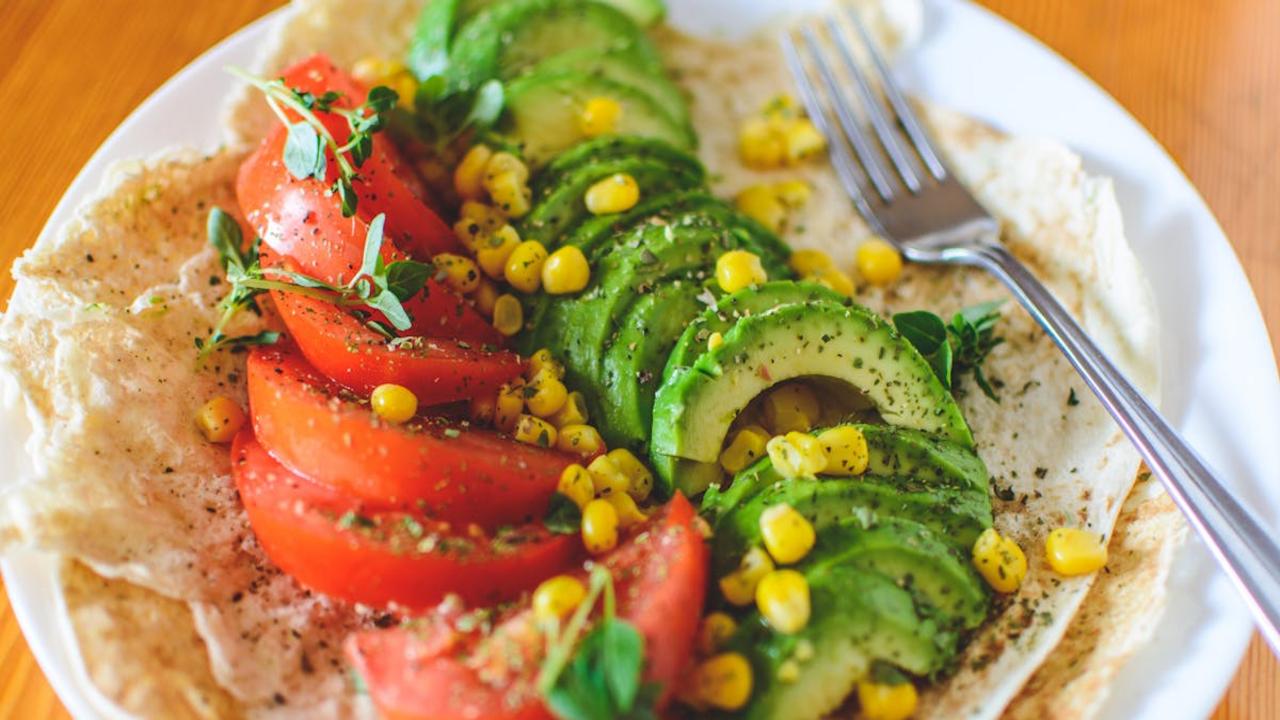
I remember the first time I watched my friend’s grandmother make tortillas from scratch in her tiny kitchen in Guadalajara. She worked with just three ingredients – masa harina, water, and a pinch of salt – transforming them into something that sustained entire families through Mexico’s most difficult periods. These simple corn flatbreads became the backbone of Mexican cuisine not by accident, but by necessity. During times of economic hardship and food scarcity, families could stretch a small amount of corn masa into dozens of tortillas that would fill hungry bellies and provide the energy needed for long days of work.
The beauty of tortillas lies in their versatility and the minimal resources they require. You don’t need fancy equipment or expensive ingredients – just your hands, a hot surface, and the patience to practice the technique. I love how these humble circles of corn transform any simple filling into a complete meal. Whether you wrap them around beans, cheese, or even just salt and lime, tortillas turn basic ingredients into something satisfying and nourishing. The corn provides complex carbohydrates and protein, while the traditional nixtamalization process (treating corn with lime) adds calcium and makes nutrients more bioavailable. This ancient technique shows how indigenous wisdom created nutritionally complete foods that could sustain communities through generations of hardship.
Fufu and Egusi Soup (West Africa)
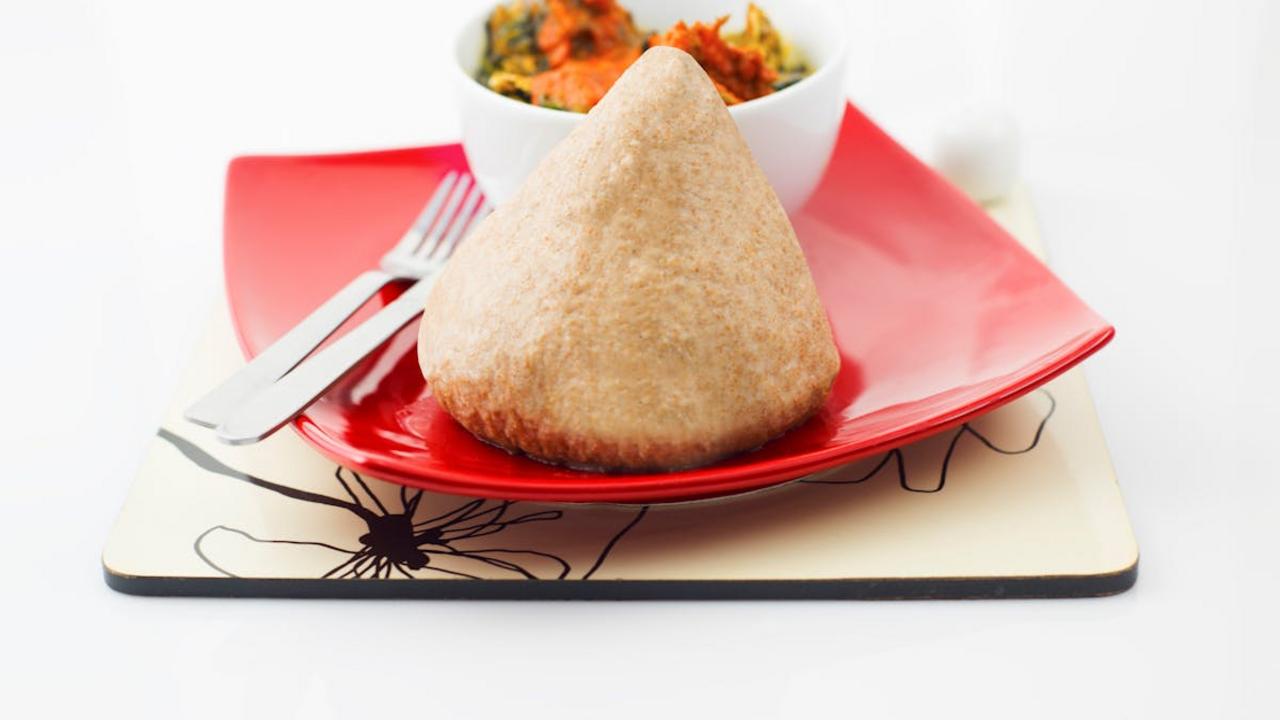
When I first learned about fufu and egusi soup, I understood why this combination has sustained West African families for generations. Fufu, made from pounded cassava, yam, or plantain, requires nothing more than these starchy roots and water – ingredients that grow abundantly across the region. You boil the root vegetables until tender, then pound them into a smooth, stretchy dough that becomes your edible spoon. The beauty lies in its simplicity: no wheat flour needed, no complicated techniques, just wholesome carbohydrates that fill you up and keep you satisfied for hours.
Egusi soup transforms humble melon seeds into liquid gold that nourishes entire communities. You grind the seeds into a protein-rich paste, then simmer it with whatever vegetables you have on hand – spinach, bitter leaf, okra, or collard greens. A small piece of dried fish or meat stretches to flavor the entire pot, while palm oil adds richness and that distinctive orange hue. This combination teaches us that real comfort food doesn’t need fancy ingredients – just smart cooking that maximizes nutrition from accessible ingredients. Together, fufu and egusi create a complete meal that proves how traditional wisdom turns simple ingredients into something deeply satisfying and nourishing.
Rice and Beans (Central America)
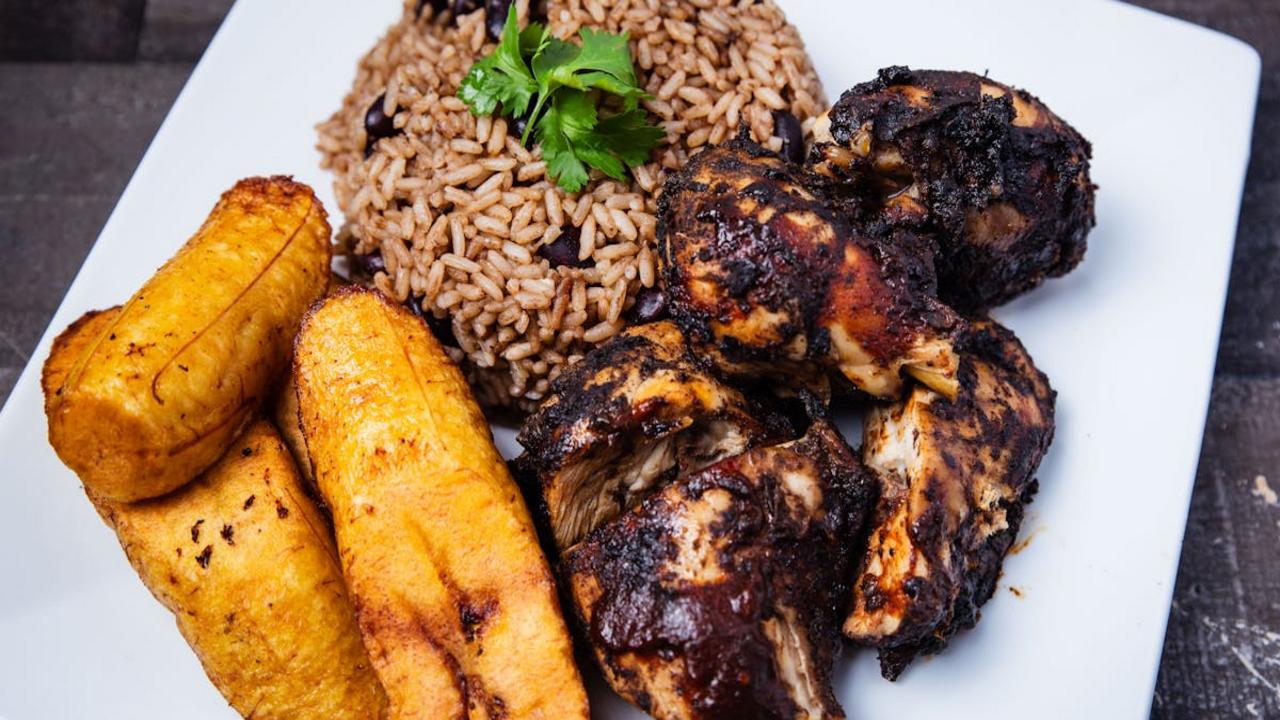
You know that feeling when your pantry looks nearly empty, but you spot those two humble staples sitting there like old friends? Rice and beans became the backbone of Central American kitchens for exactly this reason. I’ve watched my neighbors from Guatemala and Honduras transform these simple ingredients into something that feeds both body and soul. The magic happens when you cook the beans low and slow until they break down into a creamy, protein-rich base, then fold in perfectly fluffy rice that soaks up every drop of that savory liquid gold. Add some onions, garlic, and whatever spices you have on hand, and you’ve got a complete meal that costs pennies but delivers everything your body needs.
What I love most about gallo pinto and similar variations across the region is how each family makes it their own. Some folks add coconut milk for richness, others throw in leftover vegetables or a splash of hot sauce. The beauty lies in its flexibility – this dish never judges you for what you don’t have. During tough economic times, families could stretch a small amount of meat or vegetables across several meals by bulking up with this rice and bean combination. I often make a big batch on Sundays, knowing it’ll transform throughout the week as I add different vegetables or herbs from my garden. It’s proof that the most nourishing foods don’t need fancy ingredients – just time, patience, and a little creativity.