14 Sneaky Food Rules You’ve Been Following Without a Second Thought
Food rules shape our eating habits in subtle ways we rarely notice. From saving pizza crusts for last to never taking the final cookie without asking, these unspoken guidelines run deep in our social and personal food behaviors. Think about it – you probably follow many of these rules without even realizing it.
My years cooking professionally and sharing meals with people worldwide have shown me how universal these food customs are. Every culture has its own set of dining principles, yet many overlap in fascinating ways. What’s most interesting is how naturally we adopt these rules, passing them down through generations without formal instruction.
I’ve gathered 14 sneaky food rules that most of us follow automatically. Some make perfect social sense, others seem quirky, but all reveal something about how we connect with food and each other. Ready to see which ones you’ve been following all along?
Fortune cookies must be eaten last at Chinese restaurants
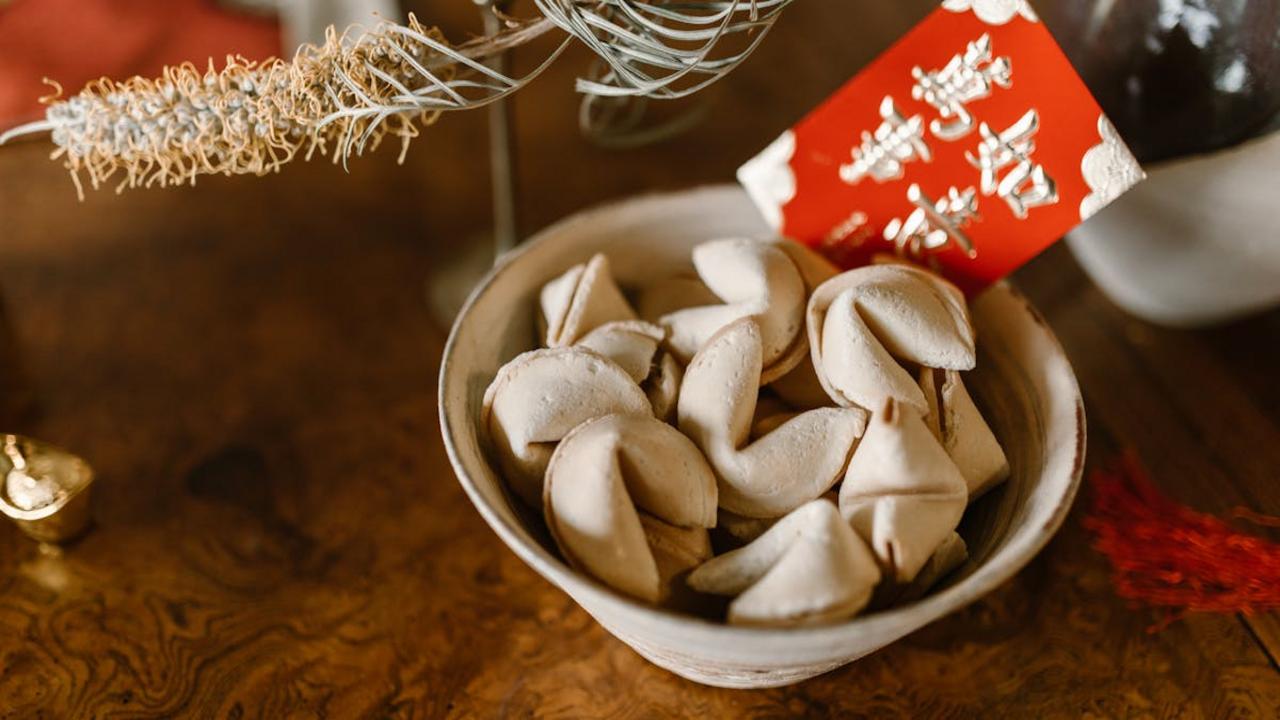
You know that moment at Chinese restaurants when the check arrives with those iconic fortune cookies? There’s an unspoken rule many of us follow – saving those crunchy, sweet treats for the very end of the meal. While this practice likely started as a Western addition to Chinese-American dining (fun fact: fortune cookies actually originated in Japan!), it’s become deeply ingrained in how we experience Chinese restaurants in America. The simple act of cracking open that cookie and reading your fortune has transformed into a cherished ritual that signals the perfect ending to your meal.
Breaking this “rule” might feel oddly uncomfortable, like you’re disturbing some ancient dining tradition. But here’s the truth – there’s no historical or cultural significance to eating fortune cookies last. In fact, many authentic Chinese restaurants don’t even serve them! The cookies became popular in the U.S. during the early 1900s, and somewhere along the way, we collectively decided they belonged at the meal’s end. Maybe it’s because they’re sweet like dessert, or perhaps we just love ending our dining experience with a dash of mystery and fun. Either way, this made-up rule shows how dining customs can take root without us questioning why.
Restaurant bills are split equally unless discussed beforehand
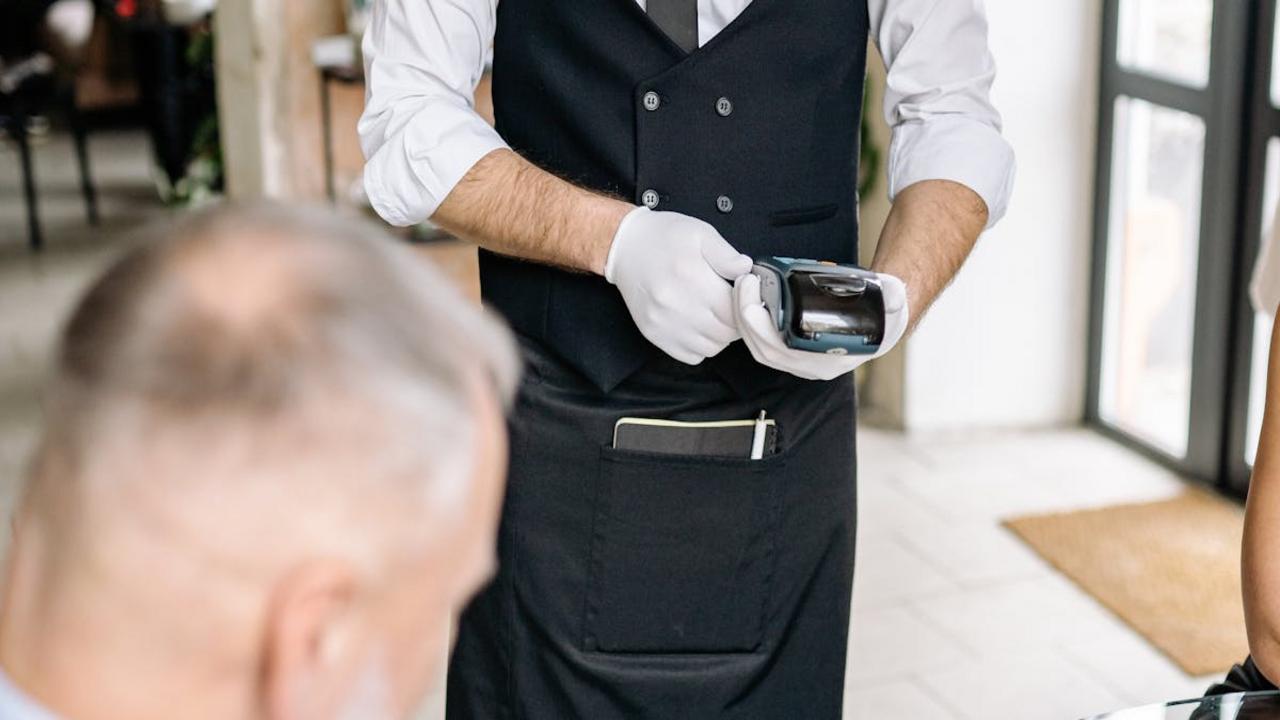
I notice this unspoken rule causes so much awkwardness at group dinners – everyone automatically splits the bill evenly without having an open conversation first. This default approach overlooks that some people ordered appetizers and cocktails while others stuck to a simple entrée. From my years hosting community dinners, I’ve learned the value of discussing payment expectations upfront, which helps prevent any uncomfortable moments when the check arrives.
You can take charge by bringing up payment preferences at the start of the meal in a casual, friendly way. Simply ask “How would everyone like to handle the bill?” This opens the door for people to express if they prefer to pay for their own items or split equally. Some of your friends might be on tighter budgets or have dietary restrictions that affect their ordering. Making space for this conversation shows consideration for everyone’s circumstances and creates a more relaxed dining experience where people can order what they truly want.
Ice cream containers with tiny amounts get pushed to the back
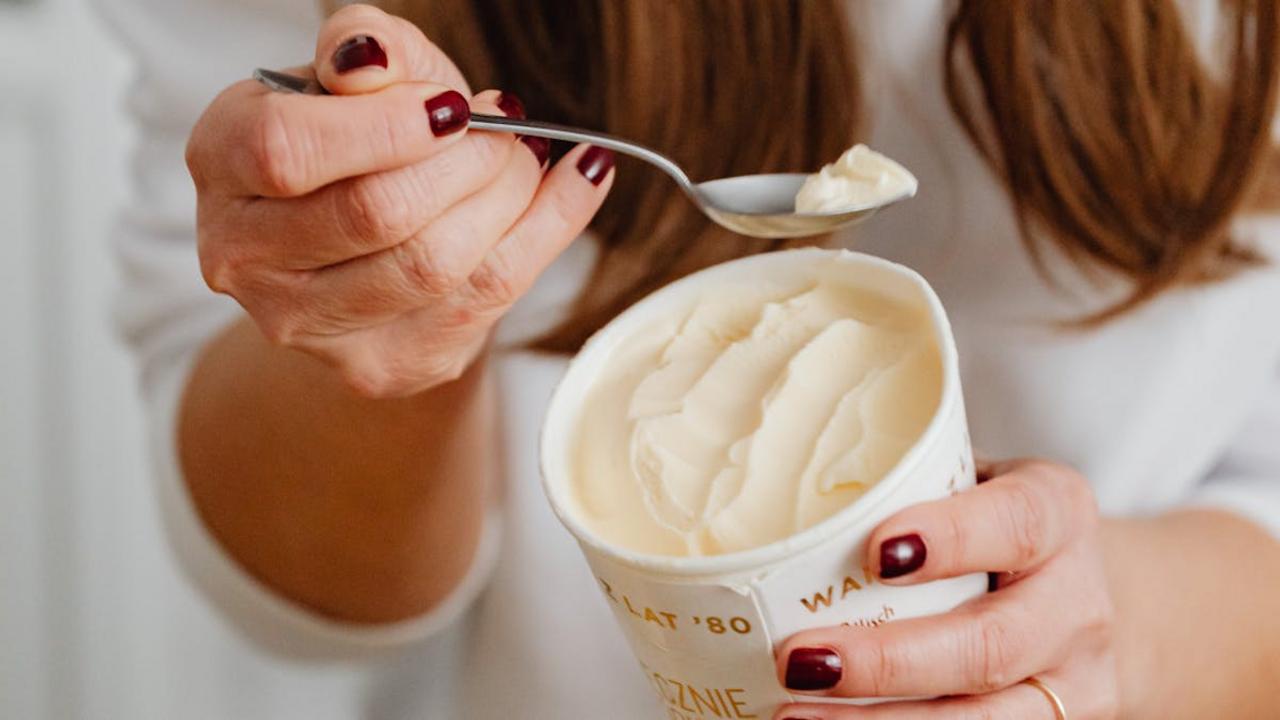
You know that nearly empty ice cream container lurking in the depths of your freezer? I see it happen in so many kitchens – those last few spoonfuls somehow migrate to the back, forgotten behind frozen vegetables and meal prep containers. It’s not just coincidence – we subconsciously hide these remnants because they remind us of finishing something delicious, and psychologically, we want to avoid that small disappointment. Plus, seeing a fresh, full container right up front gives us more satisfaction when we open the freezer door.
I’ve noticed this behavior extends beyond just ice cream too. Think about how you organize your pantry – those chip bags with just crumbs tend to get shoved behind new packages, and that pasta box with only a handful of noodles mysteriously drifts to the dark corners. Breaking this habit can actually help reduce food waste and save money. Try keeping those almost-empty containers front and center, using them up in creative ways like milkshakes, sundae toppings, or even blending the last bits into homemade ice cream sandwiches.
Thanksgiving turkey carving belongs to the family elder
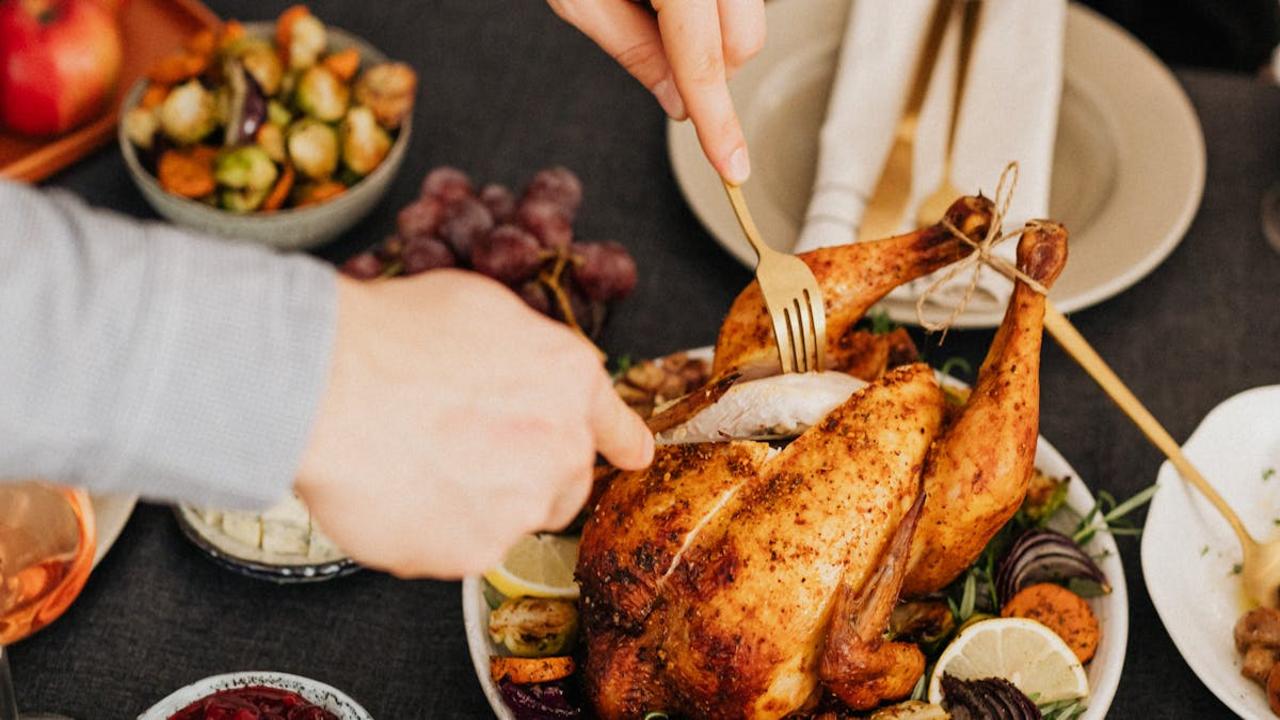
I grew up watching my grandfather ceremoniously carve our Thanksgiving turkey every year, his weathered hands expertly guiding the knife through the golden-brown bird. This unspoken tradition exists in many American households – the most senior family member takes charge of this honorable task. The ritual often sparks nostalgia and creates cherished memories, as younger generations observe and learn the precise techniques passed down through time.
While this custom might seem old-fashioned to some, it holds deep cultural significance and practical wisdom. Older family members have usually accumulated years of experience in properly separating the white and dark meat, navigating the joints, and creating those picture-perfect slices. They know exactly how to maximize every portion of the turkey, ensuring everyone gets their preferred cut. Beyond the technical aspects, this tradition reinforces family bonds and respect for our elders’ knowledge and experience in the kitchen.
Restaurant orders shouldn’t duplicate within a group
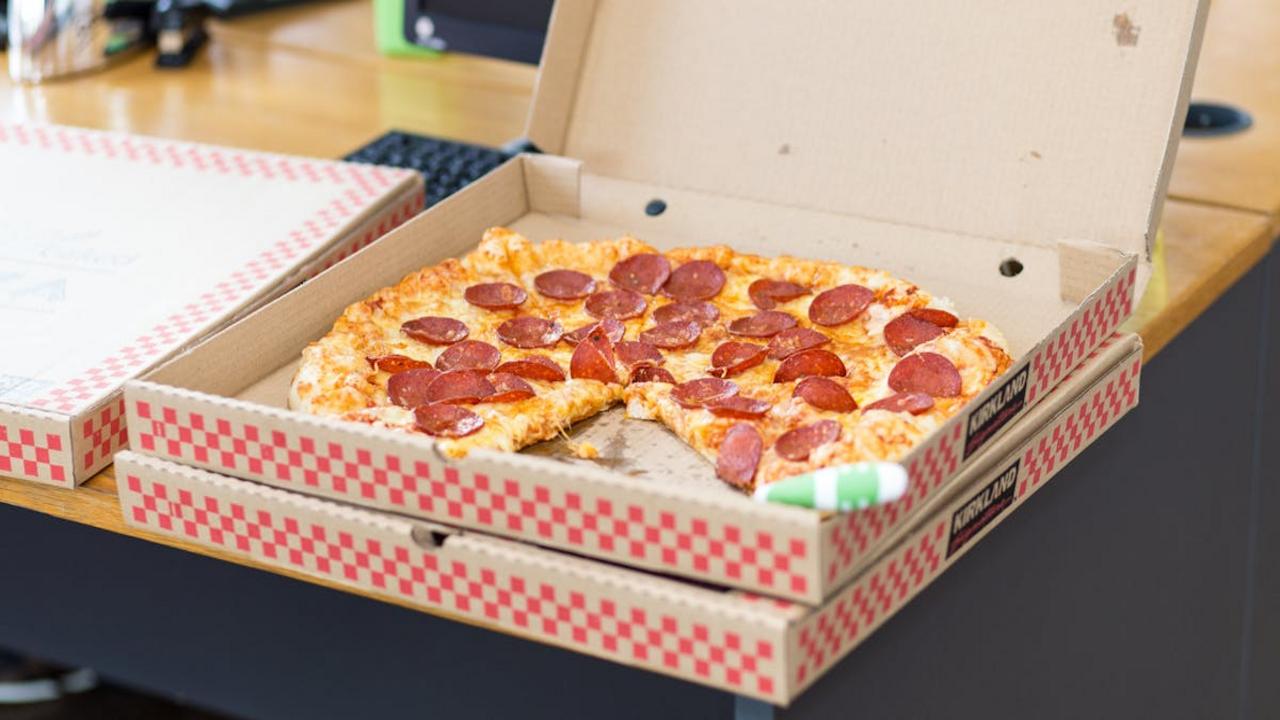
I’ve noticed this unspoken rule at restaurants with friends – we all hesitate to order the same dish as someone else at the table. This quirky social norm likely stems from our desire to maximize variety and share different flavors. Think about it: ordering four distinct dishes gives everyone a chance to sample multiple menu items, turning dinner into an exciting taste-testing experience. Plus, it opens up conversations about each unique dish and creates opportunities to discover new favorites you might have overlooked.
While this rule isn’t carved in stone, breaking free from it can feel almost taboo. Your dining companions might give you side-eye if you pick the same entrée as them, even though logically there’s nothing wrong with multiple people craving the same dish. But next time you’re out to eat, notice how naturally you scan what others are selecting before making your choice. This subtle social pressure shapes our ordering behavior without us even realizing it. Maybe it’s time to question if we should let this unspoken rule dictate our restaurant picks!
Sharing food requires cutting it exactly in half
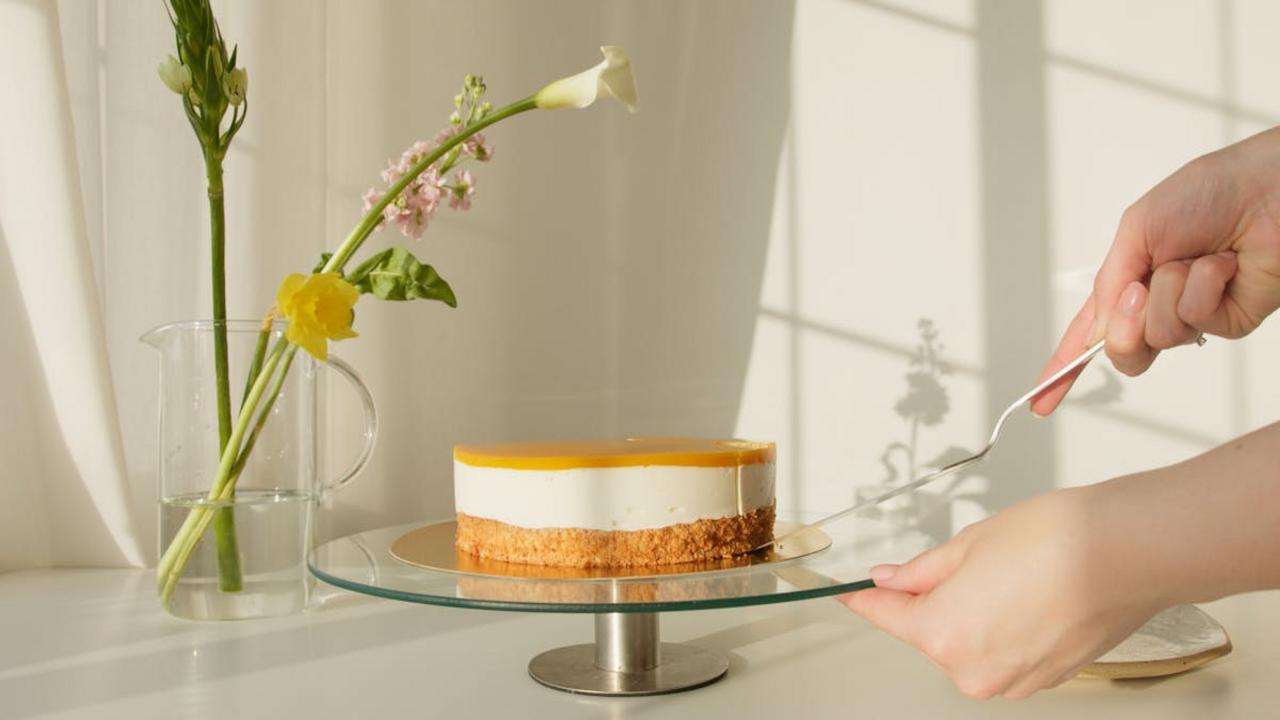
I’ve noticed how deeply ingrained this food-sharing rule is in our daily lives – the instinct to split everything perfectly down the middle. Whether you’re sharing a sandwich with your kids or splitting dessert with a friend, you probably feel that inner pressure to create two mathematically equal portions. This unwritten rule stems from our early childhood teachings about fairness and sharing, but it can sometimes create unnecessary stress at the table.
You’ll find more joy in food sharing by letting go of this perfectionist approach. In many food cultures worldwide, particularly in Mediterranean and Asian traditions, people naturally share multiple dishes family-style without measuring exact portions. Try focusing on the connection and generosity behind sharing food rather than precise measurements. Next time you split a cookie or pizza with someone, remember that slightly uneven pieces won’t diminish the pleasure of sharing good food together.
The host takes the smallest portion
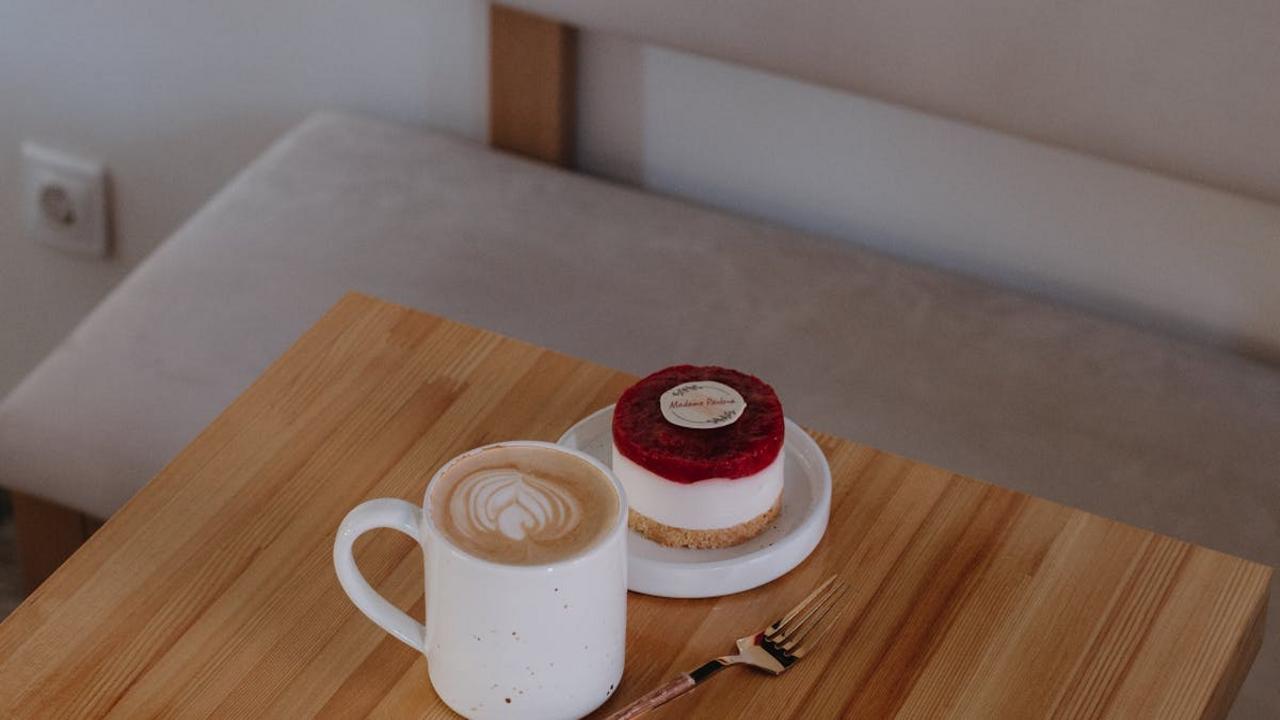
I learned this gracious hosting rule from my grandmother, who always modeled selfless hospitality. When you invite guests into your home for a meal, taking the smallest portion shows consideration and ensures your guests feel valued and well-fed. This simple gesture transforms an ordinary dinner into a warm expression of care, making everyone at your table feel like family.
Many cultures across the world practice this thoughtful tradition – from Indian homes where hosts insist guests eat first and most, to Mediterranean tables where hosts demonstrate generosity through smaller personal portions. Your role as host extends beyond cooking and serving – it’s about creating an environment of abundance and making guests feel completely comfortable taking second helpings. Remember, genuine hospitality shines through these small but meaningful actions that put others first.
Weekend breakfast must be bigger than weekday breakfast
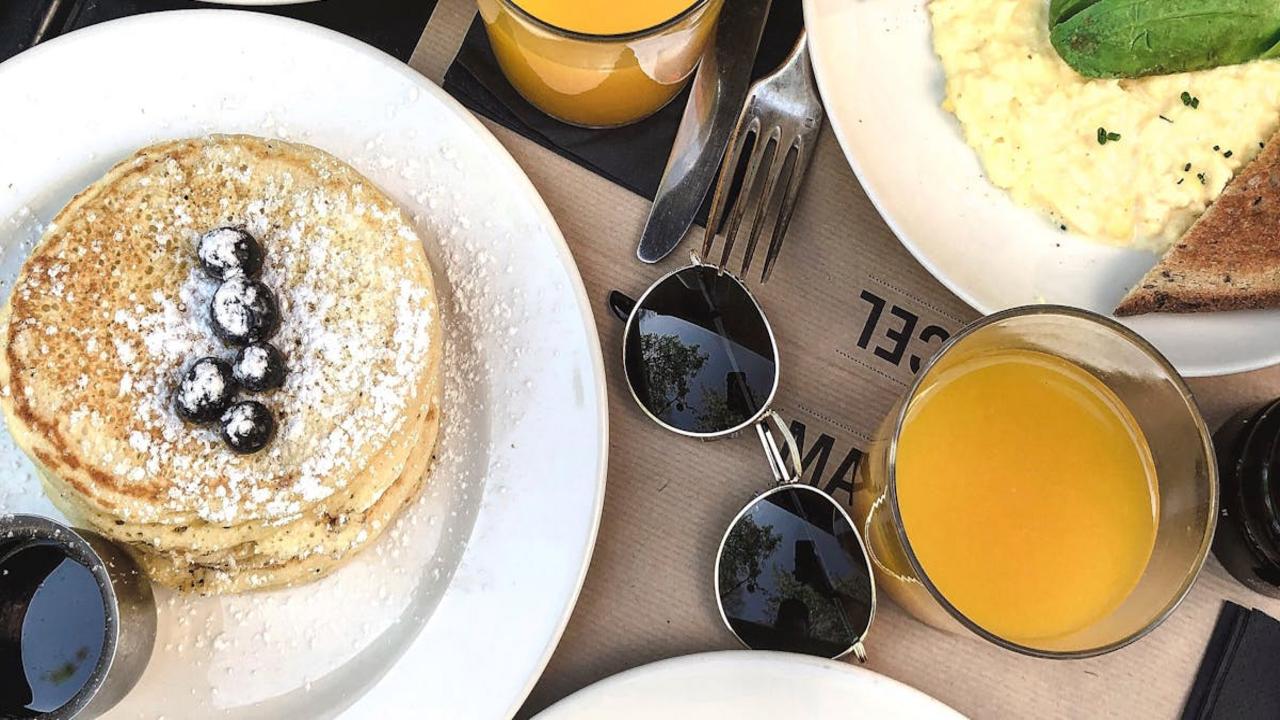
You’ve probably grown up believing weekend breakfasts need more effort, time, and portions than quick weekday meals. But who made this rule? While I understand wanting to create special moments with loved ones over a big Sunday brunch spread of pancakes, eggs, and bacon, your body doesn’t actually need more food on weekends. In fact, maintaining consistent portion sizes throughout the week helps regulate your metabolism and energy levels.
Breaking free from this unwritten rule can transform your relationship with breakfast. Consider making those special weekend recipes on a Wednesday morning – there’s something magical about starting a workday with homemade waffles! Or scale back weekend portions to match your weekday meals and notice how you feel more balanced. Your body will thank you for keeping meal sizes steady, and you’ll still get to enjoy all your favorite breakfast foods without the pressure of supersizing them on Saturdays and Sundays.
Fries from someone else’s plate taste better
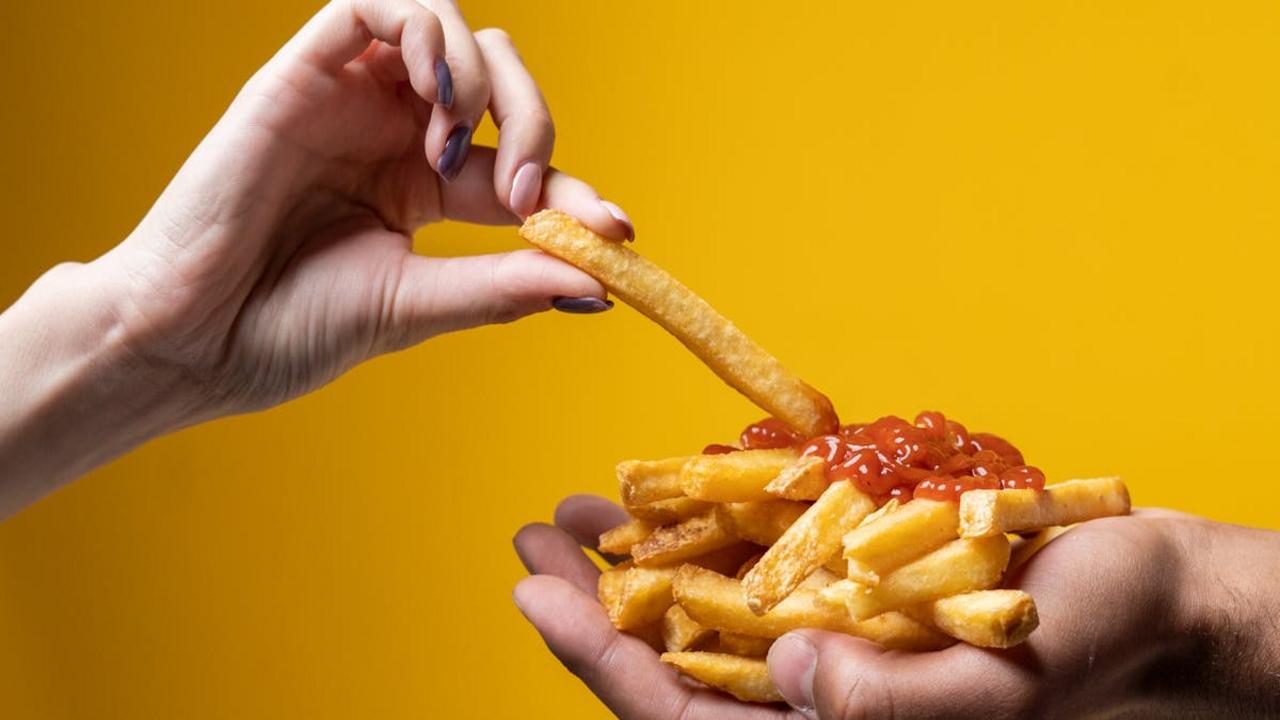
I’ve noticed this funny phenomenon at every restaurant I visit – those golden, crispy fries on your friend’s plate look and taste way more appealing than the identical ones sitting right in front of you. There’s actual science behind this seemingly irrational behavior! Our brains are wired to value what others have more than what we possess. This psychological quirk, known as consumer psychology, makes us perceive food that belongs to others as more desirable, even when it’s exactly the same as ours.
I see this play out constantly during family dinners at my house. My kids will barely touch their own fries but will try to snag them from their siblings’ plates, insisting they’re somehow better. The same goes for adults – we’ve all been guilty of eyeing our dinner companion’s side of fries or reaching across the table for “just one” because they look more appetizing. This behavior ties into our natural inclination toward novelty and variety in food choices, making someone else’s meal seem more exciting than our own.
Coffee or tea is served after dessert
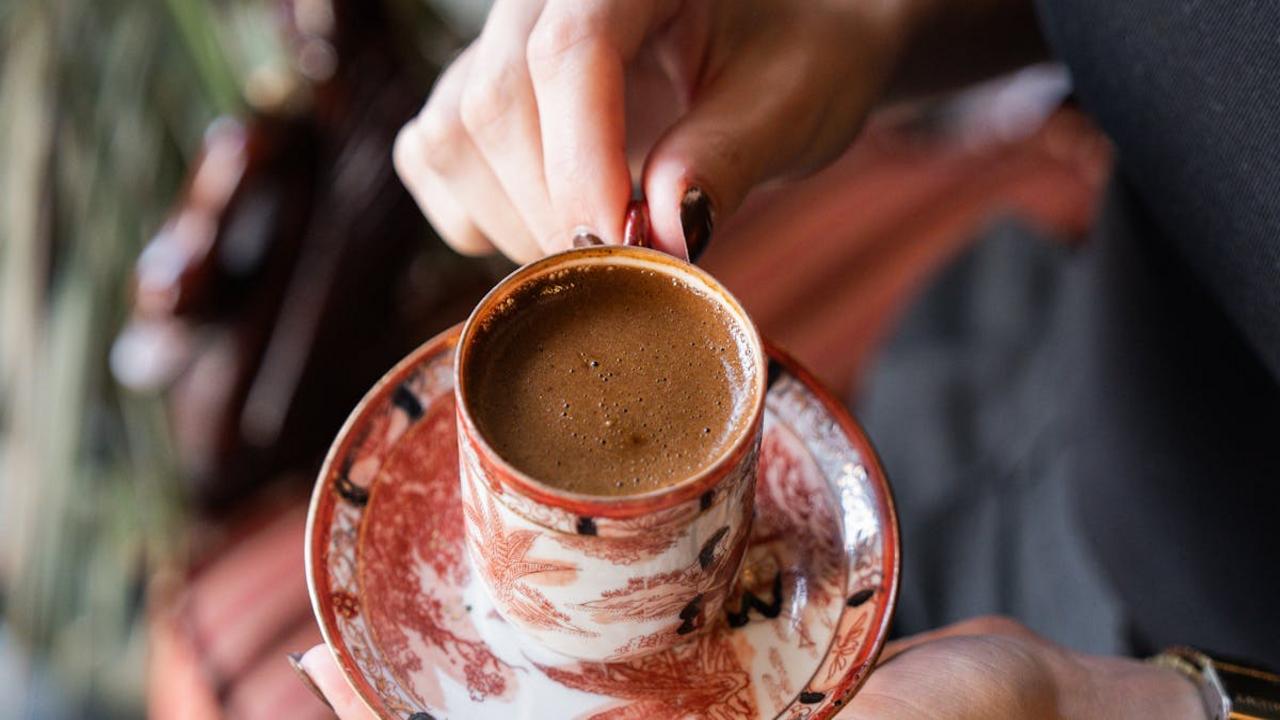
You might think serving coffee or tea after dessert follows some fancy etiquette rule, but this sequence actually stems from practical reasons. Hot beverages can dull your taste buds and overpower the subtle flavors of desserts – that’s why many restaurants bring out coffee service only after you’ve finished your sweet treats. Think about it: would you want a strong cup of espresso interfering with the delicate notes of your crème brûlée or the rich complexity of your chocolate mousse?
I’ve noticed how this small timing adjustment makes a big difference in my dinner parties. By serving coffee or tea last, my guests get to fully appreciate both their dessert and their hot drink without one affecting the other. Plus, ending the meal with a warm beverage creates a natural transition into relaxed after-dinner conversation. Next time you host, try this sequence – serve dessert first, let everyone savor it completely, then bring out your coffee or tea service. You’ll notice how each component shines on its own.
Pizza crusts are saved for last
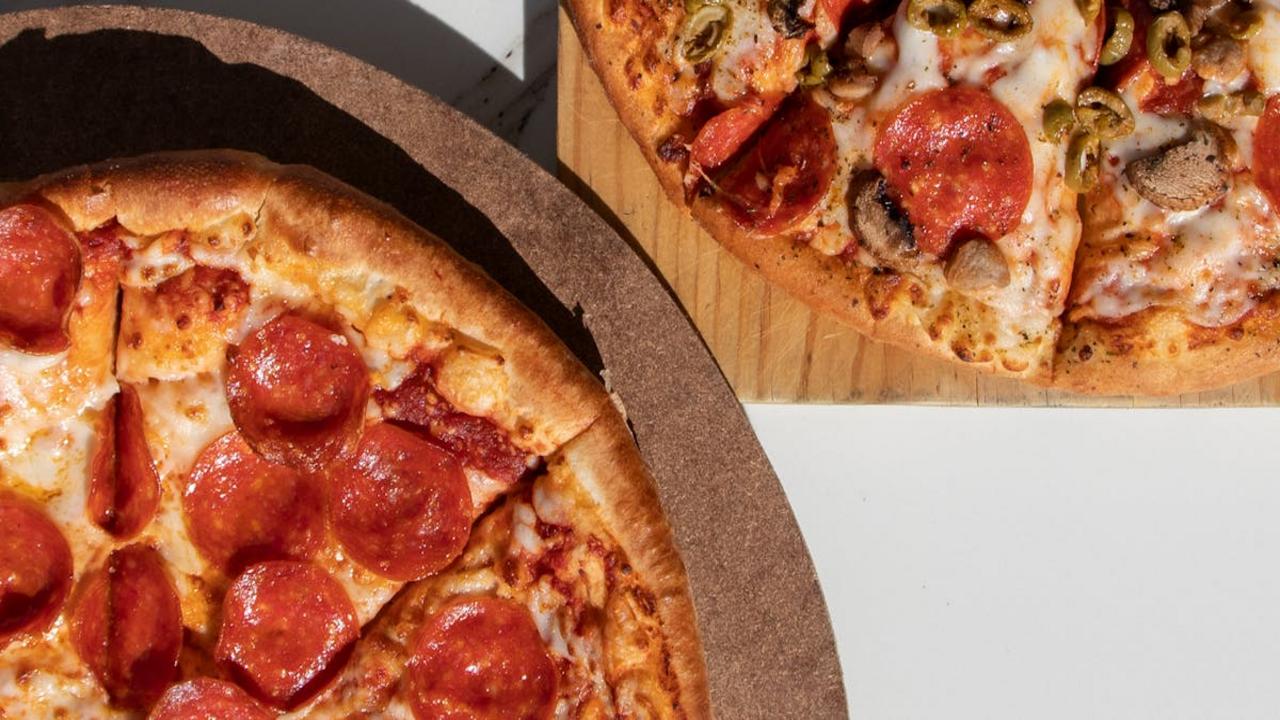
I’ll admit it – I save my pizza crusts for last too, like so many other people! This common eating pattern likely stems from childhood, where we naturally gravitate toward the cheesy, sauce-laden center first. The crust becomes a built-in dessert of sorts, a final carb-loaded reward after devouring the main attraction. Some restaurants have caught onto this behavior, offering dipping sauces specifically for those precious end pieces.
Your pizza-eating sequence reveals more about food psychology than you might think. Starting with the point and working your way back to the crust mirrors how we approach other foods – saving what we consider the “best” or most filling part for the end. Think about how you eat a sandwich or burger, often leaving the fuller, thicker middle portion for last. The crust serves as the grand finale, the satisfying conclusion that leaves you feeling properly full. Whether you’re Team Crust-First or Team Crust-Last, your preference likely stems from deeply ingrained eating patterns.
Always blow on hot food before tasting
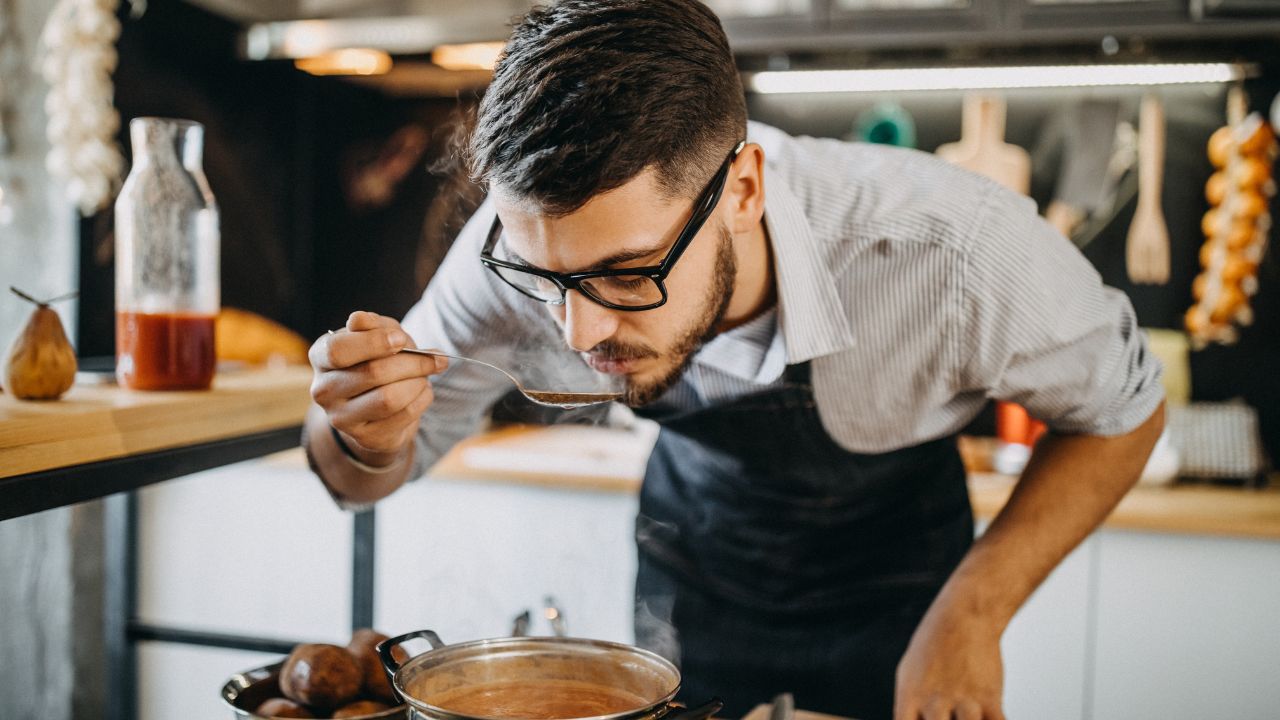
I learned this classic food rule from my grandmother, who always insisted on blowing on hot dishes before taking that first bite. While it might seem like an obvious safety measure, many people skip this step and end up burning their tongues or the roof of their mouths. Your mouth contains sensitive tissues that can easily get scalded by steaming soups, fresh-from-the-oven casseroles, or piping hot beverages. Taking those extra few seconds to cool your food can save you from painful burns and allow you to truly enjoy the flavors of your meal.
Beyond protecting your mouth, blowing on hot food also gives you a moment to appreciate the aromas wafting up from your dish. The heat carries those wonderful scents directly to your nose, enhancing your overall dining experience. Think about it – when you rush into eating something too hot, you’re not only risking injury but also missing out on that perfect temperature where flavors shine their brightest. Remember that good food deserves patience, and those few cooling breaths can make the difference between a rushed, uncomfortable bite and a truly enjoyable meal.
Never eat the last piece without asking first
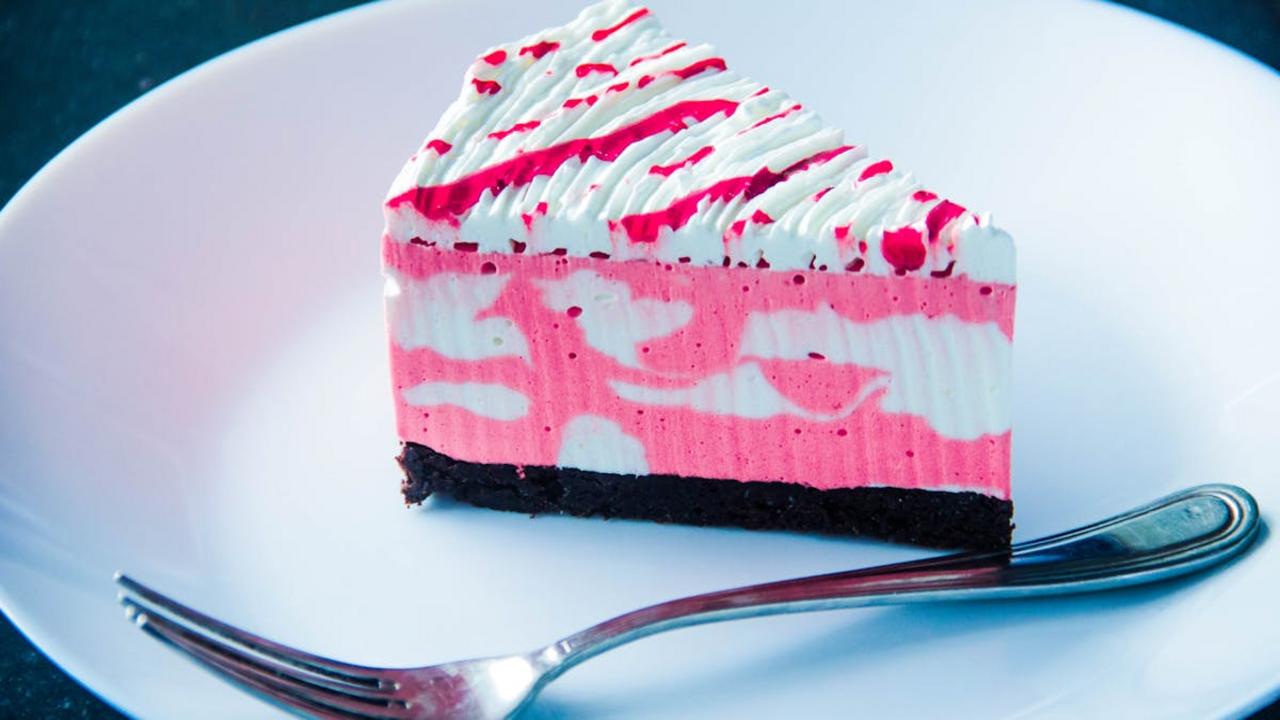
This unspoken rule has deep roots in many cultures worldwide, and I’ve seen it practiced across countless dinner tables. Taking the last piece without asking can make you look greedy or inconsiderate of others who might want it. Instead, offering the last portion to others first shows thoughtfulness and respect for your fellow diners. If you’re hosting a gathering, this simple gesture creates a welcoming atmosphere where everyone feels valued and considered.
The best approach? Ask if anyone would like to split the last piece – this often breaks the tension and encourages sharing. Many families make this practice a teaching moment for children, instilling values of generosity and mindfulness at mealtimes. Remember, good food brings people together, and these small courtesies strengthen our connections. Next time you spot that final slice of pizza or last cookie on the plate, take a moment to check with others before claiming it for yourself.
Birthday cake slices must include a flower or decoration
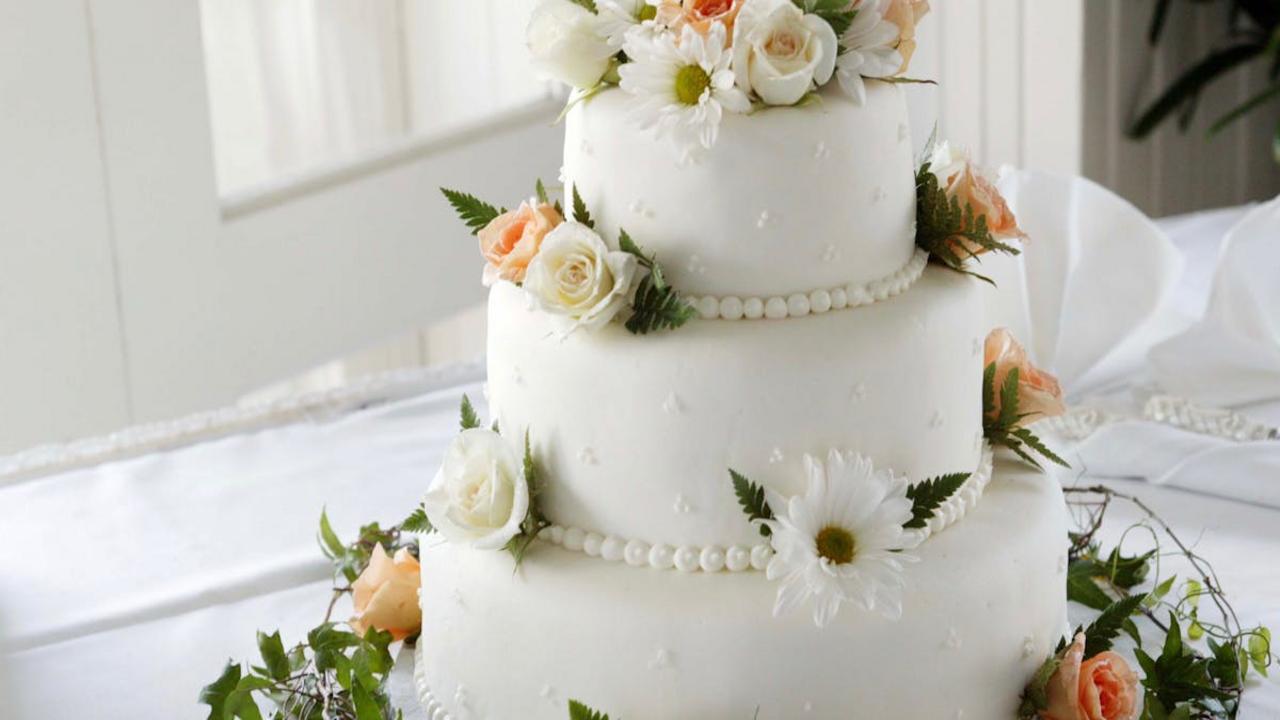
I’ve noticed this unspoken rule at countless birthday celebrations – you’ll always find guests angling for those coveted cake slices with the frosted flowers or decorative elements. This tradition likely stems from our natural attraction to pretty things and the social status that comes with getting “the best piece.” Think about it: at parties, the birthday person often gets the corner piece with the most elaborate decorations, while others might subtly compete for the remaining ornate sections.
From my experience as a home baker, I’ve seen how this expectation shapes cake decorating decisions. You’ll need to plan the cake design so every slice has something special – whether that’s a buttercream rosette, a candy pearl, or a chocolate accent. This adds time and effort to the decorating process, but it prevents the awkward moment when someone ends up with a “plain” piece. Next time you’re making a birthday cake, try placing decorative elements strategically, ensuring each cut will reveal something visually appealing.