14 Iconic Foods That Shaped Generations and Still Spark Nostalgia
From frozen TV dinners to the recent bubble tea craze, certain foods define entire generations. These memorable bites and sips sparked food trends, revolutionized how we eat, and created lasting memories that still make us smile today. More than just fuel, these foods became cultural touchstones that united people through shared experiences.
Remember racing home from school to grab a Capri Sun and Dunkaroos? Or maybe you lived for those Saturday morning moments with a steaming Hot Pocket? Each iconic snack and drink carries its own special story – from Spam’s wartime necessity to avocado toast’s social media stardom.
Through convenience foods of the 1950s, colorful snacks of the 1990s, and today’s trendy beverages, these 14 foods paint a vivid picture of how American eating habits evolved. They remind us that food does more than fill our stomachs – it fills our hearts with cherished memories.
Bubble tea
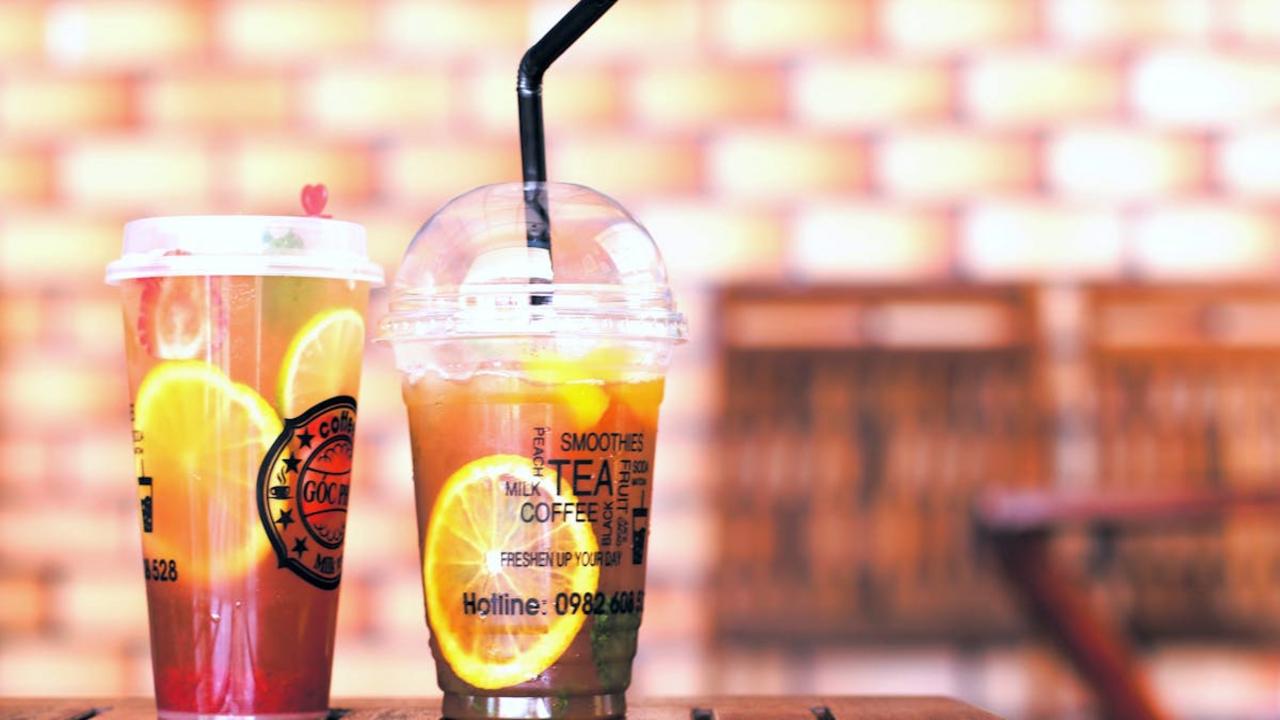
If you’ve ever spotted someone sipping a colorful drink with those bouncy black pearls at the bottom, you’ve witnessed the magic of bubble tea! This Taiwanese drink phenomenon kicked off in the 1980s and took the world by storm, especially capturing the hearts of millennials who made it their go-to social media star. The drink combines sweet milk tea with chewy tapioca pearls (called boba) that you slurp up through an extra-wide straw. The genius behind this drink? A Taiwanese tea house manager who got bored during a meeting and dumped her tapioca dessert into her iced tea.
What started as a simple tea-and-tapioca combo has now exploded into hundreds of variations. You’ll find everything from classic black milk tea to wild concoctions like taro, mango, and even cheese foam topped drinks. The tapioca pearls themselves need proper cooking – about 20 minutes to achieve that perfect chewy texture that fans call “QQ” in Taiwan. And here’s a fun nugget of trivia: those black pearls aren’t naturally black at all! They get their color from brown sugar or caramel, making them both pretty and tasty. No wonder this drink has spawned endless Instagram posts and dedicated bubble tea shops on nearly every corner in cities worldwide.
Avocado toast
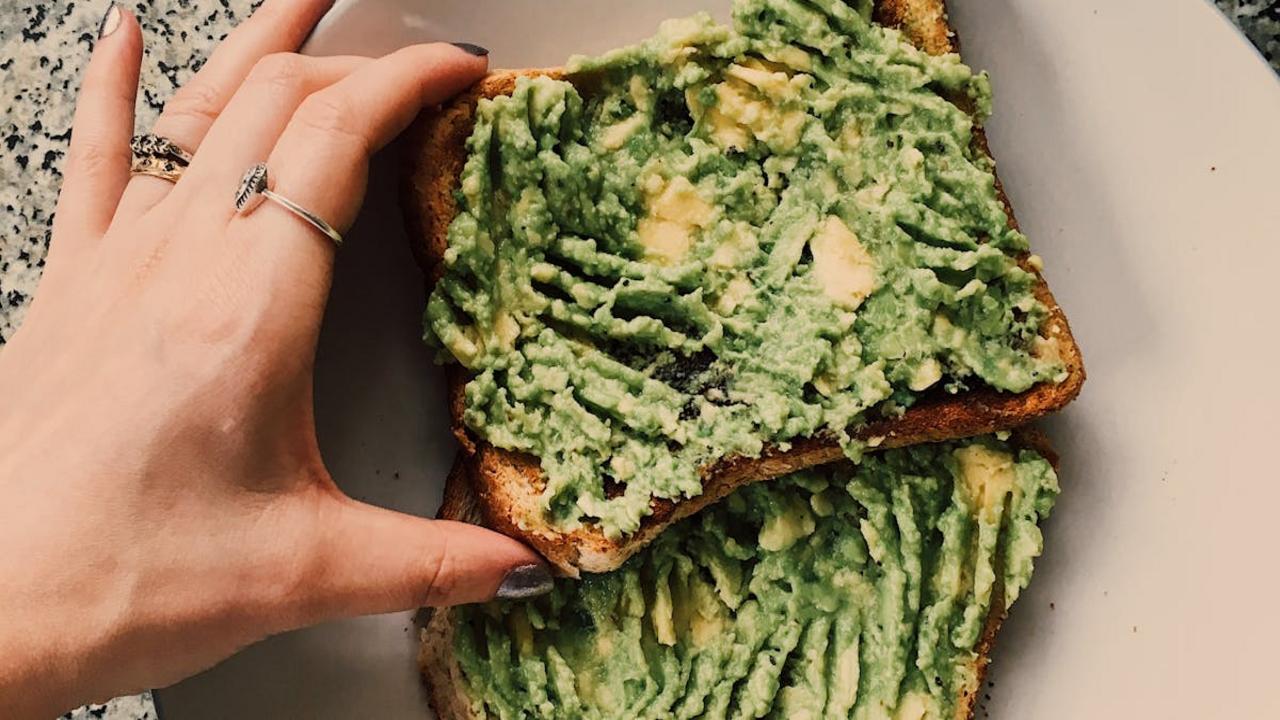
Oh, millennials – we didn’t invent avocado toast, but we sure made it Instagram-famous! This simple yet revolutionary breakfast option shot to stardom around 2013, becoming the poster child of an entire generation’s brunch habits. The perfectly toasted bread topped with creamy, green goodness has sparked countless debates, memes, and even economic discussions. Your local coffee shop probably charges $12 for it, but making it at home costs just a fraction and gives you the freedom to add your own flair with red pepper flakes, poached eggs, or a drizzle of hot honey.
What makes avocado toast so special? It hits that sweet spot between healthy and indulgent – the good fats from the avocado keep you full, while the crunchy toast satisfies your carb cravings. Plus, it’s ridiculously adaptable. Want it spicy? Add jalapeños. Craving protein? Throw on some smoked salmon. Need extra crunch? Sprinkle some everything bagel seasoning. The dish has transcended its trendy beginnings to become a legitimate breakfast staple, proving that sometimes the simplest combinations make the biggest impact. Just remember to pick ripe avocados – nobody wants to wrestle with a rock-hard fruit at 8 AM!
Kombucha
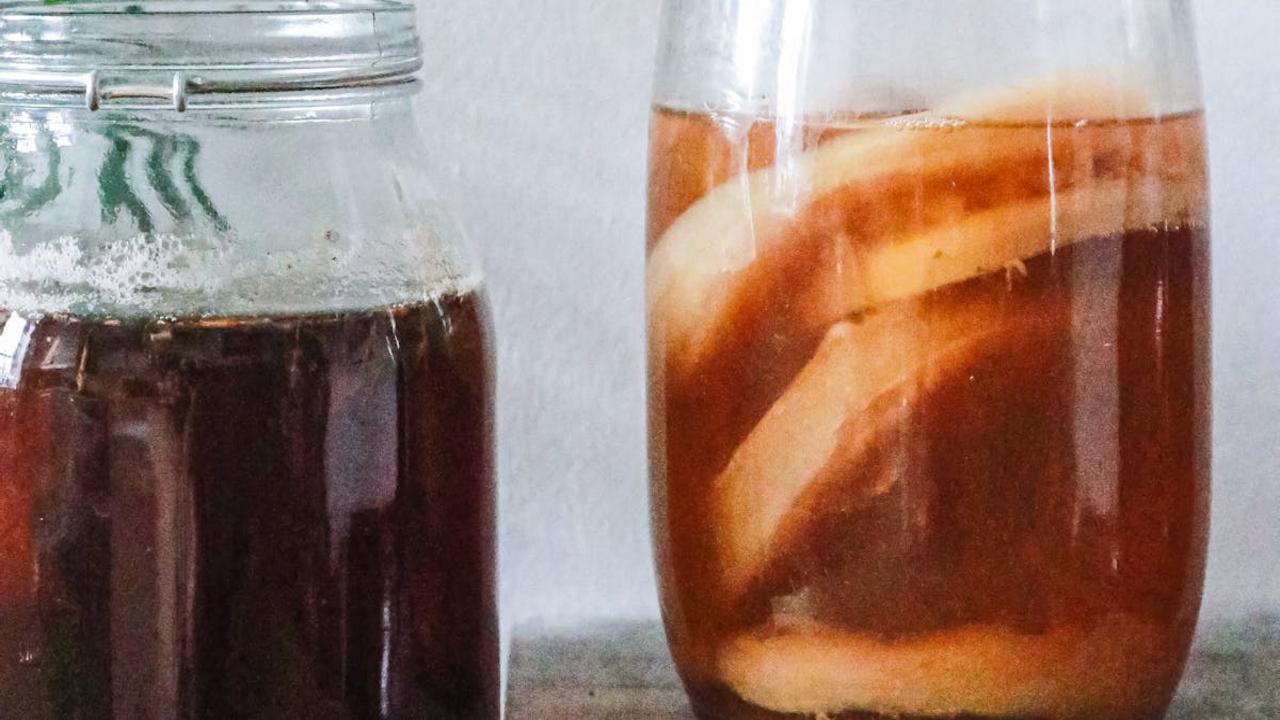
You might remember your hippie aunt drinking this fizzy fermented tea back in the 90s, but kombucha has ancient roots dating back over 2,000 years to ancient China. This sparkly drink packs quite a punch with its unique combo of sweet and sour notes, thanks to the SCOBY (Symbiotic Culture of Bacteria and Yeast) that turns regular tea into a probiotic powerhouse. The SCOBY looks like a weird, floating mushroom-pancake hybrid – which totally freaked me out the first time I tried making my own batch at home!
What makes kombucha so special isn’t just its quirky origin story or the fact that it’s basically tea that’s gone rogue – it’s how this drink has evolved from an ancient Chinese remedy to a modern-day supermarket staple. You’ll now find kombucha in flavors ranging from lavender-mint to strawberry-basil, with creative brewers pushing the boundaries of what fermented tea can be. And while some people swear by its health benefits, others just love the zingy kick it adds to their day. Fun fact: during World War II, kombucha became super popular in Germany because coffee was scarce, and people needed their daily dose of caffeine!
Sunny D
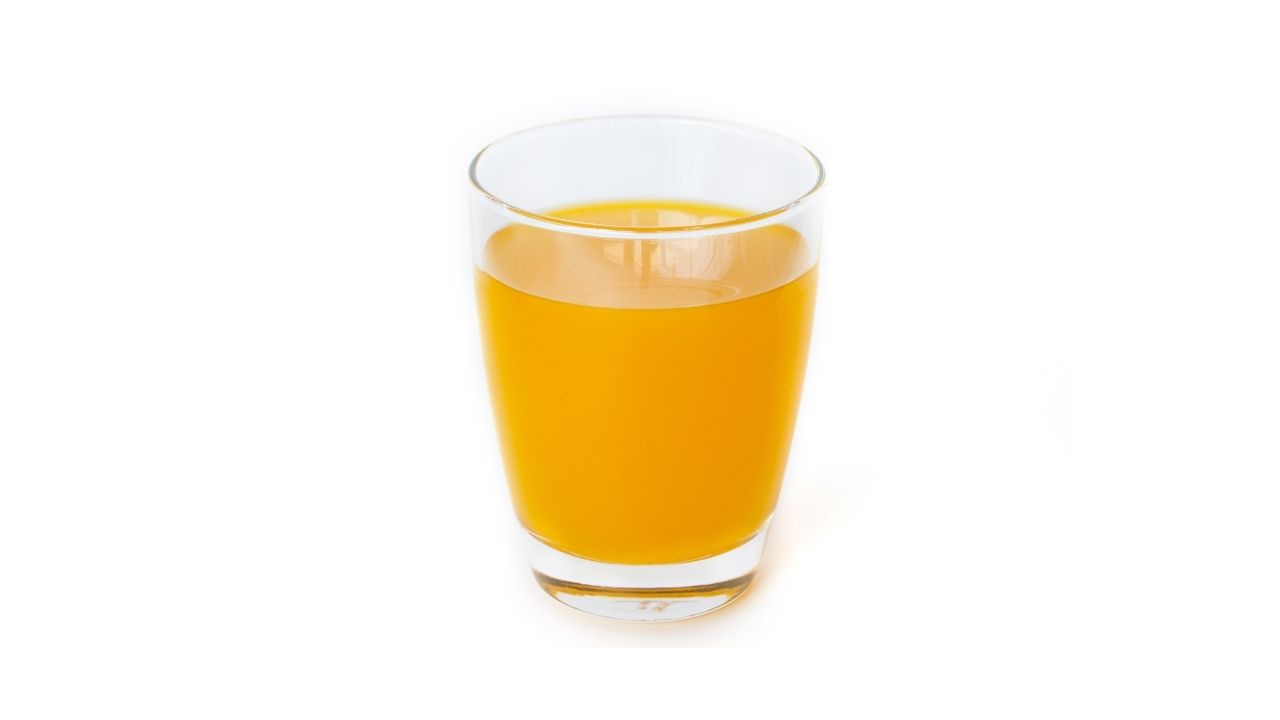
Remember that bright orange drink that made your mom question its actual fruit content? Sunny D burst onto the scene in the 1960s and quickly won over kids with its sweet, citrusy punch that claimed to pack more Vitamin C than 100% orange juice. The commercials featuring kids chugging it after sports or hanging out with friends made everyone want that distinctive bottle in their fridge. While parents scratched their heads at the ingredients list, we couldn’t get enough of that unique, tangy-sweet flavor that somehow tasted nothing like actual oranges.
The 90s saw Sunny D hit its peak popularity, becoming a lunch box staple and the cool kid’s drink of choice. Who can forget that satisfying crack of twisting open the plastic bottle, or the way it would stain your tongue and lips slightly orange? Though today’s health-conscious parents might cringe, Sunny D remains a nostalgic powerhouse that brings back memories of summer days, sleepovers, and post-soccer game refreshments. The drink has evolved to include new flavors and reduced sugar options, but nothing quite matches the original formula that had us all begging our parents to buy “the good stuff.”
Hot Pockets
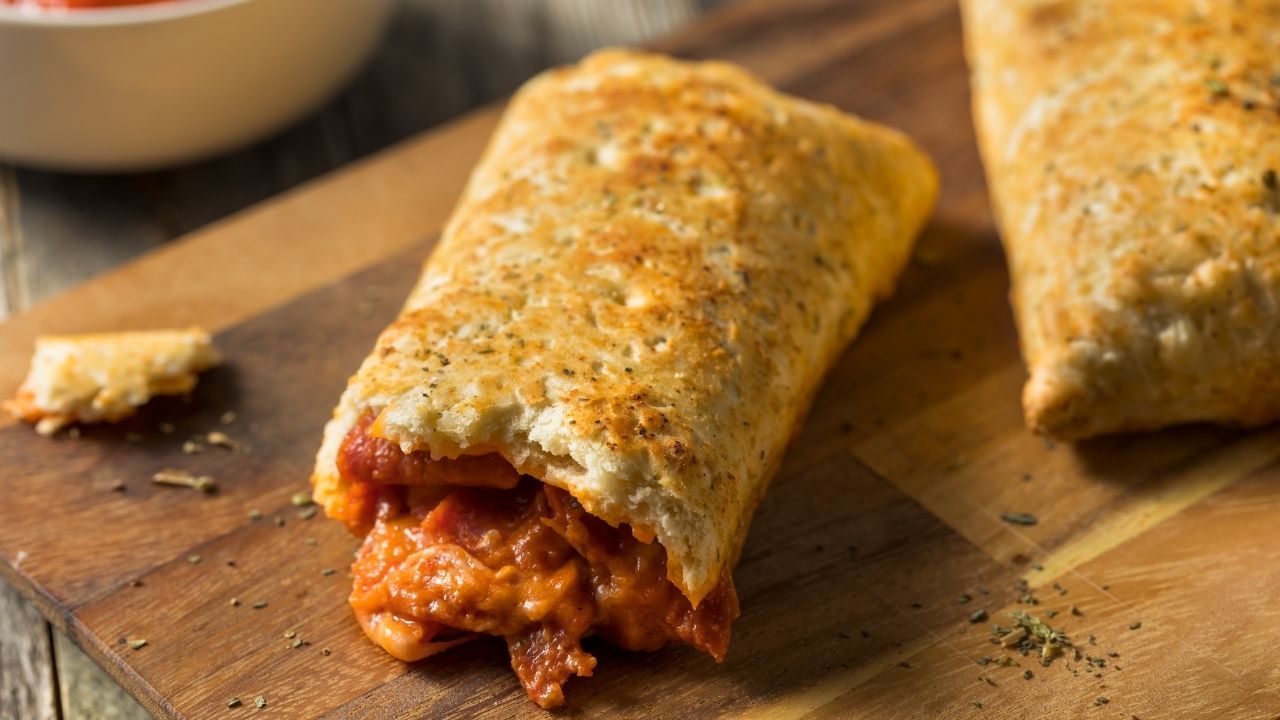
Remember those late-night study sessions in college when a Hot Pocket saved your growling stomach? These microwaveable meat and cheese-stuffed pastries hit the market in 1983, and they’ve been a lifesaver for hungry folks ever since. Whether you picked pepperoni pizza, ham and cheese, or the fancy philly cheesesteak version, you knew exactly what you’d get – a crispy (okay, sometimes soggy) crust with molten filling that could scorch your mouth if you didn’t wait those recommended two minutes.
The genius behind Hot Pockets, Paul Merage, created them because he wanted to make a portable sandwich that could stay fresh in the freezer. Little did he know his invention would become a cultural phenomenon, complete with Jim Gaffigan’s famous comedy routine about them (“Hooooot Pockets!”). Today, you’ll find over 50 varieties, including breakfast options and pretzel crusts. And while we’ve all graduated to more sophisticated meals, there’s still something nostalgic about that silver sleeve and the promise of a quick, satisfying snack that takes us right back to our dorm room days.
Dunkaroos
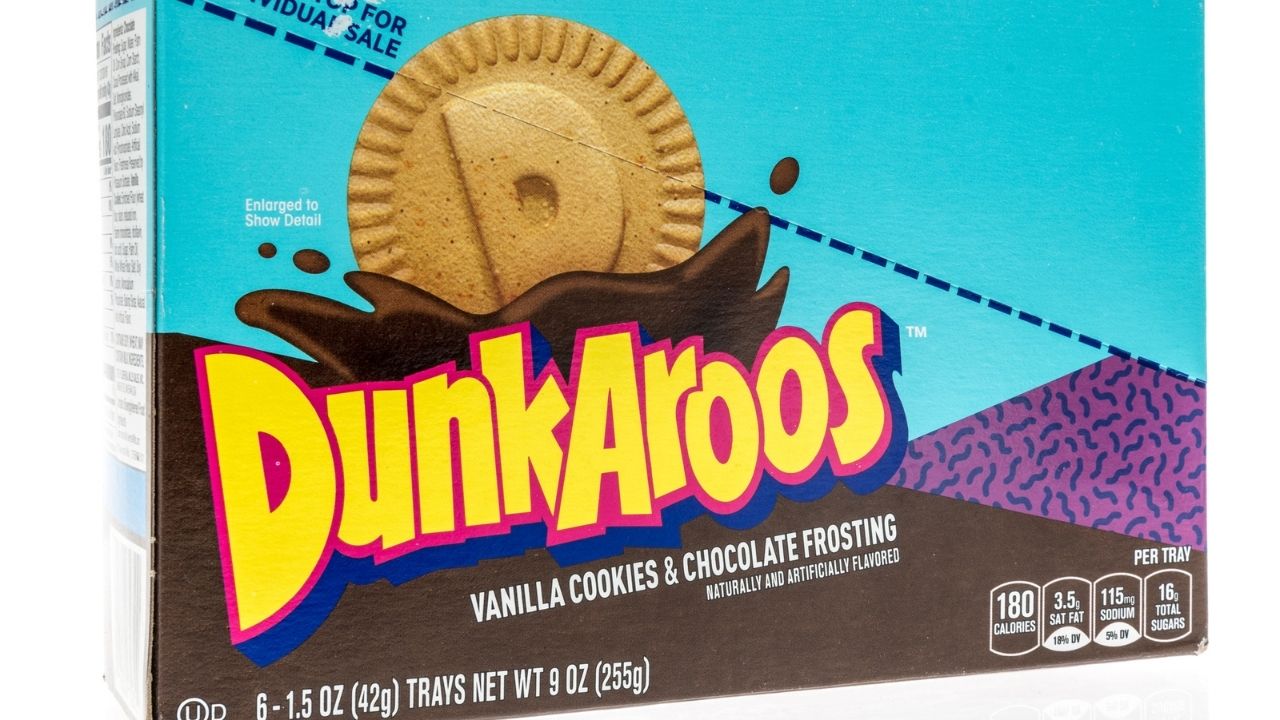
If you grew up in the ’90s, you probably spent countless afternoons dunking tiny kangaroo-shaped cookies into sweet, colorful frosting. Betty Crocker introduced Dunkaroos in 1988, and these interactive snacks quickly became the most coveted item in every kid’s lunchbox. The original vanilla cookies came with chocolate or vanilla frosting, but the rainbow sprinkle variety stole the show. The genius of Dunkaroos lay in their fun factor – kids could control how much frosting they wanted (which usually meant all of it in one giant scoop).
After disappearing from US stores in 2012, Dunkaroos created such a nostalgic frenzy that people started buying them from Canadian sellers online for ridiculous prices. The demand grew so intense that General Mills finally brought them back in 2020, sparking joy among millennials everywhere. Today, you can find them in most grocery stores, complete with that same satisfying crack of opening the package and that familiar sweet vanilla scent. While the current version features vanilla cookies with vanilla frosting and rainbow sprinkles, many fans still dream about the return of other classic flavors like chocolate and strawberry.
Kid Cuisine
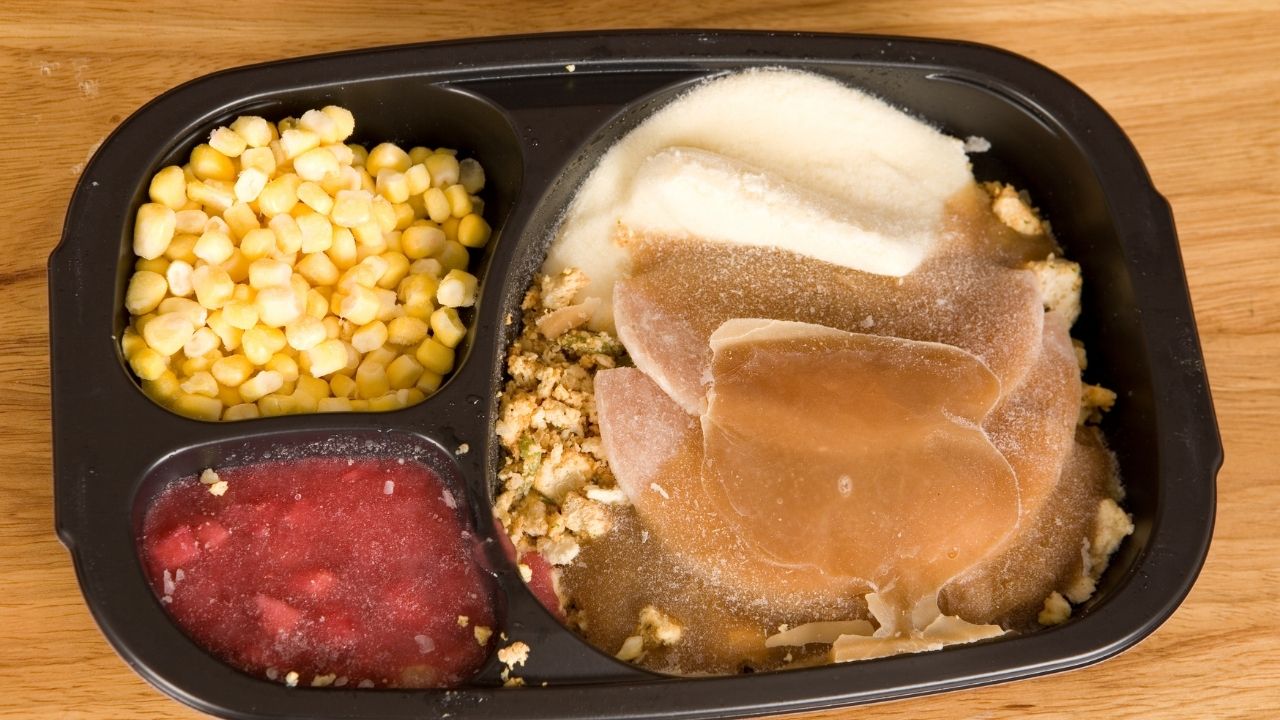
Remember those bright blue boxes that lit up your eyes in the frozen food aisle? Kid Cuisine made TV dinners fun with their penguin mascot K.C. and those compartmentalized trays that kept your corn from touching your breaded chicken nuggets. The dessert section – usually containing some variation of brownies, sprinkles, or pudding – felt like finding treasure! You’d pop that tray in the microwave and wait impatiently for your personal feast, complete with games and puzzles printed right on the box.
Kids of the ’80s and ’90s begged their parents for these microwaveable meals, not just for the food but for the whole experience. The mac and cheese would burn your tongue because you couldn’t wait for it to cool down, and the corn would somehow stay frozen in the middle while the brownie turned into molten lava. Yet we loved every bite! The company knew exactly what kids wanted – fun shapes, bright colors, and that magical combination of main dish, sides, and dessert all in one package. Today’s adults still grab these nostalgic meals from time to time, if only to relive those carefree afternoons of watching cartoons with their Kid Cuisine feast.
Lunchables
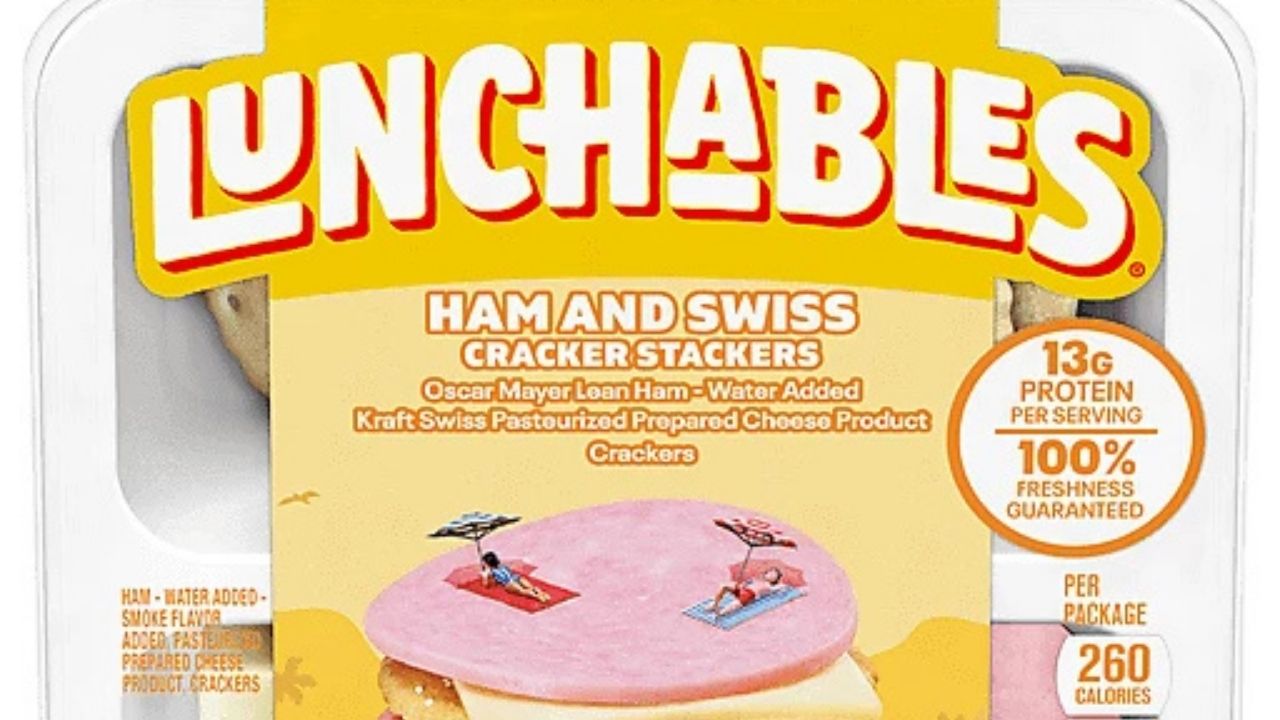
If you were a kid in the 1980s or ’90s, you probably begged your parents to buy you Lunchables – those magical plastic trays filled with crackers, deli meat, and cheese that made you the coolest kid at the lunch table. Oscar Mayer launched these DIY lunch kits in 1988, and they quickly became the hottest commodity in cafeterias across America. Remember stacking those perfect circles of turkey and cheese onto those little crackers? Or trading your pizza Lunchable components with friends to create your own custom combinations? The very sight of that yellow box still brings back memories of field trips and trading lunch items.
While parents initially worried about the nutritional value of these pre-packaged meals, kids couldn’t get enough of the fun factor and independence Lunchables provided. The brand kept innovating with new varieties like pizza, nachos, and even breakfast options. Did you know the original Lunchables concept came from observations of how adults were eating their breakroom snacks at work? The marketing team noticed people breaking up their components to create mini-sandwiches and thought kids would love doing the same thing. They were right – Lunchables now rake in over $1 billion in annual sales, proving that playing with your food never goes out of style.
Capri Sun
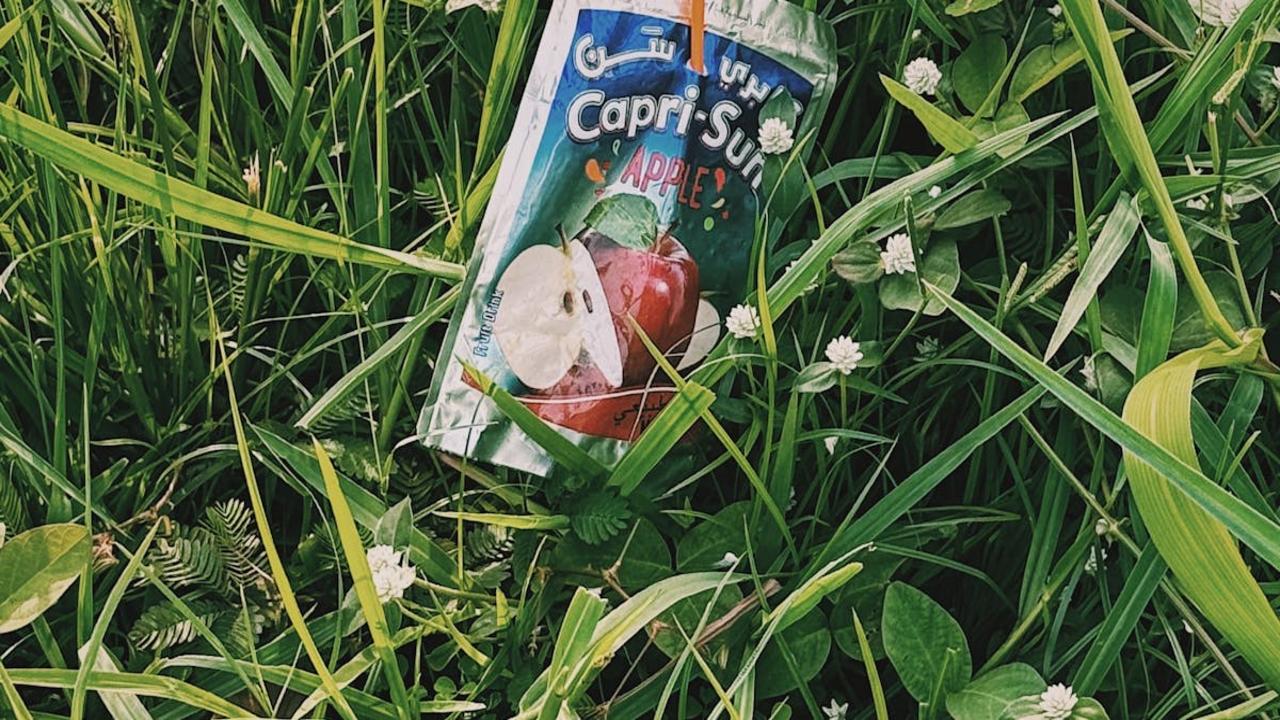
Remember those shiny silver pouches that drove your mom crazy as you stabbed repeatedly at them with the little yellow straw? Capri Sun rocketed into American lunch boxes in the 1980s and became an instant status symbol among the elementary school crowd. The German-born juice drink turned countless kids into professional pouch-puncturers, while parents appreciated its convenient portable format – even if they did occasionally find forgotten pouches exploded in backpacks.
The original flavors like Wild Cherry, Pacific Cooler, and Fruit Punch created such devoted fans that Capri Sun had to keep making them decades later. Those metallic pouches sparked countless lunchroom trades and debates over the best technique to insert the straw without it poking through both sides. While the formula changed over the years to include less sugar and more natural ingredients, that distinctive foil pouch still makes kids’ eyes light up in the grocery store. And yes, many millennials still grab a pouch now and then, if only to relive those carefree playground days when your biggest worry was whether your straw would cooperate.
Fruit Roll-Ups
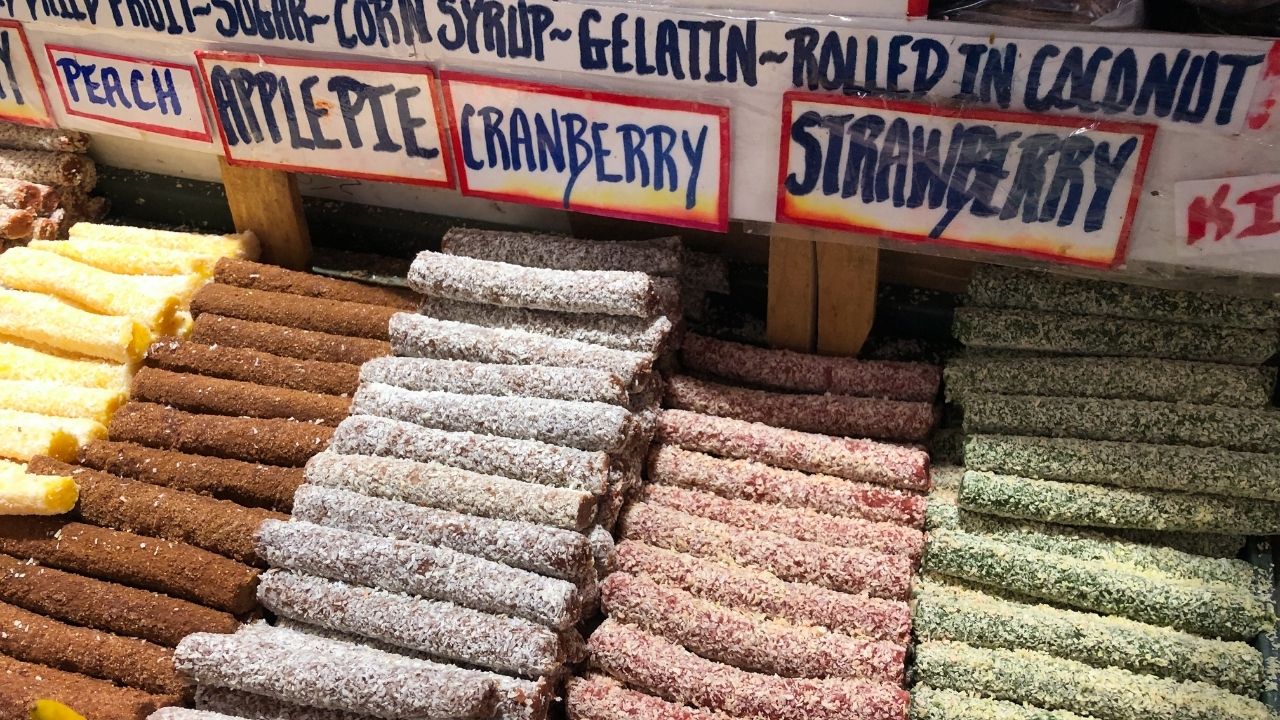
Who could forget the pure joy of unrolling that plastic-wrapped strip of fruity goodness during lunch break? Fruit Roll-Ups hit the market in 1983 and quickly became the coolest snack in every kid’s lunchbox. The genius of General Mills wasn’t just in creating a fruit snack – it was in making eating fun! You could peel them, stretch them, wrap them around your finger, and even make tongue tattoos with them. The best part? Your fingers would get wonderfully sticky while trying to separate that magical fruit leather from its backing.
The original flavors included strawberry and apple, but the brand went wild with varieties like “Tropical Tie-Dye” and “Berry Berry Cool” throughout the years. Remember those special editions with punch-out shapes? Kids would spend more time playing with their food than eating it – and parents somehow thought this counted as a serving of fruit! While modern parents might cringe at the sugar content, those who grew up in the ’80s and ’90s can’t help but smile at memories of trading Roll-Ups flavors with friends and showing off their tongue-staining artwork at recess. These sweet, chewy strips remain a grocery store staple, proving that some childhood favorites never go out of style.
Tang
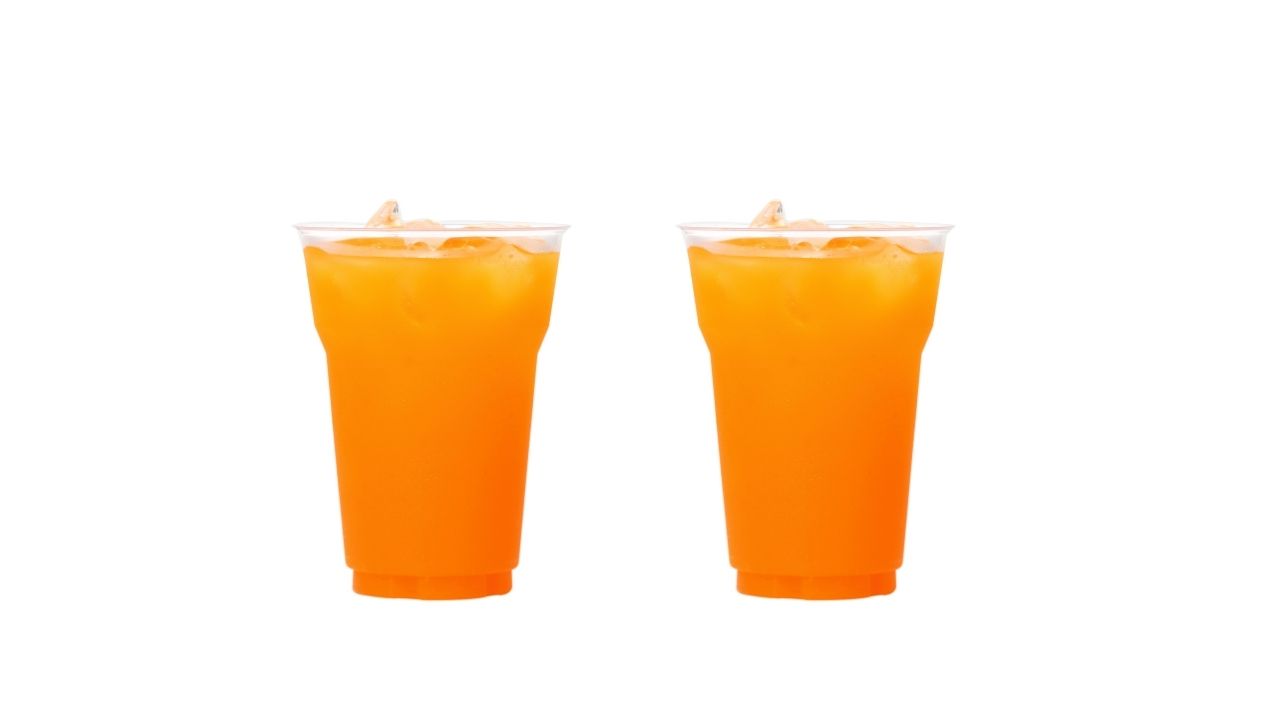
Who could forget that vibrant orange powder that made us all feel like astronauts? Tang rocketed into American homes in 1957, but it wasn’t until NASA sent it into space with John Glenn in 1962 that this citrus-flavored drink really took off. The funny part? NASA didn’t actually develop Tang – General Foods created it through their research division. Yet millions of kids begged their parents for this space-age drink mix, convinced it would give them the same cosmic cool factor as their orbiting heroes.
I mixed countless glasses of Tang during hot summer afternoons, creating my own “space missions” in the backyard. The drink’s popularity sparked dozens of flavors beyond the original orange – from grape to pineapple – though none quite captured the same magic. You can still find Tang on store shelves today, and one scoop of that neon powder in water instantly transports many of us back to those childhood dreams of becoming astronauts. Did you know that despite its association with space travel, many astronauts actually weren’t fans of the drink? They nicknamed it “rocket fuel” – and not always affectionately!
Jell-O molds
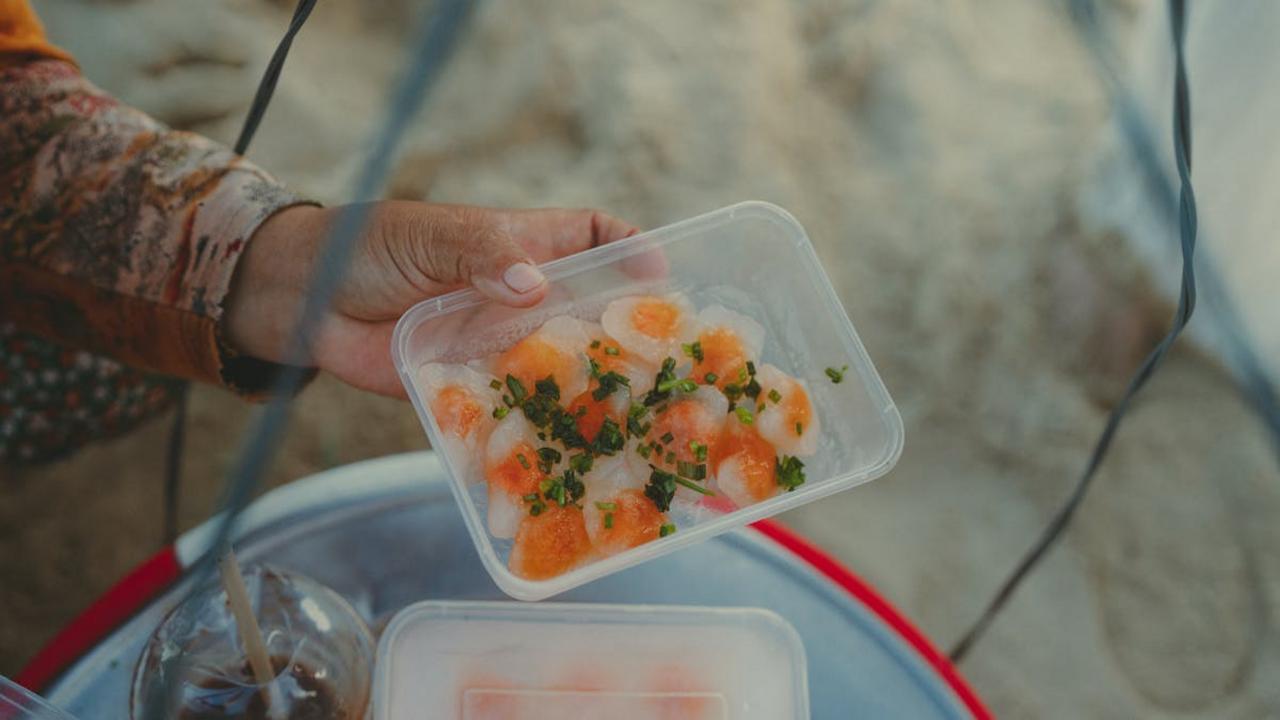
If you want to spot a true mid-century party, look for the wobbling tower of Jell-O mold glory! These jiggly masterpieces ruled American dinner tables from the 1950s through the 1970s, combining fruit, vegetables, and yes – even meat or seafood into gravity-defying shapes. Your grandma probably had an entire cabinet dedicated to those aluminum molds, ready to whip up everything from a lime-green ring studded with pineapple chunks to the infamous “Sea Dream” featuring tuna suspended in blue gelatin.
The Jell-O mold phenomenon took off thanks to Knox and Jell-O brands marketing their products as modern, convenient, and fancy. Home cooks went wild creating elaborate designs – think layered rainbow towers, cream cheese-filled flower shapes, and those infamous savory concoctions that make modern diners scratch their heads. While most of us now skip the shrimp-in-aspic variations, the sweet fruity versions still show up at family reunions and church potlucks, bringing smiles and memories of grandma’s kitchen. Nothing says retro food quite like watching that perfectly molded creation do its signature wiggle on the serving plate!
Spam
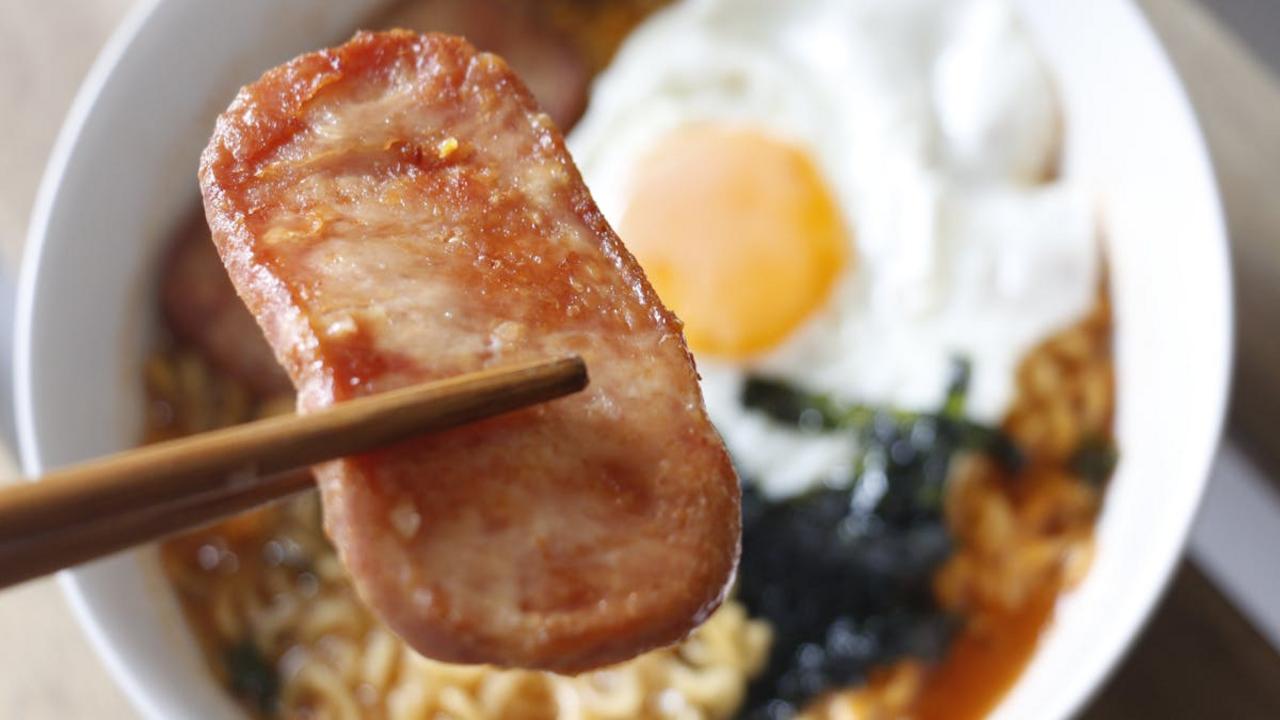
Oh, that glorious pink brick of mystery meat that saved countless families during World War II and beyond! Hormel’s SPAM hit American shelves in 1937, quickly becoming a go-to protein source during rationing times. What started as a wartime necessity morphed into a cultural icon, especially in Hawaii where locals consume a whopping 7 million cans yearly. You’ll find SPAM musubi (a sushi-style snack) everywhere from convenience stores to high-end restaurants across the islands – it’s practically their unofficial state food!
The magic of SPAM lies in its versatility – fry it up crispy for breakfast with eggs, dice it into mac and cheese, or toss it into your favorite stir-fry. My grandma used to make SPAM sandwiches with a thick slice grilled until golden brown, topped with yellow mustard and crisp lettuce. While some folks turn their noses up at this canned creation, SPAM has earned its spot in American food history with over 8 billion cans sold. Fun fact: The SPAM museum in Austin, Minnesota draws thousands of visitors each year, proving this humble meat product remains a beloved piece of nostalgia.
TV dinners
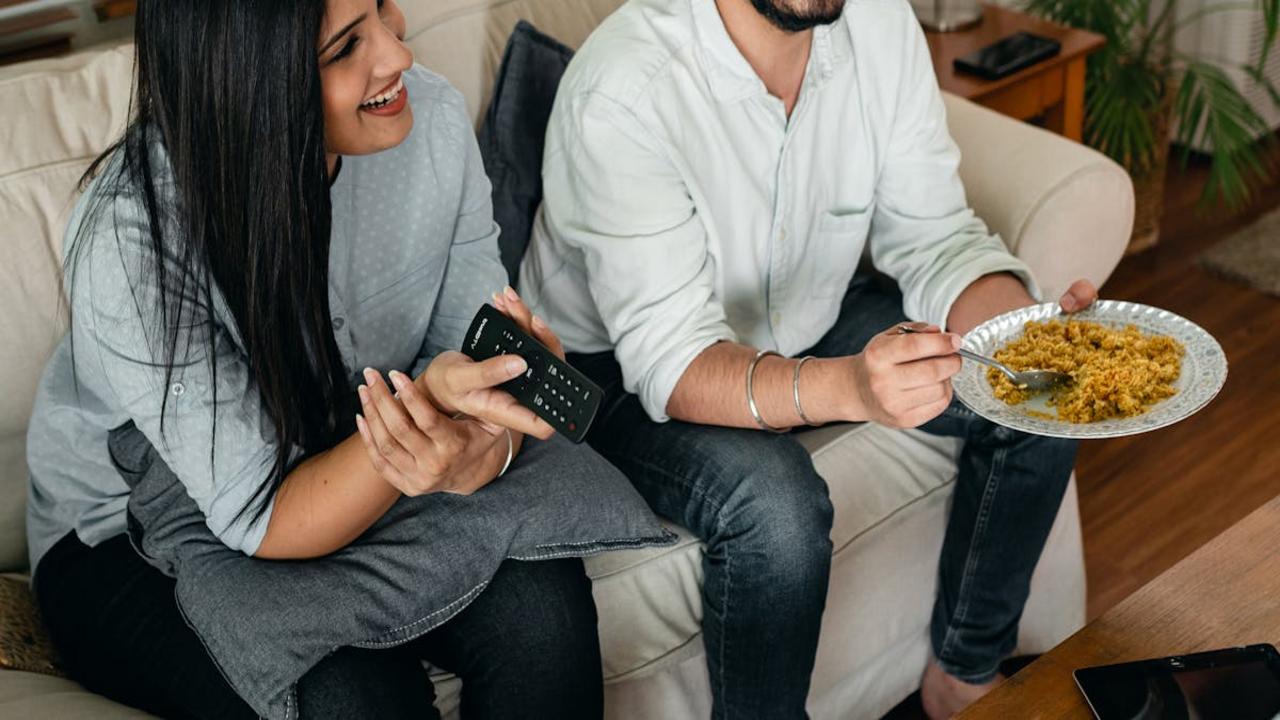
Picture this: It’s 1954, and Swanson has just revolutionized American dining with aluminum trays packed with turkey, cornbread stuffing, and veggies. TV dinners swooped in during the post-war boom, giving busy families the freedom to eat their meals while watching “I Love Lucy” from their TV trays. These compartmentalized meals became the ultimate symbol of modern convenience, selling a whopping 10 million units in their first year alone. No more hours slaving over a hot stove – just 25 minutes in the oven and dinner was served!
These frozen time capsules still hold a special place in many Americans’ hearts. The satisfying way the aluminum foil peeled back, the perfectly portioned sections (heaven forbid your corn touched your mashed potatoes!), and that sweet dessert compartment that always seemed too small. While today’s frozen meals pack more gourmet options like quinoa bowls and tikka masala, nothing beats the nostalgic charm of those original Swanson dinners. Kids of the ’50s, ’60s, and ’70s remember the excitement of TV dinner nights – a rare break from mom’s home cooking and a chance to eat while watching their favorite shows.