A YouTuber Flooded Our Kitchen With 50 Prank Orders for Content. So I Sent Security to His Table. And 86’d the Whole Group.
We all learn from a young age that there are certain rules of decorum when dining out. You wait your turn, you are polite to the staff, and you are considerate of the other patrons who are also trying to enjoy a nice meal. It’s a simple matter of respect and common courtesy.
However, a restaurant manager recently took to the internet to share a story that proves some people believe being a paying customer gives them a pass on basic manners, and it’s a real head-shaker.
The Incident
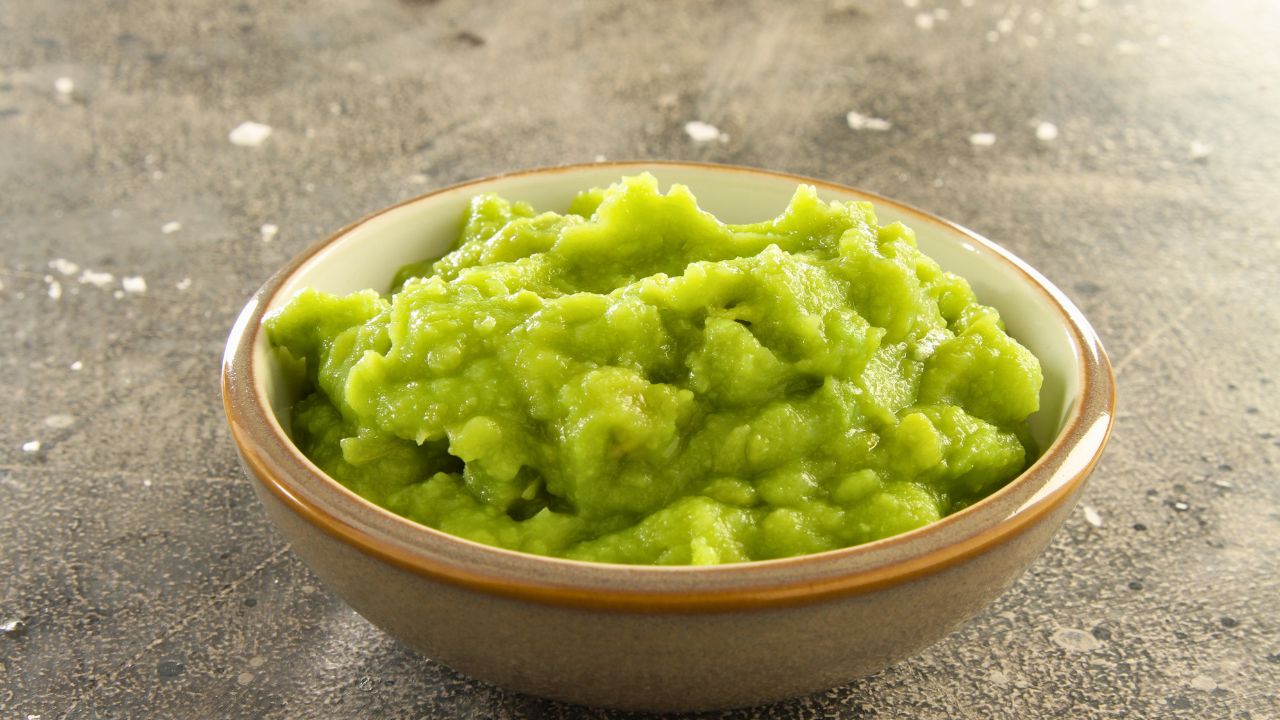
The story comes from a manager of a popular restaurant chain in the United Kingdom. She explained that her establishment uses a handy app that allows customers to order food and drinks directly to their table. While they occasionally get a silly prank order, like a single bowl of peas, it’s usually not a big deal.
But on one particularly busy Friday night, things got out of hand. A group of young men, all in their early twenties, sat down, and soon the kitchen was flooded with bizarre orders for their table. It turned out one of them was a “YouTuber” who had posted his table number online, asking his followers to send them ridiculous things. The manager watched as her staff delivered “15 servings of peas, 10 side salads, 10 mushy peas, a bunch of baconnaise,” and more.
This prank was not only wasteful but was seriously “slowing down orders for other tables.” The manager politely asked the young men to stop. They agreed, but the orders kept coming—over 50 in total. When she approached them a second time with a warning, the YouTuber’s response was simply baffling. He said he didn’t “see the problem as he is obviously making us money.”

Despite his assurances that he had asked his followers to stop, the chaos continued. Fed up, the manager finally sent security to remove the group. The young men were furious, arguing that the money they were generating should have allowed them to stay. But the manager stood her ground, having finally had enough of the disruption.
The Internet Reacts
When the manager shared her story, the internet was buzzing with opinions, and people were quick to take sides. The overwhelming majority fell into the “Absolutely Not” camp, standing firmly with the manager.
Many were appalled by the sheer wastefulness of the stunt. One person commented, “Its insanely privileged for someone to ask random strangers to send them a bunch of food at a restaurant so they can ultimately throw it in the trash.” Another pointed out the unfairness to other diners, writing, “It’s making one table happy at the cost of longer wait times at every other table.” It was clear that for most, the behavior was simply unacceptable.
Of course, there was a small “Devil’s Advocate” crowd who felt the manager overreacted. Their main argument was about the money. “The food is paid for and making money for the restaurant. I get that you are busy but too bad, that’s the way it goes,” one person argued. Another suggested the young man was telling the truth about deleting his post and that the continued orders were “out of their control,” shifting the blame away from the patrons themselves.

A third group emerged with “Alternative Solutions,” agreeing that the situation was a problem but suggesting different ways to handle it. They felt kicking the group out was a step too far. One user suggested a clever fix: “At that point you should have asked him to move tables, and disregarded online orders to the old table.” Another offered a simpler approach: “I’d have told them they can stay since they’re not being rowdy but that you aren’t going to fulfill the orders.”
The Etiquette Verdict
Let’s be perfectly clear: money does not buy you a free pass for bad manners. While the restaurant was certainly making a profit from the prank, that profit came at a significant cost. It disrupted the entire flow of a busy service, delayed meals for other paying customers, and created an enormous amount of food waste. The young men, in their quest for a few moments of online fame, showed a complete lack of consideration for the staff and their fellow diners.
The golden rule of dining out is to be a pleasant and respectful guest. A restaurant is a business, but it’s also a shared public space. Your fun should never come at the expense of someone else’s meal or a server’s sanity. The manager made the right call; she chose to protect the integrity of her restaurant and the experience of her other customers over a quick, chaotic profit.
Your Thoughts
What do you think? Did the manager do the right thing by kicking the group out, or should she have tolerated the disruption for the sake of the money they were spending?