12 Fast Food Trends Taking Over Menus from Spicy Heat to AI Ordering
Ever noticed how your fast food experience changed dramatically in recent years? The industry has transformed beyond just adding spicy options! From the explosion of plant-based burgers to smart kitchen robots flipping patties, fast food chains are racing to win your loyalty with innovation that goes far beyond the traditional menu.
Your favorite drive-thru now likely offers mobile ordering, dedicated pickup lanes, and maybe even a subscription program that saves you money on daily coffee runs. Behind the scenes, ghost kitchens are preparing delivery-only meals while restaurants shift toward eco-friendly packaging that won’t sit in landfills for centuries.
The real game-changer? Technology touching every aspect of your experience. You can now order through AI-powered kiosks, receive personalized deals through loyalty apps, and get food delivered through partnerships with services that didn’t exist a decade ago. Fast food isn’t just faster—it’s smarter, more connected, and fighting hard for your attention.
Restaurant Automation
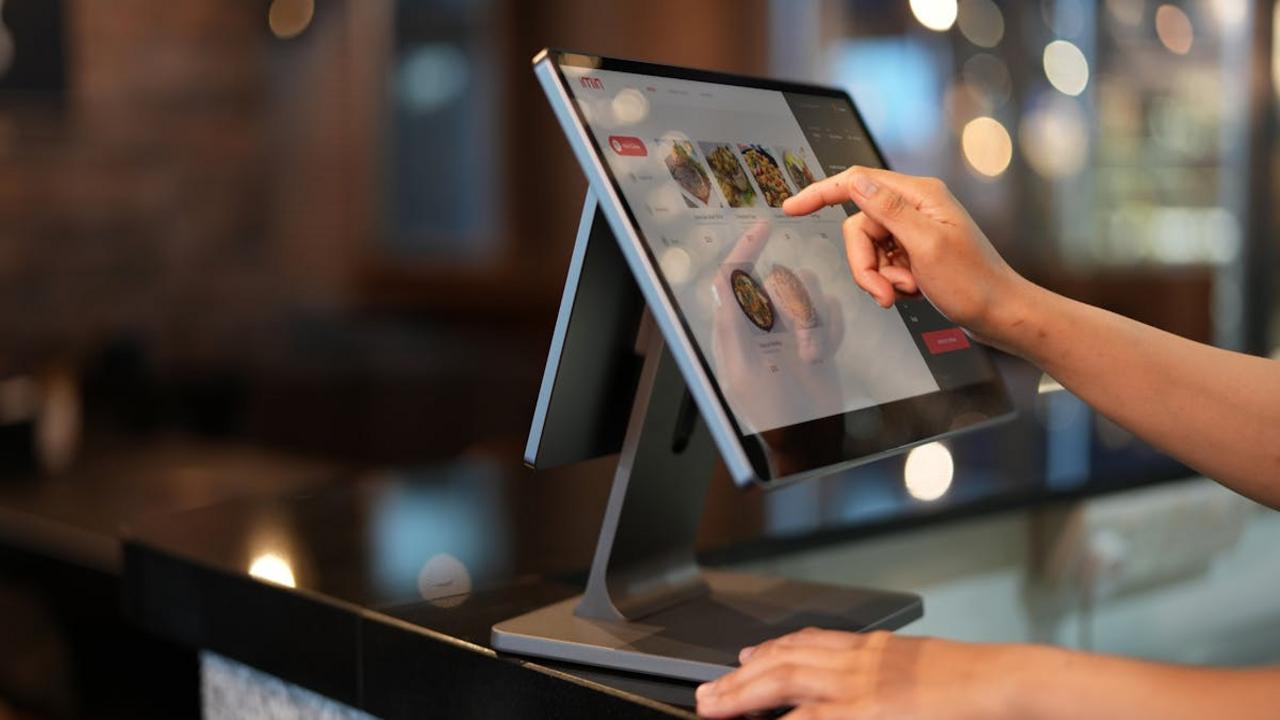
You know how I always talk about cooking from the heart and keeping things authentic? Well, the fast food world is moving in a completely different direction with robots flipping burgers and AI taking your order. I’ve been watching this trend unfold, and honestly, it fascinates me as much as it concerns me. Major chains are installing robotic kitchen assistants that can grill patties to exact temperatures, assemble sandwiches with mechanical precision, and even operate fryers without human intervention. These machines don’t get tired, don’t call in sick, and can work around the clock – which sounds efficient until you remember that food is supposed to be about human connection and care.
What really gets me thinking is how this automation changes the entire food experience. When I’m in my kitchen, every stir, every seasoning adjustment, every moment of tasting and tweaking – that’s where the magic happens. But these automated systems follow exact algorithms, measuring ingredients down to the gram and cooking times down to the second. Sure, you get consistency, but you lose that intuitive touch that makes food special. I’ve seen burger-making robots that can produce 400 patties per hour, and while that’s impressive from a business standpoint, it makes me appreciate even more the importance of keeping that human element alive in our home kitchens. The irony is that as restaurants become more automated, our home cooking becomes even more valuable – it’s where we can still create those unexpected flavor combinations and pour love into every dish.
Smart Kitchen Technology

Healthier Kids Menus

Delivery Partnerships
Personalized Loyalty Programs

Sustainable Packaging
Breakfast All Day
Subscription Services

Fast food chains now offer subscription services that deliver convenience straight to your doorstep, and honestly, I find this trend both fascinating and concerning. Apps like McDonald’s McDelivery Plus and Taco Bell’s Taco Bell Pass promise unlimited deliveries for a monthly fee, which sounds amazing until you consider what this means for your kitchen habits. While I appreciate innovation in food accessibility, these services can easily become a crutch that keeps you from developing real cooking skills and understanding what nourishes your body.
Instead of subscribing to processed meal deliveries, why not create your own “subscription service” at home? I batch-prep ingredients every Sunday—roasted vegetables, cooked grains, and homemade sauces—so weeknight meals become as quick as ordering takeout. You can even set up ingredient delivery subscriptions from local farms or specialty stores, giving you fresh, whole foods to work with rather than reheated fast food. This approach saves money, reduces packaging waste, and most importantly, keeps you connected to the ingredients that fuel your body. Your future self will thank you for choosing fresh herbs and seasonal vegetables over mystery meat and preservatives.
Digital Drive Thru Lanes
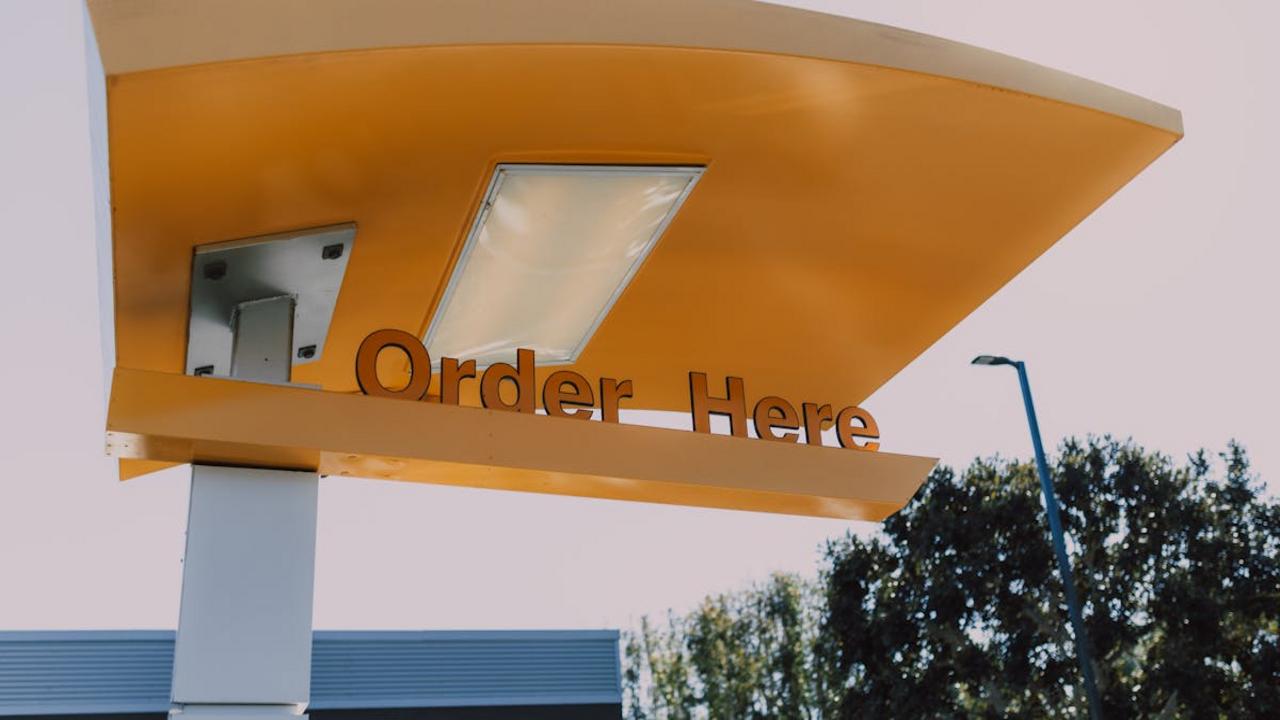
You know how I feel about keeping things simple and authentic in the kitchen, but I have to admit—these new digital drive-thru lanes are actually making fast food ordering feel more human again. Instead of shouting your order through crackling speakers while cars honk behind you, you’re now looking at clear digital menus that give you time to actually read ingredients and make thoughtful choices. I’ve noticed chains are using these screens to highlight fresher options, nutritional information, and even suggest modifications that align with dietary preferences. It reminds me of how I approach recipe development—taking time to consider each element before committing.
What excites me most about this technology is how it connects to my philosophy of mindful food choices. These digital systems let you customize orders with the same intention I put into tweaking a recipe until it feels just right. You can easily swap processed sides for fresh alternatives, adjust portion sizes, or discover new menu items you might have missed in the old rushed ordering process. The visual interface encourages you to pause and think about what you’re putting into your body, much like reading a recipe carefully before you start cooking. It’s turning fast food into a more deliberate experience, which honestly makes me hopeful about where food culture is heading.
Mobile Ordering Apps
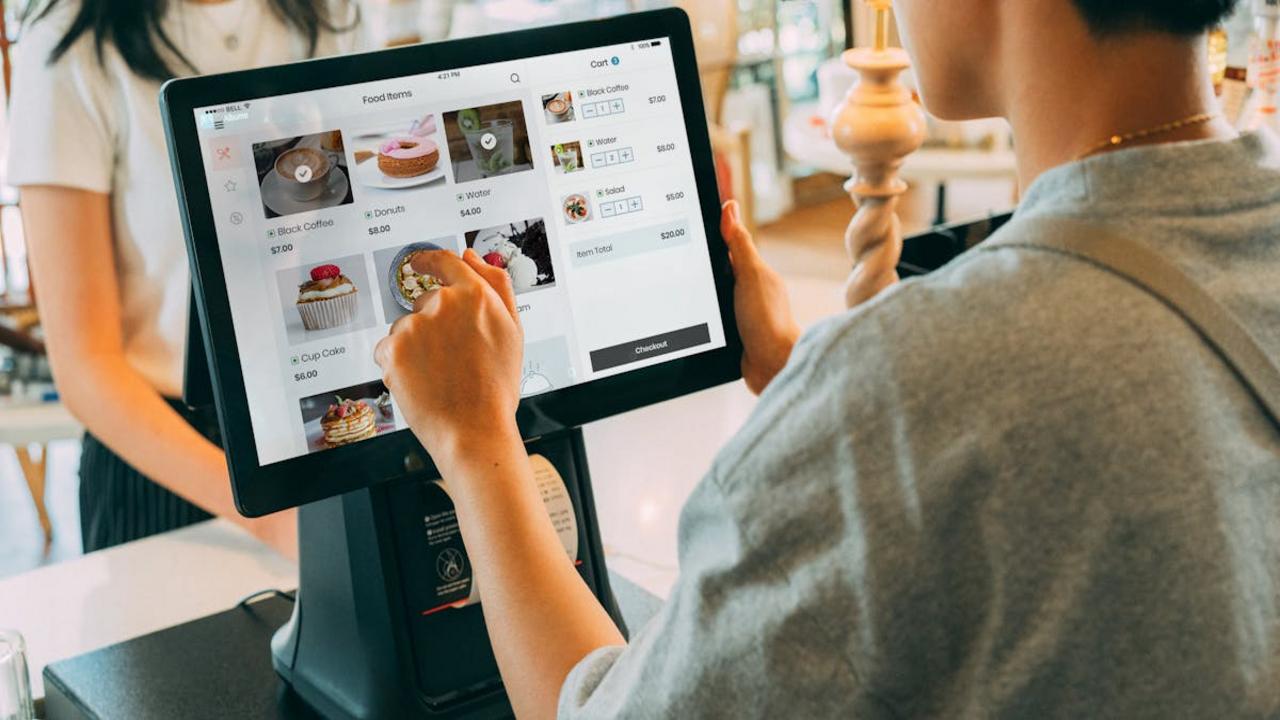
You know what I love about mobile ordering apps? They’ve completely changed how we think about fast food, and honestly, as someone who spends most of my time creating meals from scratch, I find myself appreciating the convenience more than I expected. These apps aren’t just about skipping lines anymore – they’re becoming sophisticated platforms that remember your preferences, suggest modifications based on dietary needs, and even let you customize orders in ways that weren’t possible before. I’ve watched friends with food allergies navigate these apps with such ease, filtering out ingredients they can’t have while discovering new menu items they never knew existed.
What really excites me about this trend is how it’s pushing restaurants to be more transparent about their ingredients and preparation methods. Many apps now show detailed nutritional information, allergen warnings, and even ingredient sourcing – information that helps you make better choices for your body. Sure, I’d rather see you in your kitchen chopping fresh vegetables and building flavors from whole ingredients, but I also understand that life gets busy. These apps are making it easier for people to choose grilled over fried, add extra vegetables, or skip processed sauces. They’re not replacing home cooking, but they’re definitely making fast food more mindful.
Ghost Kitchens
You know how I’m always talking about cooking from the heart in your own kitchen? Well, the fast food world has taken a completely different turn with ghost kitchens – delivery-only operations that exist without any physical storefront. These invisible restaurants operate from shared commercial spaces, focusing purely on creating meals for apps like DoorDash and Uber Eats. What fascinates me most is how this model strips away all the traditional restaurant overhead, allowing operators to experiment with bold flavors and niche concepts that might not work in a brick-and-mortar location.
From my perspective as someone who values authentic food experiences, ghost kitchens represent both opportunity and concern. On one hand, they’re giving creative cooks and entrepreneurs a chance to share their recipes with wider audiences without massive upfront costs – I love seeing diverse, global flavors reach more people this way. However, I worry about losing that personal connection between cook and diner that makes food so special. When you order from a ghost kitchen, you’re missing the warmth of seeing who’s preparing your meal and understanding their story. Still, some ghost kitchen operators are doing incredible work, focusing on fresh ingredients and innovative takes on comfort foods that rival what you’d make in your own kitchen.
Plant Based Menu Items
3