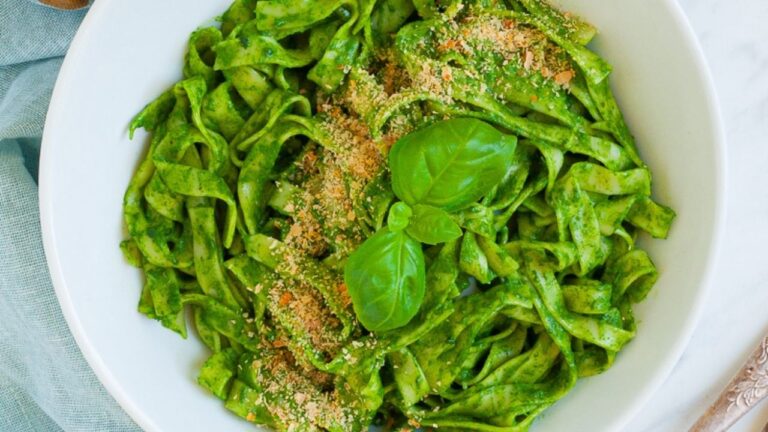
‘Really Disrespectful’: Host Slams Guest for Bringing Meat to Vegan Dinner
There is a timeless rule of etiquette that we all learn early on: when you are a guest in someone’s home, you graciously abide by their rules. Whether it’s taking your shoes off at the door or waiting for the host to take the first bite, these small acts of deference are the bedrock of good manners.
However, one young woman recently shared a story online that proves this simple courtesy is anything but simple for some, sparking a fierce debate about a host’s wishes versus a guest’s wants.
The Incident
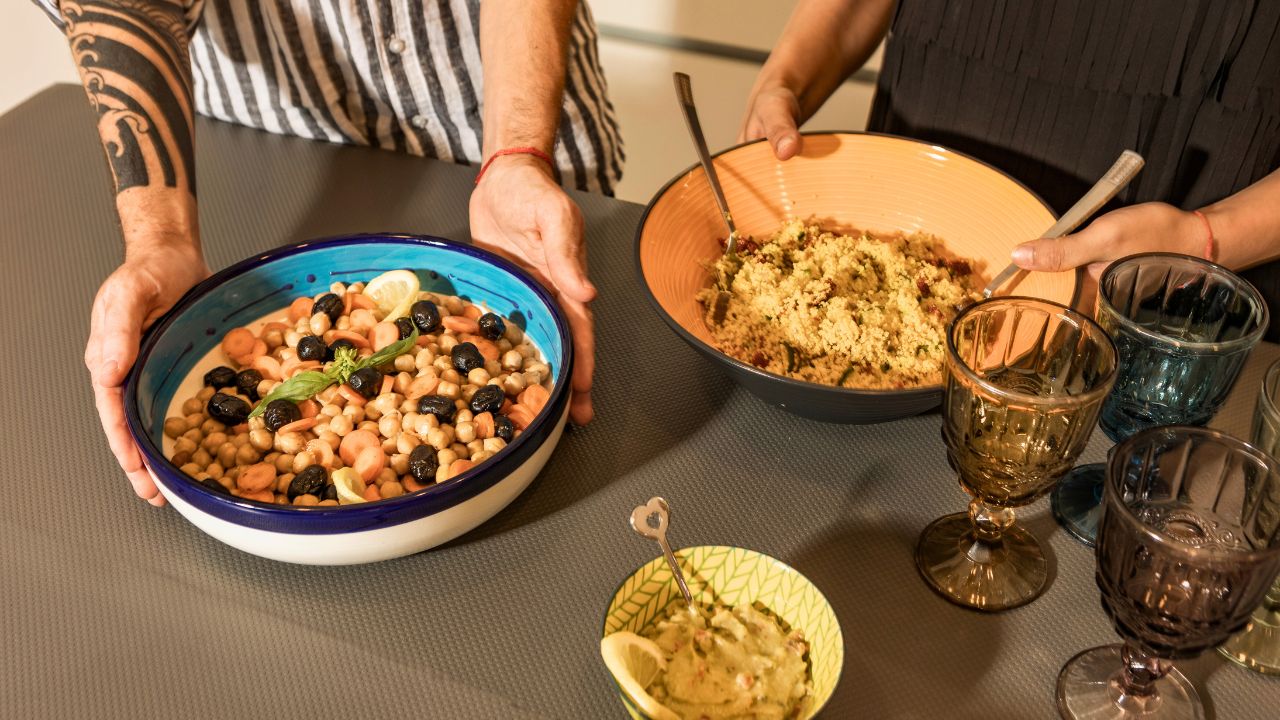
The story begins with an invitation. A young woman, called Olivia, was invited to a large potluck dinner party hosted by her friend Hannah, who is a vegan. With nearly 30 guests expected, the invitation included a polite and thoughtful request from the hostess: “It would be awesome if you all could bring plant-based dishes so everyone can try everything.”
It seems like a reasonable request, doesn’t it? The goal was a communal meal where no one, especially the host, felt left out. But Olivia decided this was not a rule, but merely a suggestion. Wanting to show off her popular Chilean cooking, she prepared not one, but two dishes: a vegan option, and a traditional meat-filled empanada. She even labeled them clearly.
Upon her arrival, Hannah was visibly upset. She later texted Olivia, expressing that she felt it was “really disrespectful for bringing animal products into her home.” Olivia, for her part, was baffled. She apologized but admitted she “didn’t think it was a that big of a deal,” especially since non-vegan food had been eaten in Hannah’s home on previous occasions.

But this time was different; the host had made a specific, albeit gentle, request for this particular party, and it had been ignored.
The Internet Reacts
When Olivia asked the internet for its opinion, the responses were swift and deeply divided. People quickly fell into two distinct camps, each passionately defending their position.
First, there was the “Absolutely Not” crowd, who were appalled by the guest’s behavior. They argued that a host’s request, no matter how softly worded, should be treated as a rule. One commenter put it bluntly: “You decided to bring food to your friend’s party that you knew your friend couldn’t eat, and to ignore what she said about everyone getting to try everything.”
Another offered a powerful analogy: “I wouldn’t bring wine or beer, for example, to the home of a recovering alcoholic just because the invite didn’t specifically say not to. Know your host and plan accordingly.” For this group, the issue was simple respect. As one person summarized, “You couldn’t go one meal without meat?”
Then came the “Devil’s Advocate” camp, who felt the host was to blame for the misunderstanding. They argued that her polite phrasing left too much room for interpretation. One person declared, “Hannah’s diction is the problem.
She should have written ‘Please ensure that all dishes are vegan so that everyone can enjoy!’” Another agreed, stating that the phrase “it would be awesome if” sounds like a suggestion, not a mandate. “Say what you mean,” they advised.
This group saw it as an innocent miscommunication. They pointed out that Olivia did, in fact, bring a vegan dish, thereby partially honoring the request. As one defender noted, “She didn’t say ‘vegan food only’… She could have been more clear and explicit.”
The Etiquette Verdict
While the debate over directness versus politeness is interesting, it misses the heart of the matter. The golden rule of being a guest is to cause your host as little stress as possible. In this instance, the host’s intention was perfectly clear, even if her language was gentle. She wanted a party where she and all her guests could share in every dish. It was her home, her party, and her one request.
To knowingly bring a dish that violates the spirit of that request is, frankly, poor form. A simple text message asking for clarification would have prevented the entire conflict. When in doubt, always err on the side of consideration for your host.

Your Turn to Weigh In
This situation has clearly touched a nerve, highlighting a modern clash of values. So, where do you stand? Was the guest completely out of line for ignoring the spirit of the request, or should the host have used stronger language to enforce her rules?
Ready for the next level of insight? Discover more in my latest article here.