14 Popular Mexican Restaurant Dishes That Aren’t Actually Mexican
That cheesy, crispy menu item you’ve been ordering at your local Mexican spot might not be Mexican at all! Many dishes we consider staples of Mexican cuisine actually originated north of the border or were heavily Americanized versions of traditional foods. Think of them as Mexican-inspired rather than authentic—tasty interpretations created to appeal to American palates.
I recently shocked my friends during our taco Tuesday gathering when I revealed that hard shell tacos were an American invention. The looks on their faces! From loaded queso dip to sizzling fajitas, these popular restaurant offerings have become so normalized in our dining experiences that we rarely question their origins.
The real story behind these dishes shows how food evolves across borders. Mexican cuisine in its authentic form features regional specialties with indigenous ingredients, complex moles, and techniques passed down through generations—quite different from the cheese-smothered, deep-fried creations that dominate restaurant chains across America.
Loaded Queso Dip
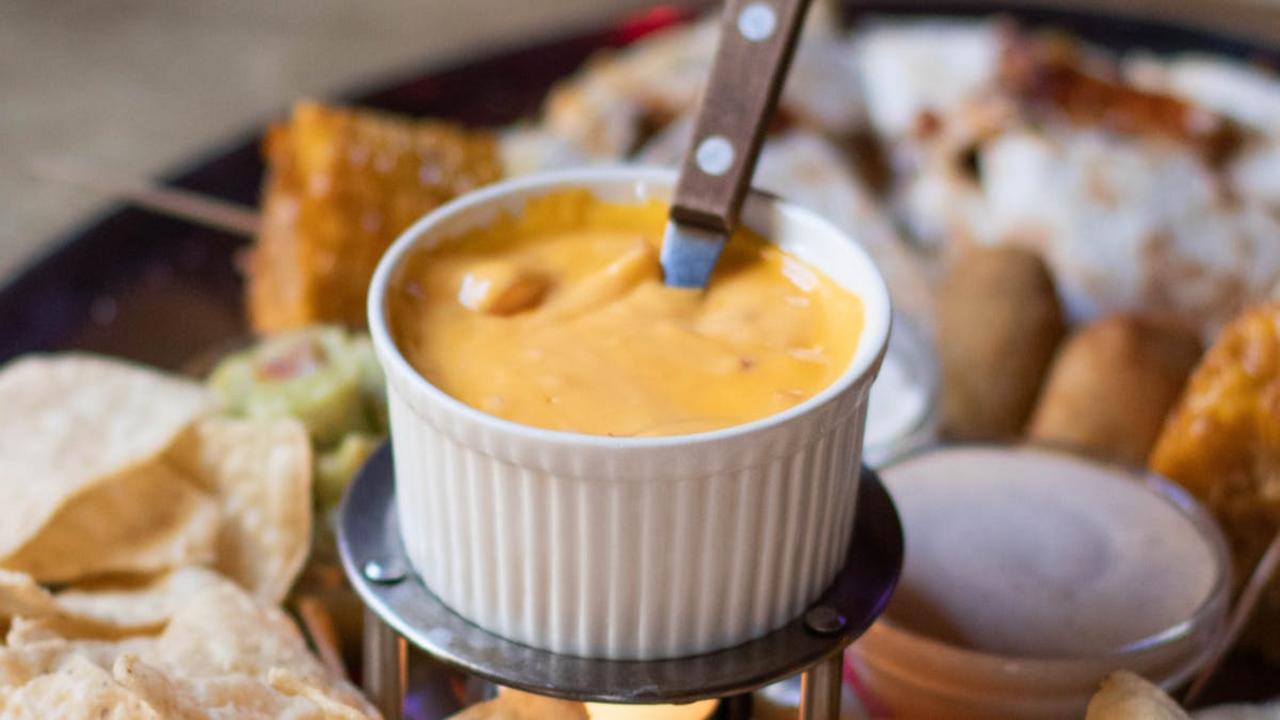
You know that molten cheese paradise swimming with chorizo, jalapeños, and maybe some sad-looking pico de gallo that every Mexican restaurant serves up with a mountain of tortilla chips? Yeah, that’s about as Mexican as a snowman in July. Real Mexican cheese culture revolves around fresh, crumbly varieties like queso fresco and panela – not the processed cheese sauce that we Americans have turned into a religious experience. Traditional Mexican restaurants in Mexico might serve you a beautiful quesadilla or some melted Oaxaca cheese, but they’d probably scratch their heads if you asked for a bubbling cauldron of orange cheese soup loaded with random toppings.
The loaded queso phenomenon is pure Tex-Mex genius, born in American kitchens where bigger definitely means better. We took the concept of melted cheese and ran with it like we were training for the Olympics, adding everything from ground beef to guacamole until it became less of a dip and more of a full meal masquerading as an appetizer. Don’t get me wrong – I’m not complaining! There’s something magical about watching your friends fight over the last chip while trying to scoop up that perfect bite with all the good stuff. Just remember that when you’re face-deep in that cheesy goodness, you’re participating in American innovation at its finest, not authentic Mexican tradition.
Mexican Lasagna
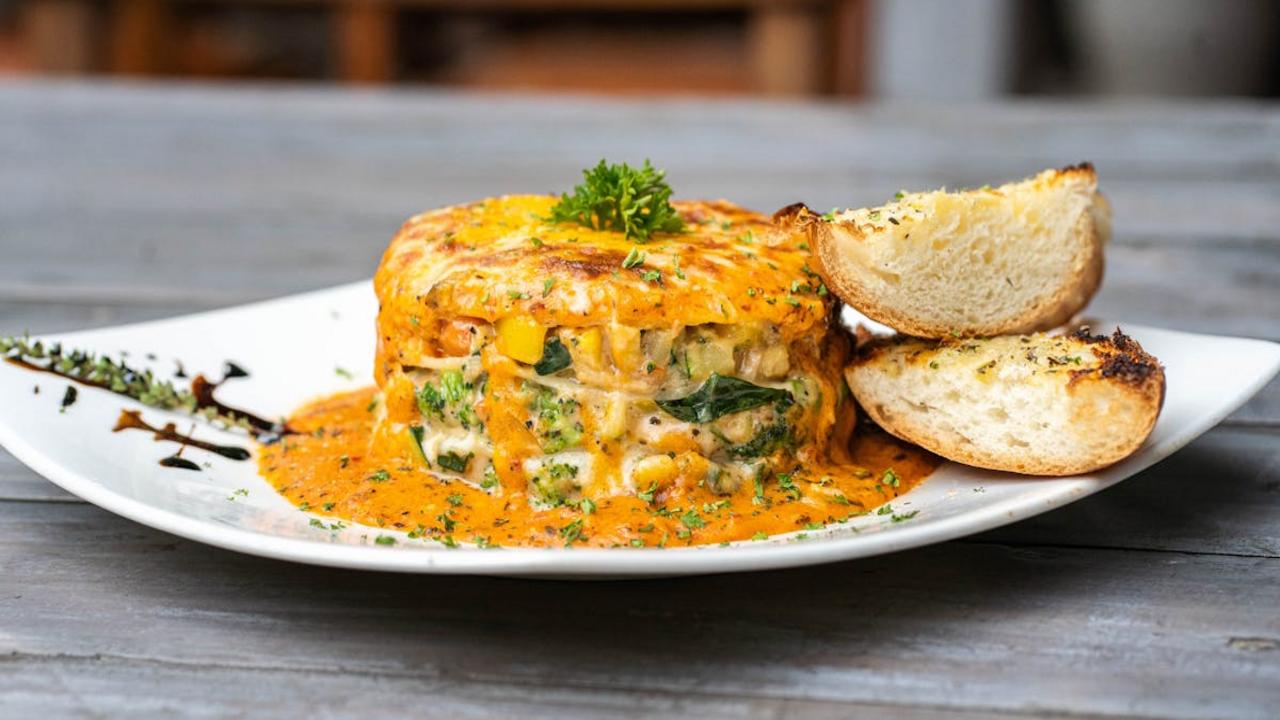
Picture this: you’re at your favorite “Mexican” restaurant, scanning the menu, when suddenly you spot “Mexican Lasagna” and think, “Wait, what?” Trust me, I had the same reaction the first time I encountered this frankenstein of fusion cuisine. This dish takes everything you know about traditional Italian lasagna – those lovely pasta layers, rich sauce, and melted cheese – and gives it a south-of-the-border makeover with tortillas, salsa, and beans. It’s like someone took a lasagna and a burrito, locked them in a kitchen together, and said “figure it out.” The result? Pure American creativity masquerading as Mexican authenticity.
Here’s the thing about Mexican lasagna: it’s absolutely delicious, but calling it Mexican is like calling a taco bell a five-star restaurant. You’ll typically find layers of flour tortillas standing in for pasta sheets, seasoned ground beef or chicken, black beans, cheese (lots of cheese), and some variation of tomato-based sauce that’s been spiced up with cumin and chili powder. Some versions throw in corn, peppers, and even sour cream layers because why not go completely off the rails? The dish originated in American kitchens during the 1980s casserole craze, when home cooks discovered they could stack Mexican-inspired ingredients just like their Italian counterparts. It’s comfort food at its finest – just don’t expect to find it on any menu in Mexico City!
Mexican Rice
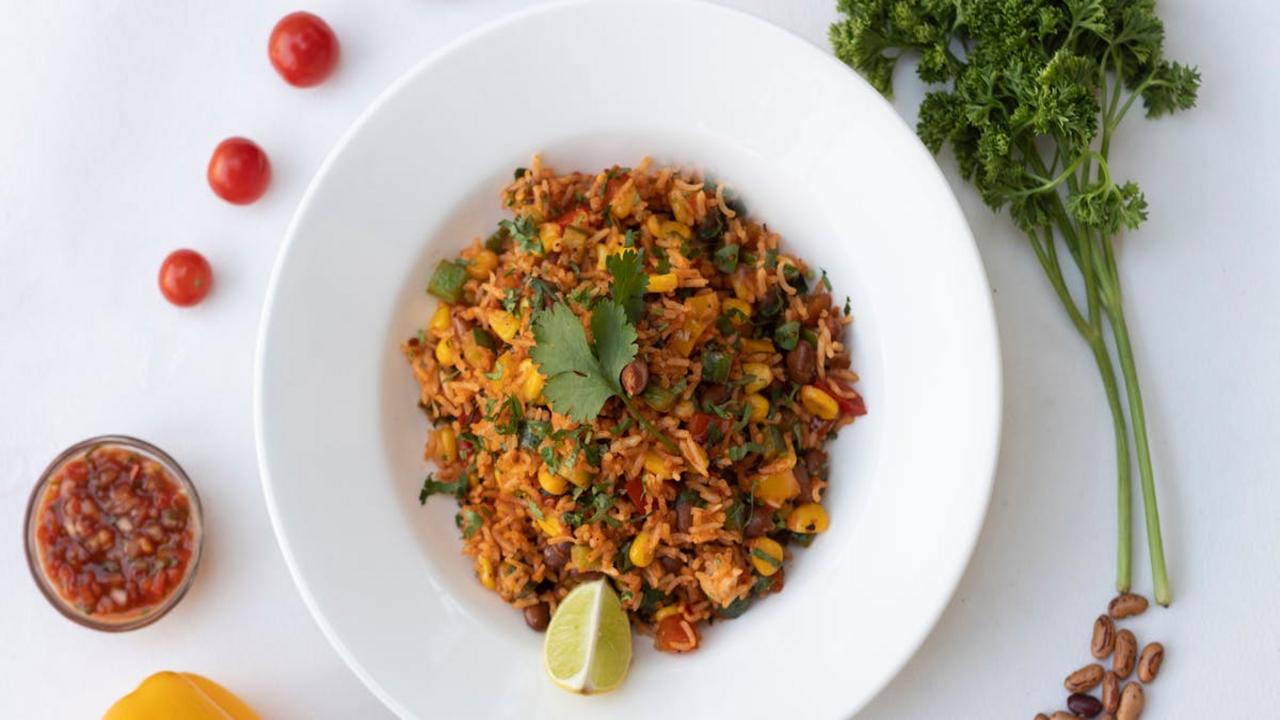
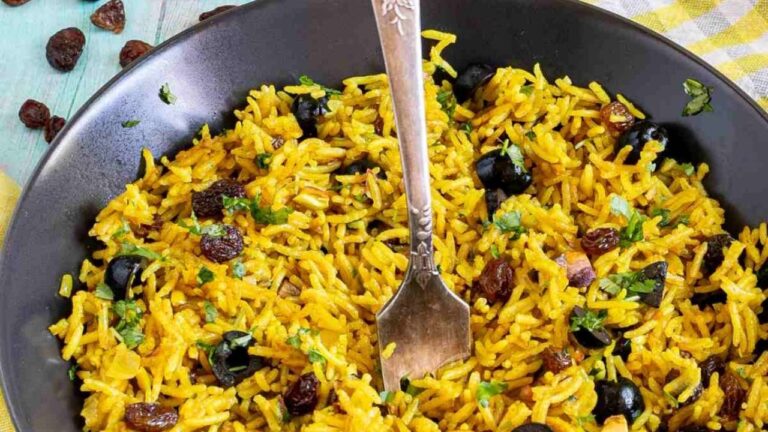
You know that fluffy, tomato-tinted rice that shows up on every Mexican restaurant plate in America? Plot twist: actual Mexicans don’t really eat this stuff! What we call “Mexican rice” is basically American comfort food wearing a sombrero. Real Mexican rice dishes like arroz rojo or arroz verde are completely different beasts—they’re cooked with fresh tomatoes, onions, and garlic from scratch, not from a packet mix that turns everything the color of a traffic cone. The texture alone gives it away: authentic Mexican rice has individual grains that don’t clump together like they’re having a group hug.
The funny thing is, rice isn’t even native to Mexico—Spanish colonizers brought it over in the 16th century. But leave it to American restaurants to take this imported grain and make it even more foreign to its adopted homeland! Most Mexican families actually serve plain white rice alongside their meals, letting the complex flavors of their salsas and moles do the talking. Meanwhile, we’re over here dumping cumin and chili powder into everything, thinking we’re being authentic. Next time you’re at a real Mexican joint, ask for arroz blanco instead—your taste buds will thank you for the reality check!
Mexican Pizza
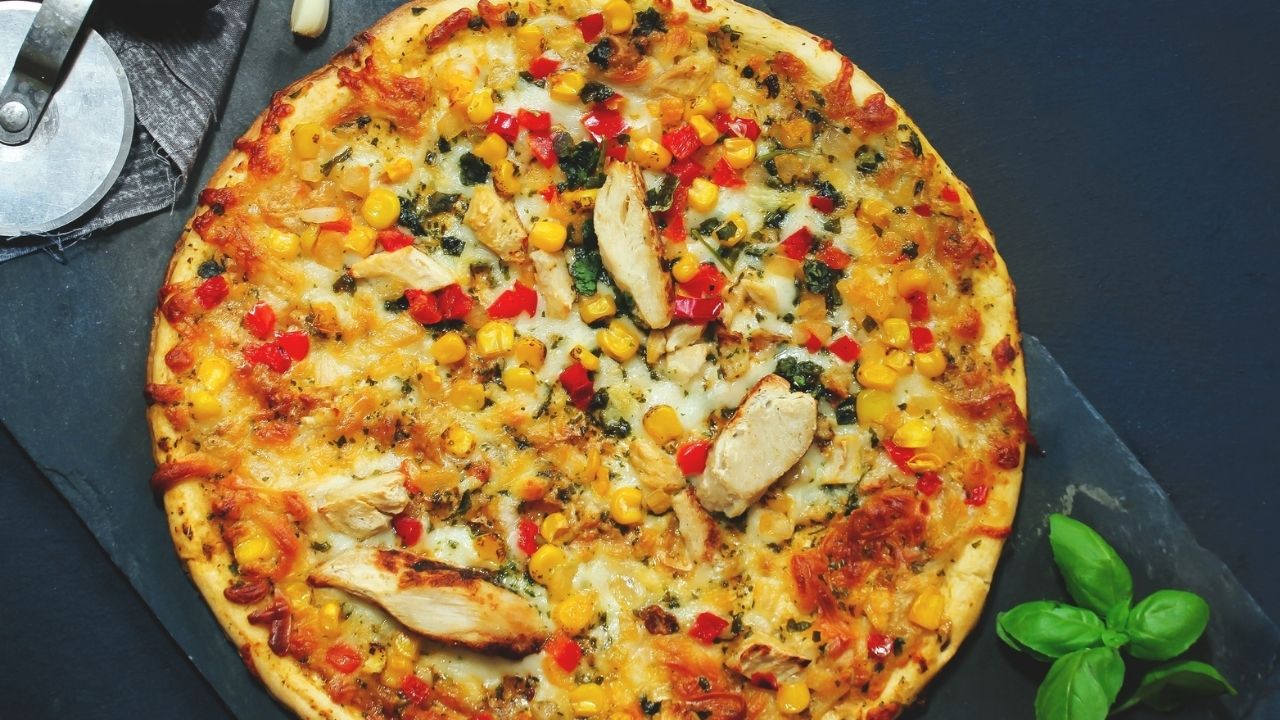
Picture this: you walk into Taco Bell expecting authentic Mexican food, and someone offers you a “Mexican Pizza.” I hate to break it to you, but this crispy, cheesy creation has about as much to do with Mexico as a snowman has to do with the Sahara Desert. This fast-food frankenstein consists of two crispy tortillas sandwiching seasoned ground beef, beans, and cheese, then topped with more cheese, tomatoes, and green onions. While Taco Bell trademarked this beauty in the 1980s, calling it “Mexican” feels like calling a hot dog “German cuisine” just because frankfurters originated in Frankfurt.
The real kicker? Traditional Mexican cuisine doesn’t really do pizza at all. Sure, you might find some fusion spots in Mexico City serving up creative interpretations, but that’s modern innovation, not ancient tradition. Mexican cooks have been perfecting tortillas for thousands of years, but they never thought, “You know what this needs? Let me stack two of these bad boys with cheese and call it pizza!” The closest authentic Mexican dish would be a tostada or perhaps a quesadilla, but even those don’t involve the architectural engineering required for Taco Bell’s double-decker creation. Next time you order one, just remember you’re eating pure American fast-food imagination – and honestly, sometimes that hits the spot perfectly.
Chicken Fajita Bowl
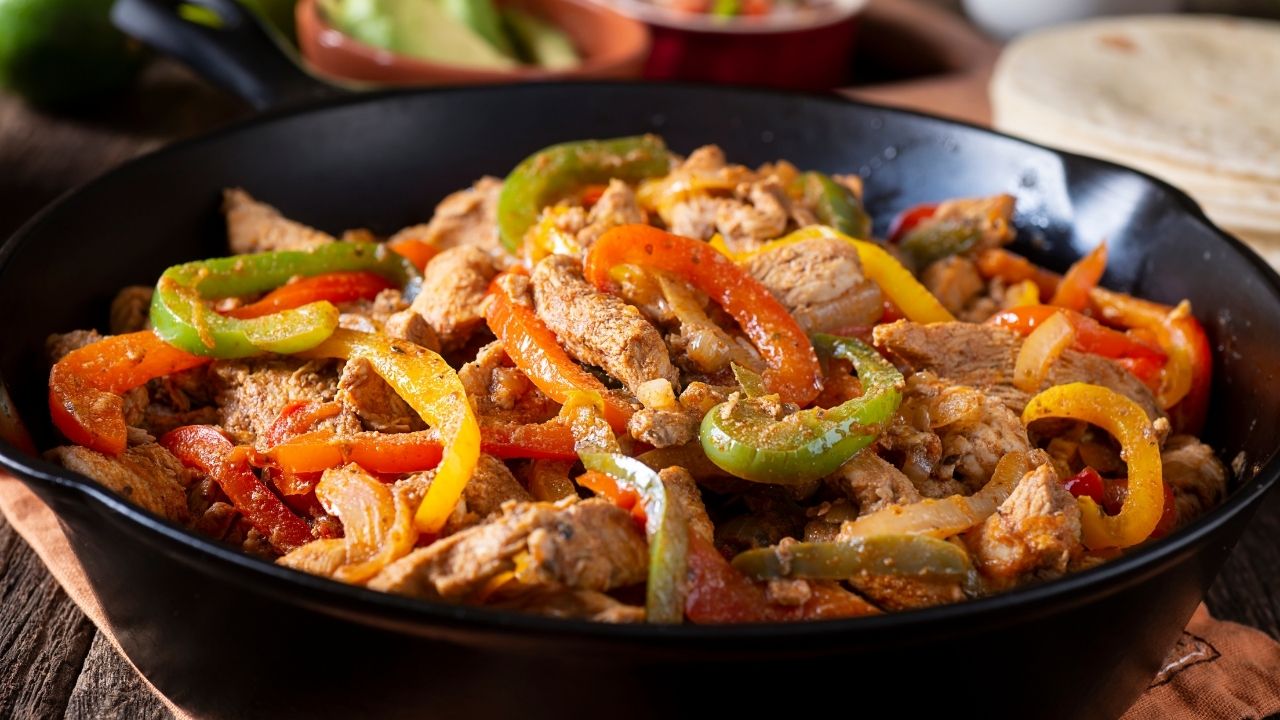
Here’s where things get wonderfully messy in the best possible way! You walk into your favorite Mexican restaurant, scan the menu, and spot that beautiful chicken fajita bowl sitting there like it owns the place. But plot twist – this convenient, Instagram-ready creation is about as traditionally Mexican as my grandmother’s casserole recipes. Real Mexican food doesn’t really do the whole “bowl” concept the way we’ve turned it into a fast-casual phenomenon. Traditional Mexican meals come on plates, often with everything served separately so you can build your perfect bite yourself.
The chicken fajita bowl became popular because Americans love efficiency and customization – we want all our favorite Mexican-ish flavors contained in one neat package. You get your cilantro-lime rice (also not super traditional), black beans, grilled chicken with those colorful peppers and onions, plus a dollop of guac and sour cream. It’s basically deconstructed fajitas without the tortillas, which sounds practical until you realize that tortillas are kind of the whole point of fajitas! Mexican cooks would probably scratch their heads at this approach, but honestly, these bowls taste pretty fantastic and make eating with a fork way less messy than trying to wrangle an overstuffed tortilla.
Taco Salad Bowl
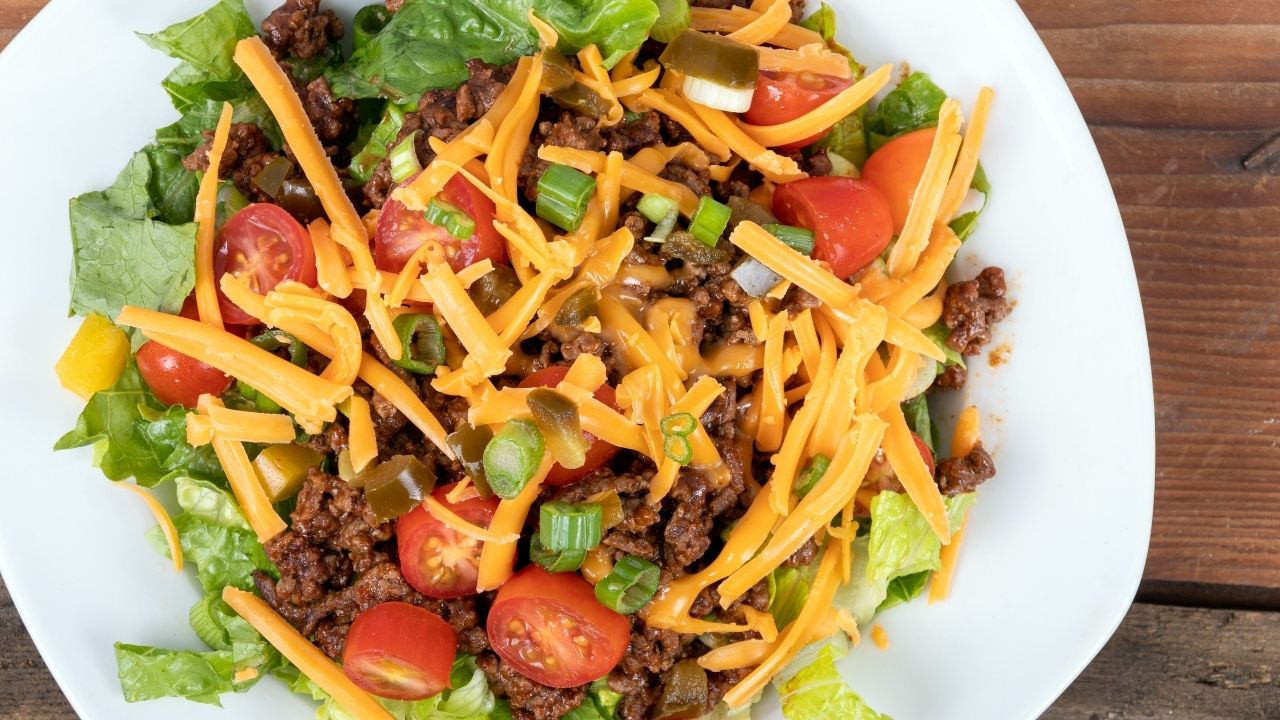
Picture this: you walk into a Mexican restaurant and order what you think is an authentic dish, only to receive a massive fried tortilla bowl filled with iceberg lettuce, ground beef, shredded cheese, and a dollop of sour cream. Congratulations, you’ve just been served America’s interpretation of Mexican food! The taco salad bowl is about as Mexican as apple pie – which is to say, not at all. This crispy edible bowl phenomenon started gaining popularity in American restaurants during the 1960s and 70s, when restaurant owners discovered they could charge more for salads served in deep-fried tortilla bowls. The concept was brilliant from a business standpoint: transform cheap ingredients into something that feels fancy and Instagram-worthy.
Traditional Mexican cuisine doesn’t really do salads the way Americans expect them. Sure, you’ll find fresh vegetables and herbs in Mexican cooking, but they’re usually incorporated into salsas, garnishes, or as accompaniments to main dishes rather than starring in their own lettuce-heavy production. The closest thing you might find in Mexico would be ensalada de nopales (cactus salad) or pico de gallo, but these bear little resemblance to the American taco salad bowl. The irony is that while this dish pretends to be healthy by calling itself a salad, that fried tortilla bowl can pack more calories than three regular tacos combined. Next time you’re craving something authentically Mexican, skip the edible bowl and go for street tacos instead – your taste buds will thank you for the upgrade!
Chimichangas
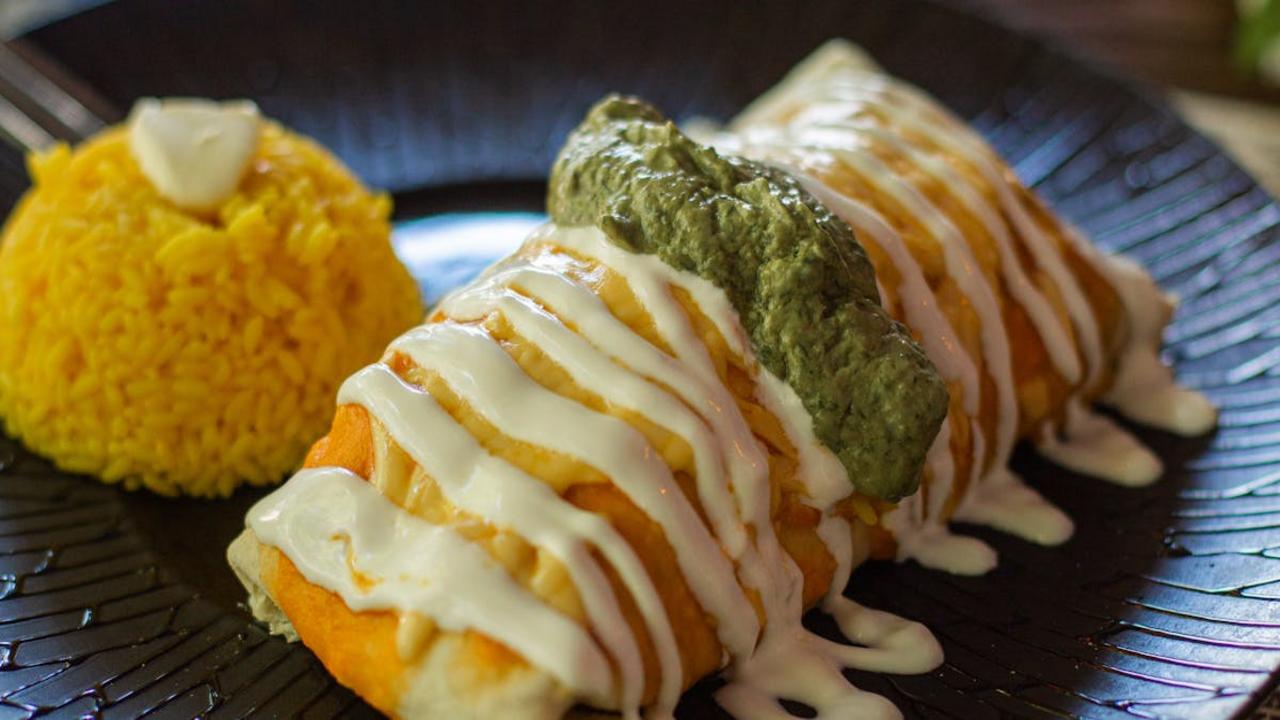
You know that crispy, golden-brown bundle of joy sitting on your plate at your favorite Mexican restaurant? Well, I hate to break it to you, but chimichangas are about as Mexican as a snowball in Tucson. These deep-fried beauties actually sprouted up in the American Southwest, probably sometime in the 1950s. The most popular origin story involves a restaurant owner in Arizona who accidentally dropped a burrito into hot oil and decided to roll with it – literally! Some say it happened at El Charro Café in Tucson, while others credit a place in Phoenix. Either way, Mexico had nothing to do with this delicious “accident.”
What makes this even funnier is that traditional Mexican cuisine rarely deep-fries anything the way we Americans do. Sure, they’ll fry up some churros or maybe some flautas, but taking a perfectly good burrito and dunking it in oil? That’s pure American ingenuity right there! The name itself comes from the Spanish word for “thingamajig” or “whatsit,” which is pretty fitting considering nobody can quite agree on where these things actually came from. Today, you’ll find chimichangas loaded with everything from shredded beef to chicken, beans, and enough cheese to make a Wisconsin dairy farmer weep with joy. They’re usually served with a mountain of sour cream, guacamole, and salsa – because if you’re going to go full American-Mexican fusion, you might as well commit completely!
Ground Beef Burritos
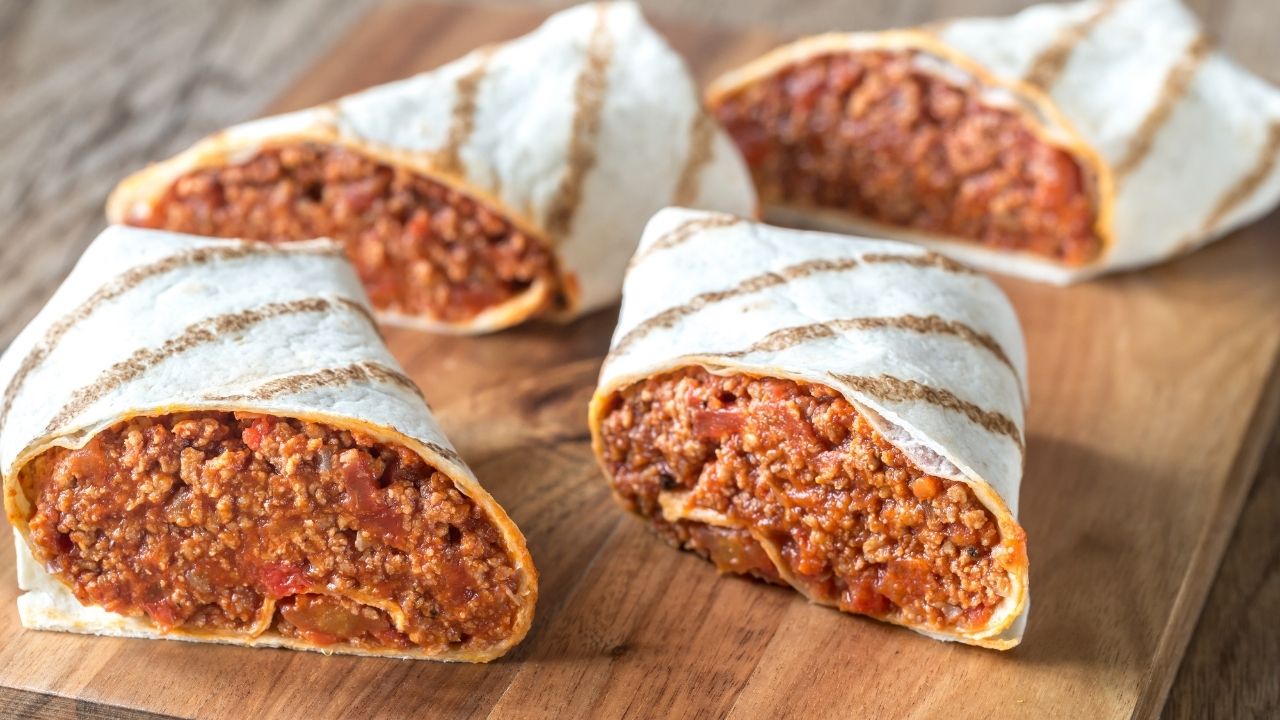
Picture this: you walk into your favorite Mexican restaurant, scan the menu, and confidently order a ground beef burrito thinking you’re getting authentic Mexican food. Plot twist! That hefty flour tortilla stuffed with seasoned ground beef, rice, beans, cheese, and sour cream is about as Mexican as a snow cone in Alaska. Traditional Mexican burritos hail from northern Mexico, particularly Chihuahua, and they’re typically simple affairs—maybe just beans and meat wrapped in a flour tortilla, no bigger than your fist. The massive, kitchen-sink burritos we know and love? Pure American invention, baby!
The ground beef element makes this dish even more of a gringo creation. In Mexico, you’re far more likely to encounter carnitas (slow-cooked pork), carne asada (grilled beef), or barbacoa (slow-cooked beef or lamb) than the seasoned ground beef we’ve grown accustomed to. Mexican cooks traditionally use whole cuts of meat that they slow-cook to tender perfection, not the quick-cooking ground beef that American fast-food chains popularized. Don’t get me wrong—I’m not throwing shade at your beloved Chipotle burrito bowl. These Americanized versions are delicious comfort food that deserve their own place in our hearts and stomachs. Just don’t expect to find them south of the border!
Sour Cream Enchiladas
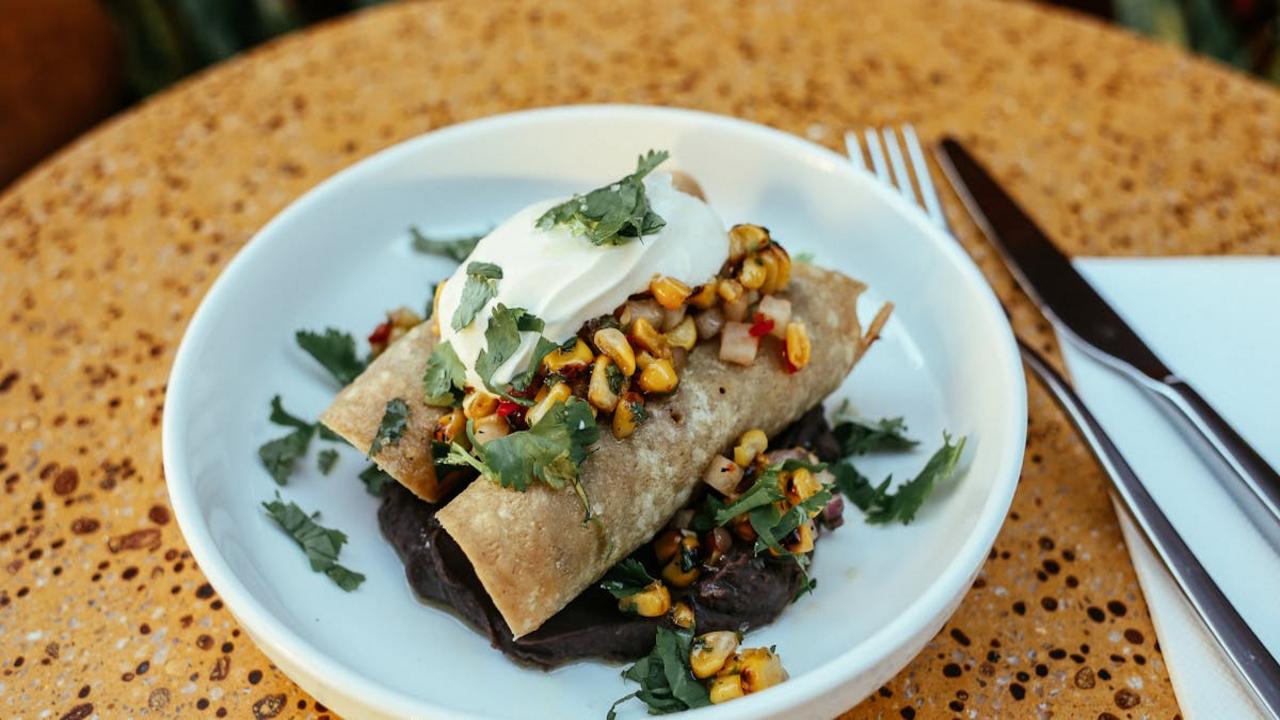
You know that creamy, white-sauced enchilada dish drowning in sour cream that graces every Tex-Mex menu from Dallas to Denver? Yeah, that’s about as Mexican as a pickup truck at a quinceañera. Traditional Mexican enchiladas get their soul from rich, complex chile sauces – think deep red guajillo, smoky chipotle, or vibrant green tomatillo salsa. The idea of smothering these beauties in dairy would make your abuela clutch her molcajete in horror. Real Mexican enchiladas are all about the chile game, baby, not the cream dream.
These sour cream-slathered imposters likely sprouted up in American kitchens where cooks figured, “Hey, white people love dairy, so let’s make enchiladas more… approachable.” The result? A dish that tastes more like comfort food casserole than anything you’d find south of the border. Don’t get me wrong – I’m not here to shame your sour cream enchilada addiction (we’ve all been there on a Tuesday night). But if you want the real deal, grab some dried chiles, toast them up, and blend yourself a proper sauce. Your taste buds will thank you, and somewhere in Mexico, an abuela will stop shaking her head in disappointment.
Yellow Cheese Quesadillas
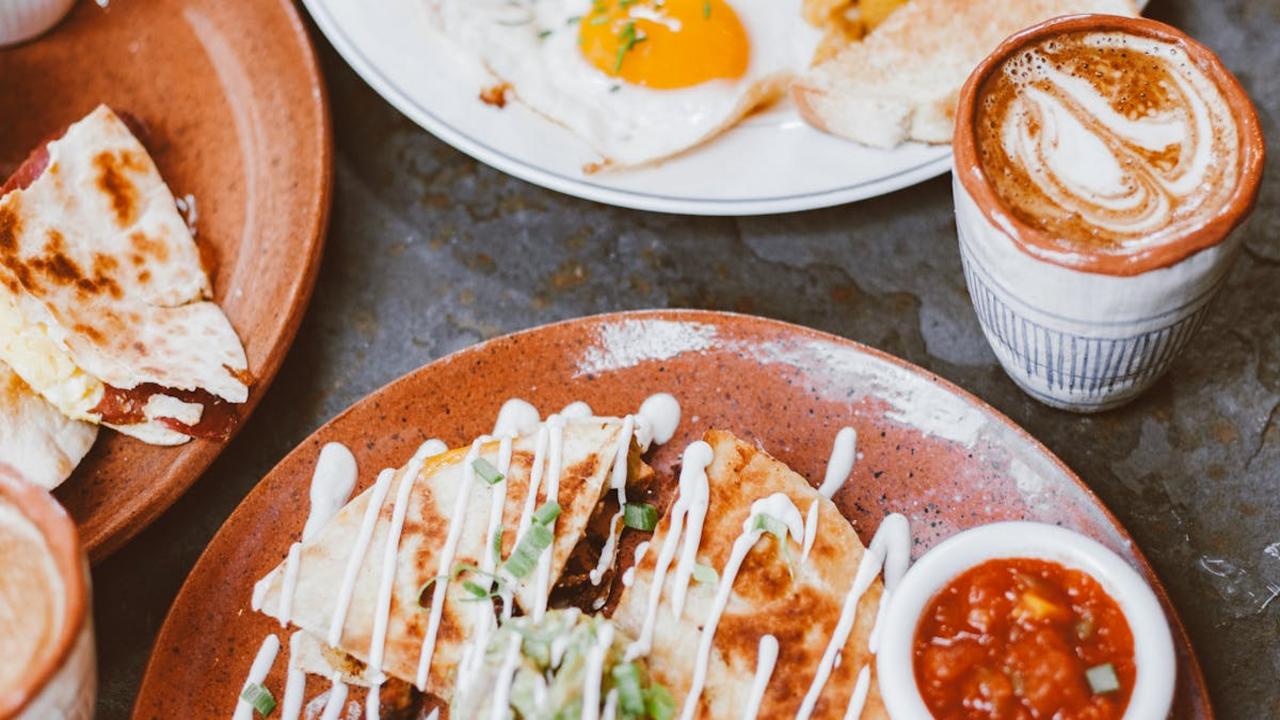
Walk into any American-Mexican restaurant and you’ll spot them immediately – those golden, gooey quesadillas oozing with bright yellow cheese that practically glows under the fluorescent lights. Here’s the thing though: authentic Mexican quesadillas traditionally use white cheese like Oaxaca, Monterey Jack’s Mexican cousin, or crumbly queso fresco. The neon-yellow cheddar or American cheese blend that’s become synonymous with quesadillas north of the border? That’s pure Tex-Mex innovation, my friend. Mexican cooks have been folding tortillas around cheese for centuries, but they weren’t reaching for processed cheese singles to do it.
The American obsession with orange-tinted cheese transformed this simple Mexican comfort food into something entirely different. Real Mexican quesadillas often skip the cheese altogether in some regions – shocking, right? – and instead feature squash blossoms, huitlacoche (corn fungus that’s actually delicious), or other savory fillings. But let’s be honest, those perfectly melted, stretchy cheese pulls we’ve grown to love make for incredible Instagram shots, even if they’d make a traditional Mexican abuela shake her head. Next time you’re craving that gooey goodness, try swapping in some white Mexican cheese – you’ll get the same satisfying melt with flavors that actually complement the tortilla instead of overpowering it.
Nachos Supreme
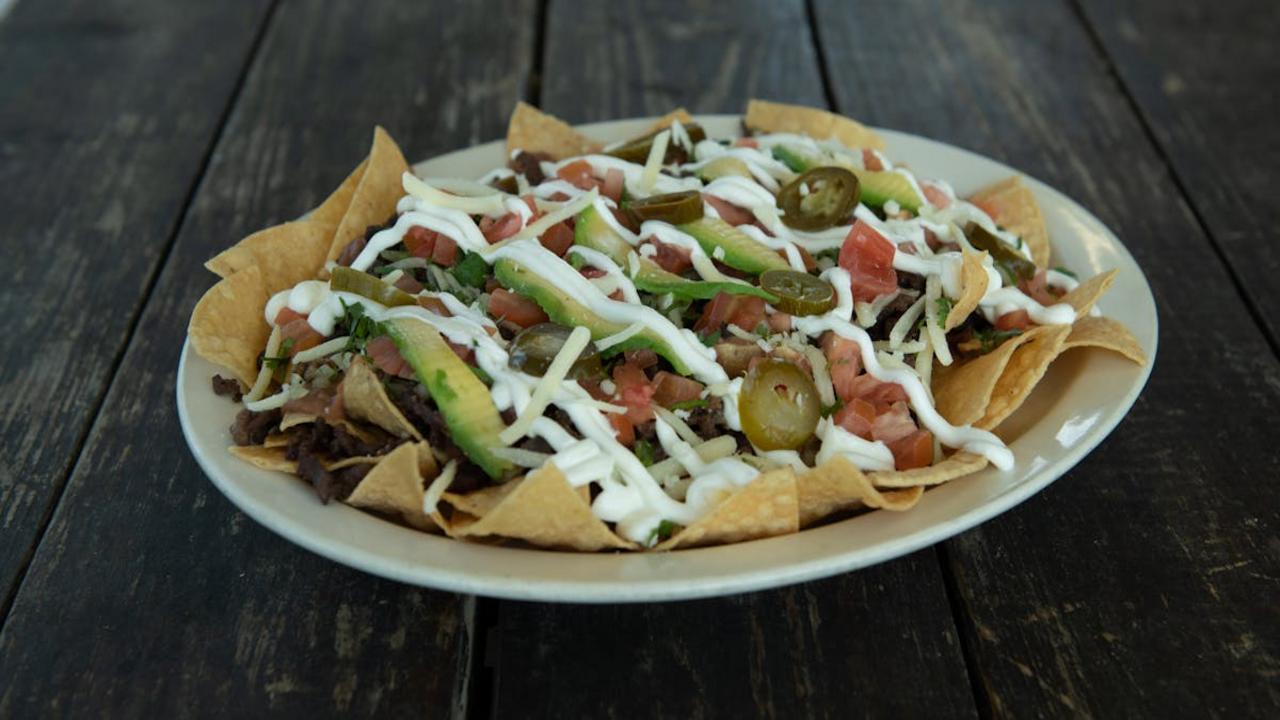
Picture this: you’re sitting in your favorite Mexican restaurant, staring at a mountain of tortilla chips drowning in neon orange cheese sauce, topped with ground beef, sour cream, jalapeños, and enough toppings to feed a small village. That glorious mess? It’s about as authentically Mexican as a snowball in Cancun! Nachos Supreme represents the ultimate American interpretation of Mexican food – bigger, cheesier, and loaded with ingredients that would make an abuela shake her head in confusion. The original nachos, created by Ignacio “Nacho” Anaya in the 1940s at a restaurant called the Victory Club in Piedras Negras, Mexico, were elegantly simple: just tortilla chips, Wisconsin cheese, and sliced jalapeños.
The “Supreme” version took this humble creation and gave it the full American treatment, piling on seasoned ground beef, refried beans, lettuce, tomatoes, and enough sour cream to require its own zip code. What started as a quick snack for hungry customers became a meal that could potentially feed three people (though let’s be honest, we’ve all demolished a plate solo while binge-watching Netflix). The beauty of Nachos Supreme lies not in its authenticity but in its unapologetic excess – it’s the edible equivalent of a monster truck rally. Mexican restaurants in the U.S. serve these behemoths because we Americans decided that if some cheese is good, then a volcanic eruption of processed cheese sauce must be spectacular!
Chili Con Carne
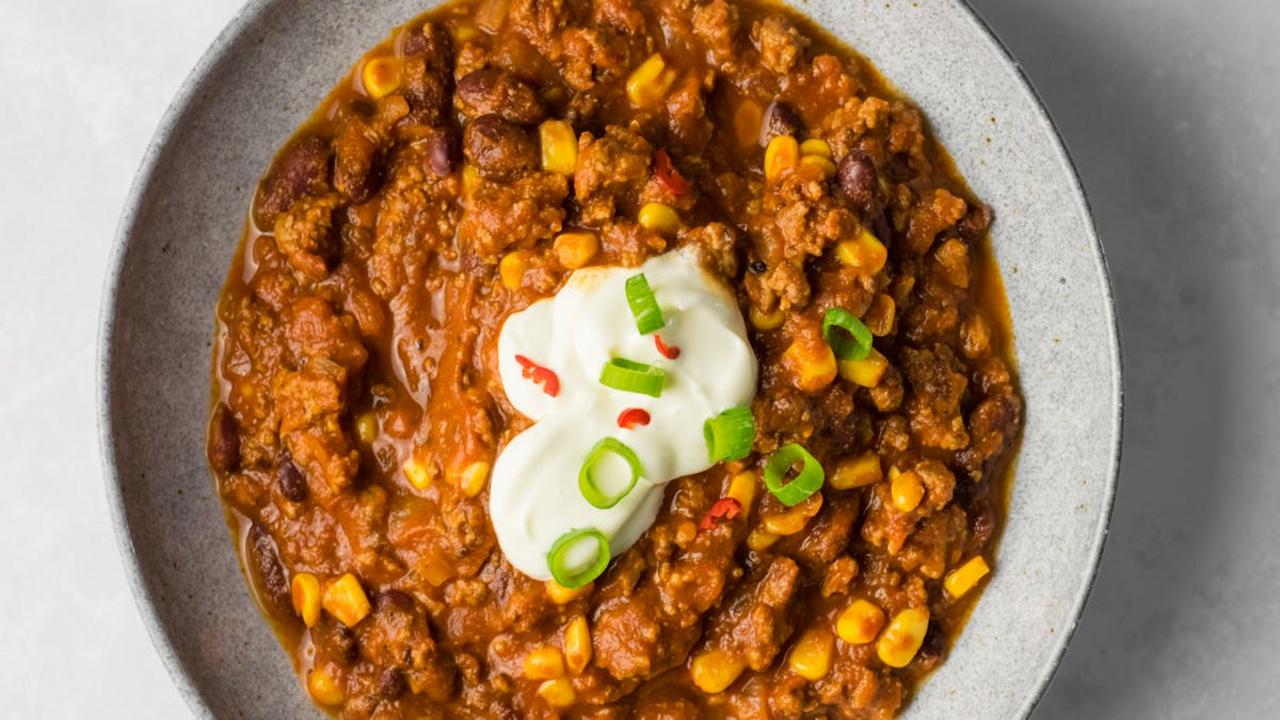
Hold onto your sombreros, friends, because chili con carne might just be the most scandalous imposter on this entire list! While Mexican restaurants across America proudly serve steaming bowls of this meaty, bean-loaded concoction, the truth is that authentic Mexican cuisine would give this dish the side-eye faster than you can say “Tex-Mex.” The real deal originated in Texas during the 1800s, where cattle ranchers and chuck wagon cooks needed hearty, portable meals that could feed hungry cowboys. These resourceful folks combined dried chiles, beef, and whatever else they could scrounge up into a pot that could simmer for hours while they worked the range.
Here’s where things get spicy: traditional Mexican food rarely combines meat and beans in the same dish, and the thick, saucy consistency that Americans love would make a Mexican abuela shake her head in disapproval. Real Mexican stews lean toward lighter broths with more complex spice profiles, not the heavy, tomatoey base that defines American chili. The irony gets even better when you consider that many chili cook-offs ban beans entirely, claiming they’re not “authentic” – yet the whole dish isn’t authentic Mexican food to begin with! Your local Mexican restaurant might serve excellent chili con carne, but they’re really celebrating American frontier cooking with a Southwestern twist, not honoring their grandmother’s recipes from Guadalajara.
Fajitas
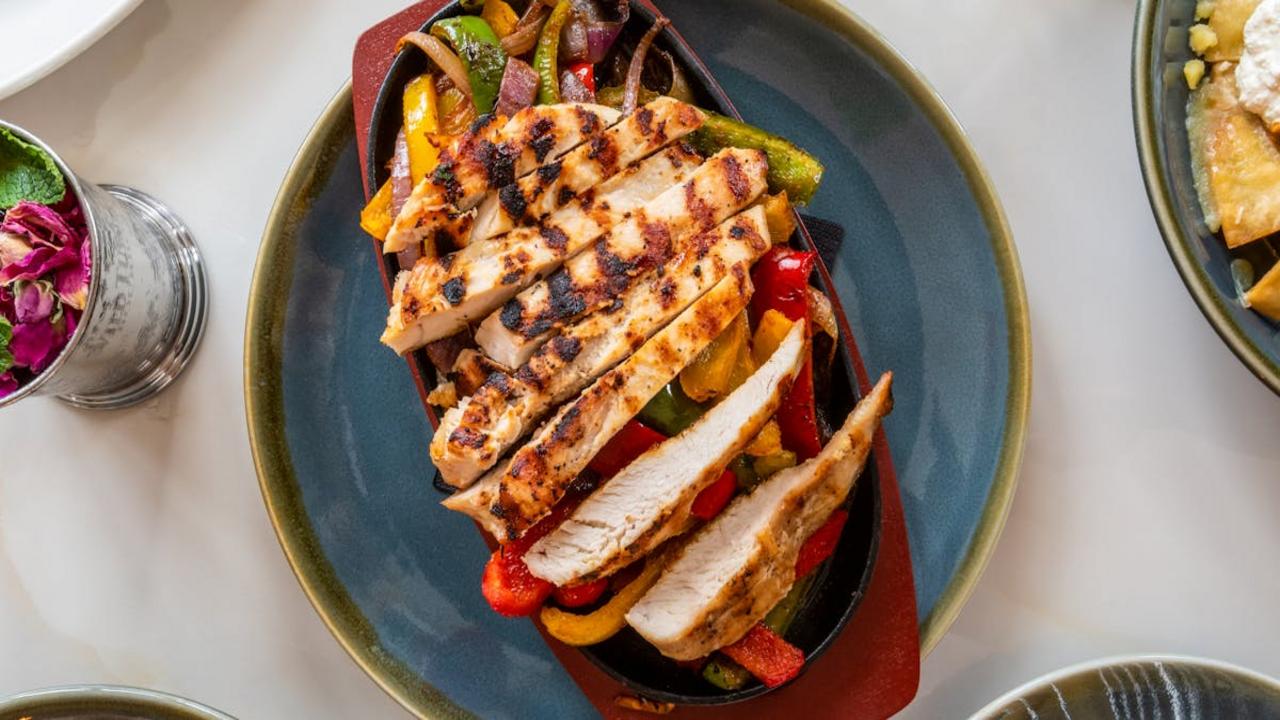
Plot twist alert! Those sizzling platters of beef strips with peppers and onions that practically announce their arrival at your table? They’re about as authentically Mexican as my Uncle Bob’s attempts at speaking Spanish after two margaritas. The fajita phenomenon we know and worship today was actually born in Texas, specifically thanks to a clever ranch hand named Sonny Falcon who started grilling up skirt steak for cowboys in the 1960s. The word “fajita” does come from Spanish – it means “little belt” or “little strip” – but the theatrical presentation with the cast iron skillet and the DIY tortilla assembly? That’s pure Tex-Mex marketing genius.
Now don’t get me wrong – Mexicans absolutely know their way around grilled meat. But traditional Mexican carne asada comes already chopped and ready to eat, often served with simple sides like beans, rice, and salsa. The whole production of building your own fajita masterpiece while your dinner hisses dramatically on a smoking hot plate? That’s an American invention designed to make you feel like a culinary architect. And honestly, I’m not complaining – there’s something deeply satisfying about constructing the perfect bite ratio of meat, peppers, cheese, and guacamole. Just remember that when you order fajitas in Mexico, you might get some confused looks and possibly directions to the nearest Applebee’s.
Hard Shell Tacos
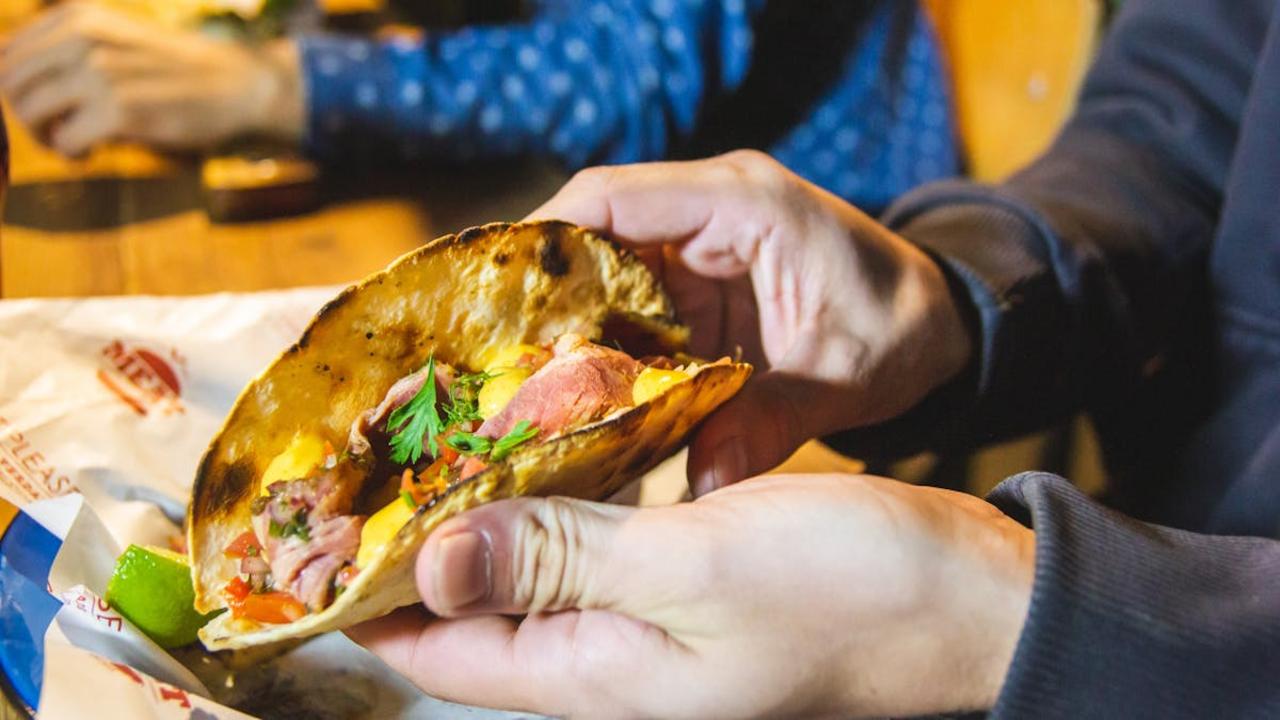
Picture this: you walk into a Mexican restaurant, scan the menu, and order what you think is the most authentically Mexican dish possible—the hard shell taco. Plot twist! You’ve just ordered something that would make your abuela scratch her head in confusion. Those crunchy, U-shaped shells that hold your ground beef and iceberg lettuce? They’re about as Mexican as deep-dish pizza is Italian. The hard shell taco was actually invented by Glen Bell (yes, that Bell) in the 1950s at his California taco stand, which eventually became Taco Bell. He wanted to speed up service and created these pre-formed shells that could be filled quickly during the lunch rush.
Now don’t get me wrong—I’m not taco-shaming anyone here! These crunchy creations have their own charm, and they’ve become so popular that even some Mexican restaurants serve them to keep American customers happy. But traditional Mexican tacos come nestled in soft corn or flour tortillas, warm and pliable, ready to wrap around whatever delicious filling awaits inside. The hard shell version is more like taco’s distant American cousin who moved to suburbia and started wearing polo shirts. Fun fact: Glen Bell actually learned to make tacos by watching the Mexican cooks at a restaurant across the street from his hot dog stand, then put his own spin on things. Sometimes the best fusion happens when cultures collide in the most unexpected ways!