12 American Classics That Actually Have International Roots
America loves to claim certain dishes as its own, but the truth? Many of our beloved “American classics” secretly traveled here from distant shores. That apple pie you’ve baked for Fourth of July? English. The hot dogs at your baseball game? German. Even fortune cookies—those cryptic message-bearers from Chinese restaurants—originated in Japan before becoming a stateside sensation.
What we call American food often results from immigration waves, cultural exchanges, and creative adaptations. Take General Chicken—it bears little resemblance to anything found in China. Or German Chocolate Cake, which isn’t German at all but named after American baker Sam German. Even Buffalo wings, born in New York, show how we transform simple ingredients into national icons.
Our culinary identity looks like a patchwork quilt—borrowed, modified, and proudly claimed. Ranch dressing, meatloaf, and mac and cheese all have international DNA hiding in their family trees. The dishes on this list may have foreign passports originally, but through American innovation and marketing, they’ve earned their stars and stripes on our dinner tables.
Key Lime Pie
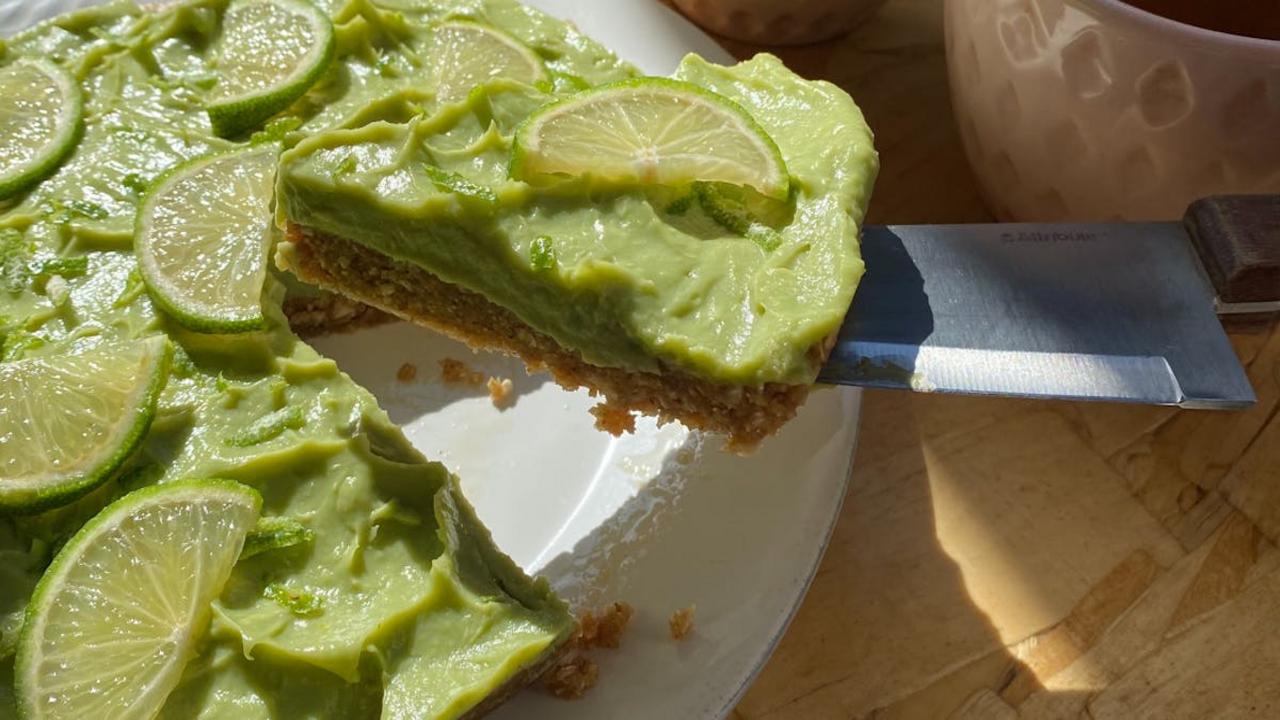
That luscious, tangy-sweet Key lime pie you’ve devoured in Florida actually traces its origins back to the British! Long before American bakers whipped up this creamy confection, British sailors were mixing lime juice with condensed milk and eggs as a clever way to prevent scurvy on long voyages. The dessert made its way to the Florida Keys in the late 19th century when sweetened condensed milk became a pantry staple (fresh milk spoiled quickly without refrigeration in the hot climate). Those resourceful Key West cooks grabbed their tiny local limes and created what would become Florida’s official state pie in 2006.
You might think the graham cracker crust is quintessentially American, but even that element has international connections! Graham crackers were invented by Presbyterian minister Sylvester Graham, whose dietary philosophy was influenced by European health movements. The original Key lime pies didn’t even have a baked crust—just the lime filling with a meringue top. Next time you fork into that cool, creamy slice, remember you’re enjoying a dessert born from maritime necessity, tropical adaptation, and international influence. I’ve found the most authentic versions still use those small, aromatic Key limes rather than their Persian cousins—the difference in flavor will blow your mind!
Buffalo Wings
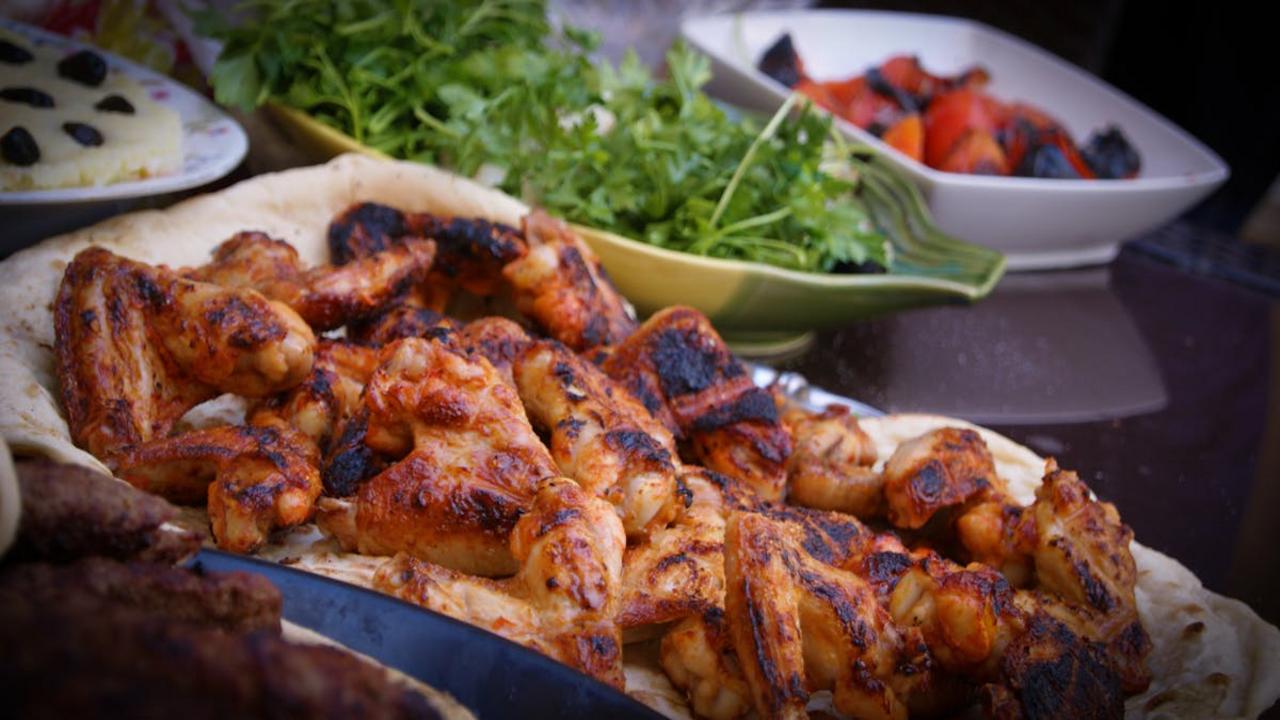
You might think those spicy, tangy buffalo wings you demolish during football games are as American as apple pie, but they’ve got an international twist! The sauce that gives these crispy chicken wings their kick actually has roots in Southeast Asian cuisine. When Teressa Bellissimo first whipped up buffalo wings at the Anchor Bar in Buffalo, New York, in 1964, she created the sauce using hot sauce, butter, and vinegar—a combination that food historians trace back to traditional Asian cooking techniques that immigrants brought to America.
The funny thing about buffalo wings? They’ve come full circle in their international journey. After becoming wildly popular across the United States, these fiery treats have traveled back across oceans, inspiring spin-offs worldwide. You’ll now find Korean-style buffalo wings glazed with gochujang, Japanese versions with yuzu kosho, and Mexican interpretations with chipotle and lime. Who would have thought that late-night bar food invention would become a global phenomenon? Next time you’re licking that orange sauce off your fingers, thank both American innovation and international influence for that messy, delicious experience!
Ranch Dressing
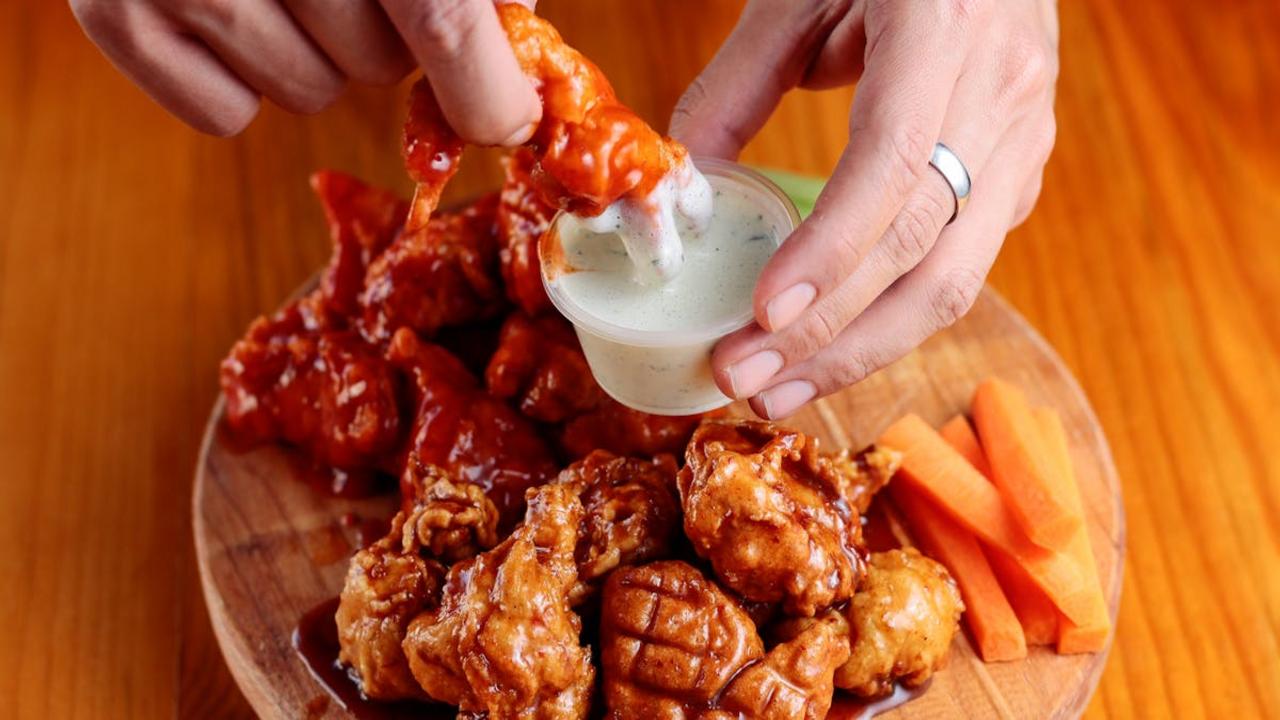
That creamy, herbaceous condiment you slather over your pizza and salads? Ranch dressing isn’t as American as you might think! While Hidden Valley Ranch’s Steve Henson gets credit for commercializing this tangy delight in the 1950s, the core concept borrows heavily from traditional European buttermilk-based sauces. French and Eastern European immigrants brought similar dairy-herb combinations to America long before ranch became the nation’s favorite dressing. The genius twist? Henson adapted these Old World flavor profiles to suit the American palate by adding specific herb blends and stabilizers.
Ranch dressing now outsells every other salad topping in America, but its European DNA remains visible in its buttermilk base. Next time you dunk your buffalo wings or drizzle it over a wedge salad, thank those European culinary traditions that gave birth to this “all-American” condiment. And here’s a fun tidbit: Americans consume so much ranch that if you lined up all the bottles sold annually, they’d stretch from California to Maine—twice! No wonder we’ve turned this European-inspired creation into everything from ranch-flavored chips to ranch fountain centerpieces at wedding receptions (yes, that’s actually a thing in the Midwest).
Macaroni and Cheese
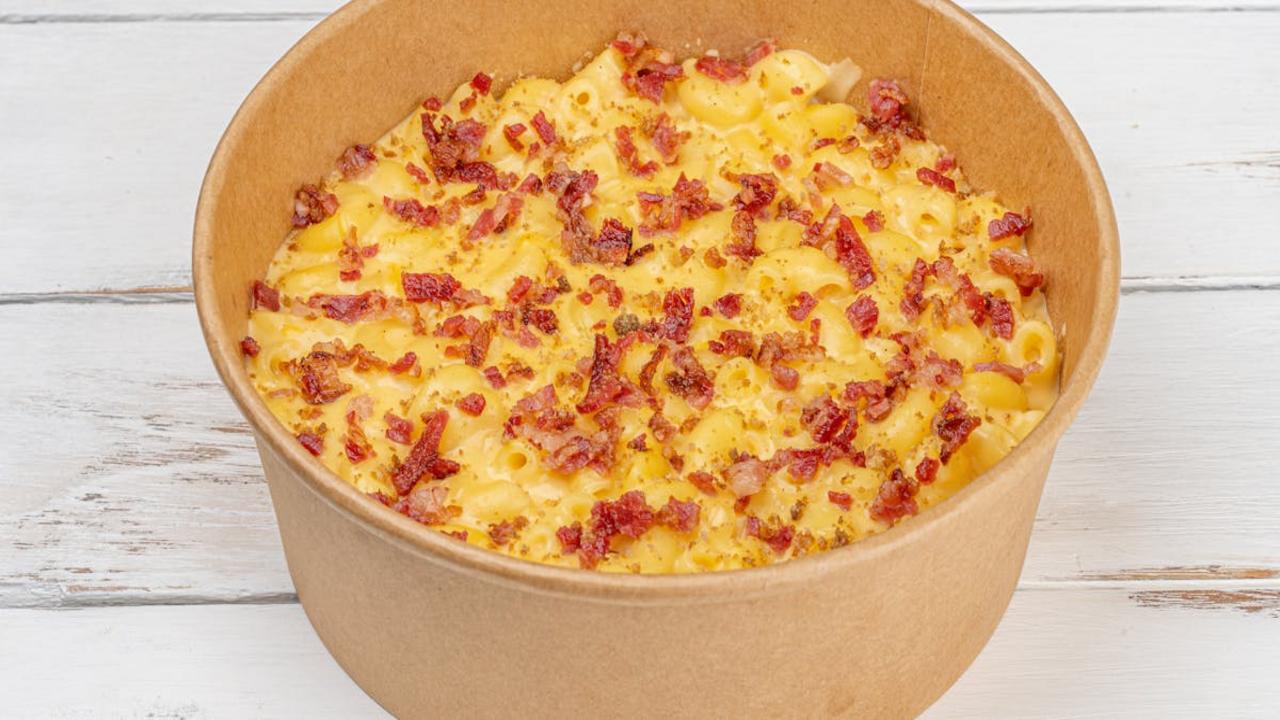
Oh, that gooey, comforting bowl of mac and cheese might feel quintessentially American, but you can thank the Italians and Swiss for this masterpiece! The earliest recorded macaroni and cheese recipe dates back to 13th century Italy, where a dish called “de lasanis” featured pasta and cheese. The concept traveled to England and then crossed the Atlantic with European immigrants. Thomas Jefferson famously fell head over heels for the dish during his European travels and even served it at a state dinner in 1802 after importing both a pasta machine and Parmesan cheese.
Your blue box of Kraft dinner? That’s a much more recent American twist, born during the Great Depression in 1937 when the company created an affordable meal that could feed a family of four for 19 cents. Kraft sold over 8 million boxes in its first year alone! From humble European beginnings to American supermarket staple, mac and cheese has transformed from aristocratic fare to comfort food for the masses. I’ve noticed every American family seems to have their own secret recipe – extra cheese, breadcrumbs, fancy add-ins – but the soul of this dish remains those international roots of simple pasta and melted cheese magic.
Meatloaf
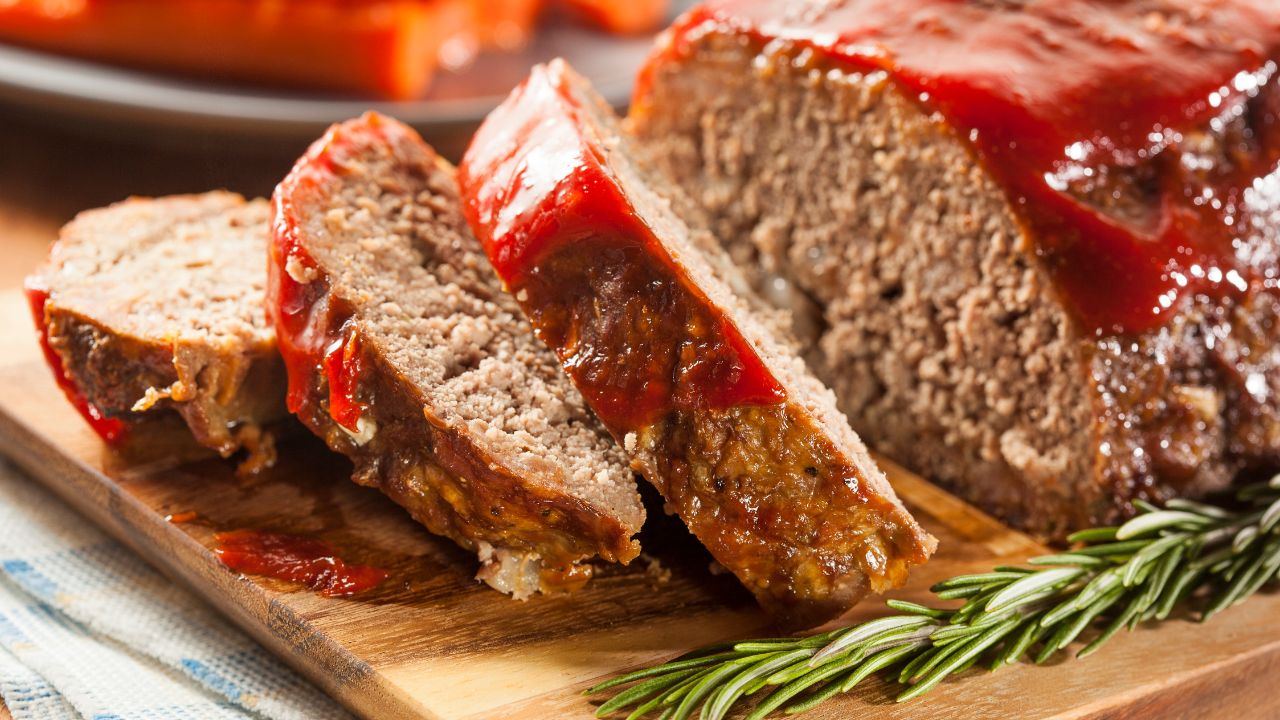
Your mom’s legendary meatloaf might seem as American as apple pie, but this hearty dish traveled quite a distance before landing on your family table! Europeans have been mixing ground meat with fillers and spices since the 5th century, with recipes appearing in Roman cookbooks. The modern meatloaf we recognize today has its closest relatives in German, Belgian, and Scandinavian dishes like Hackbraten and frikadeller. These immigrant communities brought their recipes to America, where economic pressures during the Great Depression cemented meatloaf’s status as a practical way to stretch meat with breadcrumbs.
Each country puts its own spin on this comfort food staple. In Greece, you’ll find it studded with feta and herbs, while Filipino-style meatloaf (embutido) surprises with hard-boiled eggs hidden inside. The British have their “veal and ham pie,” and in South Africa, bobotie features curry-spiced meatloaf topped with an egg custard. Americans didn’t invent meatloaf—we simply mastered the marketing! Next time you whip up this weeknight classic, remember you’re cooking a dish with passport stamps from around the world. Your ketchup-glazed masterpiece connects you to centuries of thrifty cooks who knew how to transform humble ingredients into something magnificent.
German Chocolate Cake
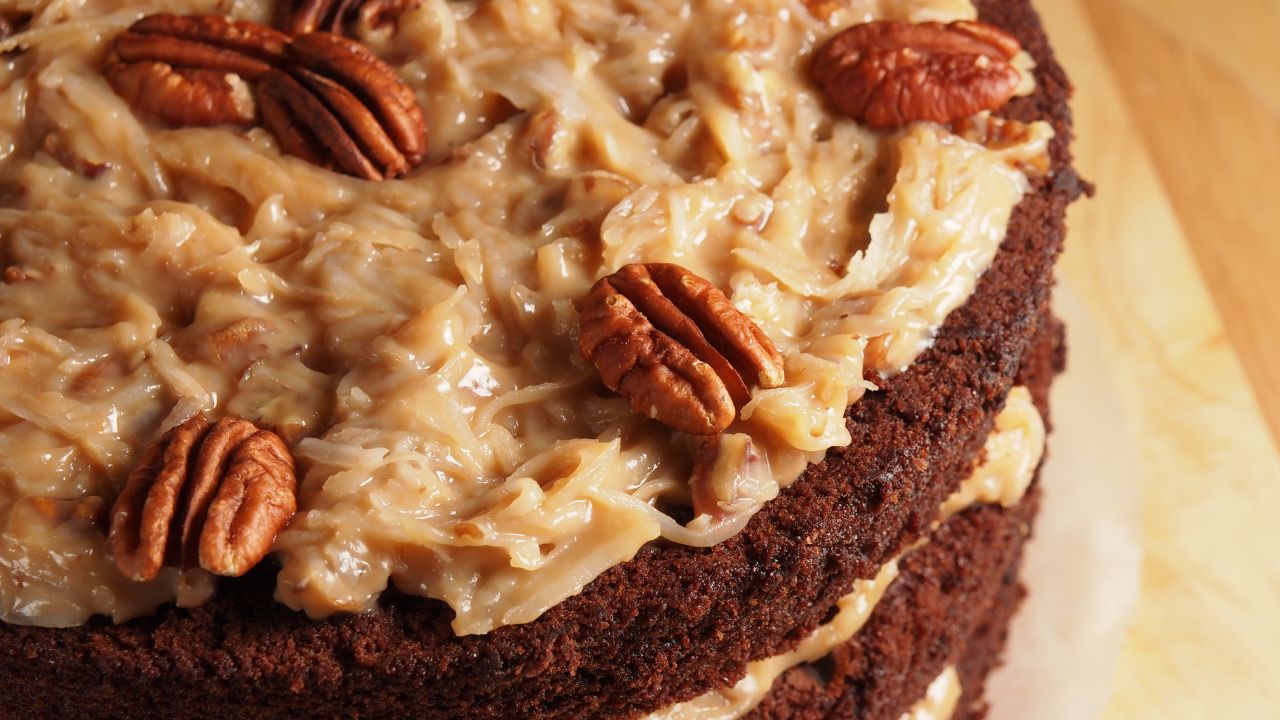
Prepare for a sweet plot twist, dear reader! Despite its name, German Chocolate Cake has absolutely nothing to do with Germany. This chocolatey, coconut-pecan layered delight originated right here in America in 1957, created by a Dallas homemaker named Mrs. George Clay. She named her recipe after the type of chocolate she used – “German’s Sweet Chocolate” – which was created by Samuel German for Baker’s Chocolate Company in 1852. The apostrophe eventually dropped off, leaving many Americans mistakenly believing they’re enjoying a European dessert!
The cake skyrocketed to fame when The Dallas Morning Star published Mrs. Clay’s recipe, prompting General Foods (who owned Baker’s Chocolate) to distribute the recipe nationwide. You’ll recognize this American imposter by its distinctive coconut-pecan frosting that’s sandwiched between layers of moist chocolate cake – no traditional German baking techniques in sight! Next time you sink your fork into this decadent dessert, impress your friends with this tasty bit of culinary misinformation. Nothing says “America” quite like accidentally taking credit for another country’s cultural contributions!
Corned Beef and Cabbage
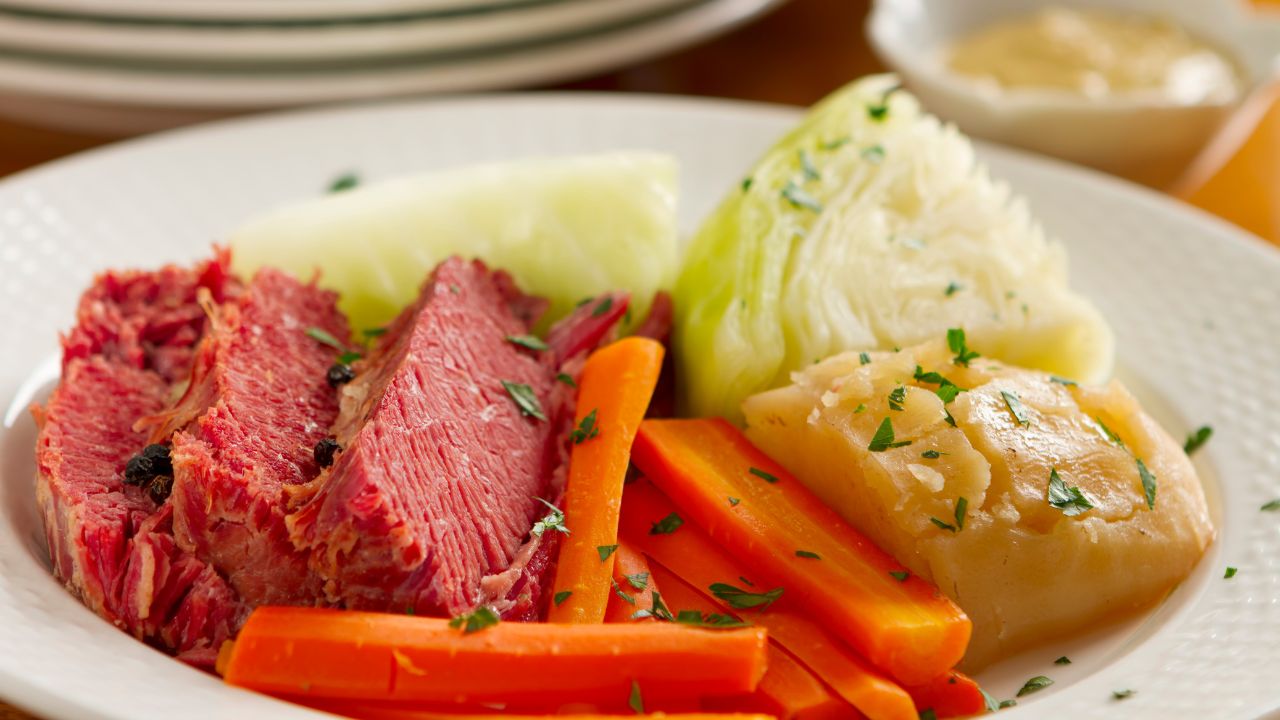
If you’ve celebrated St. Patrick’s Day in America, you’ve likely filled your plate with corned beef and cabbage, washing it down with a pint of green beer. But I’ll let you in on a little secret – this “traditional Irish” dish actually has more New York roots than Dublin ones! Irish immigrants who came to America in the 19th century couldn’t afford their homeland’s bacon, so they substituted with cheaper corned beef from Jewish delis. Mix in some cabbage (an inexpensive vegetable that stored well), and voilà – a new “Irish-American” tradition was born!
The real kicker? In Ireland, you’d struggle to find corned beef and cabbage on menus. Traditional Irish dinners typically feature bacon and cabbage instead. The transformation happened right here in America, where immigrant groups sharing neighborhoods and hardships also shared food traditions. The corned beef came from kosher butchers, while the cooking method resembled Irish bacon preparation. Next time you dig into this salty, tender meat with its perfectly wilted cabbage companion on March 17th, remember you’re enjoying a beautiful American creation born from cultural fusion and adaptation!
General Chicken
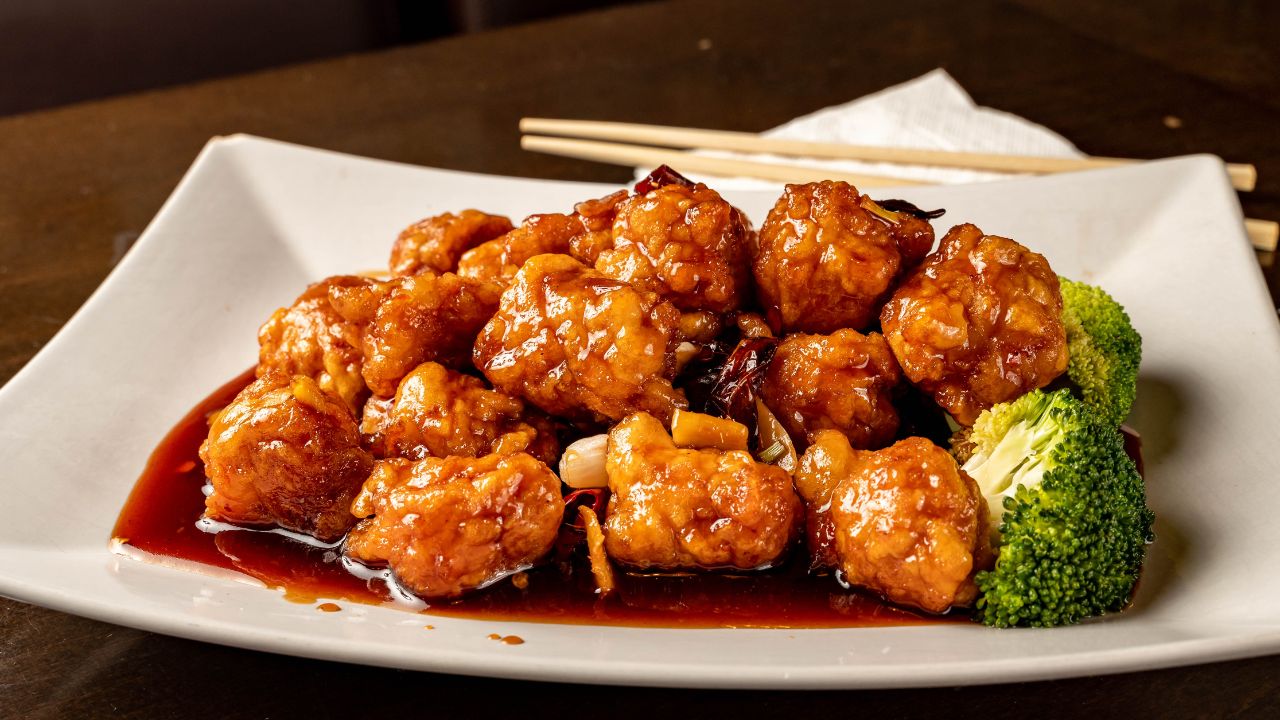
You’ve probably devoured General Chicken countless times—that sticky-sweet, slightly spicy chicken dish that’s a staple on American Chinese restaurant menus. But here’s the kicker: it’s about as authentically Chinese as fortune cookies! This American favorite was actually created in the 1970s by a Chinese chef named Peng Chang-kuei who fled to Taiwan after the Chinese Civil War. The plot thickens: he invented the dish specifically for American palates when he moved to New York, naming it after General Tso, a famous Hunanese military leader.
The Americanized version you know and love bears little resemblance to anything you’d find in China. While Chef Peng’s original creation featured a lighter sauce with more complex flavors, American adaptations cranked up the sugar, dialed down the heat, and added that signature crunch we can’t resist. Next time you order this sweet-and-sour delight, impress your dinner companions with this tidbit: you’re eating a Chinese-American hybrid that would baffle most people in China! The dish perfectly captures how immigrants adapt their food traditions to new homes, creating something entirely fresh in the process.
Spaghetti and Meatballs
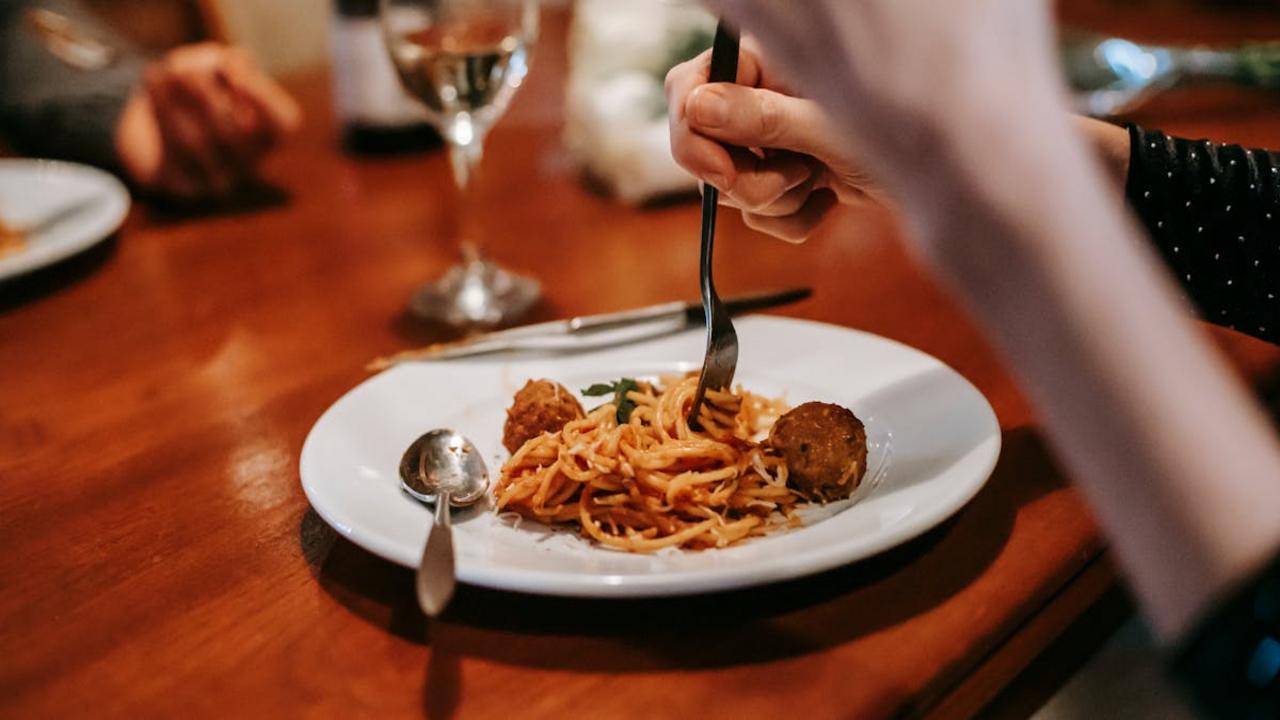
You might think spaghetti and meatballs sprung from an Italian nonna’s kitchen in Naples, but this American staple tells a different story! Italian immigrants who arrived in the US in the late 19th century created this dish by adapting their homeland recipes to abundant American ingredients. In Italy, meatballs (polpette) exist, but they’re typically smaller, served separately as their own course—not piled atop mountains of pasta swimming in tomato sauce. The supersized meatballs and generous sauce portions we Americans crave? That’s our gloriously adapted version, born from immigrants who suddenly found meat more affordable in their new country.
I once tried explaining to my Italian friend Marco why I wanted spaghetti WITH my meatballs during our trip to Rome, and he looked at me like I’d suggested putting pineapple on pizza! The American version mashes together regional Italian components into one hearty, satisfying plate that screams “Sunday family dinner.” Think of it as a delicious cultural remix—the pasta from Sicily, meatball techniques from various regions, and the abundant tomato sauce made possible by America’s farming plenty. Next time you twirl your fork into that familiar comfort food, remember you’re enjoying a truly American creation with Italian ancestors, not an imported classic!
Apple Pie
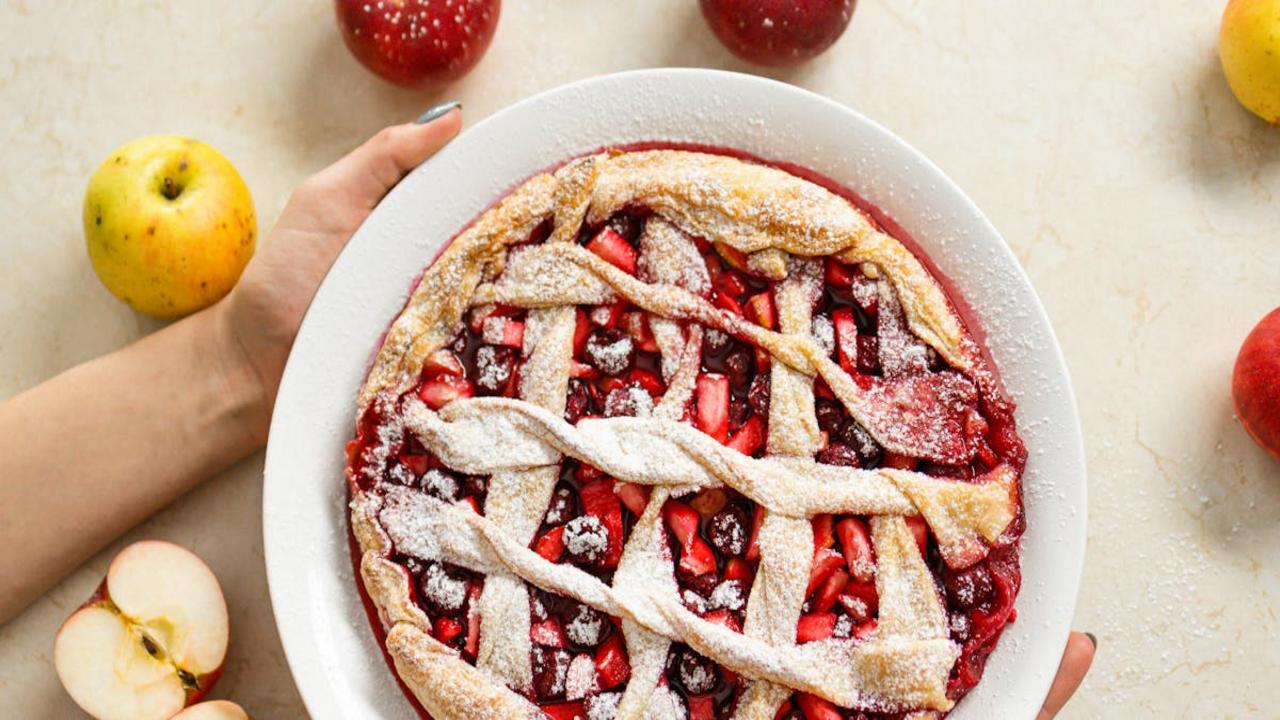
Oh, honey, you might think apple pie is as American as… well, apple pie! But this sweet, cinnamon-spiced delight actually traveled to our shores from England, where recipes date back to the 1300s. Those crafty Europeans were baking apple pies long before America existed as a nation! The original versions didn’t even have sugar (can you imagine?), since sweeteners were expensive luxuries. Some historians believe the tradition came from Dutch and German immigrants who brought their “appeltaart” recipes to the colonies, where the dessert found its forever home.
Americans didn’t invent apple pie, but boy, did we adopt it like a cherished family member! During World War II, soldiers famously declared they were fighting “for mom and apple pie,” cementing the dessert’s patriotic status. I find it hilarious that our national dessert symbol is actually an immigrant, just like many Americans. The classic combo of tart apples, warm spices, and flaky crust transcends borders—though I’ll argue that adding a scoop of vanilla ice cream on top might be our genuinely American contribution. Next time you bake one, remember you’re participating in a culinary tradition that’s crossed oceans and centuries!
Hot Dogs
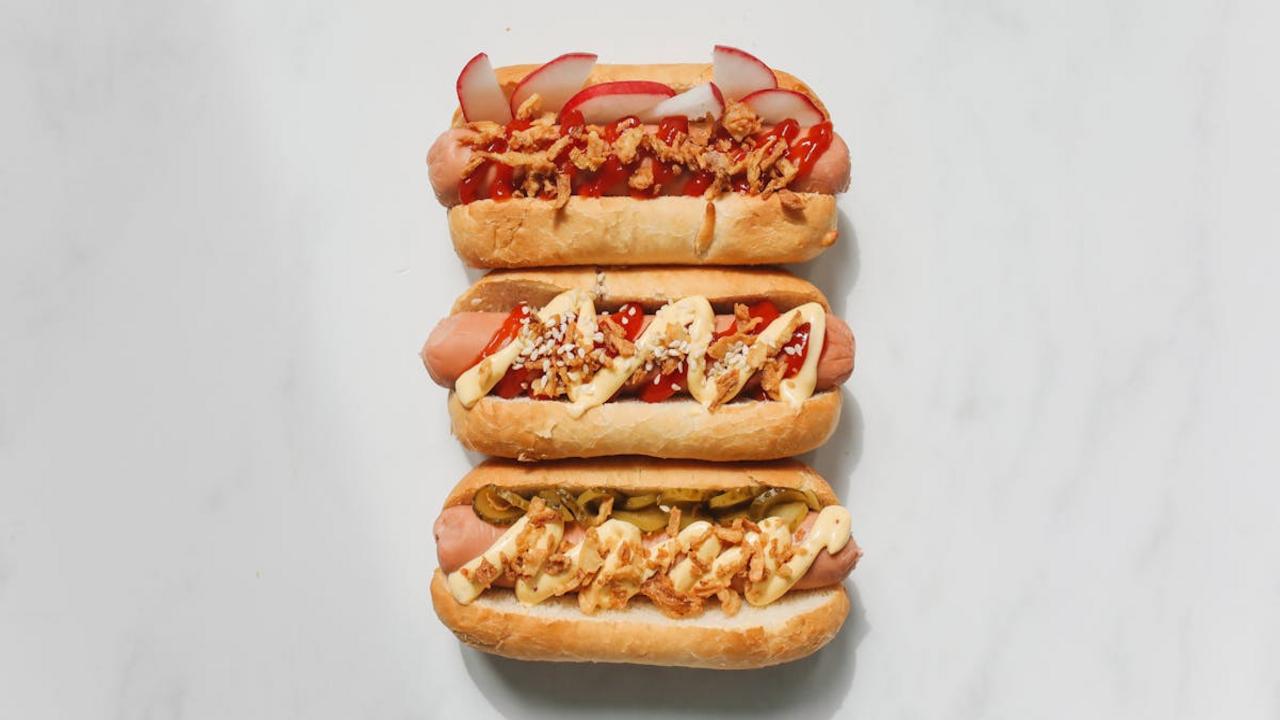
You’ve grabbed a hot dog at countless baseball games, Fourth of July barbecues, and street carts across America, but did you know this iconic American food actually hails from Germany? The frankfurter (named after Frankfurt) traveled to the US with German immigrants in the 19th century. The term “hot dog” reportedly caught on at a 1901 baseball game when vendors couldn’t pronounce “dachshund sausages” and instead shouted “Get your hot dogs!” The name stuck, and Americans quickly adopted this portable meat-in-a-bun concept as their own.
What makes American hot dogs unique isn’t their origin but how we’ve transformed them into cultural symbols. From Chicago’s “dragged through the garden” style with pickles, tomatoes, and celery salt to New York’s simple mustard and sauerkraut approach, we’ve regionalized this German import beyond recognition. Next time you bite into that juicy ballpark frank, remember you’re enjoying international fusion food that predates the term by centuries! The humble hot dog perfectly demonstrates how Americans excel at taking foods from elsewhere and convincing ourselves (and sometimes the world) that they’re 100% homegrown creations.
Fortune Cookies
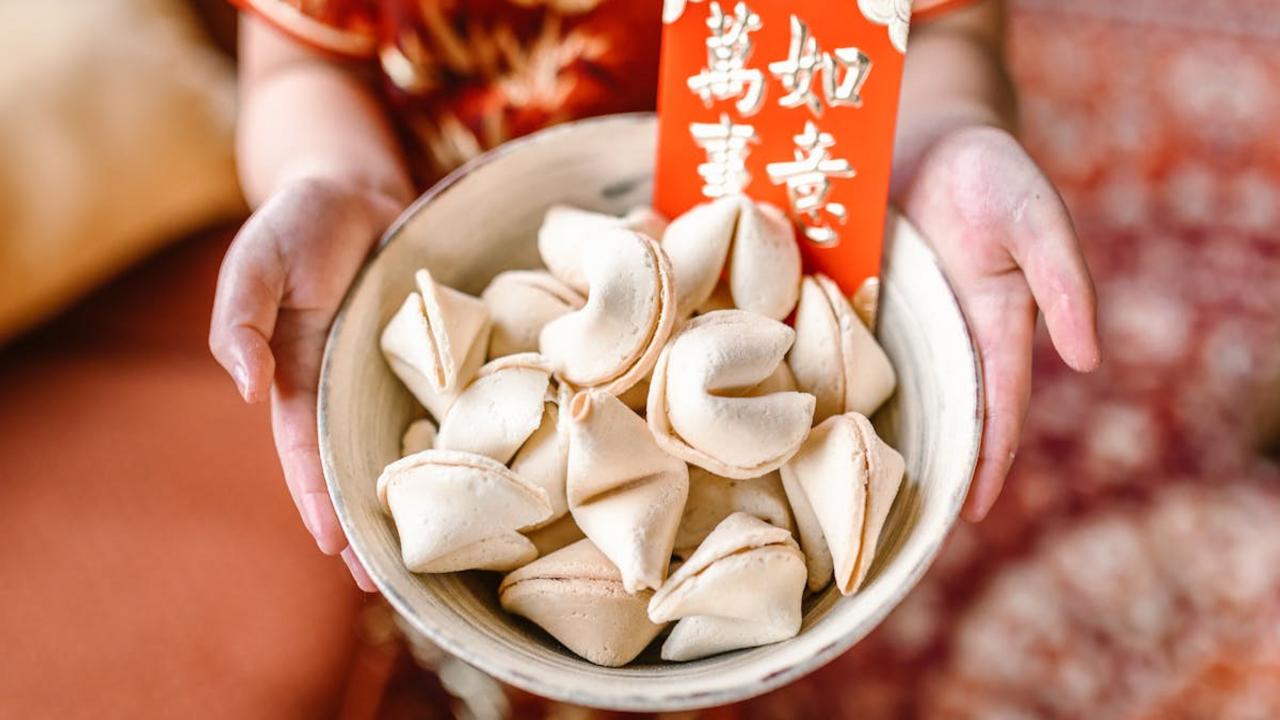
Think those crack-open surprises with mystical messages are an ancient Chinese tradition? Nope! Fortune cookies were actually invented in California, but here’s the kicker—they’re based on Japanese crackers called “tsujiura senbei.” These little prophecy-filled treats likely came to America with Japanese immigrants in the early 1900s. Chinese restaurants in the US adopted them, and Americans assumed they were authentic Chinese items. Talk about a case of mistaken identity! You’ve probably never even seen fortune cookies in actual Chinese restaurants in China—they’ll look at you like you’ve ordered pizza at a taco stand.
The modern fortune cookie we know today took shape in San Francisco, where they became a staple ending to Chinese-American meals by the 1950s. Funny enough, during World War II, many Japanese bakeries were forced to close during internment, allowing Chinese businesses to dominate the fortune cookie market—cementing their association with Chinese rather than Japanese cuisine. Next time you crack one open after your sweet and sour chicken, remember you’re enjoying an American invention with Japanese ancestry that somehow became the unofficial mascot of Chinese restaurant desserts. That’s a cultural mix-up worth its weight in lucky numbers!