14 Everyday Foods Loaded with Hidden Salt
You might think you’re making healthy food choices, but salt has a sneaky way of hiding in many everyday foods. While your table salt shaker isn’t the main culprit, processed and packaged foods often pack surprising amounts of sodium that can quickly add up throughout your day.
Understanding where hidden salt lurks helps you make smarter choices at the grocery store. From your morning bowl of cereal to that seemingly innocent slice of bread, many common foods contain more sodium than you’d expect. Even foods that don’t taste particularly salty can be major contributors to your daily sodium intake.
I want to share 14 common foods where salt often hides in plain sight. By knowing these sodium sources, you can better control your salt intake and make more informed decisions about what goes on your plate. Small changes in food choices can make a big difference in your overall health.
Frozen Meals
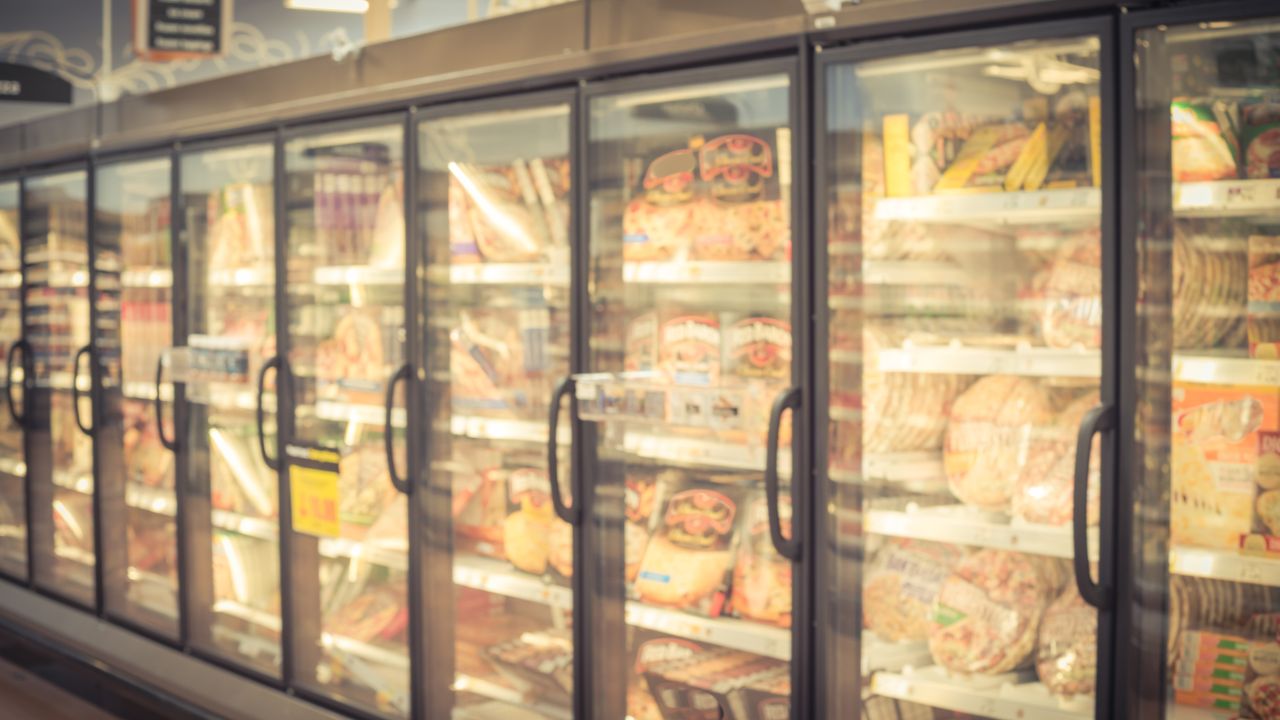
I know frozen meals make quick weeknight dinners so tempting, but you might want to check those labels carefully. Many frozen dinners and entrees pack a hefty sodium punch – some containing up to 1,800 mg of salt per serving! That’s nearly 80% of your daily recommended sodium intake in just one meal. The high salt content helps preserve these convenience foods and enhances their flavor after freezing, but it can really impact your health if you eat them regularly.
You’ll find healthier alternatives by preparing fresh meals in bulk and freezing portions yourself. I love spending a Sunday afternoon cooking big batches of homemade soups, stews, or casseroles using fresh ingredients where I control the salt. For example, my make-ahead chicken and vegetable curry uses just a pinch of salt but gets amazing flavor from fresh herbs and spices. Then I portion it into containers and freeze – giving me the same convenience without all that hidden sodium. Read those frozen meal labels and look for options with under 600mg sodium per serving when you need them.
Cheese
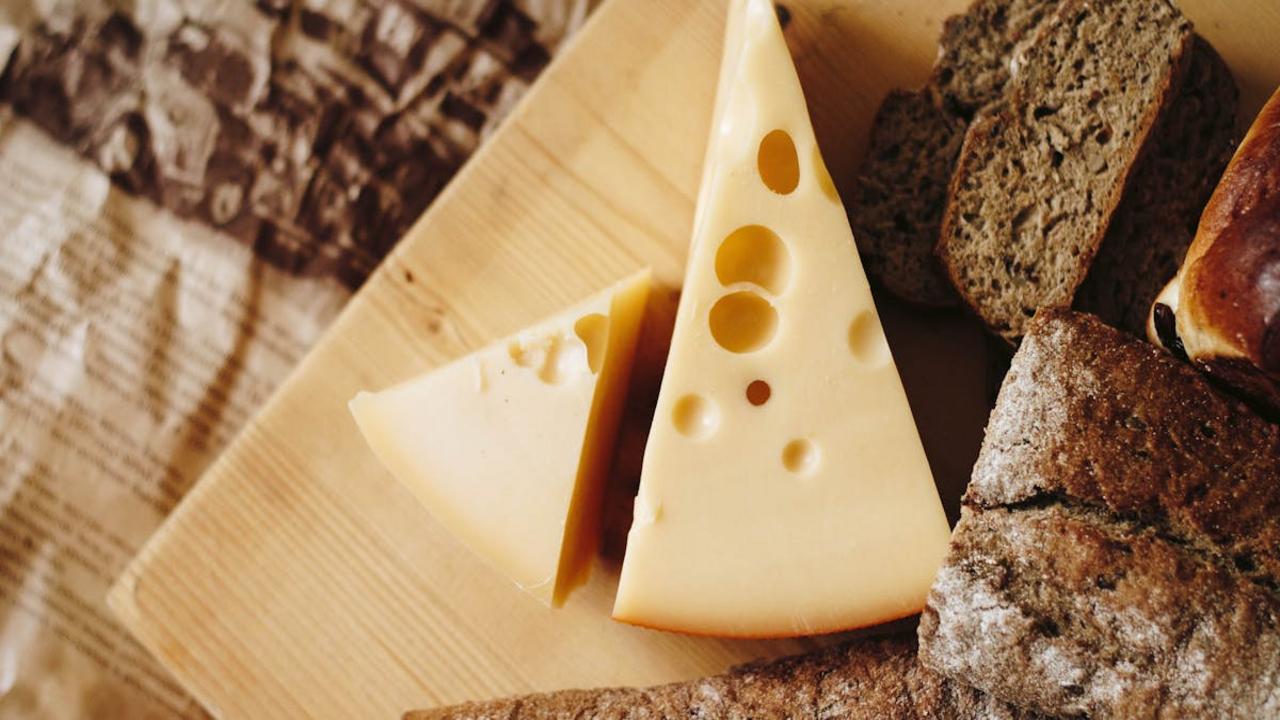
You might not think twice about adding cheese to your sandwich or pasta, but many types pack a hefty amount of hidden sodium. Your favorite cheddar can contain up to 350mg of sodium per ounce, while processed cheese products often have double that amount. I’ve noticed that aged cheeses like parmesan naturally need more salt in their production process, which explains their intense savory punch. By making smart choices, you can still enjoy cheese while managing your salt intake – opt for fresh mozzarella or Swiss cheese, which typically have lower sodium levels.
Through my years of cooking, I’ve discovered many creative ways to reduce cheese-related sodium in recipes without sacrificing flavor. Instead of loading dishes with salty cheeses, try using small amounts of intensely flavored options like aged gouda or sharp cheddar. You’ll get the same satisfaction with less sodium. For cooking, blend higher-sodium cheeses with naturally lower-sodium ones – mix a bit of parmesan with fresh ricotta for pasta, or combine sharp cheddar with mild mozzarella for mac and cheese. This simple technique keeps the bold cheese taste while cutting back on overall salt content.
Instant Noodles
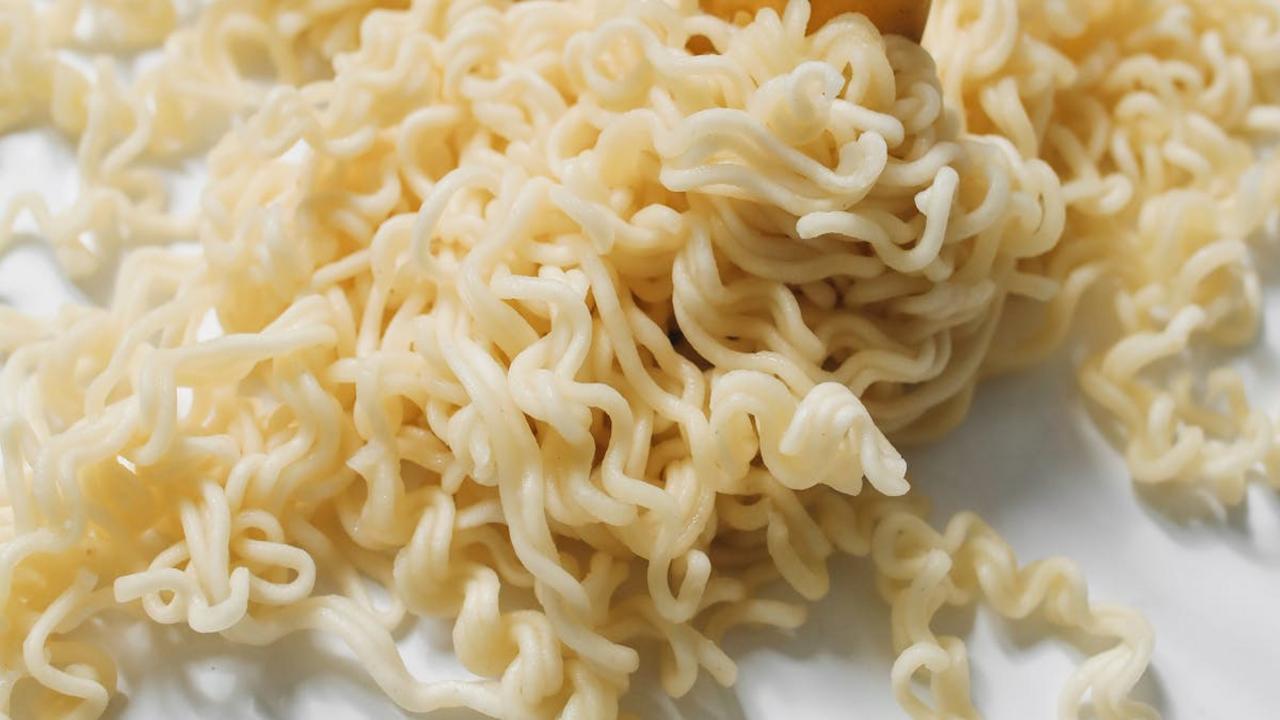
I need to talk to you about instant noodles – those quick, cheap packets we’ve all reached for during busy days or late-night cravings. While they’re convenient and satisfying, one packet can pack up to 1,800mg of sodium – that’s more than 75% of your recommended daily intake! The seasoning packets deserve most of the blame here, loaded with salt and flavor enhancers to give that intense savory punch we crave.
You can make your instant noodles healthier without sacrificing flavor. Skip the provided seasoning packet and create your own broth using low-sodium stock, fresh herbs, and spices. Add protein like eggs or tofu, plus vegetables such as spinach, corn, or mushrooms. This simple change can reduce the sodium content by over 60% while adding real nutrients to your meal. You’ll still get that comforting noodle bowl, but with ingredients you can feel good about.
Hot Dogs

Your favorite ballpark snack packs a serious sodium punch that might make you think twice. A single hot dog can contain up to 500mg of sodium – that’s before you add any toppings or condiments! The salt content comes from the curing and preservation process, which manufacturers use to extend shelf life and create that distinctive hot dog flavor. Many brands also add sodium nitrite and other preservatives, bumping up the salt content even higher.
I’ve found smart ways to reduce sodium while still enjoying hot dogs occasionally. Look for brands labeled “low sodium” or “no added nitrates” – they typically contain 25-40% less salt than regular versions. You can also balance out the saltiness by loading up on fresh veggie toppings like diced onions, tomatoes, or shredded lettuce. If you’re watching your sodium intake closely, consider splitting a hot dog with someone or eating just half alongside plenty of fresh sides. The key is moderation and being mindful of portion sizes.
Pasta Sauce
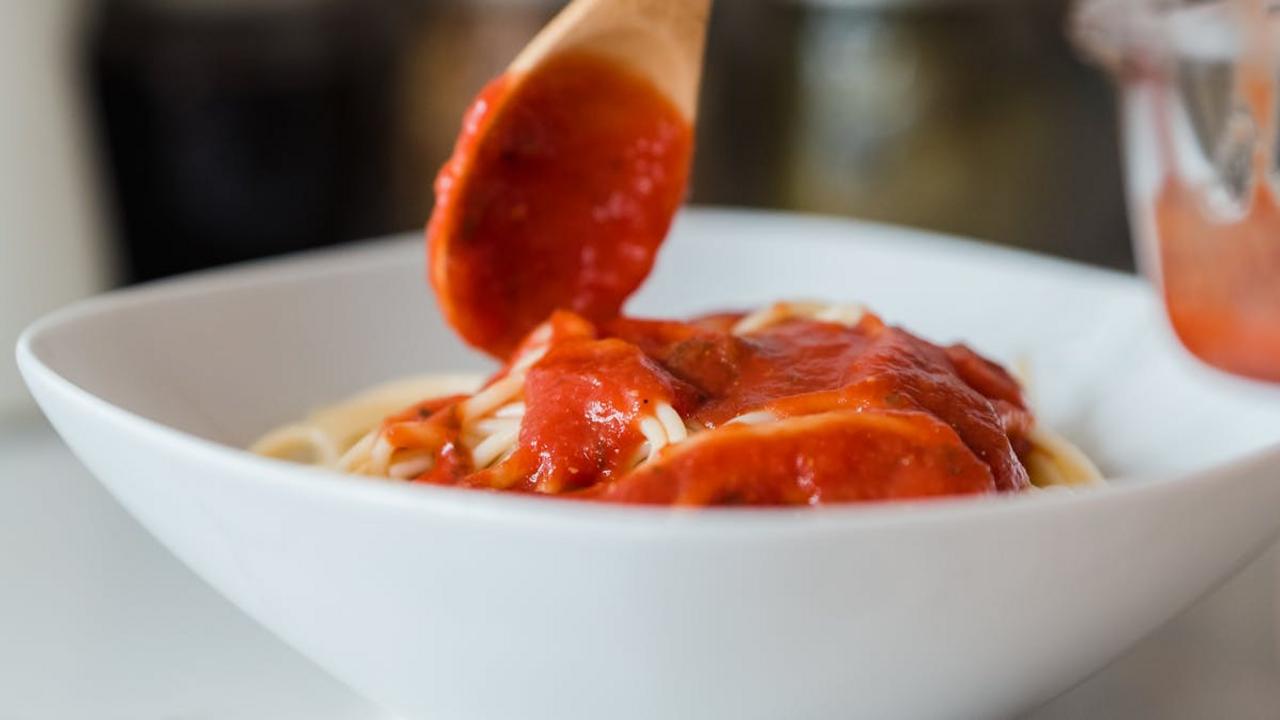
Your favorite jarred pasta sauce might pack more of a sodium punch than you’d expect. A single half-cup serving of store-bought marinara can contain up to 500mg of sodium – that’s over 20% of your daily recommended intake. Many manufacturers add salt not just for flavor, but as a preservative to extend shelf life. If you check the labels carefully, you’ll notice some brands sneaking in nearly twice the sodium of others, making it worth your time to compare options at the store.
I’ve found making pasta sauce from scratch gives you total control over the salt content while delivering fresh, bright flavors. Start with ripe tomatoes, garlic, herbs, and just a pinch of salt – you’ll be amazed how the natural sweetness shines through. For convenience on busy nights, I recommend buying low-sodium versions or diluting regular sauce with fresh or canned no-salt-added tomatoes. This simple trick cuts the sodium while maintaining that rich, satisfying taste we all want in our pasta dishes.
Vegetable Juice
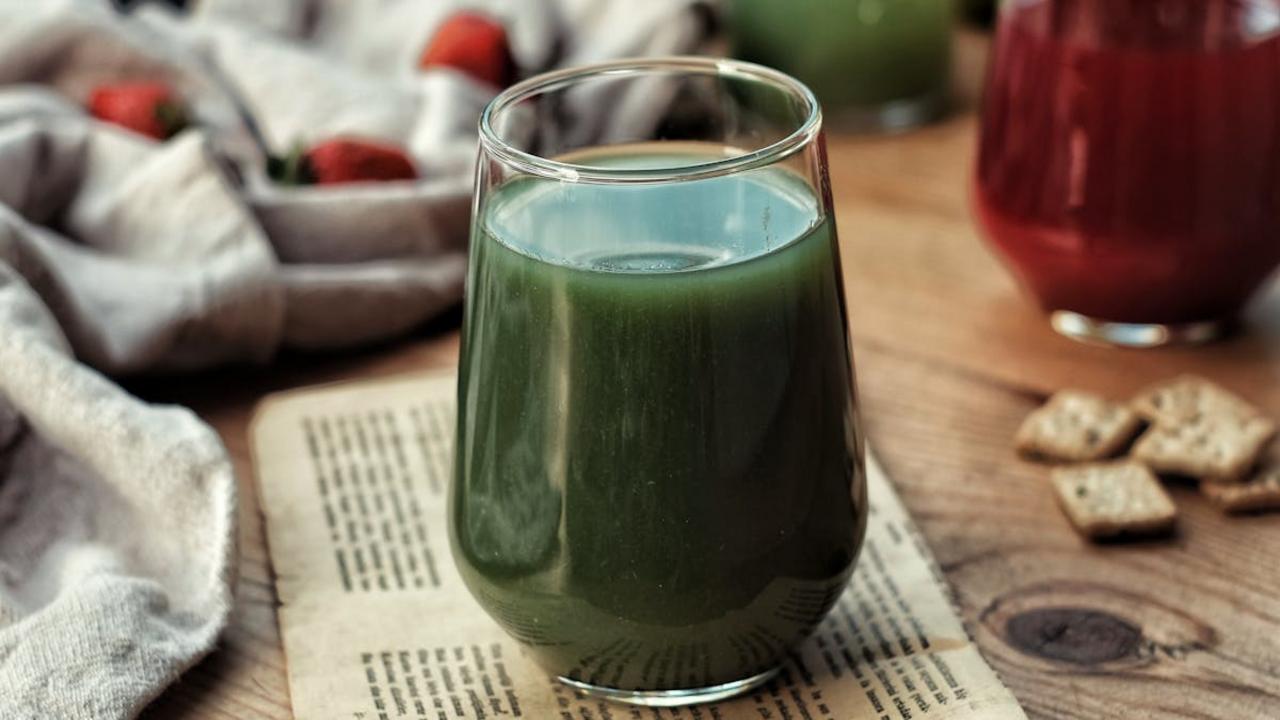
I know you might think vegetable juice makes a healthy alternative to sugary drinks, but you’ll want to check those nutrition labels carefully. Many store-bought vegetable juices pack a shocking amount of sodium – up to 650mg per serving! Manufacturers add salt to enhance flavor and preserve freshness, turning what should be a nutritious beverage into a hidden salt bomb. Some brands contain nearly one-third of your daily recommended sodium intake in just one serving.
You can take control of your sodium intake by making fresh vegetable juice at home. I recommend using a mix of naturally sweet vegetables like carrots and beets alongside celery and cucumber for a balanced flavor without added salt. If you prefer store-bought options, look specifically for low-sodium varieties – they typically contain about 140mg of sodium per serving, making them a much better choice for your daily drink rotation. The key difference? These versions rely on the natural flavors of vegetables rather than salt to deliver taste.
Salad Dressing

I’ll bet you’re reaching for that bottle of store-bought salad dressing thinking it’s a healthy choice for your fresh greens. But watch out! Many commercial salad dressings pack a shocking amount of sodium – sometimes up to 200-400mg in just two tablespoons. Ranch, thousand island, and blue cheese dressings rank among the biggest salt offenders, with some brands containing more sodium than a small serving of french fries. The manufacturers add extra salt not just for flavor, but also as a preservative to extend shelf life.
You can take control of your sodium intake by making your own dressings at home. Mix olive oil with fresh lemon juice or vinegar, add minced garlic, herbs, and a tiny pinch of salt to bring out the flavors. I love whisking together balsamic vinegar, Dijon mustard, and extra virgin olive oil for a quick vinaigrette that contains just 1/4 the sodium of bottled versions. Your homemade dressings will taste fresher, brighter, and you’ll know exactly what goes into them. Plus, you can adjust the seasonings to match your health goals while still keeping all the flavors you love.
Packaged Snacks
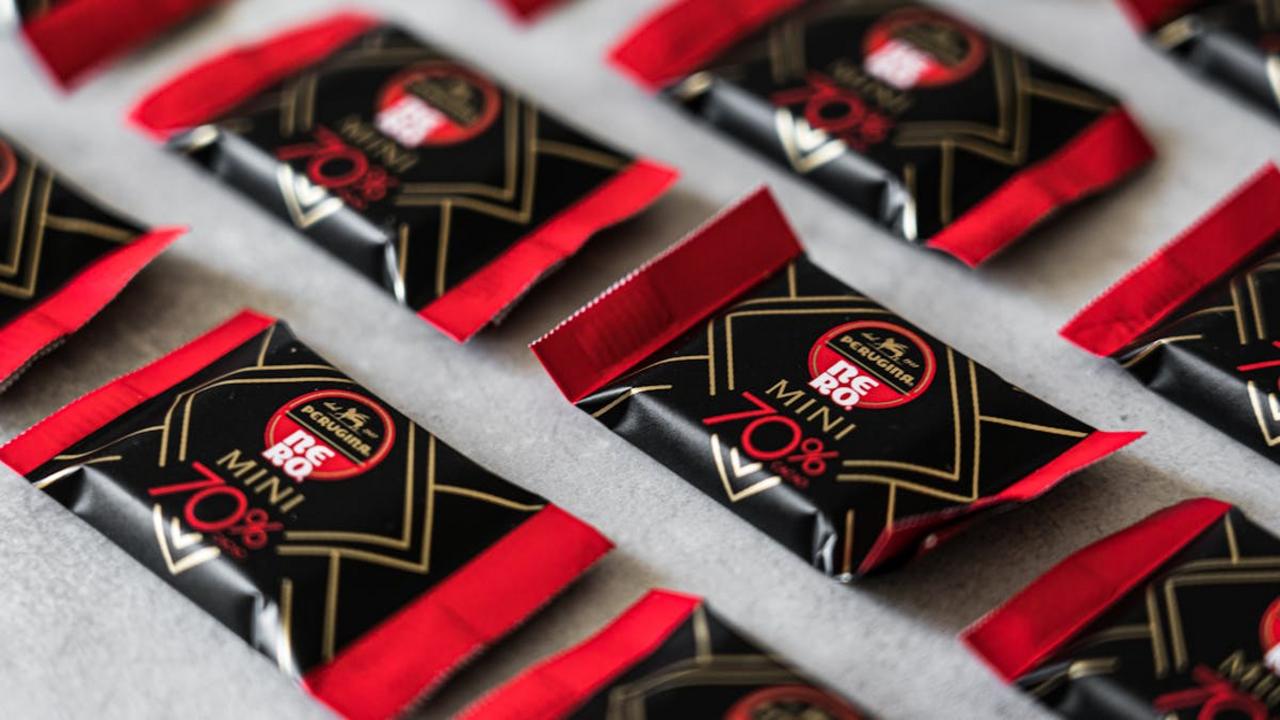
I know you might reach for those convenient packaged snacks when hunger strikes, but many contain shocking amounts of hidden sodium. Your favorite potato chips, pretzels, and crackers often pack 150-300mg of sodium per serving – and let’s be real, who eats just one serving? The salt content in these snacks adds up quickly throughout the day without you noticing. Even seemingly healthy options like veggie chips or rice cakes can be loaded with sodium to enhance their flavor.
You can make better snack choices by reading nutrition labels carefully and opting for low-sodium versions when possible. Fresh fruits, raw nuts, or homemade popcorn give you that satisfying crunch without the excess salt. I love making my own trail mix with unsalted nuts, dried fruit, and a sprinkle of dark chocolate – it satisfies my snack cravings while keeping sodium in check. The best part? You control exactly what goes into your snacks when you make them yourself.
Deli Meat

You might think your deli meat sandwich is a healthy choice, but most pre-sliced meats pack a shocking amount of sodium. A typical 2-ounce serving of turkey or ham from the deli counter contains around 500-700mg of sodium – that’s nearly a third of your recommended daily intake! Manufacturers use salt not just for flavor, but as a preservative to extend shelf life and prevent bacterial growth. Even “low-sodium” options often contain significant amounts of hidden salt.
To reduce your sodium intake while still enjoying sandwiches, try roasting and slicing your own meats at home. Buy a whole turkey breast or ham, season it lightly, and cook it yourself – you’ll control exactly how much salt goes in. Another smart move is to load up your sandwiches with fresh vegetables like cucumbers, lettuce, and tomatoes. These add moisture and crunch without the excess sodium. If you must buy deli meat, look for “no salt added” varieties and rinse the slices under cold water before eating to remove some surface sodium.
Pizza

Your favorite pizza might pack more sodium than you’d expect – even before adding extra toppings! The combination of cheese, tomato sauce, and crust creates a perfect storm of salt. A single slice can contain up to 600mg of sodium, which adds up quickly if you’re having multiple pieces. The bread dough itself often contains significant salt for flavor and proper rising, while processed meats like pepperoni and sausage push the sodium content even higher.
You can make healthier pizza choices at home by controlling your ingredients. Start with a whole grain crust and minimize the salt in your dough. Choose low-sodium tomato sauce or make your own from fresh tomatoes. Pick fresh vegetables as toppings instead of processed meats, and use a lighter hand with the cheese. If you order takeout, request a thin crust and load up on vegetables – you’ll still get that satisfying pizza experience with less sodium impact on your body.
Canned Soup
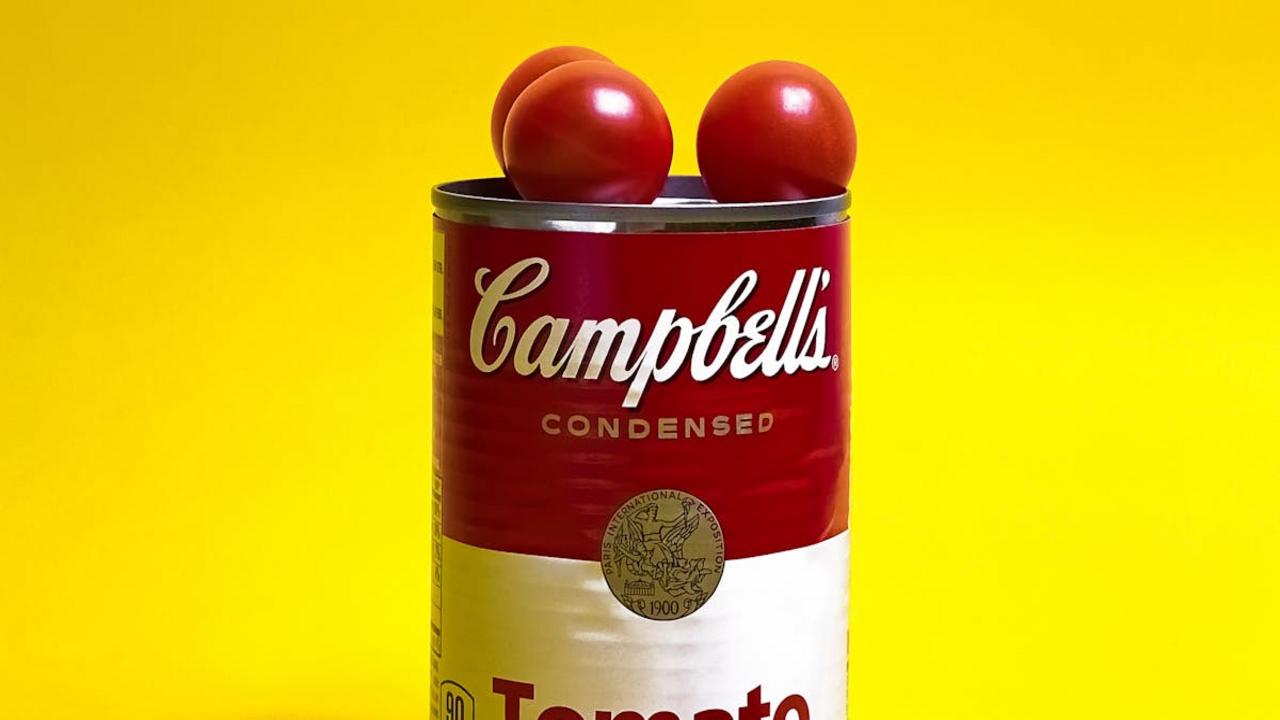
I know canned soup saves you precious time in the kitchen, but watch out for its sky-high sodium content! A single can of tomato soup can pack over 1,000mg of sodium – that’s nearly half your daily recommended intake in just one serving. Many manufacturers add salt as a preservative and flavor enhancer, making canned soups a hidden source of excess sodium in your diet. You’ll need to check those nutrition labels carefully and look for low-sodium versions if you want to keep your salt intake in check.
You can take control of your sodium intake by making homemade soup instead. I love simmering fresh vegetables, lean proteins, and herbs in my own broth – this way I decide exactly how much salt goes into each batch. Try cooking a big pot on the weekend and freezing portions for quick weekday meals. Your body will thank you for skipping the canned varieties and opting for fresh ingredients. Plus, nothing beats the aroma and satisfaction of soup made from scratch in your own kitchen!
Bread
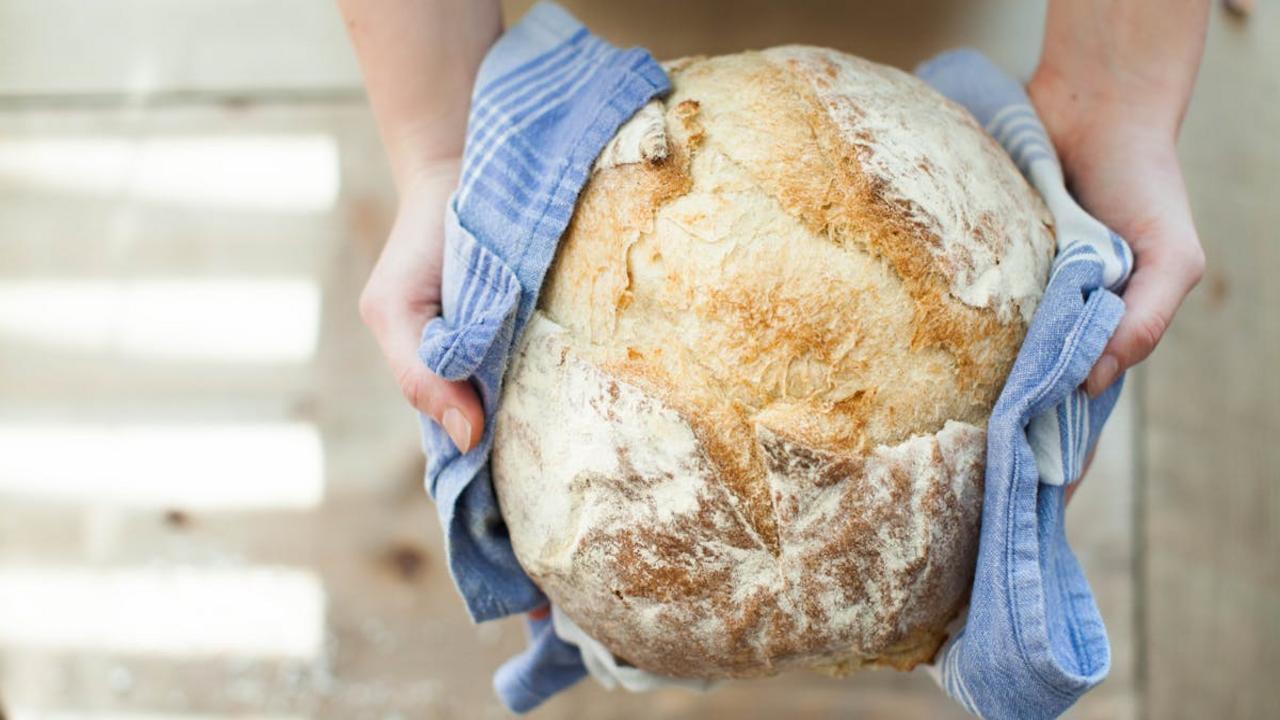
I know you might not expect it, but bread ranks among the top sources of sodium in many diets. A single slice of packaged white bread can pack 150-200mg of sodium – that’s before you add any salty toppings! The salt content helps control yeast growth during baking and extends shelf life, but many manufacturers add extra salt purely for flavor. Next time you’re shopping, check different bread brands – you’ll notice major variations in sodium levels, with some containing twice as much as others.
While making your own bread gives you complete control over the salt content, I understand not everyone has time to bake from scratch. To reduce your sodium intake from store-bought bread, look for low-sodium varieties or switch to sprouted grain breads which often contain less salt. Sourdough bread made through natural fermentation typically needs less added salt too. Remember – those morning toast calories add up fast when you factor in the hidden sodium, so choose wisely at the bread aisle.
Cottage Cheese
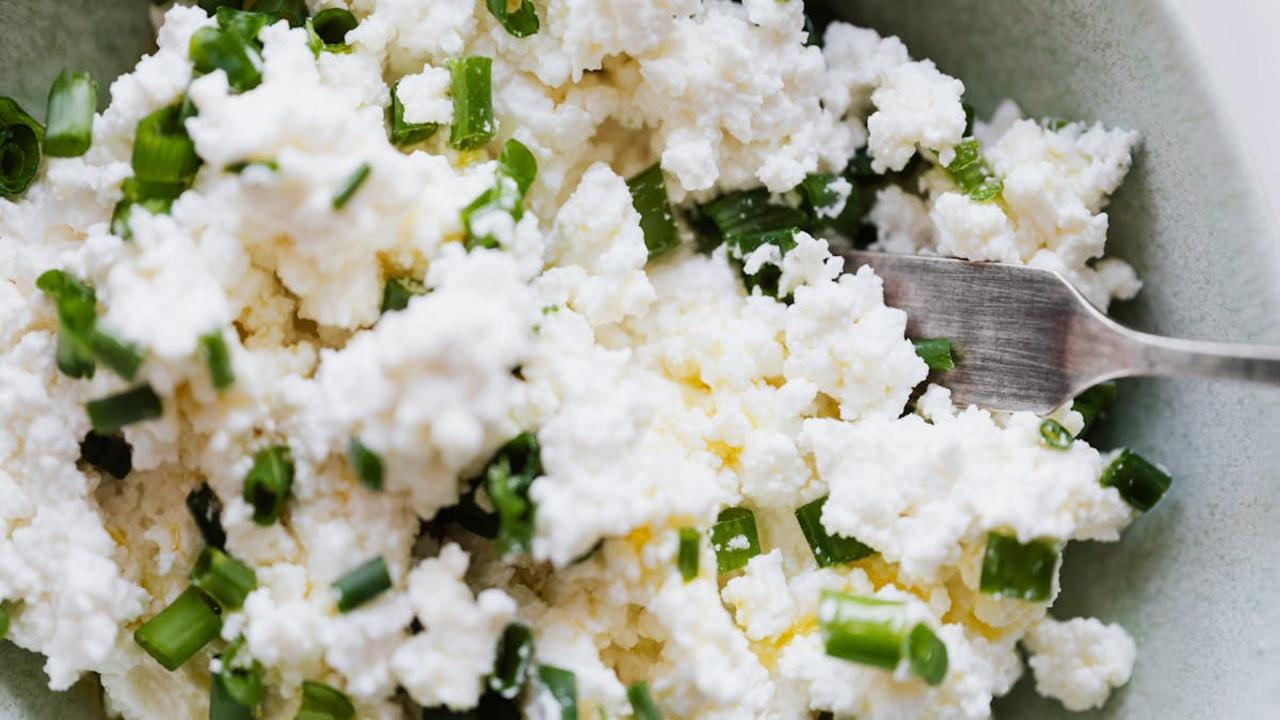
You might think cottage cheese makes a healthy snack or breakfast option – and you’re right about its protein content and calcium benefits. But many commercial cottage cheese brands pack a surprising amount of sodium, with some varieties containing up to 400mg per 1/2 cup serving. This high salt content helps preserve the cheese and enhances its flavor, but it can contribute significantly to your daily sodium intake without you even noticing it.
If you want to keep enjoying cottage cheese while managing your salt intake, look for low-sodium versions at your grocery store – they typically contain about 25-30% less salt than regular varieties. You can also make cottage cheese more exciting and nutritious by adding fresh fruits like peaches or berries, which naturally complement its creamy texture. These additions help dilute the sodium content per serving while adding natural sweetness and extra nutrients to your meal.
Breakfast Cereal
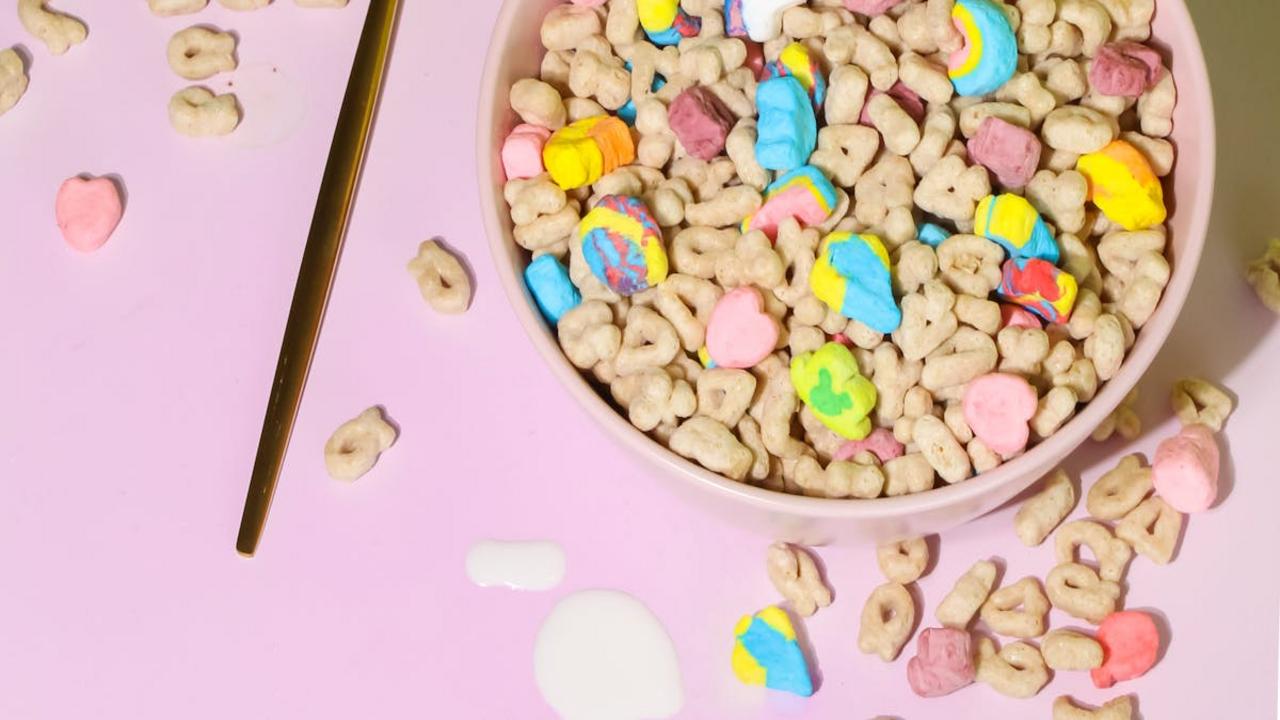
Your morning bowl of cereal might pack more salt than you’d expect. Many popular breakfast cereals contain significant amounts of hidden sodium, with some brands reaching up to 300mg per serving. The salt content goes even higher when you factor in the milk you add. If you regularly start your day with cereal, you could be consuming a large portion of your daily sodium intake before noon. This applies to both sugary varieties and seemingly healthy options like bran flakes or wheat squares.
You can make smarter cereal choices by reading nutrition labels carefully and selecting low-sodium alternatives. Look for cereals with less than 140mg of sodium per serving – these usually include plain oats, puffed rice, or shredded wheat. You’ll notice many organic and natural brands offer lower-sodium options too. Consider making your own breakfast mix by combining plain cereals with fresh fruits, nuts, and seeds. This gives you complete control over the ingredients while adding natural sweetness and crunch without the extra salt.