15 Homegrown Foods That Turn Your Garden Into a Culinary Goldmine
Your backyard can become a treasure trove of fresh, money-saving ingredients that put grocery store produce to shame. Growing your own food transforms mundane meals into restaurant-worthy creations while keeping extra cash in your wallet. From vibrant heirloom tomatoes to crisp Japanese cucumbers, these garden gems cost pennies to grow but sell for premium prices at farmers’ markets.
Think beyond basic tomatoes and lettuce – specialty crops like ground cherries and fingerling potatoes fetch top dollar while thriving in home gardens. Fresh herbs alone can save you hundreds yearly, considering those tiny plastic packages at the store cost $3-4 each. The best part? These plants practically grow themselves with minimal maintenance.
I’ve compiled 15 profitable plants that will turn your garden into an edible investment. These varieties offer the perfect mix of easy growing, high yields, and gourmet appeal. Whether you have a sprawling yard or just a few containers, these powerhouse plants will reward you with incredible flavors and serious savings.
Cucumbers
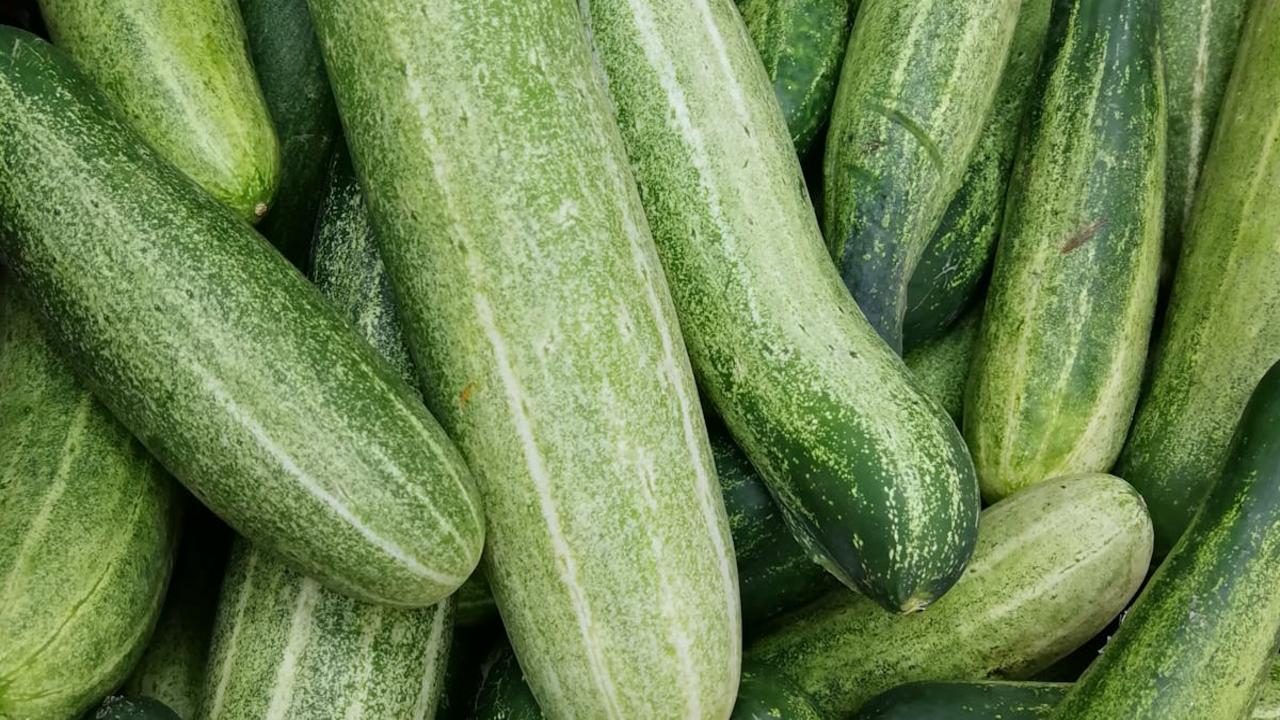
Who knew those long green beauties could be such garden superstars? Your cucumber vines will shower you with fresh crunch all summer long, and you’ll find yourself giving away bags to neighbors (who’ll love you for it!). A single plant can pump out 20+ cucumbers during the growing season, making them one of the most productive veggies you can grow. Plus, they’re not picky – give them sunshine, water, and something to climb on, and they’ll reward you with a bounty that puts grocery store cucumbers to shame.
I love sneaking cucumbers into everything from summer salads to spa-worthy water pitchers. You can pickle them into tangy dills, blend them into cool gazpacho, or slice them paper-thin for fancy tea sandwiches. The real magic happens when you pick them fresh off the vine – they’re crisp, sweet, and nothing like their waxed supermarket cousins. My favorite variety is the ‘Lemon’ cucumber, which looks like a yellow tennis ball and packs more flavor than you’d expect from such a quirky-looking fruit. Yes, technically cucumbers are fruits, but let’s not get too botanical about it!
Asparagus
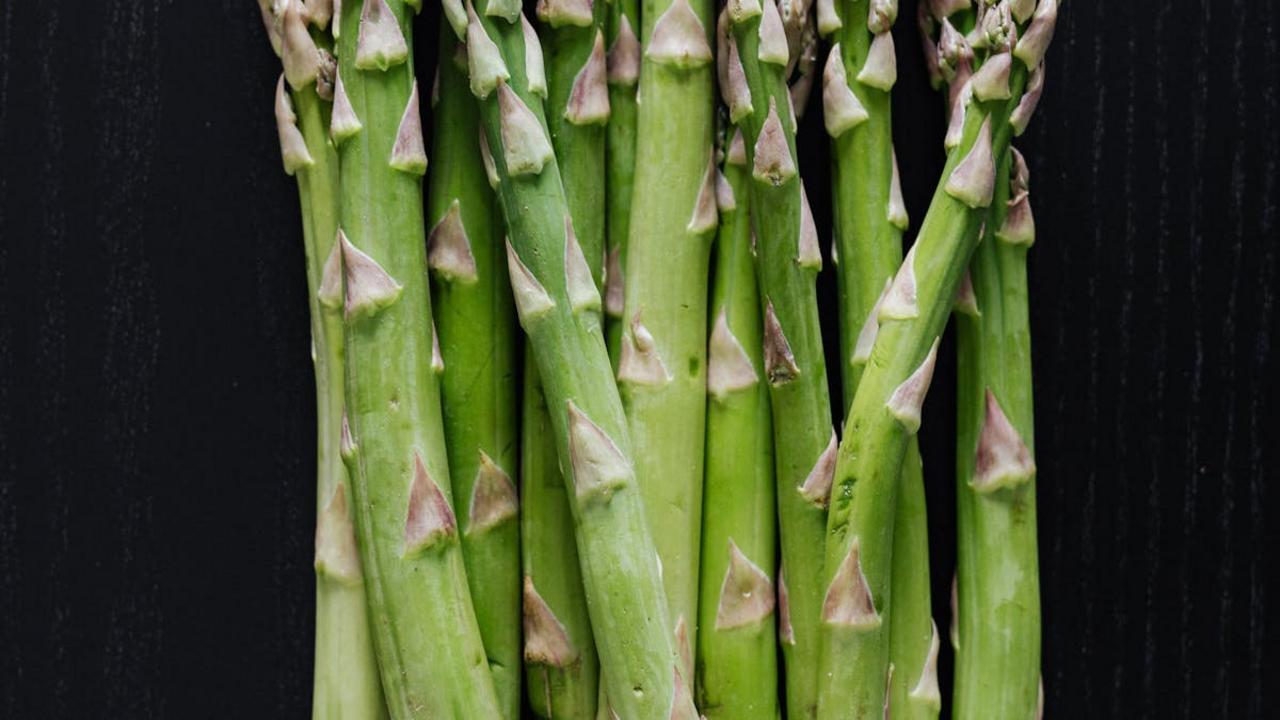
Want to feel like gardening royalty? Plant some asparagus! These elegant green spears will make you the envy of your neighborhood, producing fresh stalks for up to 20 years from a single planting. I grow mine in a dedicated bed along my fence line, and each spring, I rush out like a kid on Christmas morning to catch the first tender shoots poking through the soil. The secret? Patience, my friends – you’ll need to wait two to three years before your first proper harvest, but trust me, those homegrown spears will blow away anything you’ve bought at the store.
Your asparagus patch will become your garden’s VIP section, producing loads of nutrient-rich spears from March through May. Once established, a 20-foot row can yield up to 8 pounds of asparagus per season. You can grill them, roast them, or my personal favorite – eat them raw right in the garden (don’t judge, they’re that good!). Plus, if you leave some stems to grow into their ferny adult form, they create a gorgeous backdrop that adds height and texture to your garden. Just remember to plant them in well-drained soil with plenty of sun, and you’ll have your own asparagus empire in no time.
Cherry Tomatoes
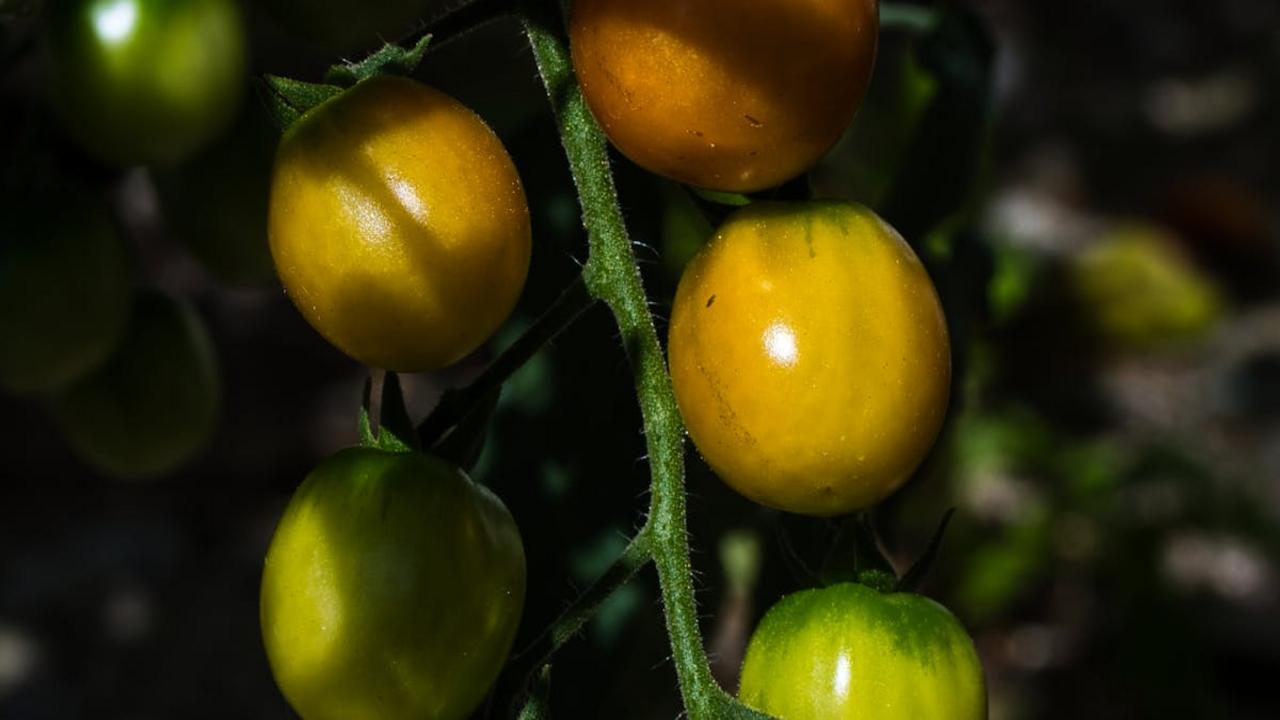
Picture this: tiny bursts of sunshine dangling from your garden vines like nature’s candy! Cherry tomatoes will turn your backyard into a snack factory, and I mean that in the best possible way. These little red (or yellow, or purple!) jewels pack more flavor per square inch than their beefier cousins. You’ll find yourself popping them like M&Ms while you’re out watering the garden – trust me, I’ve eaten entire harvests before they made it to my kitchen basket!
Growing cherry tomatoes gives you the biggest bang for your gardening buck. One healthy plant can produce hundreds of fruits throughout the season, and they’re practically bulletproof compared to larger tomato varieties. Your kids will actually want to eat their vegetables (technically fruits, but who’s counting?) when they can pluck these sweet morsels straight from the vine. Pro tip: plant them near your herb garden – nothing beats grabbing a handful of fresh basil and warm-from-the-sun cherry tomatoes for an instant caprese salad right there in your yard!
Beans
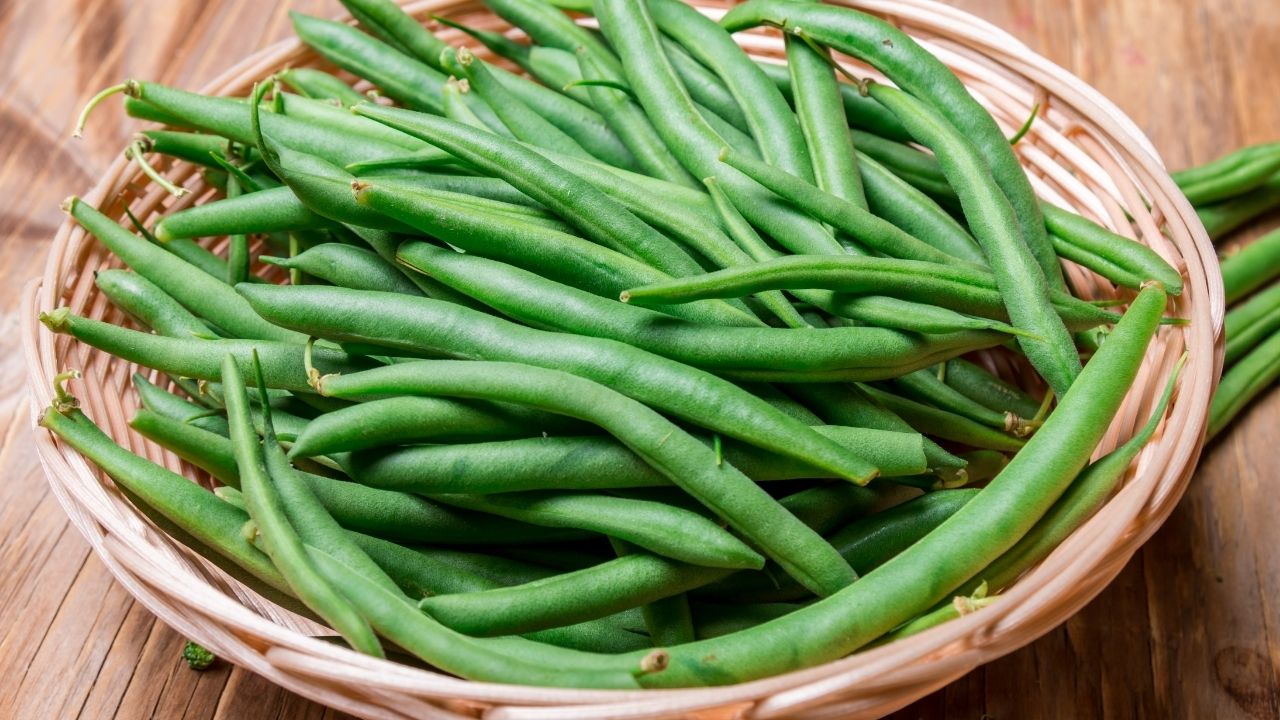
Beans will reward you with an endless supply of fresh pods all summer long, making them the ultimate “bang for your buck” garden crop. I’ve watched my $3 packet of bean seeds transform into pounds of crispy green beans, tender purple pods, and plump yellow wax varieties. You’ll get such an abundant harvest that you’ll end up being that neighbor who leaves bags of beans on doorsteps at midnight (guilty as charged!). Plus, these garden champions don’t need much space – they’ll happily climb up trellises, poles, or even your recycled Christmas tree lights.
Beyond the common green bean, you can grow dozens of unique varieties that’ll make your garden the talk of the neighborhood. Have you tried Dragon’s Tongue beans with their purple-striped pods that mysteriously vanish during cooking? Or maybe Yard Long beans that grow, well, almost a yard long? My personal favorite are the Royal Burgundy beans – they turn bright green when cooked, which never fails to amaze dinner guests. Just remember to pick them regularly – the more you harvest, the more they produce. It’s like they’re trying to outdo themselves with every picking!
Broccoli
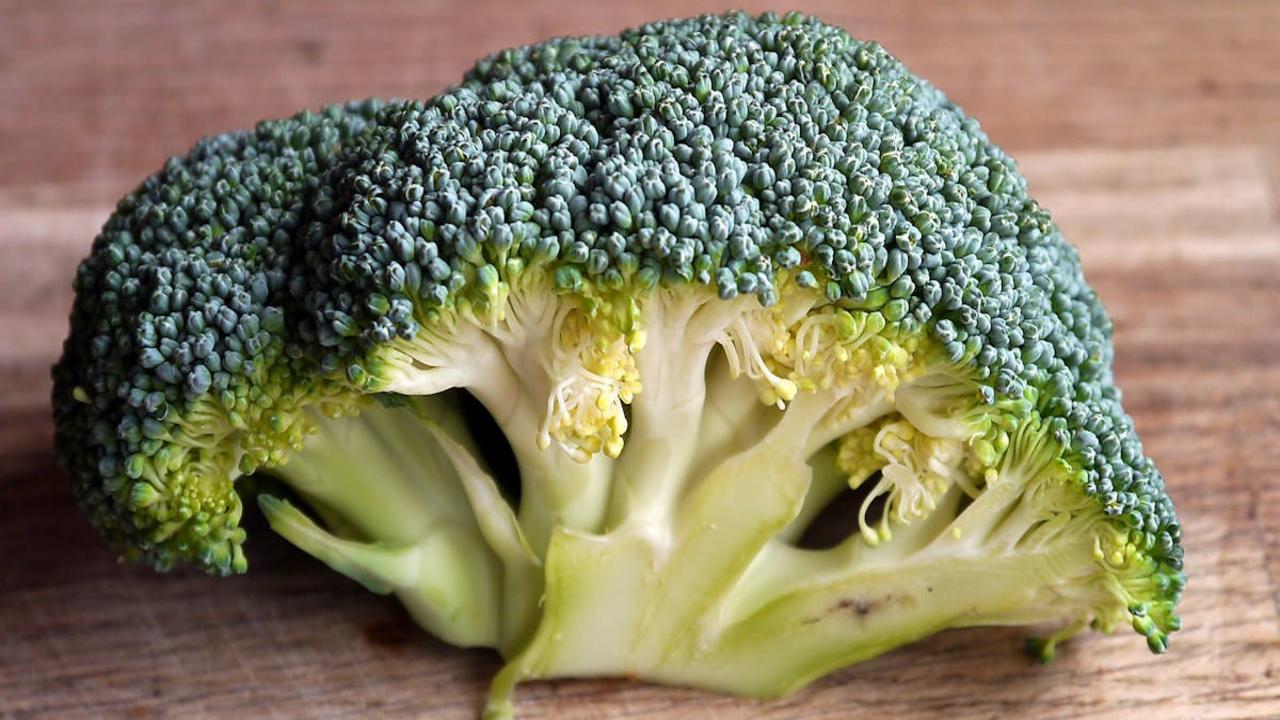
I’ll admit it – broccoli got a bad rap from every 90s sitcom featuring a kid pushing these green trees around their plate. But here’s the secret your parents never told you: homegrown broccoli bears no resemblance to its grocery store cousin. Fresh from your garden, these mini trees pack a sweet, nutty punch that’ll make you wonder if you’re eating the same vegetable. Plus, one broccoli plant keeps on giving – cut the main head, and it’ll reward you with smaller side shoots for weeks.
Your wallet will thank you too – organic broccoli can cost up to $5 per pound at specialty stores, but you can grow dozens of pounds from a $3 packet of seeds. Just plant them in early spring or fall (they love cool weather), give them plenty of sunshine and rich soil, and watch them flourish. Pro tip: sprinkle your homegrown broccoli florets with a dash of sea salt and roast them until the edges get crispy – they’ll vanish from the dinner table faster than you can say “eat your vegetables!”
Swiss Chard
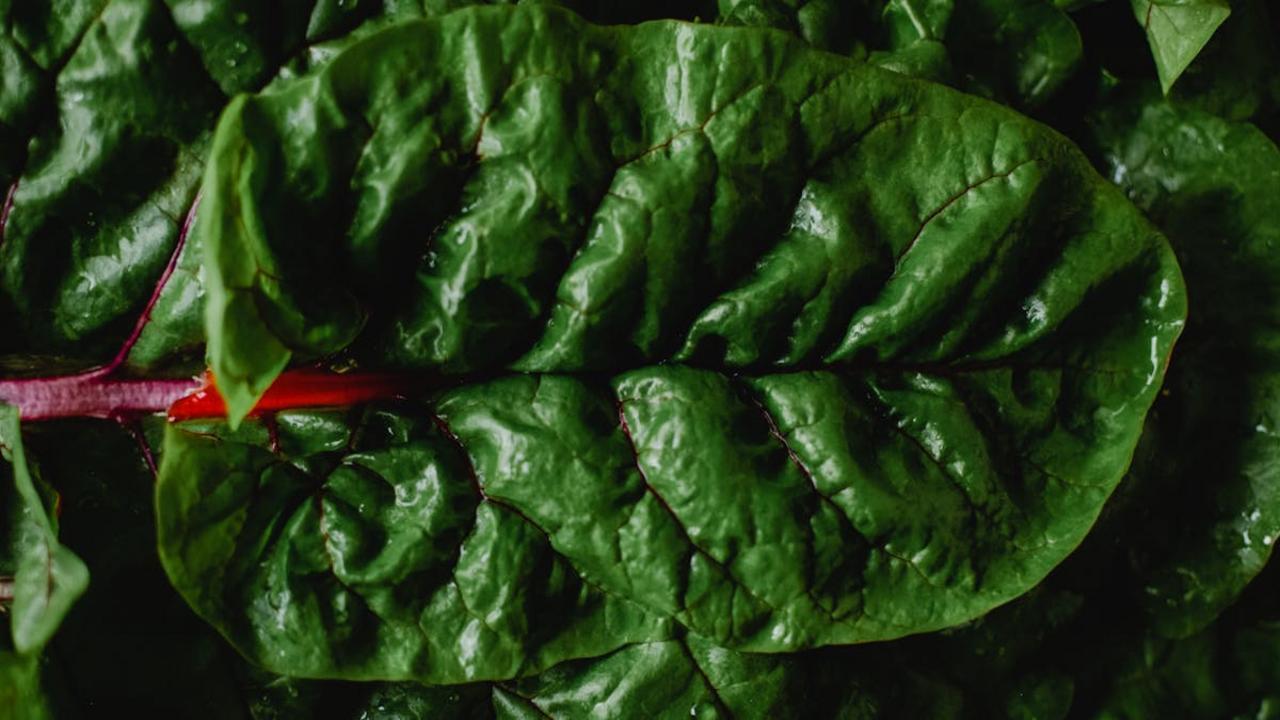
I like to call Swiss chard the “rainbow warrior” of my garden! Those gorgeous stems come in a carnival of colors – bright yellow, deep red, hot pink, and pure white – making your garden look like nature’s own light show. The dark green leaves pack more nutritional punch than spinach, and you’ll get fresh harvests from spring through fall. My favorite quick dinner hack? Chop those stems into bite-sized pieces, sauté them with garlic for 5 minutes, then toss in the leaves until they wilt – instant side dish that looks like you spent hours planning!
Here’s a cool garden tip: plant your Swiss chard near tall flowers or climbing beans – they’ll thank you by providing a bit of afternoon shade, which keeps the leaves extra tender and sweet. Unlike its fussy cousin spinach, Swiss chard laughs in the face of heat and keeps producing crisp leaves long after other greens have called it quits. You can even overwinter these tough plants in milder climates, making them the gift that keeps on giving. Plus, one plant yields about 24 servings throughout the season – talk about getting bang for your gardening buck!
Japanese Cucumbers
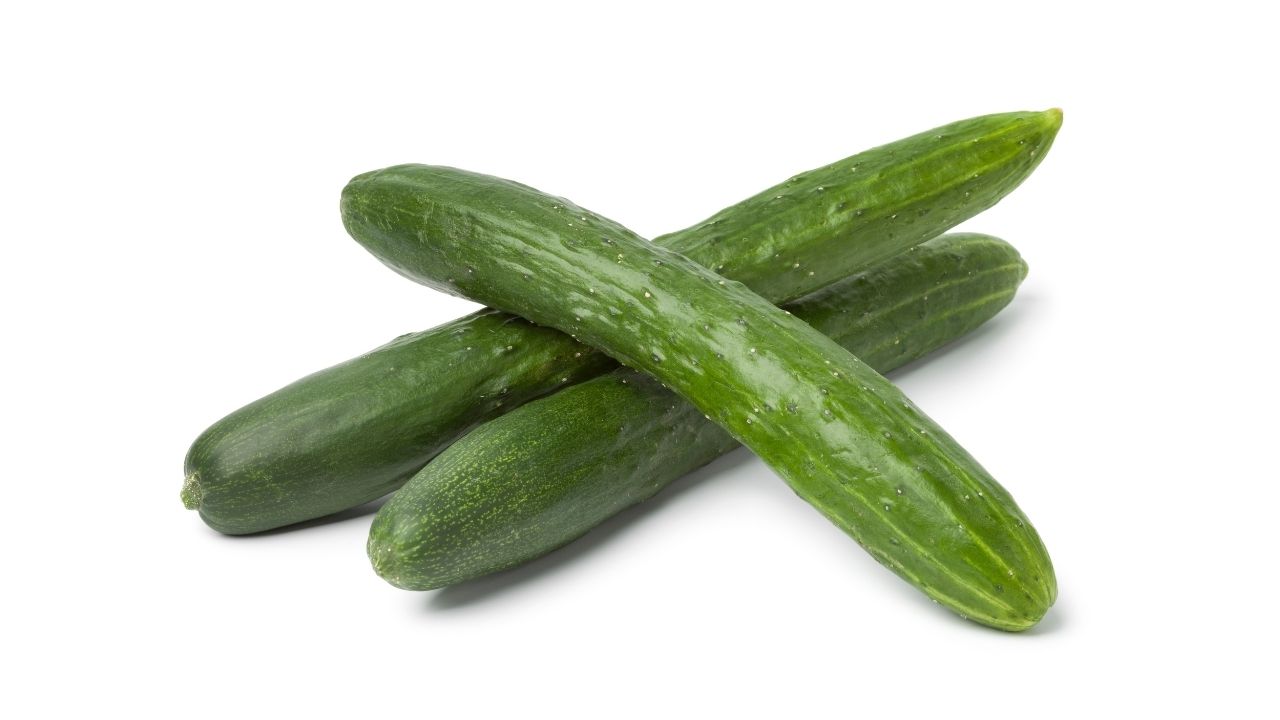
I’ve got a secret weapon growing in my garden that’ll make your ordinary salads do a happy dance – Japanese cucumbers! These slender green beauties pack more crunch and flavor than their American cousins, with barely any seeds to slow down your chopping rhythm. You’ll find these crispy characters staying firm and fresh longer than regular cucumbers, making them perfect for quick pickles or that last-minute dinner party you forgot about until now. The best part? They’re practically burp-free, thanks to their lower water content, so you can munch away without those awkward moments at the dinner table.
Growing Japanese cucumbers in your garden feels like having your own snack factory! These climbing champs need vertical support – I’ve seen mine scale a trellis like tiny green ninjas, keeping the fruits straight and picture-perfect. Unlike their bulkier relatives, Japanese cucumbers produce consistently throughout the season, giving you a steady supply for your kitchen adventures. One plant can keep pumping out cucumbers for weeks, and they’re so versatile you’ll never get bored – slice them paper-thin for sandwiches, chunk them up for stir-fries, or just eat them straight off the vine with a sprinkle of sea salt.
Sugar Snap Peas
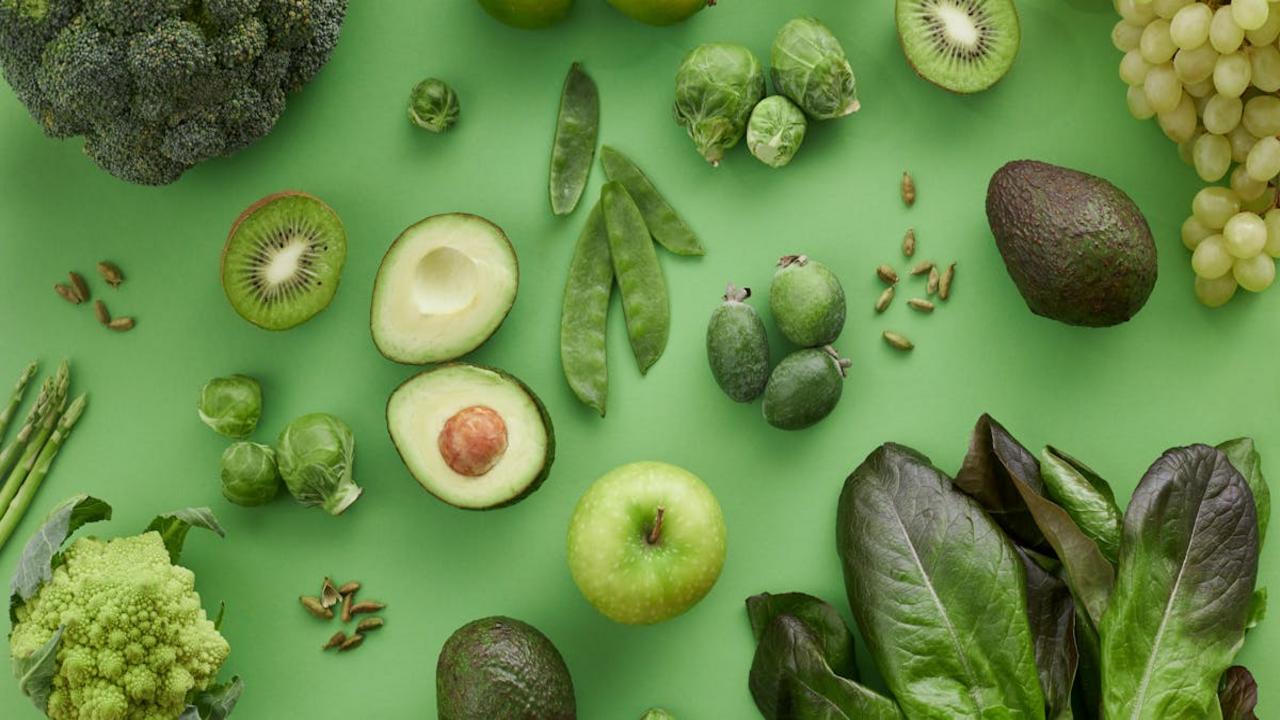
You haven’t lived until you’ve plucked a sugar snap pea straight from the vine and heard that satisfying *crunch* as you bite into its sweet, crispy goodness. These garden gems give you the best of both worlds – you can eat the whole pod and the peas inside, making them the ultimate lazy gardener’s dream crop. I grow these climbing beauties along my fence, where they transform into a wall of green within weeks, producing enough pods to keep me snacking through spring and early summer.
Your sugar snaps will thank you for giving them something to climb on – a trellis, fence, or even some sturdy twine will do the trick. Plant them as soon as the soil warms up in spring, and keep them happy with regular water and full sun. The magic happens about 60 days later when those white flowers transform into plump pods. Pro tip: grab them while they’re young and tender – if you wait too long, they’ll get tough and stringy. These sweet treats shine in stir-fries, salads, or straight from the garden to your mouth (my preferred method). One plant can yield up to 20-30 pods, making them a true garden money-saver!
Strawberries
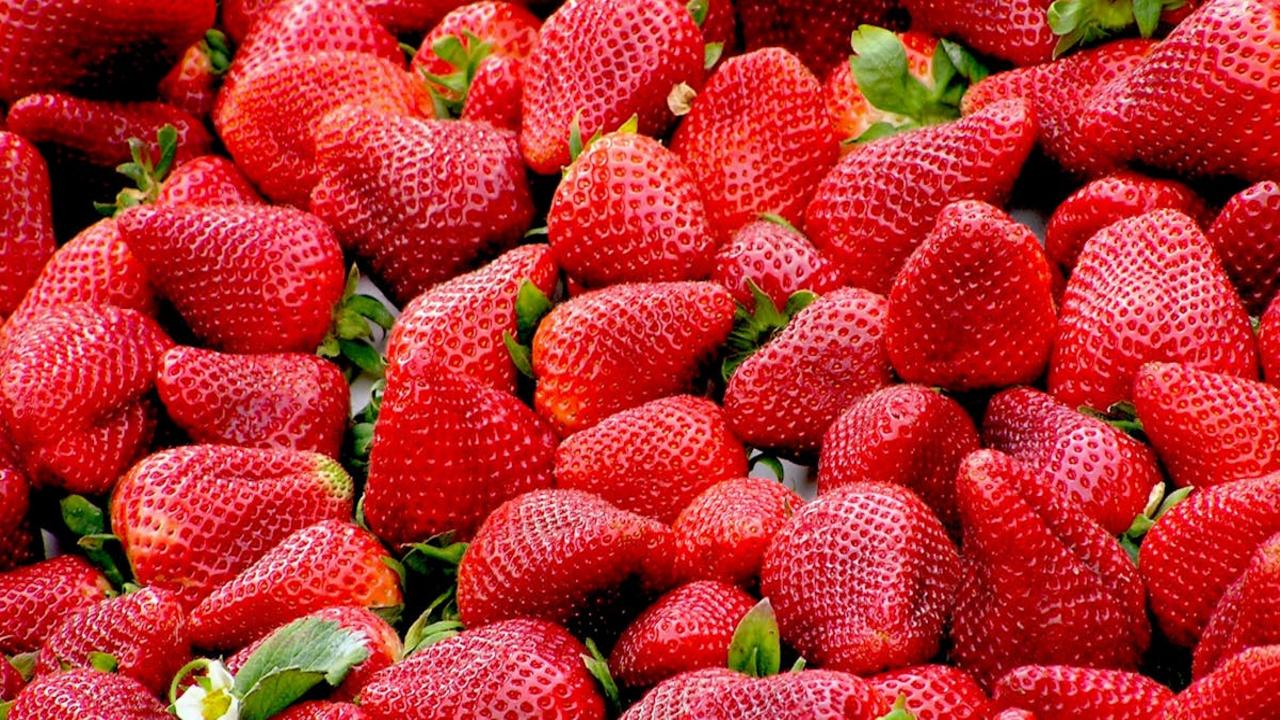
You haven’t lived until you’ve plucked a sun-warmed strawberry straight from your garden! These ruby-red jewels pack more vitamin C than oranges and will transform your backyard into a sweet paradise. I grow mine in hanging baskets and tiered planters to maximize space and keep the berries off the ground – a trick I learned after my first crop became an all-you-can-eat buffet for local chipmunks. The best part? A small strawberry patch can yield pounds of fruit throughout the season, saving you big bucks at the grocery store.
Want the juiciest berries? Plant them in full sun and give them consistent water – but not too much! My neighbor Beth drowned her strawberries with love (and overwatering) last summer, turning them into mushy disappointments. The right balance creates berries so sweet and flavorful, you’ll wonder why store-bought versions exist. Plus, home-grown strawberries make the most incredible jams, pies, and smoothies. I freeze my summer surplus for winter treats, though honestly, most never make it past my kitchen counter – they’re just too irresistible fresh!
Arugula

I call arugula the “rock star of salad greens” because this peppery leaf brings attitude to every dish it touches! You can grow this feisty green right in your backyard, and it’ll reward you with multiple harvests throughout the season. The best part? Arugula doesn’t demand much space – you can grow it in containers, raised beds, or tucked between other vegetables. Just scatter the seeds, keep the soil moist, and within 3-4 weeks, you’ll have baby leaves ready to add their signature kick to your meals.
Your homegrown arugula will make store-bought versions look downright boring. Beyond salads, I love tossing fresh arugula into pasta right before serving – the heat gently wilts the leaves and releases their peppery goodness. Want a real flavor bomb? Try making arugula pesto by blending these spicy leaves with pine nuts, garlic, olive oil, and parmesan. One plant gives you endless possibilities, from jazzing up pizzas to creating bold sandwiches. Plus, arugula packs a nutritional punch with high levels of vitamin K, calcium, and potassium – making it both a flavor powerhouse and a health superstar.
Fingerling Potatoes
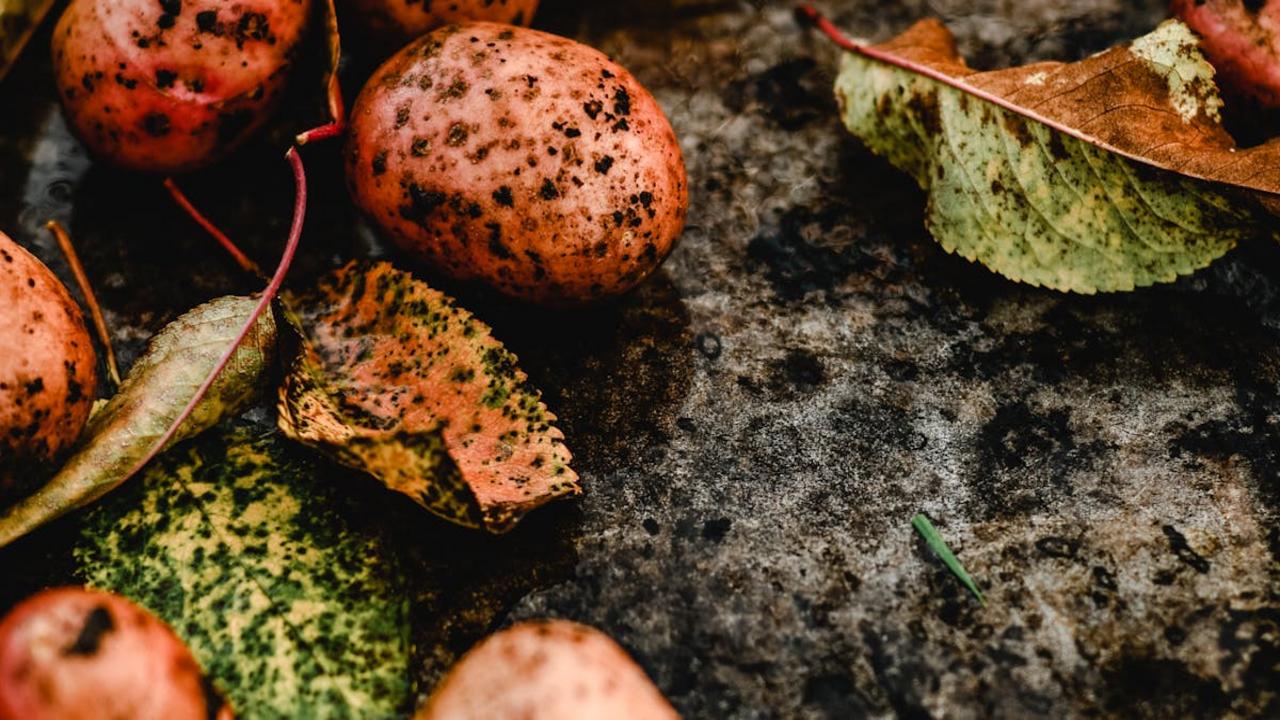
You’ll never find a potato more adorable than the fingerling! These tiny, finger-shaped spuds pack more personality per square inch than their full-sized cousins. I grow these little charmers in my garden and can’t help but smile every time I dig them up – they look like a bunch of muddy fingers waving hello! The best part? You can grow them in containers if you’re short on space, and they’ll reward you with a bounty of buttery-textured potatoes that’ll make your dinner guests think you raided a fancy restaurant’s pantry.
Here’s the real magic: fingerlings don’t need peeling! Just give them a quick scrub, toss them with olive oil and herbs, and roast them until they’re golden brown. Their waxy texture means they hold their shape beautifully in potato salads and stay firm when boiled. Plus, their naturally nutty flavor makes them perfect for simple dishes where they can shine. My favorite quick recipe? Split them lengthwise, pan-fry them cut-side down in butter until crispy, then sprinkle with fresh herbs and sea salt. Simple, but absolutely divine!
Carrots
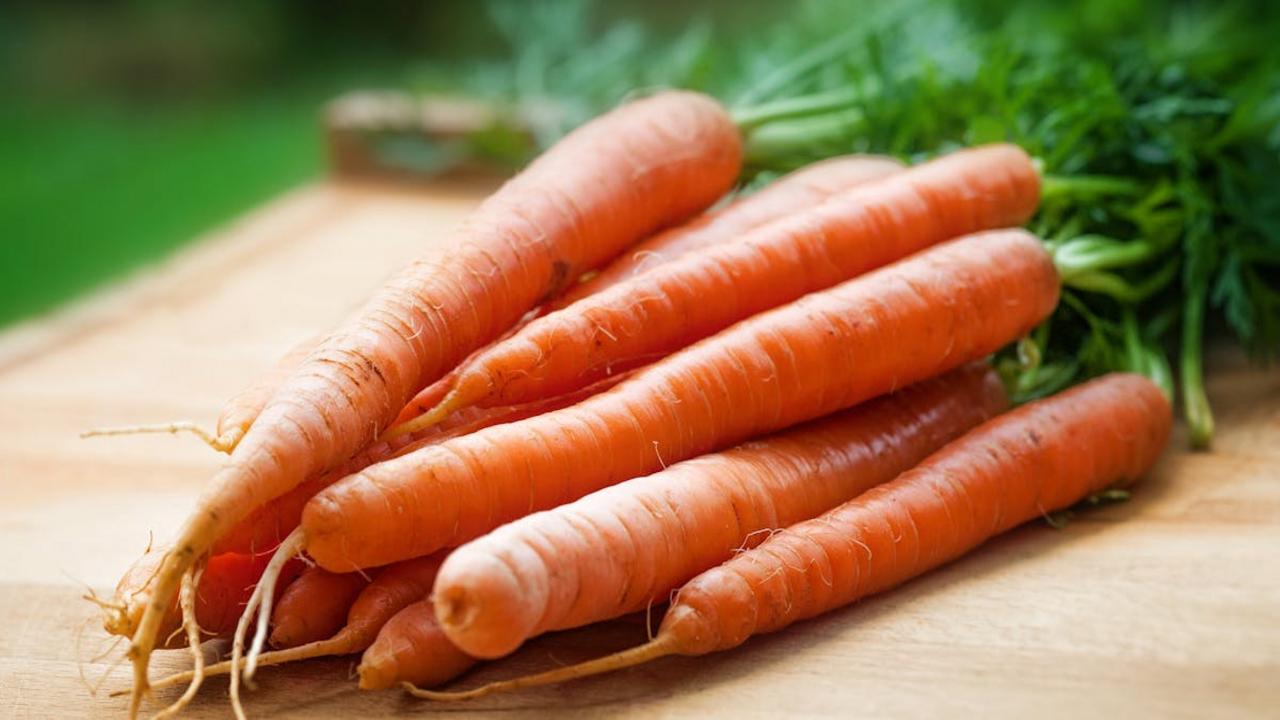
You’ll never meet a more versatile garden superstar than the humble carrot! These crunchy orange beauties will reward you with a bounty of sweet, nutrient-packed roots that go way beyond your basic side dish. I grow three varieties in my garden – the classic Nantes, the stubby Chantenay for heavy soils, and the purple Dragon variety that makes my salads look like modern art. The best part? You can leave them in the ground like a natural root cellar and pull them up whenever you need them during winter.
My favorite thing about growing carrots is watching kids’ faces light up when they pull their first one from the ground – it’s like a magic trick every time! Beyond the standard orange, you can grow white, yellow, red, and even black carrots. Each color brings its own nutritional punch and unique flavor profile. Pro tip: mulch your carrot bed with coffee grounds – not only does it keep the soil moist and deter pests, but it also gives your carrots a subtle flavor boost. Your homegrown carrots will make store-bought ones pale in comparison, both in sweetness and that satisfying snap when you bite into them fresh from the garden.
Ground Cherries
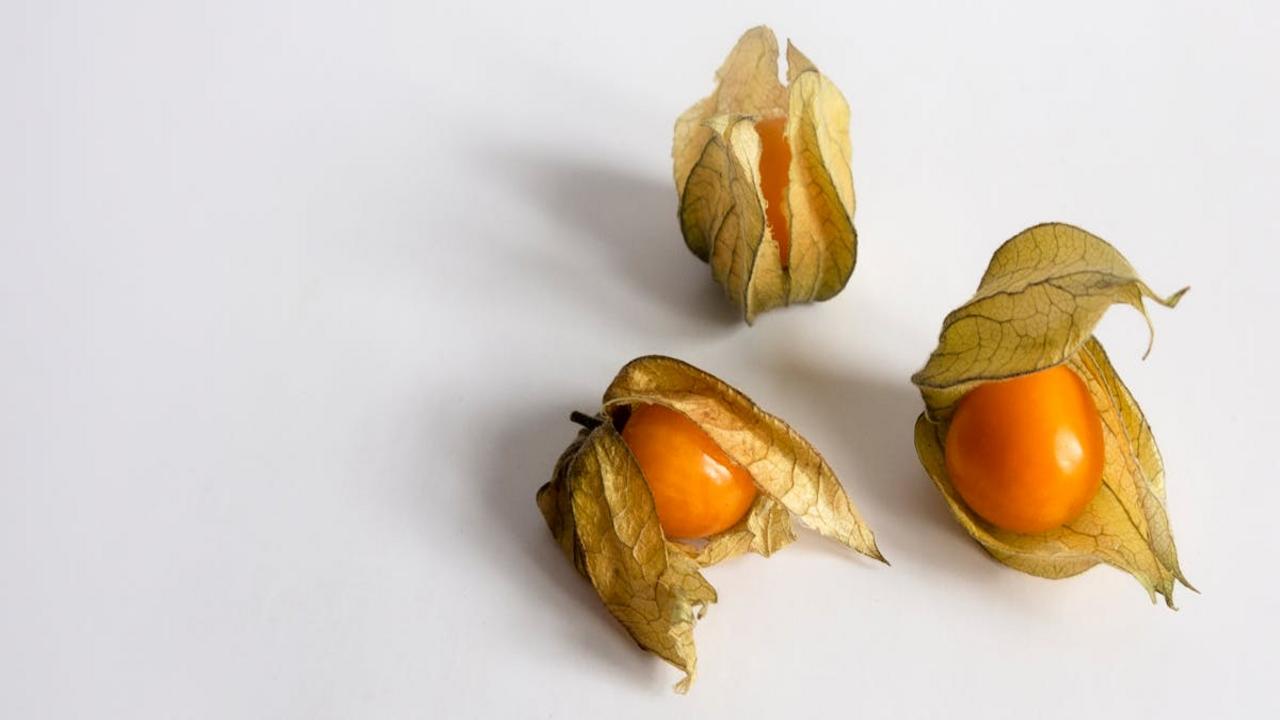
Meet your garden’s most adorable little secret – ground cherries! These tiny fruits look like mini paper lanterns and pack a flavor punch that’ll make you wonder why you haven’t grown them before. Think pineapple meets cherry tomato with a hint of vanilla thrown in for good measure. I grow these sweet little gems in my backyard, and watching kids discover them is pure entertainment – they literally drop to the ground when ripe, hence their name. Your timing has to be perfect though – pick them too early and you’ll pucker up from the tartness!
Growing ground cherries will turn you into the neighborhood’s most interesting gardener. These hardy plants practically take care of themselves and produce hundreds of fruits throughout the season. Just collect the fallen husked treats from the ground (after they’ve naturally dropped), and add them to pies, jams, or pop them straight into your mouth. Pro tip: if you find yourself with extras, freeze them right in their husks – they’ll keep their amazing flavor for months. And here’s a fun fact: despite their name, they’re actually part of the nightshade family, making them closer cousins to tomatoes than cherries!
Heirloom Tomatoes
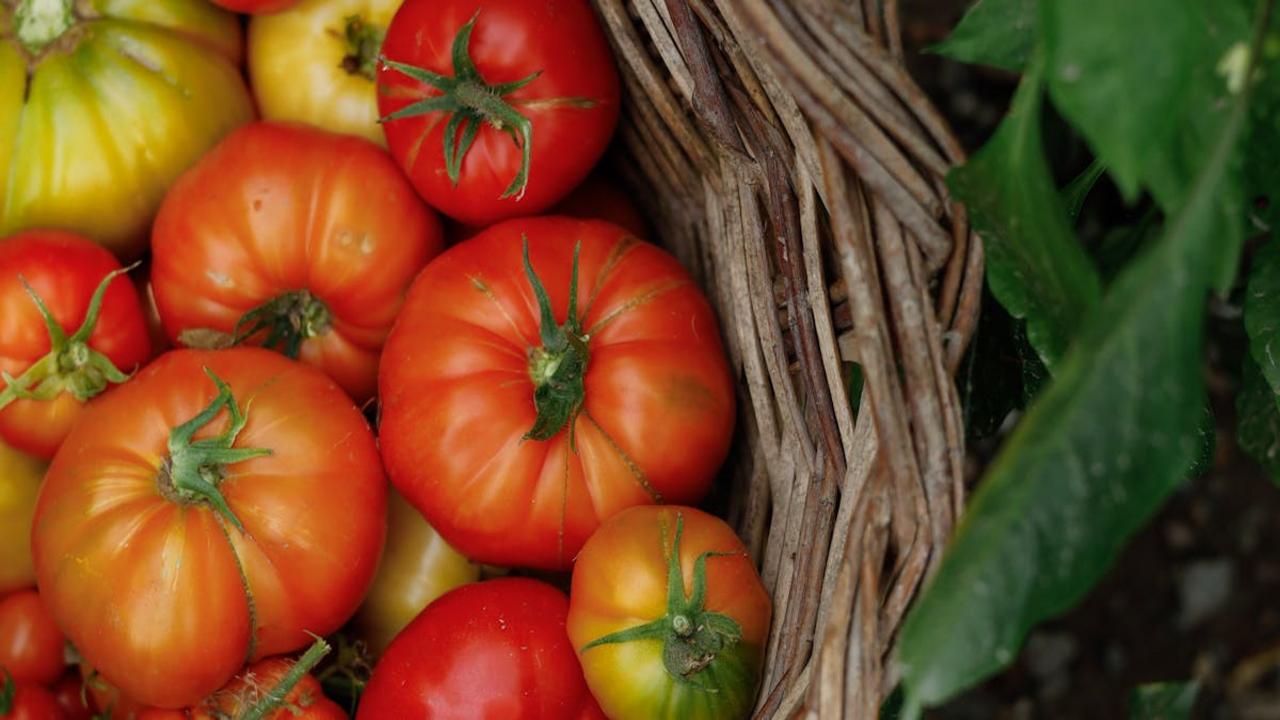
Oh my goodness, if you’ve never grown heirloom tomatoes, you’re missing out on nature’s candy in all its quirky, colorful glory! These beauties come in every shape, size, and color imaginable – from tiny yellow pear-shaped ones to massive purple-black beefsteaks that make regular supermarket tomatoes look downright boring. Each variety tells its own story, passed down through generations of gardeners who saved the seeds of their best plants. My personal favorite is the ‘Green Zebra’ – it looks like something from another planet but packs a punch of sweet-tart flavor that’ll make your regular BLT sandwich sing.
Growing heirloom tomatoes gives you bragging rights at summer barbecues and farmers’ markets, where these jewels can fetch premium prices. The best part? You don’t need a huge garden – even a sunny balcony with a large pot can support a productive plant. Just give them rich soil, consistent water, and plenty of support as they grow. Some varieties, like the ‘Brandywine’, can produce tomatoes weighing up to two pounds each! Want the juiciest results? Pick them right before they’re fully ripe and let them finish on your windowsill – the flavor will knock your socks off.
Fresh Herbs
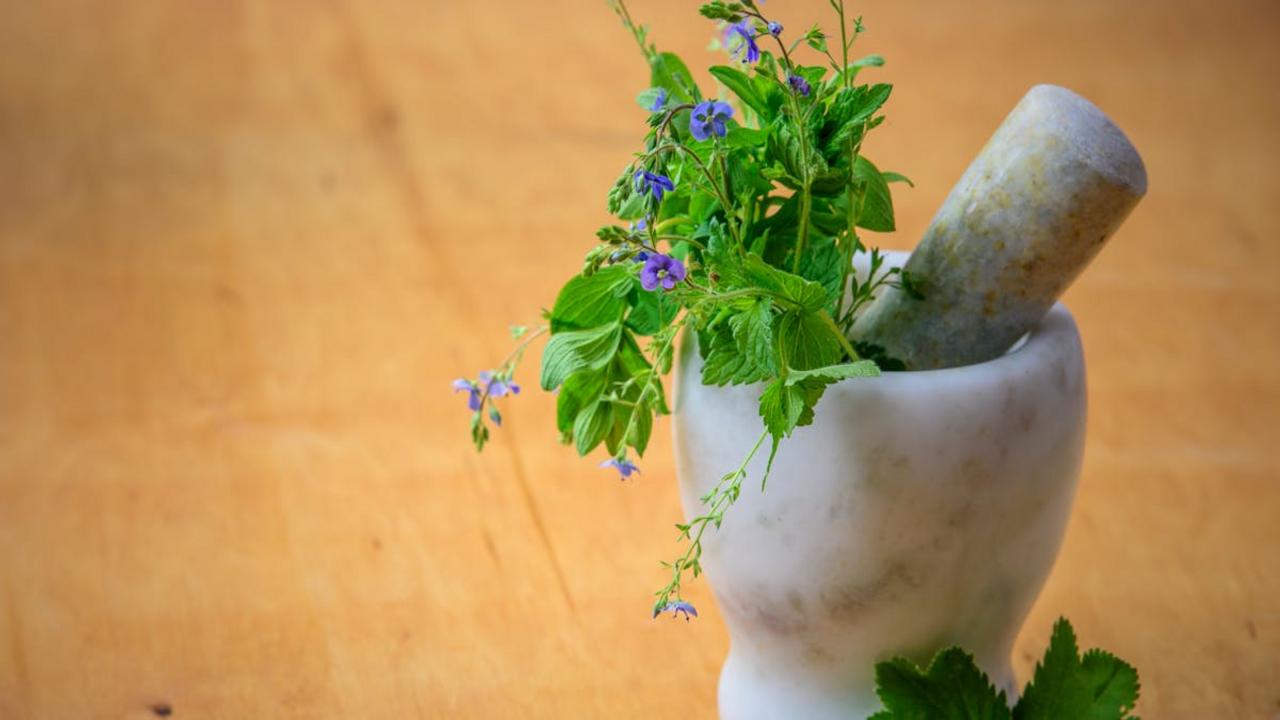
Want to add instant pizzazz to any dish? Fresh herbs from your garden will do the trick! I’ve transformed countless bland meals into restaurant-worthy creations with just a sprinkle of home-grown basil, thyme, or rosemary. These aromatic powerhouses pack more flavor punch than their dried counterparts – up to three times more intense! Plus, you’ll save a small fortune by skipping those tiny plastic packages at the grocery store that cost $3-4 each and often go bad before you can use them all.
Your herb garden can be as simple as a few pots on a sunny windowsill or as elaborate as a dedicated outdoor patch. Mint grows like crazy (maybe too crazy – keep it contained!), while basil gives you endless opportunities for fresh pesto. Cilantro bolts quickly in hot weather, but you can succession plant it every few weeks for steady supplies. Parsley, sage, and oregano stick around year after year with minimal fuss. The best part? Many herbs actually grow better and produce more leaves when you regularly snip them for cooking. It’s the garden gift that keeps on giving!