13 Best Grains to Make Your Meals More Flavorful, Textured, and Totally Delicious
Your pantry deserves better than the same old white rice and wheat pasta rotation. Ancient grains bring incredible depth to everyday meals, transforming boring bowls into exciting flavor adventures. These nutrient-packed powerhouses offer unique textures and tastes that make every bite more interesting.
From nutty farro to protein-rich amaranth, these thirteen grains will revolutionize how you think about whole foods. Each grain brings its own personality to the table – some are chewy, others are creamy, and many surprise you with their versatility. They work beautifully in everything from breakfast porridges to dinner salads.
Ready to shake up your meal routine? These grains prove that healthy eating never has to be bland or repetitive. Your family will love discovering new favorites while you enjoy knowing you’re serving wholesome, satisfying meals that fuel both body and soul.
Red Rice
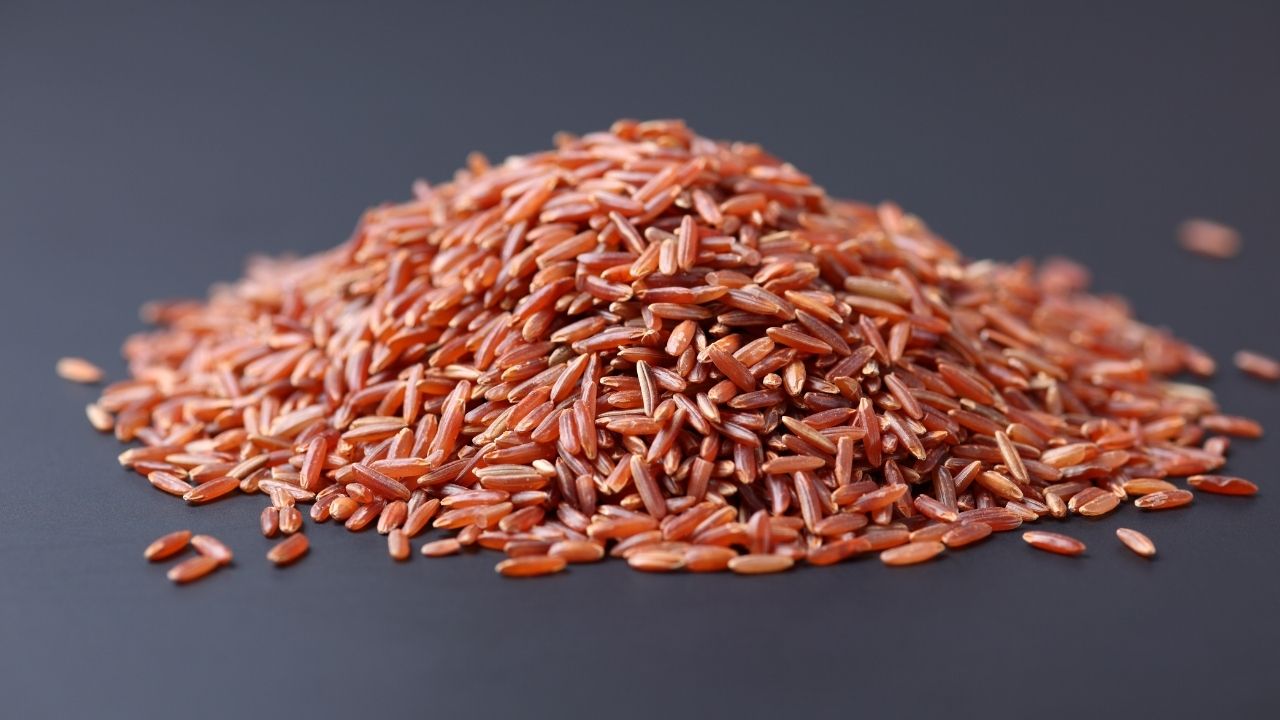
Red rice brings such beautiful color and earthy richness to your table! This gorgeous grain gets its striking reddish-brown hue from natural anthocyanins – the same antioxidants found in blueberries and red wine. You’ll love how red rice offers a slightly nutty flavor with a wonderfully chewy texture that makes every bite satisfying. I always keep this grain stocked in my pantry because it transforms ordinary meals into something special while packing impressive nutritional benefits.
Cooking red rice takes a bit more patience than white rice – usually around 45 minutes – but the results are absolutely worth the wait! You can substitute it in any recipe calling for brown rice, and it pairs beautifully with Mediterranean dishes, Asian stir-fries, or hearty grain bowls. Try mixing cooked red rice with roasted vegetables, fresh herbs, and a drizzle of olive oil for a stunning side dish. The fiber content keeps you feeling full longer, while the mineral content supports your overall wellness goals. Your family will be impressed by both the vibrant presentation and the rich, satisfying taste!
Black Rice
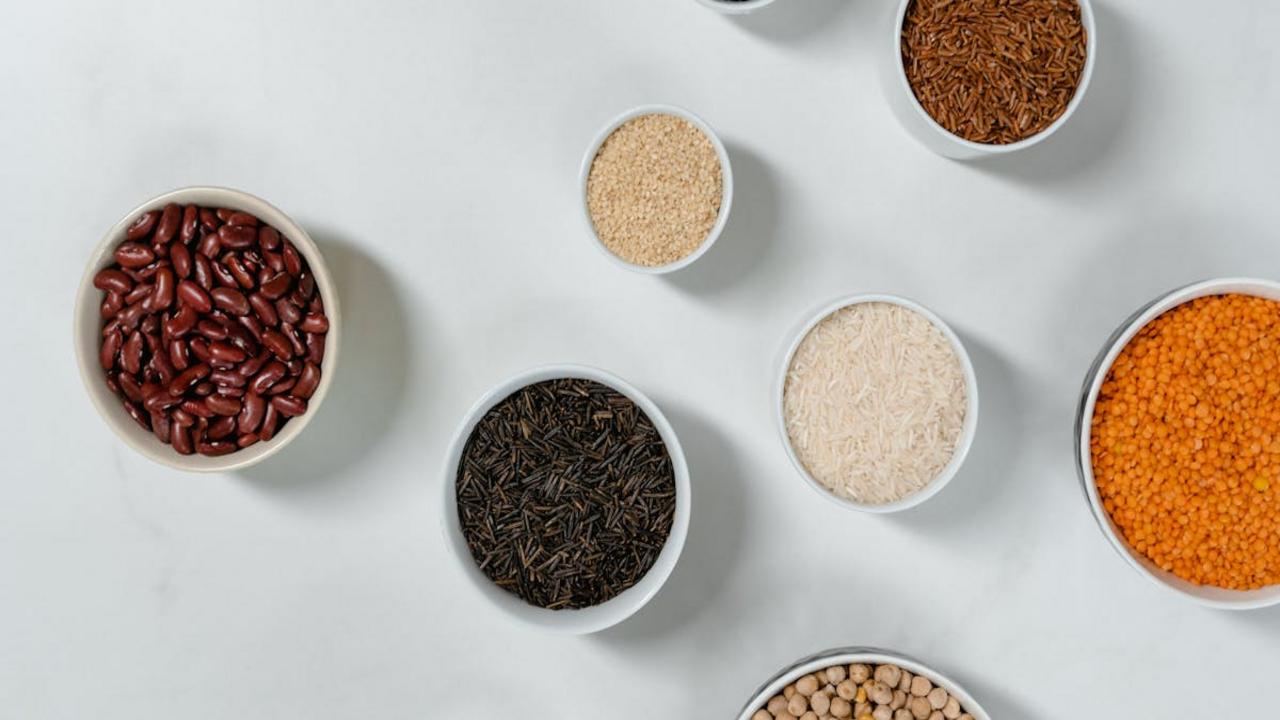
Black rice transforms your dinner plate into something magical with its deep purple-black color and naturally sweet, nutty flavor. This ancient grain packs more antioxidants than blueberries, giving you incredible nutritional value alongside its striking appearance. You’ll love how it pairs beautifully with both savory and sweet dishes – imagine it in a colorful Buddha bowl with roasted vegetables or mixed into a creamy coconut rice pudding for dessert.
Cooking black rice requires a bit more patience than white rice, needing about 30-35 minutes to reach that perfect chewy texture, but trust me, the wait pays off completely. The grains hold their shape wonderfully, making them perfect for salads, stir-fries, or as a stunning side dish that guests will definitely notice. You can cook a big batch on Sunday and use it throughout the week – it keeps beautifully in the fridge and actually tastes better the next day as the flavors develop.
Job’s Tears
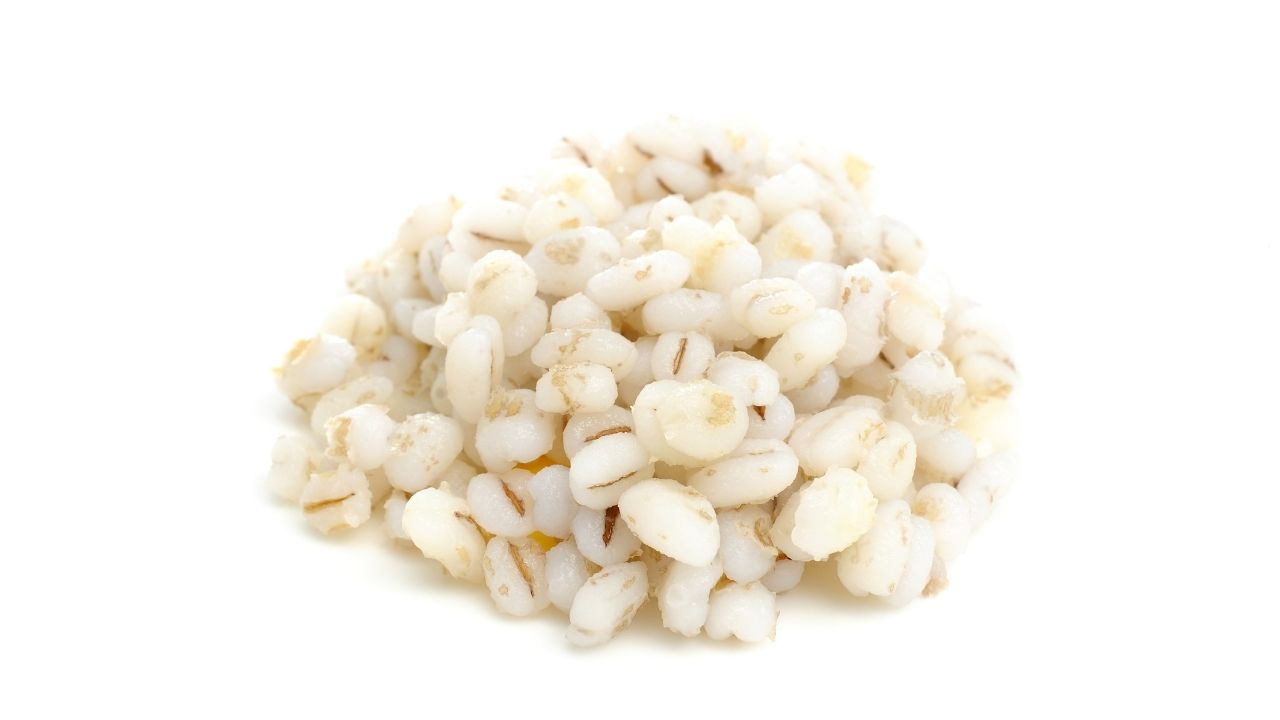
Job’s Tears might sound like an unusual name for a grain, but trust me – this ancient seed deserves a spot in your pantry! Originally from Southeast Asia, this pearl-like grain has been nourishing families for thousands of years. What makes Job’s Tears special is its incredible chewy texture that’s somewhere between barley and tapioca pearls. The flavor profile is mild and slightly nutty, making it perfect for both sweet and savory dishes. You can find Job’s Tears at Asian grocery stores or online, and they’re often sold hulled and polished to a beautiful white color.
I love adding Job’s Tears to soups and stews where they act like natural thickeners while providing satisfying bite. They’re fantastic in congee-style porridges, absorbing all those wonderful flavors while maintaining their pleasant chewiness. For a refreshing treat, try cooking them with coconut milk and a touch of palm sugar for a delightful dessert that’s popular throughout Asia. The best part? Job’s Tears are packed with protein, fiber, and essential amino acids, making them a nutritious alternative to rice or pasta. Just remember to soak them overnight before cooking to reduce the cooking time and achieve that perfect tender-chewy texture you’re looking for.
Buckwheat Groats
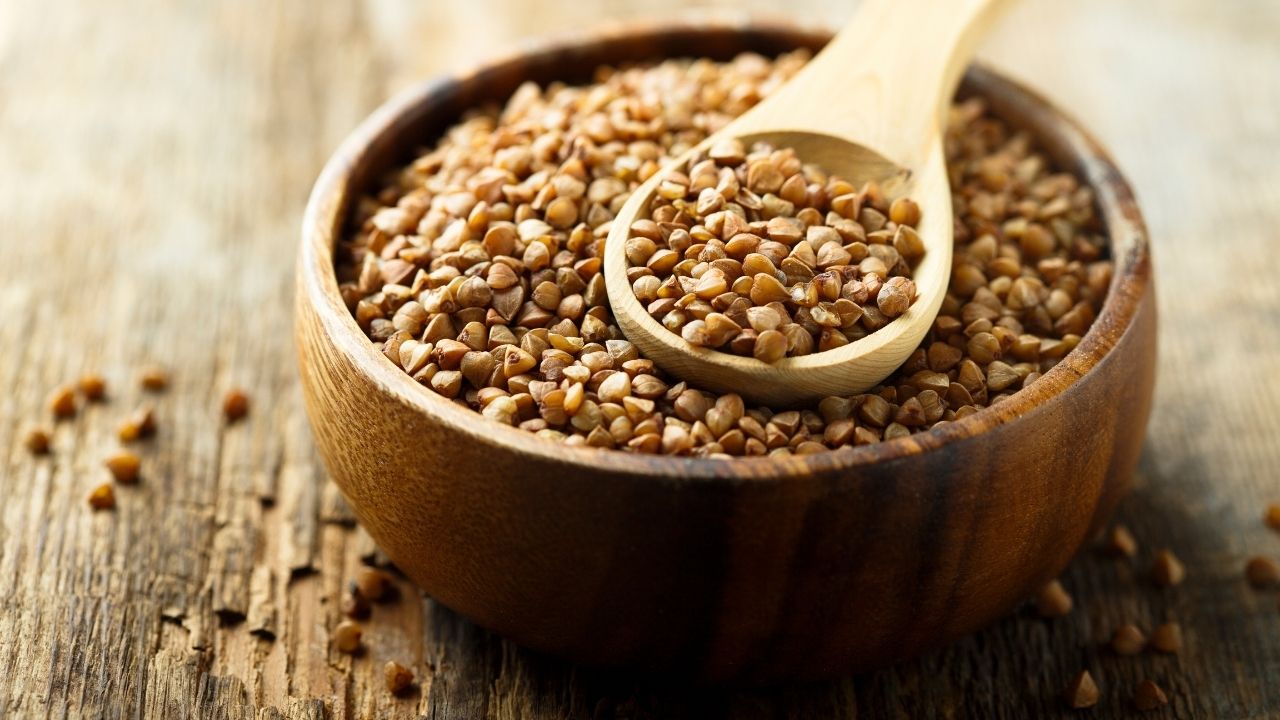
Don’t let the name fool you – buckwheat groats have absolutely nothing to do with wheat! These little triangular seeds come from a flowering plant and pack a serious nutritional punch that’ll make your taste buds dance. I love how versatile these gems are in the kitchen. You can toast them for a nutty, earthy flavor that’s absolutely divine, or cook them into a creamy porridge that rivals your favorite oatmeal. The texture is what really gets me excited – they maintain a lovely chew even after cooking, giving your dishes that satisfying bite you didn’t know you were missing.
What makes buckwheat groats truly special is their ability to transform any meal from ordinary to extraordinary. Try them in a warm breakfast bowl topped with fresh berries and a drizzle of honey, or toss cooked groats into salads for an unexpected protein boost. They work beautifully in soups and stews too, soaking up all those wonderful flavors while adding their own distinctive taste. Plus, they’re naturally gluten-free, making them perfect for anyone avoiding gluten. The best part? They cook up in just 15-20 minutes, so you can enjoy their wholesome goodness even on busy weeknights.
Spelt
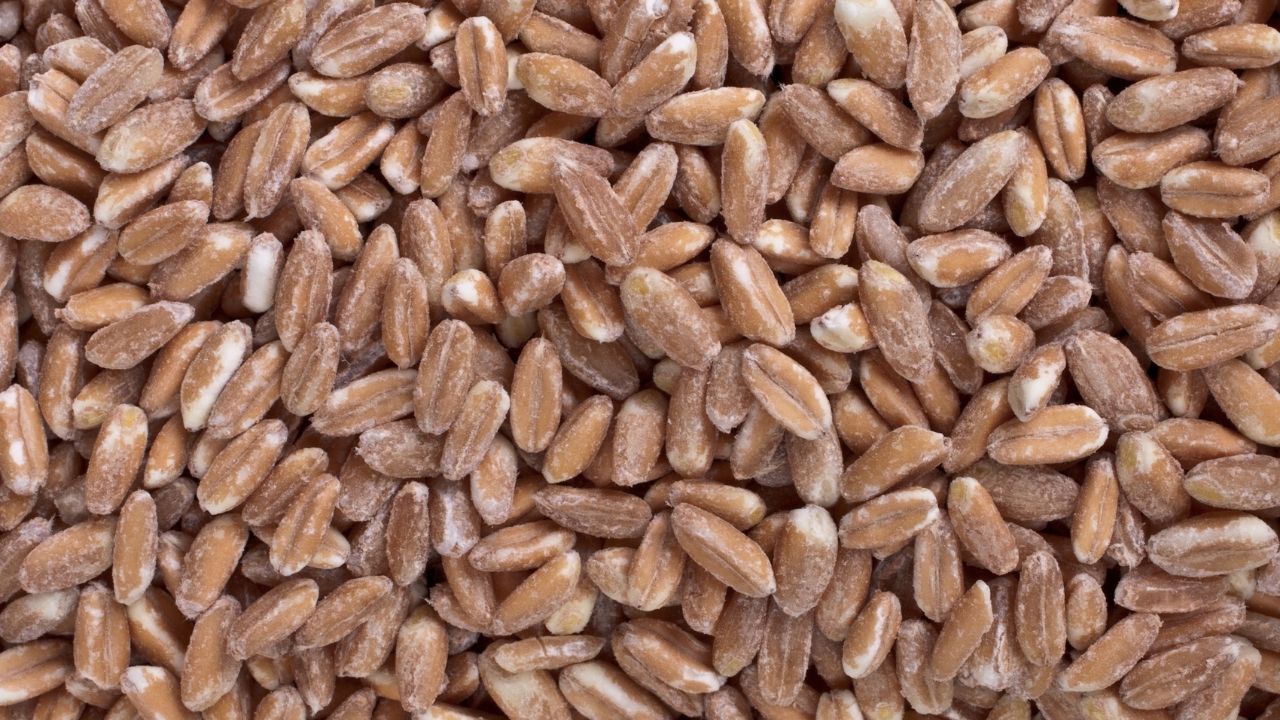
Spelt brings an incredible nutty depth to your cooking that makes even the simplest dishes feel restaurant-worthy. This ancient grain has been nourishing families for thousands of years, and once you try it, you’ll understand why it never went out of style. The texture sits beautifully between chewy and tender, giving your meals that satisfying bite that keeps you coming back for more. I love how spelt holds its shape during cooking, making it perfect for grain bowls, risottos, and hearty soups where you want each grain to shine.
You can swap spelt for rice in almost any recipe, but honestly, it brings so much more personality to the table. Try it in a warm salad with roasted vegetables and fresh herbs, or cook it pilaf-style with vegetable broth for an incredibly flavorful side dish. Spelt flour also works wonderfully in baking – your pancakes, muffins, and breads will have this gorgeous, complex flavor that regular wheat flour just can’t match. The best part? Spelt is easier to digest than modern wheat, so you can enjoy all that wholesome goodness without any of the heaviness.
Triticale
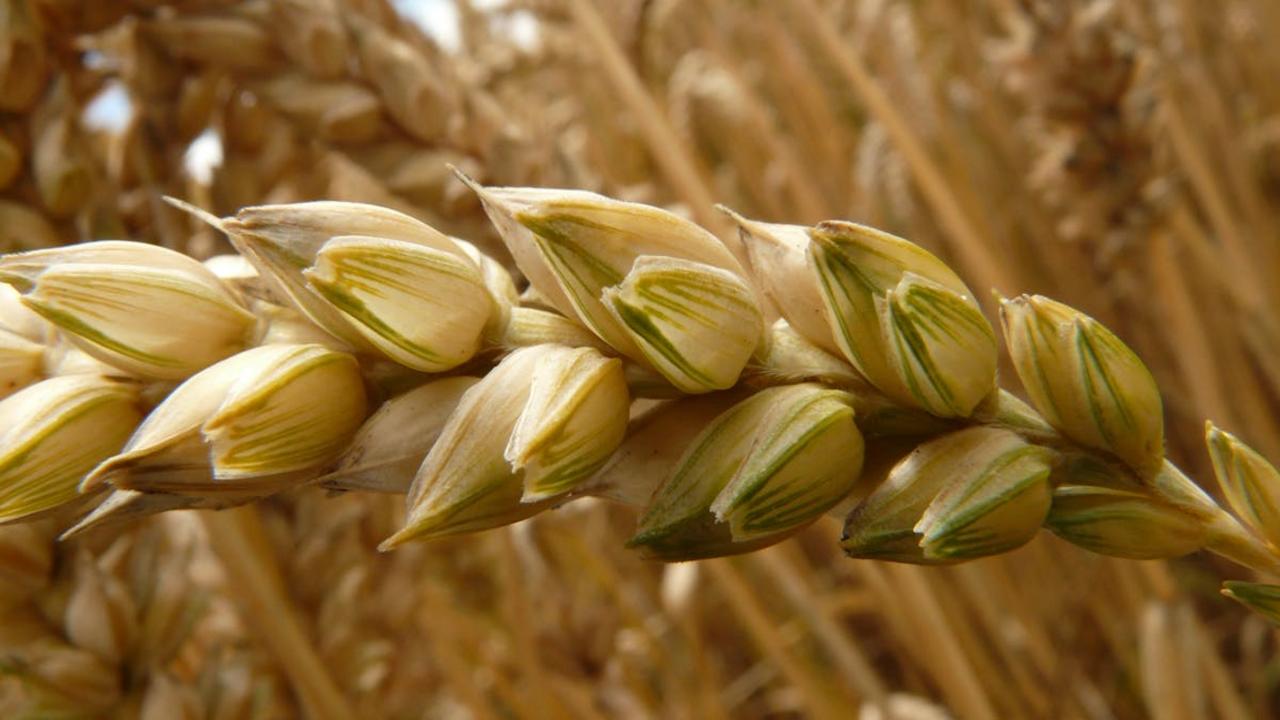
Triticale might sound like something from a science fiction movie, but this incredible grain is actually a real-world hybrid of wheat and rye that brings the best of both worlds to your kitchen. Created by crossing these two grains, triticale offers a nutty, slightly sweet flavor that’s more complex than regular wheat but milder than rye. You can find triticale flour at most health food stores, and it works beautifully in bread recipes where you want that hearty, rustic texture with a hint of sweetness. I love using triticale flour to make pancakes on weekend mornings – the flavor adds such depth compared to regular all-purpose flour.
What makes triticale really shine is its impressive nutritional profile. This grain packs more protein than wheat and contains higher levels of lysine, an amino acid that’s often lacking in other grains. You can cook whole triticale berries just like you would wheat berries or barley – they take about 45 minutes to become tender and chewy. Try adding cooked triticale to salads, soups, or grain bowls for an interesting texture that holds up well to bold dressings and sauces. The grain has this wonderful way of absorbing flavors while maintaining its own distinct character, making every bite more interesting than the last.
Millet
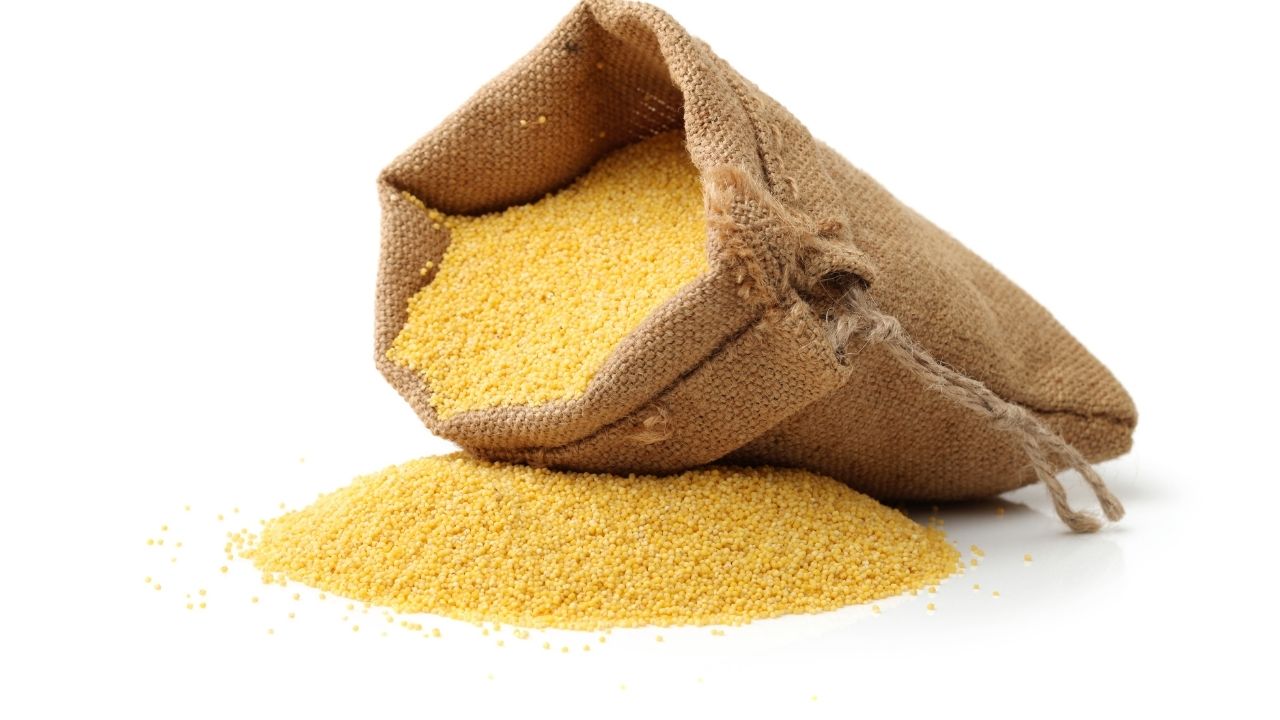
Millet might be small, but this ancient grain packs a serious nutritional punch that’ll transform your kitchen game completely. I love how versatile this tiny powerhouse is – you can cook it fluffy like rice, toast it for a nutty crunch, or even grind it into flour for baking adventures. The naturally sweet, corn-like flavor makes it incredibly easy to work with, and honestly, once you start experimenting with millet, you’ll wonder why you waited so long to try it.
What really gets me excited about millet is how forgiving it is for beginners and how it adapts to both sweet and savory dishes effortlessly. Try cooking it in vegetable broth for a protein-rich side dish, or mix cooked millet into your morning oatmeal for extra texture and staying power. I particularly love using it in grain bowls with roasted vegetables and a tahini drizzle – the combination of textures is absolutely divine. Plus, millet is naturally gluten-free and loaded with magnesium, making it a fantastic choice for anyone looking to add more wholesome grains to their weekly meal rotation.
Sorghum
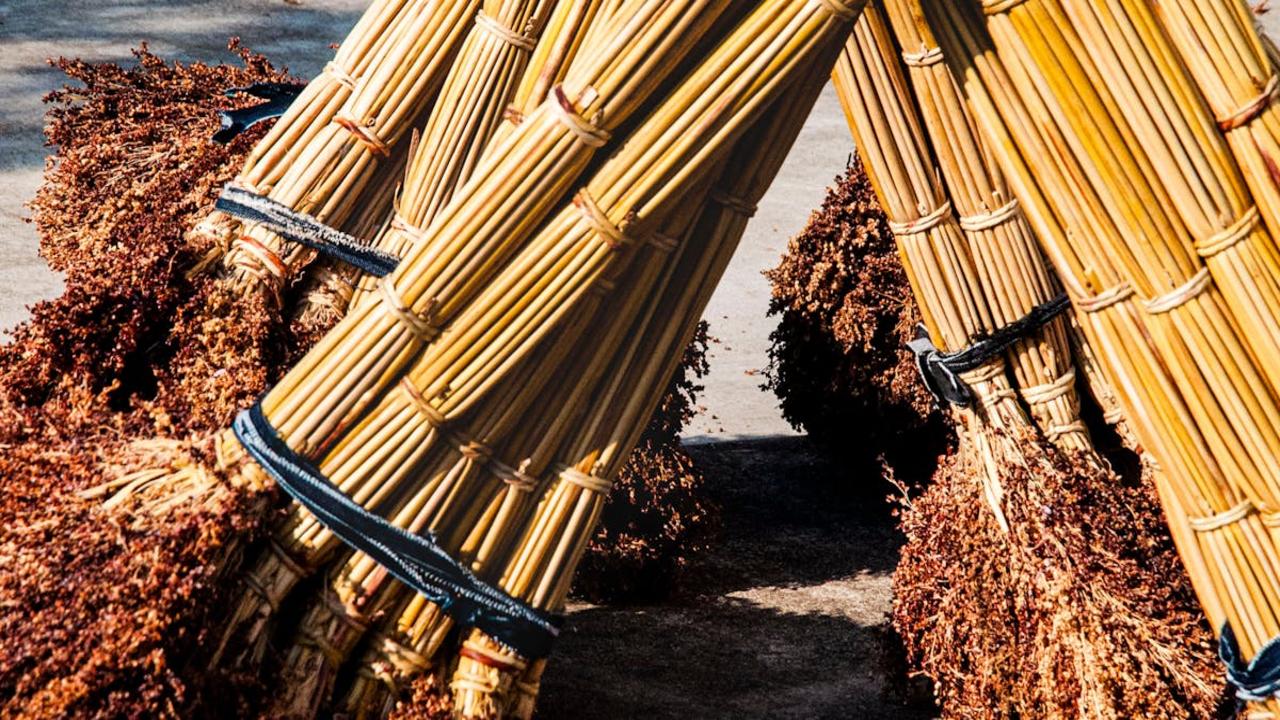
Sorghum might not be on your regular grocery list yet, but this ancient grain deserves a spot in your pantry! This naturally gluten-free powerhouse brings a wonderfully chewy texture and subtle sweetness that makes every bite interesting. I love how sorghum holds its shape beautifully when cooked, giving you those satisfying little pops between your teeth. You can find it in most health food stores, and trust me, once you start cooking with it, you’ll wonder why you waited so long to try it.
The beauty of sorghum lies in its incredible versatility – you can use it just like you would rice or quinoa, but with so much more personality. Try tossing cooked sorghum into grain bowls with roasted vegetables and a tahini drizzle, or mix it into soups for extra heartiness. I particularly enjoy making a warm sorghum salad with cranberries, toasted almonds, and fresh herbs for a side dish that steals the show. Since sorghum takes about 45-60 minutes to cook, I often make a big batch on Sunday and use it throughout the week in different ways.
Kamut
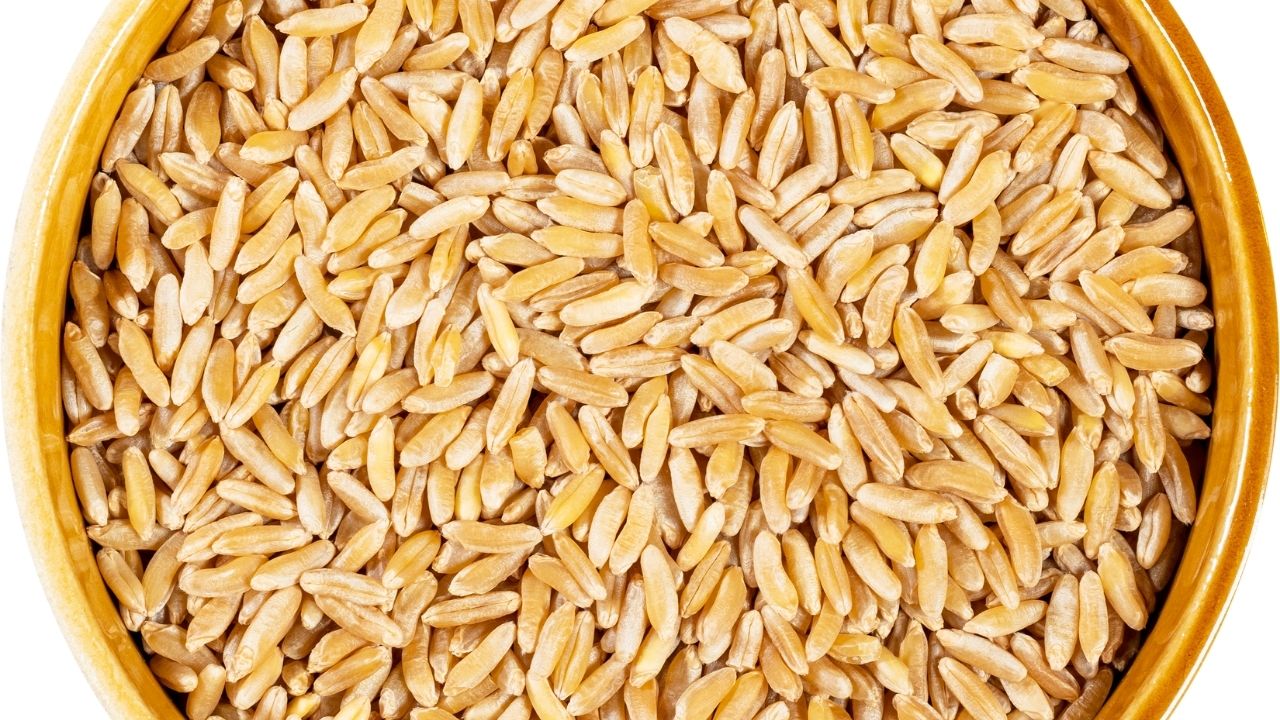
Get ready to meet your new favorite ancient grain! Kamut, also known as Khorasan wheat, brings an incredibly rich, buttery flavor that will transform your everyday meals into something special. This golden grain has been nourishing people for thousands of years, and once you taste its naturally sweet, nutty notes, you’ll understand why it deserves a permanent spot in your pantry. I love how Kamut adds such depth to everything from hearty grain bowls to warm breakfast porridge.
What makes Kamut truly shine is its wonderful chewy texture that holds up beautifully in soups, salads, and pilafs. You can cook it just like rice – simply simmer one cup of Kamut in three cups of water for about 45-60 minutes until tender. This powerhouse grain packs impressive nutrition too, loaded with protein, fiber, and minerals that keep you satisfied for hours. Try tossing cooked Kamut with roasted vegetables and a simple vinaigrette, or use it as a base for grain salads that get better as they sit. Trust me, this ancient grain will quickly become your go-to for adding substance and incredible flavor to any dish!
Amaranth
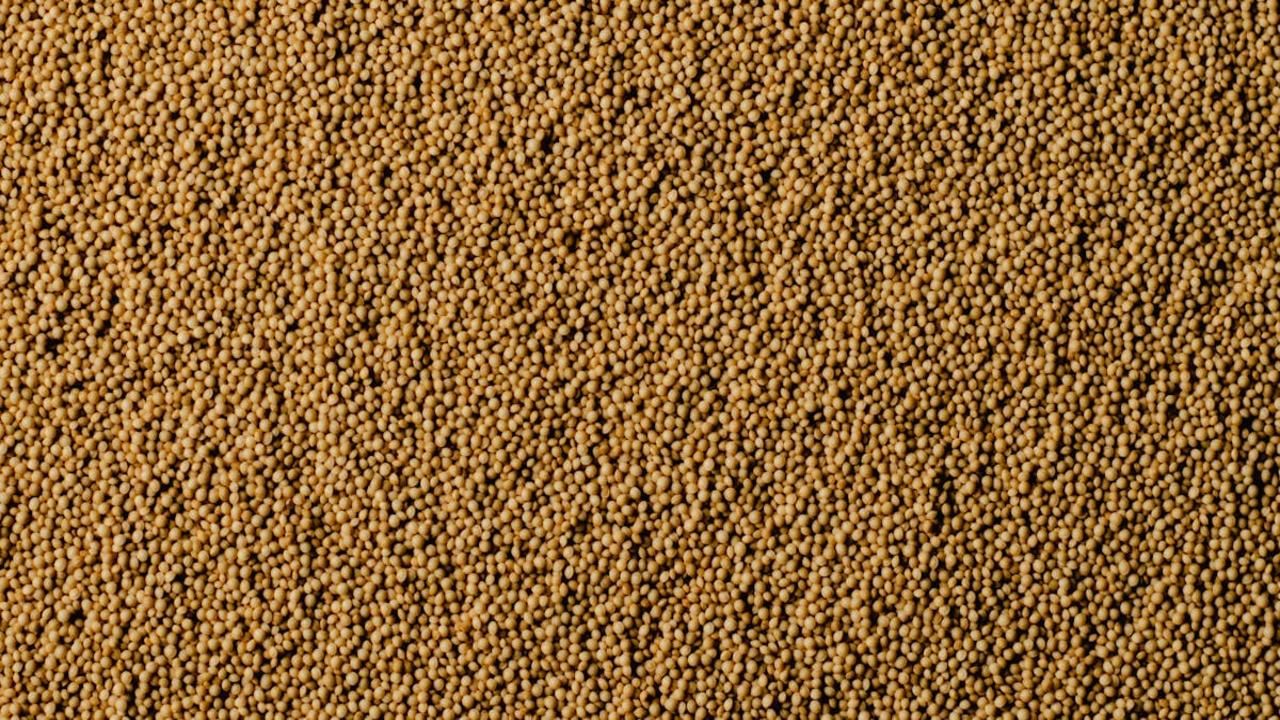
Amaranth brings something magical to your kitchen table that most people haven’t discovered yet. This tiny, seed-like grain packs more protein than quinoa and contains all nine essential amino acids your body craves. When you cook amaranth, it transforms into creamy, porridge-like perfection with a subtle nutty flavor that pairs beautifully with both sweet and savory dishes. I love how versatile this little powerhouse can be – you can pop it like tiny popcorn for a crunchy snack, blend it into smoothies for extra nutrition, or cook it traditionally as a hearty breakfast bowl.
The best part about cooking with amaranth? It’s incredibly forgiving and quick to prepare. Simply simmer one cup of amaranth with two and a half cups of water for about 20 minutes, and you’ll have a creamy base ready for whatever flavors you want to add. Try stirring in cinnamon and maple syrup for a cozy morning meal, or mix it with roasted vegetables and herbs for a satisfying dinner side. This ancient grain originally sustained the Aztecs, and now it can sustain your modern healthy lifestyle with its impressive amounts of iron, magnesium, and fiber. Trust me, once you start cooking with amaranth, you’ll wonder how you lived without this nutritious gem in your pantry.
Teff
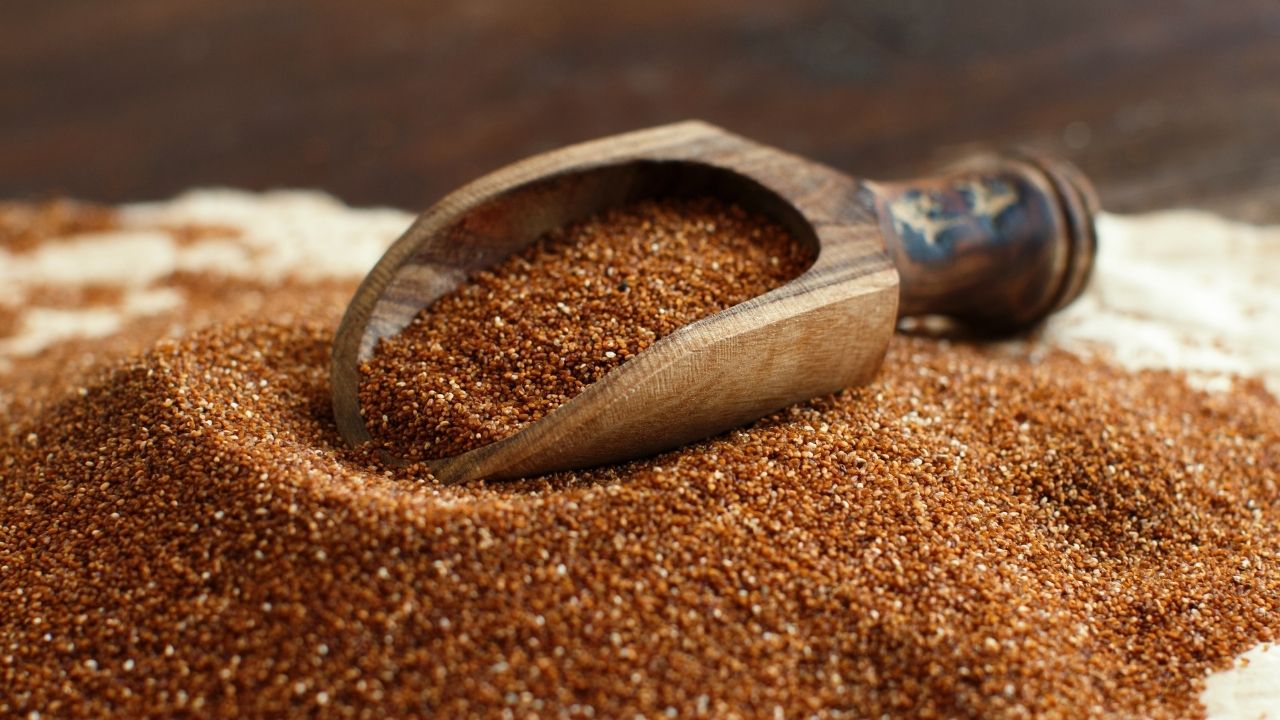
You know that tiny grain that packs more nutrition per spoonful than almost anything else in your pantry? That’s teff for you! This ancient Ethiopian grain might be small – seriously, it’s about the size of a poppy seed – but it brings incredible depth and a slightly sweet, nutty flavor that transforms ordinary dishes into something special. I love how teff adds this wonderful earthy richness to everything from breakfast porridge to dinner sides, and the best part is you’re getting a complete protein along with tons of iron, calcium, and fiber in every single bite.
What really gets me excited about teff is how versatile it becomes once you start cooking with it. You can toast the whole grains in a dry pan for a few minutes to intensify that nutty flavor, then simmer them like rice for a fantastic pilaf, or grind them into flour for pancakes and bread. The texture is absolutely delightful – slightly chewy with a pleasant pop that adds interest to salads, soups, and grain bowls. Plus, since teff is naturally gluten-free, it opens up so many possibilities for friends and family members who need to avoid wheat while still wanting satisfying, flavorful meals.
Freekeh
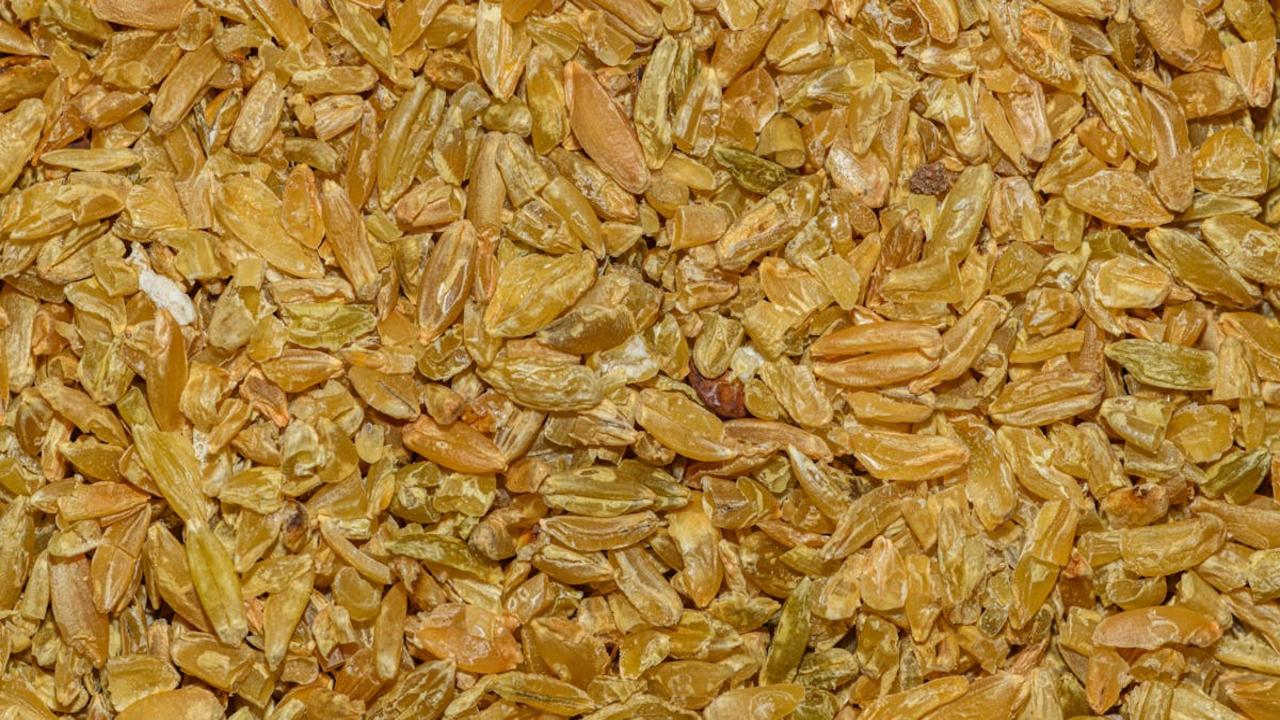
Freekeh brings a smoky, nutty character to your table that transforms ordinary meals into something extraordinary. This ancient grain comes from young green wheat that’s roasted over open fires, creating its signature earthy flavor that pairs beautifully with both Mediterranean and Middle Eastern dishes. You’ll love how its chewy texture holds up perfectly in hearty soups, grain bowls, and pilafs, adding substance without overwhelming other ingredients.
Your kitchen adventures will reach new heights with freekeh’s impressive nutritional profile – it packs more protein and fiber than brown rice while delivering a satisfying, almost meaty bite. Try toasting it lightly in a dry pan before cooking to intensify that wonderful smokiness, then simmer it in broth for extra depth. Whether you’re making a warm salad with roasted vegetables or a comforting soup for chilly evenings, freekeh brings that perfect balance of heartiness and sophistication that makes every meal feel special.
Farro
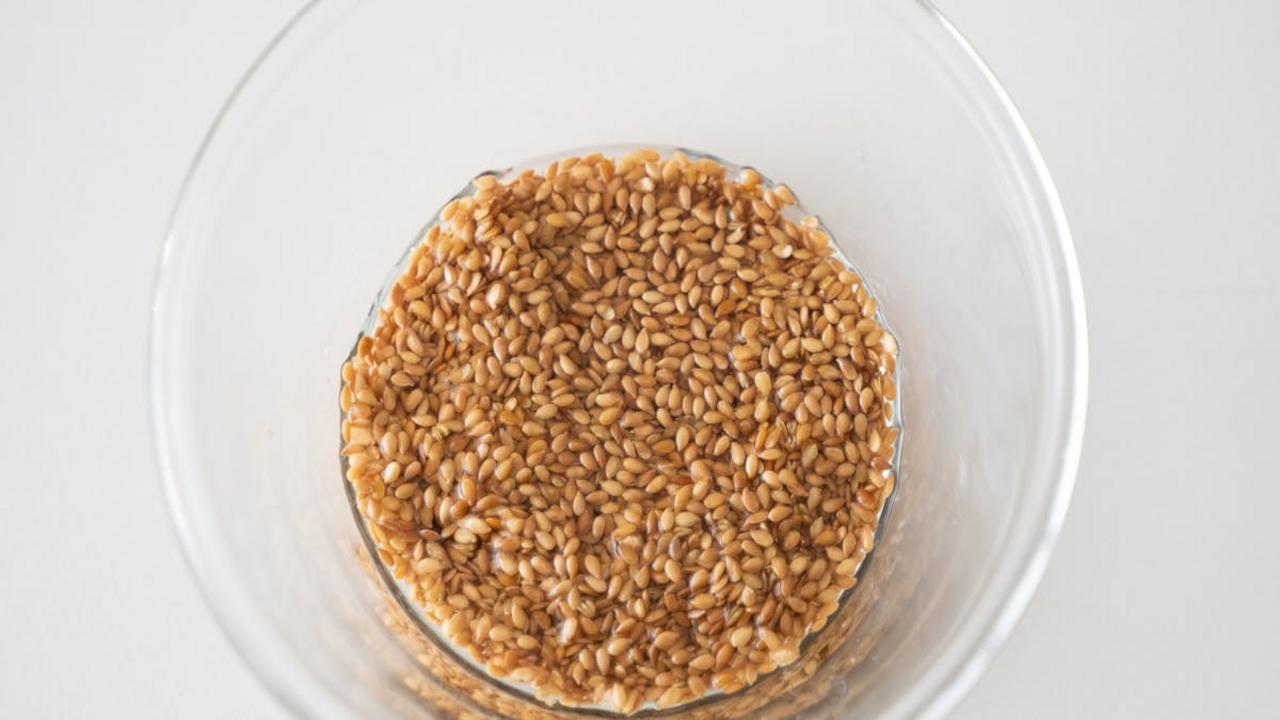
If you’ve never cooked with farro before, you’re in for such a treat! This ancient wheat grain brings an incredible nutty flavor and satisfying chewy texture that transforms ordinary dishes into something special. I love how versatile farro is – you can toss it into salads for extra substance, use it as a hearty base for grain bowls, or even stir it into soups for added protein and fiber. The grain holds its shape beautifully during cooking, which means you get that perfect al dente bite every single time.
What makes farro particularly amazing is how it soaks up flavors while maintaining its own distinct character. You can cook it in vegetable or chicken broth instead of water to boost the taste even more, and it pairs wonderfully with roasted vegetables, fresh herbs, and creamy cheeses. I often prepare a big batch on Sunday and use it throughout the week – it keeps well in the fridge and actually tastes better as the flavors meld together. Whether you choose pearled farro for quicker cooking or whole farro for maximum nutrition, this grain will quickly become your go-to for creating satisfying, wholesome meals that keep you full and happy.