13 Mood-Boosting Nutrients You Need and the Foods That Deliver Them
Your mood and mental well-being connect directly to what you eat. I’ve discovered through years of cooking that certain foods can lift your spirits naturally. From omega-3 rich salmon to zinc-packed lentils, specific nutrients work together to support your emotional balance and brain health.
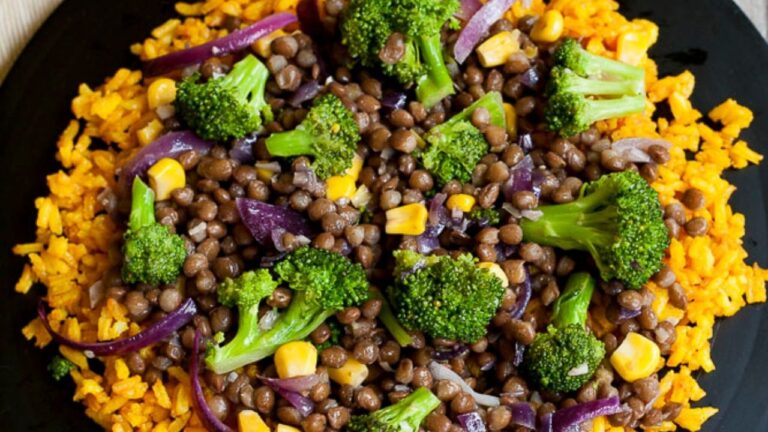
My kitchen experiments have shown me how simple ingredient swaps can transform not just your meals but your mindset too. Think swapping your regular pasta for black beans to boost iron intake, or adding cauliflower to your stir-fry for extra choline – these small changes make a big impact on how you feel.
I’ve put together this guide of 13 mood-enhancing nutrients and their food sources to help you create meals that nourish both body and mind. Each ingredient serves a purpose, working behind the scenes to keep your mood steady and your energy flowing throughout the day.
Choline Cauliflower
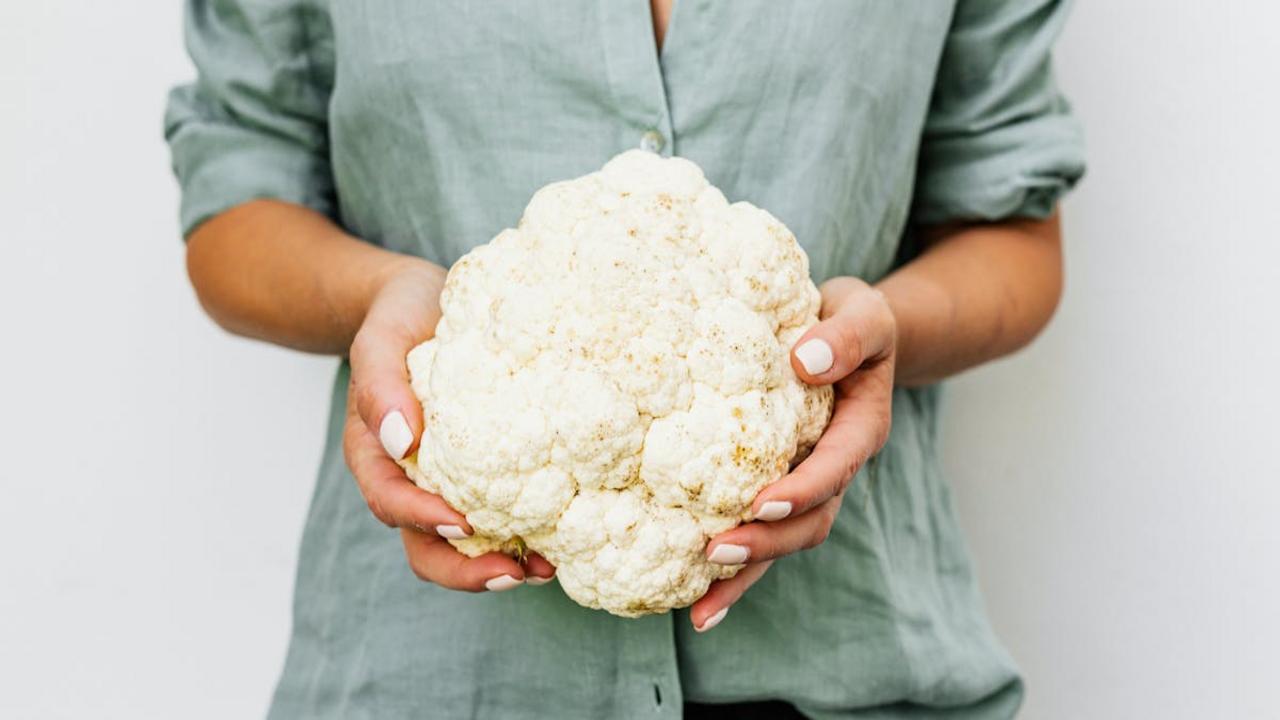
I always keep cauliflower in my kitchen because it packs a powerful punch of choline, a nutrient that helps boost your mood and brain function. This versatile vegetable contains about 177mg of choline per cup when cooked, making it one of the richest plant sources of this often-overlooked nutrient. Your body needs choline to make acetylcholine, a neurotransmitter that regulates memory and mood. Plus, cauliflower’s mild flavor means you can sneak it into countless dishes without changing their taste profile.
You’ll find endless ways to incorporate cauliflower into your meals – from roasting it with olive oil and garlic to turning it into a creamy soup or rice substitute. I love transforming it into a pizza crust by pulsing it in a food processor, mixing it with eggs and cheese, then baking until golden brown. The natural compounds in cauliflower also support liver function and help reduce inflammation throughout your body. Remember, steaming or light roasting preserves more nutrients compared to boiling, so adjust your cooking methods to get the most benefits from this mood-enhancing vegetable.
Tryptophan Oats
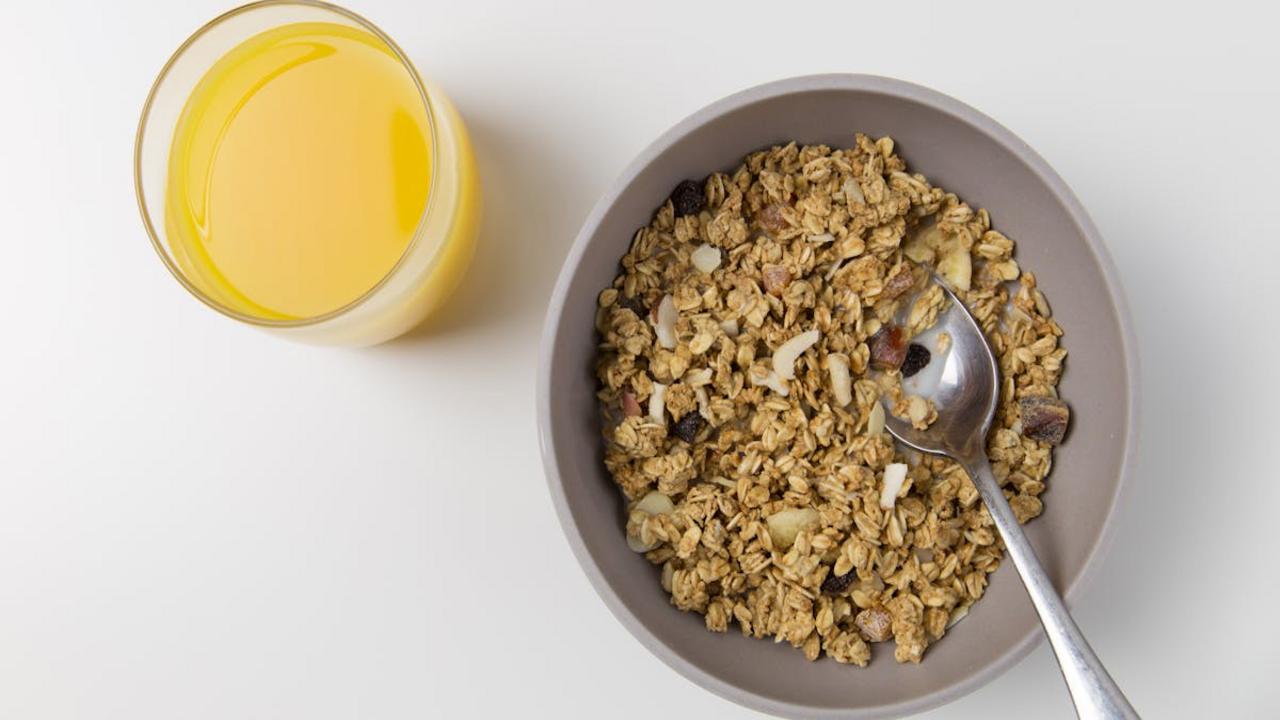
I love starting my mornings with a warm bowl of oats – they’re not just comforting but pack a powerful punch of tryptophan, an amino acid that helps your body produce serotonin, the “feel-good” chemical. My go-to recipe combines old-fashioned oats with sliced bananas, a drizzle of honey, and a sprinkle of cinnamon. This combination creates the perfect breakfast that lifts your mood and keeps you satisfied through busy mornings.
You can boost the tryptophan content of your oatmeal by adding pumpkin seeds, which contain high amounts of this mood-enhancing nutrient. I often mix in chia seeds and chopped walnuts for extra protein and healthy fats. The beauty of oats lies in their versatility – you can prepare them overnight with almond milk for a chilled version in summer or cook them with warming spices like nutmeg and cardamom during colder months. Your body will thank you for this nourishing start to the day.
L Theanine Black tea

Black tea brings more than just warmth and comfort to your daily routine – it contains L-theanine, an amino acid that naturally calms your mind while keeping you alert. I’ve found that drinking 2-3 cups of black tea throughout my day helps me stay focused without the jitters that coffee sometimes causes. The L-theanine works with caffeine to create a smooth, steady energy boost that won’t leave you crashing later.
You can maximize the L-theanine benefits from your black tea by steeping it properly. I recommend using water just below boiling point (around 200°F) and steeping for 3-5 minutes. Add a splash of milk or lemon if you like, though I prefer mine straight to really taste the complex flavors. If you’re sensitive to caffeine in the evening, try decaf black tea – it still contains L-theanine and can help you unwind before bed while supporting a positive mood.
Probiotics Sauerkraut

I’ve found that adding sauerkraut to your diet goes beyond just enhancing your meals – it’s a powerhouse of good bacteria that can boost your mood. This fermented cabbage dish contains billions of probiotics that support your gut health, which directly impacts your mental well-being through the gut-brain connection. The natural fermentation process creates beneficial compounds that help reduce inflammation and increase serotonin production, making you feel happier and more balanced.
Making your own sauerkraut at home brings even more benefits since you control the fermentation process and avoid unnecessary additives. I love mixing shredded cabbage with sea salt and letting nature do its work for 1-2 weeks. The result? A crunchy, tangy addition to sandwiches, salads, or as a side dish that not only adds flavor but also supports your mental health. The live cultures in homemade sauerkraut are particularly potent, offering maximum probiotic benefits that store-bought versions might lack due to pasteurization.
Vitamin B6 Bananas
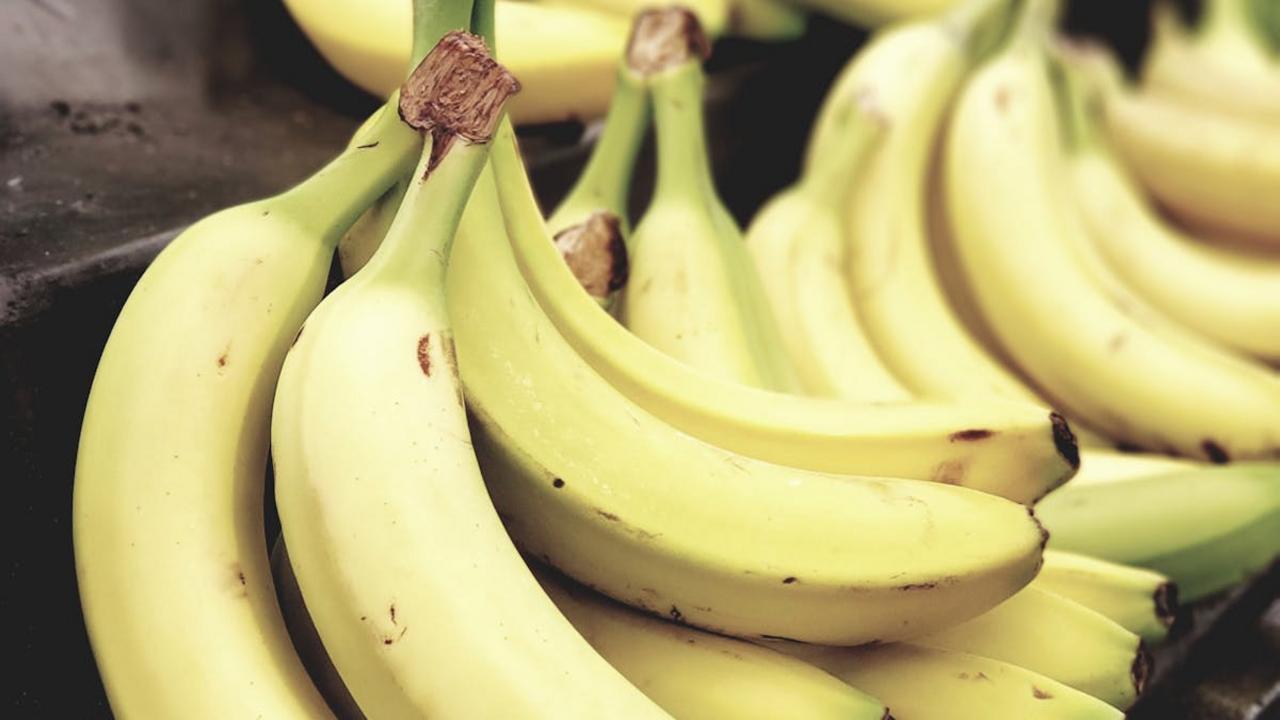
I’ve always considered bananas my go-to mood lifter, and science backs this up! These yellow powerhouses pack a generous dose of vitamin B6, which your body needs to make serotonin – the “happy hormone” that keeps your spirits high. One medium banana gives you about 20% of your daily B6 needs, making it a perfect quick snack when you want to boost your mood naturally. Beyond their B6 content, bananas also bring potassium, fiber, and natural sugars that work together to lift your energy levels.
You’ll find plenty of creative ways to enjoy bananas throughout your day. I love adding them to my morning smoothies, slicing them over whole-grain toast with almond butter, or freezing them for a creamy nice cream dessert. For a quick energy boost, I mash them into overnight oats or blend them into pancake batter. The natural sweetness makes them perfect for reducing added sugars in baking too. Remember to pick bananas with a few brown spots – they’re not only sweeter but also have more readily available nutrients.
Folate Brussels sprouts
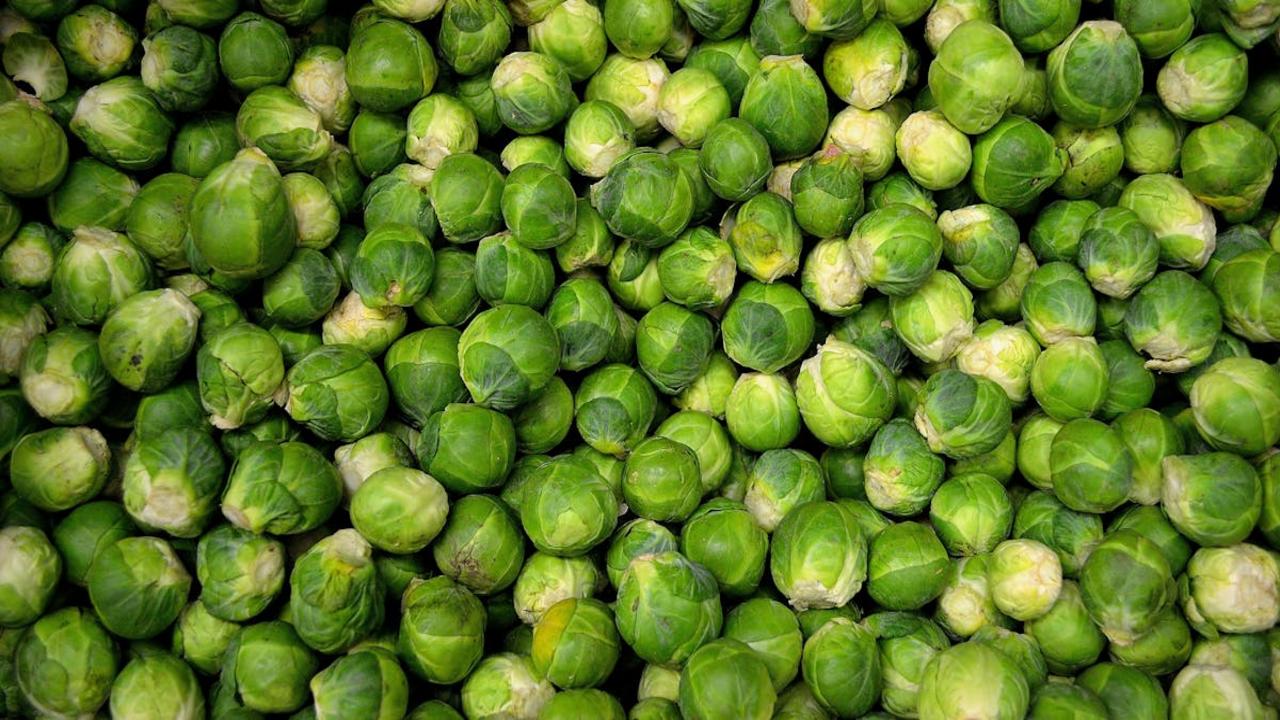
I’ve discovered that Brussels sprouts pack a powerful folate punch – a B vitamin that helps your body make DNA and other genetic material while supporting cell division. Just one cup of these mini cabbages delivers about 25% of your daily folate needs. The best part? You can roast them with olive oil and garlic until they turn golden brown and crispy, bringing out their natural sweetness. My go-to method involves halving them, tossing with seasonings, and roasting at 400°F for 20-25 minutes.
Beyond their folate content, Brussels sprouts offer additional mood-lifting benefits through their fiber and antioxidant compounds. Your gut bacteria thrive on the fiber, producing chemicals that communicate with your brain to influence mood. I love adding roasted Brussels sprouts to grain bowls, serving them as a side dish with proteins, or shredding them raw into salads. For maximum nutrition retention, avoid overcooking – you want them tender-crisp with bright green color. A quick steam or stir-fry also works beautifully while preserving their folate content.
Iron Black beans
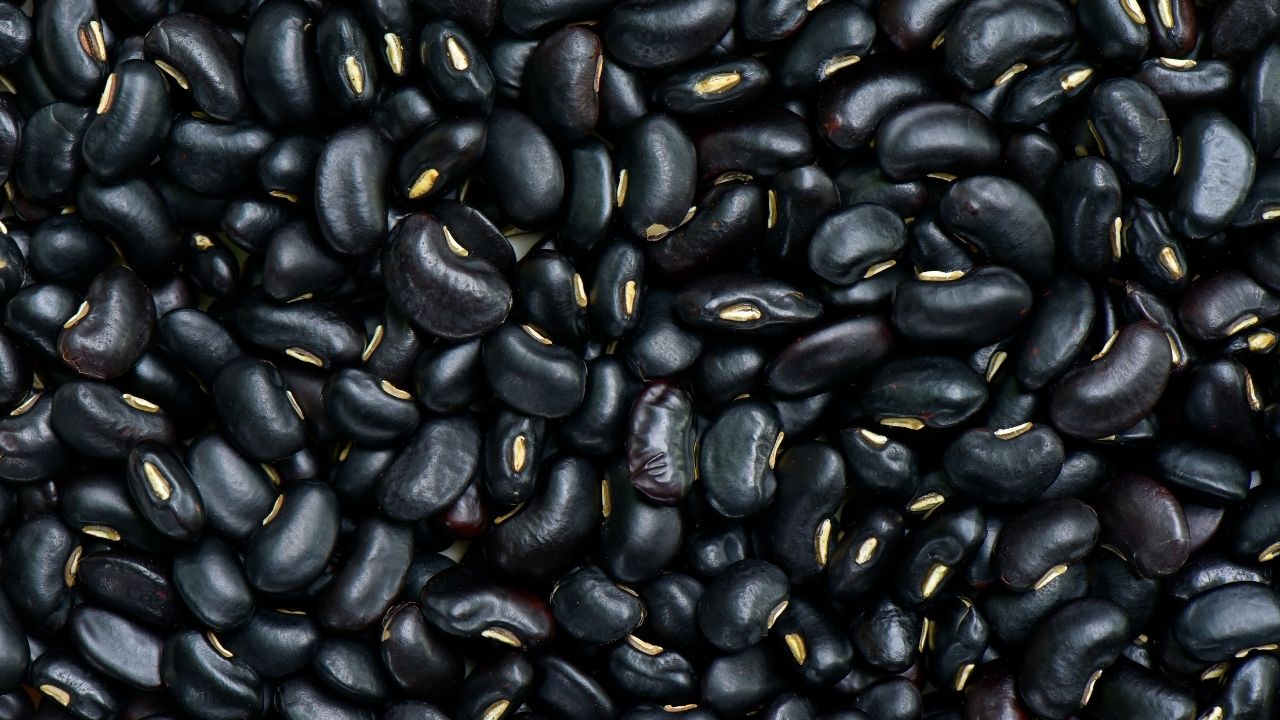
I adore black beans not just for their rich, earthy flavor but also because they pack a serious iron punch that can lift your mood and energy levels naturally. One cup of these mighty beans delivers about 20% of your daily iron needs, making them a fantastic choice for anyone looking to boost their iron intake through food. Black beans work wonders in your body by helping create red blood cells that carry oxygen to your brain and muscles, keeping you feeling energized and mentally sharp throughout the day.
You’ll get the most iron from your black beans by pairing them with vitamin C-rich foods like bell peppers, tomatoes, or a squeeze of fresh lime juice. I love tossing black beans into my morning breakfast burritos with scrambled eggs and salsa, or adding them to quinoa bowls for lunch. The combination of protein and fiber in black beans also helps stabilize blood sugar levels, which means sustained energy without the crashes that can impact your mood. For maximum nutrition and flavor, I recommend cooking dried black beans from scratch – the texture and taste beat canned beans every time.
Selenium Sunflower seeds
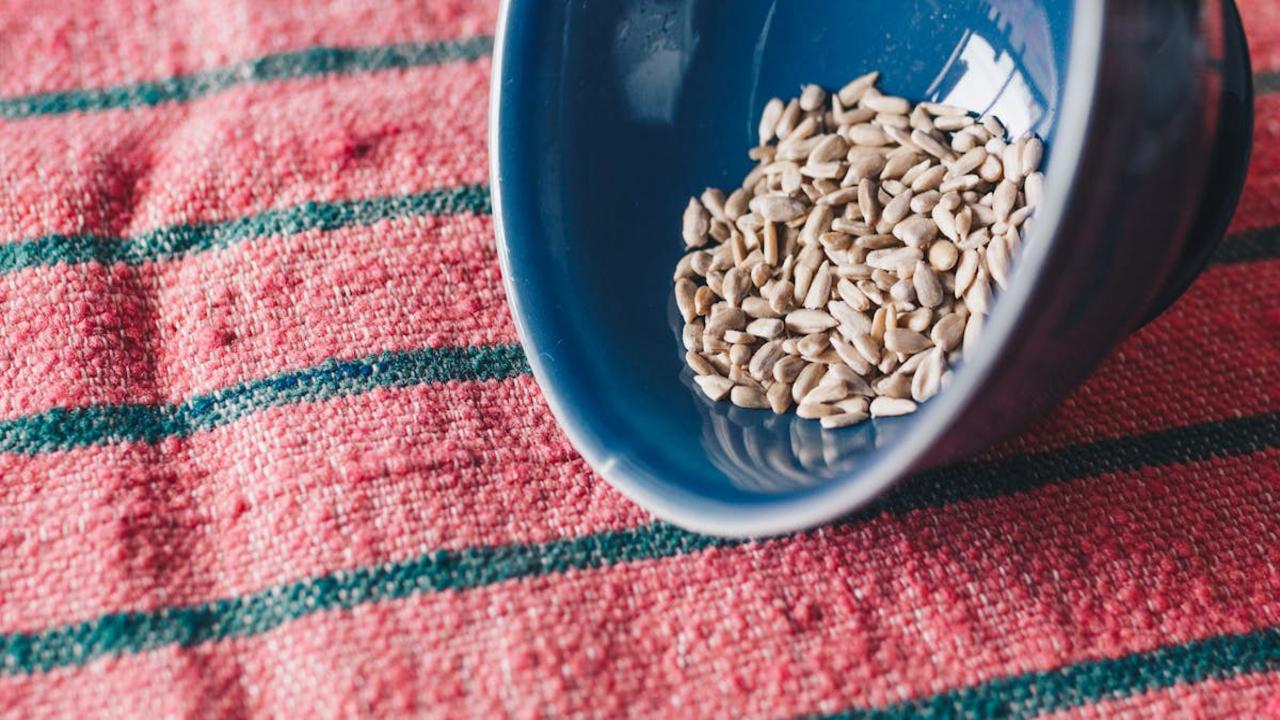
I love adding sunflower seeds to my daily meals because they pack a powerful selenium punch – a mineral that helps regulate your mood and fights off anxiety. Just a handful of these crunchy seeds gives you about 30% of your daily selenium needs. My go-to move? I toast them lightly in a dry pan until they release their nutty aroma, then sprinkle them over salads, yogurt bowls, or blend them into smoothies for an instant mood lift.
Beyond their mood-boosting benefits, sunflower seeds bring so much more to your plate. You’ll get healthy fats, protein, and fiber that keep you satisfied throughout the day. I often make a quick trail mix with sunflower seeds, dried cranberries, and dark chocolate pieces for an afternoon pick-me-up. Plus, these little powerhouses contain vitamin E and magnesium, which work alongside selenium to support your overall mental wellbeing. Keep a stash in your pantry – you’ll thank yourself later!
Zinc Lentils
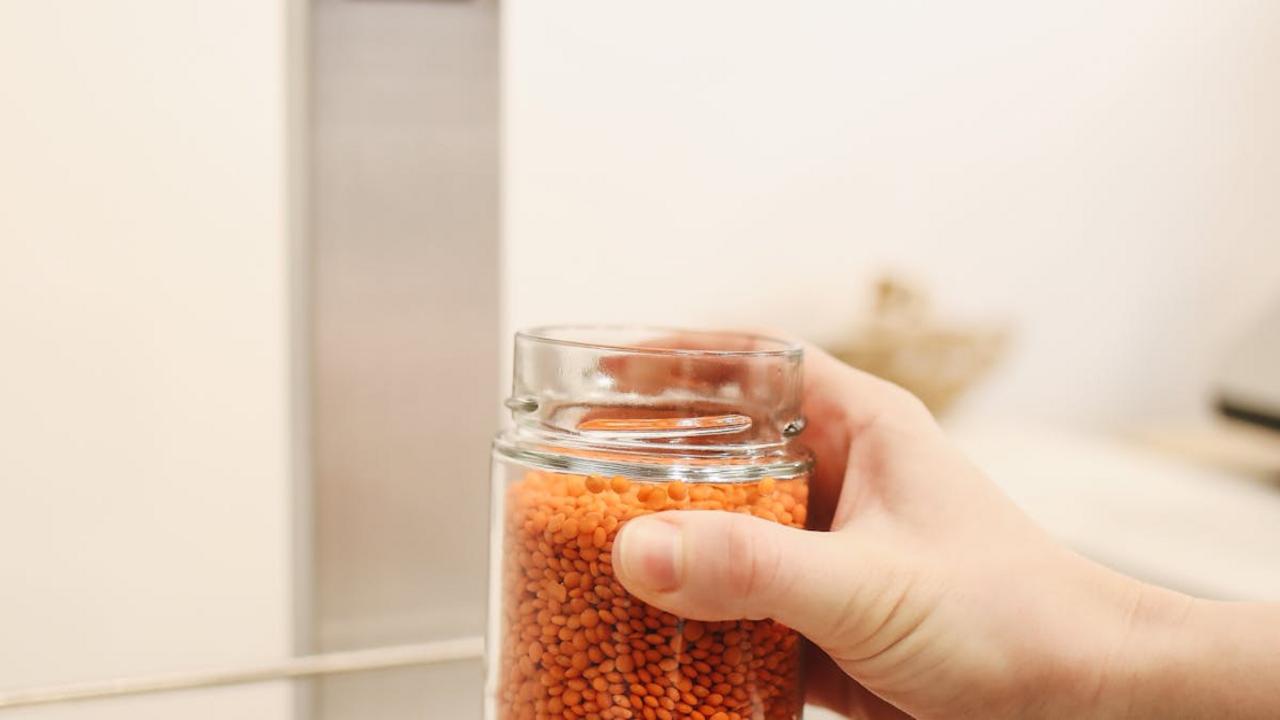
If you need a natural mood lift, zinc-rich lentils will be your new best friend in the kitchen. These tiny powerhouses pack a serious nutritional punch, containing about 13% of your daily zinc needs per serving. Zinc plays a direct role in supporting your brain’s neurotransmitter function, helping regulate mood and mental clarity. I love adding these budget-friendly legumes to soups, stews, and salads – they’re incredibly versatile and take on whatever seasonings you pair them with.
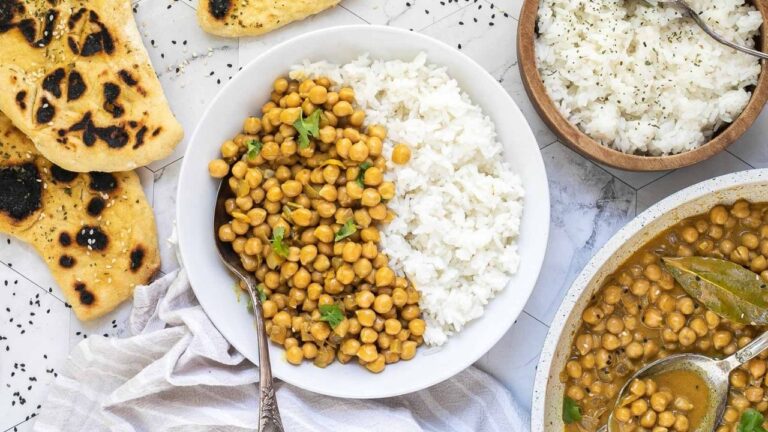
My go-to method involves simmering red lentils with turmeric, garlic, and coconut milk for a comforting dal that never fails to brighten my day. The best part? You don’t need fancy cooking skills to prepare them – just rinse, add to water or broth, and cook until tender. Beyond their mood-supporting benefits, lentils give you a healthy dose of protein, fiber, and iron. Keep a variety of lentils in your pantry – red, green, and black – each brings its own texture and cooking time to your meals.
Magnesium Spinach
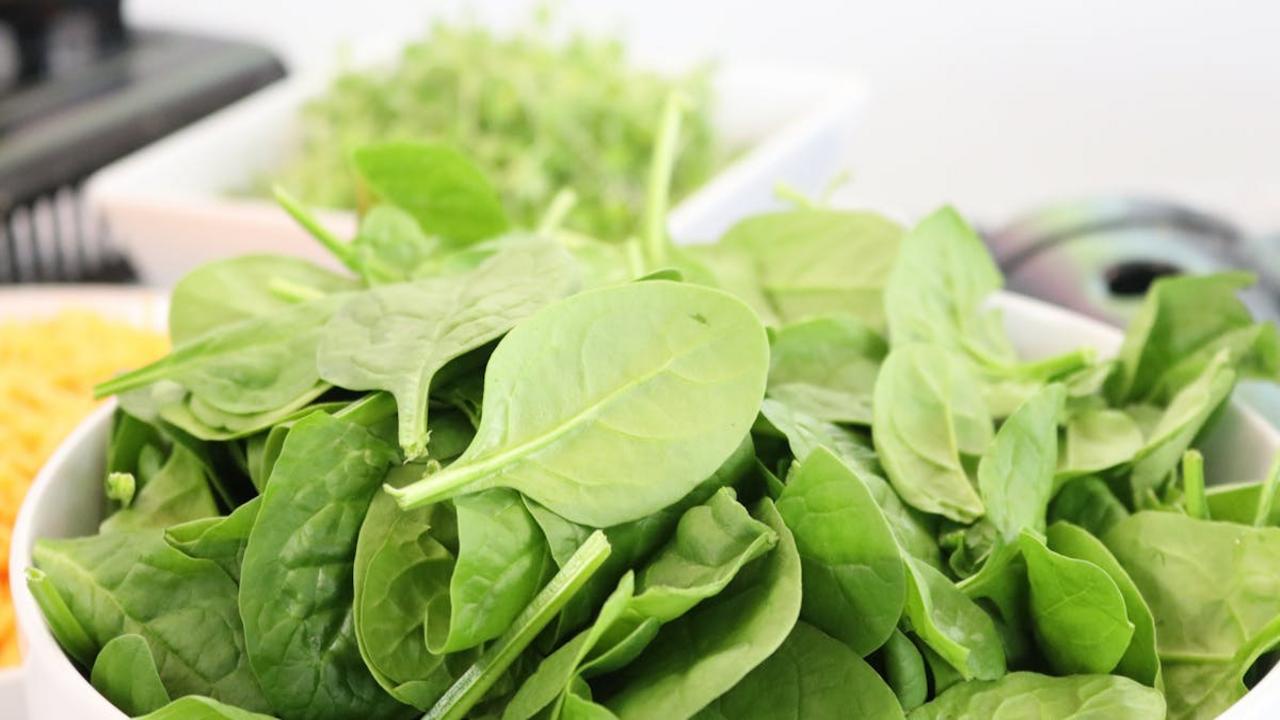
I’ve discovered that magnesium-rich spinach can work wonders for your mood and overall well-being. This leafy green superhero packs about 157mg of magnesium per cup when cooked, making it one of nature’s best sources of this mood-lifting mineral. Magnesium helps regulate neurotransmitters in your brain that affect your emotions and sleep patterns. You’ll get the most benefit by adding fresh spinach to your morning smoothies or lightly sautéing it with garlic and olive oil to preserve its nutrients.
Many people don’t know that magnesium deficiency often shows up as anxiety, irritability, and poor sleep quality. That’s why I recommend incorporating spinach into your daily meals – whether it’s tossing a handful into your pasta, blending it into pesto, or creating a vibrant salad base. For maximum absorption, pair your spinach with vitamin C-rich foods like bell peppers or citrus fruits. The combination helps your body absorb more of the magnesium, giving you an extra mood boost throughout your day.
B12 Shellfish

I love recommending shellfish to my friends and clients as a fantastic source of vitamin B12, which directly impacts your mood and mental well-being. A serving of clams, mussels, or oysters delivers an impressive amount of B12 – just 3 ounces of clams can provide over 1600% of your daily B12 needs! This vitamin helps your body create DNA and maintain healthy nerve and blood cells, which in turn supports your brain function and mood regulation.
You’ll find many delicious ways to incorporate shellfish into your meals. Try steaming mussels in white wine with garlic and herbs, adding clams to your favorite pasta dishes, or enjoying fresh oysters with a squeeze of lemon. If you’re new to cooking shellfish, start with simple recipes like garlic butter shrimp or a classic seafood stew. Your brain will thank you for the B12 boost, and your taste buds will celebrate the rich, briny flavors that make shellfish such a treasured ingredient in kitchens worldwide.
Vitamin D Egg yolks
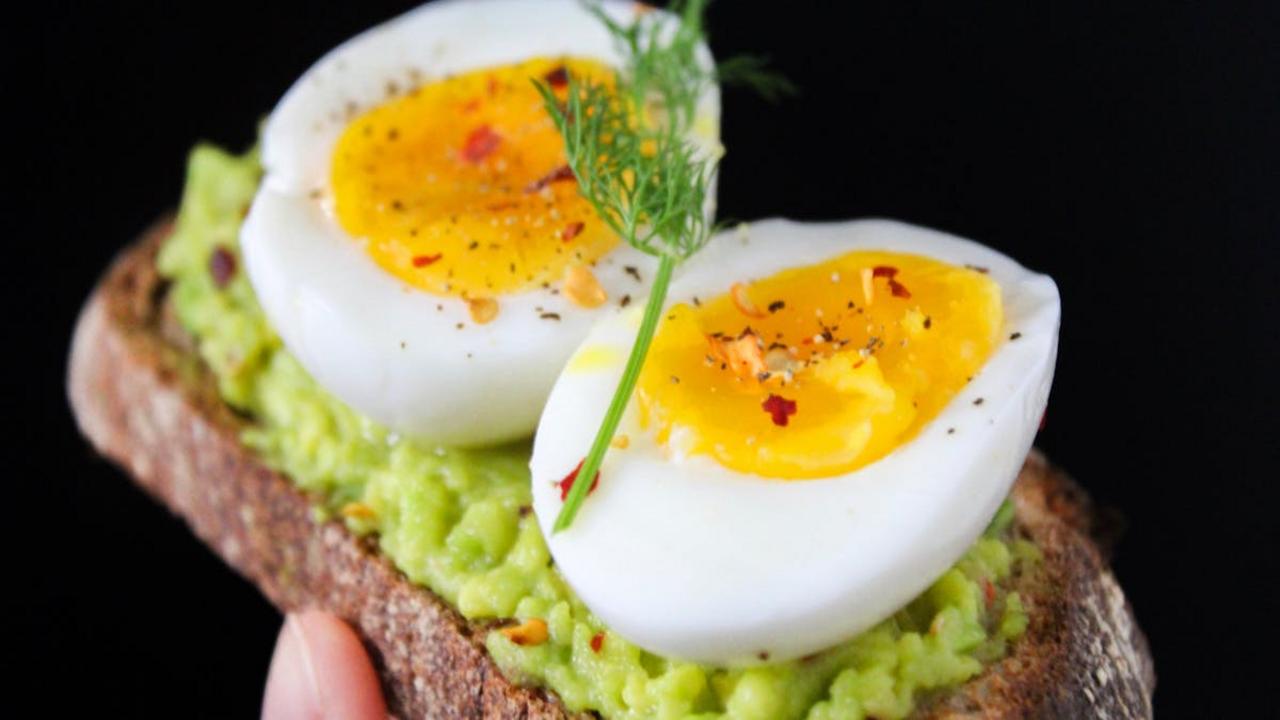
I’ve discovered that egg yolks pack a powerful punch of vitamin D, making them one of my go-to ingredients for brightening both my meals and my mood. Your body needs vitamin D to maintain healthy bones, support immune function, and regulate serotonin – the “happy hormone” that directly impacts your emotional well-being. While sunlight remains the primary source of vitamin D, adding egg yolks to your daily menu can help boost your intake, especially during darker winter months.
You’ll find many delicious ways to incorporate egg yolks into your diet beyond basic scrambled eggs. I love whisking them into homemade carbonara sauce, blending them into rich hollandaise, or topping a warm grain bowl with a perfectly runny soft-boiled egg. For maximum vitamin D benefits, look for eggs from pasture-raised hens who spend time outdoors – these yolks tend to contain higher nutrient levels compared to conventional eggs. Just one egg yolk provides about 10% of your daily vitamin D needs, making it an easy and tasty addition to your mood-supporting nutrition plan.
Omega 3 Fatty Acids Salmon

I love recommending salmon as your go-to source for omega-3 fatty acids – those incredible nutrients that help lift your mood and keep your brain sharp. Wild-caught salmon gives you EPA and DHA, two types of omega-3s that work together to reduce inflammation and support healthy brain function. Just 3-4 ounces of salmon provides your daily omega-3 needs, making it an efficient and delicious way to boost your mental wellbeing.
You’ll find salmon so versatile in the kitchen – from grilling with just lemon and herbs to incorporating it into grain bowls or making crispy salmon cakes. Beyond salmon, you can get your omega-3s from other fatty fish like mackerel, sardines, and herring. If you follow a plant-based diet, add flaxseeds, chia seeds, and walnuts to your meals – though you’ll need to eat more of these to match the omega-3s in salmon. The rich, buttery texture of salmon makes it an easy fish to love, even for people who don’t usually enjoy seafood.