10 Common Cooking Mistakes That Could Be Costing You Your Health
Your kitchen habits can make or break your health goals, and some common cooking mistakes might secretly undermine your wellbeing. From scorching pans at high heat to improperly storing leftovers, these everyday errors can turn nutritious ingredients into less healthy meals.
I’ve noticed many home cooks make these mistakes without realizing their impact on both food safety and nutritional value. Small changes in your cooking routine can help preserve vitamins, prevent harmful chemical reactions, and keep your family safe from foodborne illness.
Through my years of recipe development and kitchen experiments, I’ve identified 10 critical cooking errors that could affect your health. By fixing these mistakes, you’ll create safer, more nourishing meals while keeping all the flavors you love. Let’s fix these kitchen habits together!
Cooking at High Temperatures
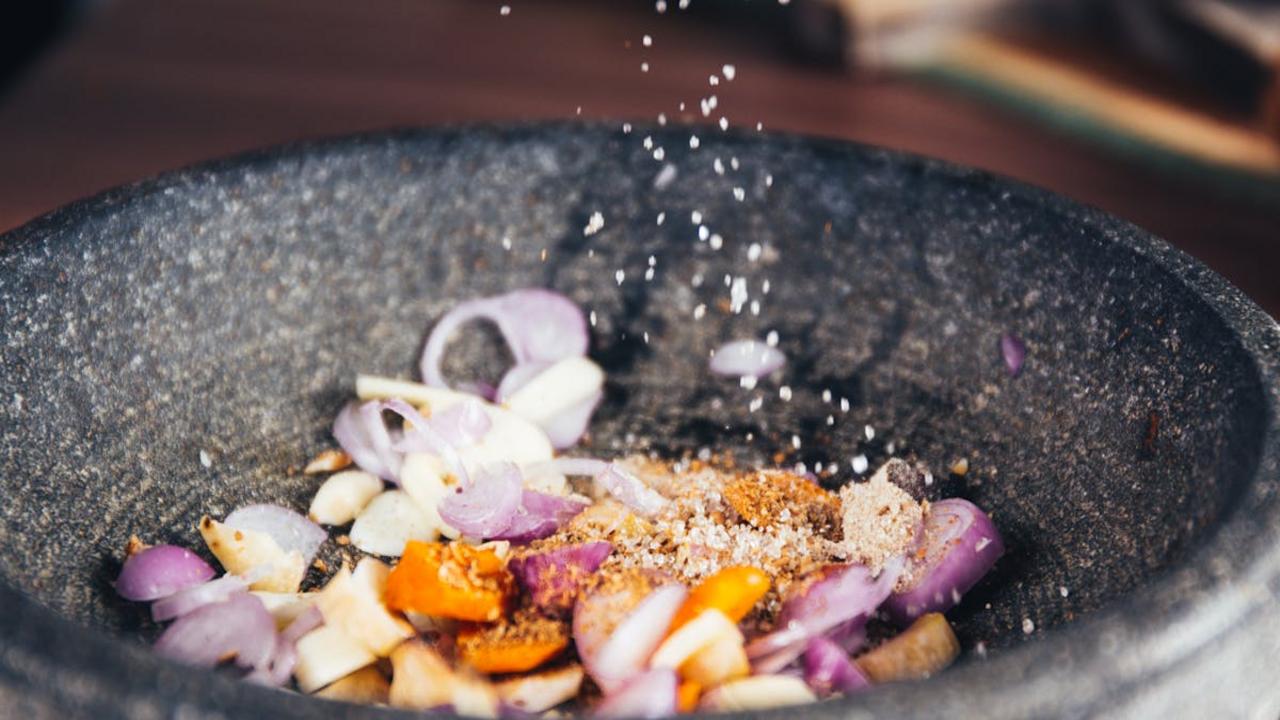
I’ve noticed many home cooks love cranking up the heat to get food on the table faster, but this shortcut could harm your health. When you cook food at very high temperatures (above 375°F/190°C), you risk creating harmful compounds like acrylamide, advanced glycation end products (AGEs), and heterocyclic amines (HCAs). These compounds can increase inflammation in your body and potentially raise your risk for various health issues, including heart disease and certain cancers. The problem gets worse with animal proteins and starchy foods like potatoes – the very ingredients we often cook at high heat.
You can still make delicious meals without the health risks by adjusting your cooking methods. Instead of high-heat frying or grilling, try gentler techniques like braising, steaming, or slow-roasting at lower temperatures. For example, roast your vegetables at 350°F instead of 425°F – they’ll turn out just as tasty but with fewer harmful compounds. If you must use high heat, marinate your proteins first with herbs and citrus juices, which can reduce the formation of dangerous compounds by up to 90%. Remember, good food takes time, and your health deserves those extra few minutes of cooking.
Using Nonstick Cookware Incorrectly
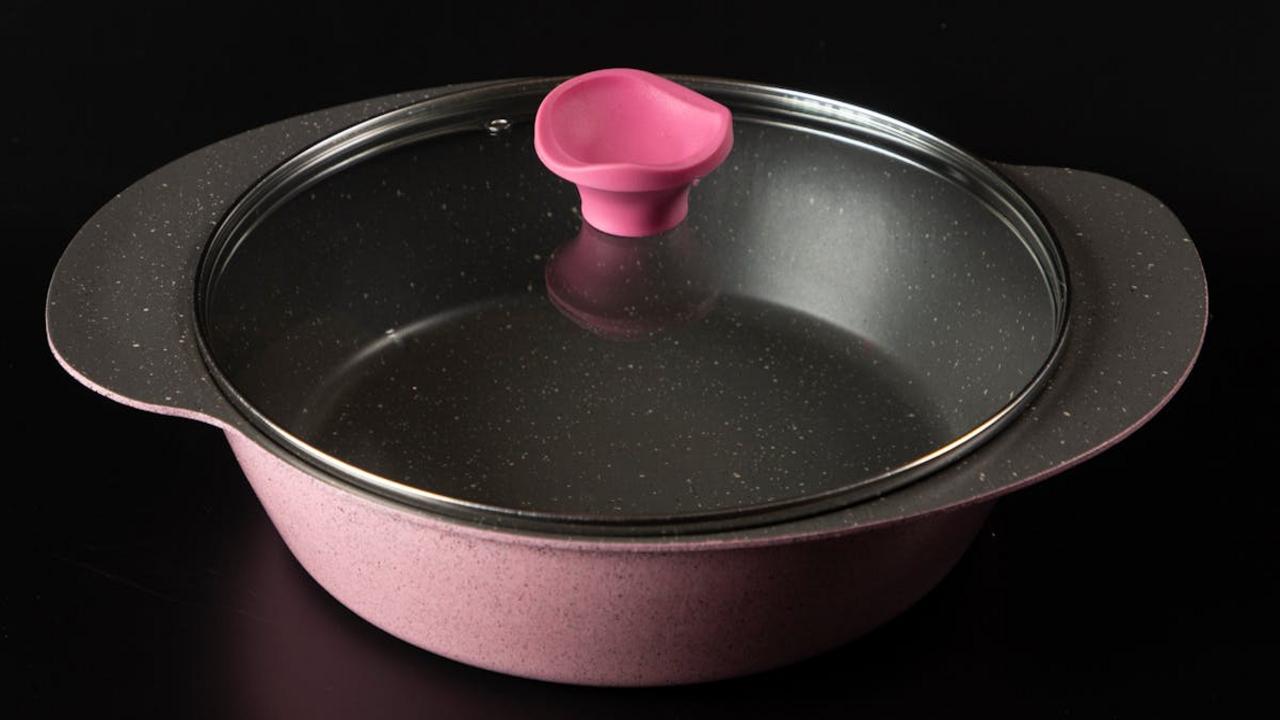
I’ve seen so many home cooks make the same mistake with their nonstick pans – cranking up the heat to high and using metal utensils that scratch the coating. This can release harmful chemicals into your food, particularly when the pan gets overheated above 500°F. The nonstick coating can break down over time, especially if you’re using harsh scrubbers or putting your pans in the dishwasher. These practices not only damage your cookware but could expose you and your family to potentially toxic substances.
You can keep your nonstick cookware safe and effective by following a few simple rules. Always cook on low to medium heat, and stick to wooden or silicone utensils to protect the coating. Hand wash your pans with gentle soap and a soft sponge, and never preheat an empty nonstick pan. If you notice any flaking or deep scratches, it’s time to replace the pan. Consider switching to safer alternatives like cast iron or stainless steel for high-heat cooking methods like searing and stir-frying. Your health is worth the extra care and attention to your cooking tools.
Cross Contamination in the Kitchen
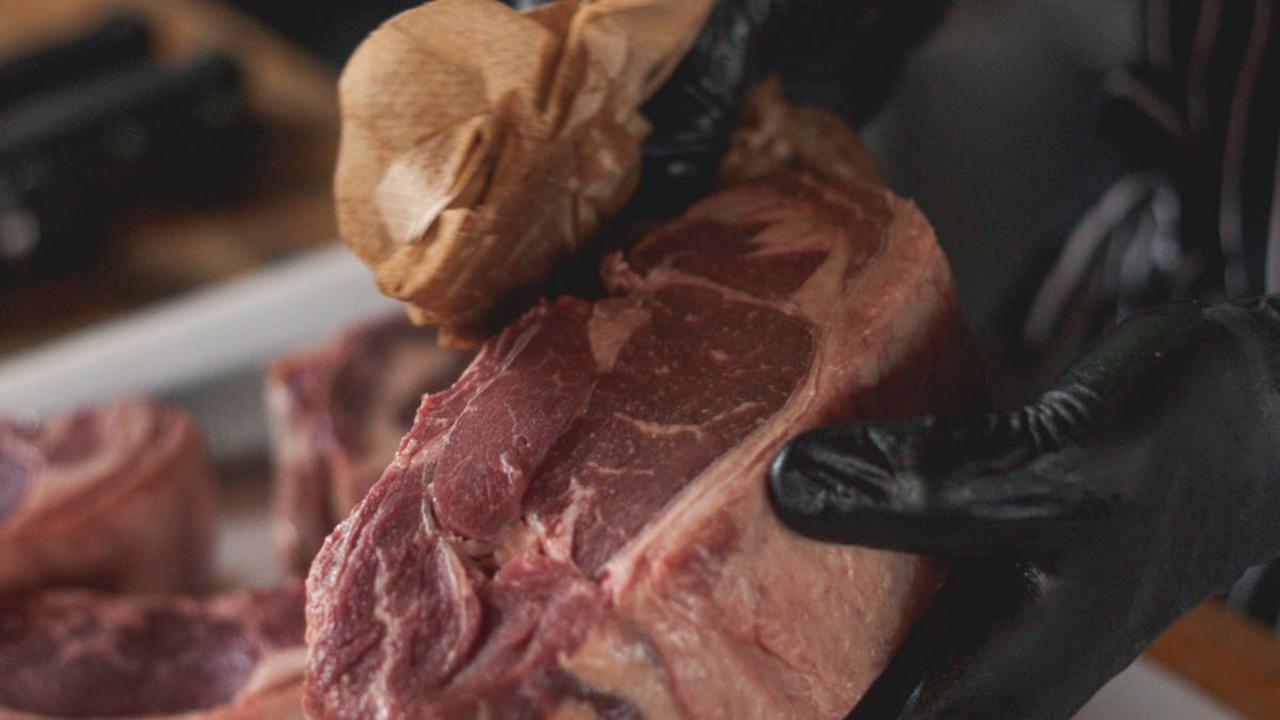
I see this mistake in kitchens all the time – using the same cutting board and knife for raw meat and vegetables without washing them in between. Cross contamination happens when bacteria from raw foods transfer to other ingredients through shared surfaces, utensils, or unwashed hands. This unsafe practice can lead to serious foodborne illnesses like salmonella or E. coli. The risk gets even higher when you handle raw chicken, then move straight to chopping tomatoes for your salad without proper cleaning in between.
To keep your kitchen safe, always use separate cutting boards – designate one specifically for raw meats and another for produce. Clean your knives thoroughly with hot, soapy water after cutting raw proteins before moving on to other ingredients. Make handwashing a strict habit, especially after touching raw meat, eggs, or seafood. Remember to sanitize your countertops and kitchen surfaces regularly with a food-safe disinfectant. These simple steps will create strong barriers against harmful bacteria and keep your meals truly healthy and safe to eat.
Improper Food Storage
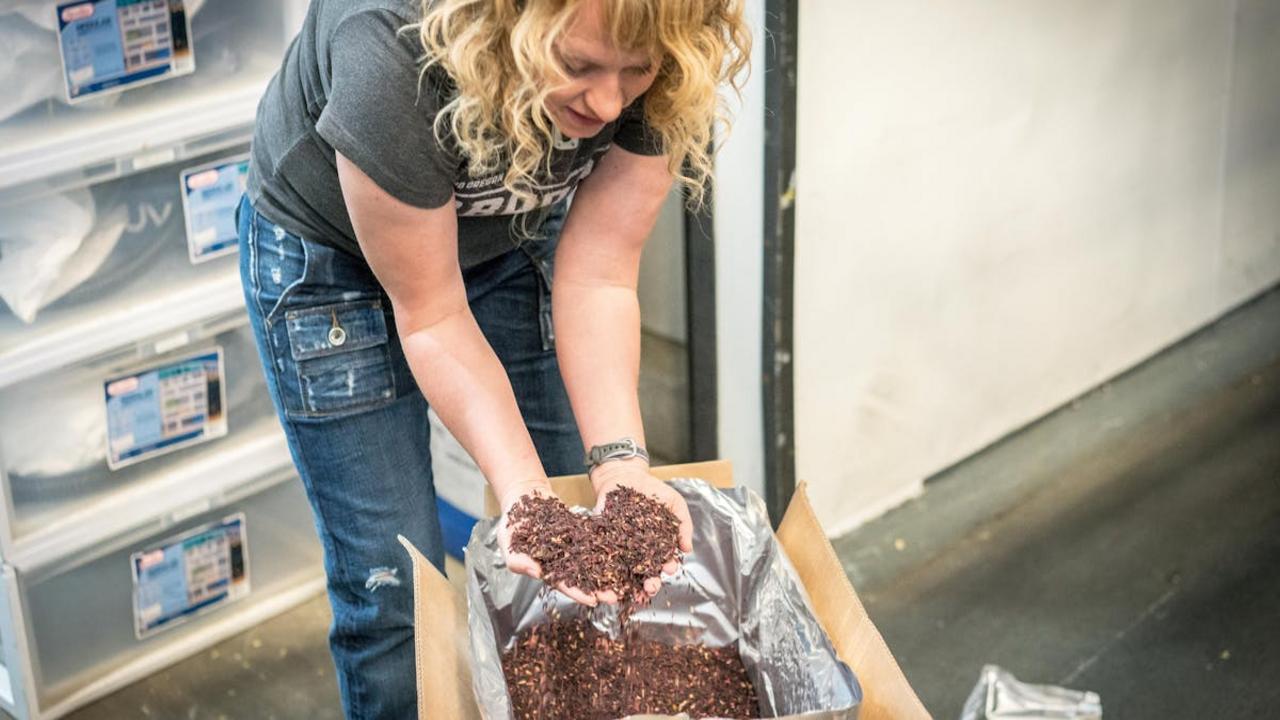
I can’t tell you how many times I’ve seen friends store their fresh produce incorrectly, leading to spoiled food and wasted money. Your refrigerator needs a proper organization system – raw meats belong on the bottom shelf to prevent drips from contaminating other foods, while fruits and vegetables need their dedicated drawers with the right humidity settings. And those leftovers you keep pushing to the back of the fridge? They should go in clear containers at eye level, so you remember to eat them within 3-4 days.
The temperature in your fridge matters just as much as the organization. Keep it at or below 40°F (4°C) to slow down bacterial growth and maintain food freshness. You’ll want to avoid storing bread, onions, potatoes, and tomatoes in the refrigerator – they’ll last longer and maintain better quality at room temperature. And please, don’t store opened canned foods in their original containers! Transfer them to airtight glass or plastic containers to prevent chemical leaching and maintain freshness. Your health (and wallet) will thank you for these simple storage fixes.
Overcooking Vegetables
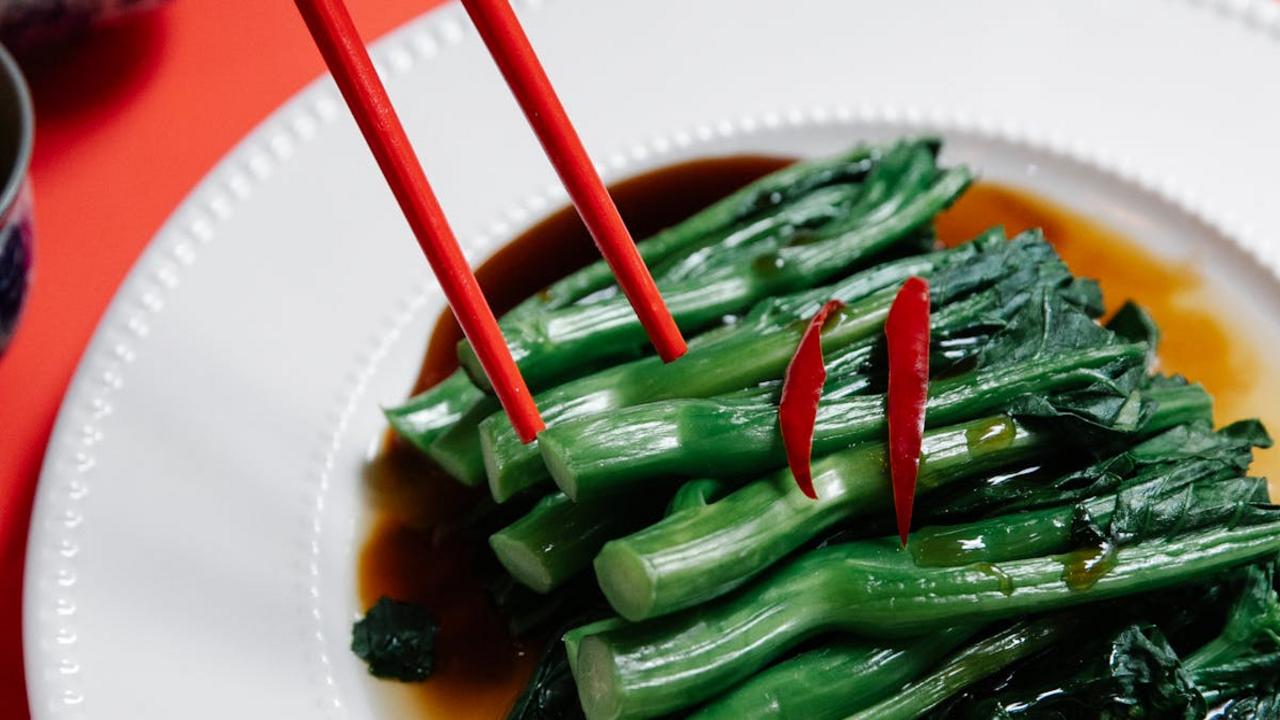
I’ve seen so many home cooks make this common mistake – boiling their veggies until they turn into a sad, mushy mess. When you overcook your vegetables, you’re not just compromising their texture and flavor, but you’re also destroying valuable nutrients. Those bright, beautiful colors in your vegetables indicate the presence of antioxidants and vitamins, and excessive heat can break down these compounds. For example, broccoli can lose up to 77% of its vitamin C content when overcooked, while spinach might lose its folate and other B vitamins.
Want to keep those nutrients intact? Try blanching your vegetables instead – just cook them briefly in boiling water until they’re tender-crisp, then immediately transfer them to an ice bath. This method helps preserve their nutritional value and keeps them vibrant. You can also steam your veggies, which maintains more nutrients than boiling. Remember, your vegetables should still have a slight crunch and maintain their bright color when you serve them. Think of al dente pasta – that’s the same principle you want to apply to your vegetables. Your body will thank you for those extra nutrients, and your meals will look and taste so much better!
Excessive Salt Usage
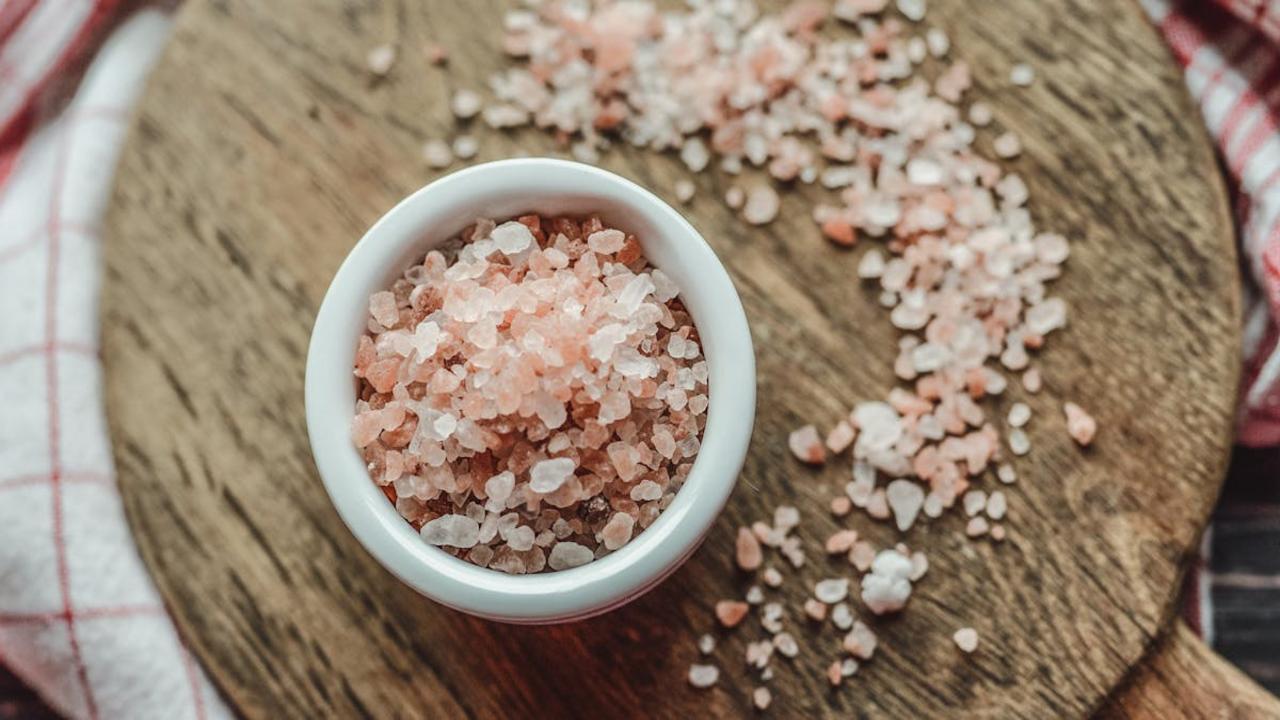
I get it – we all love adding that extra pinch of salt to make our food taste amazing! But here’s something I learned through years of cooking: too much salt does more than just season your meals. Your body only needs a tiny amount of sodium to work properly, and going overboard with the salt shaker can lead to high blood pressure, heart problems, and water retention. Many of my readers tell me they didn’t realize how much sodium they were consuming until they started reading food labels and measuring their salt intake.
Want to keep your salt intake in check without sacrificing flavor? Try my favorite tricks: add fresh herbs like basil or thyme, squeeze some lemon juice, or sprinkle nutritional yeast for that savory kick. I’ve found that cooking with less salt actually helps you taste the natural flavors of your ingredients better. Start by cutting your usual salt amount in half, then experiment with different spice combinations. Your taste buds will adjust within a few weeks, and your body will thank you! Remember to check processed foods too – they often pack more sodium than you’d expect.
Not Washing Produce Thoroughly
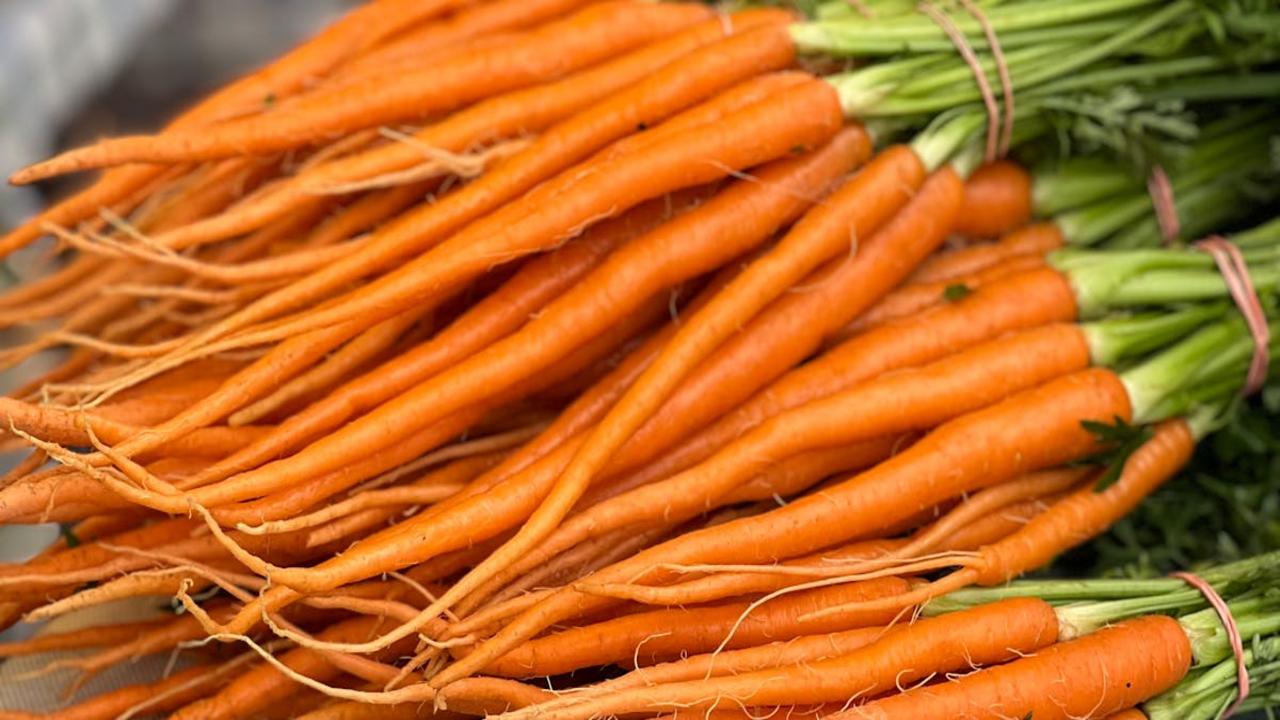
I see this mistake so often in home kitchens – people giving their fruits and vegetables a quick rinse under running water and calling it good enough. But here’s the truth: that quick splash won’t remove all the dirt, bacteria, and pesticide residues lurking on your produce. Even organic fruits and vegetables need a thorough cleaning to remove harmful bacteria from soil and handling. Your “clean” lettuce might be carrying E. coli, Salmonella, or Listeria, which could lead to serious food poisoning. Plus, those unwashed berries could be coated with pesticides that won’t budge without proper washing.
To wash your produce the right way, start by running each item under cool water while gently rubbing the surface with your hands. For leafy greens, separate each leaf and rinse individually – those tight spaces between leaves can hide lots of dirt and tiny insects. For firm produce like apples or potatoes, use a clean brush to scrub the surface. And don’t forget about items with thick skins like melons – bacteria on the outside can transfer to the flesh when you cut into them. Taking these extra few minutes to clean your produce properly will protect your health and make your meals truly safe to eat.
Reusing Cooking Oils
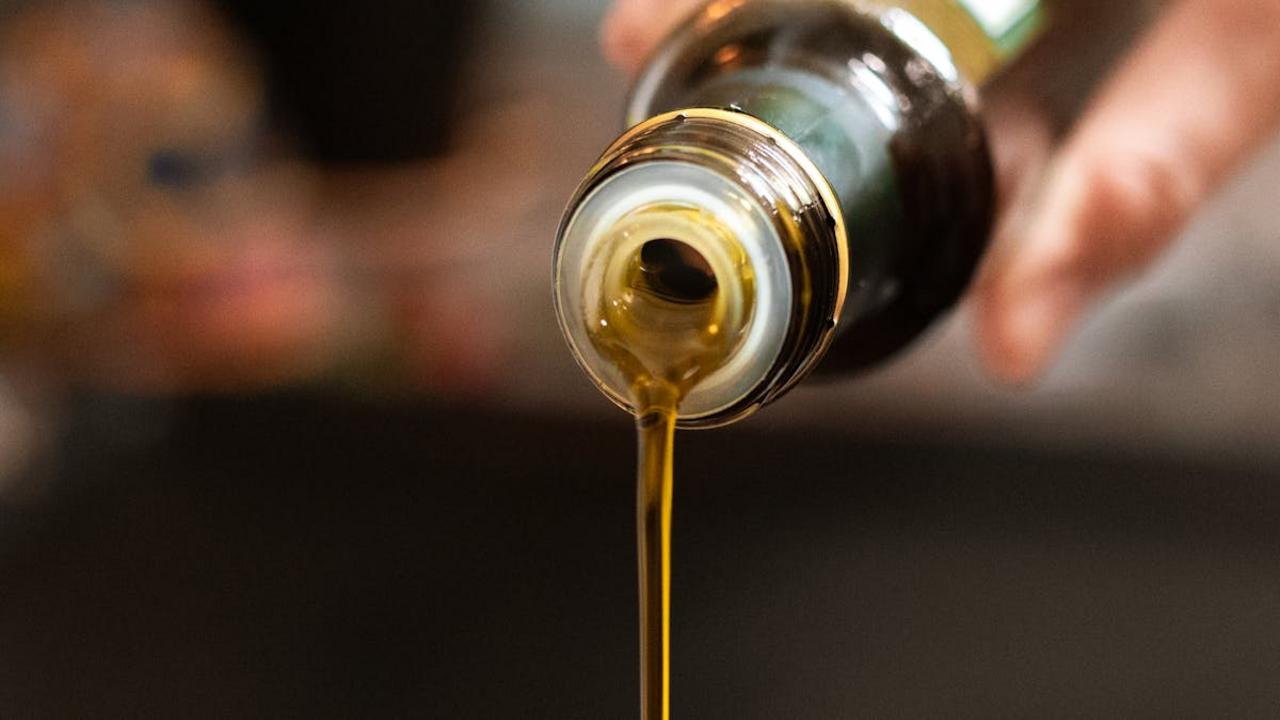
Hey there, kitchen friends! I know we’ve all done it – kept that pan of oil after frying to save some money and use it again later. But I need to tell you something important: reusing cooking oil can seriously harm your health. Each time you heat oil, it breaks down and creates harmful compounds that can increase inflammation in your body. These compounds, called polar compounds, have links to heart disease, diabetes, and other health issues. Plus, repeated heating changes the oil’s chemical structure, making it more likely to turn rancid and produce dangerous free radicals.
You might think you’re saving money by reusing oil, but the potential cost to your health isn’t worth it. If you must reuse oil (I get it, sometimes budgets are tight!), never do it more than once, and watch for signs that it’s gone bad – dark color, foamy texture, or unpleasant smell. A better option? Use fresh oil each time and measure it carefully so you don’t waste any. For everyday cooking, stick to oils with high smoke points like avocado or grapeseed oil, and keep your portions small. Your body will thank you for making this simple but powerful change in your kitchen habits!
Thawing Food on the Counter
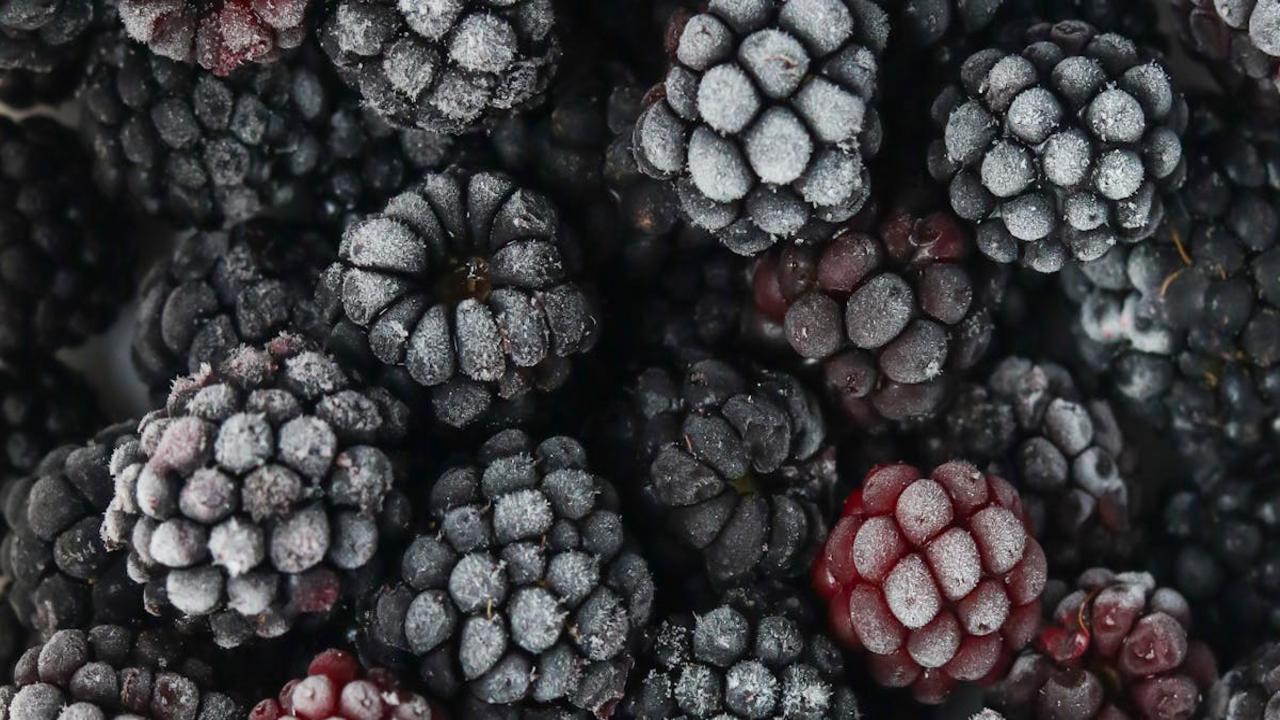
You know that moment when you realize you forgot to take the chicken out of the freezer for dinner? I’ve been there too! But leaving frozen food on your kitchen counter to thaw can turn your meal into a breeding ground for dangerous bacteria. At room temperature, the outer layer of your food warms up much faster than the inside, creating what food safety experts call the “danger zone” – between 40°F and 140°F. In this temperature range, bacteria multiply rapidly, potentially causing food poisoning and other foodborne illnesses.
Instead of counter-thawing, I recommend three safe methods to defrost your food: using your refrigerator, cold water, or microwave. The fridge method takes longer (about 24 hours for every 4-5 pounds of meat) but keeps your food at a consistent, safe temperature throughout the thawing process. For quicker results, submerge your sealed food in cold water, changing the water every 30 minutes. If you’re really short on time, your microwave’s defrost setting works great – just make sure to cook the food immediately after thawing to prevent any bacterial growth. Your health matters, and these simple adjustments to your thawing routine will help keep you and your family safe!
Ignoring Expiration Dates
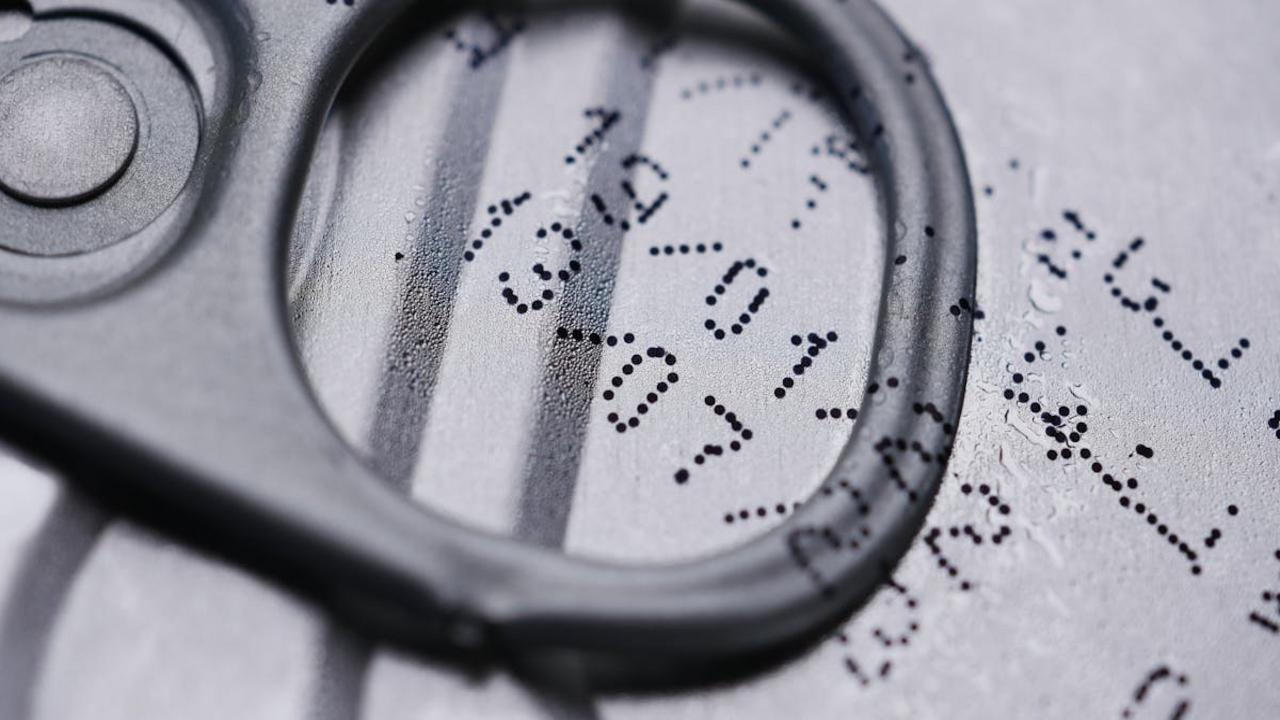
I get it – you’re staring at that yogurt container that expired two days ago, and it looks fine, smells fine, so why not eat it? While some foods might stay good a bit past their “best by” date, ignoring expiration dates regularly can put your health at risk. Consuming expired foods, especially dairy, meat, and seafood, can lead to food poisoning from harmful bacteria that multiply over time. Even if the food appears okay on the surface, microscopic changes could make you seriously ill with symptoms like nausea, vomiting, and severe stomach pain.
The good news? You don’t need to toss food the exact minute it hits its expiration date. Instead, learn to read different date labels correctly – “sell by,” “best by,” and “use by” each mean different things. Store your food properly in the fridge or freezer to extend its life, and always trust your senses. If something smells off, looks discolored, or has an unusual texture, don’t take the risk. Keep track of what you buy and plan your meals around expiration dates to avoid waste. Your body will thank you for paying attention to these important food safety guidelines!