12 Unusual Foods That Came Out of a Can
Picture yourself wandering the aisles of a grocery store, passing rows of predictable canned goods—soup, beans, tuna—when suddenly you spot something that makes you do a double-take. A whole chicken? In a can? Yes, that exists. And it’s just the beginning of a bizarre world where manufacturers decided that if it fits in a can, it’s fair game.
Canned foods have saved us from hunger during camping trips and late-night snack attacks for decades. But somewhere along the line, food companies took things too far. What started as a practical preservation method spiraled into a quest to can the uncannable. From exotic meats to desserts that defy logic, these twelve items prove that humanity’s relationship with canned goods has gotten wonderfully weird.
Ready to discover what strange concoctions people have sealed in metal containers? Some of these might make you laugh, others might make your stomach turn, and a few might actually tempt you to track them down. Grab a can opener—things are about to get interesting.
Canned Air from Different Cities

Picture this: you’re standing in a tourist shop in Paris, Rome, or Tokyo, and instead of grabbing a keychain or a miniature Eiffel Tower, you reach for… a can of air. Yes, actual air. Sealed, packaged, and ready to take home. Companies started selling canned air from famous cities as novelty souvenirs, promising buyers a literal breath of their favorite destination. Whether it’s the crisp mountain air from the Swiss Alps or the smoggy essence of Los Angeles (because nothing says “vacation” like inhaling traffic fumes), these cans offer a bizarre way to remember your travels. Some brands even claim their air is “authentic” and “freshly collected,” as if there’s a team of air sommeliers out there capturing the perfect breeze. The concept walks the line between hilarious and absurd, but people genuinely buy them—sometimes as gag gifts, other times as quirky collectibles.
The phenomenon took off when artists and entrepreneurs realized they could monetize literally nothing but atmosphere. One Italian company famously sold cans of Lake Como air, banking on the region’s romantic allure and Hollywood connections. Meanwhile, a Canadian company bottled air from the Rocky Mountains and marketed it to pollution-weary buyers in China, where demand skyrocketed. The joke took on a darker tone when it highlighted real concerns about air quality in major cities, turning what started as satire into commentary. Of course, once you crack open the can, you’re left with an empty aluminum cylinder and the realization that you just paid money for something you breathe every single day. But hey, at least it’s a conversation starter at parties, right? Just don’t expect it to taste like croissants or pizza, no matter what city’s name is printed on the label.
Canned Cobra

Yes, you read that correctly—cobra in a can. This delicacy hails from China and Vietnam, where you can actually purchase whole canned cobras, complete with venom glands intact (don’t worry, they’re supposedly neutralized during processing, but I’m still side-eyeing that claim). The snake arrives coiled inside the can, preserved in a mysterious liquid that I can only describe as “probably better left unexamined.” Some varieties come with additional herbs and spices, marketed as traditional medicine rather than midnight snack material. The Chinese medicinal community believes cobra meat possesses healing properties, from boosting vitality to treating arthritis, though Western science remains skeptically quiet on these claims.
Opening one of these cans requires genuine bravery—or perhaps a complete lack of survival instincts. The meat itself is supposedly quite tender, tasting somewhere between chicken and fish with a slightly gamey edge, according to the adventurous souls who’ve actually tried it. Most consumers don’t eat it straight from the can; instead, they simmer it into soups or stir-fries, often with ginger and medicinal herbs to mask whatever psychological hurdles come with eating a venomous snake. The price tag runs surprisingly high, sometimes exceeding fifty dollars per can, making this one expensive dare. My personal take? There are approximately seven thousand other canned proteins I’d try before cracking open a cobra can, but hey, to each their own slithery adventure.
Canned Bacon
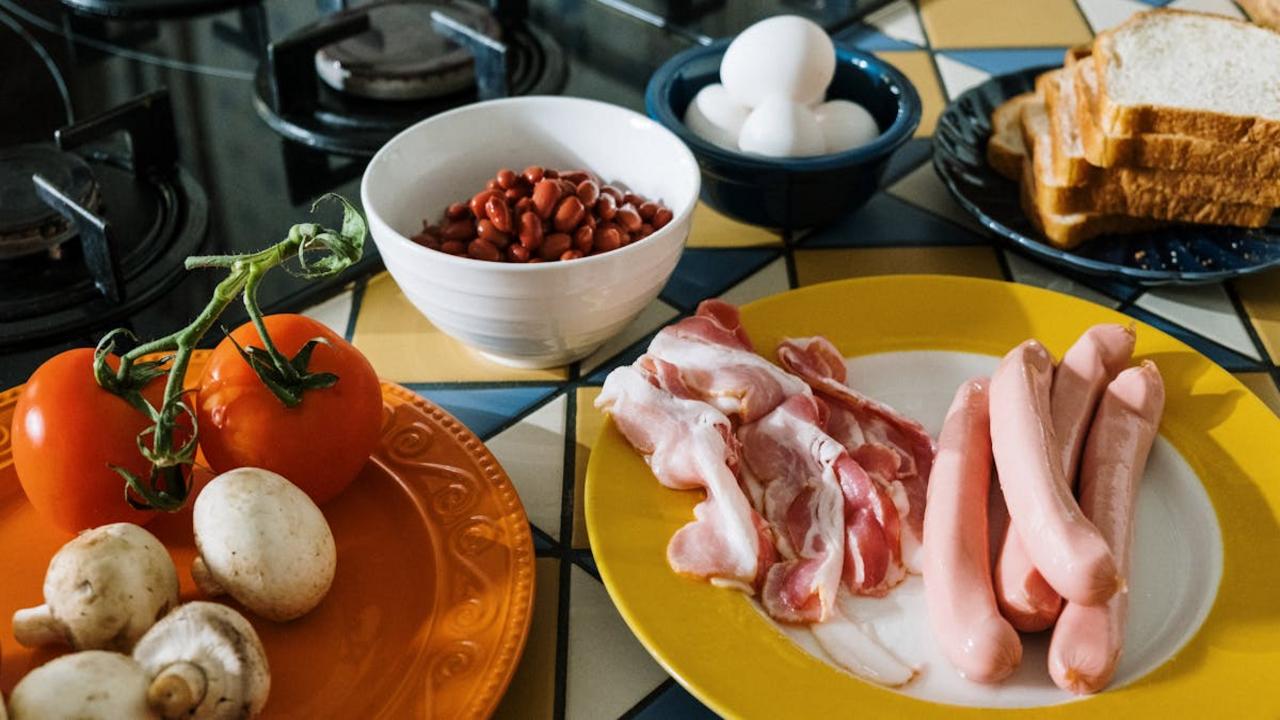
Bacon in a can sounds like something dreamed up by a mad scientist with a penchant for breakfast meats, but it’s real, and honestly, it’s kind of genius. This shelf-stable wonder was originally designed for campers and preppers who needed their crispy fix without access to refrigeration. The bacon comes pre-cooked and packed in its own grease, ready to be popped open and heated whenever the craving strikes. Some brands claim their canned bacon can last up to 10 years on the shelf, which means you could theoretically store it longer than most relationships. The appeal is obvious: imagine being miles from civilization, watching the sunrise over a mountain lake, and still enjoying bacon that tastes surprisingly close to the real thing. No cooler required, no spoilage worries, just pure pork preservation magic.
Now, does it match the glory of fresh bacon sizzling in your kitchen at home? Not quite, but it’s shockingly decent for something that’s been sitting in a tin can. The texture leans more toward crispy than chewy, and the flavor carries that smoky, salty punch you expect from bacon, though with a slightly different mouthfeel that screams “I’ve been on a shelf for months.” Some adventurous souls have used canned bacon for emergency breakfasts, camping trips, or even zombie apocalypse prep kits. You can crumble it over salads, toss it into scrambled eggs, or eat it straight from the can if you’re feeling particularly rebellious. Sure, it won’t win any gourmet awards, but when you’re hungry and miles from the nearest diner, canned bacon becomes your new best friend.
Reindeer Pâté

So here’s something I never thought I’d be writing about: reindeer pâté in a can. Yes, that reindeer—Rudolph’s cousins, prancing around the Arctic tundra. Apparently, in Scandinavian countries, particularly Finland and Norway, canned reindeer pâté is about as normal as peanut butter is for us. It’s typically made from reindeer meat mixed with liver, butter, and spices, then whipped into a smooth, spreadable consistency that’s oddly luxurious. The flavor is rich and gamey, somewhere between venison and beef liver, with earthy undertones that scream “I’ve been running through snowy forests!” People spread it on crackers, fold it into omelets, or slather it on dark rye bread for a traditional Scandinavian breakfast. The whole experience feels like you’re channeling your inner Viking, minus the pillaging.
What really gets me is how practical this canned version is. Fresh reindeer isn’t exactly available at your corner grocery store unless you live way up north, so the canned pâté makes this exotic protein accessible year-round. It’s shelf-stable, protein-packed, and honestly? Pretty delicious if you can get past the mental image of Santa’s sleigh team. The texture is surprisingly silky, not grainy like some cheaper pâtés, and it pairs beautifully with pickled vegetables or lingonberry jam for that sweet-savory contrast Scandinavians absolutely nail. Next time you’re feeling adventurous at a specialty food shop, grab a tin. Just maybe don’t serve it at your Christmas party—the optics might be a bit uncomfortable when everyone’s singing carols about flying reindeer.
Hákarl Fermented Shark
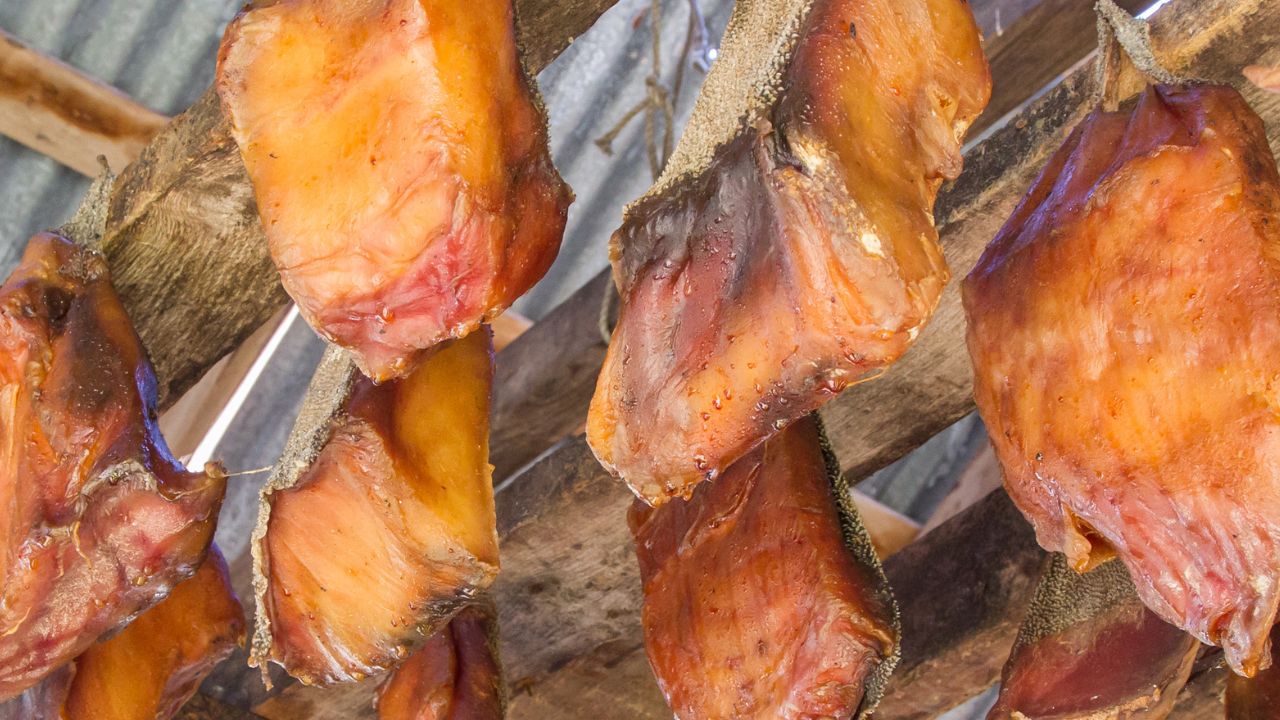
Iceland’s hákarl is proof that someone, somewhere, looked at a Greenland shark and thought, “You know what would make this better? Burying it in the ground for several months.” This fermented shark has a reputation that precedes it—described by Anthony Bourdain as the worst thing he’d ever eaten, which is saying something. The preparation process involves burying the shark (which is naturally toxic when fresh) in gravel for six to twelve weeks, then hanging it to dry for several more months. What emerges is a pungent, ammonia-scented cube of shark meat that’s traditionally served with a shot of Brennivín, the local schnapps, presumably to help you forget what you just ate.
While traditionally not canned, modern Icelandic entrepreneurs have started packaging hákarl in tins for brave tourists who want to bring home a piece of Viking culture. The smell alone could clear a room faster than a fire alarm, and the taste is an acquired one that most people never acquire. Locals consider it a point of pride, a connection to their ancestors who had to preserve food through harsh winters. If you’re planning to try it, make sure you’re sitting down and have that Brennivín ready. The experience is less about enjoying the flavor and more about surviving it with your dignity intact. Your friends back home will either be impressed by your bravery or question your life choices—possibly both.
Canned Brown Bread
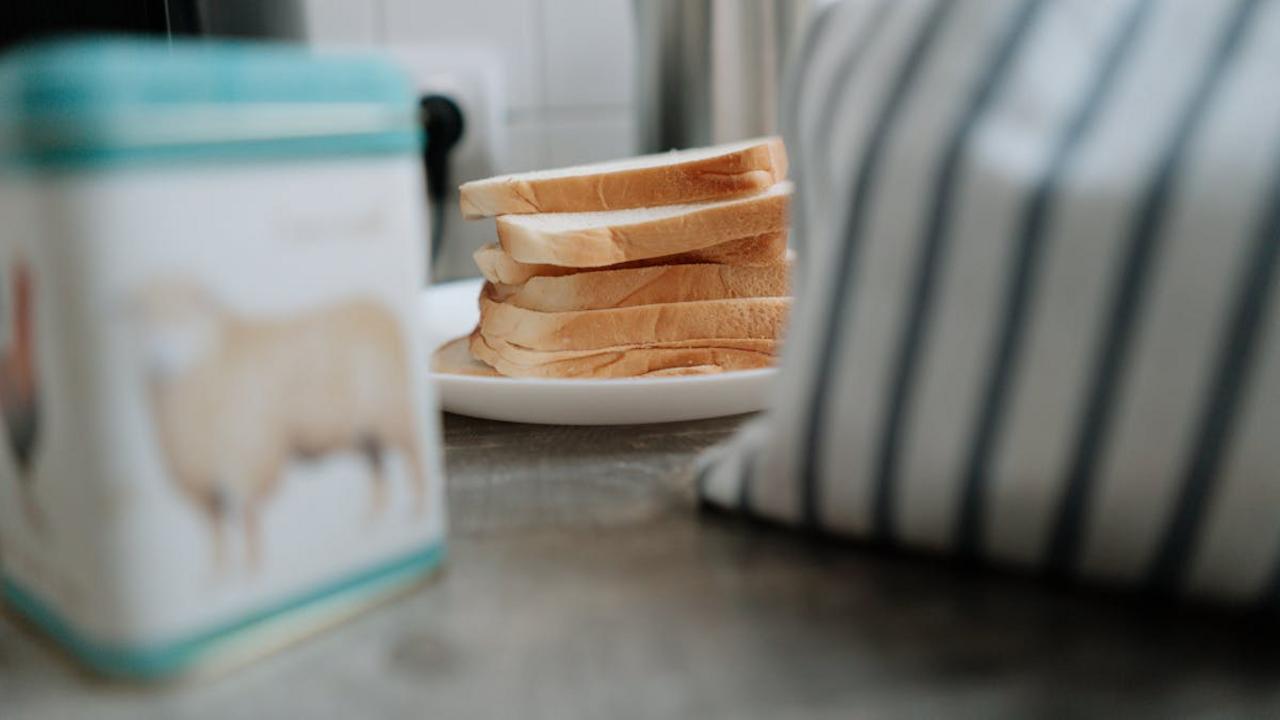
Picture this: you’re craving a thick slice of warm, molasses-sweetened bread to go with your Boston baked beans, but you don’t have three hours to wait for dough to rise and bake. Enter canned brown bread, a New England tradition that’s been sliding out of tin cans since the 1860s. This dense, dark loaf—typically made with rye flour, cornmeal, whole wheat, and a generous pour of molasses—comes fully cooked and ready to slice. The original version was steamed in coffee cans by resourceful housewives who needed bread but lacked a reliable oven. B&M Brown Bread still dominates grocery store shelves today, and opening one feels like performing a magic trick: you crank open both ends, push the cylinder through, and watch as a perfectly shaped log emerges. The texture sits somewhere between cake and bread, moist and slightly sweet with a hint of that signature molasses tang.
Modern food snobs might turn up their noses at bread from a can, but this stuff has earned its cult following for good reason. Toast a thick slice and slather it with cream cheese or butter, and you’ve got yourself a quick breakfast that actually tastes homemade. Some folks swear by pairing it with hot dogs (yes, really), while others prefer the classic route with Saturday night beans. The best part? This bread stays fresh for months unopened, making it perfect for your apocalypse pantry or that cabin in the woods where fresh bakeries don’t exist. Sure, you could steam your own brown bread at home if you’ve got nothing better to do on a Saturday afternoon, but why bother when you can experience the same satisfying *thworp* sound of a perfectly preserved loaf sliding from its tin cocoon?
Canned Alligator Meat

So you’re strolling through the canned goods aisle, minding your own business, when suddenly—BAM—there it is: a can of actual alligator meat staring back at you. Yes, you read that right. Someone decided that the swamp’s most intimidating reptile belonged in a tin can next to the tuna and sardines. Canned alligator has been around for decades, particularly in Louisiana where gator is practically a food group. The meat comes pre-cooked and ready to eat, tasting somewhere between chicken and fish with a slightly chewy texture that’s honestly not terrible once you get past the psychological hurdle of eating something that could have eaten you first. It’s packed with protein and surprisingly low in fat, making it a leaner option than beef or pork—though I doubt anyone’s opening a can of gator for their diet goals.
The real question is what to do with it once you’ve committed to the purchase. Gator meat works beautifully in jambalaya, gumbo, or tacos where the bold seasonings can play nicely with its mild flavor. Some folks swear by making gator bites—think popcorn shrimp but way more conversation-worthy at your next party. Just drain the can, coat the chunks in seasoned flour or cornmeal, and fry them up until golden and crispy. Serve with a zesty remoulade or cocktail sauce, and watch your guests’ faces cycle through confusion, curiosity, and reluctant delight. The texture holds up remarkably well to the canning process, unlike some other meats that turn mushy and sad. Whether you’re a genuine adventurous eater or just want the ultimate “guess what I ate” story, canned alligator delivers on the weird factor while actually being pretty darn edible.
Canned Cheeseburger
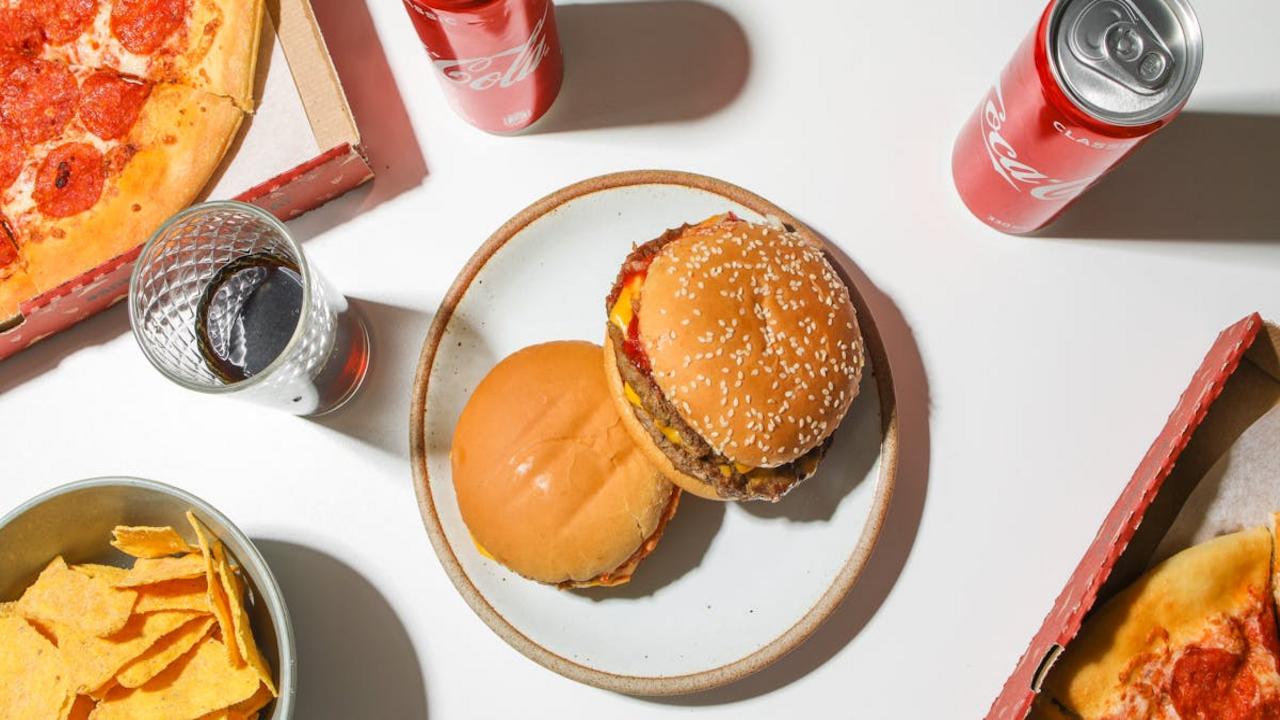
Picture this: you’re craving a juicy cheeseburger, but instead of firing up the grill or hitting your favorite drive-thru, you’re popping open a can. Yes, a can. The canned cheeseburger exists, and it’s exactly what nightmares are made of—or dreams, depending on how adventurous you are. Invented by a Swiss company called Trekking Mahlzeiten, this bizarre creation was designed for hikers and campers who apparently couldn’t bear the thought of going without burger night in the wilderness. The burger comes fully assembled in its tin prison: bun, beef patty, cheese, onions, pickles, and all. All you have to do is heat it up, crack it open, and confront whatever emerges from that aluminum tomb. Reviewers have described the experience as “eating a hot, wet sock stuffed with sadness,” though others claim it’s not half bad after three days on a mountain trail with no other food options.
The real question isn’t whether you should eat a canned cheeseburger—it’s whether you can handle the emotional journey that comes with it. The texture is reportedly soft and mushy, which makes sense since everything’s been steaming together in liquid for who knows how long. The bun has absorbed moisture from the patty, creating a spongy, soggy situation that defies everything you thought you knew about sandwich architecture. Yet somehow, people keep buying these things, perhaps as gag gifts or survival rations for the apocalypse. If you’re feeling brave and have access to international online retailers, you can order one for yourself and join the ranks of those who’ve dared to experience burger-in-a-can. Just maybe keep some antacids nearby and a therapist on speed dial, because this meal will test your relationship with food in ways you never imagined.
Silkworm Pupae
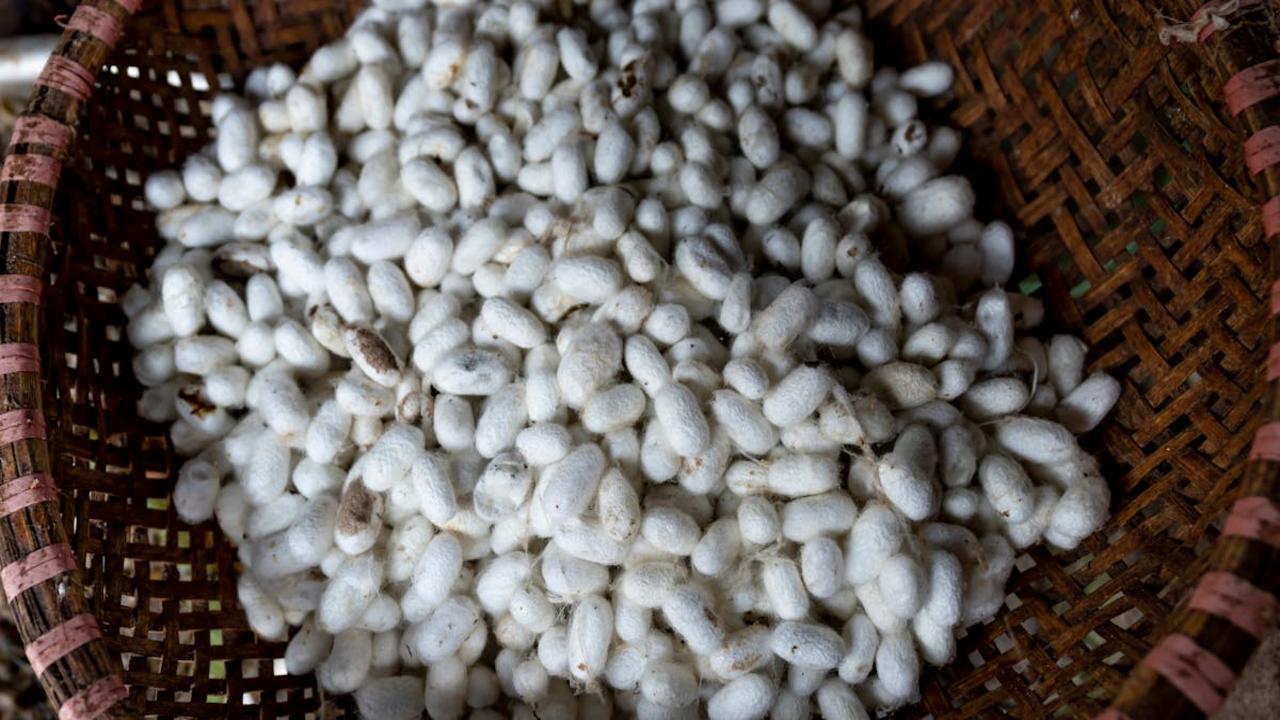
If you’ve ever wondered what happens to silkworms after they’ve spun their luxurious threads, well, they end up in a can. Silkworm pupae are a popular snack in parts of Asia, particularly in Korea where they’re called “beondegi,” and yes, you can buy them pre-cooked and ready to pop straight from the tin. These little guys pack a serious protein punch—about 55% protein by weight—which explains why they’ve been a practical food source for centuries. The taste? Think nutty, earthy, with a texture that’s somewhere between a bean and… well, a bug. Some folks describe the flavor as similar to crab or shrimp, though I’d argue that’s being generous. The canned version tends to be softer and more pungent than freshly steamed pupae, which makes them an acquired taste even among enthusiasts.
Street vendors in Seoul sell these by the cupful, steaming hot and deeply aromatic—you can smell them from blocks away. The canned variety offers convenience without the commitment of buying from a cart, though it does intensify that distinctive smell that’s hard to describe but impossible to forget. If you’re feeling adventurous, drain the liquid, heat them up, and season with salt or soy sauce. Some people swear by adding them to soups or stir-fries to mask the stronger flavors. Fun fact: the silk industry produces millions of pounds of these pupae as a byproduct each year, so eating them is actually pretty sustainable. They’re proof that one culture’s leftover is another culture’s beloved snack—though I won’t judge if you keep this can firmly on the shelf.
Canned Rattlesnake

Picture this: you’re browsing the canned meat aisle, passing by the usual suspects of tuna and spam, when suddenly your eyes land on something that makes you do a double-take. There, nestled between the sardines and the potted meat, sits a can labeled “rattlesnake.” Yes, you read that right. Someone, somewhere, decided that the perfect preservation method for this southwestern delicacy was shoving it into a tin can. Originally popularized in the mid-20th century as a novelty item for adventurous tourists visiting the American Southwest, canned rattlesnake became the ultimate “I dare you” food challenge. The meat itself tastes remarkably similar to chicken—though fans insist it has a slightly fishier, gamier flavor that sets it apart. Most canned versions come pre-cooked and packed in brine or its own juices, making it shelf-stable for years. The real question isn’t whether you can eat it, but whether you should tell your dinner guests what they’re actually consuming before or after they take that first bite.
Here’s the wild part: rattlesnake meat is actually pretty nutritious, boasting high protein content and low fat compared to traditional meats. Hunters and survivalists swear by it, not just for bragging rights but because it’s genuinely practical in emergency situations. The canning process involves skinning, cleaning, and sectioning the snake before sealing it up—a far cry from the fresh preparation you’d find at specialty restaurants where chefs grill or fry it to perfection. If you’re brave enough to crack open a can, the meat pulls apart in stringy, white chunks that work surprisingly well in tacos, stir-fries, or even mixed into a spicy chili. Just don’t expect your local grocery store to stock it; you’ll need to hunt down specialty retailers or order it online from companies that cater to the adventurous eater. Pro tip: pair it with bold flavors like hot sauce or lime to mask any metallic notes from the can, and maybe keep the label handy as proof that you actually went through with this gastronomic gamble.
Canned Cheesecake

Here’s something that makes you question everything you thought you knew about dessert: cheesecake in a can. Yes, you read that right. Some brilliant (or possibly mad) food scientist decided that the world needed portable, shelf-stable cheesecake that you could crack open like a soda. This Japanese innovation comes in a cylindrical can, and when you pop it open, out slides a perfectly formed mini cheesecake, complete with graham cracker crust. It’s like someone took your favorite dessert and gave it the durability of a Twinkie. The texture is surprisingly authentic—creamy, dense, and rich—though it does have that slightly artificial tang that reminds you this little miracle survived months on a shelf without refrigeration. Popular flavors include classic New York style, strawberry, and matcha, because of course Japan would perfect this concept.
The real genius here is the convenience factor. Stuck at your desk during a late-night work session? Crack open a cheesecake can. Camping in the wilderness and craving something fancy? Your backpack now holds dessert sophistication. The cans typically contain individual portions, which either promotes portion control or guarantees you’ll eat three in one sitting—no judgment here. Some versions even come with a little plastic fork attached to the lid, because someone thought of everything. While purists might scoff at the idea of canned cheesecake, there’s something oddly satisfying about the novelty. It won’t replace your grandma’s homemade recipe, but it’ll definitely satisfy that random 2 AM cheesecake craving without requiring pants or a trip to the store. Modern problems require modern solutions, and apparently, that solution comes in aluminum packaging.
Canned Whole Chicken
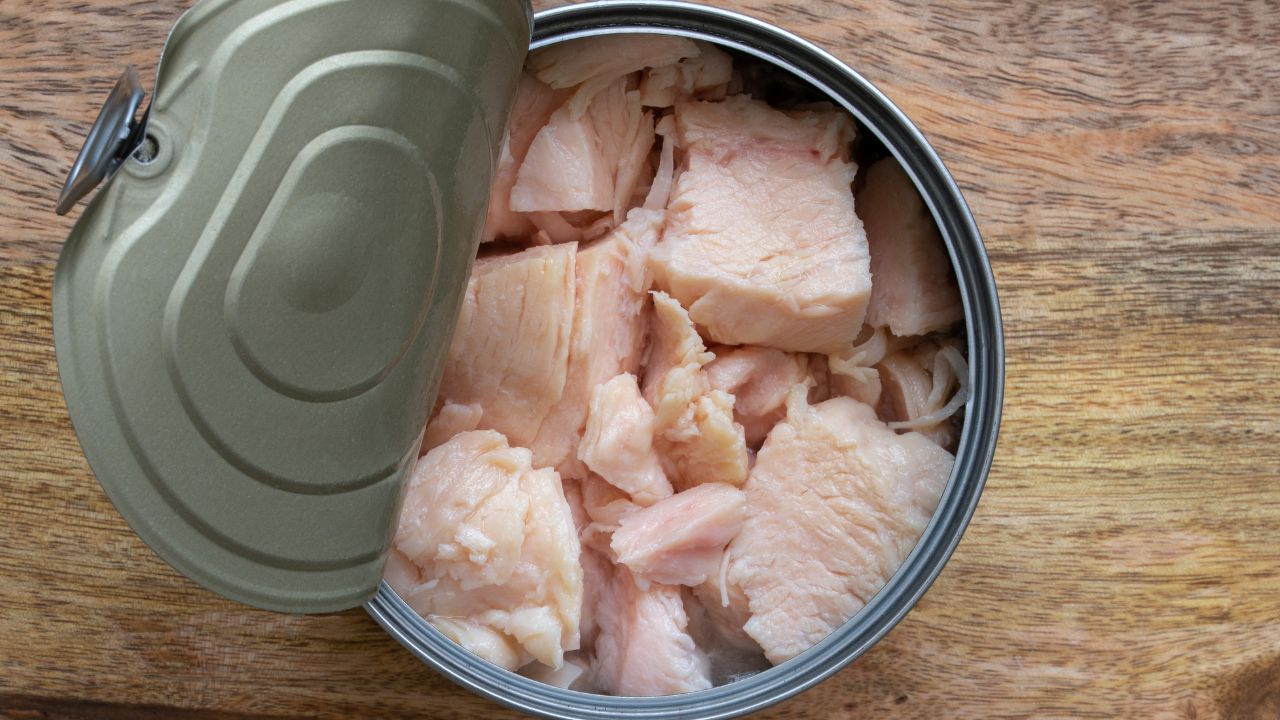
Picture this: you crack open a can and out slides an entire chicken, complete with bones, skin, and a gelatinous coating that makes you question every life choice that led you to this moment. Yes, canned whole chicken exists, and it’s exactly as bizarre as it sounds. This culinary oddity gained internet fame when people started posting videos of the jiggly, pale bird plopping out of its aluminum prison. The chicken comes pre-cooked and shelf-stable, ready to last through apocalypses, zombie invasions, or really desperate camping trips. Some brave souls claim it actually tastes decent once you rinse off that unsettling jelly layer and crisp up the skin in the oven. The meat supposedly stays moist and tender, though getting past the initial visual trauma requires serious mental fortitude.
Survival preppers swear by these canned chickens for their long shelf life and convenience, but for most of us, they’re more novelty than necessity. The whole concept feels like something conjured up during wartime rationing that somehow survived into the modern era. If you’re feeling adventurous (or masochistic), you can actually shred the meat for chicken salad, tacos, or soup—basically anything where you don’t have to look at the original blob. Some brands have been around since the 1920s, proving that generations of people have found reasons to buy these things beyond pure curiosity. Just remember: if you do decide to try one, maybe don’t film the unboxing during dinner time. Your Instagram followers will thank you, and your appetite might actually survive the experience intact.