12 Wild Foods You Should Never Pick Without Proper Knowledge
The call of the wild beckons many food enthusiasts to try foraging, but without proper knowledge, your woodland feast could turn deadly. Mother Nature offers incredible edibles alongside toxic lookalikes that send hundreds to the hospital yearly. I’ve learned this lesson the hard way after mistaking a questionable mushroom for a chanterelle (thank goodness for my field guide’s last-minute save!).
Wild food gathering connects us to ancient human traditions, yet modern foragers face dangerous doppelgängers. Death cap mushrooms kill within days, while seemingly innocent wild carrots stand eerily close to lethal water hemlock. Even common plants like elderberries need specific preparation to avoid making you seriously ill.
Before you grab that basket and head into the woods, remember that proper identification skills aren’t optional—they’re your lifeline. The twelve plants we’ll examine represent nature’s most deceptive offerings. Each requires respect, knowledge, and sometimes a healthy dose of fear. Your woodland shopping trip demands more caution than any supermarket visit ever will.
Wild Cherry Bark
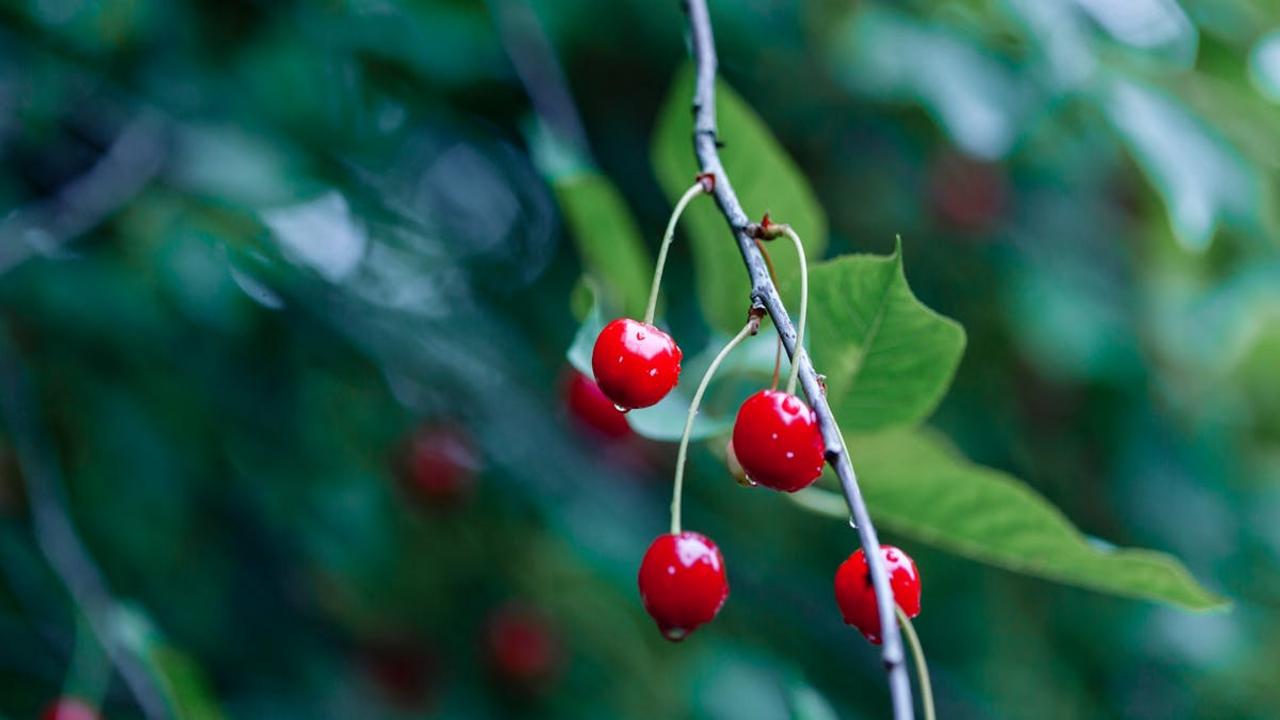
Wild cherry bark might sound like something you’d accidentally chew while hiking through the woods, but this reddish-brown treasure has been fooling people for centuries. Native Americans knew its secrets long before we started overthinking everything we put in our mouths. The bark from Prunus serotina contains compounds that can soothe coughs and calm nerves, but here’s where things get tricky – you need the right species, the right part of the tree, and the right preparation method. One wrong move and you’re dealing with cyanogenic glycosides, which release hydrogen cyanide when broken down. Yes, that’s the same stuff spy movies made famous, except way less glamorous and definitely not something you want coursing through your digestive system.
The bark tastes surprisingly pleasant – think bitter almond mixed with a hint of vanilla – but don’t let that fool you into casual experimentation. Professional herbalists spend years learning to identify the correct cherry species and distinguish mature bark from the more dangerous younger growth. You’ll find wild cherry bark in many commercial cough syrups and teas, where it’s been properly processed and standardized. If you’re determined to work with this botanical medicine, buy it from reputable suppliers who’ve done the hard work of proper identification and preparation. Your lungs might thank you, but your liver definitely will if you avoid the guesswork entirely.
Bittersweet Nightshade
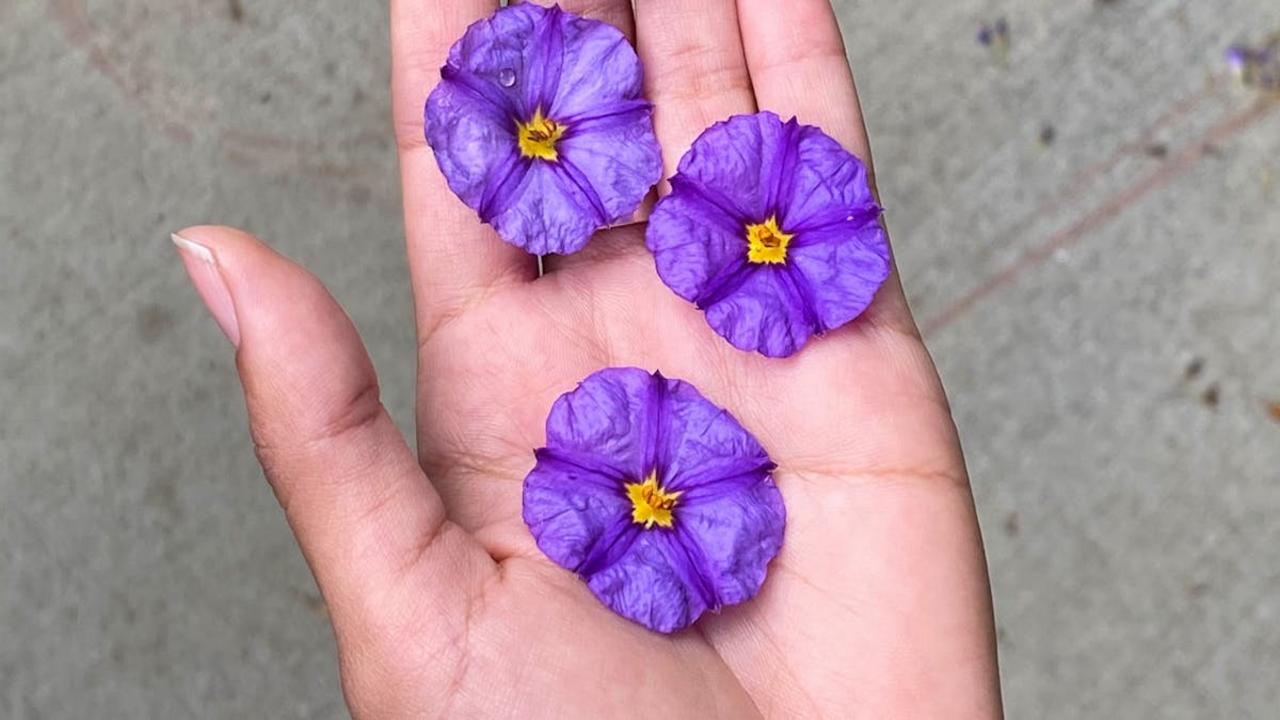
Picture this: you’re wandering through the woods and spot these gorgeous purple flowers with bright red berries that look like nature’s own little Christmas ornaments. Your brain whispers “free snack!” but hold up there, adventurous eater – those pretty berries belong to bittersweet nightshade, and they’re about as friendly as a hangry bear. This climbing vine might look innocent with its star-shaped purple blooms and glossy red berries, but it packs enough solanine alkaloids to turn your nature walk into a very unpleasant hospital visit. Fun fact: medieval folks called it “woody nightshade” because they thought it could cure everything from warts to witchcraft – spoiler alert, it definitely can’t.
The tricky thing about bittersweet nightshade is that it’s everywhere – climbing fences, wrapping around trees, basically being the overachiever of the poisonous plant world. Those tempting berries contain glycoalkaloids that can cause nausea, vomiting, and neurological symptoms that nobody signed up for during their peaceful nature stroll. Even touching the plant can irritate your skin, so it’s like nature’s way of saying “look but don’t touch, and definitely don’t eat!” If you’re foraging with kids, this one’s particularly sneaky because children find those bright berries irresistible. Save yourself the drama and stick to the grocery store – your stomach will thank you, and you won’t have to explain to the ER doctor why you thought wild berries were a good idea.
Holly Berries
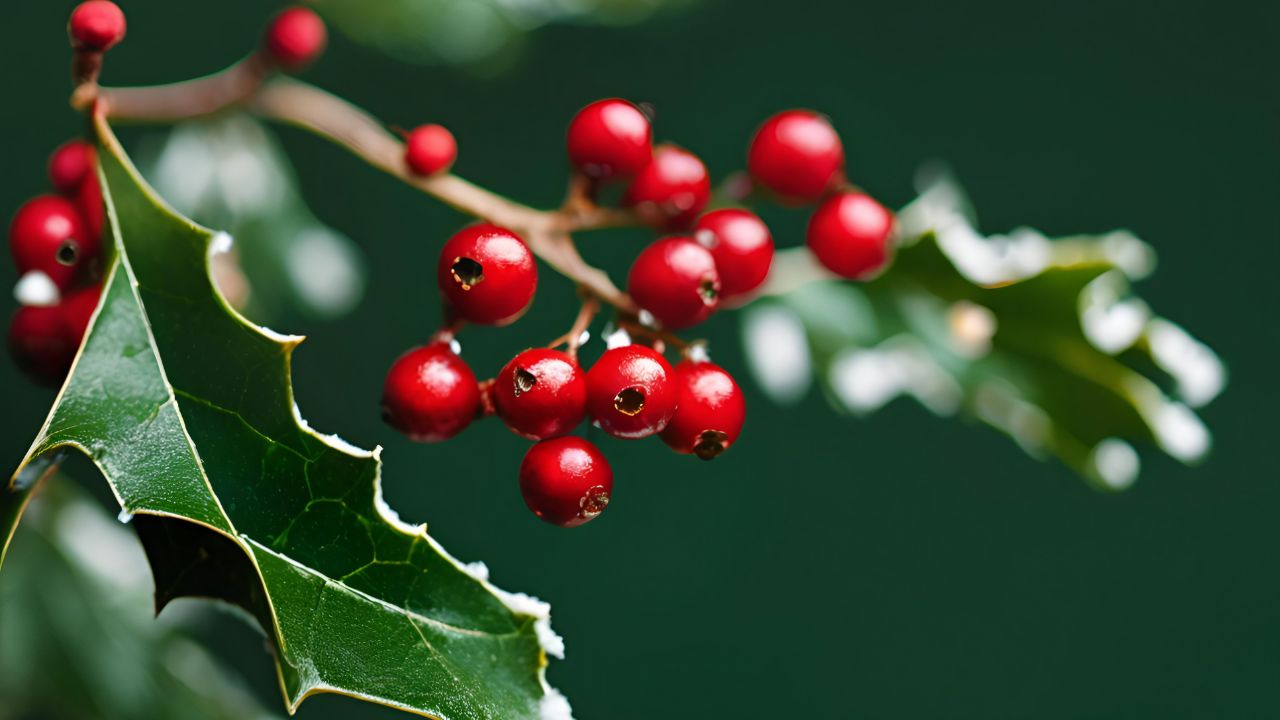
Those glossy red holly berries might look like nature’s perfect holiday decoration, but trust me, they’re about as edible as a Christmas ornament – and twice as dangerous! I learned this the hard way during my first foraging adventure when I nearly grabbed a handful, thinking they’d make a festive garnish for my winter salad. My experienced guide practically tackled me, explaining that these deceptively beautiful berries contain saponins that’ll have you spending your holidays in the emergency room instead of around the dinner table.
Here’s the thing that gets me every time – holly berries are basically nature’s way of testing whether you’re paying attention. They’re perfectly positioned at eye level during winter months when most other wild foods have disappeared, practically begging you to notice them. But these crimson temptresses pack a toxic punch that causes violent vomiting, drowsiness, and digestive chaos that’ll make you swear off foraging forever. Even birds avoid most holly varieties, which should tell you something! The female holly plants produce these berries after being pollinated by nearby male plants, creating clusters of 20-30 berries that stay bright red all winter long – nature’s most beautiful “do not touch” sign.
Virginia Creeper Berries
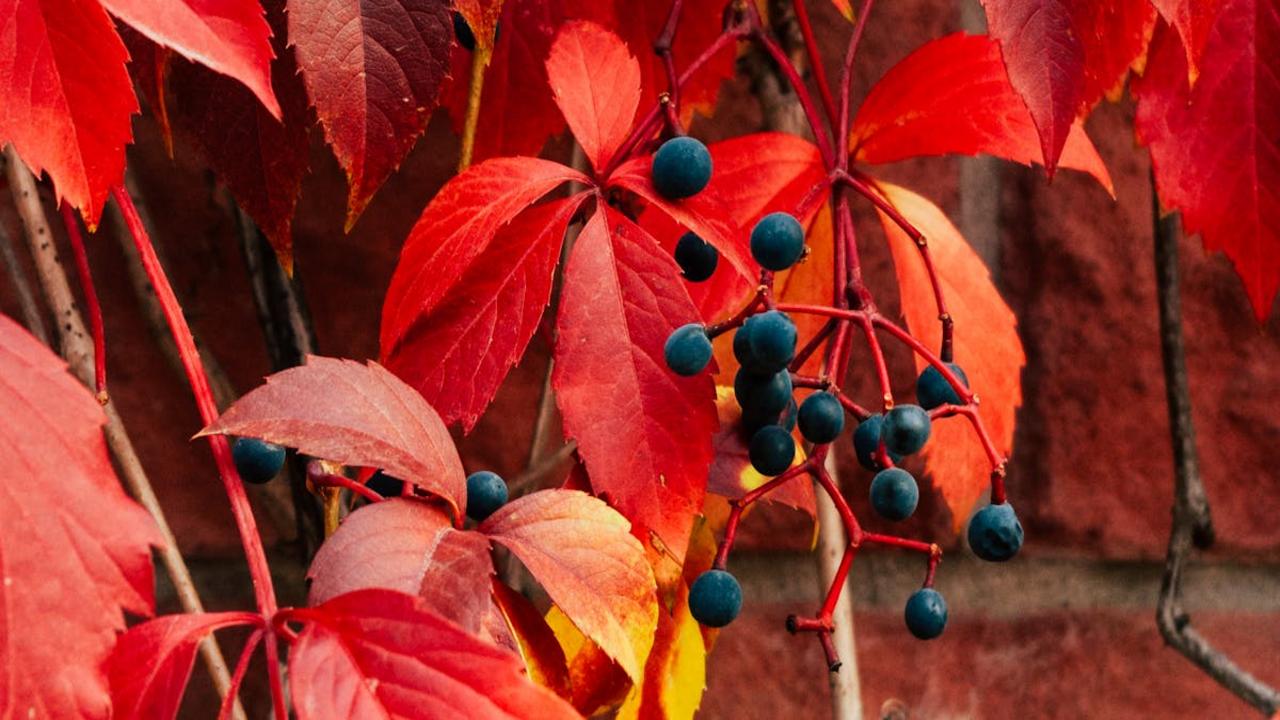
You know that gorgeous vine cascading down your neighbor’s fence with the stunning fall colors? That’s Virginia creeper, and those little blue berries dangling from it look absolutely tempting – like nature’s own blueberries just waiting for a snack attack. But here’s the plot twist that’ll make you glad you didn’t grab a handful: these innocent-looking berries contain oxalic acid crystals that can turn your mouth into a very unhappy place. We’re talking serious irritation, swelling, and the kind of burning sensation that makes you question all your life choices.
The real kicker? Virginia creeper often grows right alongside poison ivy, so you might end up with a double dose of misery if you go berry picking without proper identification skills. Birds absolutely love these berries and can munch them down without any issues – lucky little dinosaurs have different digestive systems than us humans. While the berries aren’t deadly, they’ll definitely give you a memorable experience you won’t want to repeat. Save yourself the drama and stick to the grocery store blueberries that won’t turn your tongue into a fire-breathing dragon.
Wild Almonds
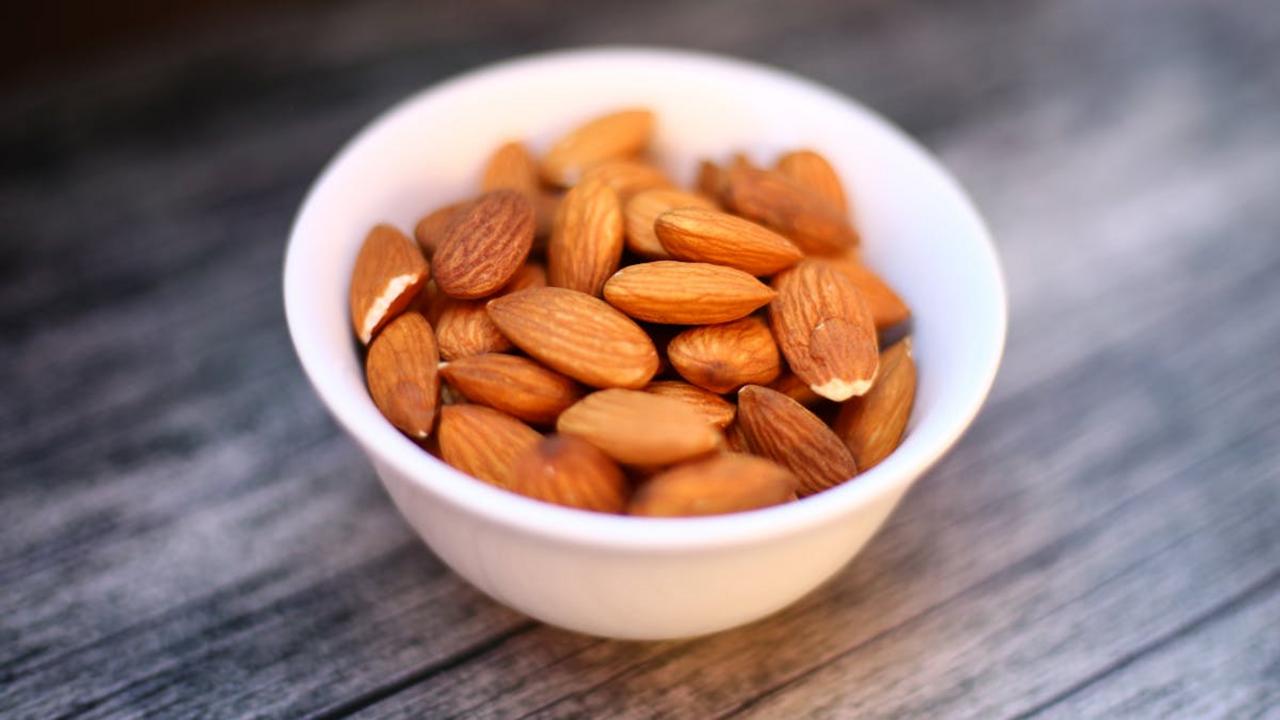
Wild almonds look innocent enough – like their sweet domestic cousins – but they pack a deadly secret that would make even the most adventurous forager think twice. These bitter nuts contain amygdalin, a compound that breaks down into hydrogen cyanide when you chew them. Yes, that’s the same stuff used in spy movies! Just ten to twenty wild almonds can produce enough cyanide to seriously harm an adult, while a smaller amount could be fatal for children. The irony? Our beloved sweet almonds are actually mutant versions of these wild ones – thousands of years ago, someone noticed a tree producing non-bitter nuts and thought, “Hey, these won’t kill me!” Smart thinking, ancient farmer friend.
You can spot wild almonds by their intensely bitter taste – nature’s warning system working overtime. Unlike the mild, nutty flavor of store-bought almonds, wild ones hit your tongue like a slap of pure bitterness that screams “DANGER!” If you accidentally bite into one while hiking, spit it out immediately and rinse your mouth. The good news? Commercial almonds undergo strict testing to ensure they’re the safe, sweet variety. So stick to the grocery store for your almond fix, and leave the wild ones for the squirrels – though even they seem to know better and often avoid them instinctively.
Rhubarb Leaves
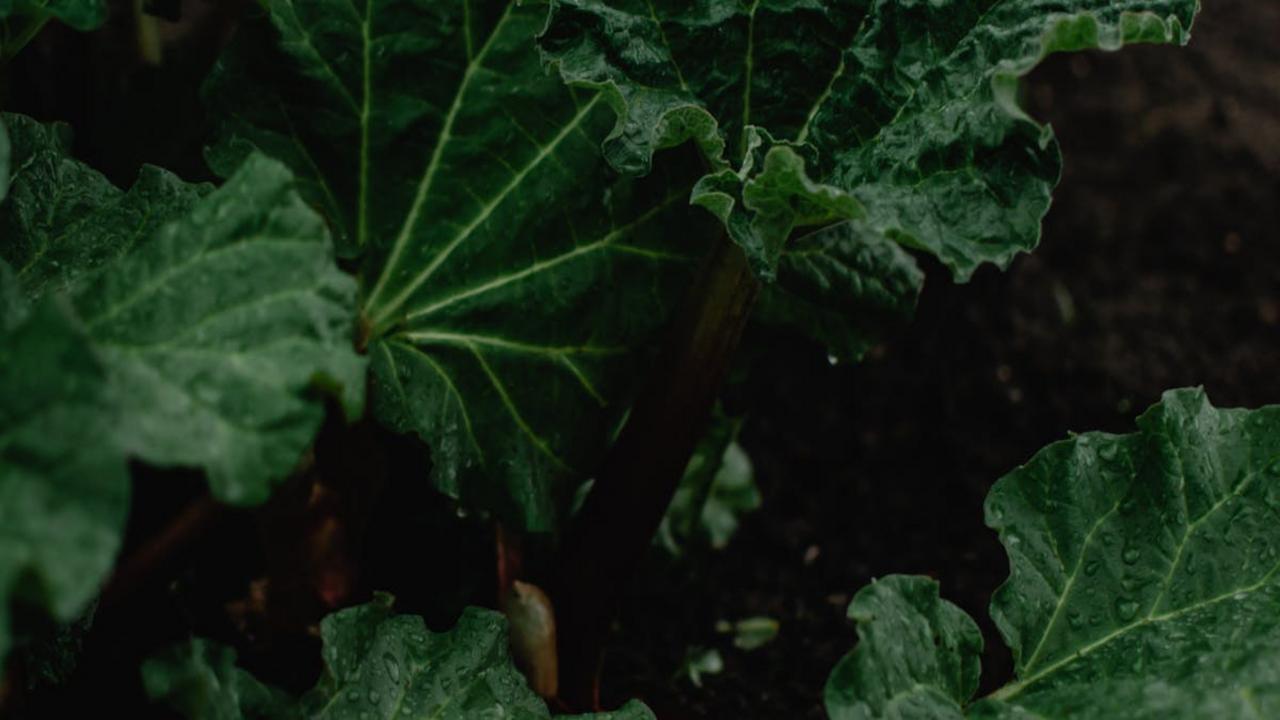
Here’s a plot twist that’ll make your green thumb twitch: while rhubarb stalks create the most heavenly pies and jams, their leaves are basically nature’s way of saying “nope!” Those gorgeous, crinkled leaves contain oxalic acid and anthraquinone glycosides—fancy chemistry words that translate to “you’re going to have a really bad time.” We’re talking kidney damage, breathing difficulties, and digestive chaos that’ll make you swear off anything green for weeks. I once watched my neighbor’s goat accidentally munch on some rhubarb leaves, and let me just say, even animals with iron stomachs know better after one taste.
The cruel irony? Rhubarb stalks are completely safe and absolutely delicious, while those broad, beautiful leaves sitting right on top are toxic troublemakers. It’s like nature’s playing the ultimate prank—giving us this amazing tart ingredient while wrapping it in poison. Always trim those leaves off immediately and toss them in your compost (they’re fine for breaking down). Trust me, no strawberry-rhubarb pie is worth a trip to the emergency room, no matter how Instagram-worthy those giant leaves might look as garnish!
Pokeweed
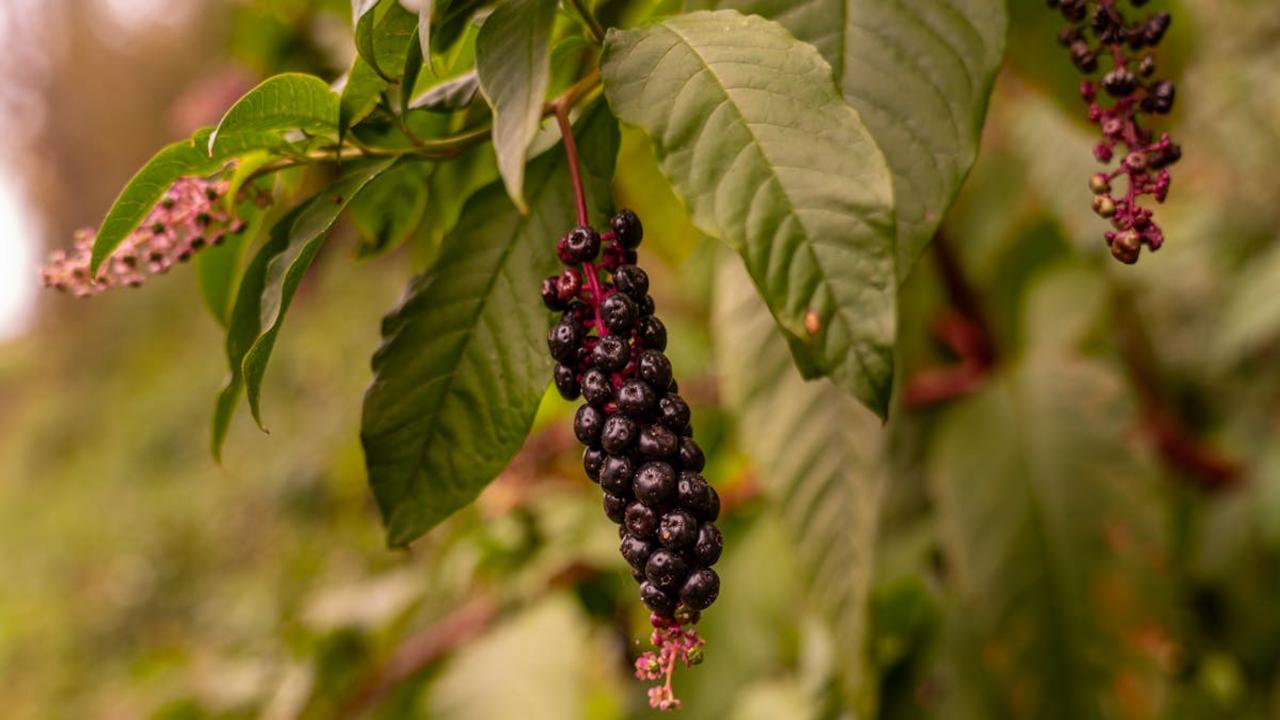
Picture this: you’re wandering through the woods and spot these gorgeous deep purple berries hanging in clusters like nature’s own chandelier. Before you get any bright ideas about making pokeweed pie, pump the brakes! This beautiful deceiver might look like something straight out of a fairy tale, but it’s more like the villain’s poison apple. Every single part of this plant – roots, stems, leaves, and those tempting berries – contains saponins and other compounds that’ll send you straight to the emergency room faster than you can say “oops.”
Here’s where it gets weird: some folks in the South actually eat pokeweed shoots in spring, but only after boiling them three times and changing the water each time. They call it “poke salad” (yes, like the Elvis song), and it’s a tradition passed down through generations who knew exactly what they were doing. But unless you’ve got a PhD in pokeweed preparation or your grandmother taught you the ancient art of triple-boiling, stay far away from this one. The margin for error is basically zero, and trust me, food poisoning from pokeweed isn’t the kind of story you want to tell at dinner parties!
Water Hemlock
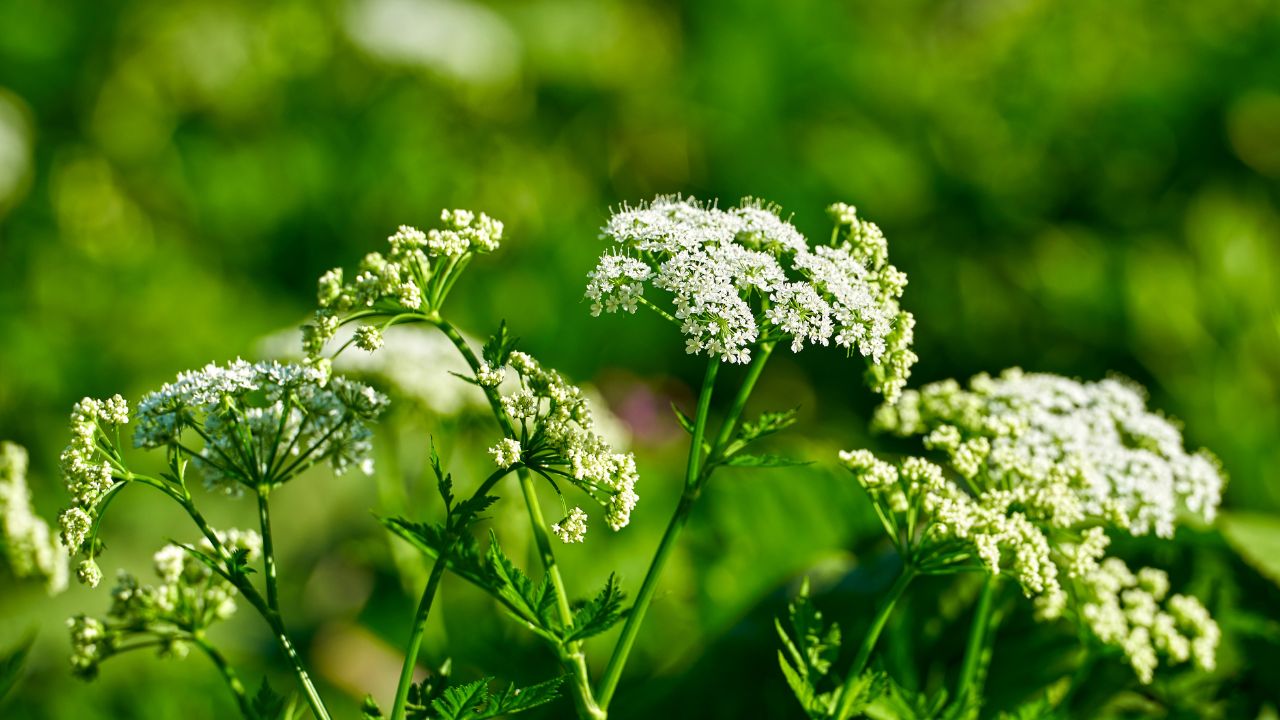
Picture this: you’re strolling through a marshy meadow, and you spot these innocent-looking white umbrella flowers clustered together like nature’s own wedding bouquet. Your foraging instincts kick in, and you think, “Hey, those look edible!” Stop right there, friend! You’ve just encountered water hemlock, aka the plant that makes poison ivy look like a friendly puppy. This deceivingly pretty perennial has earned the title of North America’s most toxic plant, and trust me, that’s not a competition you want to win. One tiny nibble of its root can send you to the great garden in the sky faster than you can say “organic smoothie.”
Water hemlock contains cicutoxin, a compound so nasty that even touching the plant’s broken stems can cause skin irritation. The really terrifying part? It smells sweet and innocent, like parsnips or carrots – nature’s cruel joke on hungry humans. Indigenous peoples knew to avoid this botanical villain, calling it “musquash root” or “beaver poison,” because even woodland creatures give it the cold shoulder. If you’re thinking you can spot the difference between this death dealer and safe plants like Queen Anne’s lace, think again – they’re botanical twins separated at birth, except one wants to be your friend and the other wants to crash your dinner party permanently.
Wild Carrots
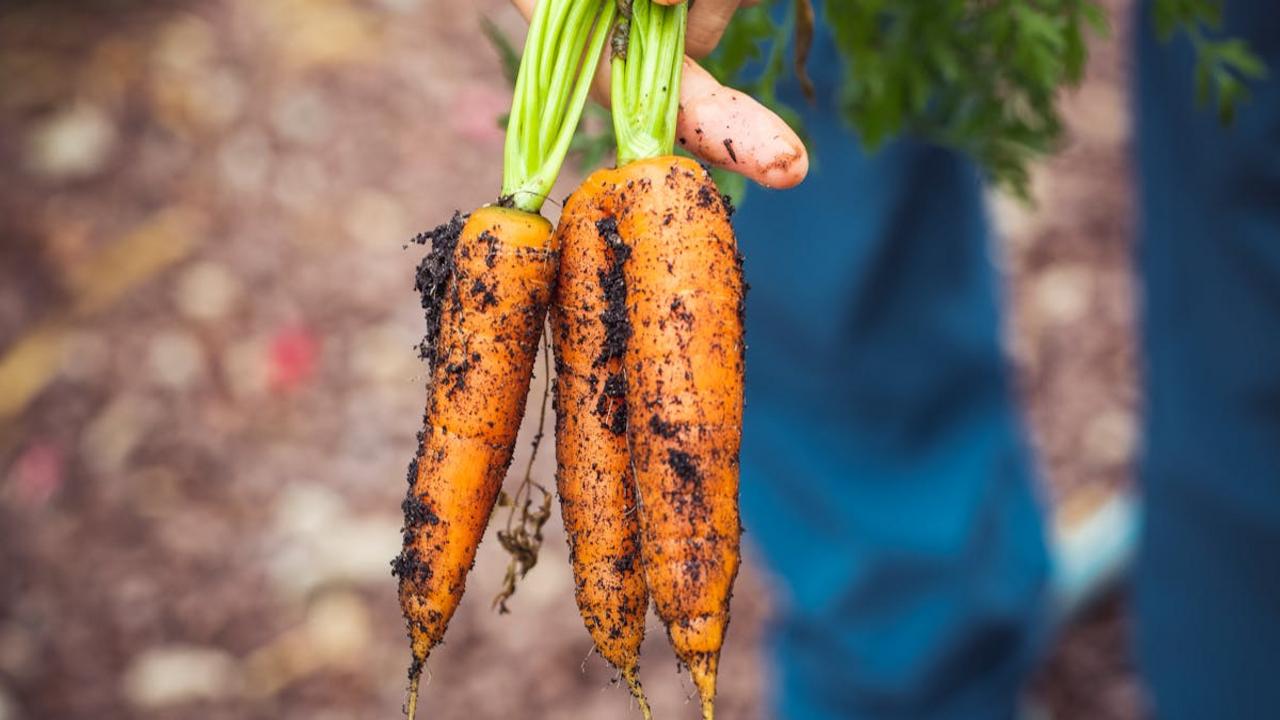
Picture this: you’re strolling through a meadow, spot some feathery white flowers that look suspiciously carrot-like, and think “Score! Free vegetables!” Hold your horses there, forager friend. Wild carrots, also known as Queen Anne’s lace, might share DNA with your garden-variety orange sticks, but they’re playing a dangerous game of botanical twin with poison hemlock. The difference between a delicious root and a trip to the emergency room? About as subtle as a whisper in a hurricane. Wild carrot flowers have a tiny dark purple dot in their center (nature’s warning label, how thoughtful!), while their deadly doppelganger sports pure white blooms without any distinguishing marks.
Here’s where things get really tricky – even experienced foragers sometimes mix up these plants because young poison hemlock can look remarkably similar to wild carrot seedlings. Your nose becomes your best detective tool here: crush a wild carrot leaf and you’ll get that familiar carrot scent, while poison hemlock smells musty and unpleasant (nature’s way of saying “back off!”). The roots of true wild carrots are skinny, tough, and frankly not worth the risk unless you’re absolutely certain of your identification skills. Save yourself the stress and stick to the farmers market – those carrots come with a guarantee that doesn’t involve calling poison control.
Elderberries
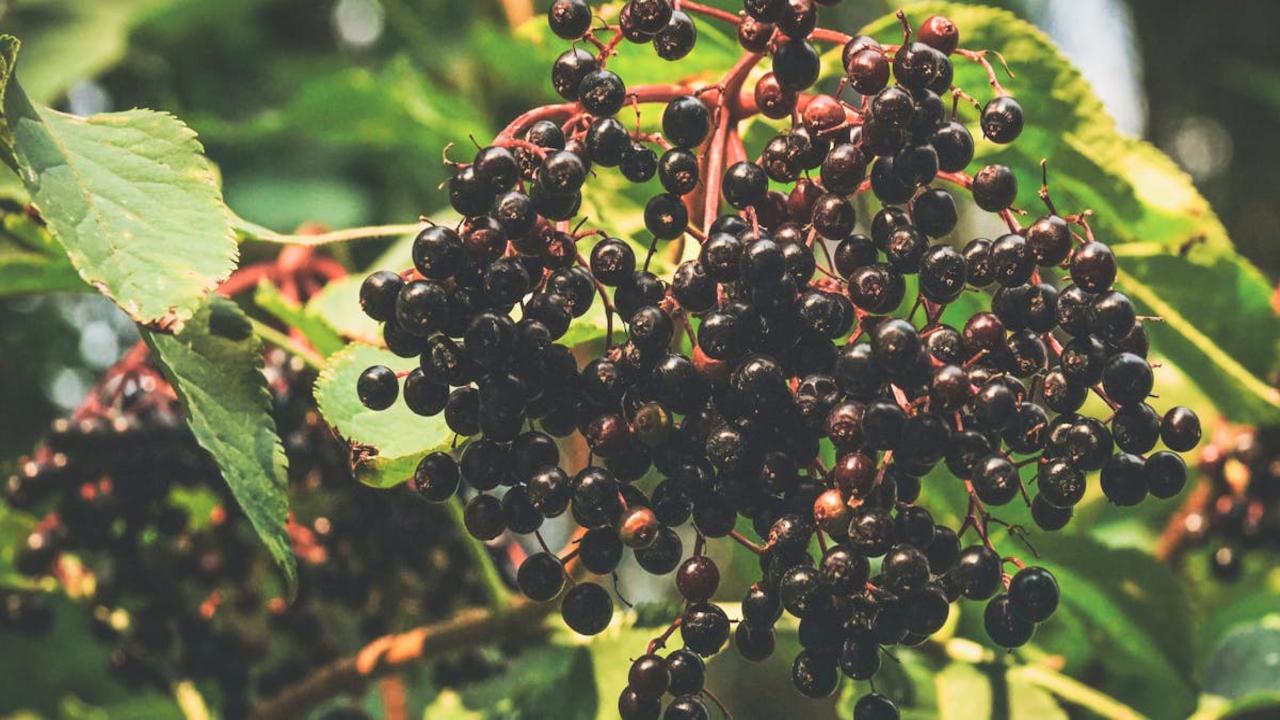
You know that innocent-looking elderberry bush in your backyard? The one with those gorgeous purple-black clusters that look like nature’s candy? Well, hold your horses there, forager! Those beautiful berries come with a serious warning label that Mother Nature forgot to attach. Raw elderberries contain cyanogenic glycosides – basically compounds that release cyanide when you chew them. Yes, cyanide! The same stuff that makes detective novels so dramatic. Your stomach will stage a full rebellion with nausea, vomiting, and diarrhea faster than you can say “oops.” Even worse, the bark, seeds, and leaves pack an even more potent punch of these nasty compounds.
But here’s where elderberries get interesting – they’re actually safe and absolutely delicious when cooked properly! Heat breaks down those troublesome compounds, transforming these potentially dangerous berries into liquid gold. Europeans have been making elderberry syrup, wine, and jams for centuries, and for good reason. The cooked berries taste like a cross between blackberries and grapes, with a rich, earthy sweetness that makes your homemade syrup taste infinitely better than anything from the pharmacy aisle. Just remember: cook first, taste second, live to forage another day. Raw elderberries might look tempting, but they’re one wild food that demands respect and a good old-fashioned cooking session.
Death Cap Mushrooms
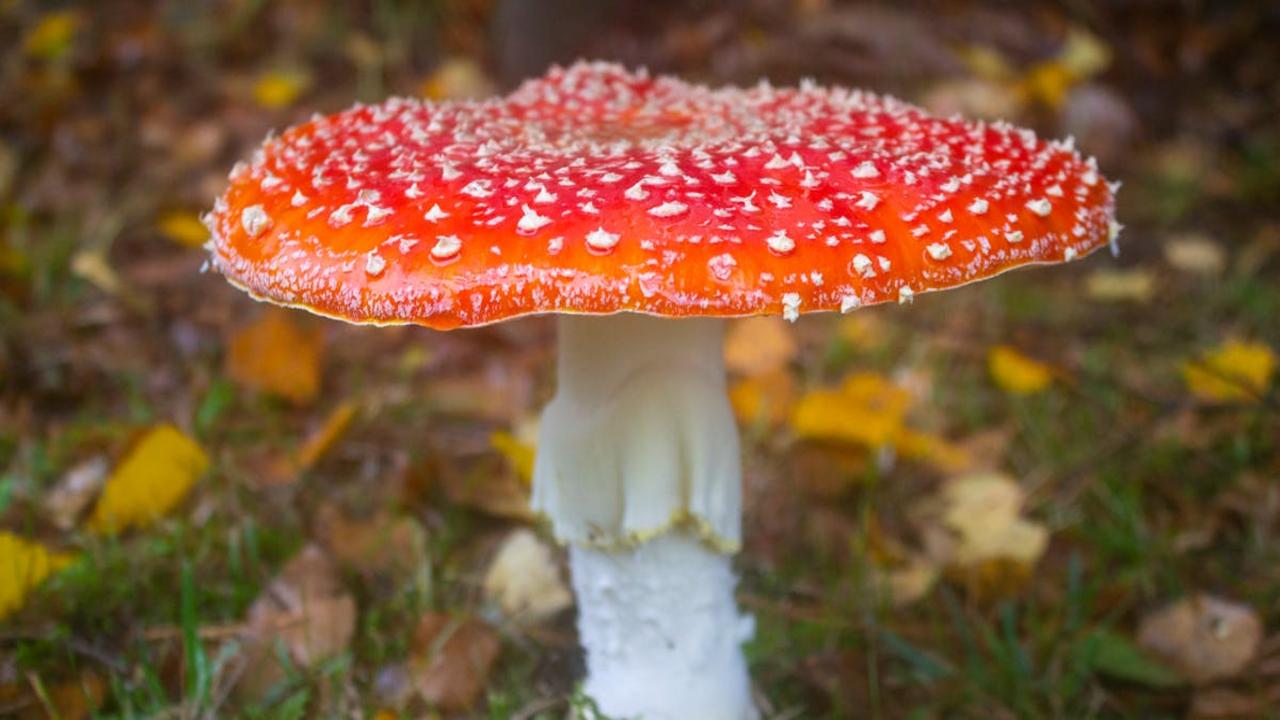
Death Cap mushrooms earned their ominous name for good reason – these innocent-looking fungi contain enough toxins to knock out an elephant, literally. You’d think something so deadly would announce itself with warning colors or an off-putting smell, but nope! These sneaky little murderers masquerade as perfectly edible mushrooms, complete with a pleasant, nutty aroma that would make your grandmother want to toss them into her famous risotto. Native to Europe but now spreading across North America like an unwelcome dinner guest, Death Caps pack amatoxins that your liver absolutely cannot process, making them responsible for about 95% of mushroom poisoning deaths worldwide.
Here’s the truly terrifying part: Death Cap poisoning plays the long game. You might enjoy what seems like a perfectly normal mushroom dinner, feel completely fine for 6-12 hours, then suddenly find yourself in the fight of your life. The initial symptoms – vomiting, diarrhea, severe dehydration – might fool you into thinking you’ve got a simple case of food poisoning. But then comes the cruel plot twist: you feel better! This false recovery period lasts about a day before the real damage becomes apparent. Even experienced foragers get fooled because young Death Caps look remarkably similar to edible puffballs and other safe varieties, which is exactly why mushroom hunting requires years of training, not just a weekend crash course from YouTube.
False Morels
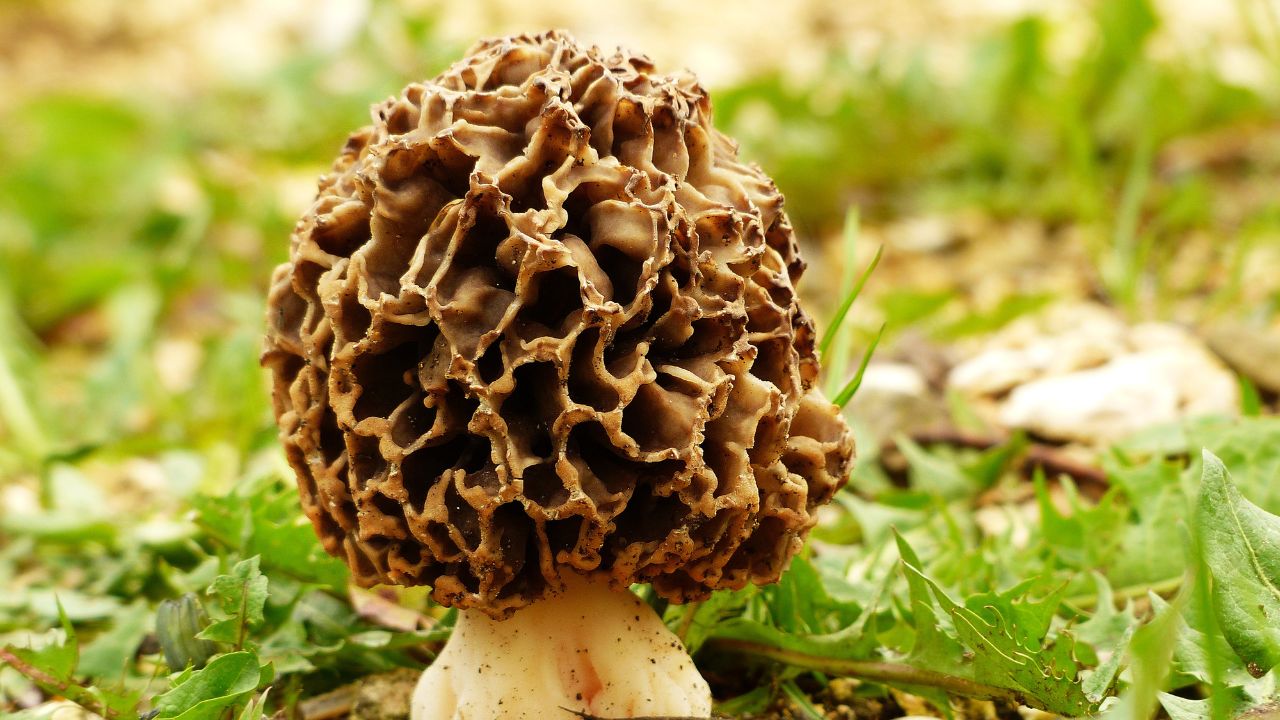
You know that moment when you’re strolling through the woods in spring and spot what looks like a wrinkled brain sitting on a log? That’s probably a false morel, and trust me, your actual brain will thank you for walking away. These sneaky fungi love to masquerade as their delicious true morel cousins, but they’re packing a seriously toxic punch that can turn your foraging adventure into a medical emergency faster than you can say “mushroom risotto.”
False morels contain gyromitrin, a compound that breaks down into rocket fuel components in your body – and no, that’s not the kind of energy boost you want from your dinner. While some folks in Scandinavia have traditional methods of preparing them (involving multiple boilings and prayers to the mushroom gods), one wrong move and you’re looking at liver damage, seizures, or worse. The real kicker? They actually smell pretty appetizing when cooked, which makes them extra dangerous for newbie foragers who think their nose knows best. Stick to buying your morels from trusted sources, because when it comes to fungi that look like alien brains, it’s better to be safe than sorry – or dead.