15 Protein-Rich Foods to Add to Your Grocery Cart and Weeknight Menu
Building muscle, staying satisfied, and maintaining energy throughout your day becomes so much easier when you stock your kitchen with the right protein sources. Whether you’re meal prepping for busy weeknights or simply want to upgrade your grocery shopping game, these fifteen powerhouse foods will transform how you think about getting enough protein in your diet.
From creamy cottage cheese that works perfectly in both sweet and savory dishes to nutrient-dense hemp seeds you can sprinkle on practically anything, this collection covers all your protein needs. You’ll discover familiar favorites alongside some exciting options that might become your new go-to ingredients for quick, satisfying meals.
Ready to revolutionize your weekly menu planning? These versatile protein sources will help you create delicious, balanced meals without spending hours in the kitchen. Each option brings its own unique flavor profile and cooking possibilities, making healthy eating both simple and enjoyable for your entire family.
Quinoa
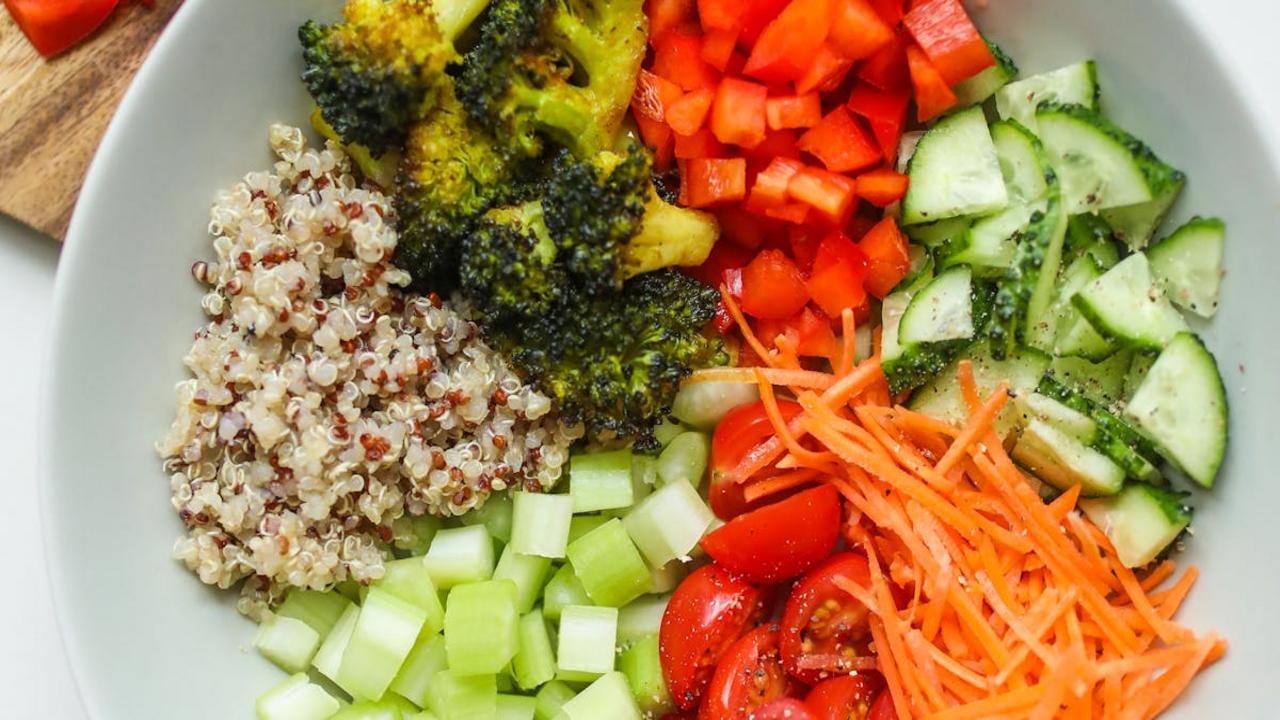
If you haven’t added quinoa to your grocery cart yet, you’re missing out on one of the most versatile protein powerhouses in the grain aisle! This tiny seed (yes, it’s technically a seed, not a grain) packs an impressive 8 grams of complete protein per cooked cup, meaning it contains all nine amino acids your body needs. What makes quinoa particularly special is its fluffy, light texture and subtle nutty flavor that plays well with both sweet and savory dishes. I love how it cooks up in just 15 minutes and doubles in size, making it perfect for meal prep sessions.
The beauty of quinoa lies in its incredible adaptability – you can toss it into salads for extra substance, use it as a base for grain bowls, or even blend it into smoothies for a protein boost. Try swapping it for rice in your favorite stir-fry, mixing it with roasted vegetables and a simple vinaigrette for a satisfying lunch, or stirring it into soups for added heartiness. I particularly enjoy making quinoa breakfast bowls with fresh berries, a drizzle of honey, and chopped nuts. Pro tip: always rinse quinoa before cooking to remove its natural coating, which can taste slightly bitter – this simple step transforms it into a mild, delicious canvas for your favorite flavors.
Mackerel

If you haven’t tried mackerel yet, you’re missing out on one of the ocean’s most nutritious gifts! This oily fish packs an impressive 20 grams of protein per 3.5-ounce serving, making it a fantastic addition to your weekly meal rotation. What makes mackerel truly special is its rich omega-3 fatty acid content, which supports heart health while delivering that satisfying protein punch your body craves.
I love how versatile mackerel can be in the kitchen – you can grill it with simple herbs, bake it in foil packets with vegetables, or even add canned mackerel to pasta salads for a quick weeknight dinner. The fish has a bold, slightly sweet flavor that pairs beautifully with citrus, garlic, and fresh herbs. Don’t worry if the idea of cooking whole fish feels intimidating; canned mackerel works wonderfully too and gives you the same nutritional benefits. Try mixing it into quinoa bowls, spreading it on whole grain toast, or tossing it with greens for a protein-packed lunch that takes minutes to prepare.
Sardines

Don’t let their small size fool you – sardines pack an incredible protein punch that makes them one of the most underrated additions to your grocery cart. These tiny fish deliver about 25 grams of complete protein per 3.75-ounce can, making them perfect for quick weeknight dinners or satisfying lunch breaks. I love how versatile they are: toss them into pasta with garlic and lemon, mash them onto toast with avocado, or add them to salads for an instant protein boost. Their rich, savory flavor transforms simple dishes into something special without requiring hours in the kitchen.
What makes sardines even more appealing is their convenience and affordability – you can stock your pantry with several cans for under ten dollars and always have a protein-rich meal solution ready. They’re also loaded with omega-3 fatty acids and calcium, giving you bonus nutrition points with every bite. Try mixing canned sardines with cooked quinoa, diced tomatoes, and fresh herbs for a Mediterranean-inspired bowl, or blend them into a creamy spread with cream cheese and capers for an elegant appetizer. Once you start cooking with sardines regularly, you’ll wonder why you waited so long to give these nutritional powerhouses a chance.
Tuna
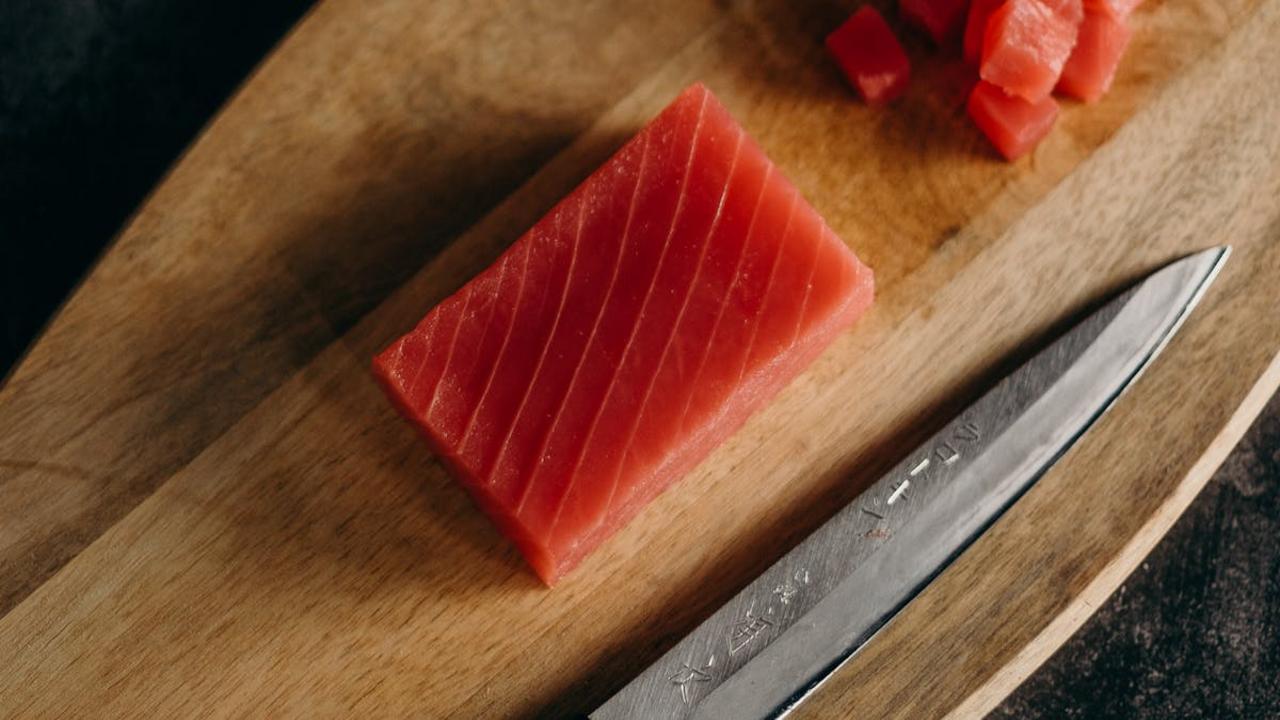
Tuna stands out as one of the most convenient protein powerhouses you can stock in your pantry. A single 3-ounce serving delivers an impressive 25 grams of lean protein, making it perfect for quick weeknight dinners or satisfying lunches. What I love most about tuna is how versatile it can be – from classic tuna melts to Mediterranean-inspired pasta salads, this fish adapts beautifully to whatever flavors you’re craving. Plus, it’s loaded with omega-3 fatty acids that support heart health and brain function.
Don’t limit yourself to the basic canned variety, though! Fresh tuna steaks offer a completely different experience with their meaty texture and rich flavor that pairs wonderfully with simple seasonings like garlic, ginger, and soy sauce. If you’re watching your budget, canned tuna remains an incredibly smart choice – mix it with Greek yogurt instead of mayo for extra protein, toss it into grain bowls, or stuff it into avocado halves for a quick snack. Whether you choose fresh or canned, tuna transforms ordinary meals into protein-packed satisfaction that keeps you fueled throughout your busy day.
Lentils
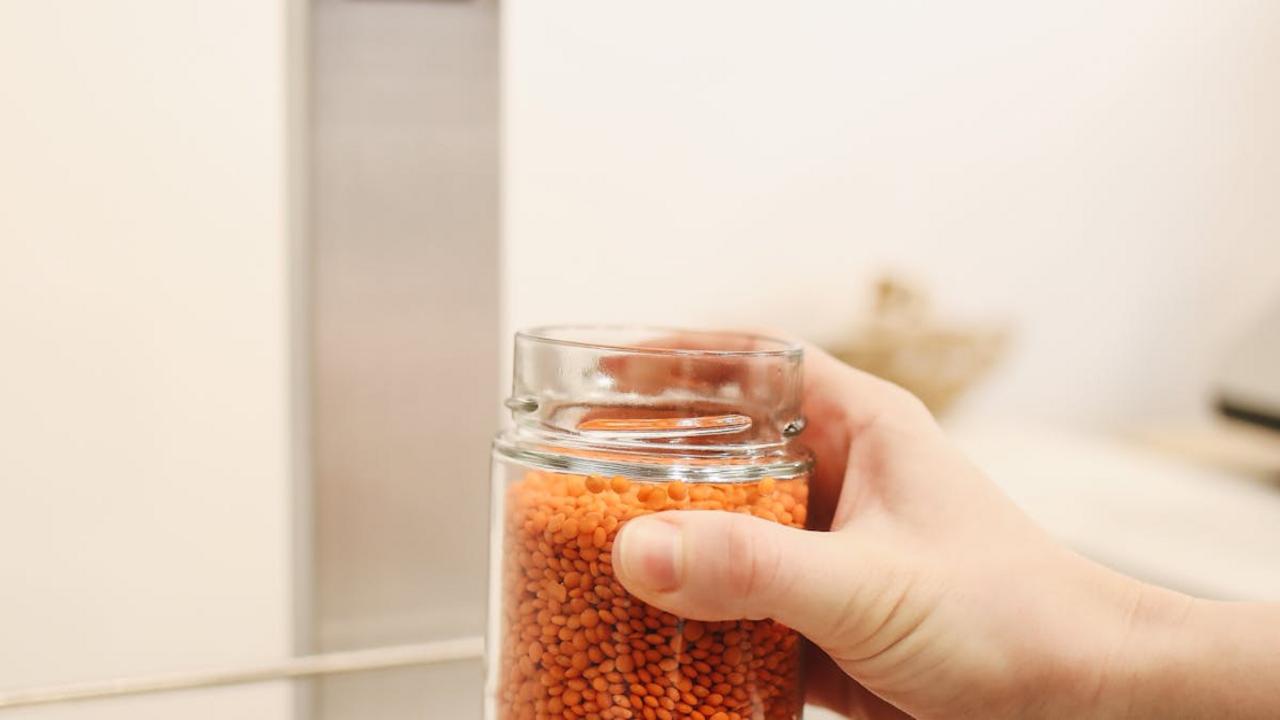
You know what makes my heart sing in the kitchen? Finding ingredients that deliver both incredible nutrition and amazing versatility, and lentils absolutely nail both requirements. These tiny powerhouses pack around 18 grams of protein per cooked cup, making them a fantastic plant-based protein source that won’t break your grocery budget. I love how they come in so many varieties – red, green, black, brown – each bringing its own unique texture and flavor profile to your meals.
What really gets me excited about lentils is how forgiving they are for busy weeknights. Unlike beans, most lentils don’t need soaking and cook up beautifully in just 15-25 minutes. Red lentils practically melt into creamy soups and curries, while firmer green and black lentils hold their shape perfectly in salads and grain bowls. I toss them into pasta sauces for extra protein, blend cooked red lentils into smoothies for a creamy boost, or simply season them with garlic and herbs for a satisfying side dish. They absorb flavors like little sponges, so don’t be shy with your spices!
Seitan
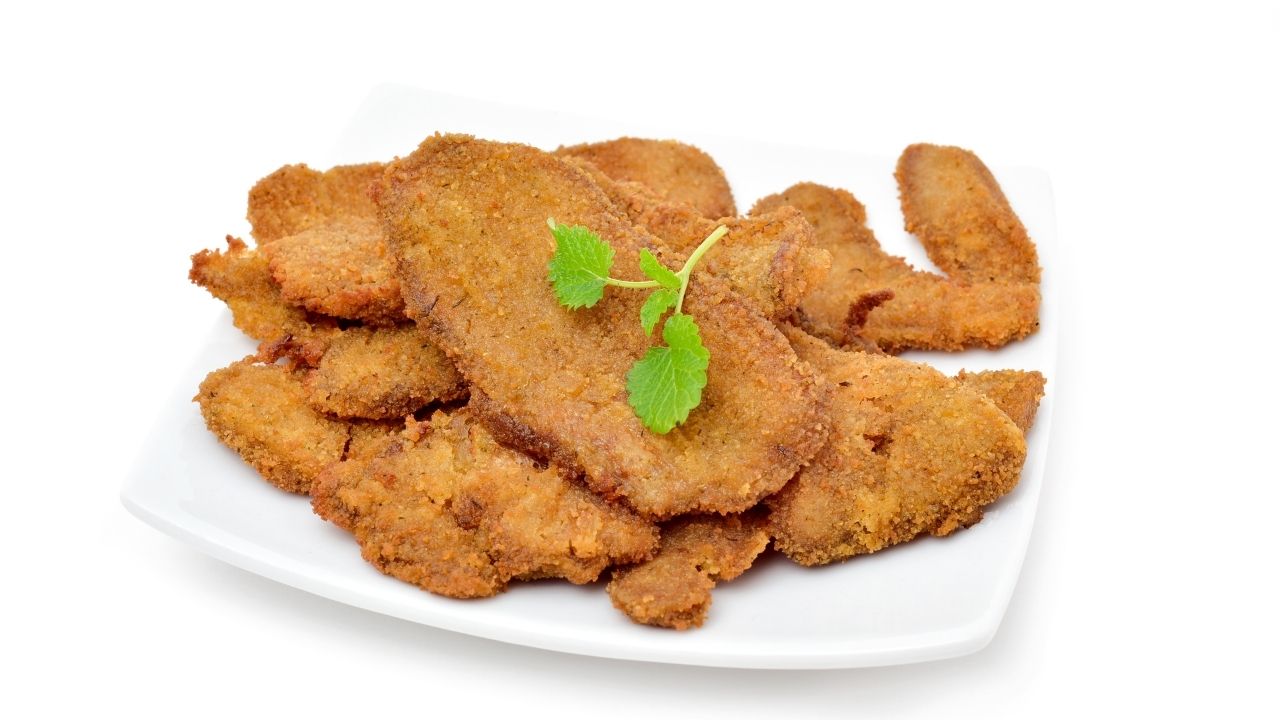
Seitan might sound exotic, but this wheat-based protein powerhouse deserves a permanent spot in your kitchen rotation. With an impressive 20-25 grams of protein per 3.5-ounce serving, seitan outpaces many traditional protein sources while offering a satisfyingly chewy texture that makes it incredibly versatile. You can find it in most grocery stores’ refrigerated sections, usually near the tofu, and it’s surprisingly budget-friendly compared to meat alternatives.
What I love most about seitan is how it transforms into whatever flavors you throw at it. Slice it thin for stir-fries, cube it for hearty stews, or shred it for tacos – this protein chameleon adapts beautifully to your favorite seasonings and cooking methods. Try marinating strips in soy sauce and garlic for a quick weeknight protein, or simmer chunks in your favorite curry sauce. The neutral flavor means you’re the boss of the taste profile, and the substantial texture means you’ll feel genuinely satisfied after your meal.
Nutritional yeast

Don’t let the name fool you – nutritional yeast is absolutely nothing like the yeast you’d use for bread baking! This golden, flaky superfood packs an impressive 8 grams of complete protein per quarter cup, making it a fantastic addition to your plant-based protein arsenal. What makes nutritional yeast truly special is its naturally occurring B-vitamins, including B12, which can be tricky to find in plant foods. You’ll often find it fortified with even more nutrients, turning this humble ingredient into a real powerhouse.
The flavor profile is what really wins people over – think nutty, cheesy, and slightly savory all rolled into one. I love sprinkling it over popcorn for a healthy movie night snack, or whisking it into cashew cream sauces to create the most convincing dairy-free “cheese” sauce you’ve ever tasted. You can toss it with roasted vegetables, blend it into smoothies for extra protein, or even mix it into your scrambled tofu for a more complex flavor. Keep a shaker bottle on your counter and you’ll find yourself reaching for it constantly – it’s one of those ingredients that makes healthy eating feel indulgent rather than restrictive.
Spirulina
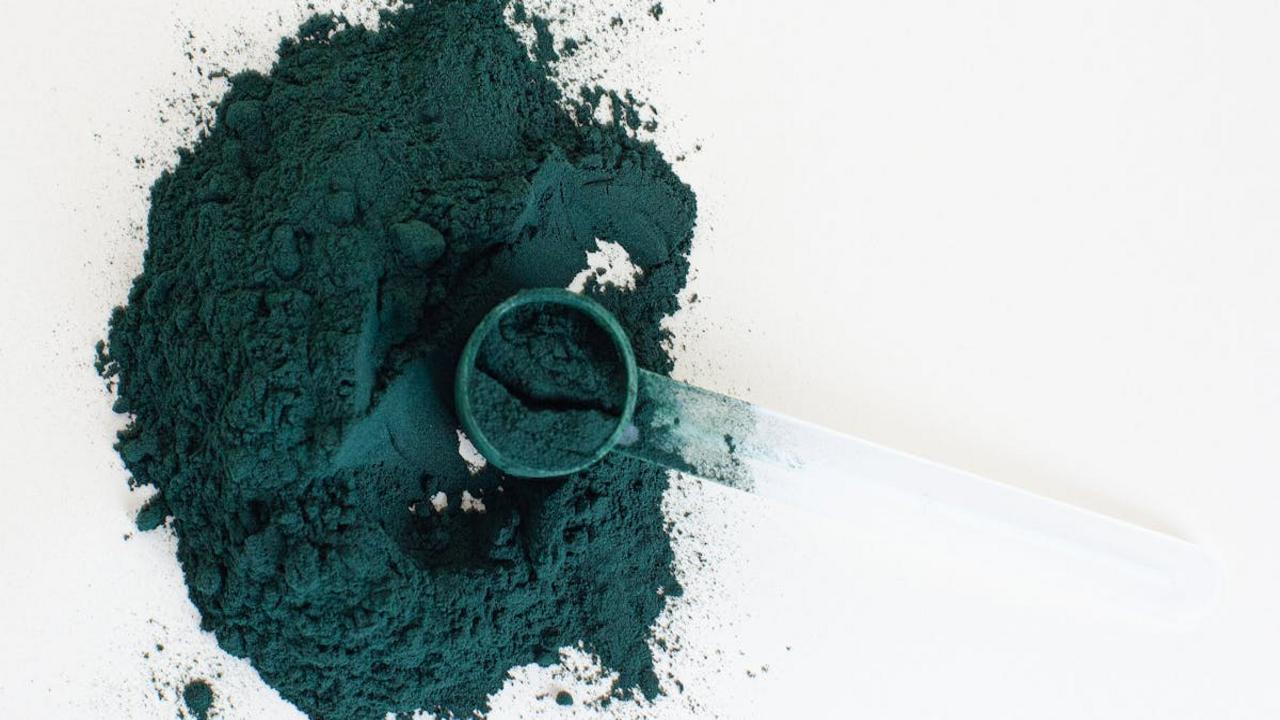
If you haven’t tried spirulina yet, you’re missing out on one of nature’s most concentrated protein sources! This blue-green algae packs an incredible 8 grams of complete protein into just two tablespoons, making it a fantastic addition to your daily routine. What makes spirulina truly special is that it contains all nine amino acids your body needs, something you don’t find in many plant-based foods. Plus, it’s loaded with iron, B vitamins, and antioxidants that give your immune system a serious boost.
I love adding spirulina to my morning smoothies because it blends beautifully with tropical fruits like mango and pineapple – the sweetness balances out spirulina’s earthy flavor perfectly. You can also stir it into yogurt, mix it into homemade energy balls, or even blend it into salad dressings for an unexpected nutritional punch. Start with just half a teaspoon since spirulina has a strong flavor, then gradually increase the amount as you get used to it. Trust me, once you experience the energy boost this superfood provides, you’ll wonder how you ever lived without it in your kitchen!
Tempeh
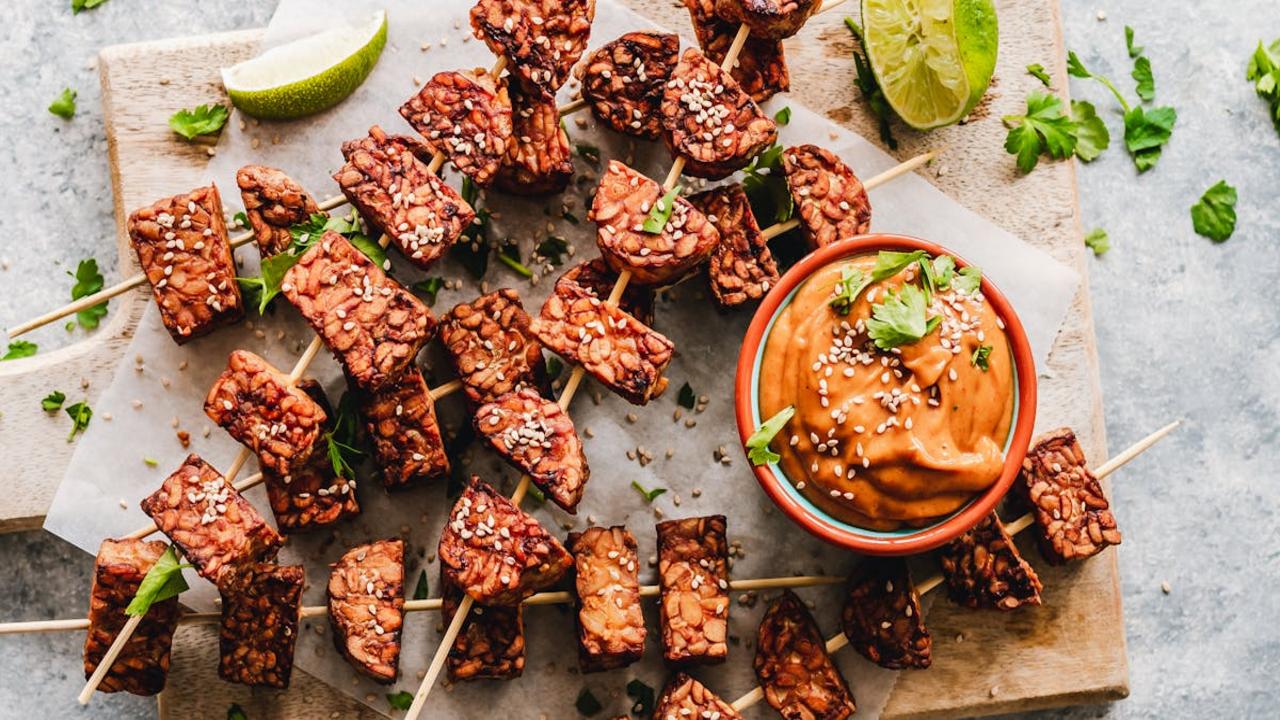
Tempeh brings an impressive 15 grams of protein per 3-ounce serving, making it one of my favorite plant-based powerhouses for weeknight dinners. This Indonesian fermented soybean cake has a nutty, earthy flavor and firm texture that soaks up marinades beautifully. Unlike tofu, tempeh maintains its shape during cooking and offers a satisfying bite that even meat-eaters appreciate. The fermentation process also creates beneficial probiotics, supporting your digestive health while you fuel your muscles.
You can slice tempeh thin for stir-fries, crumble it into pasta sauces, or marinate chunks in your favorite BBQ sauce for grilling. I love pan-frying it with a splash of soy sauce and garlic until golden, then tossing it over salads or grain bowls. The protein content rivals many animal products, but tempeh also brings fiber, magnesium, and B vitamins to your plate. Find it in the refrigerated section near other plant-based proteins, and don’t worry if it looks a bit rustic – those white spots are just the healthy mycelium that binds the soybeans together during fermentation.
Greek yogurt
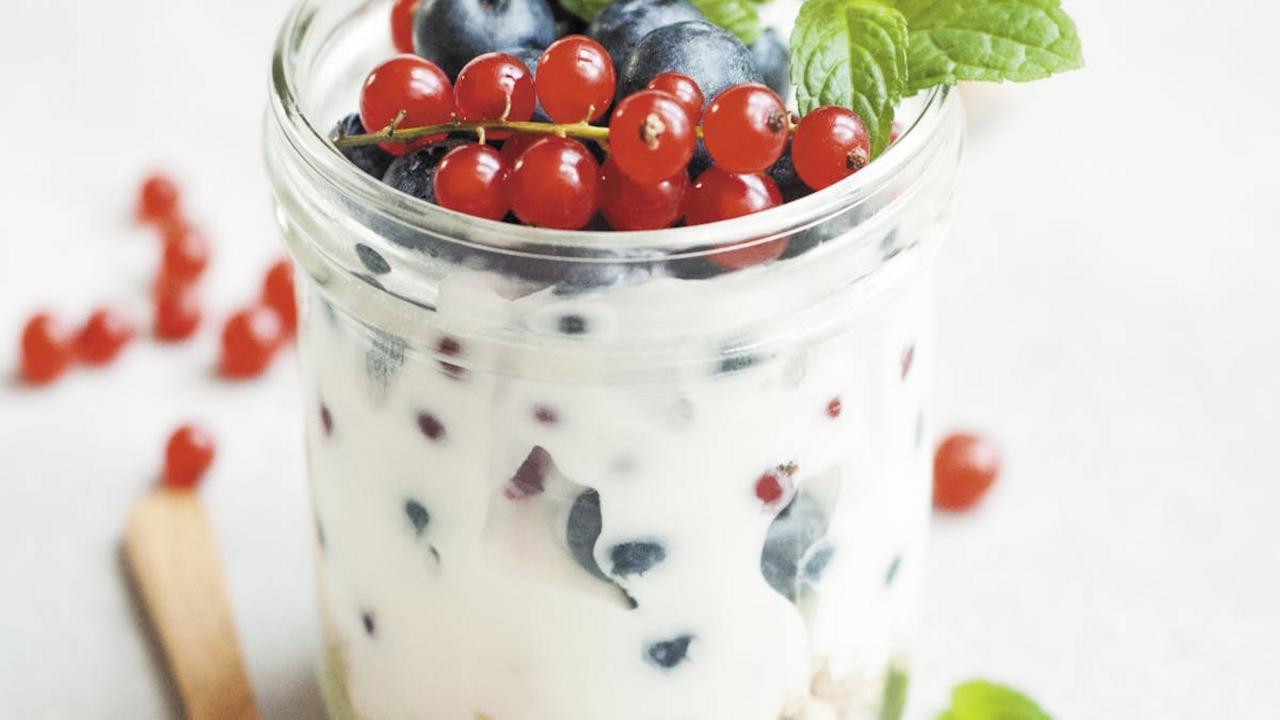
Greek yogurt stands as one of the most versatile protein powerhouses you can stock in your refrigerator. With approximately 15-20 grams of protein per 6-ounce serving, this creamy delight delivers nearly double the protein content of regular yogurt. The secret lies in the straining process that removes excess whey, concentrating both the protein and that signature thick texture we all love. You’ll find Greek yogurt works beautifully in both sweet and savory applications, making it a fantastic ingredient for busy weeknights.
Transform your morning routine by swapping regular yogurt for Greek varieties in smoothies, parfaits, or simply topped with fresh berries and a drizzle of honey. For dinner prep, use Greek yogurt as a base for creamy salad dressings, marinades for chicken, or as a healthier substitute for sour cream in tacos and baked potatoes. The tangy flavor profile adds depth to dishes while boosting your protein intake significantly. Keep both plain and vanilla varieties on hand – plain works perfectly for savory dishes, while vanilla enhances sweet preparations without overwhelming other flavors.
Navy beans
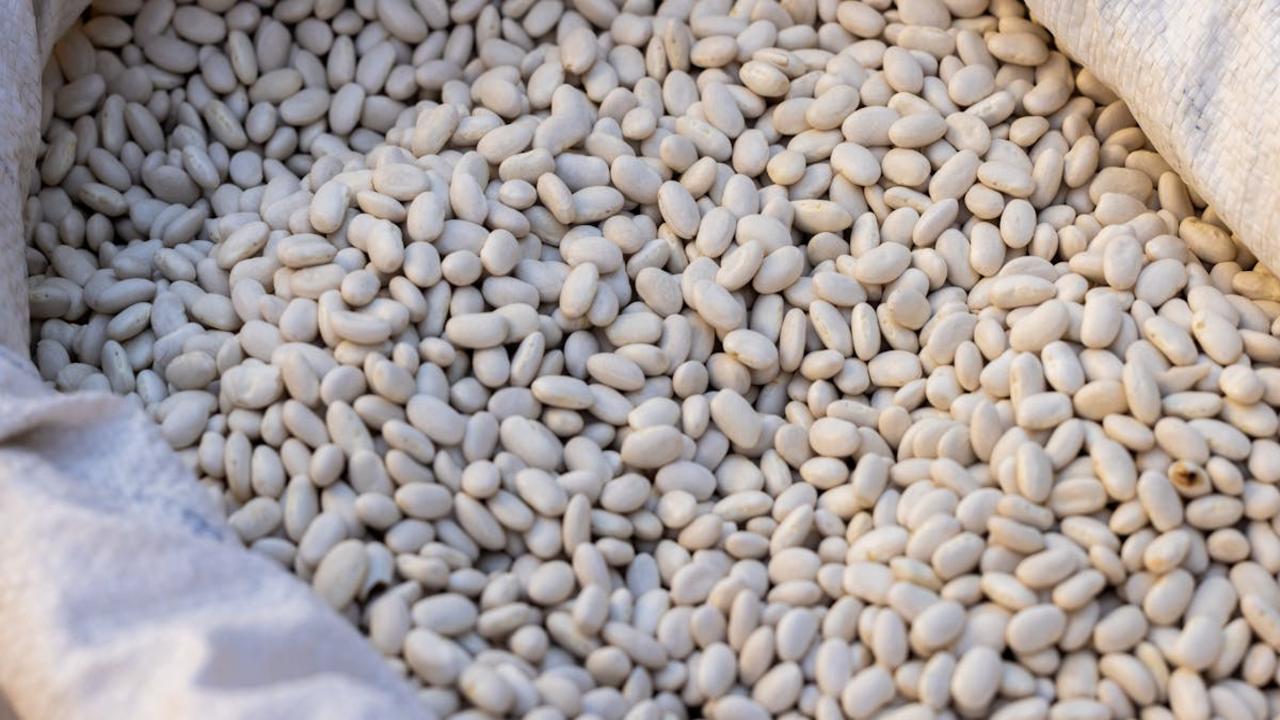
Navy beans pack an impressive protein punch with about 15 grams per cooked cup, making them one of the most budget-friendly protein sources you can stock in your pantry. These small, creamy white beans cook up beautifully and absorb flavors like little sponges, which means they work perfectly in everything from hearty soups to Mediterranean salads. I love how they hold their shape even after long cooking times, giving you that satisfying bite that makes bean dishes feel substantial and filling.
You can transform these humble beans into weeknight dinner heroes with minimal effort. Toss them into a slow cooker with some diced tomatoes, onions, and your favorite herbs for an easy protein-rich base that pairs beautifully with crusty bread or over rice. They also shine in cold salads – just rinse a can, mix with fresh herbs, lemon juice, and olive oil, and you have a protein-packed side that keeps well in the fridge for days. Keep both dried and canned versions on hand because they store forever and cook up into creamy, satisfying meals that your whole family will actually want to eat.
Black beans
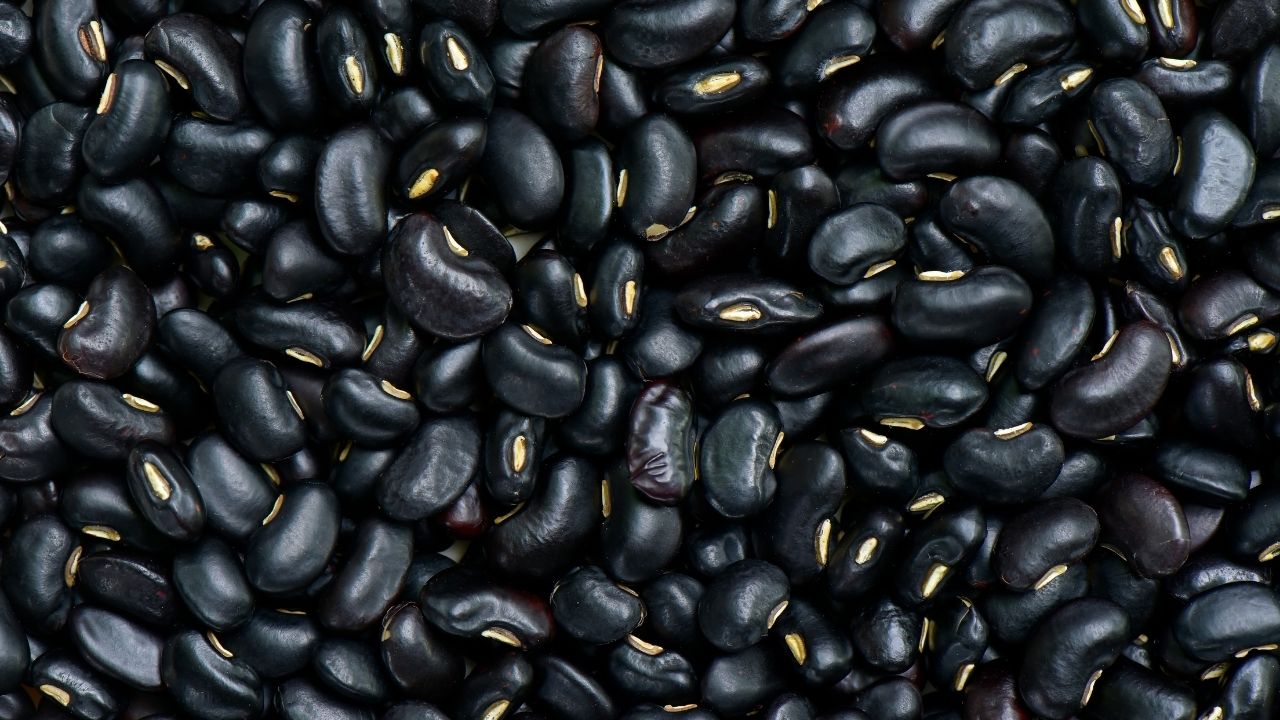
Black beans pack an impressive 15 grams of protein per cup, making them one of the most budget-friendly protein sources you can stock in your pantry. These little nutritional powerhouses bring so much more to your plate than just protein – they’re loaded with fiber, folate, and antioxidants that support your overall health. I love how versatile they are in the kitchen! You can toss them into salads, blend them into creamy dips, or use them as the star ingredient in hearty soups and stews.
The best part about black beans? They’re incredibly forgiving for busy weeknight cooking. Keep a few cans in your pantry for those moments when you need to pull together a quick, satisfying meal. Try mashing them with cumin and lime for easy black bean quesadillas, or mix them with quinoa and roasted vegetables for a complete protein bowl. Their rich, earthy flavor pairs beautifully with bold spices like chili powder, oregano, and garlic, so don’t be afraid to experiment with different seasonings to keep your meals exciting.
Pumpkin seeds
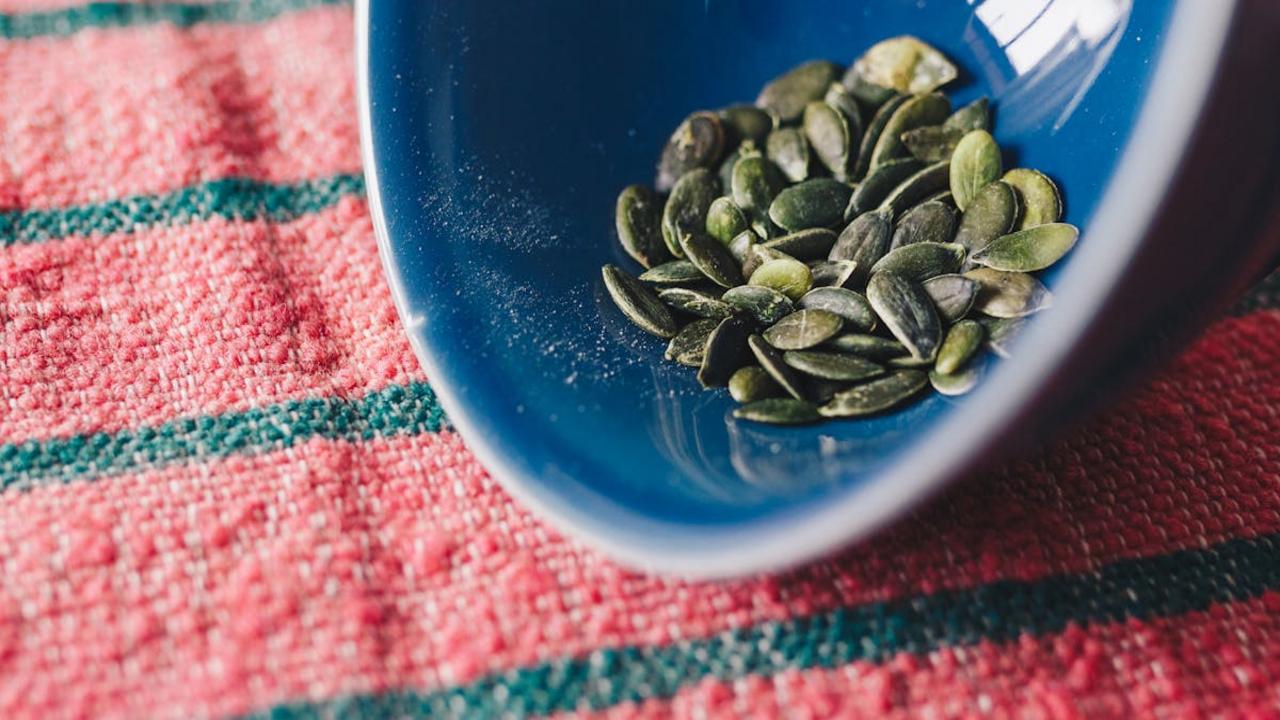
You know those seeds you usually scoop out and toss when carving pumpkins? Stop right there! Pumpkin seeds pack an incredible protein punch with about 9 grams per ounce, plus they’re loaded with magnesium, zinc, and healthy fats. I love how they transform from slimy pumpkin innards into crispy, nutty treasures with just a little roasting magic. Save them from your next pumpkin project, or grab a bag from the store – either way, your body will thank you for this mineral-rich powerhouse.
These little green gems work beautifully in both sweet and savory dishes. Toss them into your morning granola, sprinkle them over salads for extra crunch, or blend them into smoothies for a protein boost that won’t weigh you down. I particularly enjoy them roasted with a touch of sea salt and paprika as an afternoon snack – they satisfy that need for something crunchy while keeping your energy steady. Try mixing them into homemade trail mix or grinding them up to coat chicken or fish for a unique twist on your weeknight proteins.
Hemp seeds
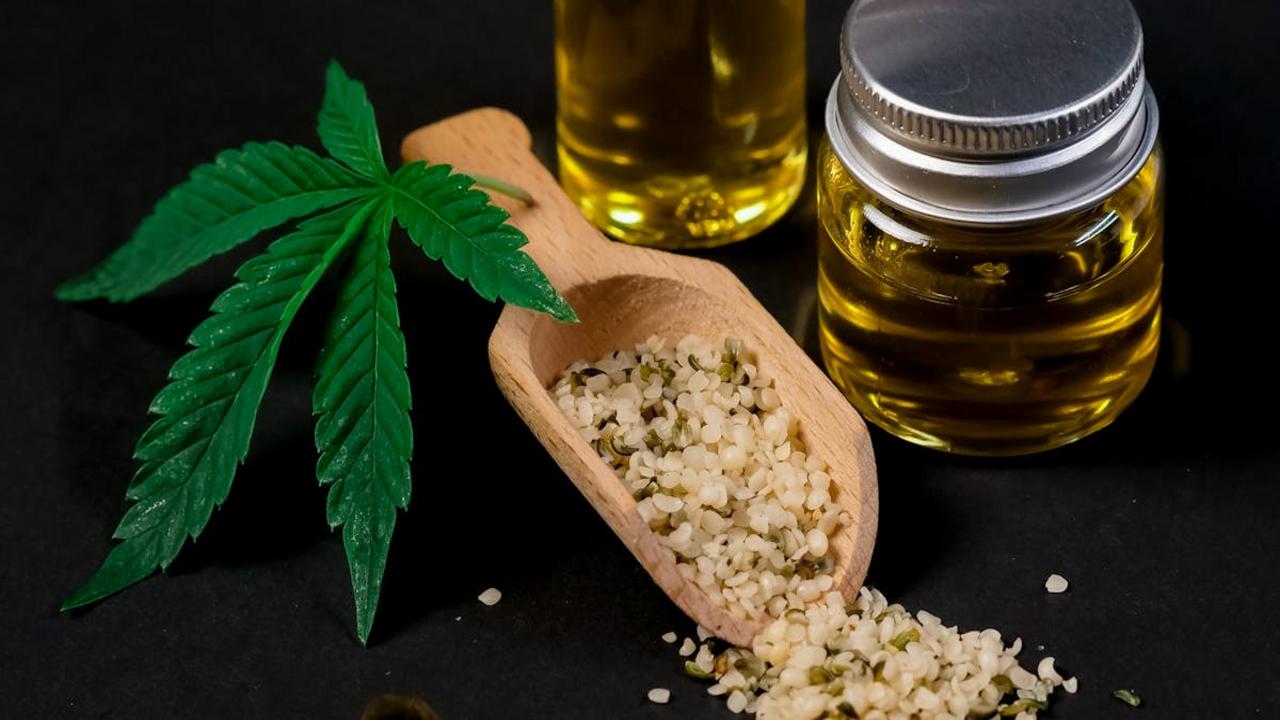
Hemp seeds might be tiny, but don’t let their size fool you – these nutritional powerhouses pack an impressive 10 grams of complete protein per 3-tablespoon serving! I love how they bring a mild, nutty flavor to everything from morning smoothie bowls to evening salads. Unlike many plant-based proteins, hemp seeds contain all nine amino acids your body needs, making them perfect for vegetarians, vegans, and anyone looking to diversify their protein sources. Plus, they’re incredibly versatile and require zero preparation – just sprinkle and enjoy!
What makes hemp seeds truly special is how effortlessly they blend into your daily meals. Toss them into your yogurt for breakfast, blend them into smoothies for extra creaminess, or sprinkle them over roasted vegetables for dinner. They add a wonderful texture contrast without overpowering other flavors, and you’ll get bonus omega-3 and omega-6 fatty acids along with that protein boost. I keep a bag in my pantry at all times because they’re such an easy way to upgrade any dish nutritionally. Trust me, once you start using hemp seeds, you’ll wonder how you ever cooked without them!
Cottage cheese
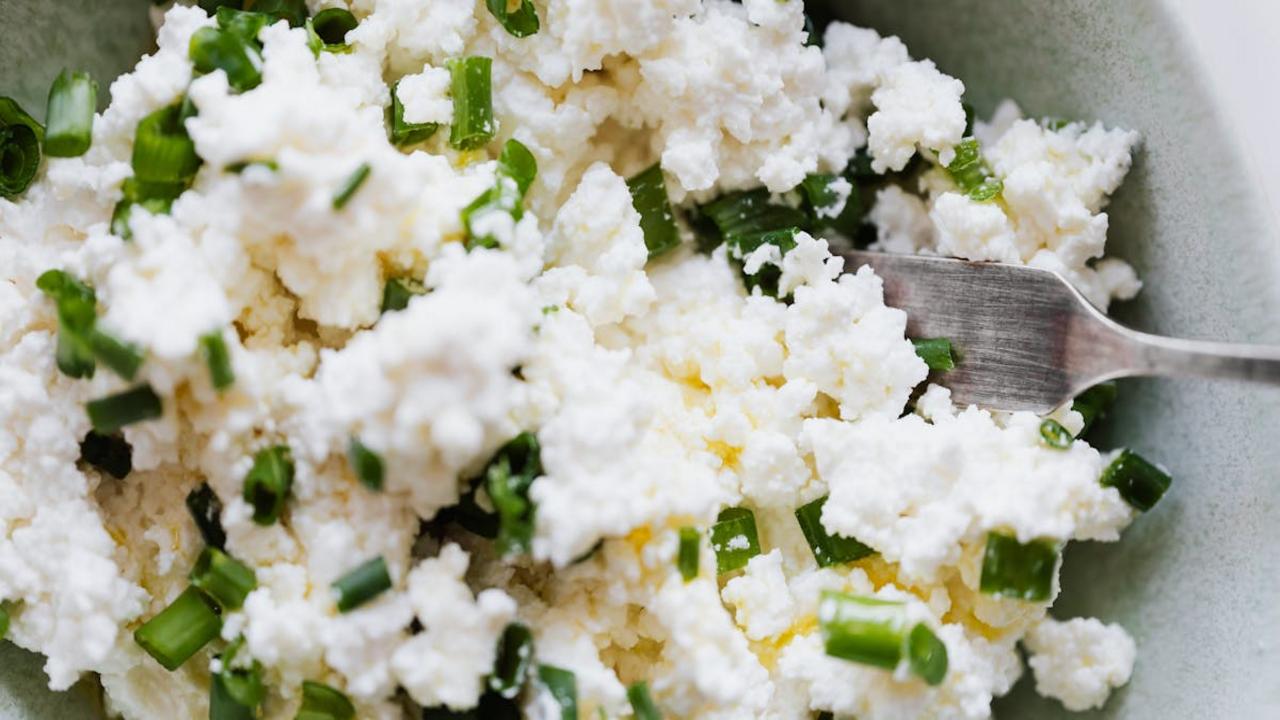
I can’t believe cottage cheese has made such an incredible comeback! This creamy protein powerhouse packs about 14 grams of protein per half-cup serving, making it one of the most budget-friendly ways to boost your daily protein intake. You’ll find cottage cheese incredibly versatile – I love mixing it with fresh berries for a quick breakfast, blending it into smoothies for extra creaminess, or using it as a base for savory dips. The best part? It’s loaded with casein protein, which digests slowly and keeps you satisfied for hours.
Don’t limit yourself to eating cottage cheese straight from the container (though there’s nothing wrong with that!). Try folding it into pancake batter for fluffy, protein-rich morning treats, or mix it with herbs and garlic for a lighter alternative to cream cheese on bagels. I particularly enjoy using cottage cheese in lasagna recipes – it creates the perfect creamy texture while sneaking in extra protein. For a sweet treat, blend cottage cheese with vanilla and a touch of honey, then top with chopped nuts or dark chocolate chips for a dessert that actually nourishes your body.