My Uncle Tried His Usual Bill-Splitting Trick At A BBQ Lunch, And I Finally Had Enough
It’s a widely understood, unspoken principle of family dynamics: parents bear the financial responsibility for their own kids. Whether it’s covering the cost of textbooks, a pair of sneakers, or dinner at a restaurant, most people accept this as a parental obligation—not something to be offloaded onto relatives. It’s rooted in basic fairness and long-standing custom.
Yet, one woman recently shared an experience online that demonstrates not everyone follows this social contract. Her exasperating family dining outing illustrates exactly what unfolds when someone tries to shift their own responsibilities onto those around them.
The Incident
A 28-year-old educator agreed to join what she expected would be a low-key lunch with her mother, her uncle, and her 11-year-old cousin. The situation was already precarious because she had previously vowed never to eat out with her uncle again, given his track record. She reluctantly accepted this time only because the original plan involved a budget-friendly restaurant.
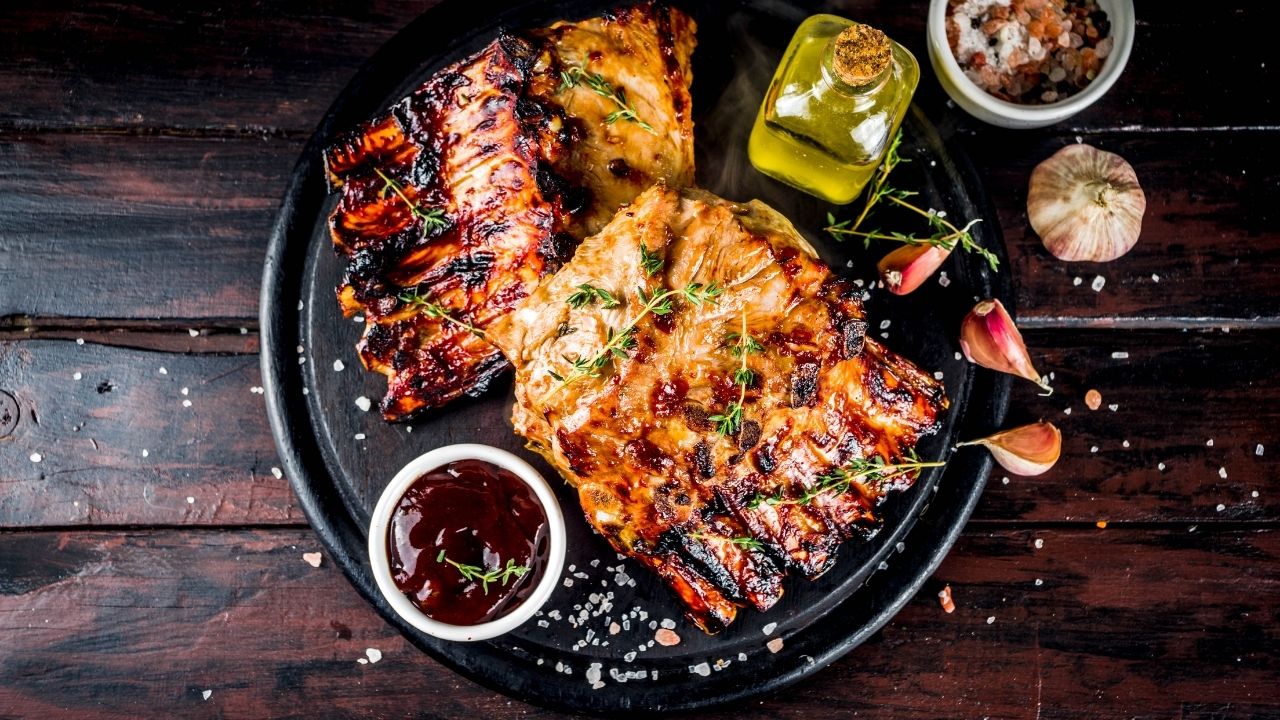
Predictably, everything went sideways. At the eleventh hour, her uncle switched the location to a pricier barbecue spot. Once they were seated, he pushed for everyone to share a single large order, despite the fact that his niece and sister preferred to choose their own dishes. The real conflict erupted when the bill came. The niece, aiming for fairness, split the total four ways, allocating two portions to her uncle—one for him and one for his child.
Her uncle was livid. He maintained that “every adult should cover a third of the bill because my cousin obviously can’t contribute.” This was hardly a new move on his part; he’d employed this same strategy before. His sister pointed out that she had never asked anyone to chip in for her daughter’s food, but he refused to back down.
Not wanting to cause a public confrontation, the niece coughed up the additional amount, silently fuming over being forced to overpay for a meal she hadn’t even chosen.

Afterward, she informed her mother that she was permanently finished with dining out alongside him. Her uncle happened to overhear this declaration, and in a burst of rage, threw the money back at them while branding them both “selfish.” This, despite the reality that the niece earns a humble teacher’s salary, while her uncle enjoys a considerably more comfortable financial situation.
The Internet Reacts
The online response came quickly and landed overwhelmingly on the niece’s side. The court of public opinion showed the uncle no mercy, with commenters generally falling into a few recognizable groups.
The first was the “No Way” contingent, who were outraged on the niece’s behalf. They viewed the uncle’s behavior as a glaring abdication of parental duty. One commenter stated it plainly: “Parents are responsible for their children’s food and board.”
Others were even more scathing, labeling him a “deadbeat” and a “shoddy parent that expects others to pay for his kid’s food.” The overwhelming agreement was that his conduct wasn’t merely stingy—it was profoundly unjust.
Next came those who zeroed in on the uncle’s scheming behavior. These commenters emphasized that this was far more than a casual mix-up over how to divide a restaurant tab. One person observed, “If he changed the restaurant from a cheap one to an expensive one at the last minute, he should have been offering to cover the whole bill, not trying to foist more of it onto his relatives.”
Someone else concurred, writing, “He clearly had a plan and he’s miffed you stood up for yourselves.”

Lastly, there was the “Practical Advice” group, who put forward strategies to ensure this never happens again. Their recommendations were straightforward and actionable, designed to strip the uncle of his ability to manipulate the situation. The most widely endorsed suggestion was to take control right from the start of the meal.
As one commenter recommended, “In the future, if you go out with him, be sure and let your server know that you want separate tickets when you order. Then there’s no confusion whatsoever.”
The Etiquette Verdict
Let there be absolutely no ambiguity: the uncle was entirely and unequivocally wrong. A parent’s financial obligation toward their child isn’t something you distribute around the table like a shared appetizer. Pressuring your niece and sister to subsidize your son’s dinner represents an astonishing violation of social etiquette—particularly when you’re the one who selected the pricey restaurant and controlled what was ordered.
This transcends simple cheapness; it’s outright manipulation. Proper manners require that when you share a meal with family, you take responsibility for yourself and your underage children. To insist otherwise—and then hurl the word “selfish” at those who push back—is nothing short of disgraceful.
Your Take
What’s your perspective on this? Should the niece have just swallowed her frustration and paid to maintain family harmony, or was she justified in standing up against her uncle’s penny-pinching scheme?