13 Must-Try Grains to Boost Flavor and Nutrition in Your Meals
Looking to shake up your meals with nutritious and flavorful ingredients? These 13 amazing grains will transform your everyday cooking into something extraordinary. From ancient varieties to modern favorites, each grain brings its own unique character and health benefits to your plate.
I’ve spent years experimenting with different grains in my kitchen, and these alternatives to regular rice and wheat have completely changed how I cook. They pack more protein, fiber, and minerals than traditional grains while adding incredible textures and nutty, rich flavors to any dish.
Whether you want to make hearty breakfast bowls, satisfying side dishes, or nourishing main courses, these grains offer endless possibilities. Get ready to discover new favorites that will make your meals more exciting and nutritious. Here are 13 must-try grains to add to your pantry today.
Red Rice
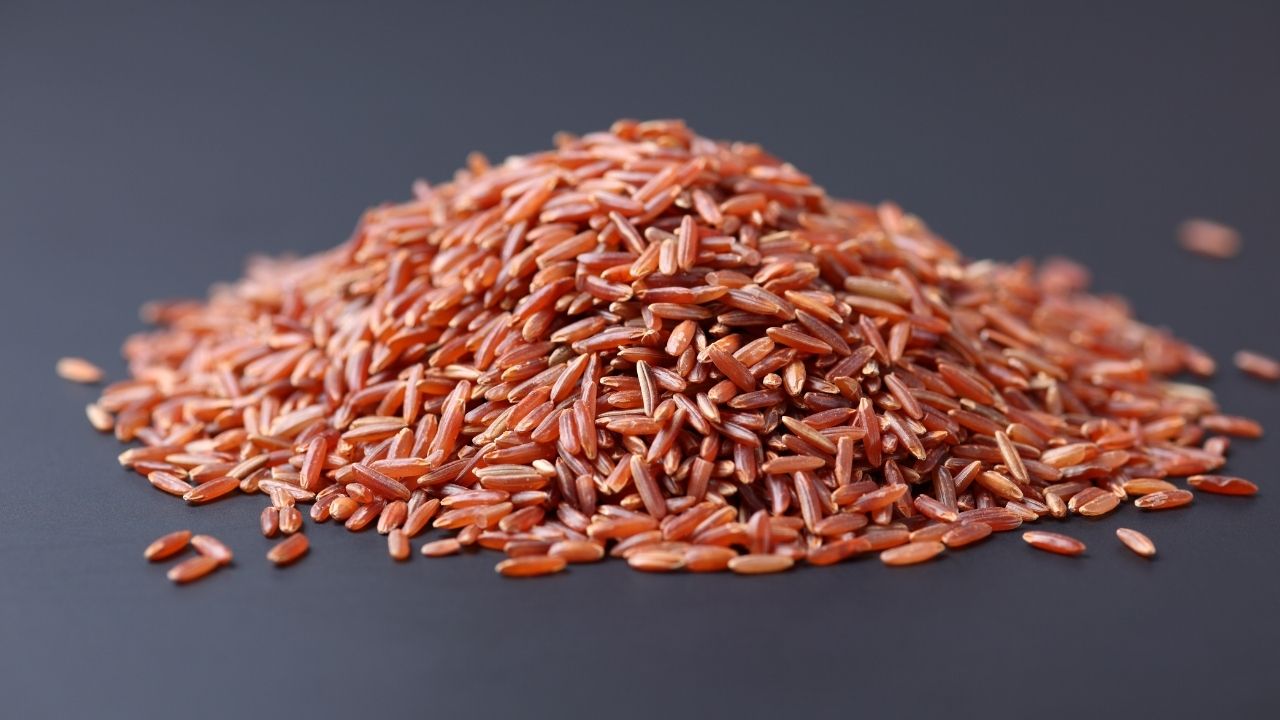
Red rice will bring a stunning burgundy color and rich nutty flavor to your dinner plate! This whole grain variety gets its beautiful hue from anthocyanins – the same antioxidants found in berries and red wine. I love adding red rice to Buddha bowls and stir-fries because it holds its shape nicely and adds an eye-catching pop of color. The firm, chewy texture makes it perfect for meal prep since it won’t turn mushy when reheated.
Beyond its good looks, red rice packs serious nutrition power. It contains more protein and fiber than white rice, plus higher levels of iron, zinc and antioxidants. The anthocyanins that give it that gorgeous color can help reduce inflammation in your body too. I recommend cooking red rice just like brown rice – rinse it first, use a 2:1 water-to-rice ratio, and simmer for about 45 minutes until tender. Your patience will be rewarded with nutty, nutritious grains that elevate any meal!
Black Rice
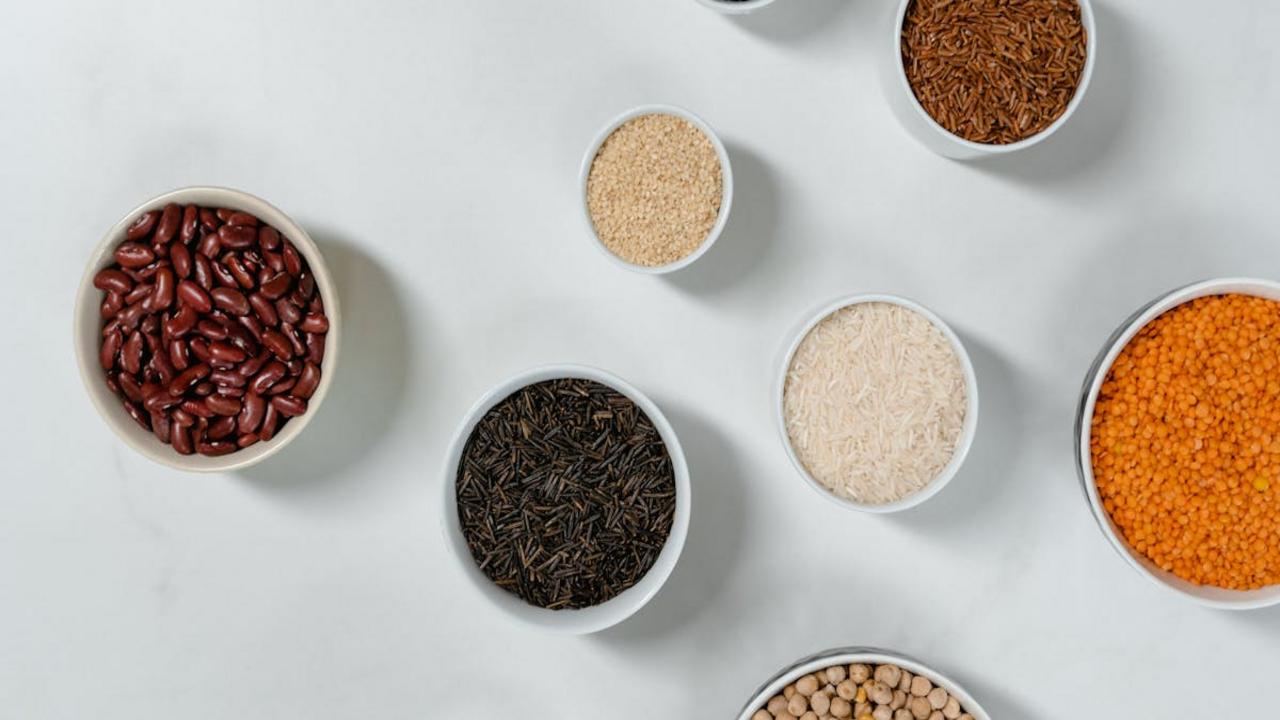
Black rice will transform your next meal with its deep purple-black color and rich, nutty flavor that adds instant wow-factor to any dish. I love recommending this ancient grain to my readers because it packs way more antioxidants than even blueberries! The natural compounds that give it that gorgeous dark hue also bring major health benefits, supporting everything from heart health to brain function. Plus, you’ll get a good dose of fiber, iron, and protein in every serving.
You can cook black rice just like white rice – simply simmer it in water or broth until tender, about 30-35 minutes. I often make a big batch on weekends to add to Buddha bowls, stir-fries, or cold salads throughout the week. The slightly chewy texture holds up beautifully in meal prep, and the dramatic color makes everyday dishes look fancy without extra effort. Try mixing it with roasted butternut squash and pecans for a stunning side dish, or serve it under curry for an Instagram-worthy dinner that’s both beautiful and nutritious.
Job’s Tears
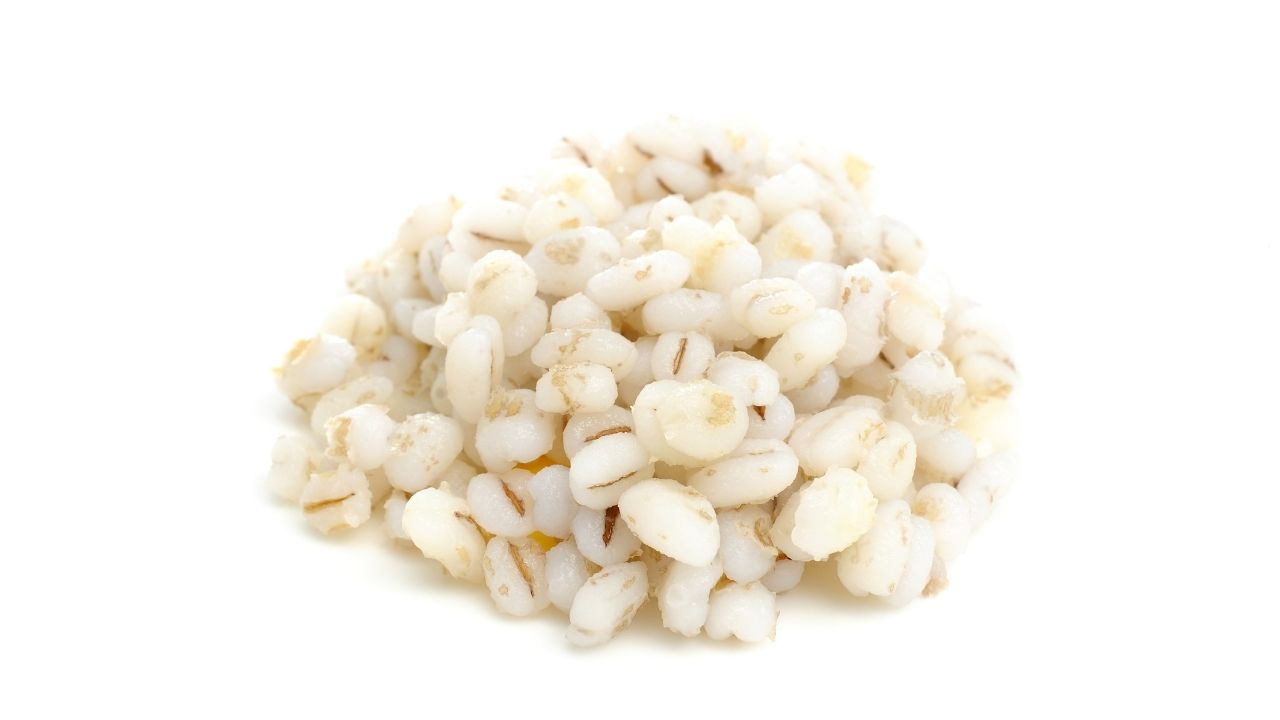
I first discovered Job’s Tears at a local Asian market, and this unique grain has become one of my favorite pantry staples. With its large, oval shape and pearly white color, Job’s Tears offer a chewy texture similar to barley but with a richer, nuttier flavor. You’ll find this grain packed with fiber, protein, and minerals like iron and calcium, making it a fantastic addition to your healthy meal rotation. The best part? You can cook it just like rice – simply rinse, add water, and simmer until tender.
You can add Job’s Tears to soups and stews, where they’ll maintain their firm texture while soaking up all the delicious broth. I love tossing them into grain bowls with roasted vegetables and a drizzle of tahini dressing, or using them as a base for warm breakfast porridge with fresh fruit and honey. In traditional Asian medicine, Job’s Tears have been used for centuries to support digestive health and reduce inflammation. Keep in mind that this grain takes about 45-60 minutes to cook, so plan ahead – but trust me, the nutty flavor and satisfying bite make it worth the wait!
Buckwheat Groats
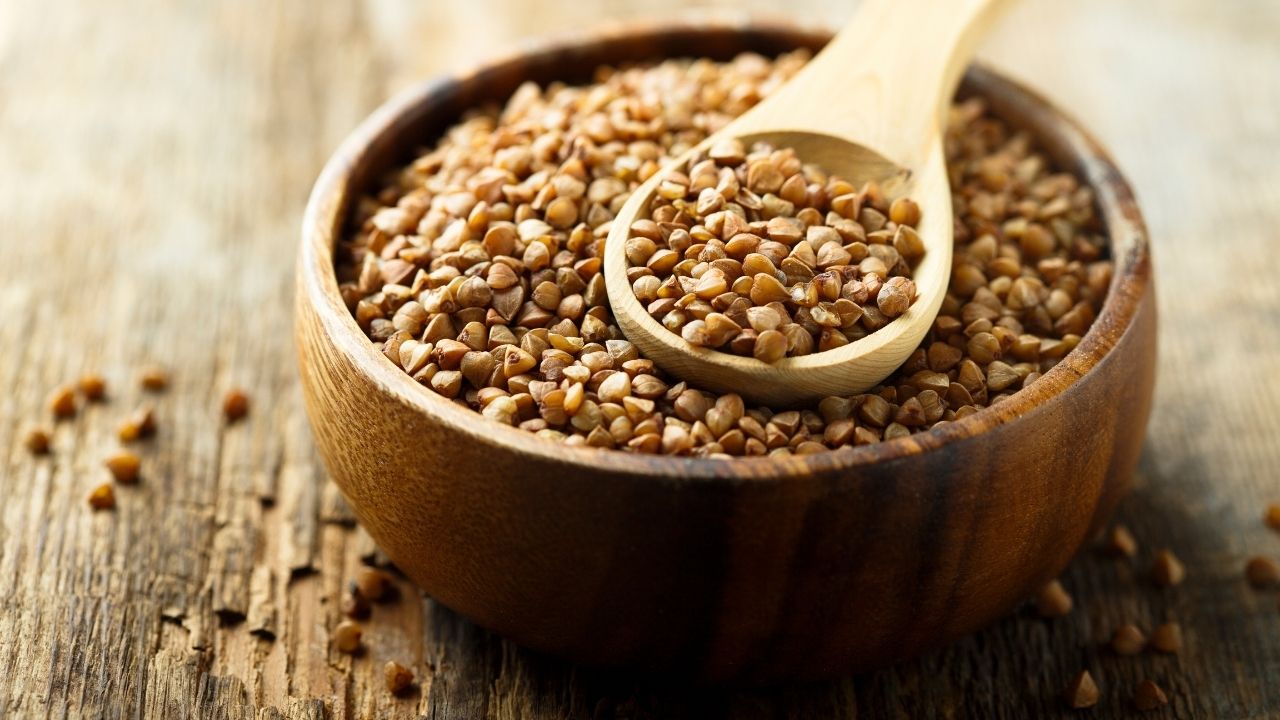
Despite its name, buckwheat isn’t related to wheat at all – it’s actually a seed from the rhubarb family! I love adding these nutty, triangle-shaped groats to my morning porridge or using them as a hearty base for Buddha bowls. You’ll get an incredible boost of protein, fiber, and minerals like magnesium and zinc with every serving. The rich, earthy flavor adds depth to any dish, and the groats maintain a lovely chewy texture that makes your meals more interesting.
You can cook buckwheat groats just like rice – add them to boiling water with a 2:1 water-to-groats ratio and simmer for about 15 minutes. I often toast them in a dry pan first to enhance their natural nuttiness. These versatile groats make fantastic savory side dishes, work beautifully in grain salads, and even create amazing gluten-free pancakes or waffles when ground into flour. For maximum freshness, store your buckwheat groats in an airtight container in a cool, dark place, and they’ll keep for several months.
Spelt
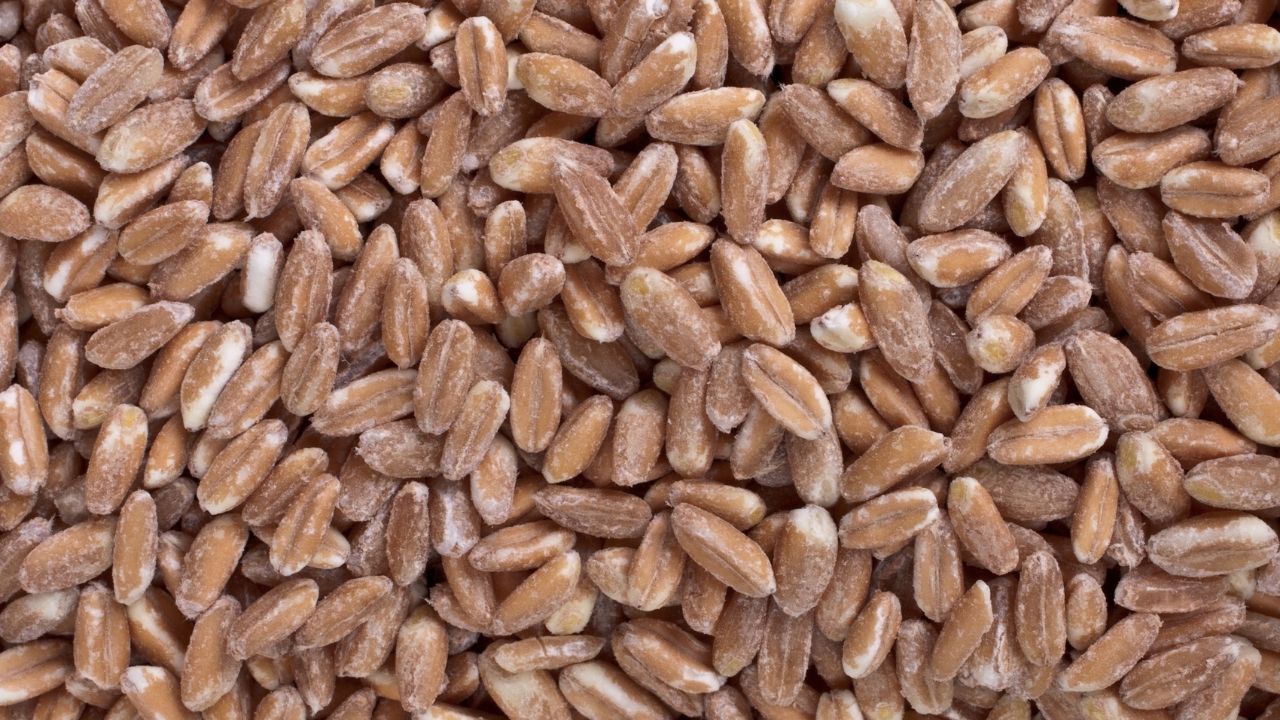
I love how spelt brings such a wonderful nutty and sweet flavor to my baking projects! This ancient grain has been a kitchen staple since 5000 BC, and it’s really making a comeback in modern cooking. You’ll find spelt flour works beautifully in bread, cookies, and pasta – giving your baked goods a rich, complex taste with a slightly chewy texture. The great news is that spelt contains more protein and minerals than regular wheat, making it a smart choice for anyone looking to add more nutrition to their meals.
Want to start cooking with spelt? Try swapping spelt flour for regular flour in your favorite bread recipe – just remember it needs a bit less water since it absorbs moisture differently. I’ve found that spelt berries make an incredible base for grain bowls too! Just simmer them in water for about 45 minutes until they’re tender but still have a nice bite. The berries hold their shape well and won’t turn mushy, plus they soak up all the flavors from your seasonings and dressings. For anyone with mild wheat sensitivities, spelt can be easier to digest than common wheat, though it’s not suitable for those with celiac disease.
Triticale
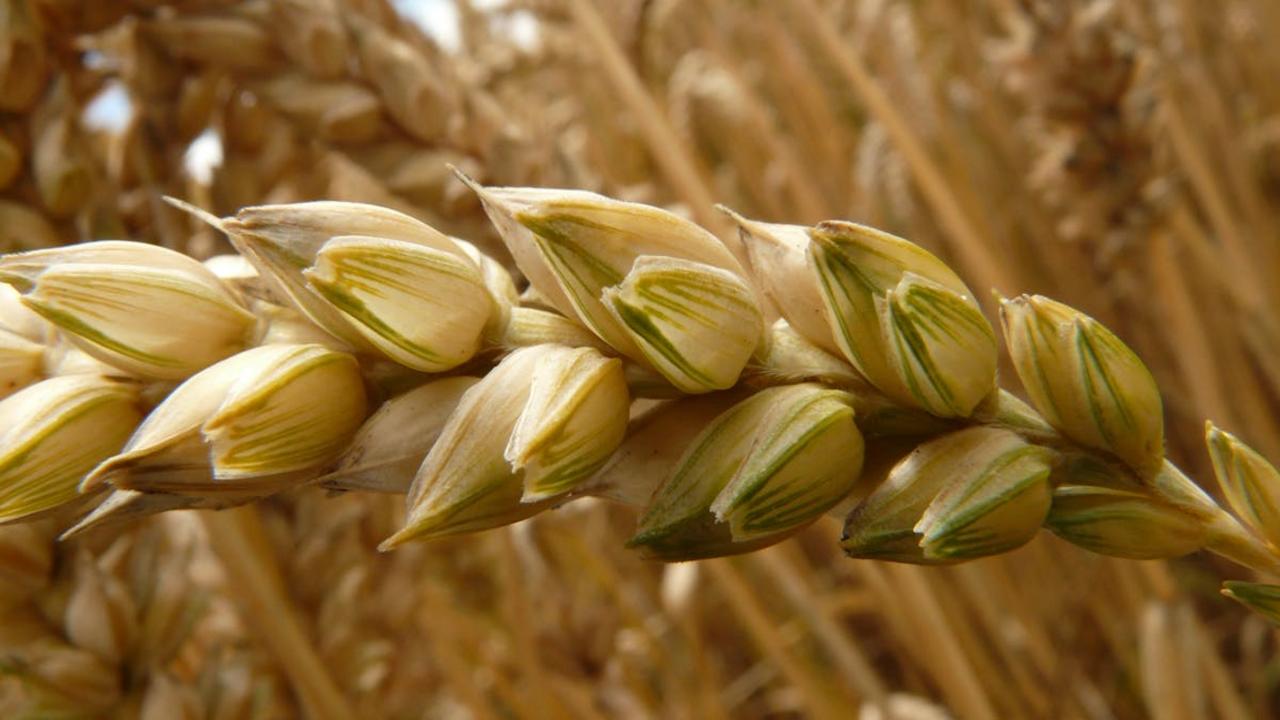
I get so excited talking about triticale, a fascinating hybrid grain that combines the best qualities of wheat and rye! This powerhouse grain packs more protein than both its parent grains and brings a unique nutty flavor to your dishes. You’ll find triticale adds a wonderful chewy texture to breads, making them more filling and satisfying. I love using it in my morning porridge too – it creates a creamy, rich breakfast that keeps me going until lunch.
Adding triticale to your pantry opens up many cooking possibilities. You can swap it into any recipe that calls for wheat berries or rye – think hearty grain bowls, rustic bread loaves, or nutritious side dishes. The grain contains high amounts of fiber, B vitamins, and minerals like manganese and copper. My favorite way to prepare triticale is to cook it like rice with a 3:1 water-to-grain ratio, then toss it with roasted vegetables and a bright vinaigrette for a quick and nourishing lunch.
Millet
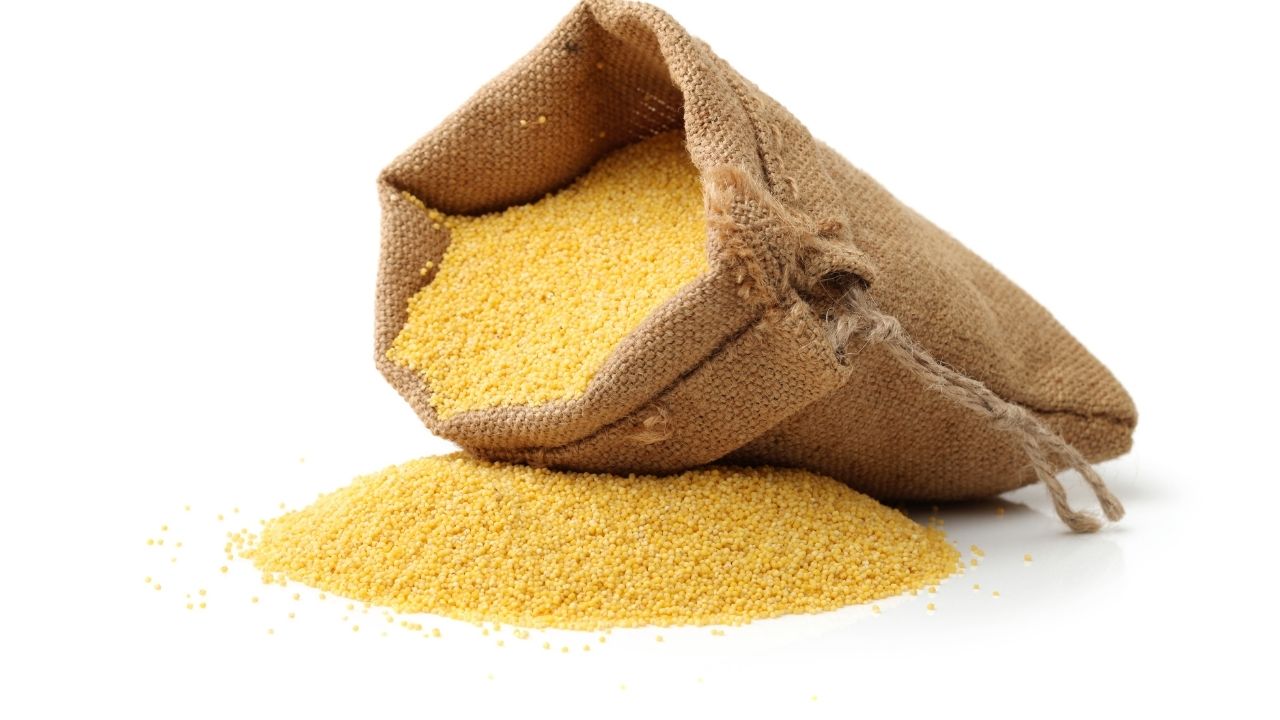
I absolutely adore millet’s sweet, nutty flavor that adds such a wonderful dimension to any dish! This tiny, round grain packs a nutritional punch with its high protein content, B vitamins, and minerals like magnesium and phosphorus. You’ll find millet incredibly versatile in your kitchen – it works beautifully as a rice substitute, makes a creamy breakfast porridge, and adds lovely texture to homemade bread. Plus, its quick cooking time of just 20 minutes makes it perfect for busy weeknight meals.
My favorite way to prepare millet is by toasting it first in a dry skillet until it releases its nutty aroma, then cooking it in vegetable broth for extra flavor. The grains fluff up nicely, creating a light and fluffy side dish that pairs wonderfully with roasted vegetables or grilled chicken. I often make extra to use in grain bowls throughout the week – just add some roasted chickpeas, fresh herbs, and a drizzle of olive oil. If you want to experiment more, try incorporating millet flour into your baking for a nutrition boost in muffins and pancakes.
Sorghum

You’ll adore sorghum if you want a grain that’s both versatile and packed with nutrients! This ancient grain has a mild, nutty flavor that works beautifully in both sweet and savory dishes. I love adding sorghum to my morning porridge with a drizzle of honey and fresh berries, or tossing it into hearty lunch bowls. The small, round kernels hold their shape wonderfully during cooking, giving your dishes a pleasant, chewy texture that makes every bite satisfying.
Beyond its fantastic taste and texture, sorghum brings impressive health benefits to your table. This gluten-free grain contains high amounts of fiber, protein, and antioxidants that support your digestive health and immune system. The best part? You can pop sorghum just like popcorn for a fun, nutritious snack! Simply heat the kernels in a covered pot, and watch them transform into light, crunchy puffs – my kids go crazy for this healthy alternative to traditional popcorn. Add sorghum to your next grocery list, and you’ll discover countless ways to make your meals more nutritious and exciting.
Kamut
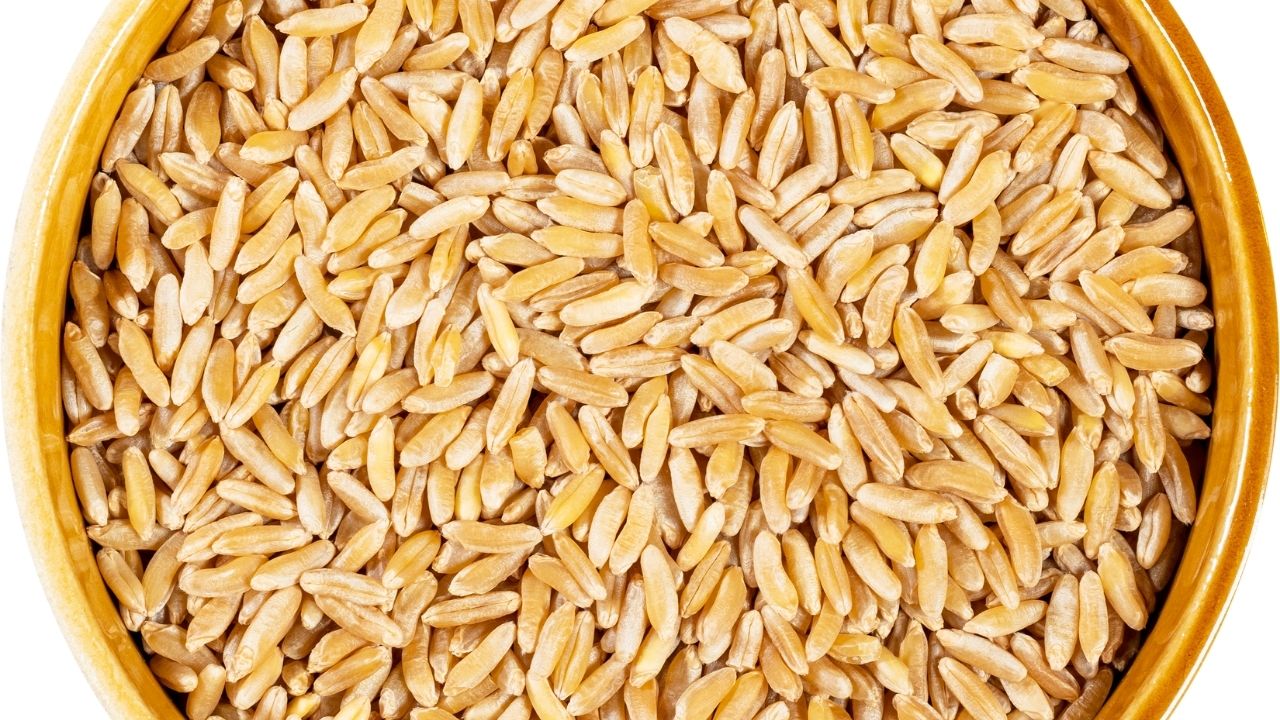
I first discovered Kamut (also known as Khorasan wheat) while testing ancient grain recipes for my food column, and I couldn’t believe its rich, buttery flavor! This ancient grain packs a serious nutritional punch with higher protein content than regular wheat, plus loads of zinc, magnesium, and selenium. You’ll find its large, golden kernels have a firm, chewy texture that holds up beautifully in soups and grain bowls. My favorite way to enjoy Kamut is in a Mediterranean-style salad with roasted vegetables, fresh herbs, and a bright lemon vinaigrette.
If you want to add this nutritious grain to your meals, start by soaking it overnight to reduce cooking time. Once cooked, Kamut maintains its shape and won’t get mushy like some other grains – making it perfect for meal prep. I love keeping a batch in my fridge to toss into weekday lunches or transform into hearty side dishes. The mild, sweet flavor pairs wonderfully with both savory and sweet ingredients. Try it as a breakfast porridge topped with honey and nuts, or mix it into your favorite bread recipe for extra nutrition and a wonderful texture.
Amaranth
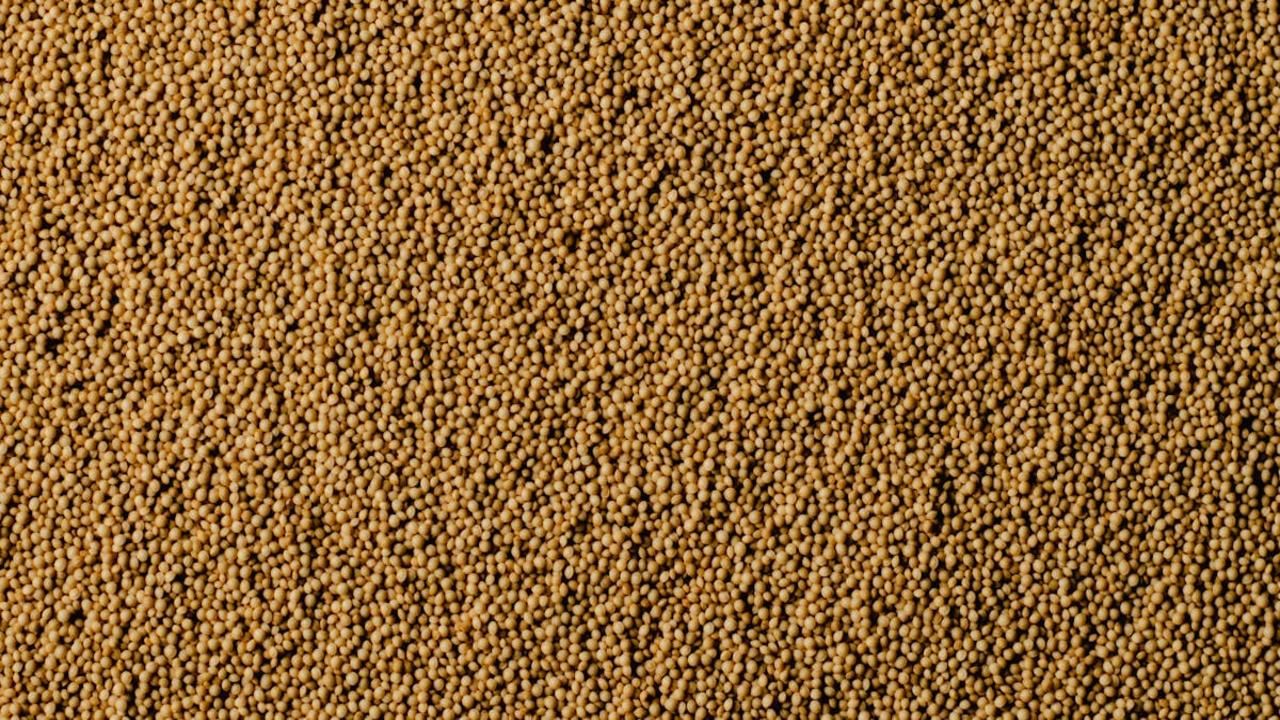
I’m always excited to share my favorite ancient grain discoveries with you, and amaranth truly stands out from the crowd! This tiny powerhouse grain packs a complete protein punch, making it perfect for anyone looking to add more plant-based nutrition to their meals. You’ll find amaranth has a nutty, earthy flavor with a slight peppery kick that adds character to both sweet and savory dishes. Plus, its naturally gluten-free nature makes it an excellent choice for those with dietary restrictions.
Ready to start cooking with amaranth? You can pop it like popcorn for a fun, crunchy snack, or simmer it into a creamy breakfast porridge with almond milk and fresh berries. I love adding cooked amaranth to soups and stews for extra thickness, or using it as a protein-rich base for grain bowls. The best part? This versatile grain contains more calcium than most other grains and delivers a hefty dose of iron and fiber. Try substituting a portion of your regular flour with amaranth flour in baking – your muffins and cookies will thank you with an amazing nutty depth!
Teff
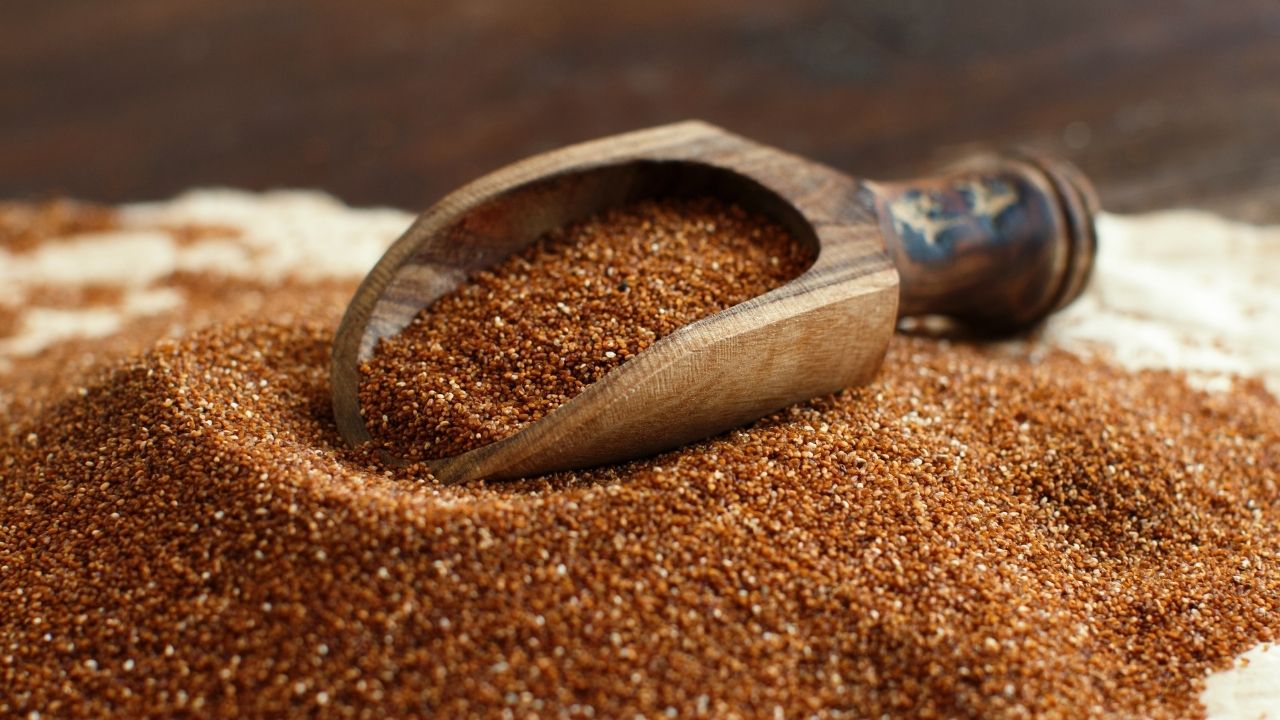
If you want to add a nutritional powerhouse to your meals, you’ll love teff! This tiny ancient grain from Ethiopia packs an impressive punch with high levels of protein, fiber, and minerals like iron and calcium. I always keep teff in my pantry because it cooks up quickly in about 15-20 minutes, making it perfect for busy weeknight dinners. The mild, slightly nutty flavor works beautifully in both sweet and savory dishes – I often use it to make hot breakfast porridge topped with fresh fruit and a drizzle of honey.
What makes teff stand out is its versatility in gluten-free cooking. You can grind it into flour for baking incredible breads, pancakes, and cookies. The traditional Ethiopian flatbread injera showcases teff’s unique fermented sourdough qualities. I recommend starting with whole grain teff as a side dish – just simmer it in water or broth until tender. The tiny grains create a lovely creamy texture while staying slightly chewy. Your body will thank you for the complete protein, resistant starch, and B vitamins packed into every serving of this remarkable grain.
Freekeh
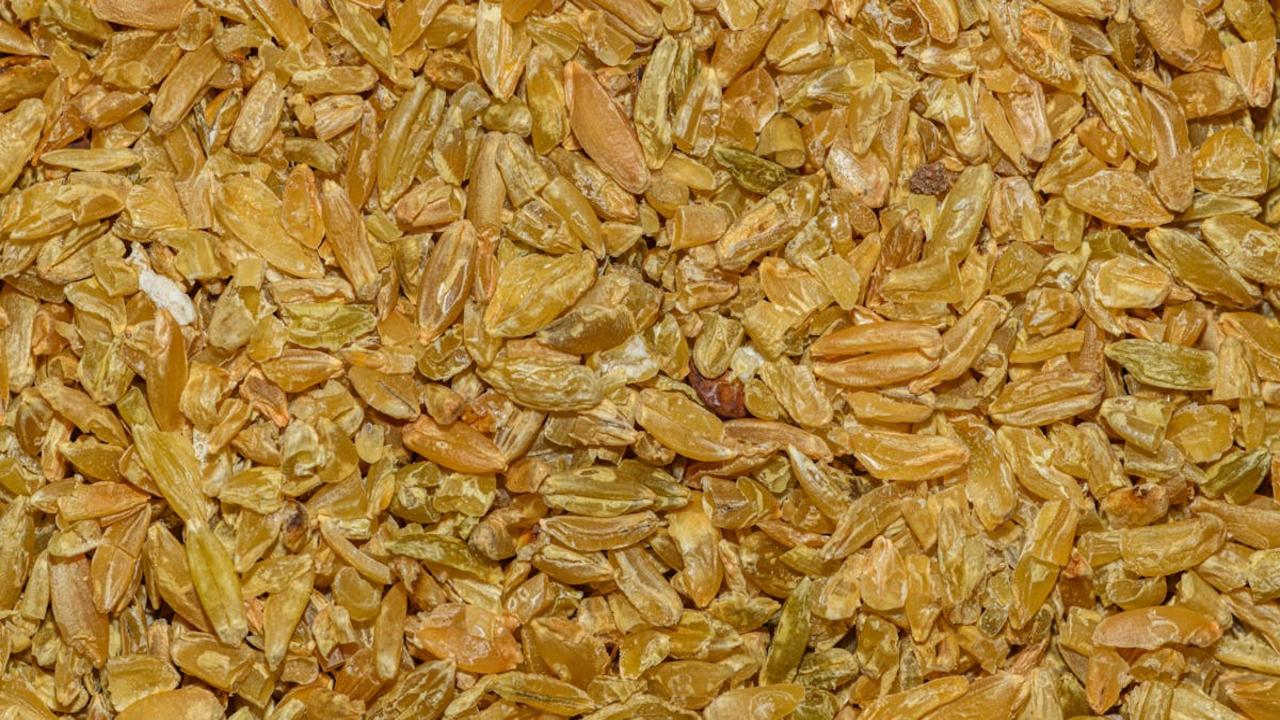
Freekeh will add a delightful smoky and nutty kick to your meals while packing a serious nutritional punch! This ancient grain, made from young green wheat that’s roasted and cracked, brings a unique depth to dishes that regular wheat just can’t match. I love throwing freekeh into my morning porridge with some honey and nuts, or using it as a hearty base for Mediterranean-style grain bowls. The chewy texture and rich flavor make it a fantastic alternative to rice or quinoa in your weekly meal rotation.
You’ll find freekeh particularly rich in fiber, protein, and iron – making it a superstar for keeping you full and energized throughout your day. The roasting process gives this grain its signature taste and also helps preserve its nutrients. Try cooking freekeh in vegetable broth instead of water to enhance its natural smokiness, then mix in some roasted vegetables and a drizzle of olive oil. My favorite weeknight combo includes freekeh with grilled chicken, cherry tomatoes, and a sprinkle of fresh herbs – it’s simple yet so satisfying!
Farro
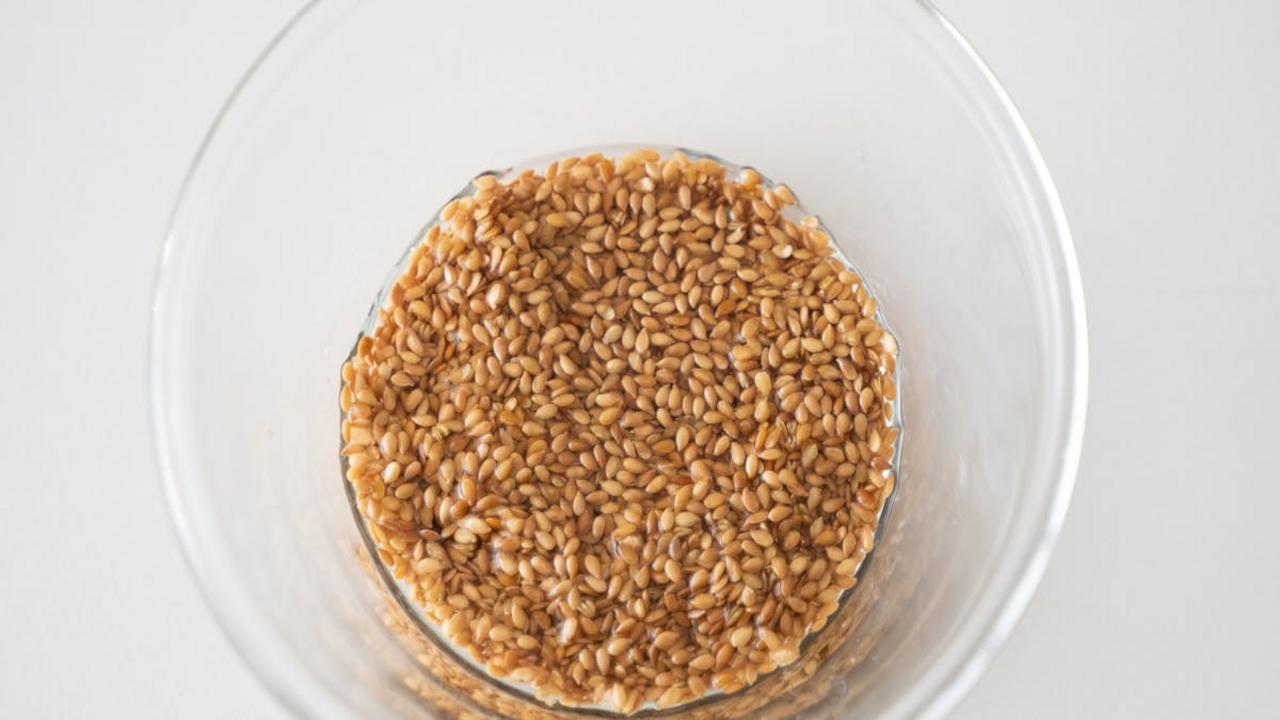
I absolutely adore farro’s nutty flavor and satisfying chewy texture – this ancient wheat grain from Italy will revolutionize your grain game! The plump, hearty kernels hold their shape beautifully during cooking, making farro perfect for grain bowls, soups, and salads. You’ll find this grain adds a rich, almost coffee-like depth to any dish while packing an impressive nutritional punch with protein, fiber, and minerals like magnesium and zinc.
Want to cook farro like a pro? Simply rinse it first, then combine 1 part farro with 3 parts water or broth. Bring to a boil, reduce heat, and simmer for about 30 minutes until tender but still chewy. I love making a big batch on Sunday to throw into weekday lunches – try it with roasted vegetables, fresh herbs, and a bright vinaigrette. The leftovers stay fresh in your fridge for up to 5 days, making meal prep a breeze. You can even swap it for rice or quinoa in most recipes for an instant nutrition boost!