15 Surprising Foods You Can Still Eat After The Expiry Date
Ever stared at your pantry, wondering if that jar of honey from two years ago is still good? We’ve all been there, tossing out perfectly fine food because we’re scared of those expiration dates. But here’s the truth: many items remain safe and delicious long after their printed dates pass.
Food waste is a massive problem, and understanding what’s actually safe to eat can save money and reduce what ends up in landfills. Those dates on packages are often about quality, not safety. Manufacturers print “best by” dates as suggestions for peak freshness, but that doesn’t mean your food transforms into something hazardous the next day.
I’m sharing fifteen pantry staples that last surprisingly long beyond their expiration dates. These foods won’t just survive in your cupboard—they’ll thrive, maintaining their taste and nutritional value for months or even years. Stock up without stress and stop throwing away good food unnecessarily.
Instant Coffee
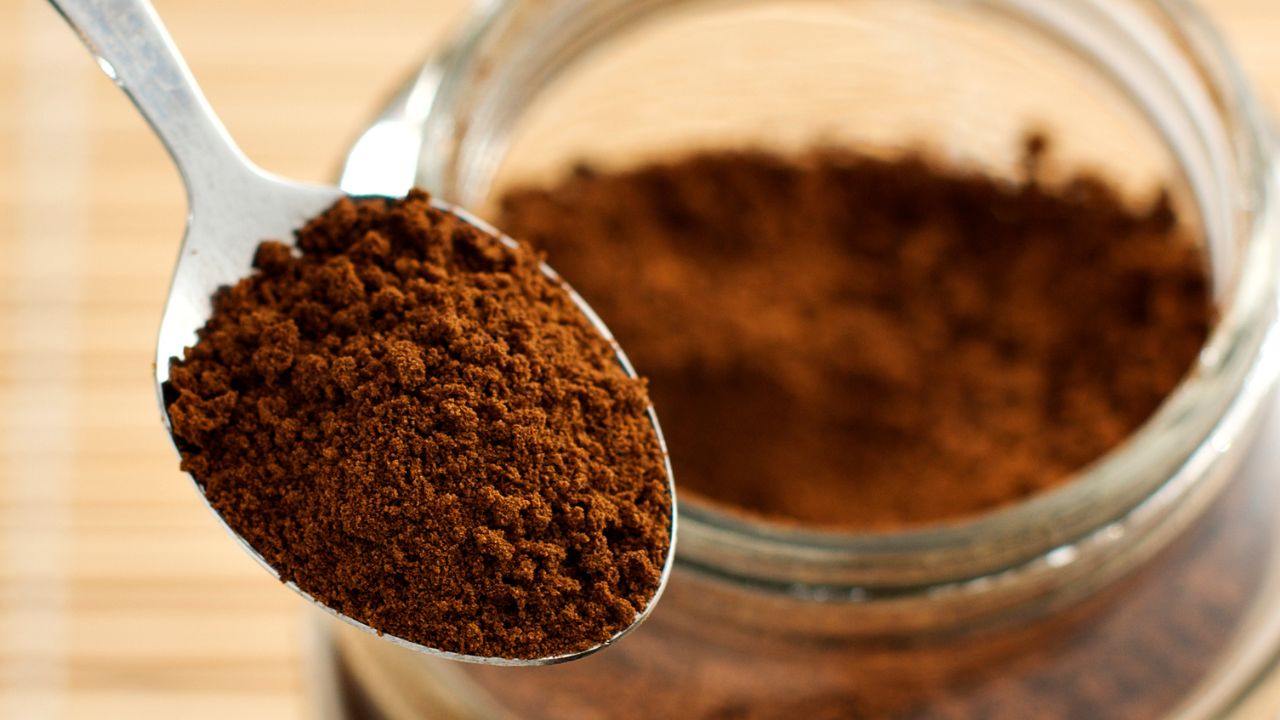
That jar of instant coffee hiding in your pantry? It’s basically immortal. Instant coffee can last for years—even decades—past its expiry date when stored properly in a cool, dry place. The freeze-drying or spray-drying process removes almost all moisture from the coffee granules, which means bacteria and mold have nothing to thrive on. While the flavor might mellow out over time, losing some of its punch and aromatic qualities, your morning cup won’t make you sick. If you open that forgotten container and notice the granules are still dry and haven’t clumped together, you’re good to go.
The key to keeping your instant coffee fresh for the long haul is proper storage. Keep it tightly sealed in its original container or transfer it to an airtight jar, and store it away from heat and humidity. Your kitchen cabinet works perfectly—just avoid spots near the stove or dishwasher where steam can sneak in. If you notice any moisture has gotten into the container and the coffee has turned into a solid brick, that’s your cue to toss it. Otherwise, brew yourself a cup without worry. Sure, it might not taste as vibrant as a fresh jar, but it’s perfectly safe and still delivers that caffeine boost you need. No reason to waste money replacing something that’s still totally drinkable!
Granulated Sugar
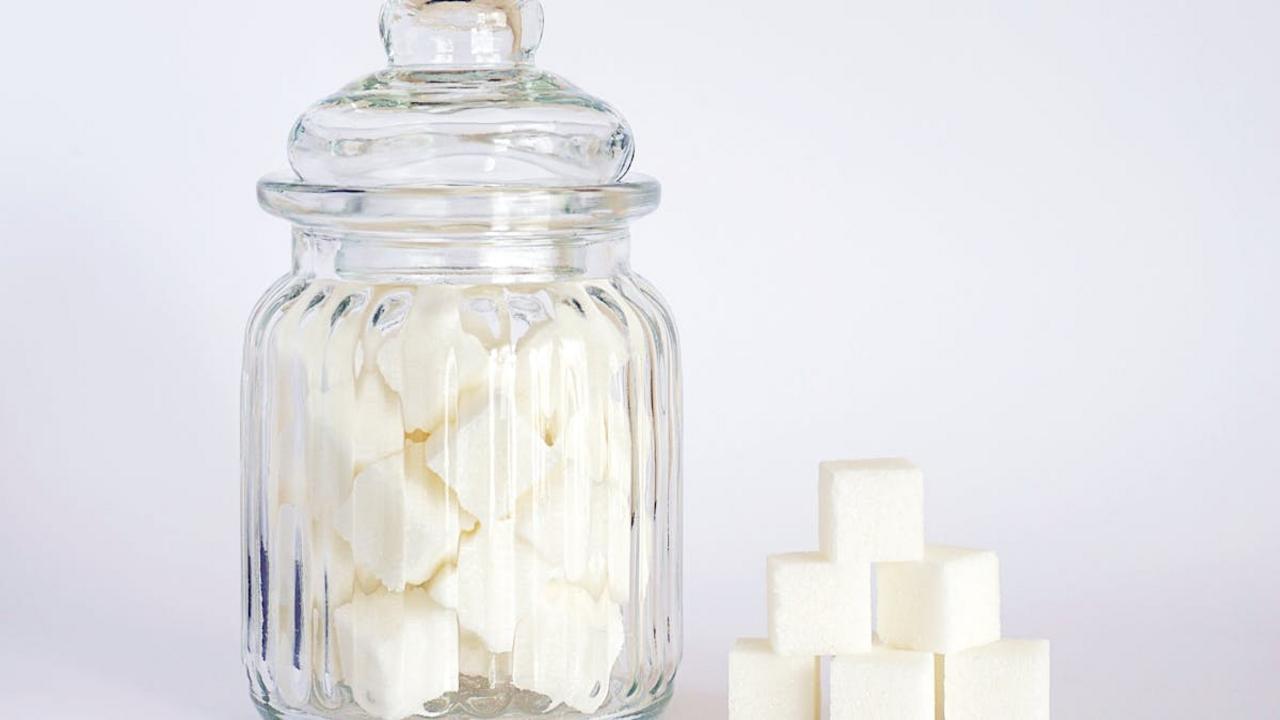
Here’s the sweet truth: granulated sugar doesn’t go bad. Yes, you read that right! That bag of sugar sitting in your pantry from last year (or even five years ago) is perfectly safe to use. Sugar is a natural preservative, which means it creates an environment where bacteria and mold can’t survive. The expiration date you see on the package is more of a formality than a real concern. As long as you store your sugar properly in an airtight container away from moisture, it will maintain its quality indefinitely. You might notice some clumping if it gets exposed to humidity, but that doesn’t mean it’s spoiled—just break up those chunks and use it as normal!
The key to keeping your sugar fresh is simple: keep it dry. Moisture is sugar’s only real enemy, as it can cause clumping and potentially introduce bacteria if water gets into the container. Store your granulated sugar in a sealed container in a cool, dry place, and you’ll have a sweetener ready for your baking projects for years to come. Whether you’re making cookies, sweetening your morning coffee, or creating a homemade syrup, that “expired” sugar will work just as well as a fresh bag. This makes sugar one of the most reliable staples in your kitchen, saving you money and reducing food waste. So go ahead and dig out that old bag from the back of your cupboard—your desserts will thank you!
Unopened Bottled Water

You know that case of bottled water sitting in your pantry with a date that’s come and gone? Don’t toss it just yet! Unopened bottled water doesn’t actually go bad in the traditional sense. The expiration date you see printed on those bottles is more about the plastic container than the water itself. Over time, chemicals from the plastic might leach into the water, especially if the bottles have been stored in warm conditions or direct sunlight. However, if you’ve kept your water in a cool, dark place like a basement or pantry, that sealed bottle will stay perfectly safe to drink for years beyond its printed date. The water won’t spoil, grow bacteria, or become unsafe unless the seal has been compromised.
That said, you’ll want to give it a quick inspection before taking a sip. Check that the seal is intact and the bottle hasn’t been damaged or exposed to extreme temperatures. If everything looks good and smells normal, go ahead and hydrate! Some people notice a slightly plastic-y taste in very old bottled water, but that’s just a flavor issue, not a safety concern. This is especially helpful during emergencies when you need clean drinking water and all you have are those “expired” bottles. Just remember to rotate your stock occasionally and store new bottles properly to maintain the best quality. Your body needs water every single day, and sometimes that forgotten case in the garage might be exactly what you need!
Dried Spices
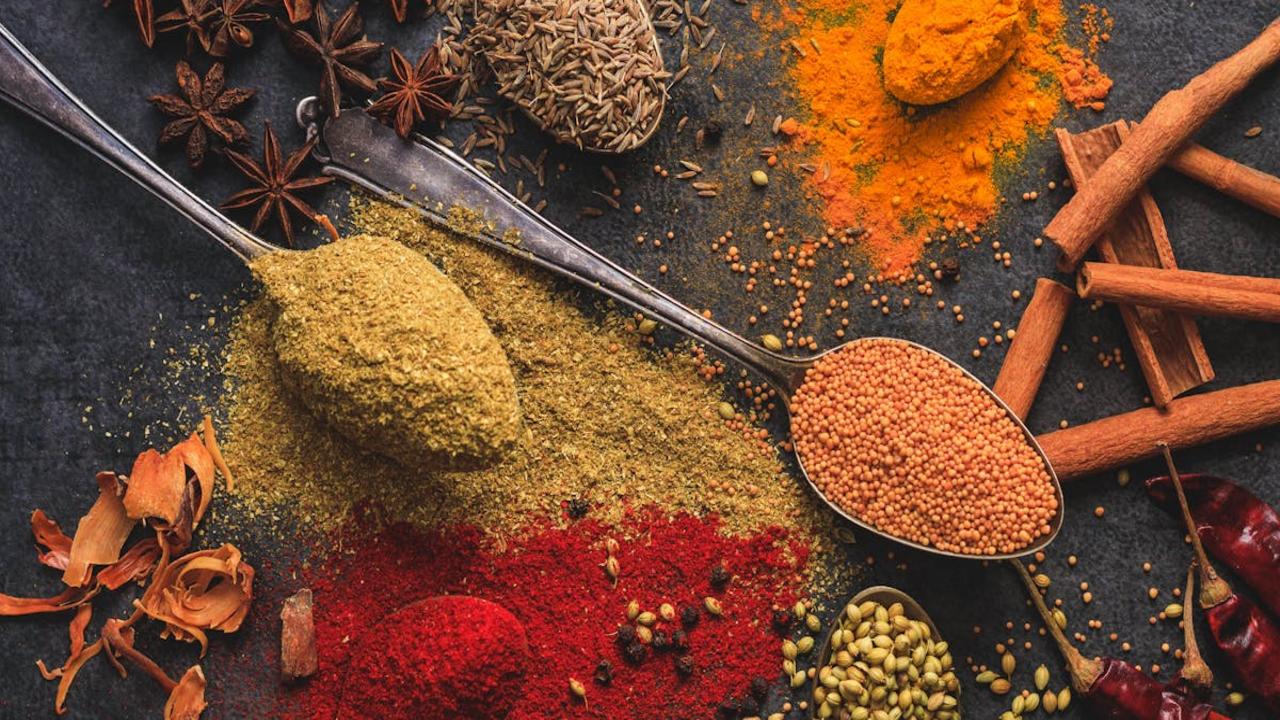
Your spice rack might be packed with bottles that have been sitting there longer than you care to admit, but here’s the good news: those dried herbs and spices don’t actually spoil in the way fresh foods do. While they do lose potency over time, they remain perfectly safe to use well past their printed dates. Ground spices typically maintain their best flavor for about two to three years, while whole spices can last even longer—sometimes up to four years. The key is proper storage in a cool, dark place away from heat and moisture. If you’re unsure about whether your old paprika or cumin still packs a punch, simply give it a sniff and rub a pinch between your fingers. If the aroma is faint or nonexistent, it won’t add much flavor to your dishes anymore.
Don’t toss those older spices just yet though! Even if they’ve lost some intensity, you can revive them by toasting them gently in a dry pan for a minute or two, which helps release whatever essential oils remain. Just use a bit more than the recipe calls for to compensate for the diminished strength. The only real concern with old spices is quality rather than safety—they won’t make you sick, but your food might taste a little bland. To keep your collection fresh longer, buy smaller quantities that you’ll actually use within a reasonable timeframe, and always store them away from the stove where heat can accelerate flavor loss. Your pantry deserves spices that truly shine, so give them a quick test before deciding whether they deserve a spot in your next meal or if it’s finally time to refresh your collection.
Pure Maple Syrup
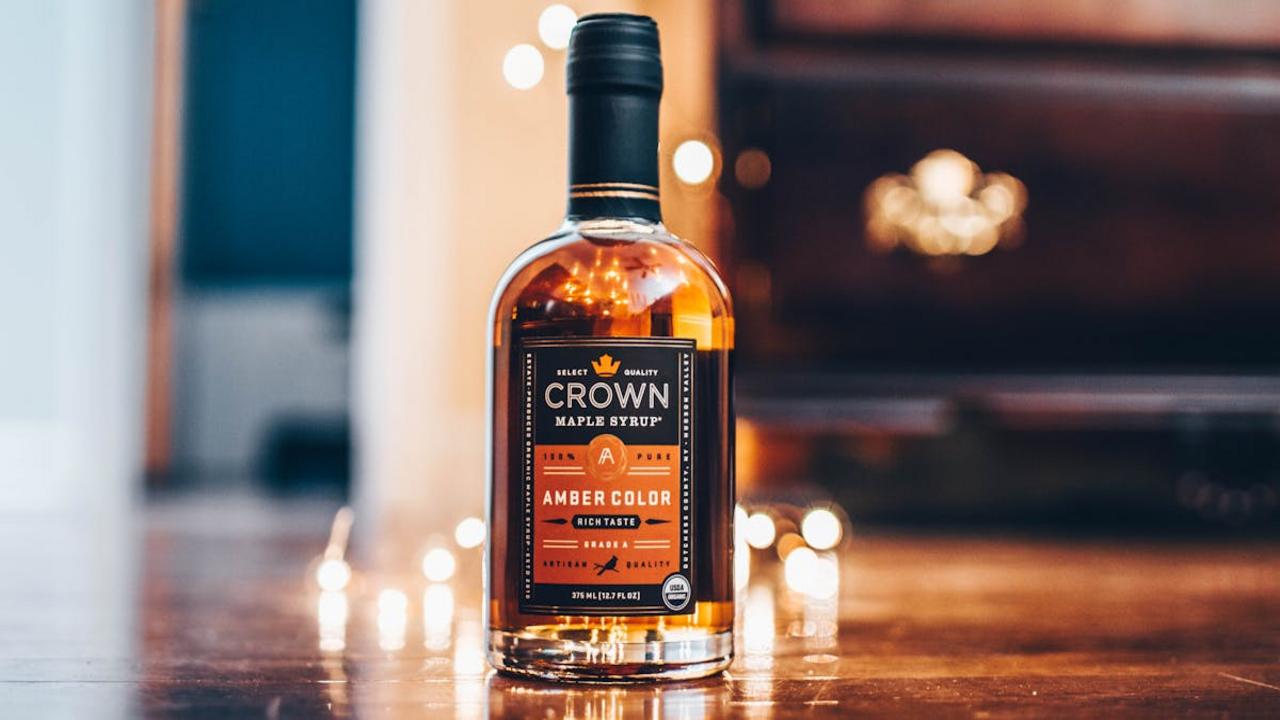
Pure maple syrup is one of those pantry staples that seems to last forever, and honestly, it pretty much does. Thanks to its high sugar content, this liquid gold naturally resists bacterial growth, which means that expiry date stamped on the bottle is more of a suggestion than a hard rule. Once opened, you might notice some crystallization or mold on the surface if it hasn’t been stored properly, but don’t panic. Simply skim off any visible mold, transfer the syrup to a clean container, and give it a quick boil. The heat will kill off any lingering bacteria and restore that smooth, pourable consistency you love drizzling over pancakes and waffles.
If your maple syrup has been sitting in the pantry unopened for a year or two past its printed date, it’s still perfectly safe to use. The flavor might deepen slightly over time, taking on richer, more caramelized notes that can actually enhance your breakfast or baking projects. Store your opened syrup in the refrigerator to extend its life even further and prevent any unwanted changes. Whether you’re sweetening your morning oatmeal, glazing roasted vegetables, or adding depth to homemade salad dressings, that bottle of maple syrup will continue delivering its distinctive sweetness long after the expiry date has come and gone. Trust your senses and give it a good look and sniff before using.
Peanut Butter
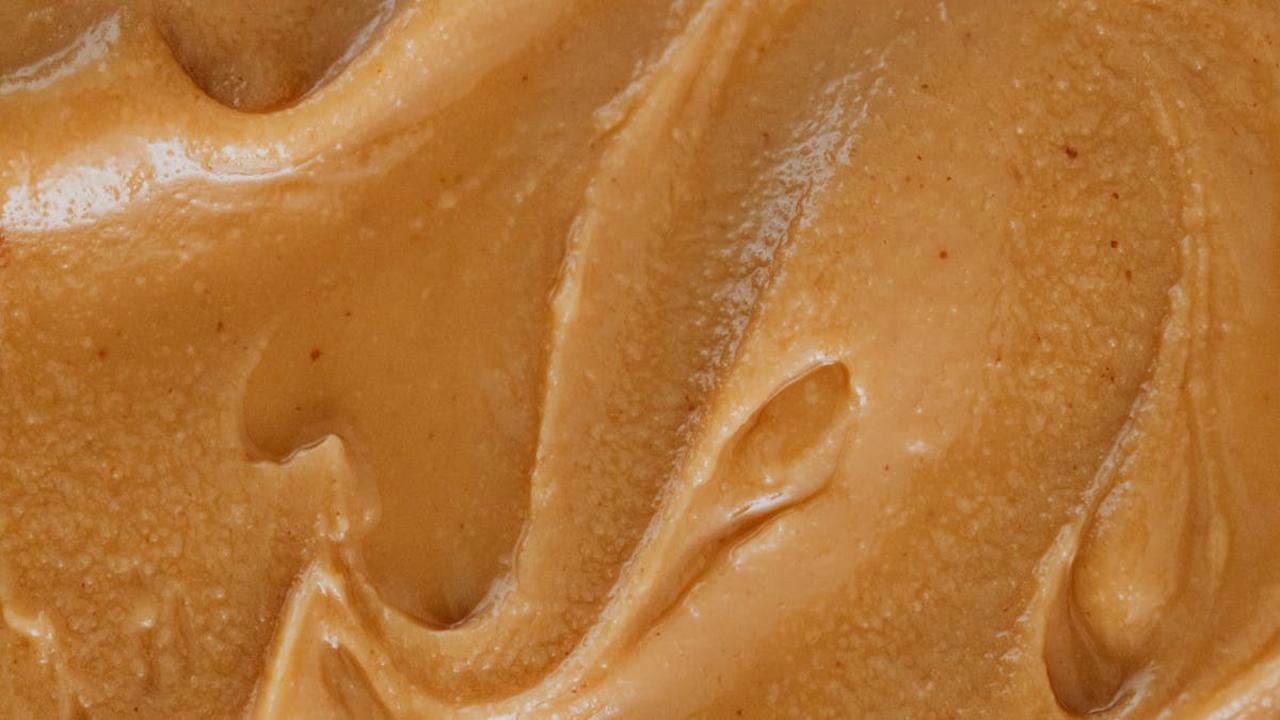
That jar of peanut butter sitting in your pantry for months? It’s probably still good to eat, even if it’s past the date on the label. Natural peanut butter typically stays fresh for three to four months beyond its expiration date when stored in the pantry, and even longer when refrigerated. Commercial brands with added preservatives can last six months or more past their printed date. The high oil content and low moisture in peanut butter create an environment where bacteria struggle to thrive, making it one of the most shelf-stable spreads in your kitchen.
Keep an eye out for signs that your peanut butter has truly gone bad: a rancid smell, unusual color changes, or visible mold growth. If you notice a layer of oil on top, that’s completely normal for natural varieties and just needs a good stir. Store your peanut butter in a cool, dry place with the lid tightly sealed to maximize its lifespan. Once opened, refrigerating natural peanut butter helps prevent the oils from going rancid and extends its usability even further. The nutty spread remains a reliable protein source long after you thought it was done, making it a smart staple to keep stocked in your home.
Dried Pasta
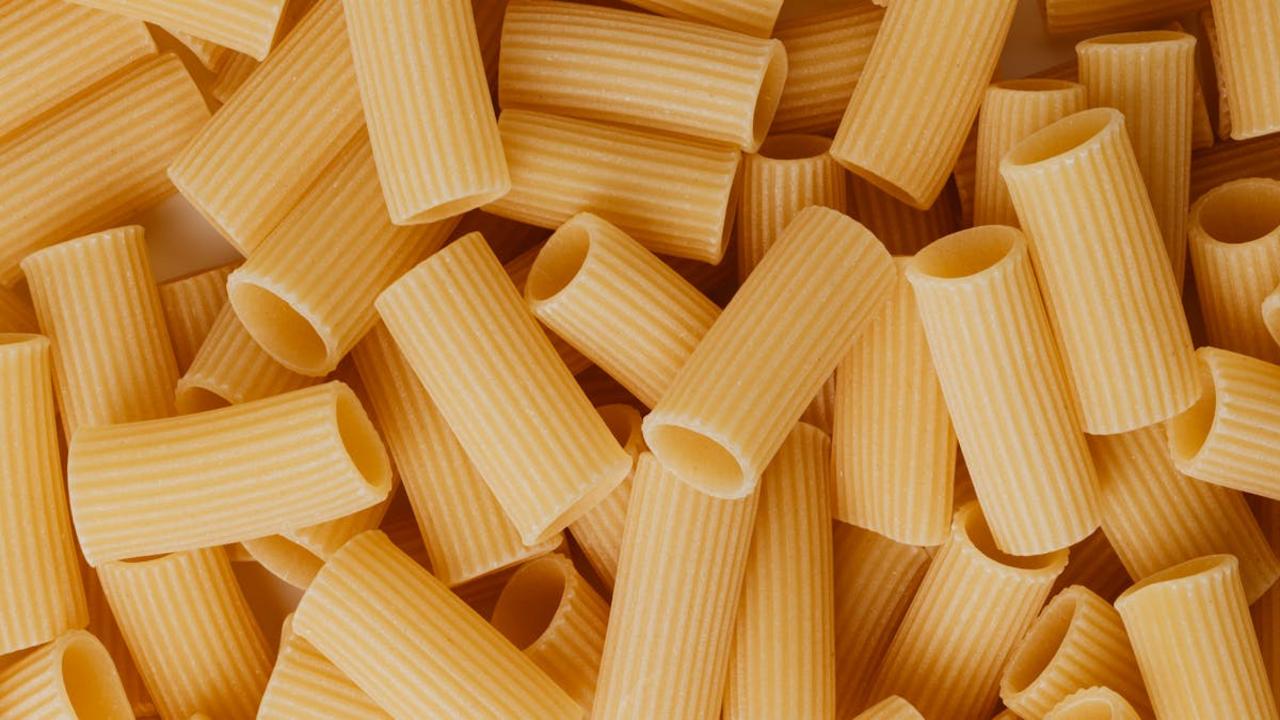
Your box of dried pasta sitting in the pantry for months? Don’t toss it just because the date on the package has passed. Dried pasta is one of those shelf-stable champions that can last well beyond its printed expiration date—often up to two years or more if stored properly. The key is keeping it in a cool, dry place away from moisture and pests. As long as the pasta looks normal, smells fine, and shows no signs of mold or discoloration, you’re good to go. The worst that might happen with older pasta is a slight change in texture after cooking, but it’ll still be perfectly safe and delicious on your dinner plate.
Before you cook that older pasta, give it a quick inspection. Check for any unusual odors, which would be rare but could indicate moisture got in somehow. Look for tiny bugs or webbing, which might mean pantry pests found their way into the box. If everything checks out, boil it up with confidence! Dried pasta’s low moisture content makes it incredibly resistant to bacterial growth, which is why it’s such a reliable staple. Keep your pasta in airtight containers after opening to extend its life even further, and you’ll always have a quick meal option ready. Don’t let those dates scare you away from perfectly good pasta that’s just waiting to be paired with your favorite sauce.
Sugar
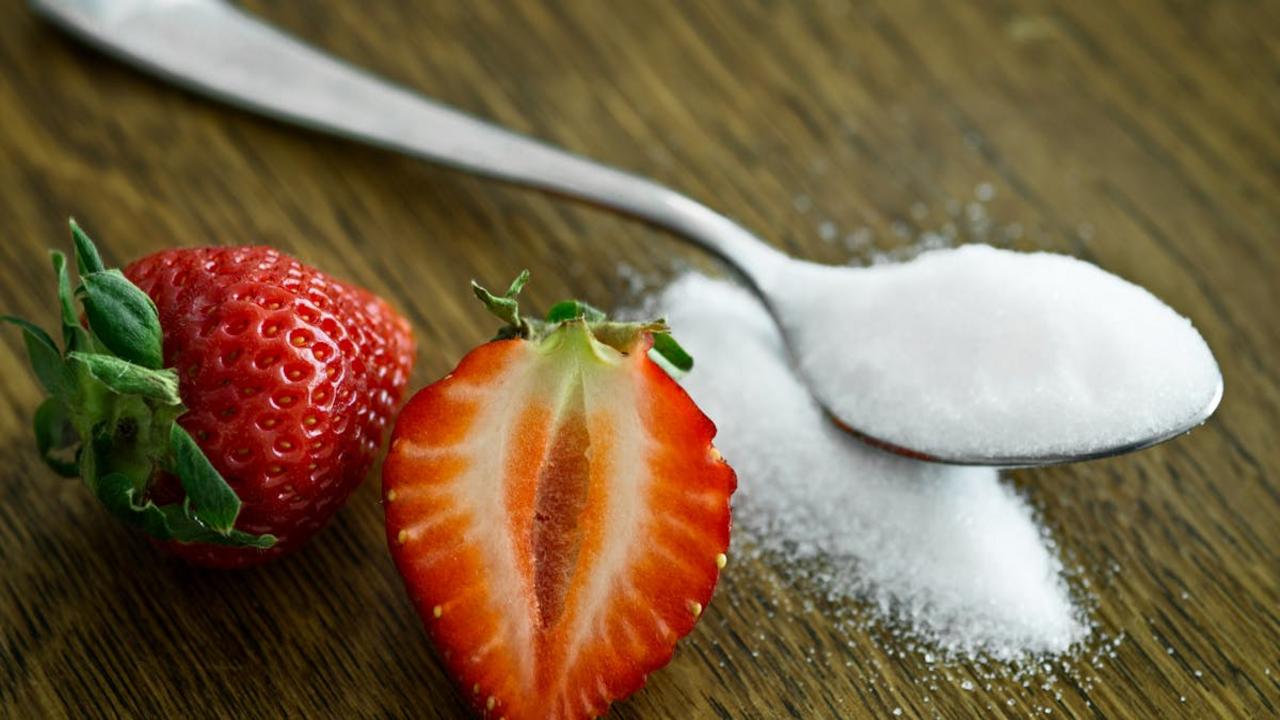
You can keep that bag of sugar in your pantry pretty much forever without worrying about it going bad. Sugar has an incredibly long shelf life because it doesn’t support bacterial growth. The key is keeping it dry and stored in an airtight container. Moisture is sugar’s only real enemy here. If your sugar gets hard or clumpy, don’t toss it! Just break up the chunks with a fork or pulse it in a food processor. You can also add a slice of bread to the container overnight, and it’ll soften right up. Granulated white sugar, brown sugar, and powdered sugar all follow these same rules.
The “best by” date on sugar packages is really just a suggestion from manufacturers, not an actual expiration date. Your sugar might lose a bit of its pristine white color over time, but it’s still perfectly safe and functional for baking, sweetening your coffee, or making that batch of cookies you’ve been craving. Brown sugar might dry out and get rock-hard, but again, that’s a texture issue, not a safety concern. Store your sugar away from strong-smelling foods since it can absorb odors, but otherwise, keep using it for years to come without a second thought.
Salt
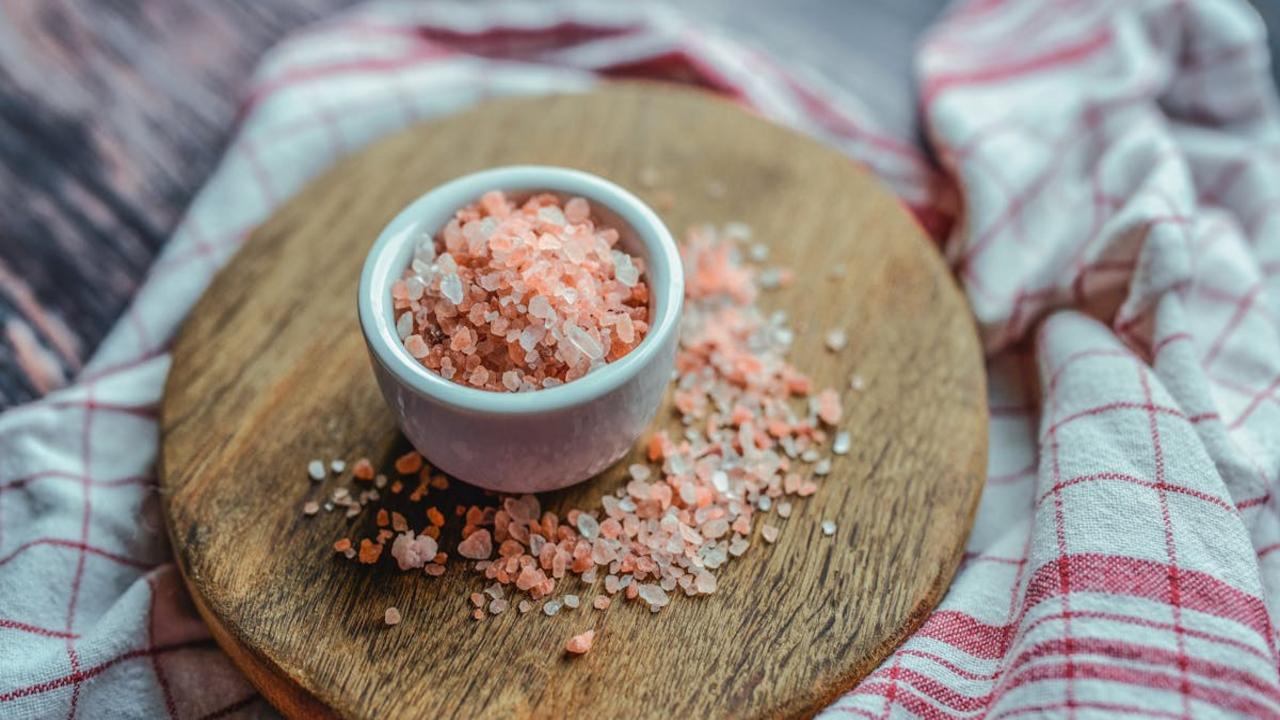
Salt is one of those pantry staples that truly stands the test of time. That expiration date stamped on your salt container? It’s more of a suggestion than a rule. Pure salt doesn’t spoil because bacteria and microorganisms can’t survive in it. Whether you’re using table salt, sea salt, or Himalayan pink salt, these crystals will maintain their quality indefinitely when stored properly. The expiration dates you see are often required by law or indicate when additives like iodine might start to degrade slightly in potency, but the salt itself remains perfectly safe and effective for seasoning your favorite dishes.
Store your salt in an airtight container away from moisture, and it will be your faithful kitchen companion for years to come. Some salts with added herbs or flavoring agents might lose their aromatic punch over time, but plain salt keeps its sodium content intact forever. If your salt has been sitting in the back of your cabinet for a decade, don’t toss it out! Just give it a quick check for any moisture clumps or contamination from other ingredients. A quick shake or run through a grinder if it’s crystallized, and you’re back in business. This mineral has been preserving food for thousands of years precisely because it doesn’t break down, making it one of the most reliable ingredients you can keep on hand.
Vinegar
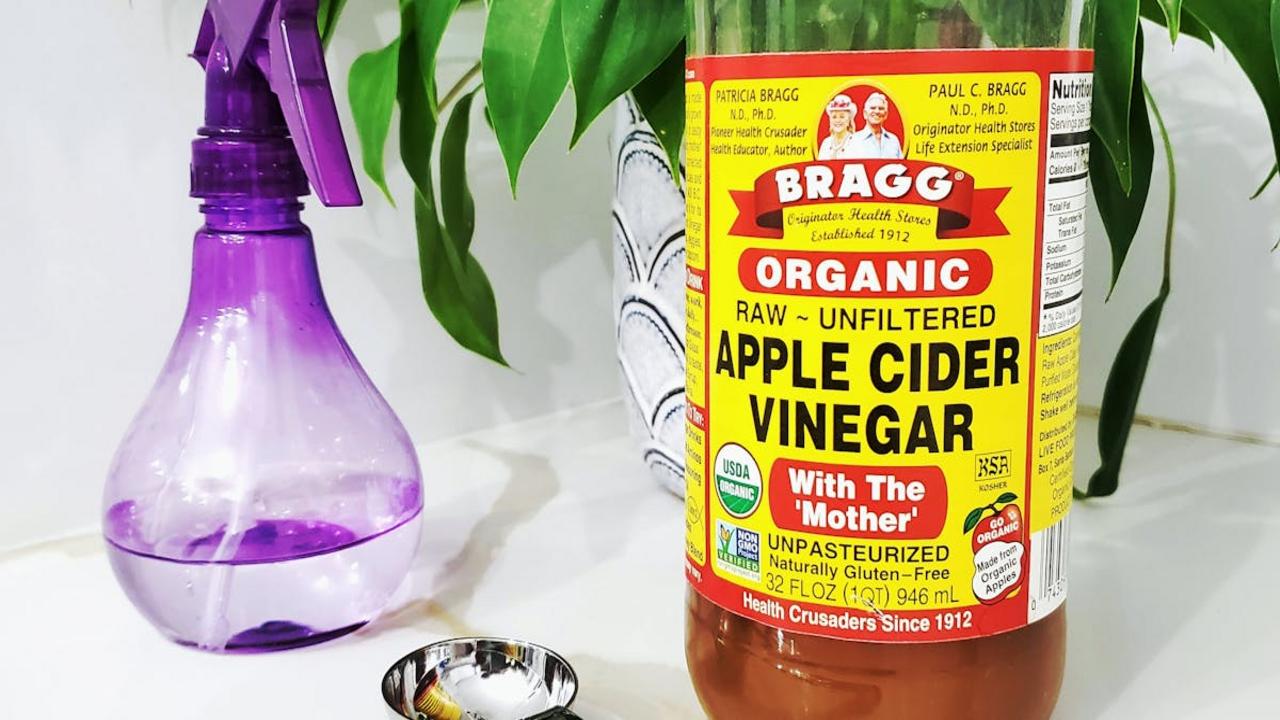
Vinegar is practically immortal in your pantry, and that’s not an exaggeration. The acidity in vinegar acts as a natural preservative, which means it can last indefinitely if stored properly. Whether you’ve got white vinegar, apple cider vinegar, or balsamic varieties, they’re all incredibly stable. You might notice some changes over time—cloudiness in apple cider vinegar or sediment at the bottom of the bottle—but these are harmless and don’t affect safety. The self-preserving nature of vinegar means that expiry date on the bottle is more of a quality guideline than a safety concern. Even years past that date, your vinegar will still be perfectly safe to use in cooking, cleaning, or making salad dressings.
The beauty of vinegar is that it doesn’t just refuse to spoil—it actually gets better at doing its job over time. Some vinegars develop a “mother,” which is a cloudy formation of beneficial bacteria and enzymes. This is completely safe and actually indicates quality fermentation. If you’re worried about flavor changes, distilled white vinegar maintains its sharp taste almost forever, while flavored varieties might lose some intensity after a few years. Store your vinegar in a cool, dark place with the cap tightly sealed, and you’ll have a kitchen staple that outlasts nearly everything else in your cupboard. Don’t toss that old bottle—use it confidently in marinades, pickles, or even as a natural cleaning solution around your home.
Soy Sauce
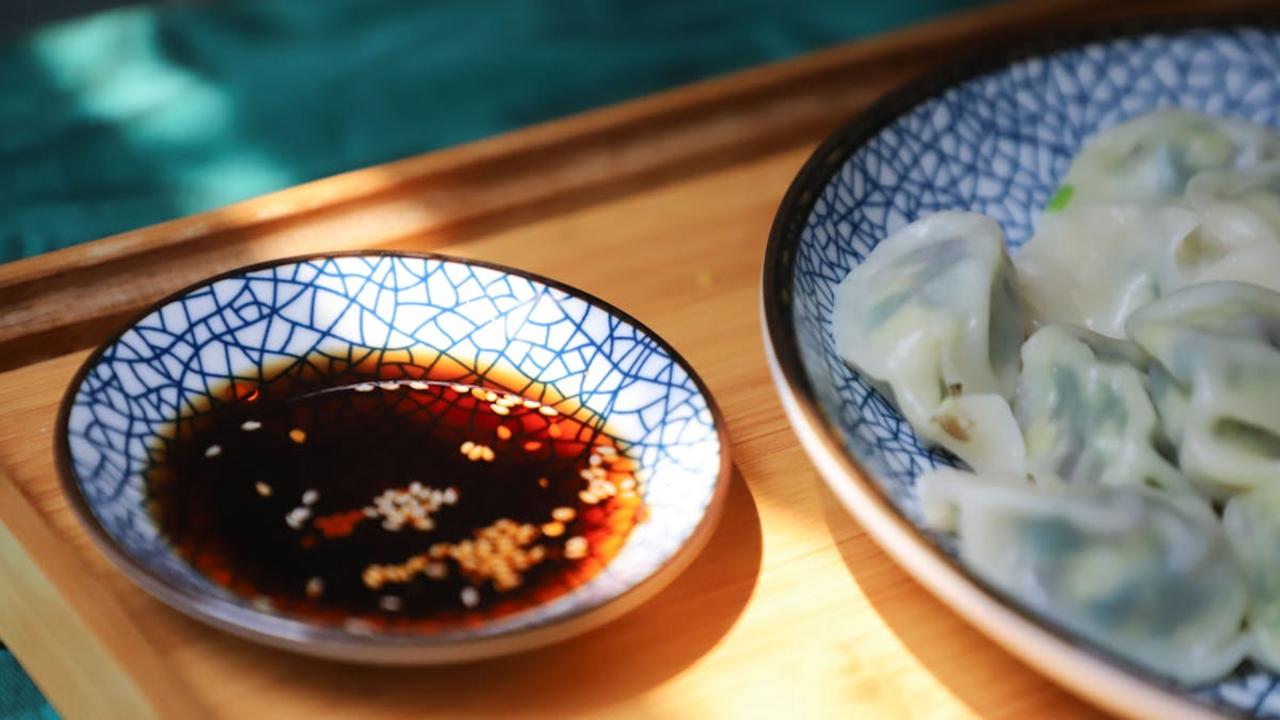
That bottle of soy sauce hiding in your fridge door? It’s probably fine long after the date stamped on it. Thanks to its incredibly high sodium content, soy sauce acts as its own preservative, keeping harmful bacteria at bay naturally. Whether you bought the fancy aged variety or the standard grocery store brand, this savory condiment can last for years beyond its printed date when stored properly. Once opened, keep it refrigerated and watch for any changes in color or smell, but honestly, you’ll likely finish it before any real degradation happens. The salt concentration is so high that spoilage becomes nearly impossible under normal storage conditions.
Your main concern with older soy sauce isn’t safety but quality. Over time, you might notice the flavor becomes slightly less punchy or the color darkens a bit more than usual, but these changes don’t make it dangerous to consume. If your soy sauce still smells like soy sauce and hasn’t developed any weird cloudiness or mold (which is rare), go ahead and drizzle it on your stir-fry without worry. Store it in a cool, dark place or the refrigerator after opening, and that bottle will serve you faithfully for months or even years past the expiration date. Trust your senses here: if it looks and smells normal, your dumplings deserve that savory dip!
Canned Vegetables
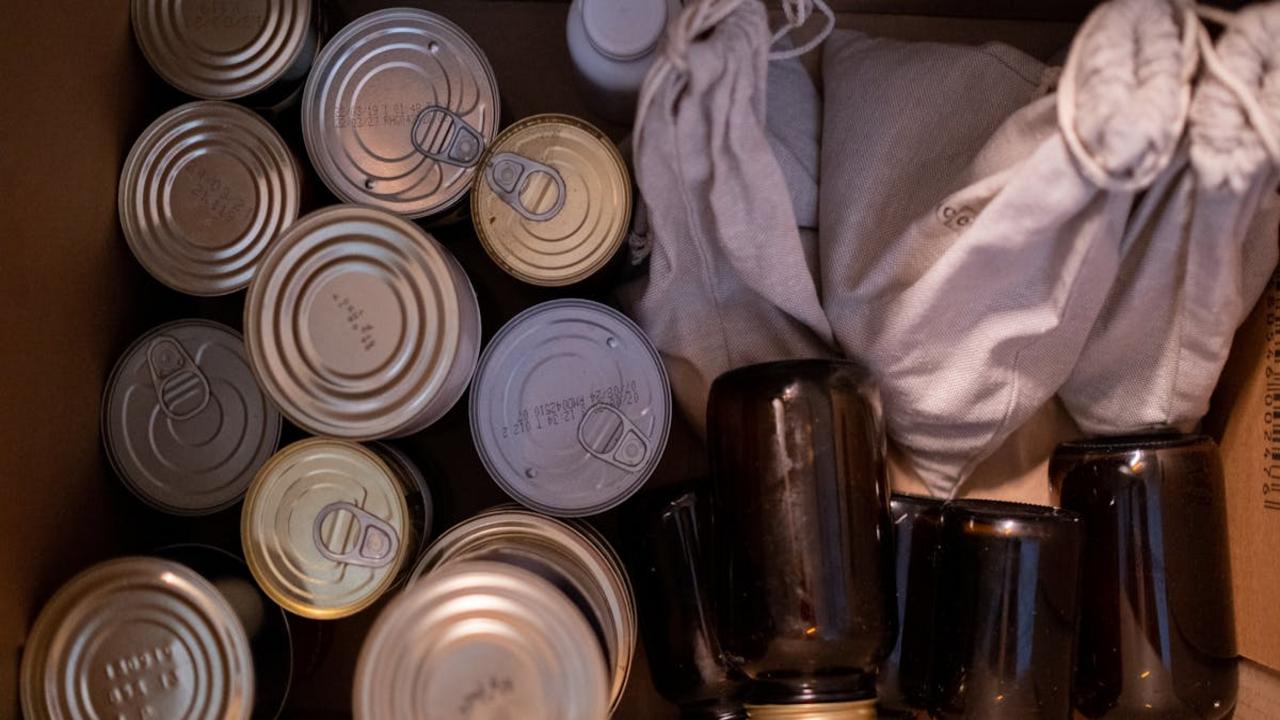
Your pantry staples are tougher than you think! Those cans of green beans, corn, and tomatoes sitting in your cupboard? They’re not going anywhere anytime soon. Most canned vegetables stay perfectly safe and nutritious for years past their printed date. The high-heat canning process creates an airtight seal that keeps bacteria out and preserves the food inside. As long as the can isn’t dented, rusted, or bulging, the contents remain safe to eat. The quality might decline slightly over time—colors may fade and textures can soften—but the nutritional value stays remarkably intact.
Before you toss that can from 2022, give it a closer look. Check for any signs of damage or unusual swelling, which could indicate spoilage. If the can passes inspection, pop it open and trust your senses. Fresh-smelling vegetables with normal color and texture are good to go, even if that date has come and gone. I’ve used canned tomatoes three years past their date in pasta sauce, and they tasted just as rich and flavorful as fresh ones. These preserved vegetables can save you money and reduce food waste while still delivering the nutrients your body needs. Keep them stored in a cool, dry place, and they’ll be ready whenever you need them for soups, stews, or quick side dishes.
Hard Cheese
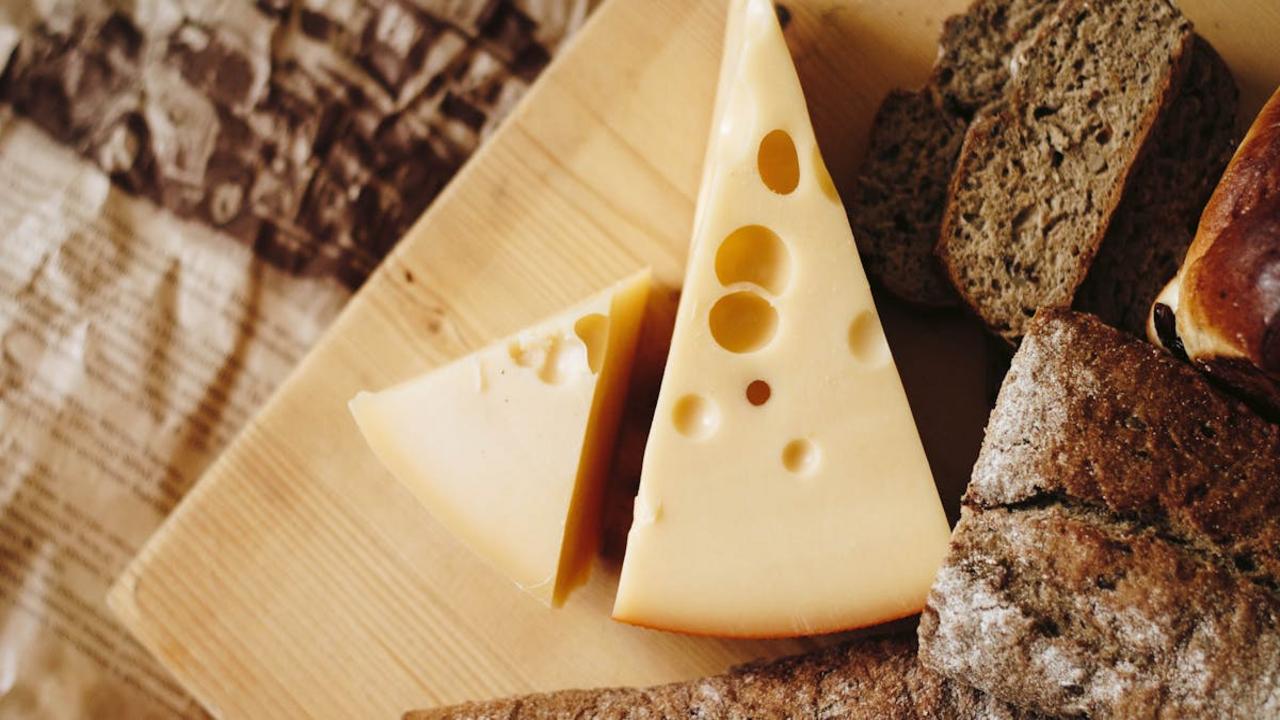
Hard cheese is one of those pantry staples that refuses to quit, even when that expiration date has come and gone. Aged varieties like cheddar, parmesan, and gouda are incredibly resilient thanks to their low moisture content and aging process. If you spot a bit of mold on your block of cheese, don’t panic and toss the whole thing! Simply cut off the moldy section plus an extra inch around it, and the rest is perfectly safe to grate over pasta or slice for your favorite sandwich. The dense structure of hard cheese prevents mold from penetrating deep into the interior, so you’re really just dealing with a surface issue. Store your cheese properly wrapped in wax paper or cheese paper inside a plastic bag, and it’ll maintain its quality for weeks beyond what the package suggests.
Your nose and eyes are your best friends here. If the cheese smells off or shows signs of sliminess, that’s your cue to say goodbye. But if it looks and smells normal after you’ve trimmed away any questionable spots, go ahead and enjoy it! Hard cheeses actually continue to develop flavor as they age, which means that block sitting in your fridge might taste even better than it did fresh. Remember that cheese has been preserved through aging for centuries, long before we had refrigerators and expiration dates. Trust the tradition, trust your senses, and save yourself from unnecessary food waste while enjoying every last bite of that delicious cheese.
White Rice
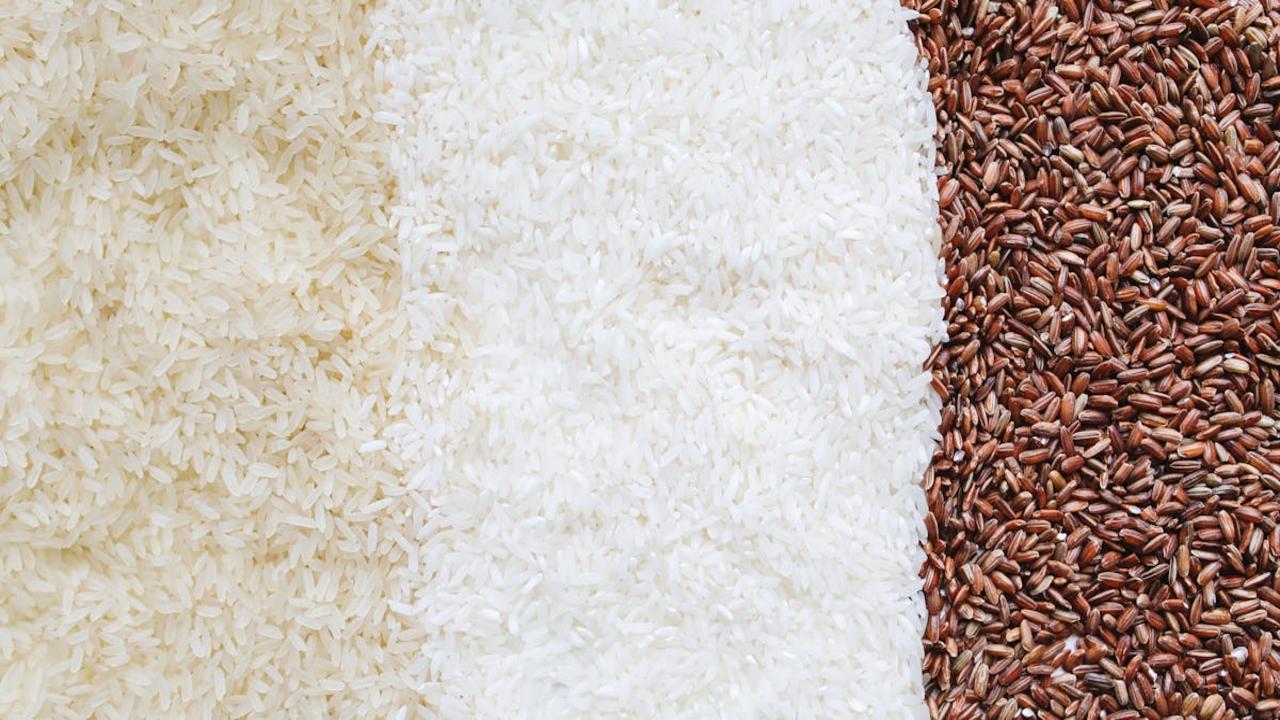
White rice has an incredibly long shelf life when stored properly, making those expiry dates more of a suggestion than a hard rule. Uncooked white rice can last for years—yes, years!—beyond the printed date if you keep it in an airtight container in a cool, dry place. The milling process removes the outer husk and bran, which actually helps white rice stay fresh much longer than its brown rice cousin. Your pantry staple is perfectly safe as long as it doesn’t show signs of moisture, mold, or unusual odors. That bag sitting in your cupboard from last year? It’s probably just fine.
Before cooking, give your rice a quick inspection. Look for any discoloration, weird smells, or signs of bugs—these are the real indicators that something’s gone wrong, not the date on the package. The beauty of white rice is its simplicity and stability. Store it away from humidity and heat, and you’ve got yourself a reliable ingredient that’s ready whenever you need it. Whether you’re whipping up a quick stir-fry or building a comforting bowl of rice and beans, that “expired” bag can still deliver the fluffy, perfect grains you’re after. Don’t toss it just because of an arbitrary date—trust your senses instead.
Honey
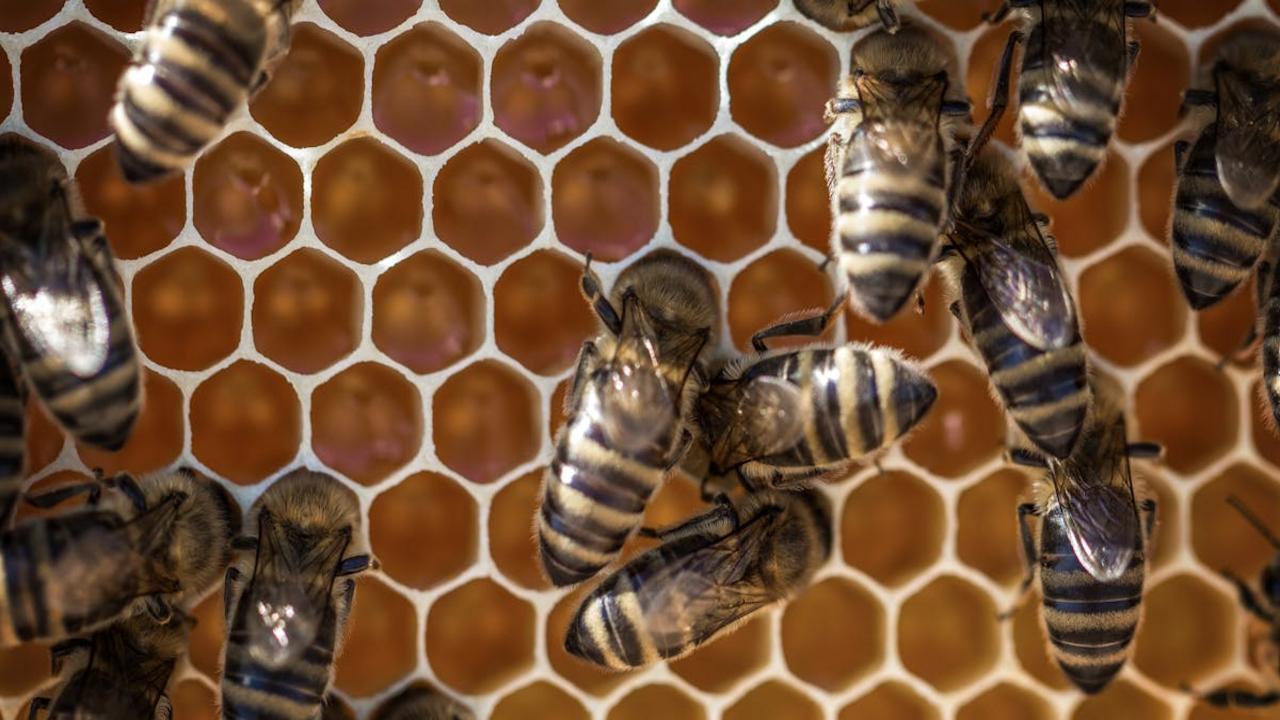
Honey never truly expires, and that’s not an exaggeration. This golden nectar has an incredibly low moisture content and high acidity, which creates an environment where bacteria and microorganisms simply can’t survive. Archaeologists have actually discovered pots of honey in ancient Egyptian tombs that were over 3,000 years old and still perfectly edible. Your jar might crystallize over time, turning thick and grainy, but that doesn’t mean it’s gone bad. Just warm it gently in a bowl of hot water, and it’ll return to its smooth, pourable state. The “best by” date on honey is more about regulatory requirements than actual spoilage.
Store your honey in a sealed container at room temperature, away from direct sunlight, and it’ll stay good indefinitely. If you notice any crystallization, that’s actually a sign of pure, high-quality honey rather than a problem. Some people even prefer the crystallized texture for spreading on toast. The only thing you need to watch for is moisture contamination—if water gets into your honey jar, it could start to ferment. But as long as you keep it sealed and use clean utensils when scooping it out, your honey will outlast pretty much everything else in your pantry. Keep enjoying it in your tea, drizzling it over yogurt, or using it as a natural sweetener without worrying about that printed date.