She Ordered Steak and 3 Cocktails, Then Said ‘Let’s Split Evenly’—I Said No.
There are certain unspoken rules of friendship, and one of the most important comes up when dining out: you pay for what you ate. It’s a simple matter of fairness and respect, especially when everyone is mindful of their own budget. It’s how we keep things comfortable and ensure there will be many more lovely meals to come.
However, one woman recently took to the internet to share a story that proves not everyone plays by these rules. Her frustrating experience with a friend at dinner has sparked a major debate about what to do when someone expects you to subsidize their expensive taste.

The Incident
The story begins with a woman looking forward to a nice dinner out with a group of six friends. It was supposed to be a lovely, relaxed evening of good food and even better company. Most of the group ordered modestly—a main course priced around $20-$25 and perhaps a glass or two of wine, keeping their individual costs to a reasonable $35-$45.
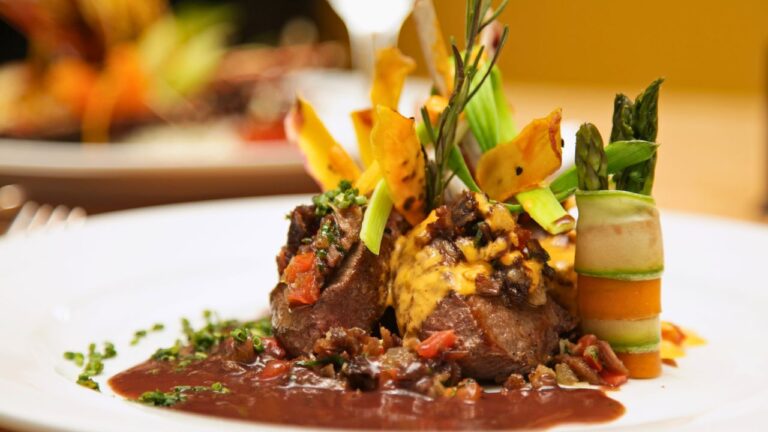
But one friend, let’s call her “Jane,” had a different idea. While her friends chose more conservative options, Jane decided to treat herself. She ordered the most expensive item on the menu, a $30 steak, and followed it up with not one, not two, but three pricey $15 cocktails. To top it all off, she also had a dessert and a coffee.
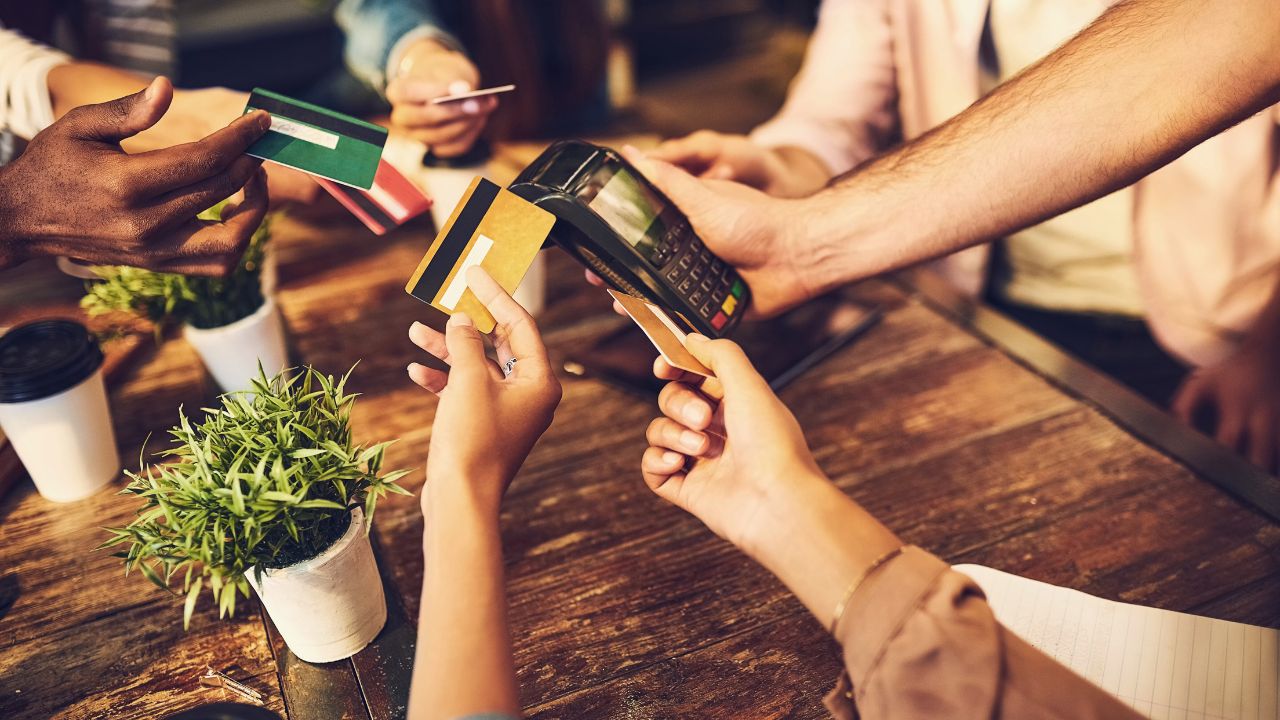
When the bill arrived, the difference was staggering. While most of the friends owed around $40, Jane’s share was closer to $75. Before anyone could even pull out a calculator, Jane announced cheerfully, “Let’s just split it equally, shall we?”

The original poster was stunned. She quickly spoke up and said no, explaining that it was fairer for everyone to pay for what they had actually consumed. Jane’s cheerful demeanor vanished instantly. The poster shared, “She got all huffy and said I was being petty and ‘tight’.” The evening ended with everyone paying their correct share, but the atmosphere was tense, and a long-standing friendship was left hanging by a thread.
The Internet Reacts
When the woman shared her story, the internet erupted with opinions, with most people rushing to her defense. The commenters quickly sorted themselves into a few distinct camps.
First, there was the “Absolutely Not” Crowd. This was by far the largest group, and they were furious on the woman’s behalf. They didn’t mince words, labeling the friend’s behavior a deliberate “scam.” One person wrote, “She wasn’t ‘huffy’, she was ‘caught’.”
Another commenter was even more direct, stating, “Jane is not your friend. She is a user who is happy to take advantage of you. This would be a friendship-ending incident for me.”

Then there was the small “Devil’s Advocate” camp. While no one truly defended Jane’s actions, a few tried to imagine her reasoning. They wondered if, for some people, splitting the bill is just a lazy habit meant to avoid doing math. But even this group had to admit that the habit becomes inexcusable when one person’s meal costs nearly double what everyone else ordered.
Finally, the “Practical Advice” Crowd chimed in with their solutions. Many shared that they’ve learned this lesson the hard way and now have a firm rule: ask for separate checks the moment you sit down.
Others suggested using a payment app on your phone to quickly and easily divide the bill by item. One commenter even offered a script for what they would have said: “No problem, Jane! Your steak, three cocktails, and dessert come to $75. The rest of us are about $40 each.”
The Etiquette Verdict
Let’s be perfectly clear: in polite society, you do not ask your friends to pay for your expensive meal. Expecting a group to split a bill equally when you have knowingly ordered far more than anyone else is not just bad manners; it’s disrespectful and deeply unfair.
The golden rule of dining with friends is simple. Unless everyone has agreed to split the bill from the start or has ordered items in a similar price range, each person is responsible for their own tab. True friendship is built on mutual respect, and that absolutely includes respecting each other’s finances.

What Do You Think?
Was the friend’s behavior a friendship-ending offense, or should the woman have just paid the extra money to keep the peace? Let us know your thoughts in the comments.
Ready for the next level of insight? Discover more in my latest article here.