13 Cheesy Ways I Finally Won Over My Picky Eater
My youngest turned every mealtime into a battlefield until I discovered the magic of cheese. This golden ingredient became my secret weapon, transforming rejected vegetables into requested favorites and turning dinner disasters into family victories.
Through months of experimentation, I learned that cheese isn’t just a topping—it’s a bridge between what kids want and what they need. From sneaky sauces to playful presentations, each method builds confidence while nourishing growing bodies with real, wholesome ingredients.
These thirteen strategies changed our kitchen dynamic completely. No more tears, no more negotiations, just genuine excitement around food. Each technique respects your child’s preferences while gently expanding their palate toward healthier choices.
Cheese art on plates
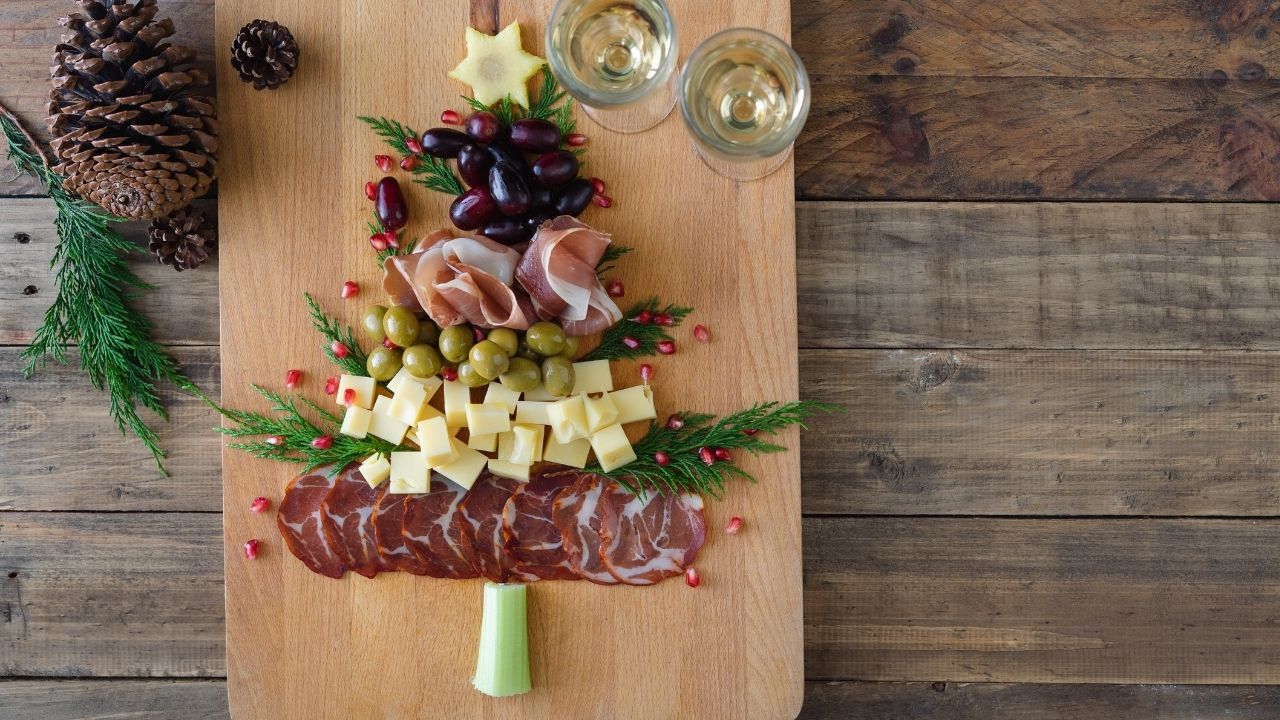
You know what changed everything for my stubborn eater? Making cheese the star of the show, literally. I started creating simple cheese designs right on their plate – nothing fancy, just arranging shredded cheddar into smiley faces, cutting string cheese into fun shapes with cookie cutters, or using a vegetable peeler to make delicate parmesan ribbons that looked like flower petals. The transformation was immediate. My little one went from pushing food around to asking what cheese creation would appear at each meal. This approach taught me that presentation really does matter, especially when you’re working with someone who needs extra motivation to try new foods.
The beauty of cheese creations lies in their simplicity and the way they transform ordinary meals into something special. I’ve found that involving my picky eater in the design process works wonders – they help me decide whether today calls for a cheese rainbow or maybe a geometric pattern made from different colored cheeses like white cheddar, orange cheddar, and manchego. These moments become opportunities to introduce new cheese varieties while keeping the experience playful and pressure-free. Now, cheese designs have become our shared language of creativity, and I’ve watched my once-resistant eater develop genuine curiosity about different textures, flavors, and even the stories behind various cheeses from around the world.
Cheese crystals as sprinkles
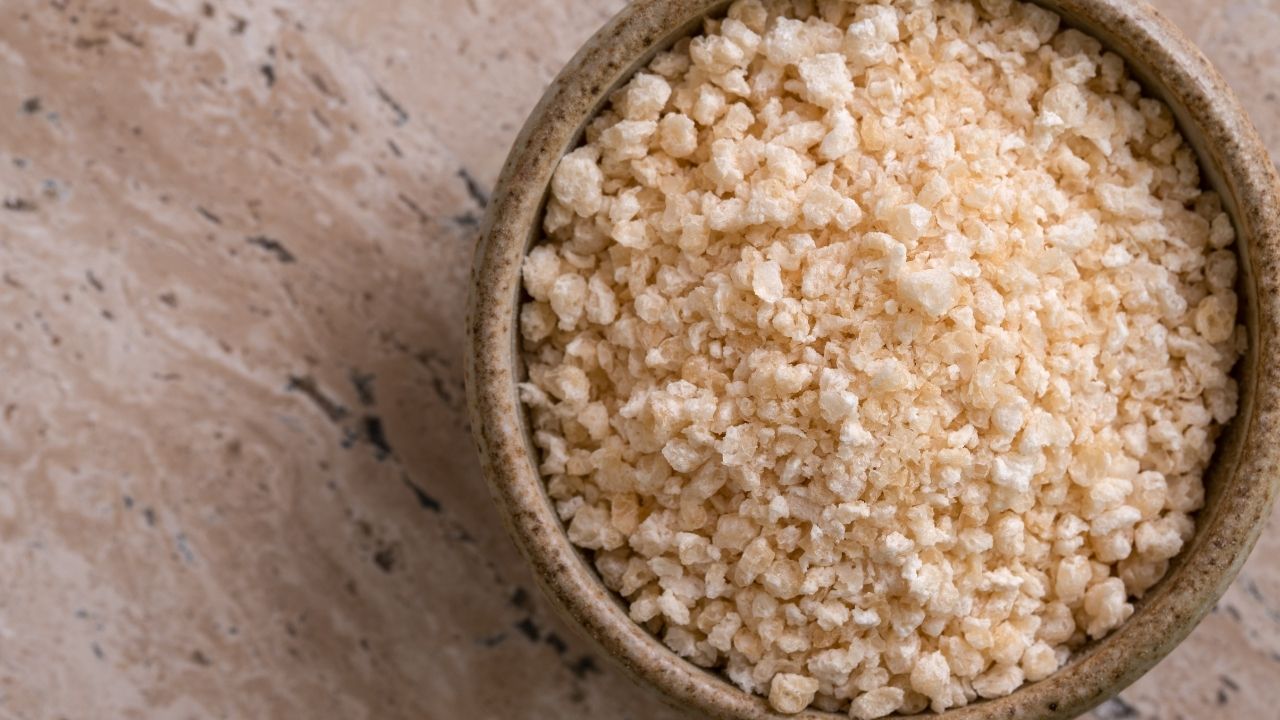
I discovered this brilliant trick completely by accident when I knocked over a block of aged Parmesan while making pasta one evening. Those tiny crystalline shards scattered across my cutting board looked exactly like fancy sprinkles, and suddenly I had the most genius idea for my cheese-resistant little one. You know those beautiful crystals that form in well-aged hard cheeses like Parmigiano-Reggiano, aged Gouda, or sharp cheddar? Instead of letting them go to waste, I started grating these cheeses extra fine to collect those precious crystal fragments.
Now I sprinkle these “cheese crystals” over everything from roasted vegetables to simple buttered noodles, and my picky eater thinks it’s magical fairy dust on their food. The crystals add this incredible burst of concentrated umami flavor that makes even plain steamed broccoli taste like something special. I keep a small shaker filled with freshly grated aged cheese crystals in the fridge, and it’s become my secret weapon for making ordinary dishes extraordinary. The best part? My kid asks for extra “sprinkles” on everything now, completely unaware they’re getting a hefty dose of calcium and protein with every sparkly bite.
Cheese-infused bread crumbs
Transform your ordinary breadcrumbs into something magical by mixing grated Parmesan, cheddar, or your favorite hard cheese directly into the mix. I discovered this technique when my daughter refused to eat the baked chicken I’d prepared, but the moment I sprinkled these golden, cheesy crumbs on top, she devoured every bite. The cheese melts slightly during cooking, creating little pockets of savory goodness that stick to whatever you’re coating. You can make these ahead of time and store them in the freezer for those moments when you need to quickly transform a plain dish into something irresistible.
I love using day-old sourdough bread for the base, then adding finely grated aged cheddar and a touch of garlic powder. The beauty lies in experimenting with different cheese combinations – try mixing sharp Parmesan with nutty Gruyère, or add some dried herbs from your garden. These work wonderfully on everything from roasted vegetables to fish fillets, and even sprinkled over mac and cheese for extra texture. My picky eater now asks for “the crunchy cheese stuff” on practically everything, and I’m happy to oblige since I know she’s getting wholesome ingredients without any mysterious additives from store-bought versions.
Cheese-based dips for fruits
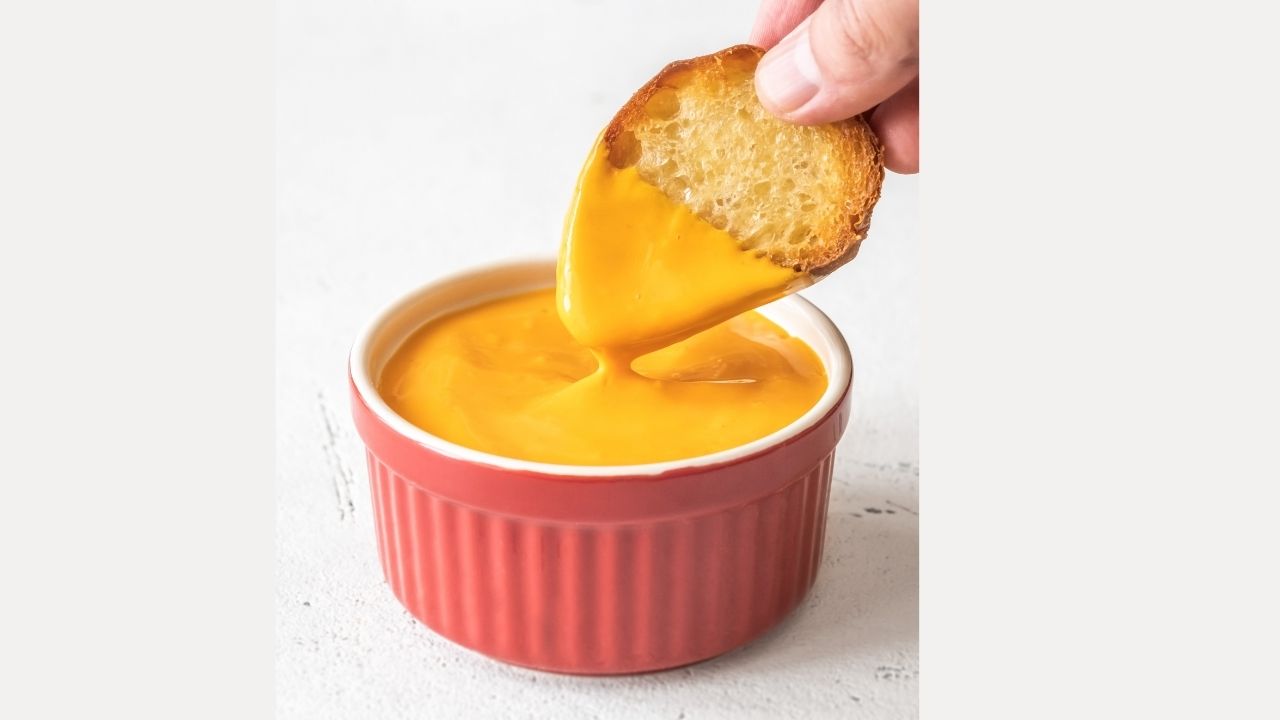
I discovered something magical when I started pairing creamy cheese dips with fresh fruits – my picky eater suddenly couldn’t get enough of apples and pears! My go-to creation combines cream cheese with a touch of honey and vanilla, creating this luscious dip that transforms ordinary fruit into an irresistible snack. Sometimes I add a pinch of cinnamon or fold in some Greek yogurt for extra tang. The beauty lies in how the rich, creamy texture makes fruits feel more indulgent, almost like dessert.
You can experiment with different cheese bases too – ricotta mixed with maple syrup works wonderfully with berries, while a savory goat cheese dip with herbs pairs surprisingly well with crisp apple slices. I love making these dips fresh because you control exactly what goes in – no mysterious additives or excessive sugars. The key is balancing sweetness with the natural tartness of cheese, creating that perfect harmony that makes even the most fruit-resistant kids reach for seconds. Trust me, once you see how quickly that fruit bowl empties, you’ll be making these dips weekly.
String cheese wrapped proteins
You know what transformed my dinner table battles forever? String cheese wrapped around tender chicken strips or mini meatballs. I discovered this technique during one of those desperate weeknight moments when my little one refused yet another healthy protein option. Instead of fighting the cheese obsession, I decided to work with it. I take thin chicken breast strips, season them with a gentle blend of garlic powder and paprika, then carefully wrap each piece with a string cheese stick before pan-searing until golden. The cheese creates this beautiful melted coating that seals in all the juices while adding that irresistible stretch factor kids go crazy for.
This method works brilliantly with homemade turkey meatballs too – I roll them smaller than usual, partially cook them, then wrap each one with string cheese and finish them in the oven. The cheese melts into every crevice, creating these incredibly moist, flavorful bites that disappear faster than I can make them. What I love most about this approach is how it sneaks quality protein past even the most stubborn eaters while keeping things simple and wholesome. No processed breading or artificial coatings needed – just real cheese doing what it does best, making everything more appealing and delicious.
Cheesy smoothie tricks
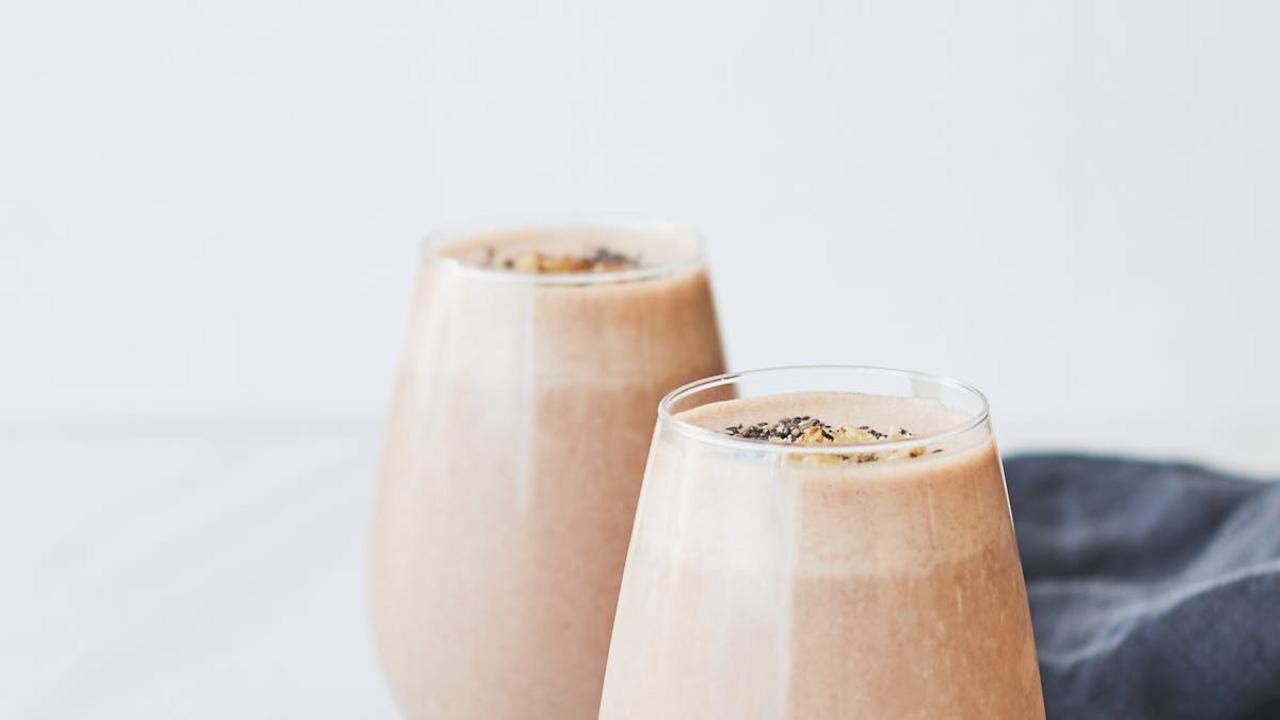
You know that moment when your little one takes one look at a green smoothie and runs in the opposite direction? I’ve been there, friend. That’s when I discovered my secret weapon: mild cheese. Yes, you heard me right – I started adding small amounts of cream cheese or even a tiny bit of mascarpone to fruit smoothies, and it completely transformed the game. The cheese adds this incredible creaminess that masks any “healthy” flavors while boosting the protein content. My picky eater went from suspicious sips to asking for seconds without even knowing there was spinach hiding in there.
The magic happens when you pair the right cheese with complementary fruits. Cream cheese works beautifully with strawberries and bananas, creating what tastes like a strawberry cheesecake smoothie. For something more adventurous, I mix a spoonful of ricotta with mango and a touch of vanilla – it’s like drinking dessert for breakfast. The key is starting with just a tablespoon of cheese per smoothie and gradually building up their tolerance. Trust me, once they’re hooked on these creamy, dreamy drinks, you can slowly introduce more vegetables and superfoods. They’ll never suspect they’re drinking their way to better nutrition, one cheesy sip at a time.
Cheese wafers as cookies
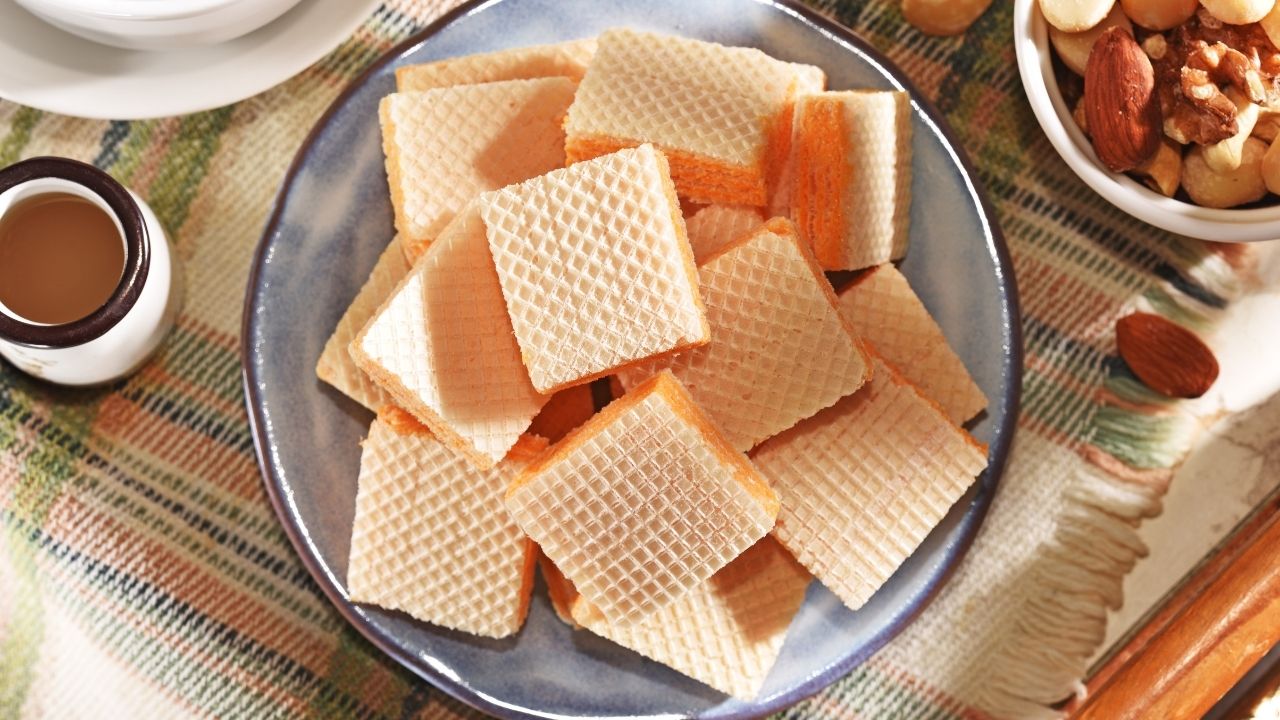
I discovered this brilliant swap completely by accident when my daughter refused her afternoon snack but spotted the cheese wafers I’d made for my book club. She grabbed one, expecting something sweet, and her face lit up with surprise and delight. These crispy, golden rounds became our secret weapon against picky eating – they look exactly like cookies but pack protein, calcium, and that irresistible cheese flavor kids crave. I make them with sharp cheddar, a touch of paprika, and sometimes sneak in finely grated cauliflower that completely disappears into the mix.
The beauty of cheese wafers lies in their simplicity and versatility. You roll the dough, slice it into rounds, and bake until they’re perfectly crispy – no complicated techniques required. I keep logs of this dough wrapped in the freezer so I can slice and bake fresh “cookies” whenever hunger strikes. My picky eater now asks for these instead of regular cookies, and I happily oblige knowing she’s getting real nutrition. They’re fantastic for lunch boxes, after-school snacks, or those moments when you need something that feels like a treat but actually nourishes growing bodies.
Cheese powder on popcorn

Listen, I know what you’re thinking—cheese powder sounds like the opposite of everything I usually stand for. But sometimes you need to meet your picky eater where they are, and for my little one, that meant finding creative ways to sneak nutrition into familiar favorites. I discovered that sprinkling high-quality cheese powder over homemade popcorn became our gateway snack that opened doors to so many other cheese-based experiments. Instead of reaching for those neon orange packets, I started making my own by dehydrating real aged cheddar and grinding it into a fine powder.
What surprised me most was how this simple addition transformed our movie nights into opportunities for food education. My previously cheese-resistant child began asking about different cheese varieties, and we started experimenting with parmesan powder, nutritional yeast blends, and even powdered goat cheese. The key was starting with organic, grass-fed cheese and controlling the salt content myself. Now we make big batches of different cheese powders and store them in glass jars, turning our pantry into a mini cheese laboratory. This approach taught me that sometimes the bridge between processed convenience and wholesome cooking is shorter than we think.
Cheese-filled fruit rolls
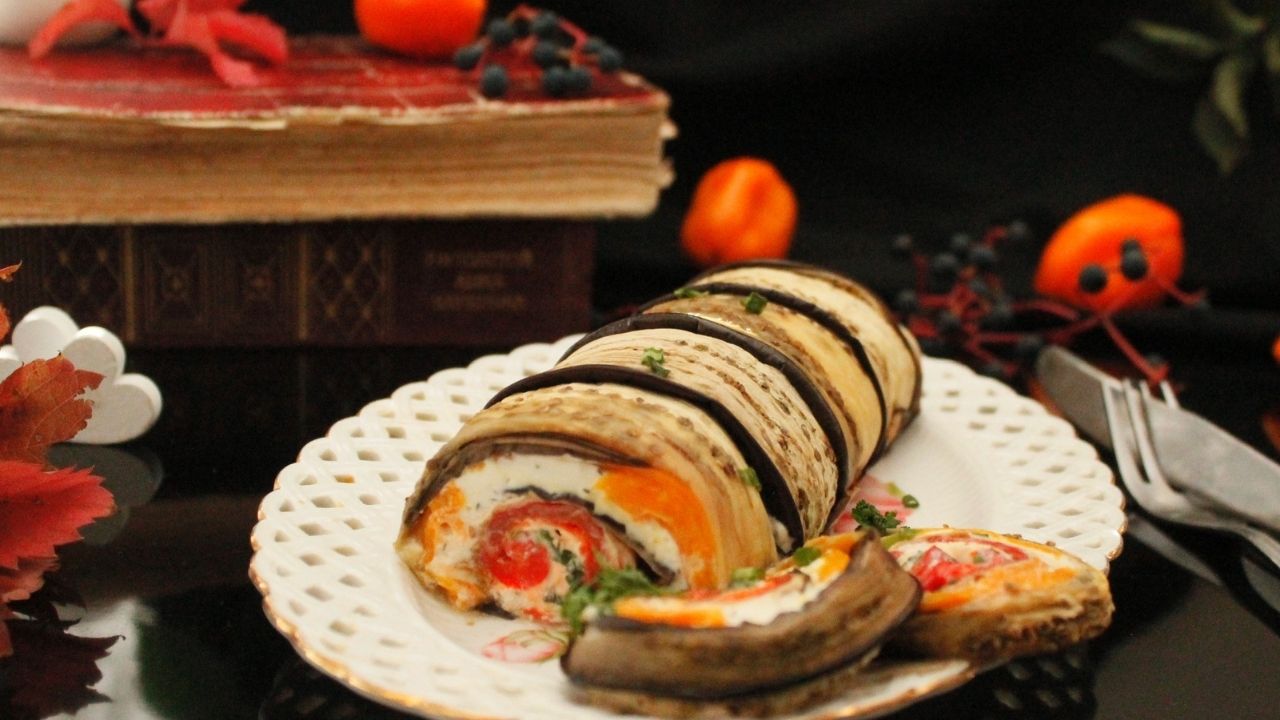
I never imagined that rolling cheese inside fresh fruit would become my secret weapon against picky eating, but here we are! These cheese-filled fruit rolls started as a desperate experiment when my little one refused anything that wasn’t beige or came in a package. I took thin slices of ripe mango and pear, spread a light layer of mild goat cheese or cream cheese inside, then rolled them up like little pinwheels. The natural sweetness of the fruit masks any “scary” cheese flavors while adding protein and calcium to what looks like pure fun food.
What makes these rolls brilliant is how you can customize them for different preferences and seasons. During summer, I use peach slices with ricotta and a tiny drizzle of honey, while fall brings apple rounds with soft cheddar. The key lies in choosing fruits that hold their shape when sliced thin but remain juicy enough to make each bite refreshing. I prep these on Sunday afternoons, storing them in small containers for quick snacks throughout the week. They’ve become so popular that my formerly picky eater now asks me to pack extra for friends at school – proof that sometimes the most unconventional combinations create the biggest victories in our kitchens.
Cheese-crusted vegetables
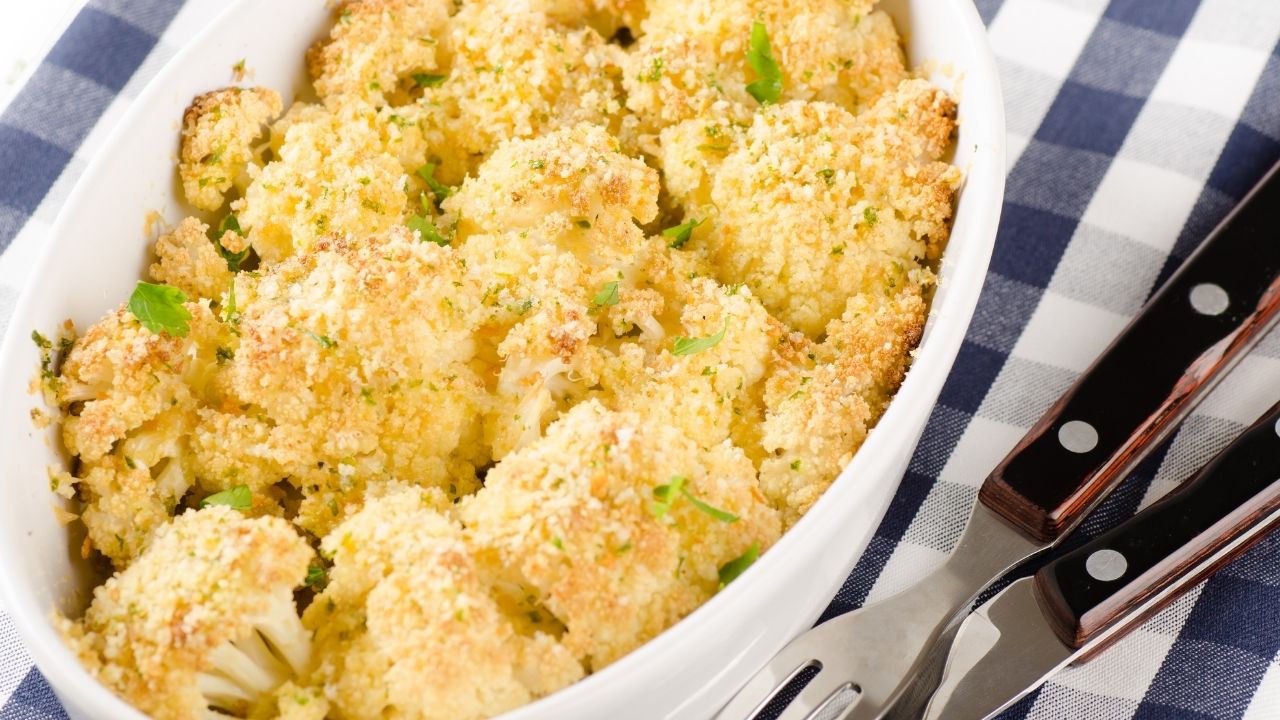
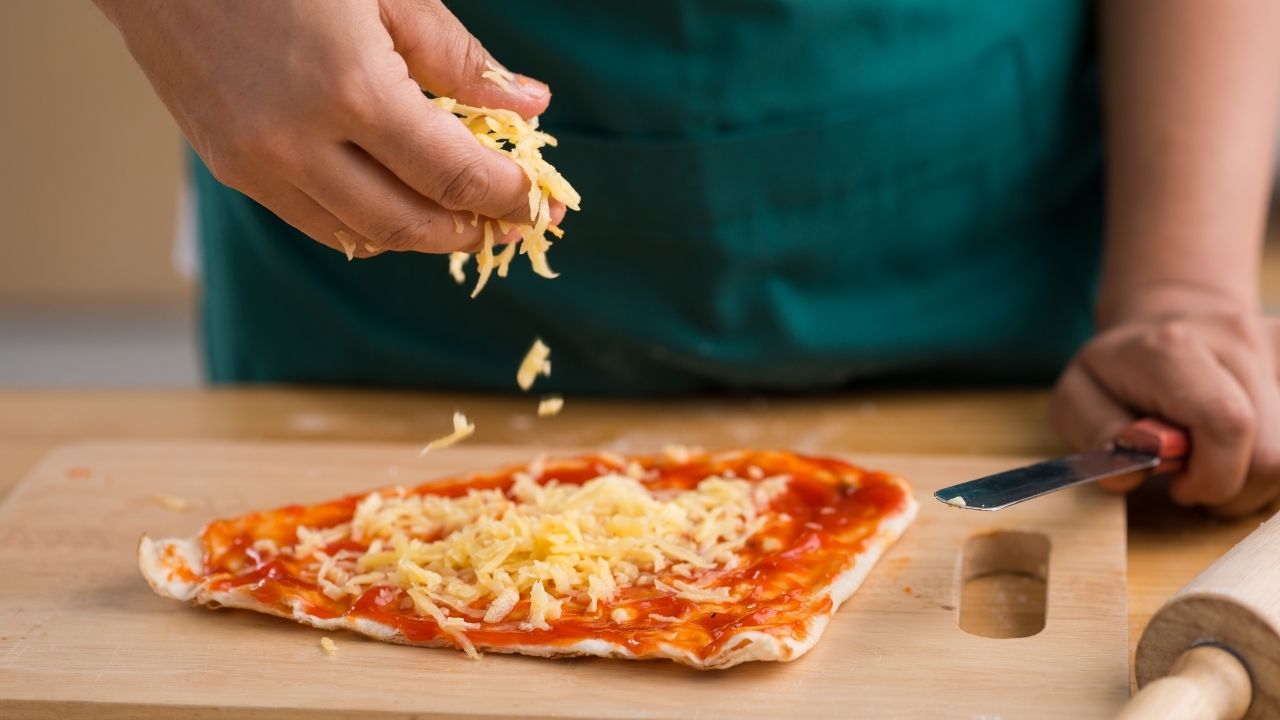
I discovered this technique completely by accident when my daughter rejected yet another plate of roasted broccoli. In desperation, I grabbed some grated Parmesan and scattered it over the vegetables during the last few minutes of roasting. The cheese transformed into golden, crispy edges that made even the most stubborn green vegetables irresistible. Now I use this method with cauliflower, Brussels sprouts, zucchini, and even carrots – any vegetable that benefits from that satisfying crunch.
The magic happens when the cheese meets high heat, creating a savory crust that turns ordinary vegetables into something special. I mix different cheeses depending on what I have – aged cheddar gives a sharp bite, while mozzarella creates stretchy pockets of comfort. Sometimes I add herbs like thyme or rosemary to the cheese before sprinkling, or a pinch of garlic powder for extra flavor. My kids now ask for “the crispy cheese vegetables,” and I watch them happily munch through portions they would have refused just months ago.
Rainbow grilled cheese sandwiches
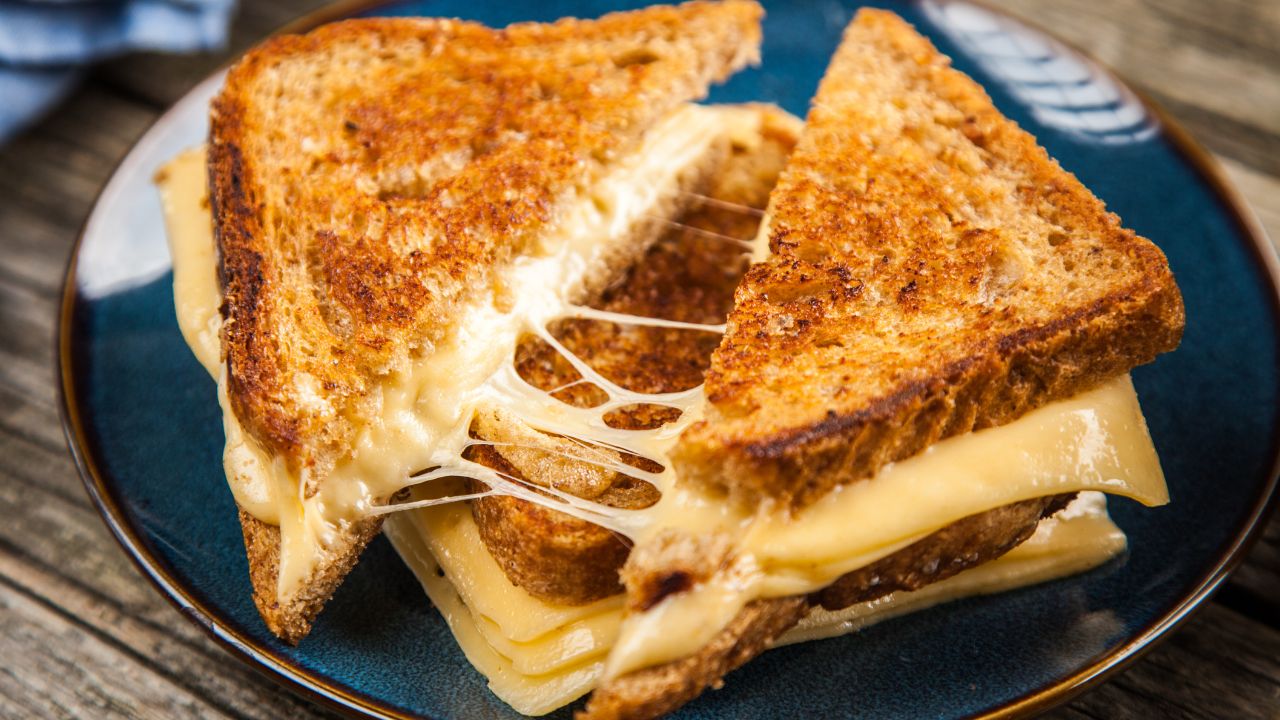
You know that moment when your picky eater takes one look at their plate and immediately declares “I don’t like it” before even trying a bite? That’s exactly where I found myself until I discovered the magic of rainbow grilled cheese sandwiches. I started layering different colored cheeses—vibrant orange cheddar, creamy white mozzarella, and pale yellow Monterey Jack—between slices of good sourdough bread. The visual impact alone stopped my little one in their tracks, and suddenly that automatic “no” turned into curious questions about what made each layer different.
What really sealed the deal was involving my picky eater in the assembly process. We’d arrange the cheese slices together, talking about how the colors would blend and melt during cooking. I keep the technique simple: butter the outside of the bread, layer the cheeses in whatever rainbow pattern we’re feeling that day, then cook low and slow so everything melts perfectly without burning. The result is this gorgeous, Instagram-worthy sandwich that tastes familiar but looks like pure magic. Now my once-resistant eater requests “rainbow cheese” regularly, and I’ve even started sneaking in thin slices of colorful bell peppers for extra nutrition and crunch.
Cheese-stuffed meatballs

Picture this: you’re standing in your kitchen, holding a spoonful of ricotta mixed with sharp cheddar, and you suddenly realize you’ve found the secret weapon against picky eating. I discovered cheese-stuffed meatballs during one of those desperate dinner moments when my usual tricks weren’t working. You take your regular ground beef or turkey mixture—onions, garlic, breadcrumbs, an egg—but here’s where the magic happens. You flatten each portion in your palm, nestle a generous spoonful of cheese in the center, then carefully wrap the meat around it like you’re tucking a treasure inside.
The beauty of this approach lies in the surprise factor and the way cheese transforms everything it touches. Your picky eater bites into what looks like an ordinary meatball and discovers molten cheese flowing out—pure joy on a plate. I prefer using a combination of mozzarella for that satisfying stretch and parmesan for depth, though cream cheese works wonderfully too. You can bake these at 375°F for about 20 minutes, and I often serve them with a simple marinara sauce for dipping. The cheese keeps the meatballs incredibly moist while creating that irresistible gooey center that makes even the most selective eaters ask for seconds.
Hidden cheese sauce in pasta
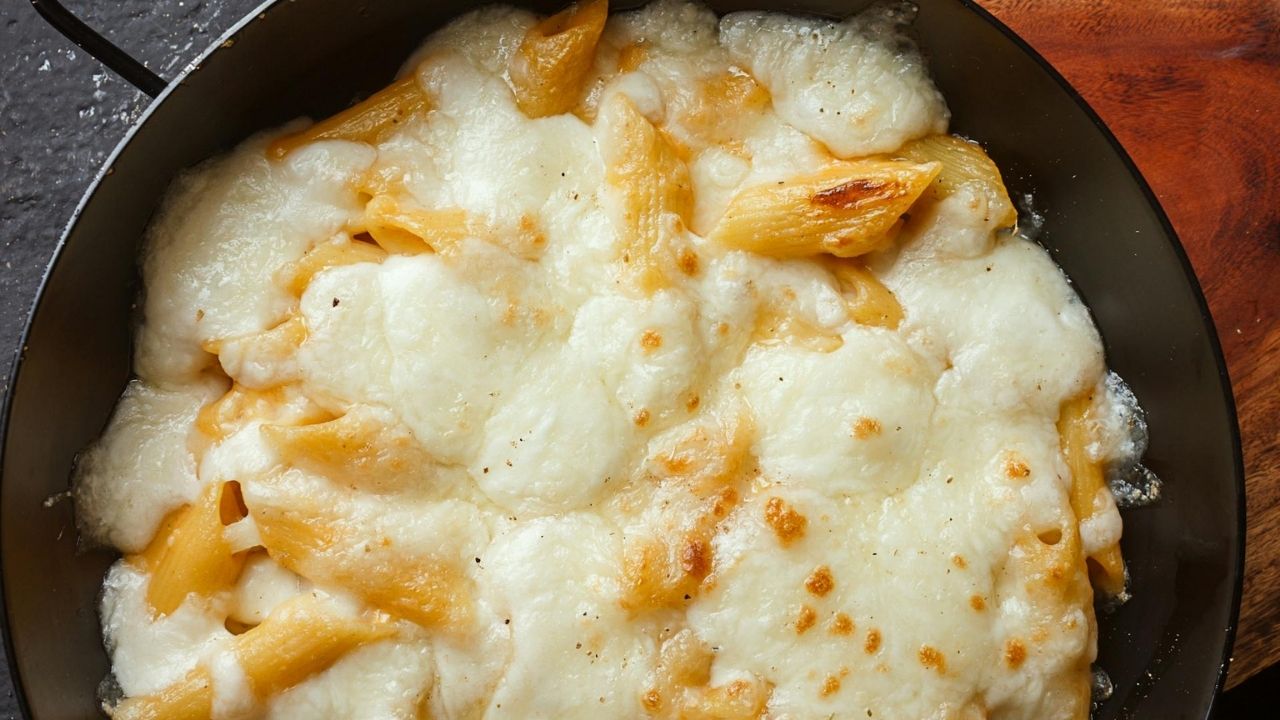
Sometimes you need to get sneaky with cheese, and pasta becomes your perfect accomplice. I discovered this trick when my little one would pick apart every piece of visible cheese but devour pasta like there was no tomorrow. The secret? Blend your cheese directly into a silky sauce that coats every strand without looking suspicious. I start with a simple roux using butter and flour, then slowly whisk in warm milk until smooth. Once that base is ready, I fold in freshly grated cheese off the heat—usually a mix of sharp cheddar and creamy mozzarella for depth.
The magic happens when you toss this golden sauce with hot pasta, creating an irresistible coating that looks like innocent butter sauce but packs serious calcium and protein. I often sneak in pureed cauliflower or butternut squash to boost nutrition without changing the familiar taste. The key is keeping the sauce warm but not boiling, which prevents the cheese from seizing up. This method works beautifully with any pasta shape, though I find shorter cuts like penne or shells hold onto more sauce. Your picky eater gets their beloved pasta while you celebrate knowing they’re getting quality dairy nutrition in every single bite.