Diner Claimed He’d Die if He Touched Pepper. Then He Ordered a Meal Loaded With It and Told Me to ‘Let Him Eat in Peace’.
It is often said that you can judge a person’s true character by how they treat their waiter. This simple rule of thumb speaks to a universal truth: dining out is a shared experience built on mutual respect. Unfortunately, this social contract is broken far too often.
Recently, a hardworking server took to the internet to share a shift from hell that proves the customer is not always right. Their story of a diner with a baffling and contradictory allergy claim highlights the frustrating reality that basic human decency is sometimes left off the menu.
The Nightmare Table
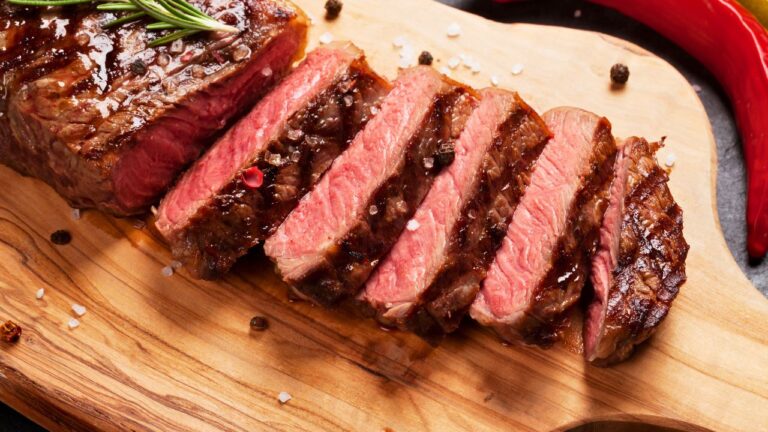
The encounter began with a customer making a dramatic and life-threatening declaration. “I’m deathly allergic to pepper,” he announced. “White pepper and black pepper… If I touch it I will die.” He then proceeded to order the prime rib with scalloped potatoes and crispy onion strings.
The server, trained to take allergies with the utmost seriousness, immediately flagged the issue. They patiently explained that every single item the man ordered was loaded with pepper. “There’s pepper on the rub of the prime rib roast, there’s pepper in the jus… There’s pepper in the scalloped potatoes. The onion strings have pepper in the breading,” the server informed him. “I can’t serve any of that to you.”
Instead of choosing a different meal, the customer instantly backpedaled. “I’ve had it before and it was fine,” he retorted, completely contradicting his initial claim. “It’s more of a mild allergy really.” This sudden reversal left the server and the restaurant in an impossible position, caught between a customer’s word and a massive liability.
The Final Tab
To cover all their bases, the restaurant staff took extraordinary measures. The server returned to the table 15 minutes later, but they weren’t alone. A manager stood by their side to act as a second witness, ensuring there could be no misunderstanding about the risks the customer was about to take. They presented the meal with a final, clear warning.
“Well sir, here’s your prime rib,” the server began. “As your friend here has witnessed, and another manager is here at the table as well to confirm, every single component of your plate has pepper in it.” The customer, far from being grateful for their diligence, was merely annoyed by the fuss. “Yeah I’m sure it’ll be fine,” he dismissed them, “as long as you didn’t add extra pepper.”
After being assured again that the standard recipe contained “a lot of pepper,” the customer snapped, “I get it, fine, just let me eat my meal in peace!” He proceeded to eat the entire meal without issue. The server’s final, sarcastic thought captured the emotional toll of the ordeal: “Surprisingly he didn’t die… Amazing! We cured him!”
The resolution wasn’t a bad tip, but the frustrating knowledge that they had been forced to navigate a ridiculous and potentially dangerous charade.
The Internet Reacts
The server’s story struck a chord online, with thousands of readers weighing in. The comments quickly sorted into distinct camps, each reacting to a different facet of the maddening tale.
The most vocal group was the “Service Industry Solidarity” crowd. Many users, particularly those with genuine medical conditions, expressed their fury at how flippant behavior undermines real health crises. One commenter lamented, “Ruins it for people with actual allergies.” Another, the parent of a child with a severe dairy allergy, shared their frustration: “People who throw the term ‘allergy’ around so loosely really piss me off.”
Next came the “Where is the Manager?” crowd, who were shocked that the restaurant served the meal at all. These readers focused on the legal and safety risks the restaurant accepted by caving to the customer’s demands. One person stated bluntly, “Mgr needs to be fired before he or she causes a major lawsuit.” This camp felt that protecting the business and the staff should have been the top priority, even if it meant refusing service to an unreasonable patron.
Finally, there was the “I Wish I Was There” crowd, composed of diners who have had their own needs ignored and felt a deep empathy for the server. One user shared their experience with an allergy to NSAIDs, noting how even in an emergency room, a nurse failed to read their chart.
“Be your own advocate and always assume that everyone else is an idiot,” they advised. These commenters understood the exhaustion of not being taken seriously and wished they could have been there to validate the staff’s efforts.
The Etiquette Verdict
Let’s be perfectly clear: dining out involves an unspoken agreement. A customer agrees to behave with basic decency, and the restaurant agrees to provide a pleasant meal and good service. Falsifying a life-threatening allergy isn’t a harmless fib to get a custom order; it’s a reckless act that wastes time, creates unnecessary stress, and dangerously desensitizes staff to real emergencies.
This customer’s behavior was not just rude, it was an abuse of the system designed to keep people safe. In any polite society, this kind of entitled and dishonest conduct is completely unacceptable.

Your Thoughts
When faced with a customer who contradicts their own severe allergy claim, what is the right move for a restaurant? Was the staff right to serve the customer after giving multiple warnings, or should they have refused service to avoid the risk?