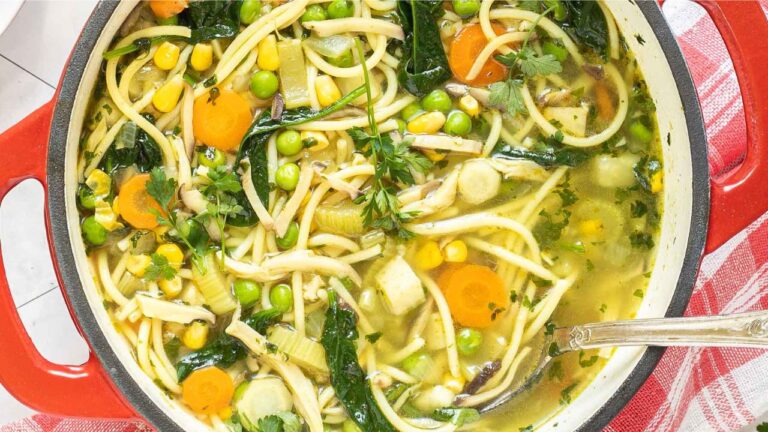
My Husband’s Family Wants Lavish Sunday Dinners, But We’d Have To Skip A Mortgage Payment To Keep Up
We all know that family traditions are meant to bring us closer, creating a tapestry of shared memories over the years. Sunday dinners, in particular, are a time-honored ritual for many. But what happens when a tradition becomes a burden, and the price of participation is simply too high?
One woman recently took to the internet to share a story that proves some families value steak over sensibility, turning a weekly get-together into an expensive and stressful ordeal. Her situation asks a question many of us have faced: where do you draw the line between family obligation and financial sanity?
The Incident
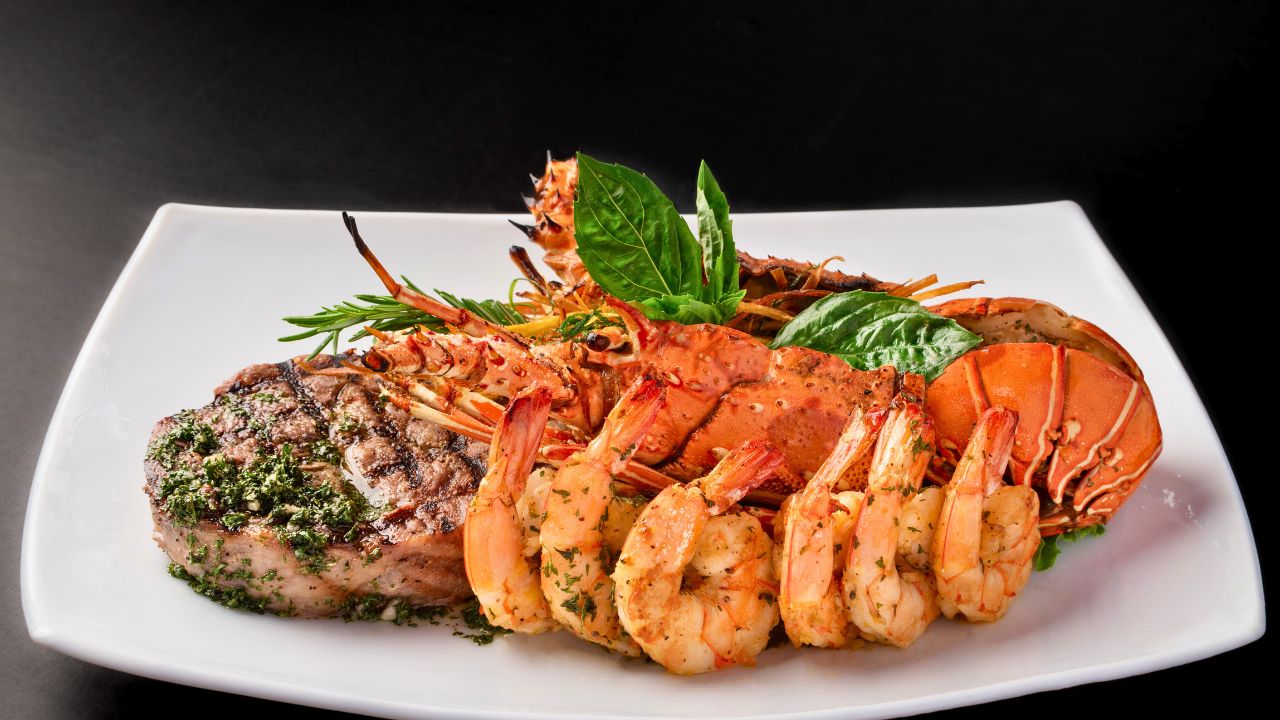
A young woman, who is expecting her first child, explained that her husband’s family has a rotating weekly Sunday dinner. The four participating households take turns hosting, and the expectations are incredibly high. We’re not talking about a simple pot roast or a casserole; these dinners require multiple courses, dessert options, and, most importantly, steak as the main dish for a crowd of up to 14 people.
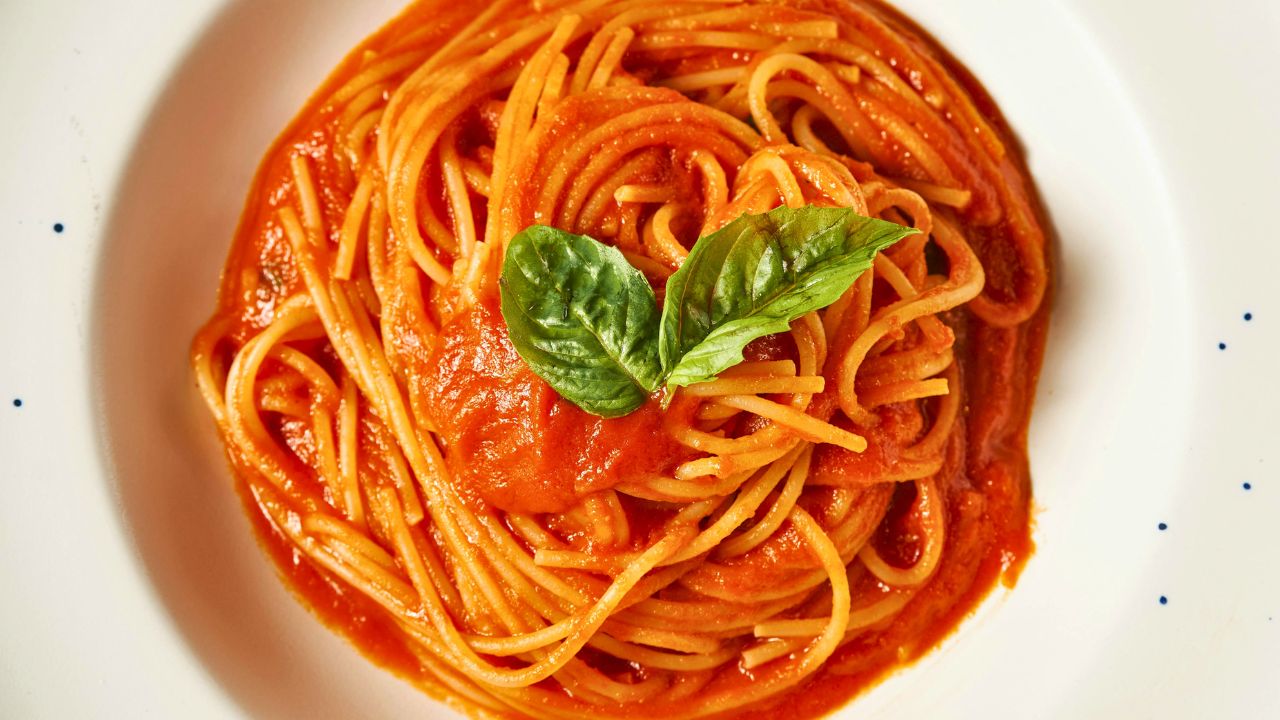
For the young couple, the cost was staggering. She confessed that some of the meals her in-laws host are so lavish that for her and her husband to replicate them, “we’d need to skip a mortgage payment.” When it was their turn, they tried to offer a more reasonable, yet still lovely, meal of pasta and salads. The reaction was anything but gracious.
They were told it “wasn’t a ‘Sunday dinner’ kind of meal” and that it was an “insult that we went cheap for one of ours.” Their suggestions of a potluck or scaling back the menu were flatly rejected. With a baby on the way, the couple knew they had to opt out. The family’s response was anger, topped with a deeply hurtful comment from her father-in-law: “just because I don’t come from a close family doesn’t mean I shouldn’t make the effort now that I have one.” It was a classic case of emotional manipulation disguised as family values.
The Internet Reacts
The online community was overwhelmingly on the young woman’s side, and their reactions fell into a few distinct camps.
First, there was the “Absolutely Not” crowd, who were furious on her behalf. They saw the in-laws’ behavior not as a tradition, but as a form of control. One commenter put it perfectly: “It’s NOT a close family if it’s not the company that counts but the cost of the food.”
Another was even more blunt, stating, “This isn’t a ‘close’ family, these sound like terrorists making hostage demands.” The top comment offered a piece of wisdom we should all remember: “Don’t set yourself on fire to grill steaks for someone else.”
Then there was the “Devil’s Advocate” camp, who didn’t defend the in-laws but tried to understand their flawed reasoning. One person pointed out that since every household participates, the family might be upset because now “they ALL now have to pick up another turn.”
Another suggested it might be a status issue, writing, “I think OP’s inlaws are upper-middle-class folks with expectations.” These comments didn’t excuse the behavior but painted a picture of a family more concerned with appearances and rigid rules than the well-being of its members.

Finally, the “Practical Advice” crowd chimed in with what they would have done. Many suggested the couple should continue to host, but on their own terms. One user shared their own experience: “I would always make spaghetti on my rotation… I told them if they wanted to eat at my house, they got what I served or could go eat somewhere else.” Another suggested a more direct approach: “Tell your FIL, we will continue it if you want to pay for our turn. We are on a strict budget so we can feed, cloth, and house YOUR grandchild every day.”
The Etiquette Verdict
Let’s be perfectly clear: family gatherings should be about connection, not a competition in culinary extravagance. The host decides the menu, and the host’s only obligation is to offer what they can afford with a warm and welcoming spirit. For a guest to criticize or demand a specific, expensive dish is the height of poor manners. True family closeness is shown through support and understanding, especially when a young couple is starting their own family. Pressuring them to go into debt for a steak dinner is not just rude; it’s profoundly unfair.
Your Thoughts
What do you think about this family drama? Are the in-laws simply trying to uphold a cherished tradition, or are they using “family” as a weapon to control the younger couple?