My Friend Called Me Racist Because I Wouldn’t Eat Her Chinese Food At Brunch
We’ve all been taught a few basic rules about being a guest at a meal. You compliment the host, you eat what is served, and you certainly don’t make a fuss. This is especially true at a potluck, where the spirit of the event is sharing and community.
However, one young woman recently shared a story online that shows what happens when someone decides to police another person’s plate, turning a friendly brunch into a major incident. It’s a jaw-dropping tale of how a simple food preference was twisted into a shocking accusation.
The Incident
A 25-year-old woman, who is originally from India, was excited to attend a multi-cultural New Year’s Day brunch with her new group of friends. The idea was lovely: everyone would order a dish from a different cuisine to share.
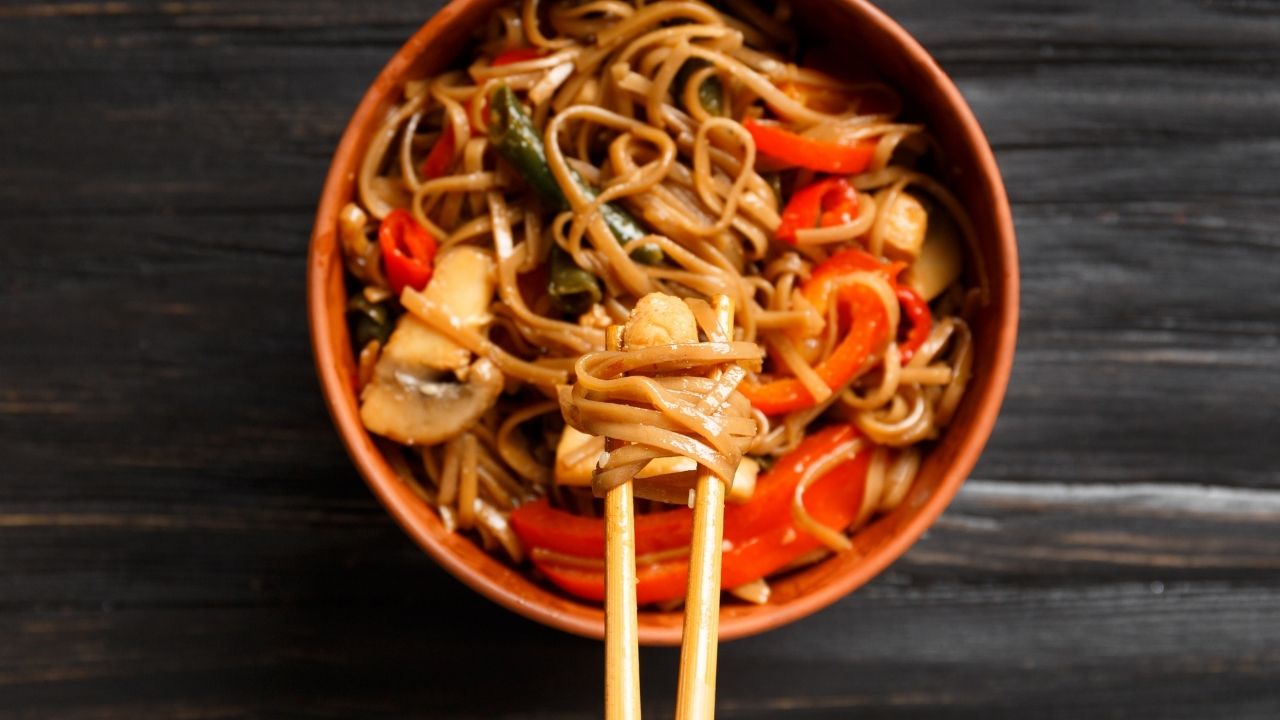
The table was filled with Italian, French, Ethiopian, and various Asian dishes. It was a beautiful, modern take on a potluck. But our storyteller has a physical intolerance to soy sauce, which gives her terrible acidity and makes her feel ill. Because of this, she politely avoided the Kung Pao chicken and chow mein that one friend, identified as ‘A’, had brought.
She filled her plate with all the other delicious options and was enjoying the conversation when ‘A’ noticed she hadn’t taken any of the Chinese food. ‘A’ insisted she try some, and when she declined again, demanded to know why. The woman explained that some foods just don’t sit well with her. That’s when things took a turn.
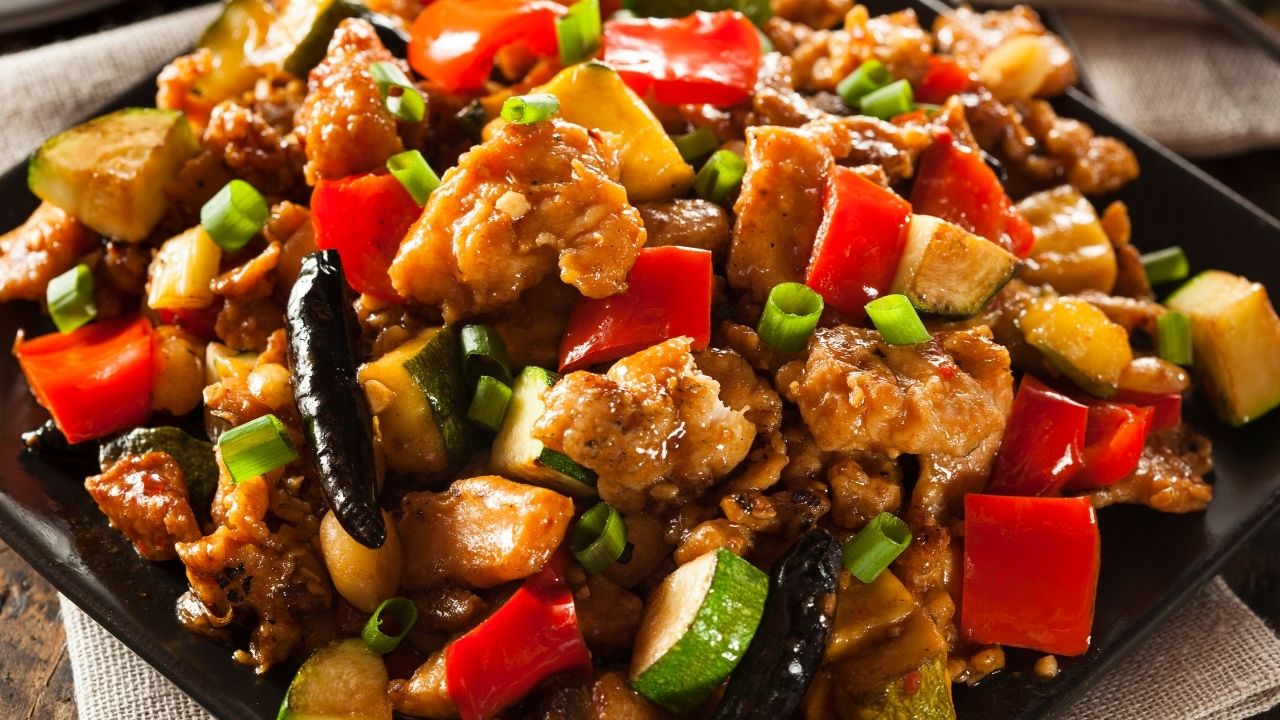
‘A’ pointed out that she had taken some Korean dishes and then, stunningly, called her “racist.” The woman was floored, explaining it was a food intolerance, not a judgment. But ‘A’ wouldn’t back down, saying it was “disrespectful” and that she was trying to “exclude them on new year’s.” The confrontation ended with ‘A’ dramatically leaving the group chat, claiming the space was now “unsafe” because her food was rejected.
The Internet Reacts
When the woman shared her story, people online were absolutely aghast at her friend’s behavior. The court of public opinion was in session, and the comments quickly fell into a few distinct camps.
The first, and largest, camp was the “Absolutely Not” crowd. These readers were furious on the woman’s behalf, finding the friend’s behavior completely out of line. One commenter summed it up perfectly: “How is not eating food you don’t like racist? A sounds like they were looking for a reason to be nasty to you.”
Another pointed out the sheer nosiness of it all, asking, “Why was ‘A’ paying such close attention to what OP was eating? Why do they think they have the right to dictate someone else’s diet?” One person shared their own experience, saying, “I don’t eat lobster nobody accuses me of being racist against people who live in Maine.”
Then there was the “Devil’s Advocate” camp. While they agreed the friend was wrong, they wondered if a little more clarity could have prevented the blow-up. One person suggested that the woman’s phrasing might have been misinterpreted. “Doesn’t seem like she was very clear that her problem was with soy sauce and not Chinese food,” they noted.
Another agreed, saying that if she had specified the ingredient intolerance from the start, it might have smoothed things over. This group also felt her joke about the Chinese New Year was ill-timed, with one writing, “The New Year joke was in bad taste though, it wasn’t really necessary in the moment, especially since A was already riled up.”
Finally, there was the “Petty Revenge” crowd, who had some choice words for the pushy friend. While most people wouldn’t dare say these things out loud, it’s certainly what many were thinking! One user suggested the perfect sarcastic reply: “I’m sorry that your life is so amazingly dull that you need to create drama over people’s food preferences and personal palates.” It’s the kind of witty comeback we all wish we had in the heat of the moment!
The Etiquette Verdict
Let’s be perfectly clear: under no circumstances is it acceptable to monitor, question, or bully someone about their food choices. An adult’s plate is their own business, full stop. Whether it’s an allergy, an intolerance, a dietary choice, or simply a matter of taste, “no, thank you” is a complete sentence that requires no further explanation. To escalate a simple refusal into an accusation of racism is not just poor manners; it’s deeply unfair and aggressive. As one wise commenter put it, “The only time you should be looking in your neighbor’s bowl is to make sure they have enough.”

Your Thoughts
What do you think about this modern etiquette dilemma? Was the friend oversensitive and looking for a fight, or was the woman wrong to single out one cuisine at a multi-cultural meal?