I Was Eating a Salt Beef Sandwich. Two Patrons Demanded I Leave the Restaurant So They Could Eat in Private.
There are certain unwritten rules of public life we all learn to live by. We wait our turn in line, we keep our voices down in quiet places, and we generally try to be considerate of the strangers sharing the space with us. It’s the basic foundation of a polite and functioning society.
However, one man recently shared a story online that shows what happens when these simple rules of courtesy are thrown out the window, leaving everyone wondering where the line is drawn between personal conviction and public entitlement.
The Incident
A gentleman, traveling alone in London, decided to stop for a favorite treat: a salt beef sandwich at the famous Selfridge’s department store. He queued up properly for a table in the busy, open-plan seating area. Right behind him were two women who, after he was called, tried to push ahead of him to be seated first. The server politely corrected them, explaining that the man was next in line, and seated him at a small table.
Shortly after, the same two women were seated at a table directly in front of him. He thought nothing of it and began to enjoy his sandwich. But soon, he noticed they were becoming agitated. The situation escalated when one of them began snapping her fingers in the air to get a server’s attention—a shockingly rude gesture in any establishment. They began complaining loudly, gesturing at the man.
To his astonishment, he heard what they were saying. They were “demanding I be made to leave so they could uncover their faces and drink their tea.” Apparently, his presence as a man dining alone was the issue. He was never approached by staff, so he quietly finished his meal while the women continued to make loud, nasty comments about him until they finally left.
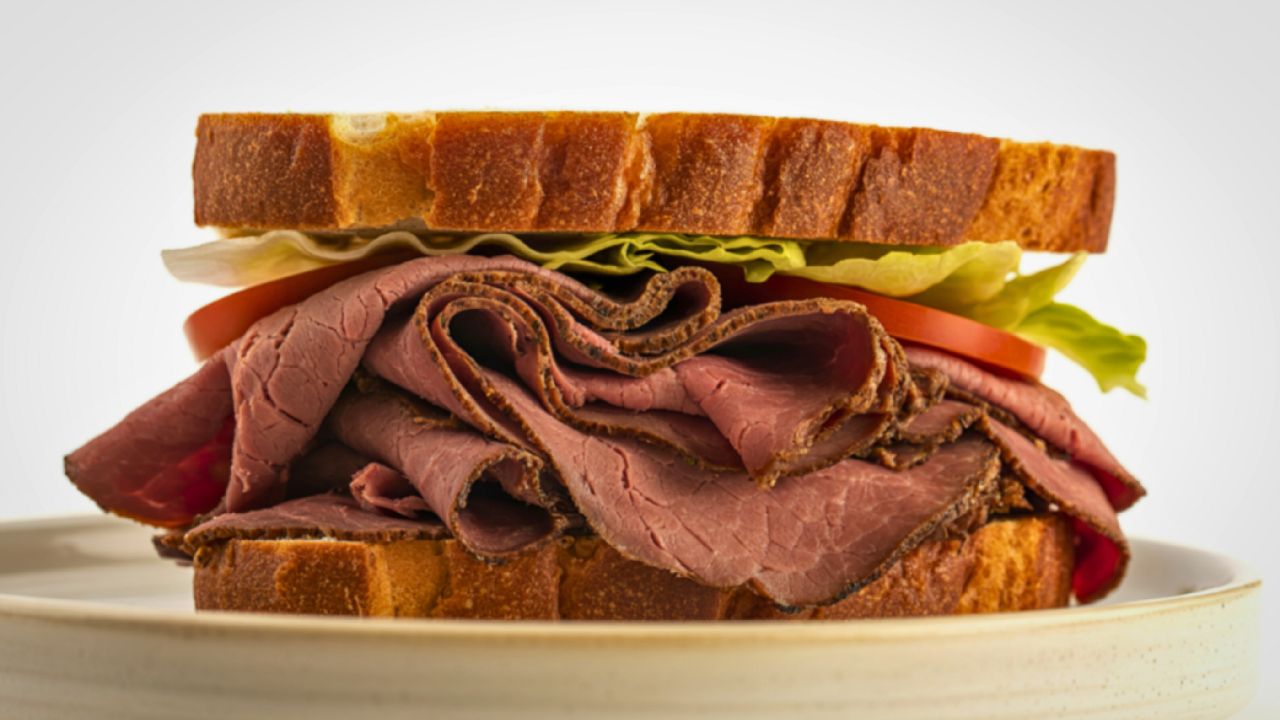
Shaken, he texted a friend about the bizarre encounter, expecting a sympathetic eye-roll. Instead, his friend scolded him, calling him “culturally insensitive” and “the reason people hate American tourists.” His friend insisted the proper thing to do would have been to take his food to-go and leave so the women could be comfortable. This left him wondering if he truly was the one in the wrong.
The Internet Reacts
When he shared his story, the internet had a lot to say, and the vast majority of people were firmly in his corner. Their reactions fell into a few distinct camps.
First, there was the “Absolutely Not” crowd. These readers were furious on the man’s behalf, arguing that personal religious practices do not give anyone the right to control a public space. One commenter summed up this sentiment perfectly: “Your religion says you can’t do something? Okay. Your religion says I can’t do something? LOL.”
Another pointed out the absurdity of the demand, asking, “What was the restaurant to do, bar all male customers until these people left?” Many also took aim at the friend, with one British reader declaring him a “bellend of the highest order” for suggesting the diner had done anything wrong.
Then there was the “Devil’s Advocate” camp, though they didn’t defend the women’s behavior. Instead, this group, largely represented by the man’s friend, focused on the idea of cultural sensitivity. The friend’s texts were clear: “you should leave don’t be a [expletive] tourist it why people hate us,” followed by a lecture on respecting other cultures.
While very few people online agreed with this, it highlights a modern pressure to accommodate others, even when their demands seem unreasonable. The man himself later realized that his direct “line of sight” was likely the specific issue, a nuance he hadn’t considered at the time.
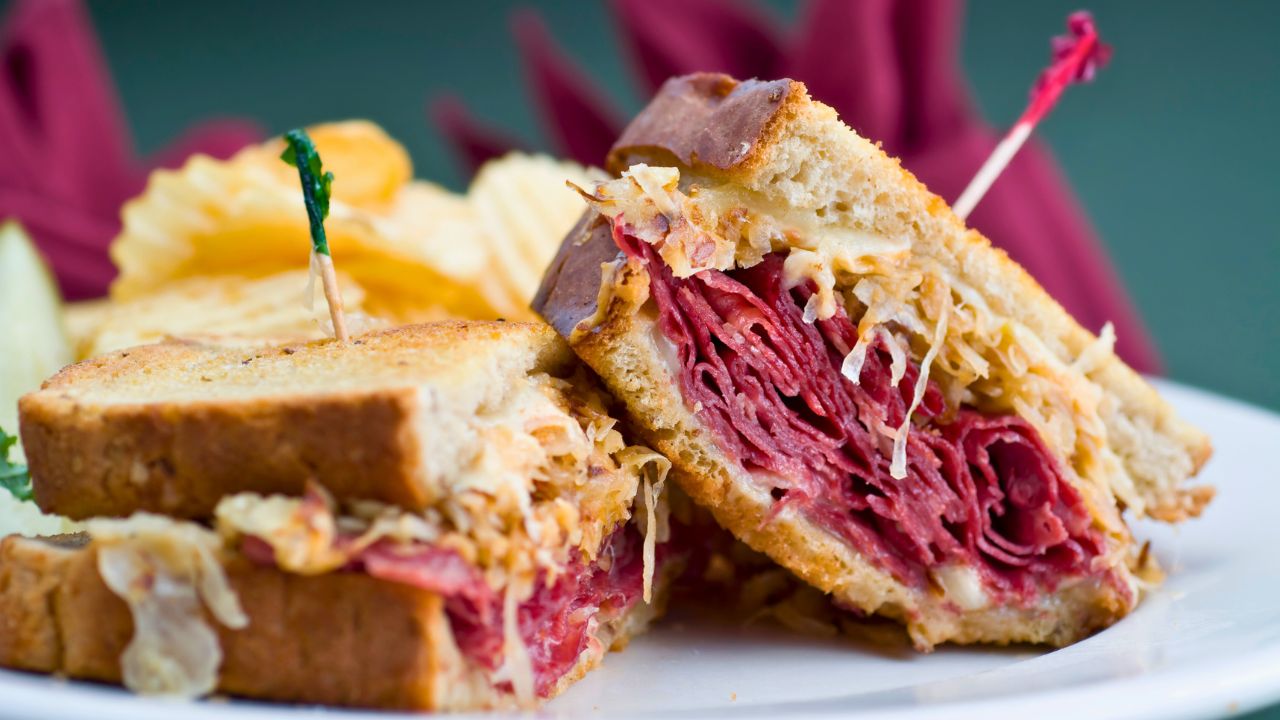
Finally, there was the “Practical Advice” camp. These commenters skipped the outrage and focused on what should have happened. They argued that the responsibility was on the two women, not the man. As one person stated, they should have either taken their refreshments to go or “found an establishment that caters specifically to their needs.”
Another pointed out that since the man was seated first, the women could have simply requested a different table away from him. This approach places the burden of managing personal requirements squarely on the person who has them.
The Etiquette Verdict
Let’s be perfectly clear: this man did absolutely nothing wrong. He followed the rules, he minded his own business, and he was subjected to rude and entitled behavior. While it is always gracious to be sensitive to the cultures and beliefs of others, that courtesy does not extend to being bullied out of a public restaurant.
True respect is a two-way street. The golden rule of public etiquette is that your personal choices should not infringe upon another person’s right to peacefully exist. Demanding a stranger be removed from a restaurant is not a request for respect; it is an act of extreme entitlement.
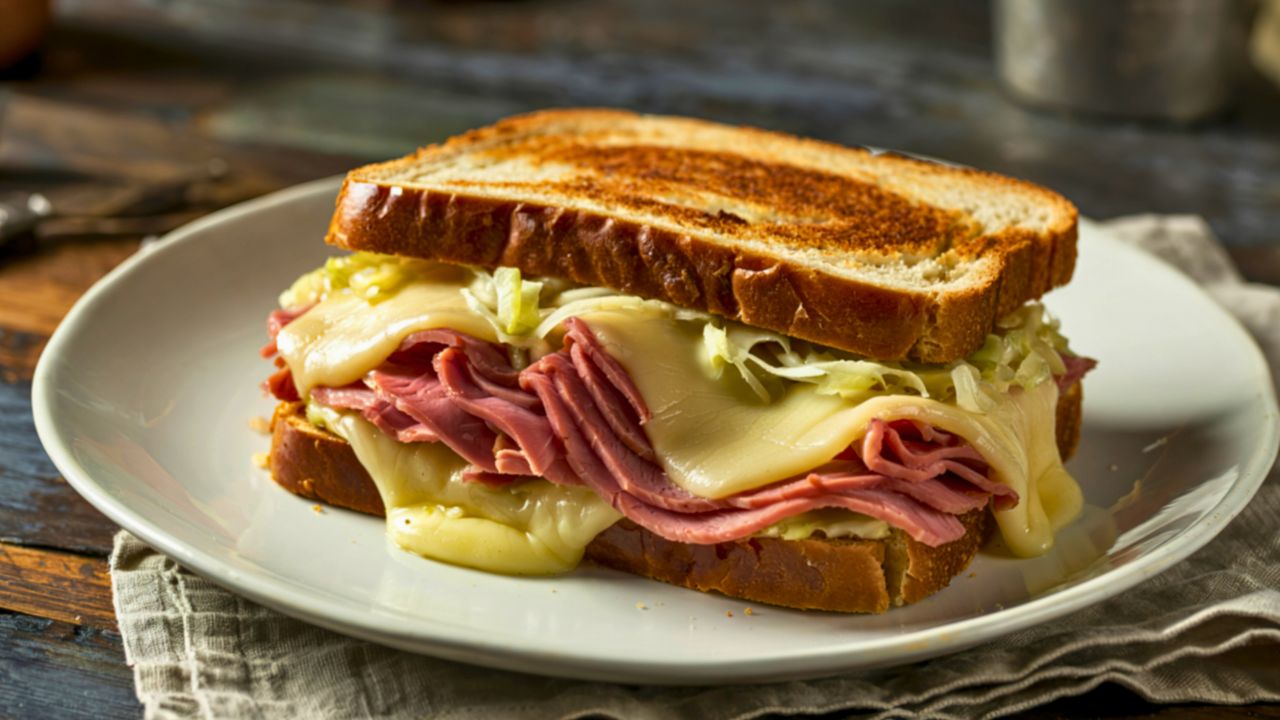
Your Thoughts?
We all want to be considerate, but where do you draw the line? Was the diner right to hold his ground and finish his meal, or should he have left to accommodate the other patrons and keep the peace?
Ready for the next level of insight? Discover more in my latest article here.