15 Iconic Indian Curries to Try From Butter Chicken to Vindaloo
Indian curries sing with complex flavors that tell stories of regional traditions and family heritage. I’ve collected 15 standout dishes that showcase the incredible diversity across India’s culinary landscape. From creamy Punjabi classics to fiery coastal specialties, each curry reveals something unique about the place it calls home.
You’ll discover how different regions transform similar ingredients through distinctive spice blends and cooking techniques. Northern curries often feature dairy and warming spices, while southern preparations might incorporate coconut milk and tangy tamarind. The magic lies in how seemingly simple ingredients combine to create depth that can’t be rushed.
Making these curries at home connects you to generations of cooking wisdom. I encourage you to start with whichever appeals most to your taste preferences – creamy butter chicken for beginners or perhaps a bold vindaloo for spice enthusiasts. Once you master the fundamentals, you’ll find yourself improvising with confidence in your own kitchen.
Bihari Litti Chokha
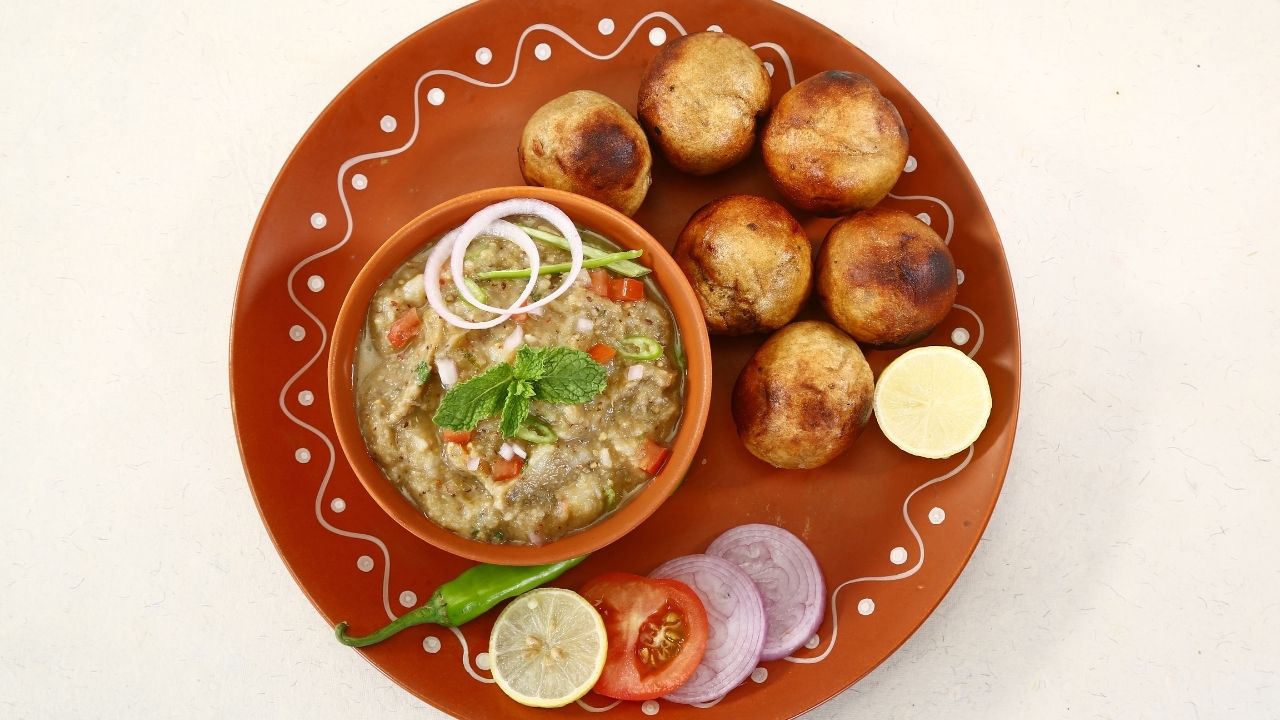
You know those dishes that completely transport you to a different world? Bihari Litti Chokha does exactly that. This rustic gem from Bihar combines roasted wheat flour dumplings called litti with a smoky vegetable mash known as chokha. I love how the litti gets stuffed with a spiced gram flour mixture called sattu, then roasted over charcoal or an open flame until the outside becomes beautifully charred and crispy. The smokiness that develops during this process creates an incredible depth of flavor that you simply can’t replicate in an oven.
The chokha component brings everything together with its medley of fire-roasted eggplant, tomatoes, and potatoes, all mashed together with mustard oil, garlic, and green chilies. What I find most beautiful about this dish is how it celebrates the power of simple, whole ingredients transformed through traditional cooking methods. The contrast between the hearty, substantial litti and the fresh, tangy chokha creates perfect balance. Plus, you’re getting incredible nutrition from the gram flour protein and all those roasted vegetables. This isn’t just food – it’s a celebration of Bihar’s agricultural heritage served on a plate.
Punjabi Chole
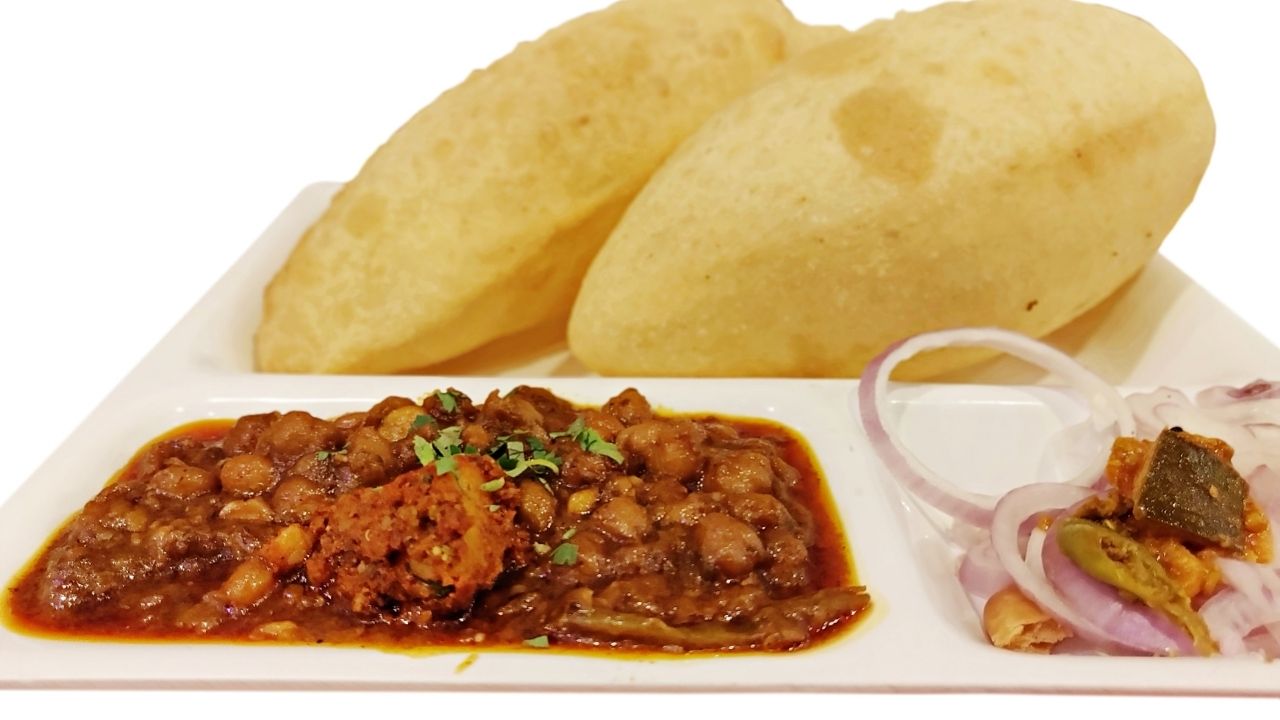
You know what makes my heart sing? A steaming bowl of Punjabi chole that’s been simmering away all afternoon, filling my kitchen with the most incredible aromas. This North Indian classic transforms humble chickpeas into something absolutely magical through the power of whole spices, fresh ginger, and that secret ingredient many home cooks skip—dried pomegranate seeds. I love how this dish teaches you patience; the chickpeas need time to absorb all those beautiful flavors, and rushing the process just won’t give you that deep, complex taste that makes chole so addictive.
What I find beautiful about making chole from scratch is how forgiving it becomes once you understand the foundation. Start with soaking your chickpeas overnight, then build your base with caramelized onions, fresh tomatoes, and a blend of coriander, cumin, and garam masala. The real magic happens when you add that tangy note—whether from amchur powder or a splash of lemon juice—that balances all the richness. I always make extra because chole tastes even better the next day, and there’s nothing quite like pairing it with warm, fluffy bhature or simple basmati rice for a meal that feels like a warm hug from inside.
Kerala Beef Curry
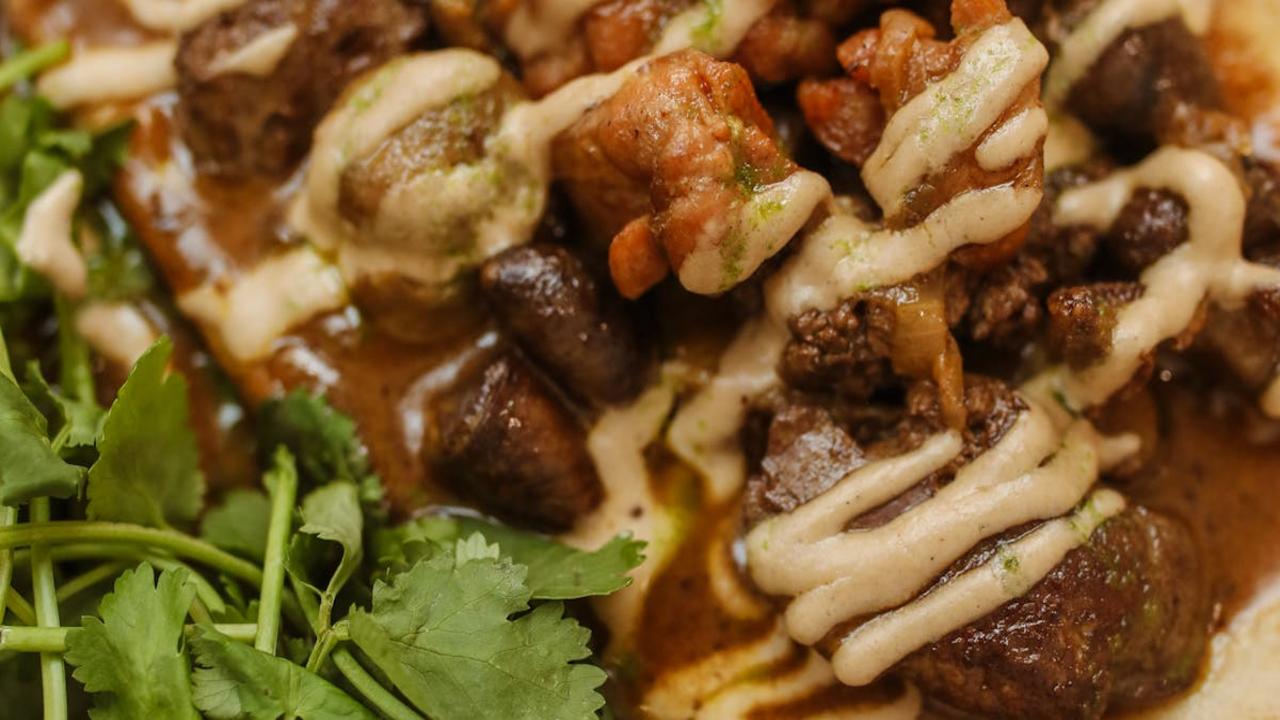
This Kerala specialty holds a special place in my heart because it perfectly demonstrates how coconut transforms everything it touches. The rich, dark gravy gets its incredible depth from slow-cooked onions, ginger, and garlic, but what really makes this curry sing is the combination of fresh coconut milk and aromatic spices like cardamom, cloves, and cinnamon. I love how the beef becomes fork-tender after simmering in this fragrant bath, absorbing every bit of flavor while the coconut milk creates that silky, luxurious texture you can’t achieve with any substitute.
What fascinates me about this dish is how it reflects Kerala’s coastal geography and spice trade history in every bite. The curry leaves add that distinctly South Indian brightness, while the coconut provides natural richness without heavy cream or processed ingredients. I always tell people to use good-quality coconut milk and don’t rush the cooking process – let those flavors develop slowly, just like they do in traditional Kerala homes. Serve this with appam or rice, and you’ll understand why this curry has become such an integral part of Kerala’s food identity, representing comfort and celebration in equal measure.
Hyderabadi Mirchi Ka Salan
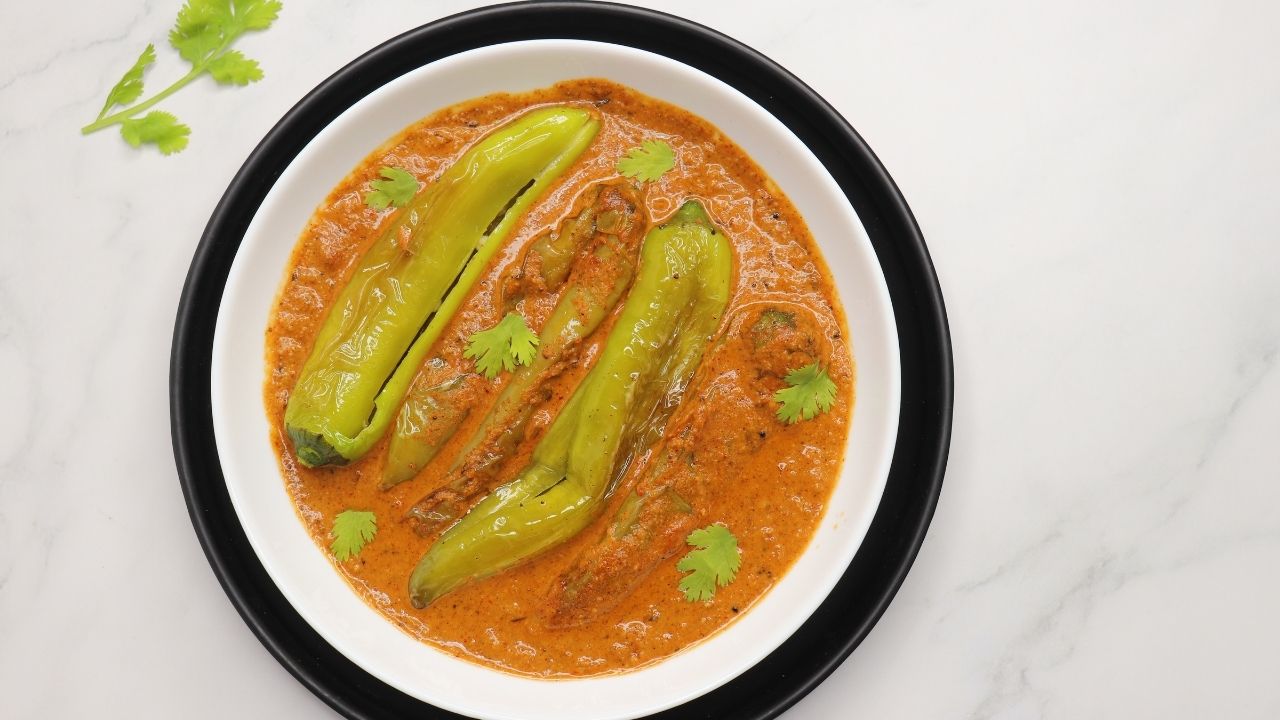
Here’s a curry that transformed my entire understanding of how vegetables can steal the show in Indian cooking! Hyderabadi Mirchi Ka Salan takes humble green chilies and turns them into the star of an incredibly rich, tangy gravy that’s pure magic on your plate. The long green chilies get stuffed with a fragrant mixture of peanuts, sesame seeds, and coconut, then simmered in a sauce that balances sweet, sour, and spicy notes perfectly. What I love most about this Nizami specialty is how it proves that simple ingredients can create extraordinary complexity when you treat them with respect and patience.
Making this dish feels like unlocking a secret from Hyderabad’s royal kitchens, where cooks understood that every ingredient deserves its moment to shine. The tamarind adds that signature tang, while jaggery brings subtle sweetness that rounds out the heat from the chilies. I always toast my peanuts and sesame seeds fresh – this extra step creates depth that you simply can’t get from shortcuts. Serve this alongside fragrant basmati rice or soft rotis, and you’ll understand why this curry has been treasured in Hyderabadi households for generations. It’s comfort food that happens to be naturally wholesome and packed with healthy fats from nuts and seeds.
Kolhapuri Chicken
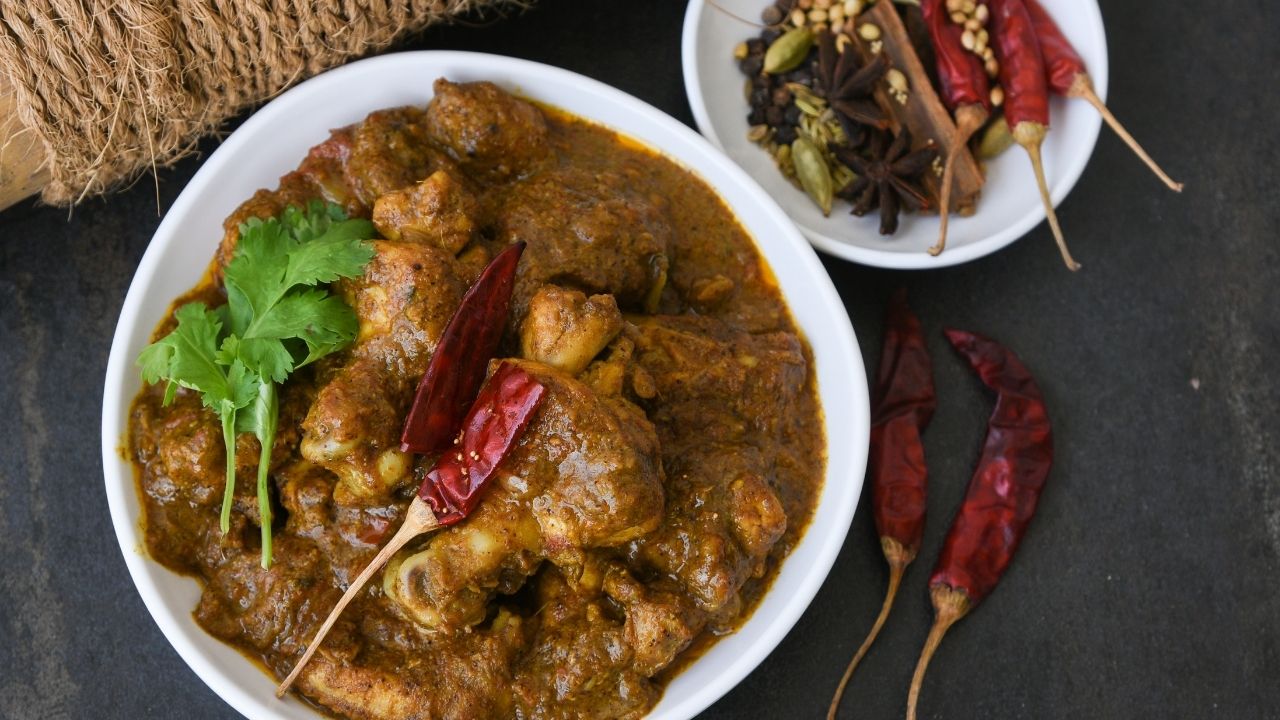
When I first tasted authentic Kolhapuri chicken in Maharashtra, the bold, fiery flavors completely changed my understanding of regional Indian cooking. This legendary curry from Kolhapur city packs serious heat through a complex spice blend called Kolhapuri masala, which combines dried red chilies, coriander seeds, cumin, and goda masala – a unique sweet-spicy mixture that gives this dish its distinctive character. Unlike many restaurant versions that rely on excessive oil and artificial colors, the traditional recipe builds layers of flavor through careful roasting of whole spices and slow-cooking techniques that allow each ingredient to shine.
What makes Kolhapuri chicken special is how the coconut and jaggery balance the intense heat, creating a sauce that’s complex rather than just spicy. I love making this curry from scratch because you control the spice level while maintaining that authentic depth – start with fewer chilies and gradually build up your tolerance. The key lies in tempering the spices properly and using fresh coconut paste instead of processed substitutes. Serve this magnificent curry with bhakri (sorghum flatbread) or steamed rice, and you’ll experience why Kolhapuri cuisine has such a devoted following across India.
Kadhi Pakora
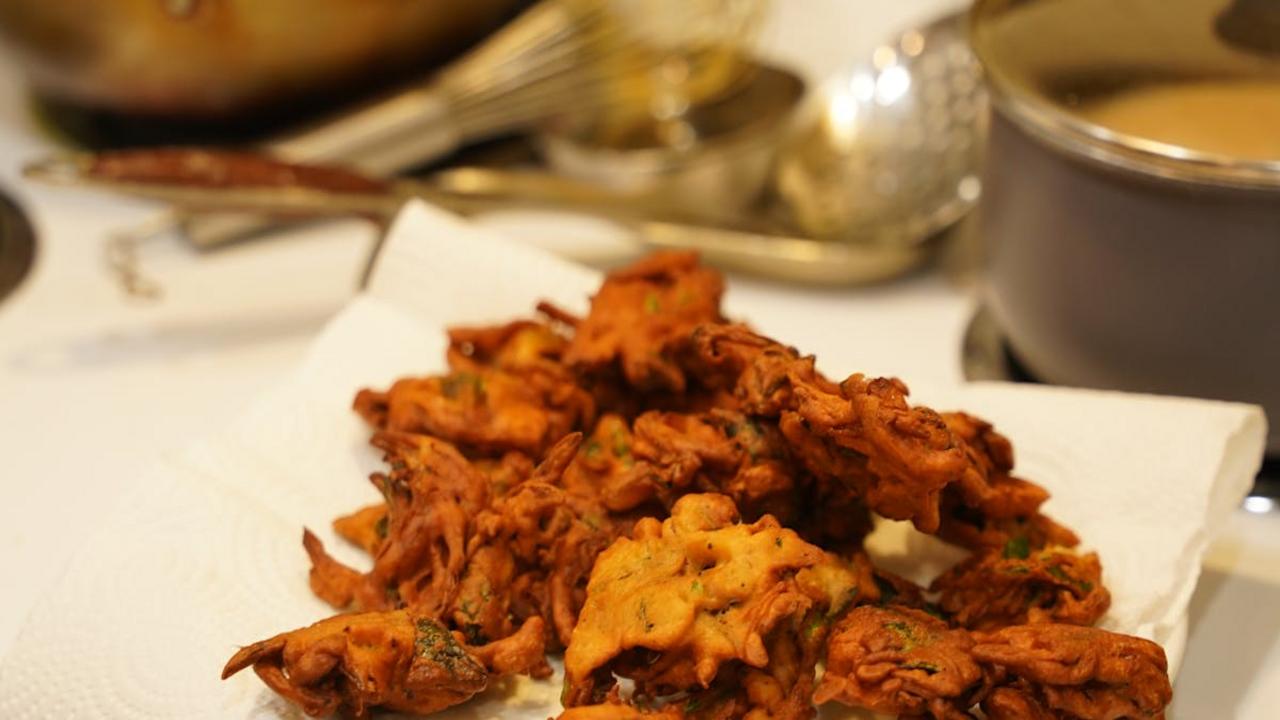
You know that feeling when you crave something deeply comforting yet surprisingly sophisticated? Kadhi Pakora delivers exactly that magic. This yogurt-based curry from Punjab transforms humble ingredients into pure soul food. I make mine with thick, tangy yogurt whisked with gram flour, creating a silky base that cradles crispy pakoras like little golden treasures. The beauty lies in how the sourness mellows during cooking, while turmeric, ginger, and green chilies build layers of warmth without overwhelming your palate.
What I love most about kadhi pakora is how it teaches you patience and intuition in the kitchen. You whisk constantly to prevent curdling, taste and adjust the tanginess, then watch as the pakoras absorb the curry’s flavors while maintaining their delightful texture contrast. I often add extra vegetables to my pakoras – spinach, onions, or even leftover roasted cauliflower – making each batch uniquely mine. Served over steaming basmati rice with a dollop of homemade ghee, this dish proves that the most memorable meals often come from the simplest foundations, elevated through mindful cooking and genuine love for nourishing those around your table.
Malabar Prawn Curry
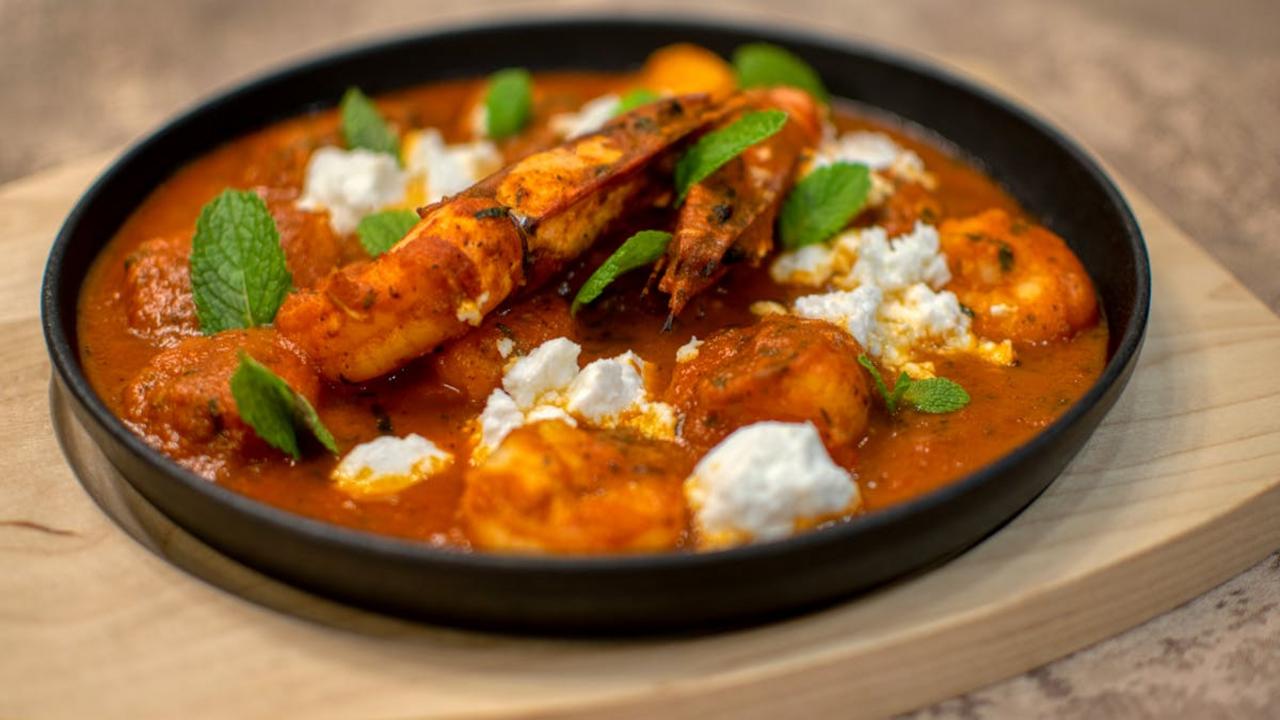
The Kerala coastline gifts us this magnificent prawn curry that transforms simple coconut milk into liquid gold. I grab fresh prawns from my local fish market, their shells still glistening with ocean spray, knowing they’ll absorb every drop of the aromatic curry base. The magic happens when I bloom mustard seeds in coconut oil, releasing their nutty fragrance before adding curry leaves that crackle and dance in the hot oil. Fresh coconut milk creates the silky foundation, while tamarind adds that perfect tang that makes your mouth water before you even take the first bite.
What sets Malabar prawn curry apart from other seafood preparations is how the spices marry with the natural sweetness of fresh prawns. I keep the spice level gentle – just enough red chili powder and turmeric to create warmth without overwhelming the delicate seafood. The curry leaves are non-negotiable here; they infuse the dish with an earthy aroma that you simply can’t replicate with any substitute. Serve this over steamed rice or with soft appam, and watch how the creamy curry seeps into every grain, creating spoonfuls of pure comfort that transport you straight to a Kerala backwater.
Bengali Kosha Mangsho
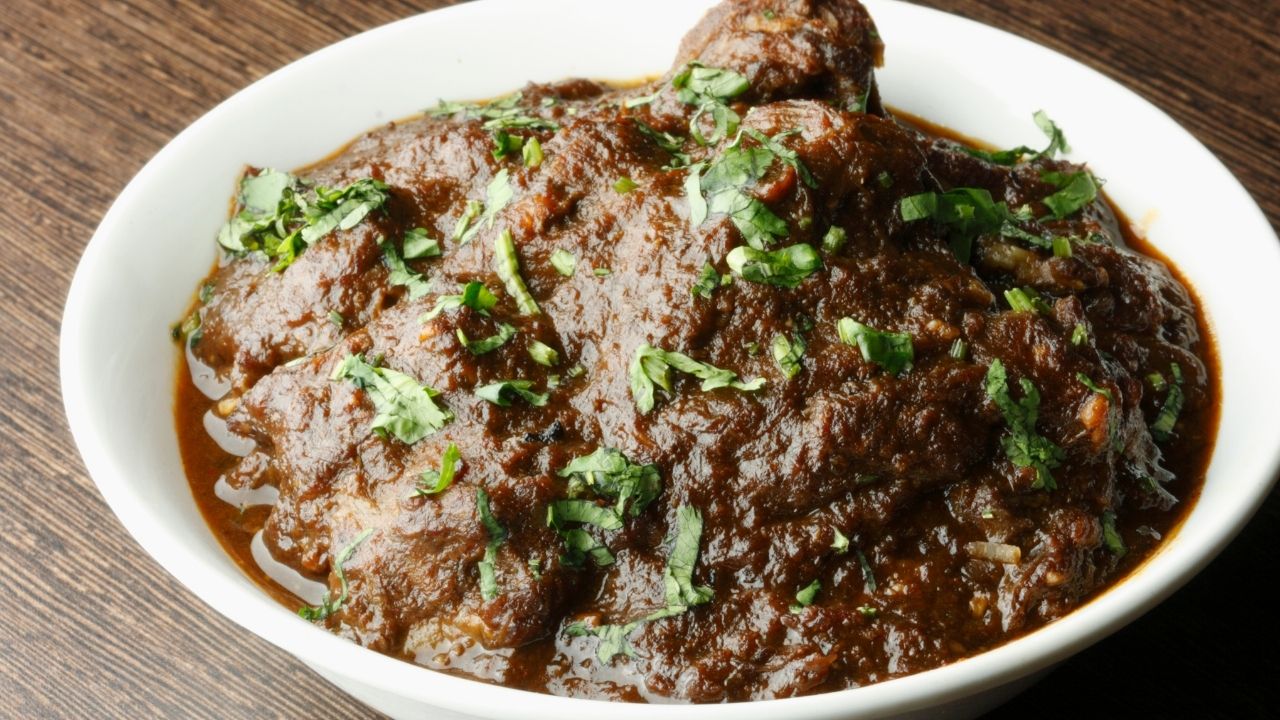
Bengali Kosha Mangsho represents everything I adore about slow-cooked meat dishes – the way tender mutton transforms through patience and the right spice combinations. This traditional Bengali curry showcases mutton pieces that simmer gently with onions, ginger-garlic paste, and a beautiful blend of whole spices like bay leaves, cardamom, and cinnamon. The magic happens during the “kosha” process, where you cook the meat slowly until the spices coat every piece and the gravy reduces to a rich, concentrated sauce. I love how the onions break down completely, creating a velvety base that clings to the meat.
What makes this dish special is the balance between robust flavors and subtle sweetness that Bengali cooking is famous for. The slow cooking method allows the mutton to absorb all those wonderful spices while becoming incredibly tender. I always add a touch of yogurt during cooking – it helps tenderize the meat naturally while adding a gentle tang. The finished dish has this gorgeous dark brown color and an aroma that fills your entire kitchen. Serve it with steamed basmati rice or soft Bengali-style bread, and you have a meal that feels like a warm hug from generations of home cooks who perfected this recipe.
Chettinad Chicken Curry
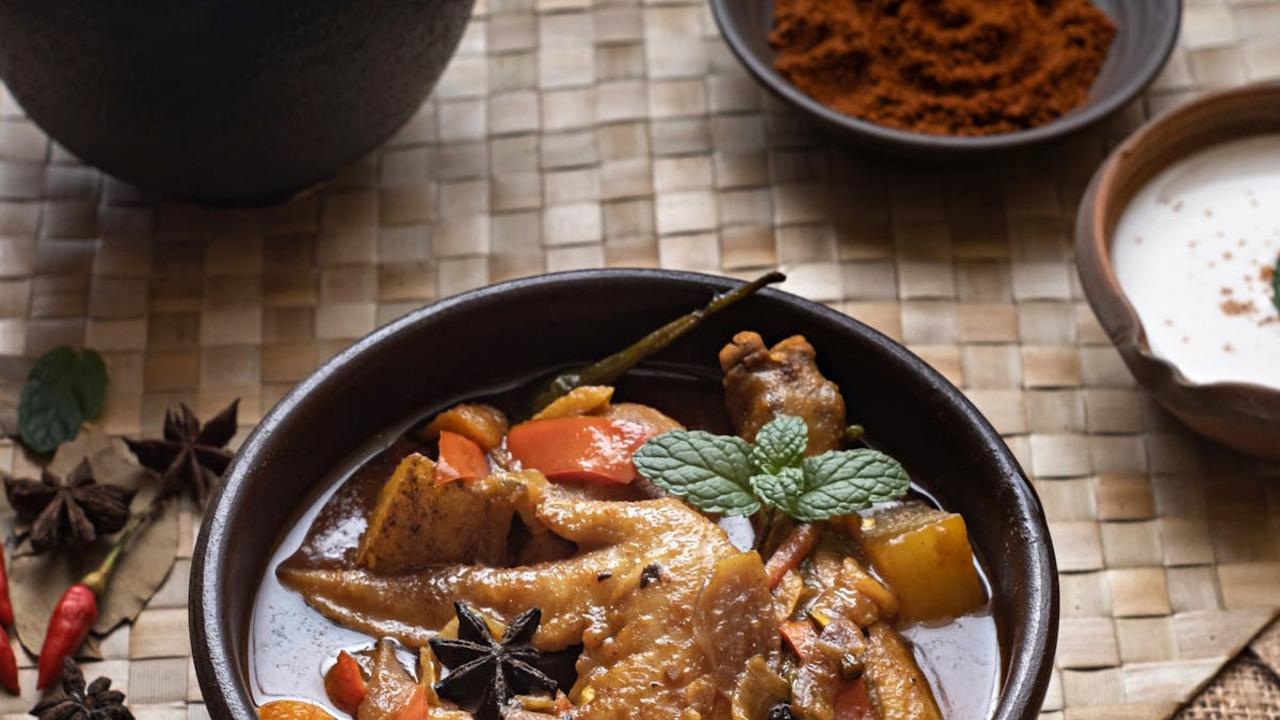
You know those moments when a single spoonful transports you straight to Tamil Nadu’s spice markets? Chettinad Chicken Curry does exactly that with its bold, fiery personality that comes from the Chettinad region’s legendary spice mastery. This isn’t your everyday chicken curry – it’s an intense symphony of roasted spices, where black peppercorns, fennel seeds, and star anise dance together with curry leaves and coconut. I always tell people to prepare their palate because this curry doesn’t hold back, and that’s precisely what makes it so addictive.
What I love most about making Chettinad curry at home is how the whole kitchen fills with those incredible aromas as you dry roast the spice blend. The traditional recipe calls for grinding your own spice mix fresh, and trust me, there’s no shortcut that compares to that homemade intensity. The chicken gets tender and succulent while soaking up all those complex flavors, creating layers of heat that build beautifully with each bite. Serve this with steamed rice or dosa, and you’ve got a meal that celebrates the pure, unadulterated power of South Indian spices in their most magnificent form.
Kashmiri Dum Aloo
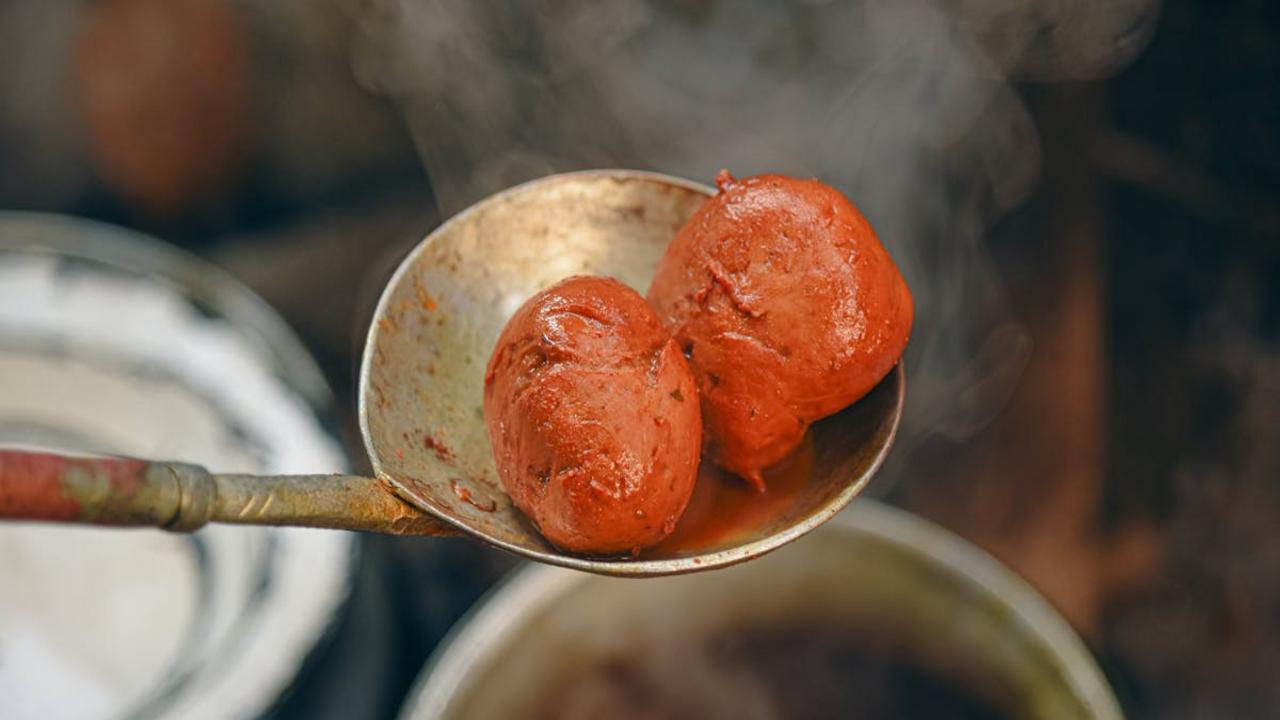
You know what makes my heart skip a beat? Walking into a Kashmiri kitchen where dum aloo is slowly simmering away. This dish transforms humble baby potatoes into something absolutely magnificent – each potato gets perfectly browned, then braised in a rich, aromatic gravy that’s pure comfort in a bowl. The secret lies in the fennel powder and dried ginger that give this curry its distinctive warmth, while yogurt creates that silky, tangy base that coats every potato beautifully.
What I love most about making Kashmiri dum aloo at home is how it teaches you patience – this isn’t a quick weeknight dinner, but rather a slow dance of spices and time. I always start by pricking each potato with a fork (trust me on this one), then frying them until they’re golden. The gravy comes together with caramelized onions, tomatoes, and that magical blend of Kashmiri red chili powder that gives the dish its gorgeous crimson color without overwhelming heat. When you serve this over steamed rice, watching that ruby-red gravy pool around tender potatoes, you’ll understand why this dish holds such a special place in Kashmiri cuisine.
Mangalorean Chicken Sukka
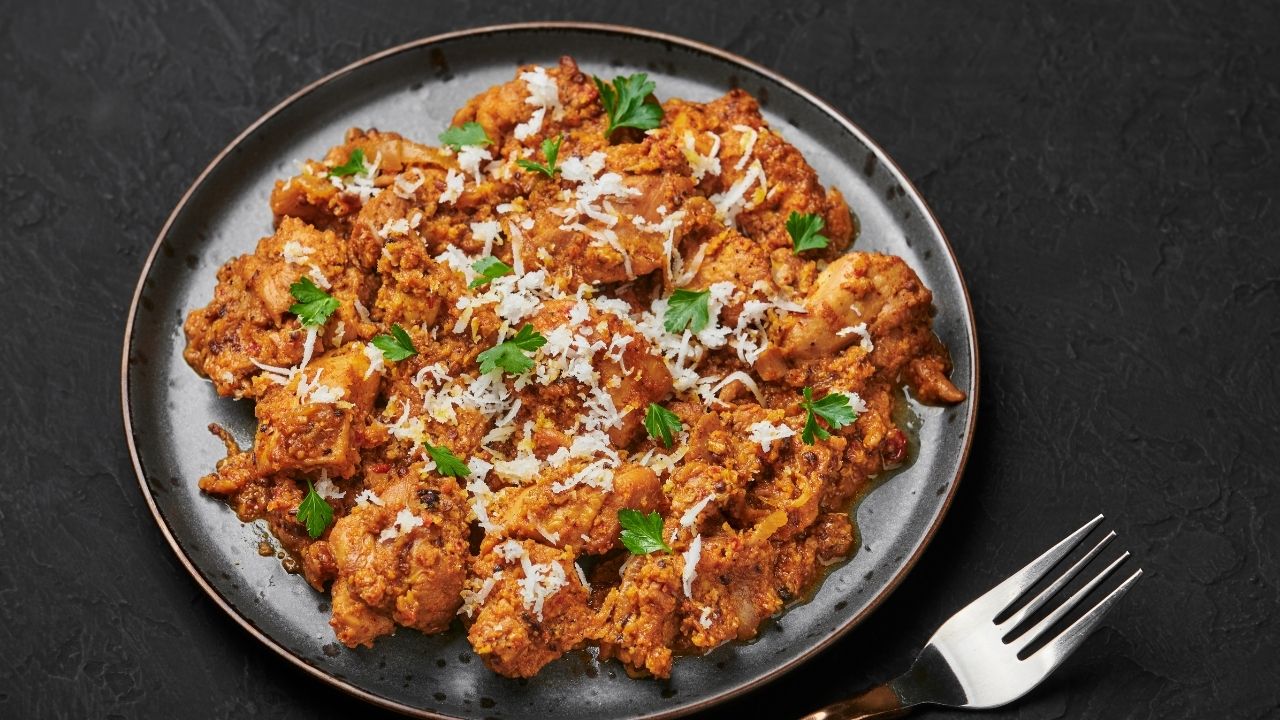
When I first discovered Mangalorean Chicken Sukka, I knew I’d found something extraordinary. This dry curry from India’s coastal Mangalore region transforms simple chicken into pure magic through an incredible blend of roasted spices and fresh coconut. What makes this dish absolutely captivating is how the chicken gets coated in this rich, aromatic spice paste that clings to every piece. The key lies in the patient roasting of coriander seeds, dried chilies, and whole spices until they release their deepest flavors, then grinding them with fresh coconut to create that signature paste.
You’ll love how this recipe celebrates the beautiful marriage of heat and sweetness that defines coastal Indian cooking. The coconut adds natural richness without any heavy cream or processed ingredients, while the slow cooking process allows the chicken to absorb every layer of flavor. I always make extra because this sukka tastes even better the next day – the spices have time to meld and deepen. Serve it with steamed rice or fresh rotis, and watch how this seemingly simple dish becomes the star of your table. Trust me, once you master this technique of building flavors from scratch, you’ll never want to go back to store-bought spice mixes.
Goan Fish Curry
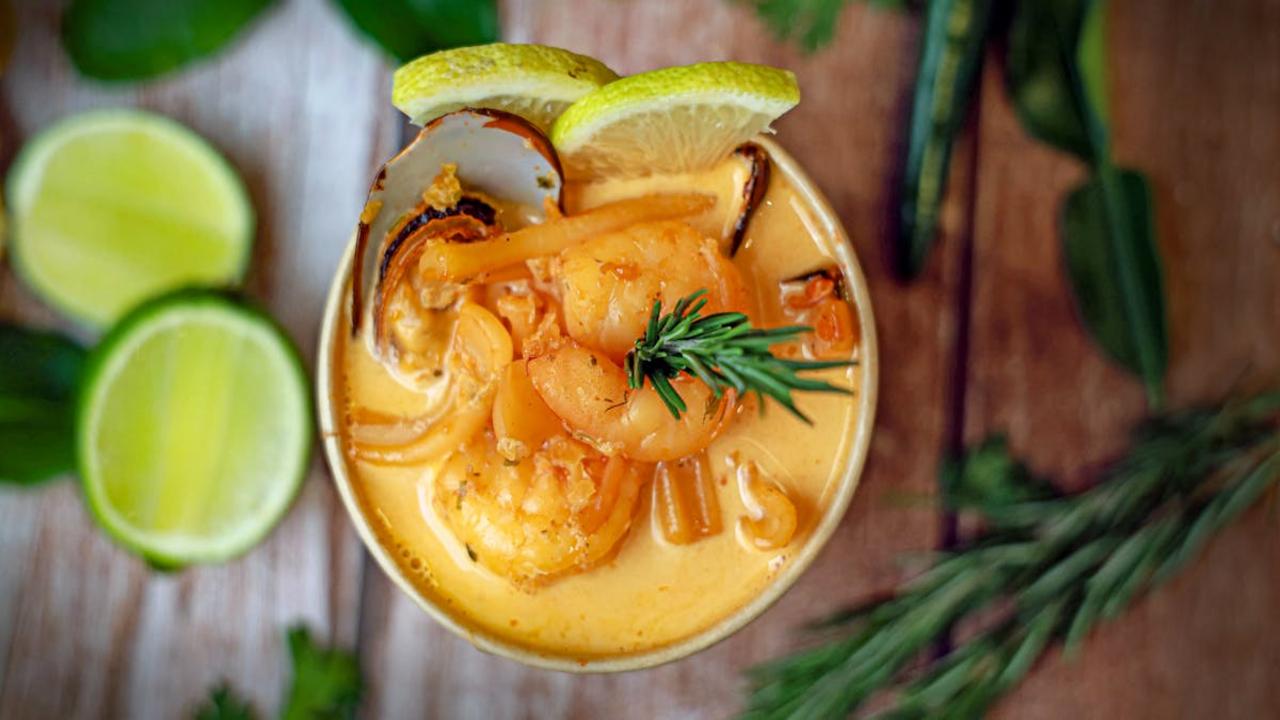
This coconut-rich curry from India’s coastal paradise represents everything I adore about regional cooking—fresh ingredients meeting centuries-old techniques. You’ll find yourself transported to Goa’s sun-drenched beaches with each spoonful of this tangy, aromatic dish that balances coconut milk’s creaminess with kokum’s distinctive sourness. I always reach for firm white fish like kingfish or pomfret, but you can easily adapt this recipe using whatever fresh catch your local market offers. The magic happens when you toast whole spices like coriander seeds and cumin before grinding them fresh—this simple step creates layers of flavor that store-bought powders simply cannot match.
What makes Goan fish curry special is its perfect marriage of Portuguese and Indian influences, creating something entirely unique. I love how the curry paste comes together with fresh ginger, garlic, and green chilies, all brought to life with that gorgeous golden turmeric. The key is building your flavors gradually—first tempering mustard seeds and curry leaves in coconut oil, then adding your paste, and finally nestling the fish pieces into that silky coconut gravy. Serve this over steamed rice with some fresh cilantro scattered on top, and you’ve created a meal that celebrates both simplicity and sophistication in every single bite.
Paneer Tikka Masala
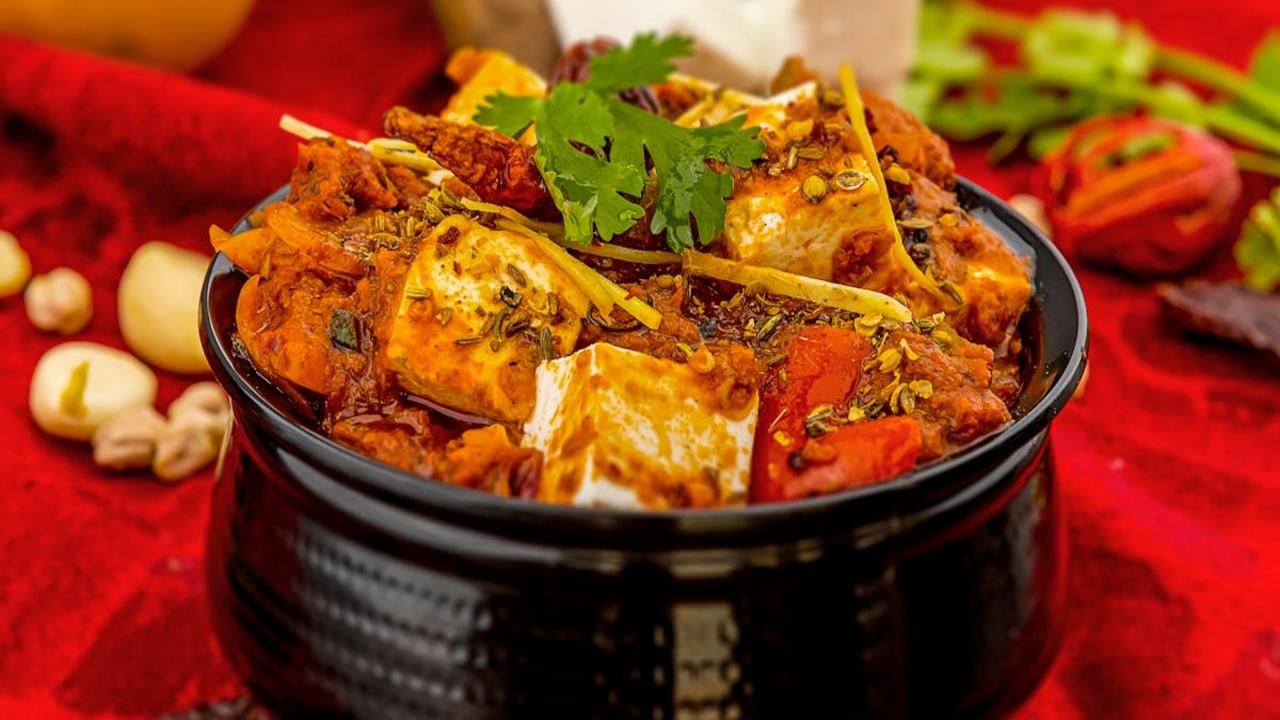
You know that moment when you crave something rich and comforting but want to keep things on the healthier side? Paneer Tikka Masala becomes your perfect answer. I make this dish by first marinating chunks of fresh paneer in yogurt mixed with turmeric, garam masala, and a touch of ginger-garlic paste. The marination process transforms the paneer from bland to absolutely gorgeous, and when you grill or pan-fry those golden cubes, they develop this beautiful char that adds incredible depth to the final dish.
The masala sauce brings everything together with its velvety tomato base that I build from scratch using fresh tomatoes, onions, and cashews for natural creaminess instead of heavy cream. I love adding a hint of smoked paprika alongside traditional spices – it gives the sauce this unexpected warmth that makes people ask for my secret ingredient. The beauty of this dish lies in how the grilled paneer soaks up all those gorgeous flavors while maintaining its firm texture. Serve it with brown rice or whole wheat naan, and you have a meal that satisfies your comfort food cravings while nourishing your body with protein-rich paneer and antioxidant-packed spices.
Rogan Josh
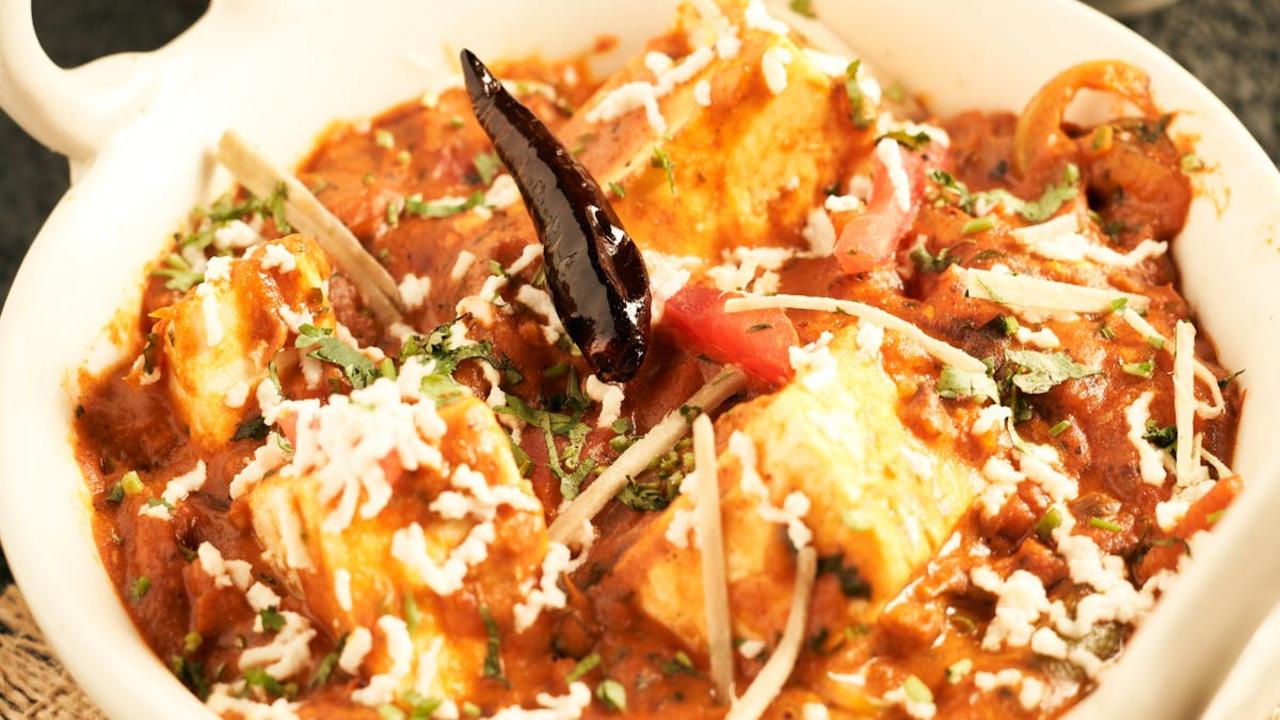
Picture this: tender chunks of lamb or goat slowly braised in a fragrant sauce that gets its gorgeous red color from Kashmiri chilies and its depth from whole spices like cardamom, cinnamon, and cloves. Rogan Josh represents the heart of Kashmiri cuisine, where Persian influences meet Indian cooking techniques. The name itself tells a story – “rogan” means oil or fat, and “josh” refers to heat or passion. I love how this dish teaches us that true flavor comes from patience and quality ingredients, not shortcuts.
What makes this curry special is its unique cooking method. You brown the meat first, then build layers of flavor with yogurt, onions, and that signature spice blend called garam masala. The secret lies in using plenty of ghee and cooking everything low and slow until the meat practically falls apart. I always tell people to skip the artificial red coloring you see in restaurants – authentic Rogan Josh gets its beautiful hue from Kashmiri red chilies, which provide color without overwhelming heat. Serve it with steamed basmati rice or warm naan, and you’ve got a meal that connects you to centuries of tradition.
Butter Chicken
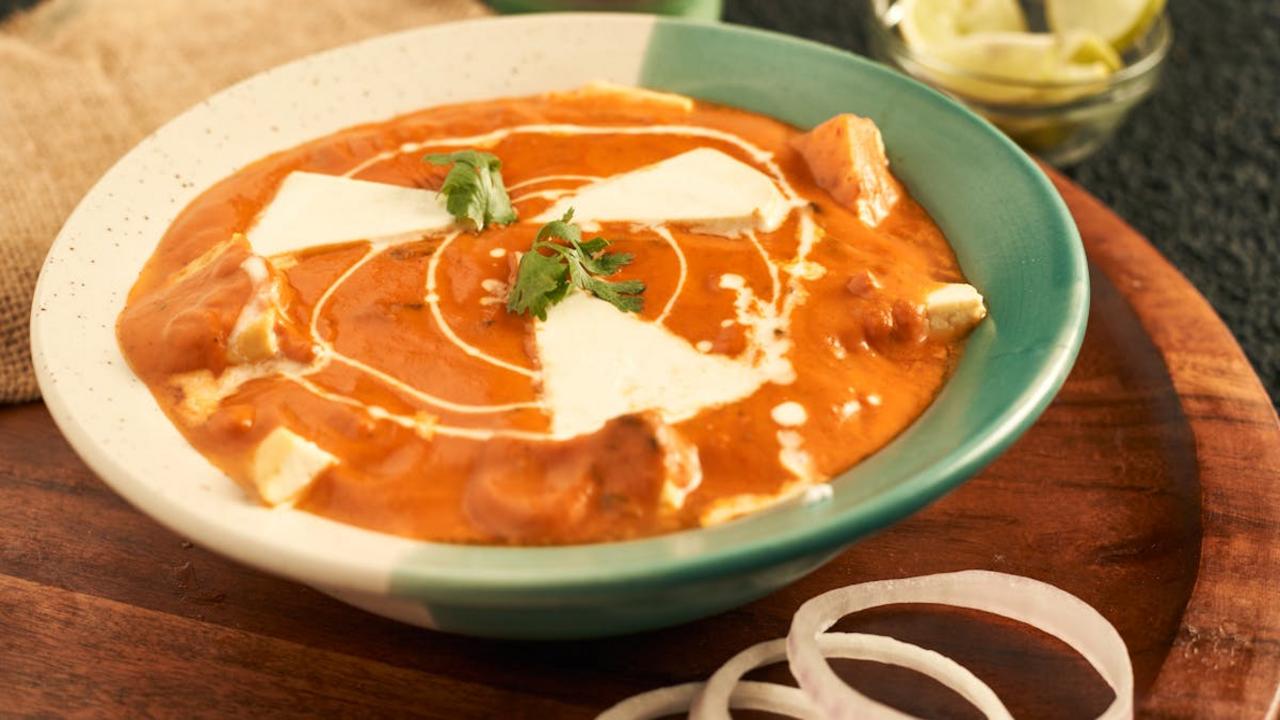
Butter chicken holds a special place in my heart—it’s the dish that first taught me how cream and tomatoes could create pure magic in a pan. This iconic curry originated in the 1950s at Moti Mahal restaurant in Delhi, where leftover tandoori chicken found new life swimming in a rich, velvety sauce. I love how this dish breaks the rules of traditional Indian cooking by adding dairy so generously, yet somehow it works perfectly. The secret lies in building layers of flavor: first browning the chicken until it develops that beautiful golden crust, then creating a base with onions, ginger, and garlic that forms the backbone of the sauce.
What makes my version special is how I balance the richness with fresh ingredients—I always add a handful of fresh cilantro at the end and sometimes sneak in finely diced bell peppers for extra texture and nutrition. The key to achieving that signature orange-red color isn’t artificial coloring but a combination of tomato paste, paprika, and just a touch of turmeric. I’ve learned to taste as I go, adjusting the cream and butter to create that silky consistency that coats each piece of chicken like a warm hug. This curry taught me that comfort food doesn’t have to be complicated—sometimes the most beloved dishes come from the simplest combination of quality ingredients and patience.