My Roommate Knew I Was Jewish And Didn’t Eat Pork, But Served It To Me Anyway
When you are a guest in someone’s home, or even sharing a meal with friends, the number one rule is to be gracious. But a close second, and perhaps even more important, is for the host to respect the dietary needs of their guests. It’s a simple sign of consideration that forms the bedrock of hospitality.
However, one woman recently took to the internet to share a story about a roommate who seemed to think these rules simply didn’t apply to her, leading to a breakdown of trust that is difficult to repair.
The Incident
A young Jewish woman shared her living situation with two friends, “Kay” and “Bea.” The arrangement was simple: they would split the cost of food and take turns cooking for each other. From the beginning, she made it clear that while she didn’t keep strictly kosher, she had a lifelong rule of never eating pork. Her friends knew and understood this boundary.
But then things started to go wrong. About two months into their arrangement, Kay made burgers. The woman happened to see an empty package of pork mince in the kitchen and asked about it. Kay admitted she’d used it, apologized for forgetting, and the woman simply grilled herself some chicken. It seemed like an honest mistake, easily forgiven.
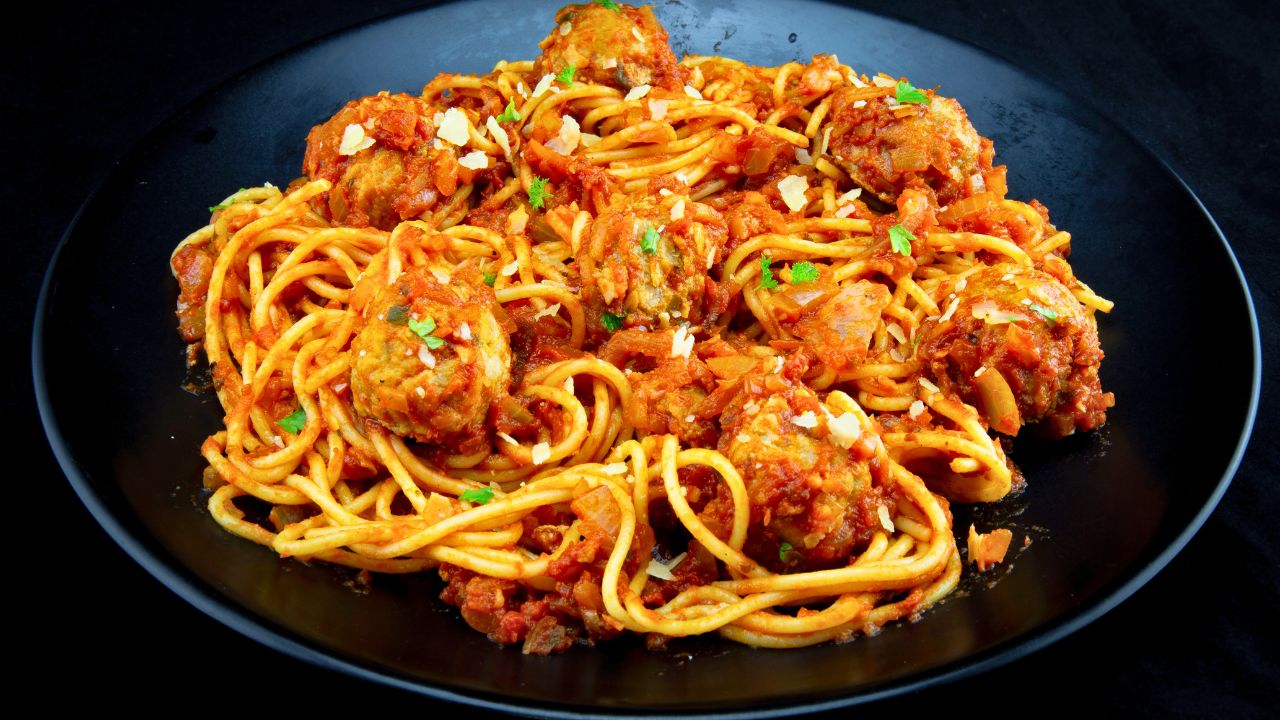
A few weeks later, however, it happened again. Kay made spaghetti and meatballs. It was only when Bea asked what was in them that Kay announced they were a beef and pork mix. The woman immediately put her fork down. Later that night, she felt quite ill, which isn’t surprising for someone whose body has never processed that type of meat. When Kay saw her taking some ginger and peppermint tea for her nausea, she had the audacity to call her a “drama queen.”
Understandably, the woman lost all trust in Kay’s cooking and for the next three weeks, she politely declined any meal Kay prepared. When confronted, Kay doubled down, insisting it was “just one incident” and that her roommate was being dramatic, especially since she doesn’t keep 100% kosher. Even worse, Bea sided with Kay, saying it was an overreaction and that her dietary choice “shouldn’t be a big deal.”
The Internet Reacts
The online community was flooded with responses, with most people forming a protective circle around the woman who was so disrespected. They quickly sorted themselves into a few distinct camps.
First came the “Absolutely Not” Crowd, who were furious on the woman’s behalf. They saw Kay’s behavior not as a simple mistake, but as a deliberate act of disrespect. One commenter put it bluntly: “WHAT PART OF I DON’T EAT PORK IS SO HARD TO UNDERSTAND?!?!? Once is a mistake. More than that is a concerted effort.”
Another pointed out the flawed logic of the roommates, saying Kay “used the fact that you don’t keep 100% kosher to decide on your behalf that you don’t get to have ANY dietary preferences.” Many agreed that the real issue wasn’t the pork itself, but the complete dismissal of her feelings and physical discomfort afterward.
Then there was the small but vocal “Devil’s Advocate” Camp. These commenters felt that while Kay was wrong, the woman’s reaction was also part of the problem. One person suggested her quiet refusal to eat was passive-aggressive, saying, “A simple, ‘hey Kay, I no longer feel comfortable eating your meals’ would have sufficed.”
Another argued that in a casual home setting, “the burden is on you to avoid pork and verify meals.” This group felt that a direct conversation should have happened sooner, rather than letting the tension build for weeks.

Finally, the “Petty Revenge” Crowd chimed in with what they would have done. These readers felt that such disrespect deserved an equally pointed response. One fellow non-pork-eating Jewish commenter joked, “I’m tempted to suggest you stir the pot by going ‘oh? It’s not a big deal since i’m not kosher? Ok well we’re going to practise strict kashrut from now on and obey Shabbat.’” Many shared similar stories of people trying to “sneak” meat into vegetarian dishes, proving that this kind of food-related disrespect is unfortunately all too common.
The Etiquette Verdict
Let’s be perfectly clear: respecting a person’s dietary choices is a fundamental component of good manners. It does not matter if the reason is religious conviction, a serious allergy, a health choice, or simple preference. When someone tells you they do not eat something, you are obligated to respect that. To “forget” twice is careless, but to then belittle the person for feeling physically ill is just plain cruel. The roommate, Kay, didn’t just make a mistake; she broke a sacred trust. Food is personal, and violating someone’s trust with it is a deep and personal offense.

Your Thoughts
What do you think about this situation? Was the roommate’s repeated mistake something that could be forgiven, or was her blatant disrespect a friendship-ending offense?