14 Grocery Items That Cost a Small Fortune
Your weekly grocery run just turned into a luxury shopping spree! Some ingredients command prices that make your wallet weep tears of pure gold. We’re talking about foods so expensive they practically require their own security detail.
From mushrooms worth more than your rent to coffee beans that pass through a very particular digestive system, these 14 grocery items redefine “splurge purchase.” You’ll discover why a single melon sells for thousands and how certain fish eggs became liquid gold.
Buckle up for a wild ride through the world’s most outrageously priced pantry staples. Your regular supermarket suddenly feels refreshingly affordable compared to these wallet-emptying wonders that food enthusiasts chase across continents.
Pine nuts
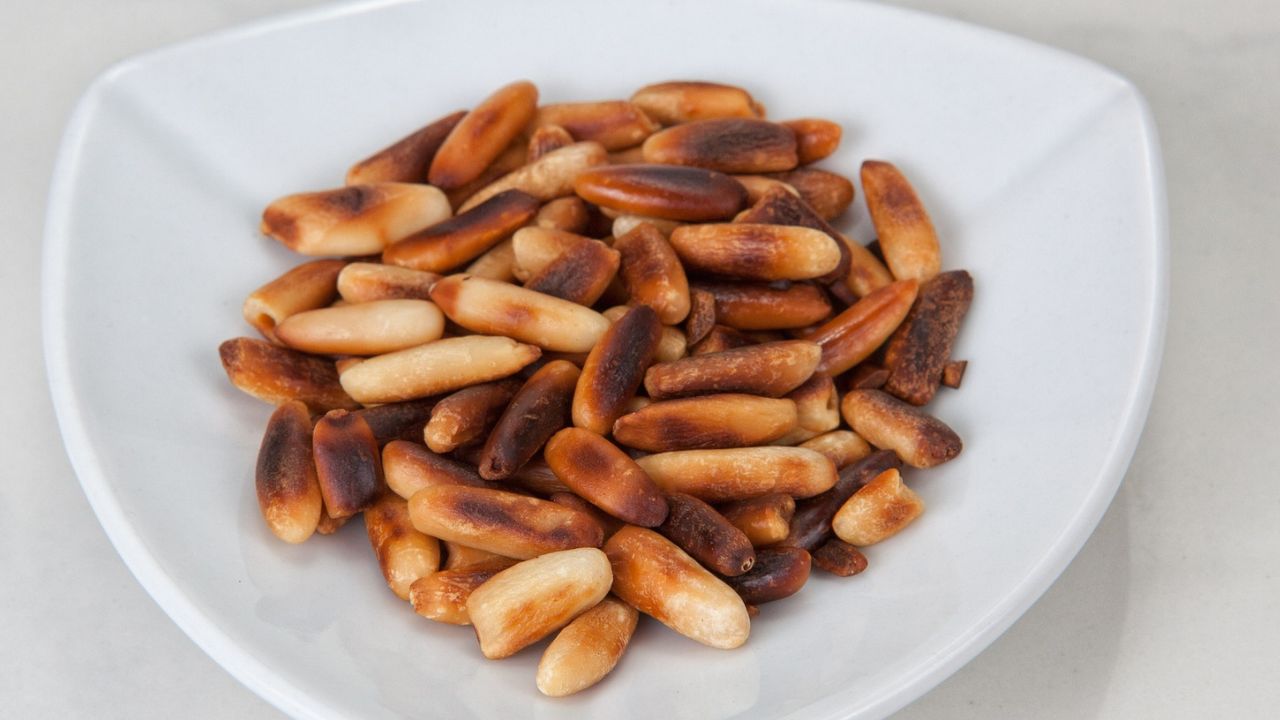
Pine nuts cost more per pound than most people’s monthly coffee budget, and honestly, I get why some folks think we’ve all lost our minds paying $30+ for a tiny bag of what looks like fancy rice grains. These little buttery gems come from pine cones – yes, actual pine cones – and harvesting them requires the patience of a monk and the dedication of someone who clearly never learned about minimum wage. Workers literally have to wait years for the cones to mature, then roast them, crack them open, and extract each individual nut by hand. It’s like nature designed the world’s most expensive treasure hunt, except the treasure is smaller than your pinky nail and disappears the moment you sprinkle it on your salad.
Here’s what makes pine nuts worth their weight in gold (sometimes literally): they taste like butter had a baby with a tree, in the best possible way. One handful transforms boring pasta into restaurant-quality pesto, and they make every salad feel like you’re dining somewhere that charges $18 for arugula. The Mediterranean varieties pack the most flavor punch, while the Asian types tend toward mild and sweet. Pro tip from someone who learned the hard way – always toast them lightly in a dry pan for about 2 minutes before using. You’ll unlock this incredible nutty aroma that makes your kitchen smell like an Italian grandmother’s been cooking all day. Just don’t walk away from the stove because these little guys go from golden perfection to charcoal faster than you can say “there goes my grocery budget.”
Beluga Caviar
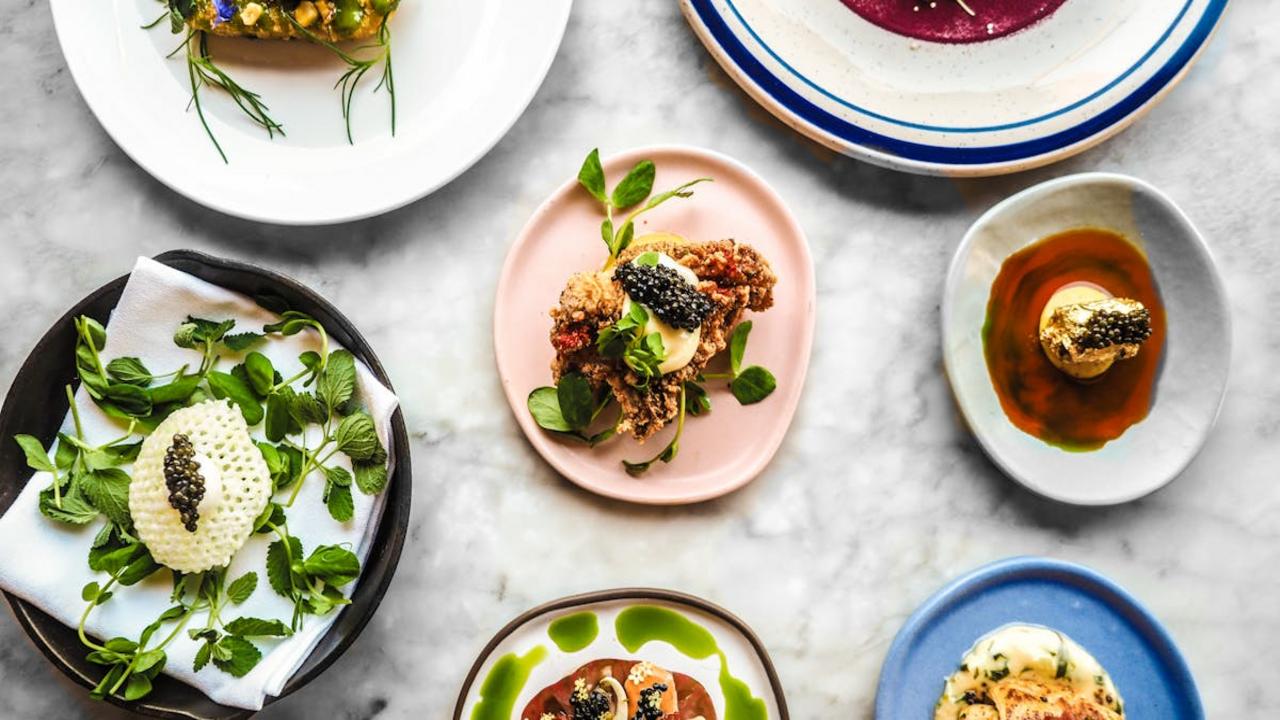
Picture this: you’re staring at tiny black pearls that cost more per ounce than your monthly rent, and you’re supposed to eat them with a mother-of-pearl spoon because metal apparently offends their delicate sensibilities. Welcome to the wild world of Beluga caviar, where a single tin can run you anywhere from $200 to $500—and that’s just for the entry-level stuff! These glossy spheres come from the Beluga sturgeon, ancient fish that have been swimming around the Caspian Sea since before dinosaurs figured out how to properly season their meals. The fish can live over 100 years and doesn’t even think about reproducing until it hits 20, which explains why this luxury ingredient commands prices that make your wallet weep.
What makes this fishy treasure so special? Each bead bursts with a creamy, buttery flavor that’s simultaneously briny and smooth—like the ocean decided to throw an elegant dinner party. The Beluga sturgeon can weigh up to 3,500 pounds and produces the largest, most prized eggs in the caviar family. Fun fact: these magnificent creatures are older than the Roman Empire, yet somehow we’ve managed to make their eggs the ultimate symbol of fancy dining. Serve it simply on blinis with crème fraîche, or go full bougie and eat it straight from the spoon while wearing your finest pajamas. Either way, you’re consuming something that takes decades to develop and costs more than most people’s engagement rings!
White Alba Truffles
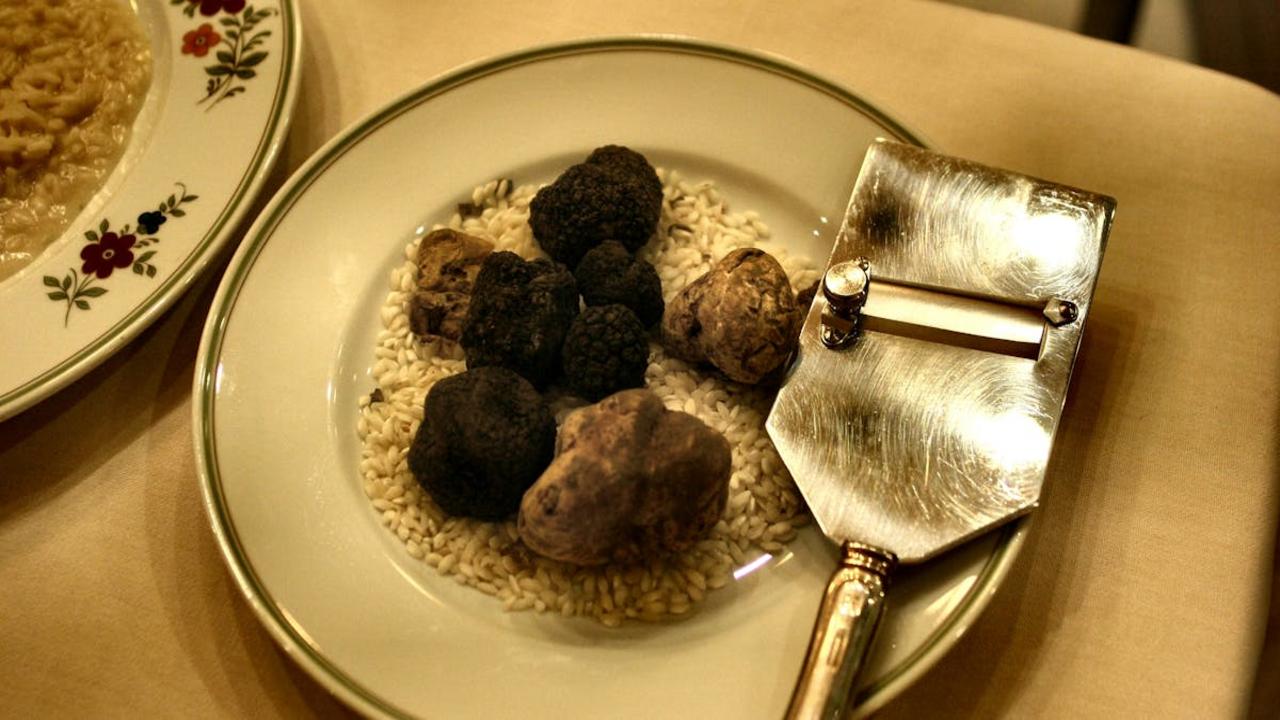
If you’ve ever wondered what it feels like to eat something worth more than your car payment, white Alba truffles are your golden ticket to financial ruin and gastronomic ecstasy. These funky underground fungi from Italy’s Piedmont region can cost anywhere from $3,000 to $5,000 per pound, making them literally worth their weight in gold. Picture this: a tennis ball-sized truffle recently sold for $120,000 at auction, which means someone paid enough for a single mushroom to buy a decent house in some parts of the country. The crazy part? These aromatic treasures can only be hunted by specially trained dogs during a brief October-to-December season, making them rarer than finding a parking spot at Trader Joe’s on Sunday afternoon.
What makes these wrinkled, alien-looking specimens so expensive goes beyond their scarcity. White Alba truffles can’t be cultivated like regular mushrooms – they grow wild in symbiotic relationships with tree roots, and their exact locations remain nature’s best-kept secret. The aroma hits you like a freight train of garlic, earth, and pure luxury, so intense that a few paper-thin shavings can transform a simple bowl of pasta into a $200 dinner. Here’s the kicker: once you dig them up, you’ve got maybe a week before they lose their potency and turn into very expensive paperweights. Smart truffle hunters sell immediately, while the rest of us peasants settle for truffle oil that probably saw a real truffle from across the room once.
Yubari King Melons
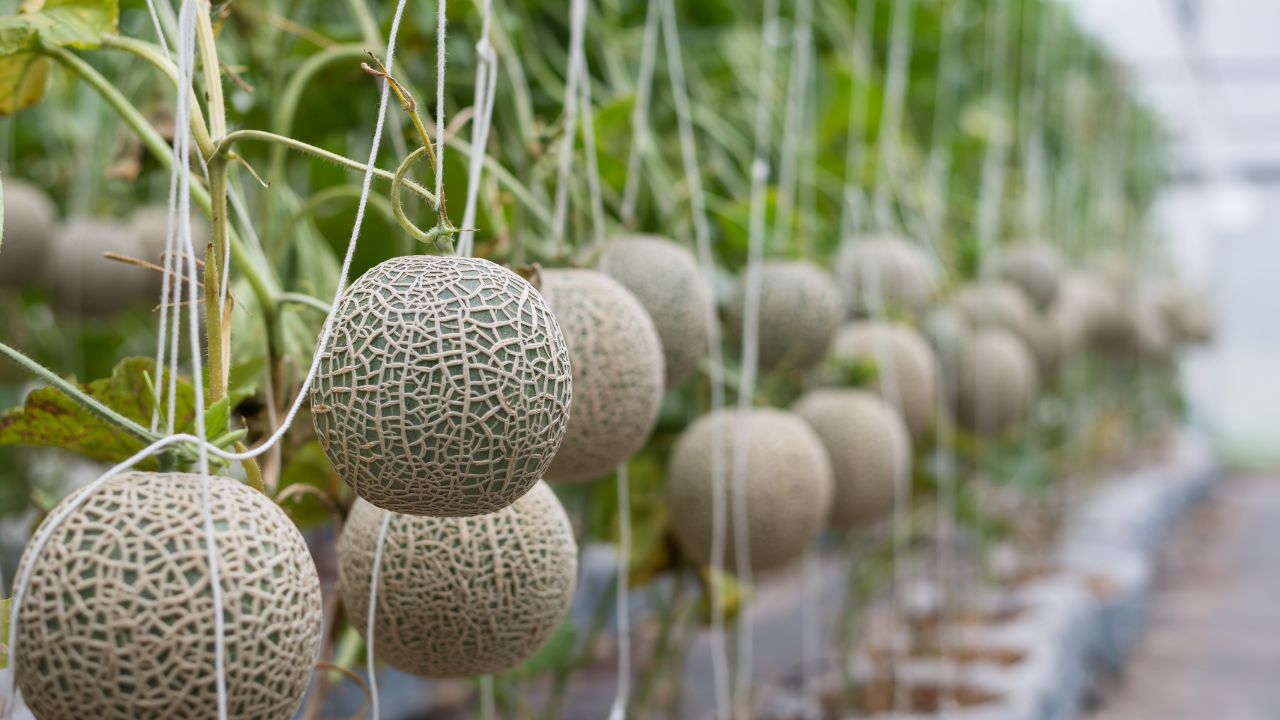
Picture this: you’re casually browsing the grocery store when you spot what looks like a perfectly ordinary cantaloupe sitting behind glass like the Crown Jewels. That, my friend, is a Yubari King melon, and it costs more than your monthly car payment. These Japanese treasures can fetch anywhere from $200 to a jaw-dropping $45,000 at auction – yes, you read that right! Grown exclusively in the Yubari region of Hokkaido, these melons receive the kind of pampering usually reserved for royalty. Farmers massage them daily, control their sunlight exposure with precision, and grow just one melon per vine to concentrate all that sweetness into a single, perfect sphere.
What makes these melons worth more than some people’s salaries? The texture is so smooth it practically melts on your tongue, and the sweetness hits notes that regular melons can only dream about. Each one gets graded like a diamond – perfect spherical shape, flawless skin, and that coveted T-shaped stem pattern. The most expensive pair ever sold went for $45,000 in 2019, making them officially more valuable per pound than gold. While you probably won’t be serving these at your next barbecue (unless you’re secretly a millionaire), they represent the incredible lengths some cultures go to perfect their produce. Think of them as edible art that happens to be ridiculously delicious!
Fugu (Pufferfish)
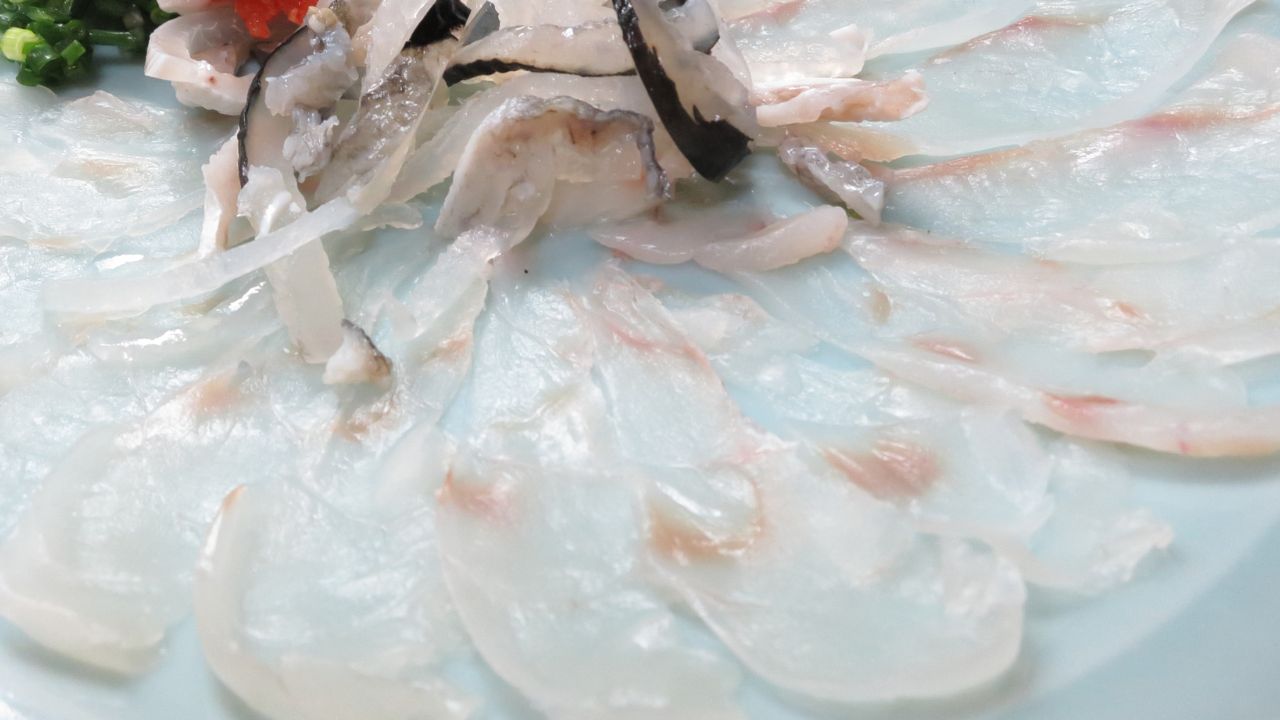
Picture this: you’re dining in Tokyo, and the chef places a translucent slice of fish before you that could literally be your last meal. Welcome to the world of fugu, the Russian roulette of sushi! This infamous pufferfish commands astronomical prices—we’re talking $200 to $500 per serving—not just because it’s rare, but because one wrong cut from an unlicensed chef could send you to the great sashimi bar in the sky. The tetrodotoxin in fugu is 1,200 times more poisonous than cyanide, and there’s no antidote. Talk about expensive thrills!
What makes this fish worth risking your life savings (and actual life) for? Fugu enthusiasts swear by its subtle, almost chicken-like flavor and unique, slightly chewy texture that tingles your lips—though hopefully that’s just the psychological effect and not actual paralysis setting in! In Japan, chefs must undergo rigorous three-year training programs and pass intense exams to earn their fugu license. Only about 70% pass, which explains why a simple fugu dinner can cost more than your monthly grocery budget. The preparation is so precise that licensed chefs often eat the first piece themselves to prove it’s safe—now that’s confidence in your knife skills!
Moose Milk Cheese
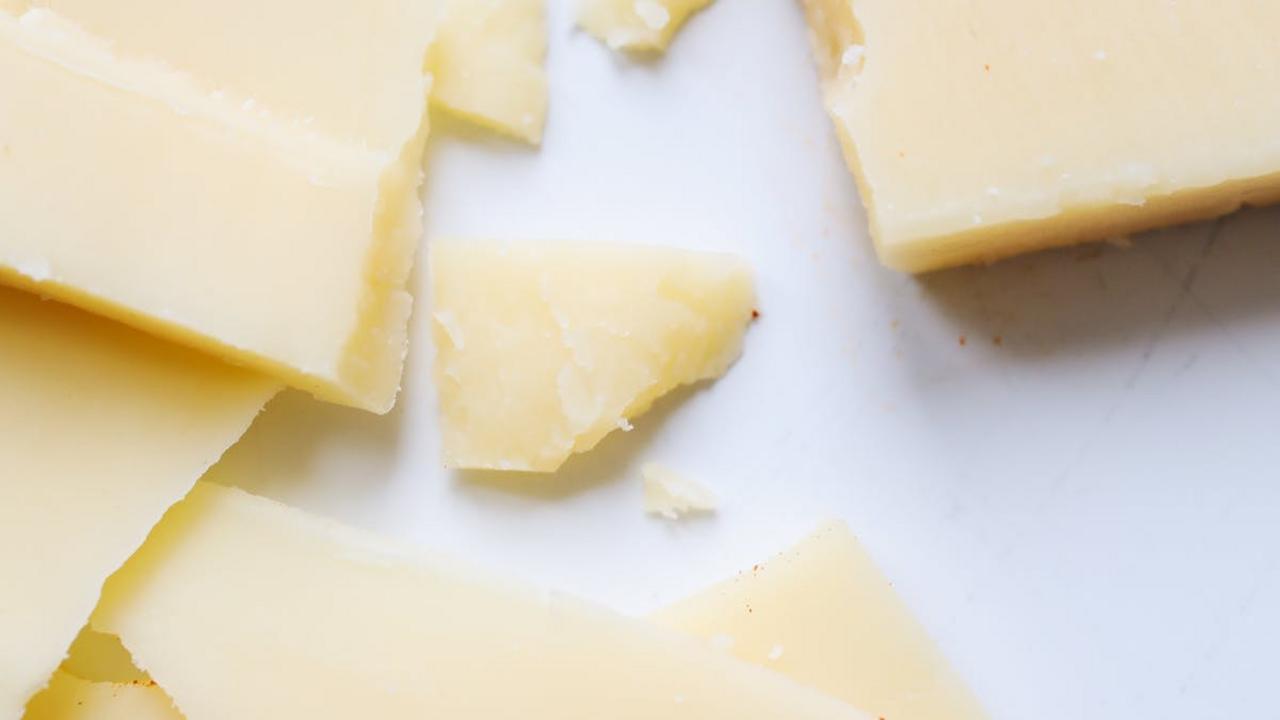
Picture this: you’re browsing the fancy cheese section, and suddenly you spot a price tag that makes your wallet weep—$500 per pound for moose milk cheese. Yes, you read that correctly. This isn’t some marketing gimmick or artisanal fever dream; it’s the real deal from actual moose udders. The Elk House farm in Sweden produces this liquid gold, and honestly, I can’t decide if I’m more impressed by their dedication or concerned for their safety. Milking a moose sounds like an extreme sport disguised as dairy farming.
What makes this cheese so ridiculously expensive? Well, moose only lactate for about five months a year, and they’re not exactly cooperative farm animals. Each moose produces roughly two liters of milk daily, compared to a cow’s 25-30 liters. The milk itself tastes surprisingly sweet and creamy, with a protein content that puts regular dairy to shame. Swedish cheesemakers age this precious commodity into wheels that cost more than some people’s monthly rent. If you’re thinking about splurging, just remember: you’re basically eating the equivalent of a luxury handbag, except this one pairs beautifully with crackers and existential dread about your bank account.
Bluefin Tuna
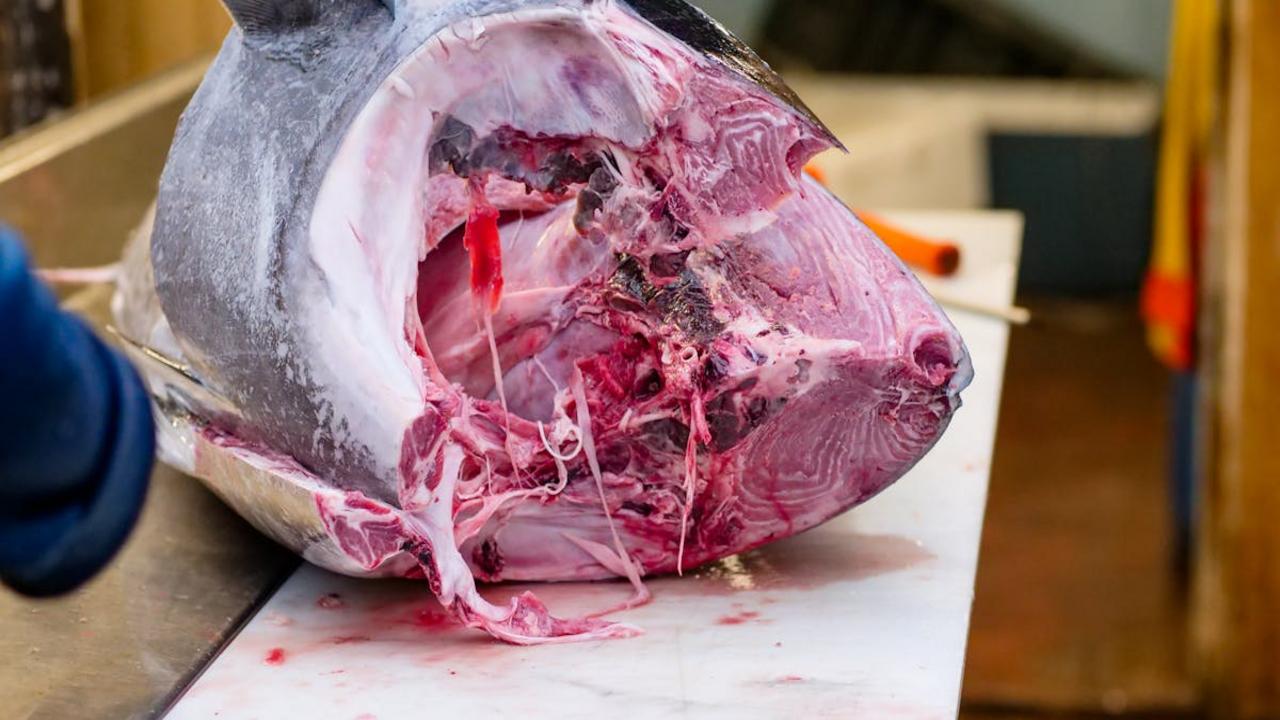
Picture this: you’re standing at the fish counter, and your eyes land on that gorgeous piece of bluefin tuna with its deep crimson flesh that practically glows under the fluorescent lights. Then you see the price tag, and suddenly you’re wondering if they accidentally added an extra zero. Nope! That silky, buttery fish really does cost more per pound than some people’s monthly car payments. We’re talking about a fish so prized that a single bluefin tuna once sold for over $3 million at a Tokyo auction – yes, you read that right, MILLION with an M. The oceanic equivalent of a Ferrari, this fish swims through waters like a living treasure chest.
What makes this aquatic royalty so expensive? First, bluefin tuna are basically the marathon runners of the sea, swimming thousands of miles and building up incredibly rich, marbled flesh that melts on your tongue like fishy butter. They’re also becoming increasingly rare due to overfishing, which drives prices through the roof faster than you can say “sashimi.” If you’re brave enough to splurge on this liquid gold, treat it like the precious gem it is – a quick sear on each side with just salt and pepper, or go full fancy and slice it thin for the ultimate sushi experience. Your wallet might weep, but your mouth will thank you for this once-in-a-lifetime oceanic indulgence.
Kobe Beef
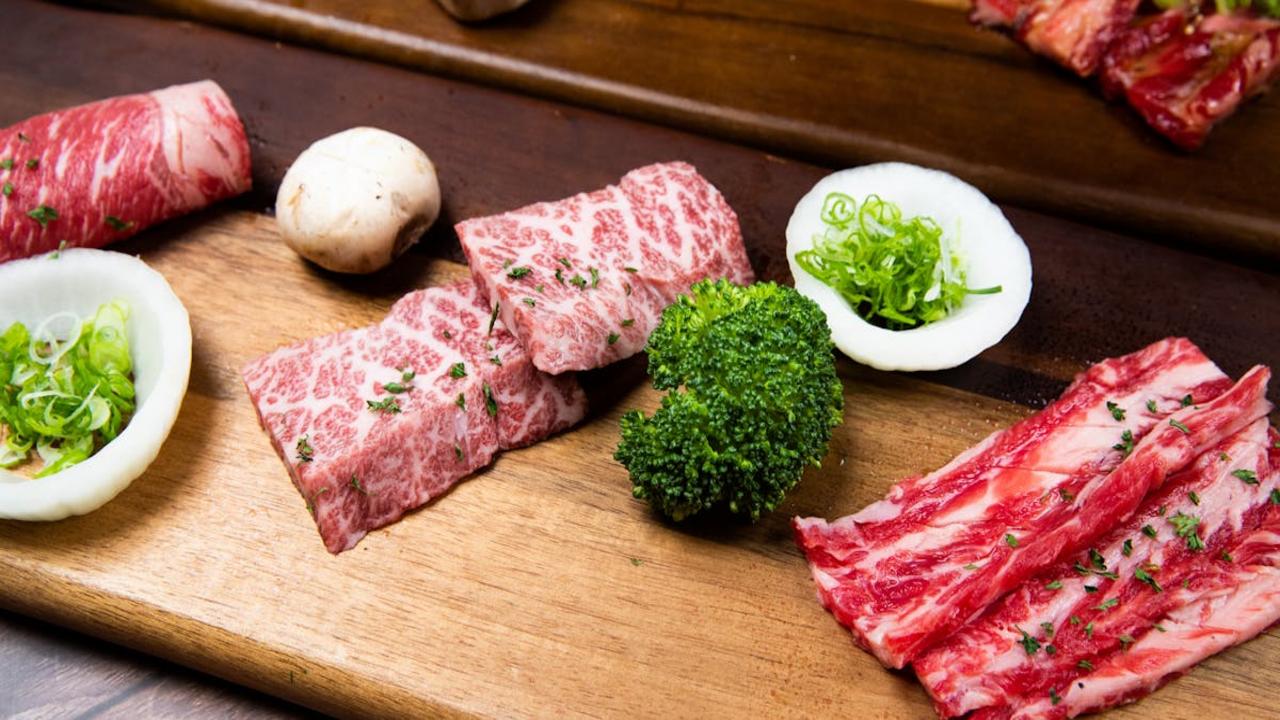
You know that moment when your wallet starts crying before you even open the menu? That’s exactly what happens when Kobe beef makes its grand entrance. This legendary Japanese beef can cost anywhere from $200 to $500 per pound, making your regular ribeye look like pocket change. The price tag isn’t just for show – authentic Kobe beef comes from Wagyu cattle raised in Japan’s Hyogo Prefecture, where these pampered bovines live better lives than most humans. We’re talking cattle that receive daily massages, drink beer, and listen to classical music. I’m not kidding! These cows basically live at a luxury spa resort while producing the most marbled, buttery meat on the planet.
The catch? Real Kobe beef is rarer than a unicorn wearing designer shoes. Only about 3,000 cattle qualify for the Kobe label each year, and until 2012, none of it was legally exported to the United States. So if you’ve been bragging about that “Kobe burger” you had five years ago, I hate to break it to you – it was probably just really good American Wagyu. The authentic stuff melts on your tongue like savory butter, with marbling so intricate it looks like edible artwork. When you finally splurge on the real deal, you’ll understand why people mortgage their houses for a single steak. Just don’t blame me when you start eyeing your savings account every time someone mentions beef!
Iberico Ham
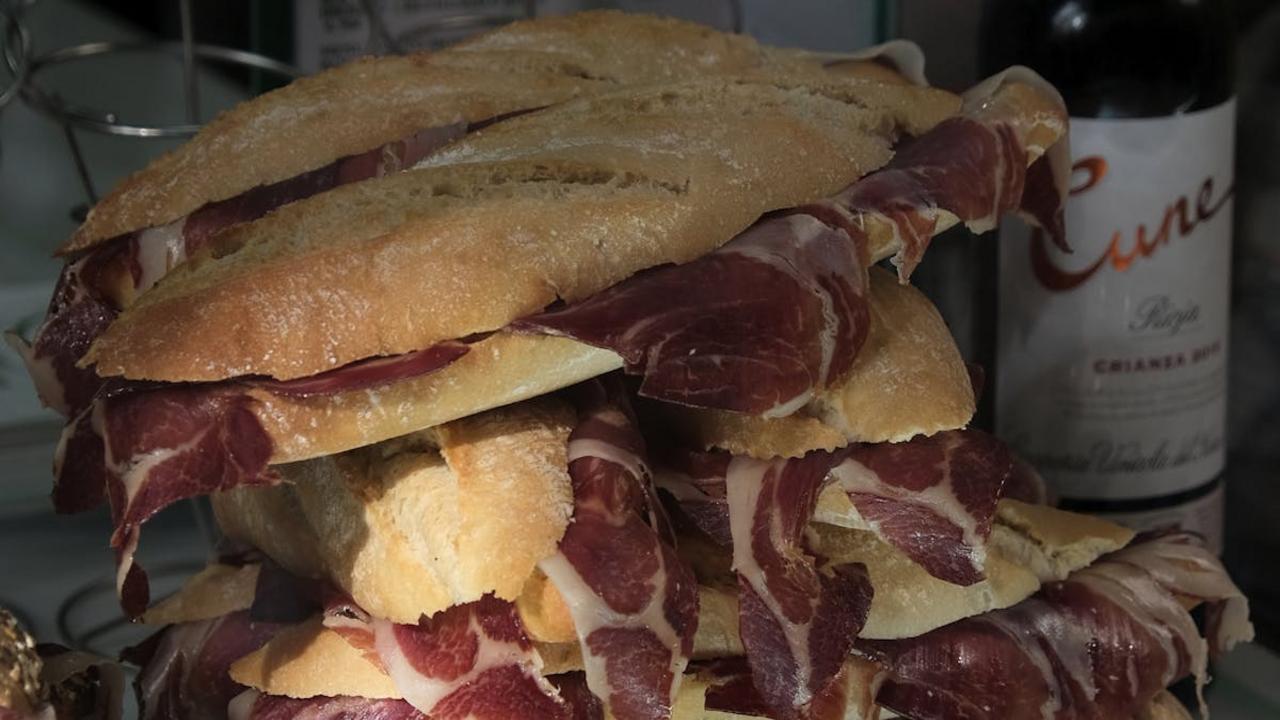
Picture this: a pig living its best life, wandering through Spanish oak forests, munching on acorns like it’s at an all-you-can-eat buffet. That’s the beginning of Iberico ham’s story, and honestly, these pigs have figured out luxury living better than most humans. The black-footed Iberico pigs roam free for years, building up marbled fat that creates ham so buttery and complex, it makes prosciutto look like deli meat from a gas station. The acorns they devour give the meat a nutty sweetness that’s so distinctive, you can actually taste the difference between pigs that ate different types of oak nuts.
Now here’s where your wallet starts sweating: authentic Iberico ham can cost anywhere from $80 to $200 per pound, depending on the grade. The top-tier “bellota” variety, from pigs that ate nothing but acorns for months, commands prices that’ll make you question your life choices. Each ham ages for at least two years, sometimes up to four, in temperature-controlled caves where Spanish masters slice paper-thin pieces with knives passed down through generations. You’ll pay premium prices because these aren’t factory-farmed animals – they’re pampered pigs living in pig paradise, and every slice melts on your tongue like savory butter infused with centuries of Spanish tradition.
Manuka Honey
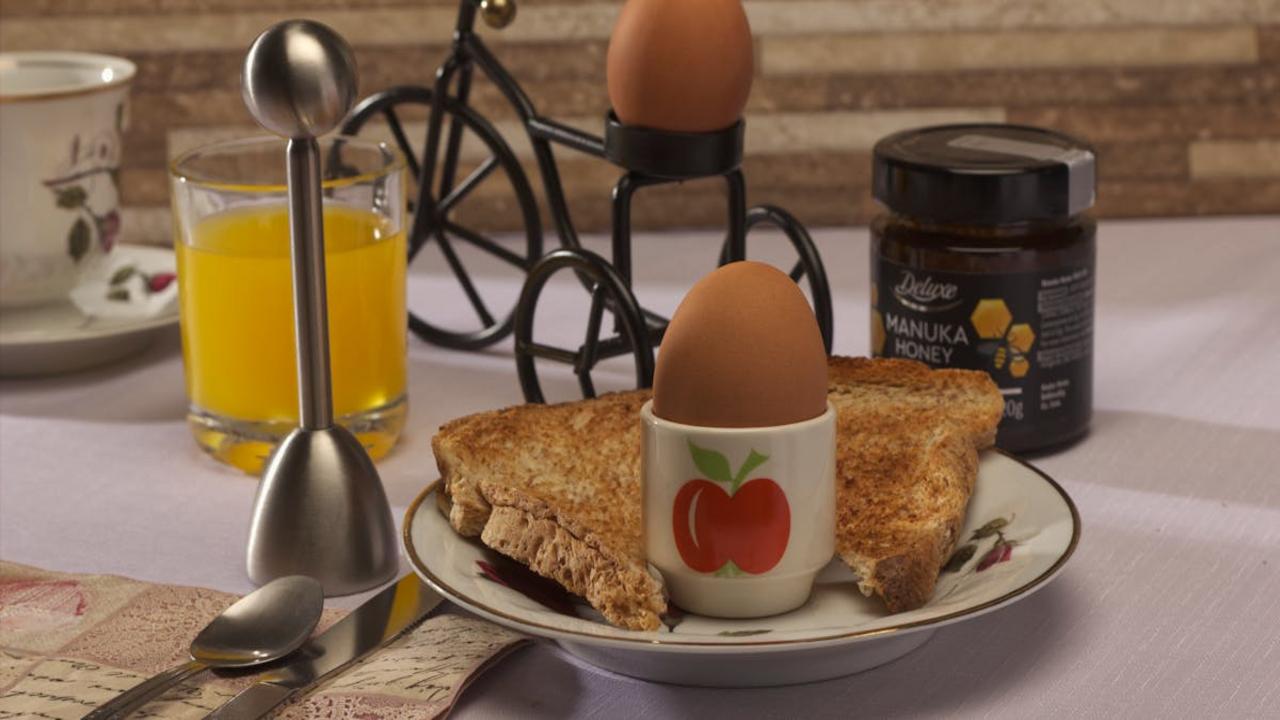
You know that friend who casually drops $50 on a tiny jar of honey like it’s pocket change? They’re probably buying Manuka honey, the liquid gold that makes regular honey look like high fructose corn syrup in comparison. This New Zealand treasure comes from bees who feast exclusively on the Manuka bush, and apparently those little workers have expensive taste. What makes this honey so special that it costs more per ounce than some wines? It contains methylglyoxal (MGO), a compound that gives it antibacterial superpowers so impressive that doctors actually use medical-grade Manuka honey in wound care. The higher the MGO rating, the more your wallet will weep – we’re talking $80-150 for a decent jar that’ll last you about as long as your resolve to eat healthier.
I once watched my neighbor slather this precious nectar on toast like it was regular honey, and I nearly had a heart attack. Each spoonful probably cost more than my morning coffee! But here’s the thing – Manuka honey actually delivers on its premium price tag. It tastes like regular honey’s sophisticated older sibling who studied abroad and speaks three languages. Rich, complex, with a slight medicinal tang that reminds you this isn’t just a sweet treat. New Zealand producers have to jump through more hoops than a circus poodle to prove their honey is authentic, complete with certification numbers and batch tracking. Fun fact: there’s more “Manuka honey” sold worldwide each year than New Zealand actually produces, so unless you want to pay premium prices for regular honey wearing a fancy label, stick to reputable brands with proper UMF or MGO ratings.
Kopi Luwak Coffee
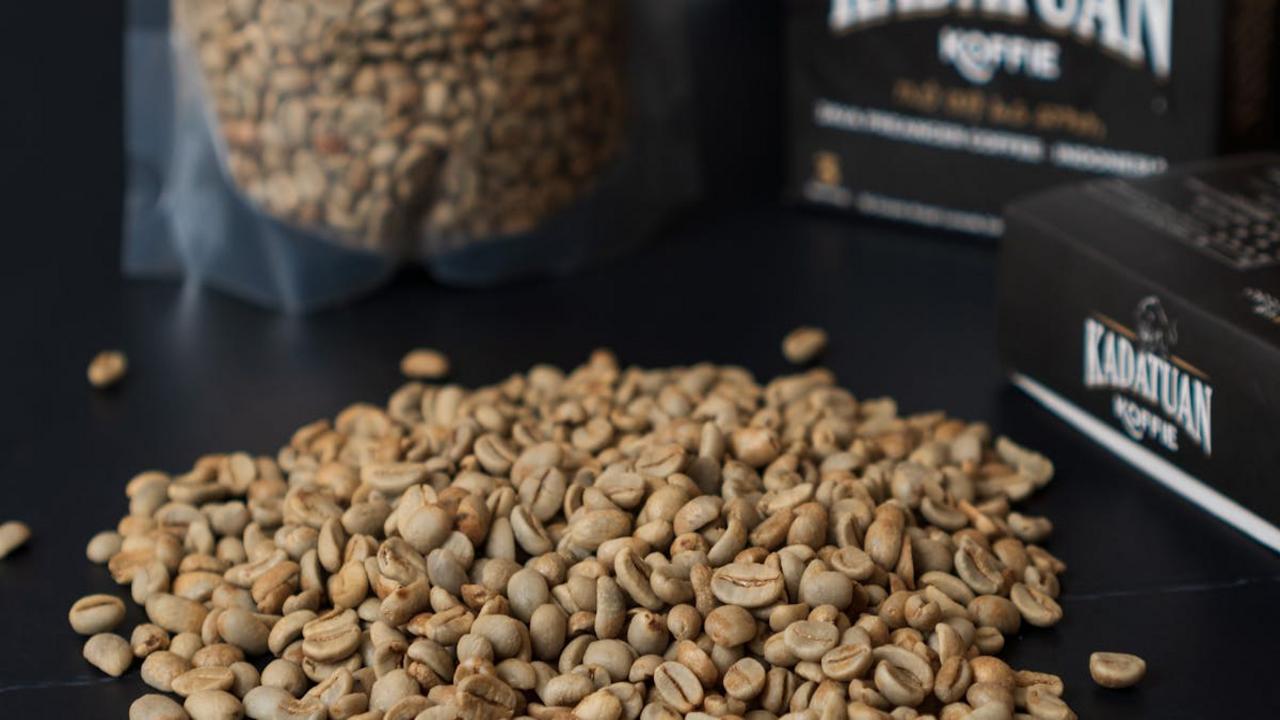
Here’s something that’ll make your morning caffeine habit look positively budget-friendly: Kopi Luwak coffee, also known as civet cat coffee, sells for anywhere from $35 to $100 per cup at fancy establishments. This Indonesian brew gets its astronomical price tag from its rather unconventional production method – Asian palm civets eat coffee cherries, and after the beans pass through their digestive system, farmers collect and process them. The civet’s stomach acids supposedly break down proteins that create bitterness, resulting in a smoother, less acidic cup. You’re literally paying premium prices for beans that have been pooped out by a cat-like creature. Talk about taking farm-to-table to a whole new level!
Before you mortgage your house for a single cup, know that much of the commercial Kopi Luwak market involves caged civets forced to eat coffee cherries – a far cry from the wild, free-roaming animals originally responsible for this coffee’s discovery. Many coffee experts argue that properly processed regular beans taste just as good, if not better, than this overhyped digestive experiment. If you’re determined to try it, research ethical sources that use wild civets, though expect to pay even more for the privilege. Or better yet, save your money and invest in high-quality single-origin beans that didn’t require a mammal’s intestinal tract as part of the brewing process.
Vanilla Beans
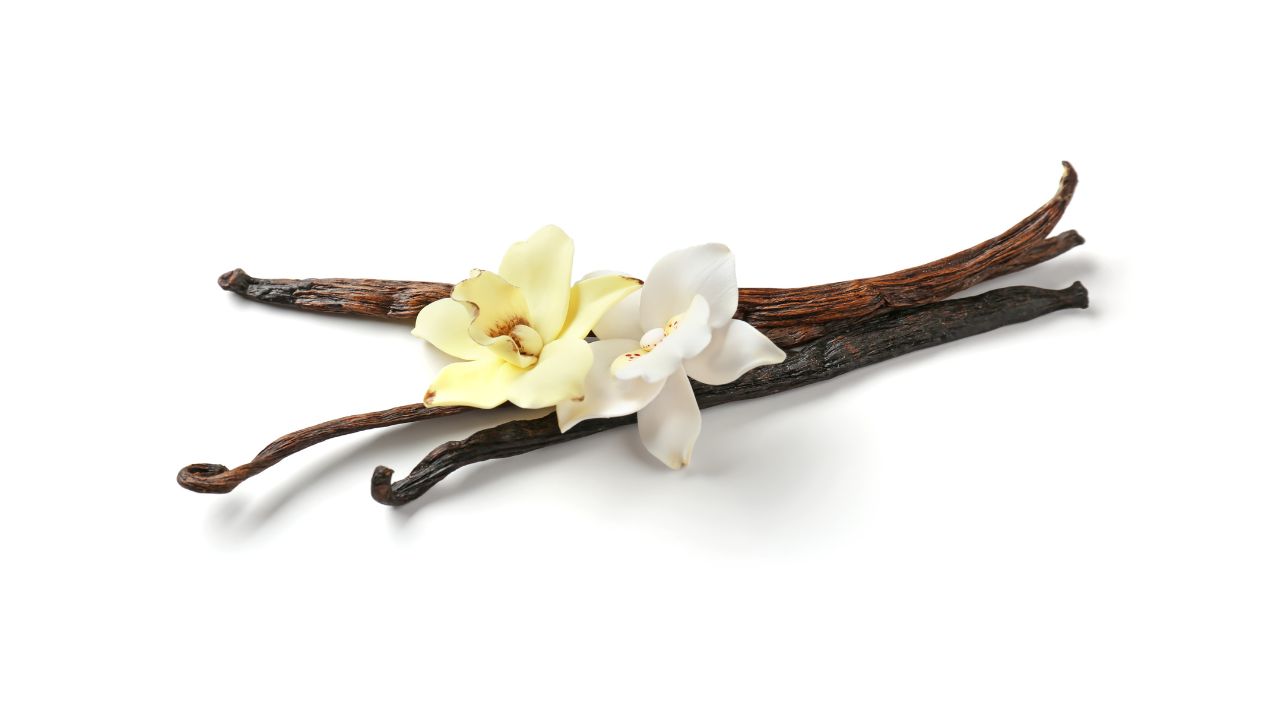
These little black pods pack more value per ounce than some precious metals, and honestly, I get it. Real vanilla beans cost anywhere from $20 to $50 per ounce because they’re basically the divas of the spice world. Each bean requires hand-pollination (yes, someone literally has to play matchmaker to vanilla orchids), then undergoes a months-long curing process that involves sweating, drying, and conditioning. Madagascar produces about 80% of the world’s vanilla, and when cyclones hit the island, vanilla prices shoot up faster than my grocery bill during the holidays. The labor-intensive process makes these pods worth their weight in gold – literally.
You know what’s wild? Most of us have been living a lie with that clear “vanilla extract” sitting in our pantries. Real vanilla beans contain thousands of tiny black specks that create those gorgeous flecks you see in premium ice cream and fancy desserts. One bean can flavor an entire batch of crème brûlée or vanilla bean ice cream, and the intensity difference compared to artificial vanilla will make you question every birthday cake you’ve ever made. Pro tip: after you scrape out those precious seeds, don’t toss the pod! Stick it in your sugar jar to create vanilla sugar, or better yet, make your own extract by soaking spent pods in vodka. Your future baking self will thank you when every cookie tastes like it came from a French patisserie.
Matsutake Mushrooms
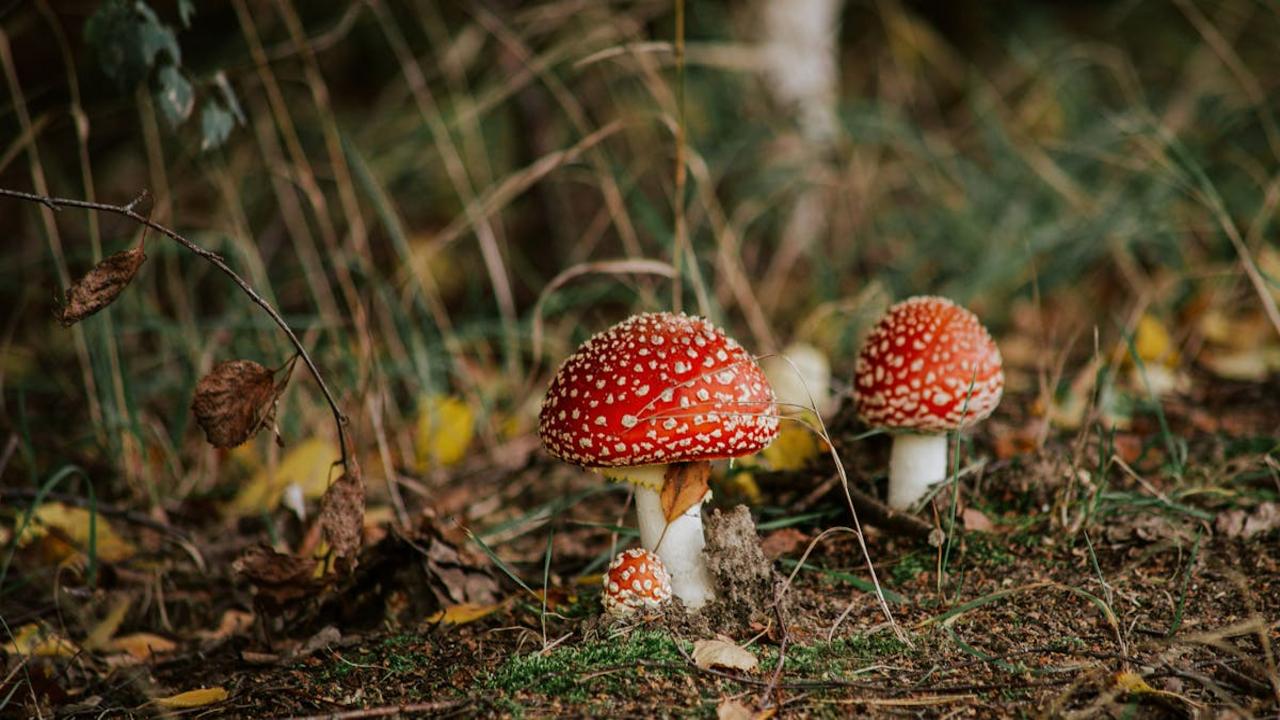
Matsutake mushrooms make truffles look like pocket change! These Japanese treasures can cost anywhere from $300 to $1,000 per pound, depending on their grade and origin. What makes them so expensive? They’re basically the divas of the mushroom world – they refuse to be cultivated and only grow wild in specific forests under very particular conditions. You can’t just plant these babies in your backyard and hope for the best. They form symbiotic relationships with certain tree roots, and scientists still can’t figure out how to replicate this partnership artificially. Plus, their season is incredibly short, usually just a few weeks in fall, making them rarer than a parking spot at Whole Foods on Sunday.
The flavor profile of matsutake mushrooms is unlike anything else on Earth – imagine a spicy cinnamon stick decided to become a mushroom, with hints of pine and earth mixed in. In Japan, people go absolutely wild for these fungi, and finding a perfect specimen is like discovering buried treasure. The mushrooms are graded based on their shape, size, and how intact their caps are, with the most pristine ones commanding astronomical prices. If you ever get your hands on some, don’t you dare overcook them! Japanese chefs typically prepare them simply – grilled, in clear soups, or steamed with rice – because covering up that distinctive aroma would be a crime against nature. Fair warning though: once you taste these magnificent mushrooms, regular button mushrooms will seem as exciting as cardboard.
Saffron
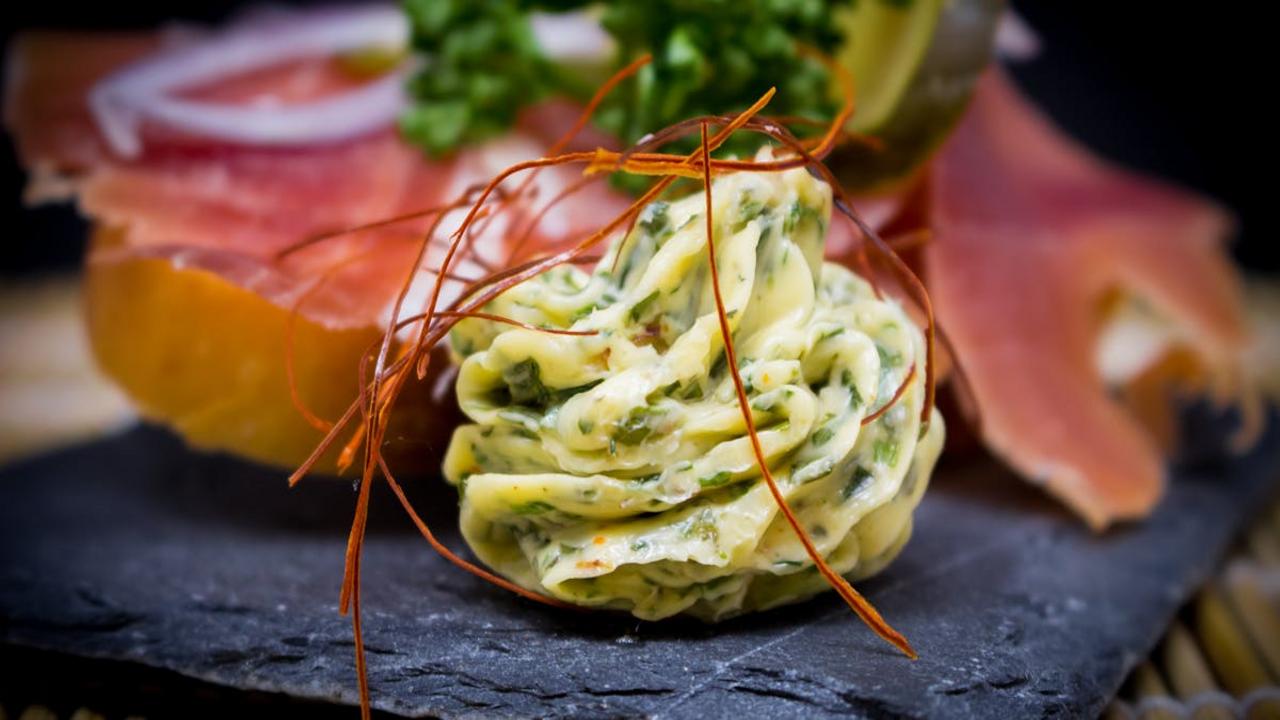
Welcome to the world of saffron, where three tiny red threads can cost you more than your monthly coffee budget! This golden spice comes from the Crocus sativus flower, and here’s the kicker – each flower produces only three measly stigmas that must be hand-picked during a brief autumn harvest. You need about 150 flowers to produce just one gram of saffron, which explains why this precious spice sells for anywhere from $500 to $5,000 per pound. The laborers who collect these crimson treasures work at dawn, carefully plucking each stigma with tweezers before the sun can damage the delicate threads.
But here’s what makes saffron worth every penny – this spice transforms ordinary dishes into something magical with just a pinch. That distinctive earthy, honey-like flavor with hints of metallic tang can turn your basic rice into paella worthy of a Spanish grandmother’s approval. Pro tip: always buy saffron threads, never powder (too easy to fake with turmeric), and store them in a dark, cool place like they’re tiny golden relics. A little goes a seriously long way – we’re talking about using literally three to four threads for an entire pot of rice. So yes, you’ll wince at the checkout, but that little jar will last you months and make you feel like a fancy chef every single time you crack it open.