12 Tasty, Low-Waste Swaps to Eat More Sustainably
Food waste makes me want to cry into my compost bin. Did you know we toss about 40% of our food while simultaneously destroying the planet? It’s like throwing money out the window while the house burns down. But here’s the plot twist: sustainable eating doesn’t mean munching on cardboard or giving up flavor.
These twelve swaps will transform your kitchen into a zero-waste wonderland without sacrificing taste. From cricket protein bars (surprisingly nutty!) to carrot-top pesto that’ll knock your socks off, we’re about to flip your food routine upside down. Your wallet will thank you, Mother Earth will high-five you.
Ready to become the superhero your pantry deserves? These aren’t your typical “eat less meat” suggestions. We’re talking weird, wonderful, and wildly delicious alternatives that’ll make your neighbors peek over the fence wondering what magic you’re cooking up. Time to revolutionize your plate!
Cultivate microgreens indoors
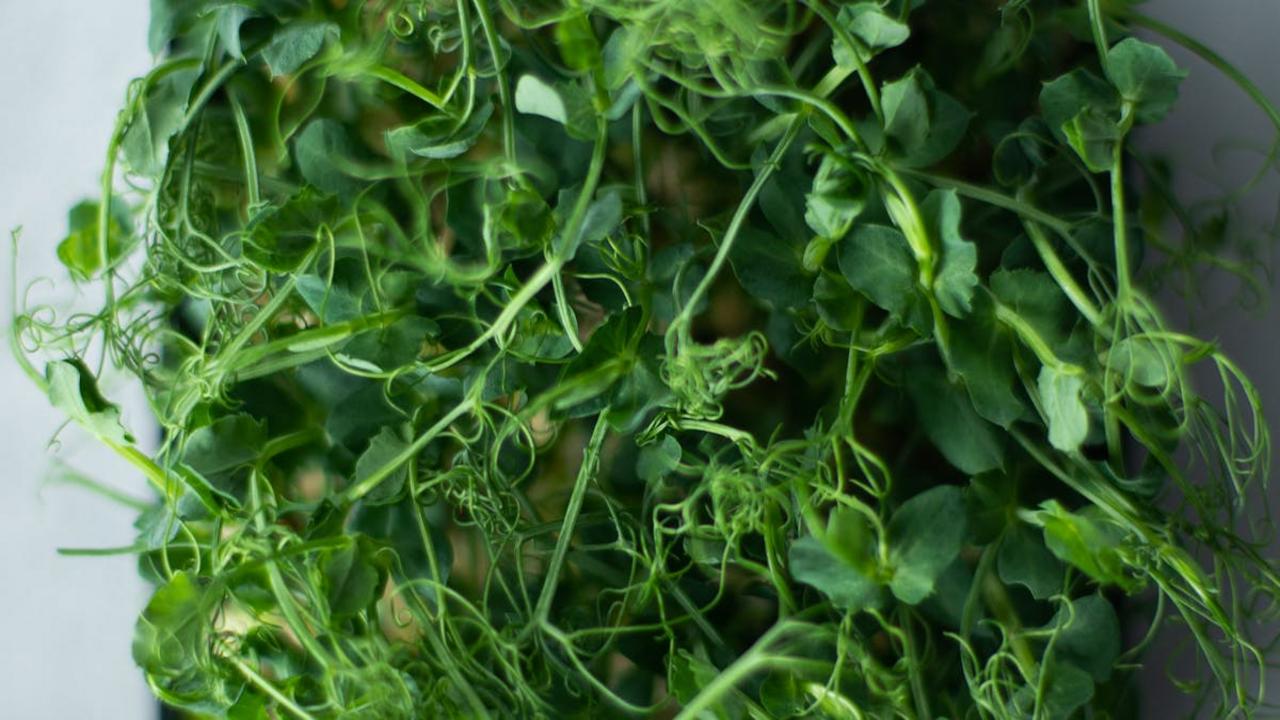
Picture this: you’re staring at wilted lettuce in your fridge again, wondering why your produce drawer seems to be where vegetables go to die. Meanwhile, those tiny microgreens at the grocery store cost more per pound than premium beef! Here’s your plot twist – you can grow these nutritional powerhouses right on your windowsill faster than you can say “sprouted radish.” Microgreens pack 4-40 times more nutrients than their full-grown counterparts, and they’re ready to harvest in just 7-14 days. That’s faster than most people can finish a bag of spinach before it turns into green mush.
Start with seeds like pea shoots, sunflower greens, or radish sprouts – they’re practically foolproof and grow like tiny green monsters in shallow trays with nothing more than potting soil and water. You’ll feel like a botanical wizard watching them transform from seeds to harvest-ready greens in under two weeks. Plus, one packet of seeds produces way more microgreens than you’d ever buy at the store, and you can harvest them with scissors whenever you need fresh garnishes for your avocado toast or salads. No more sad, expensive plastic containers of wilted baby greens – just fresh, crunchy nutrition growing happily in your kitchen!
Support regenerative agriculture products

You know that friend who always talks about “healing the earth” while munching on factory-farmed everything? Don’t be that person! Regenerative agriculture actually fixes soil health instead of destroying it, and the products taste like they were kissed by nature herself. These farmers work magic by rotating crops, using cover plants, and basically treating their land like a beloved pet instead of a resource to exploit. The result? Tomatoes that actually taste like tomatoes (wild concept, right?), beef from cows that spent their days improving pastures instead of standing in concrete lots, and grains with more personality than your average dating app profile.
Here’s the kicker: regenerative farms actually pull carbon dioxide out of the atmosphere and store it in the soil, which means your dinner habit could literally help fight climate change. Companies like White Oak Pastures and Patagonia Provisions make it easy to find these products, though you might pay a bit more upfront. Think of it as an investment in a planet where your grandkids can still enjoy real food instead of lab-grown nutrition cubes. Plus, once you taste grass-fed beef that actually has flavor complexity beyond “generic protein,” you’ll wonder why you ever settled for the sad, pale alternatives that dominate grocery stores.
Join a food waste rescue program

Picture this: you’re basically becoming a food superhero, swooping in to save perfectly good groceries from their tragic destiny in the dumpster. Food rescue programs connect you with local businesses, farms, and grocery stores that have surplus items they can’t sell but are still completely edible. You’ll score amazing deals on everything from slightly bruised apples (which make the best pie filling, by the way) to day-old artisanal bread that transforms into killer French toast. These programs exist everywhere – from apps like Too Good To Go that let you grab mystery bags from restaurants, to community organizations that redistribute excess produce from farmers’ markets.
The best part? You never know what treasure you’ll discover! One week you might snag a box of exotic mushrooms that would normally cost your entire grocery budget, and the next you could walk away with enough perfectly ripe tomatoes to make sauce for the next three months. Plus, you’ll meet fellow food lovers who share recipes and tips – like how Carol from the rescue group taught me that “ugly” carrots actually taste sweeter than their Instagram-perfect cousins. It’s like grocery shopping meets treasure hunting, with the added bonus of knowing you’re preventing tons of good food from ending up in landfills where it produces methane gas.
Use aquaponic systems at home
Picture this: fish swimming happily below while crisp lettuce and fragrant herbs grow above them, creating a mini ecosystem right in your kitchen or backyard. That’s aquaponics for you – where your finned friends become the unsung heroes of your salad bowl! The fish waste acts as natural fertilizer for the plants, while the plants clean the water for the fish. It’s like having a perfectly choreographed dance between seafood and vegetables, except nobody needs to worry about stepping on anyone’s fins.
You don’t need a PhD in marine biology to get started – simple desktop systems can fit on your counter and grow enough herbs to make your neighbors green with envy. The best part? Zero soil means zero mess, and you’ll never have to wonder if your basil was grown with questionable chemicals. Plus, watching your goldfish Gertrude inadvertently become a farming assistant while you snip fresh cilantro for your tacos adds a delightful absurdity to dinner prep. Some folks even raise tilapia alongside their greens, though explaining to dinner guests that their fish literally helped grow their side salad might raise a few eyebrows.
Practice nose to tail cooking
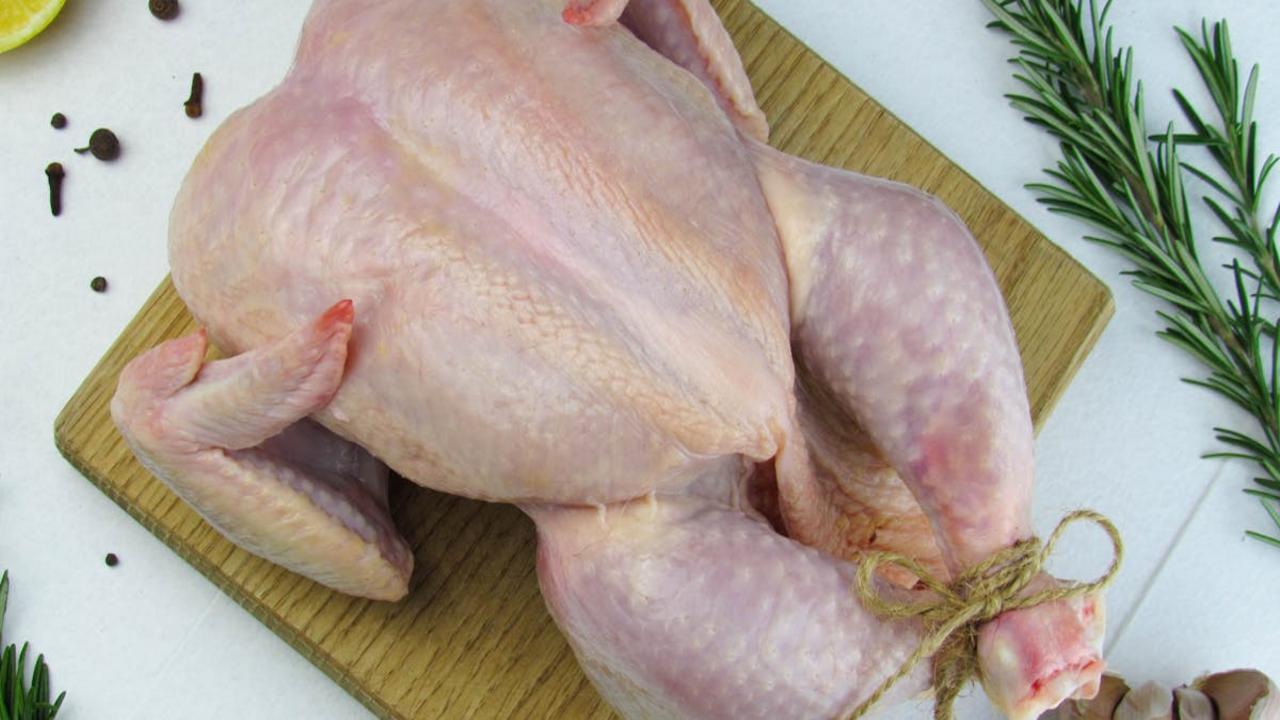
You know that moment when you’re trimming chicken and tossing half the bird into the trash? Your wallet weeps, and somewhere, a sustainability angel sheds a single tear. Nose to tail cooking means using every single part of an animal – from the obvious steaks down to the organs, bones, and even the fat. Before you wrinkle your nose (pun absolutely intended), consider this: your great-grandmother probably rolled her eyes at our wasteful ways. She turned pig’s feet into silky gelatin, chicken livers into rich pâtés, and beef bones into liquid gold broth that could cure both hunger and heartbreak. The French have been doing this forever with their charcuterie boards, and they somehow make kidney sound absolutely sophisticated.
Start small – you don’t need to dive headfirst into sweetbreads (though they’re surprisingly creamy and delicious). Save those chicken bones for stock that’ll make your ramen taste like it came from a fancy Tokyo joint. Try beef heart, which tastes remarkably like regular steak but costs half the price. Pork belly became trendy precisely because clever chefs realized fat equals flavor. Even something as simple as using duck fat for roasting potatoes will transform your side dish game forever. The secret? These “weird” parts often pack more flavor than the premium cuts we obsess over. Plus, you’ll feel like a resourceful cooking wizard who can transform scraps into gourmet magic.
Eat invasive species

You know what’s better than revenge? Eating your enemies. And I’m talking about invasive species that have crashed our ecosystems like uninvited party guests who refuse to leave. Asian carp are muscling out native fish in American waterways, but guess what? They make incredible fish cakes and have a delicate, flaky texture that puts tilapia to shame. Lionfish have been terrorizing Caribbean reefs since the 1990s, but these spiky troublemakers are absolutely delicious – think buttery white fish with a hint of sweetness that makes you forget they’re basically underwater bullies.
The best part about this revenge dining? You’re literally saving the planet one bite at a time. Japanese knotweed tastes like lemony rhubarb and makes killer jams, while purple sea urchins (which are demolishing kelp forests) offer up that creamy, oceanic richness that sushi lovers crave. Some restaurants now feature “invasivore” menus, and farmers markets sell garlic mustard that adds peppery punch to salads. Sure, you might get weird looks when you tell people you’re having Asian carp tacos for dinner, but you’ll be laughing all the way to your restored ecosystem. Plus, there’s something deeply satisfying about turning ecological villains into your personal happy hour appetizers.
Choose ugly produce
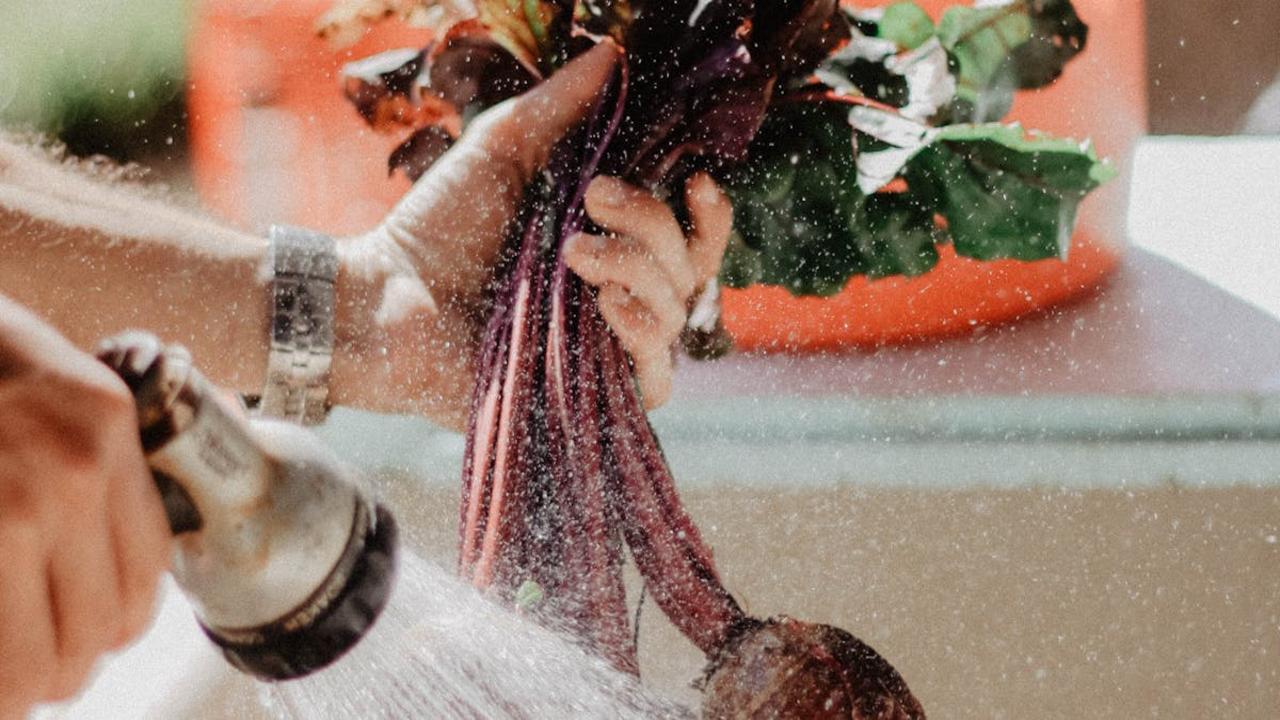
That wonky carrot with three legs? The apple sporting a natural beauty mark? These imperfect fruits and vegetables are the underdogs of the produce aisle, and they deserve your shopping cart love! Most grocery stores banish these perfectly edible specimens to the compost bin simply because they don’t look Instagram-ready. Here’s the kicker: ugly produce tastes identical to its photogenic cousins – sometimes even better, since farmers often focus on flavor over appearance when growing these varieties. You’re literally judging a book by its cover, except the book is a delicious tomato that happens to look like it went a few rounds in a boxing ring.
Hunting down ugly produce has become my personal mission, and many stores now offer “imperfect” sections at discounted prices. Companies like Imperfect Foods and Misfits Market deliver these beautiful disasters straight to your door, turning grocery shopping into a surprise box of wonky wonders. I once received a butternut squash that looked like a cartoon character having an existential crisis – it made the most incredible soup! By choosing these cosmetically challenged champions, you’re preventing perfectly good food from rotting in landfills while saving serious cash. Plus, your friends will be thoroughly entertained by your collection of vegetables that look like they belong in a modern art museum.
Forage local edible plants

Picture this: you’re walking through your neighborhood, and instead of admiring someone’s manicured lawn, you spot a patch of dandelions and think “dinner!” Wild foraging transforms ordinary walks into treasure hunts where weeds become gourmet ingredients. Those “pest” dandelions? Their leaves pack more vitamin A than spinach, and their flowers make surprisingly sweet fritters. Violets hiding in shady corners offer edible blooms that taste like mild lettuce with a floral finish. Even common plantain – that flat-leafed “weed” growing in sidewalk cracks – works as nature’s band-aid and adds a slightly bitter, earthy flavor to salads.
Before you start munching on mystery plants like some woodland fairy, download a reliable plant identification app and maybe take a foraging class from your local nature center. Trust me, confusing wild garlic with toxic lily-of-the-valley isn’t the kind of plot twist you want in your dinner story. Start with foolproof finds like purslane (a succulent weed that tastes lemony and crunchy), lamb’s quarters (basically wild spinach), or elderberries for jam-making adventures. Your grocery bill will thank you, your carbon footprint shrinks to practically nothing, and you’ll have the coolest party stories about finding dinner in your backyard. Plus, you’re literally eating the most local food possible – it doesn’t get more sustainable than plants growing outside your front door!
Ferment and preserve surplus produce
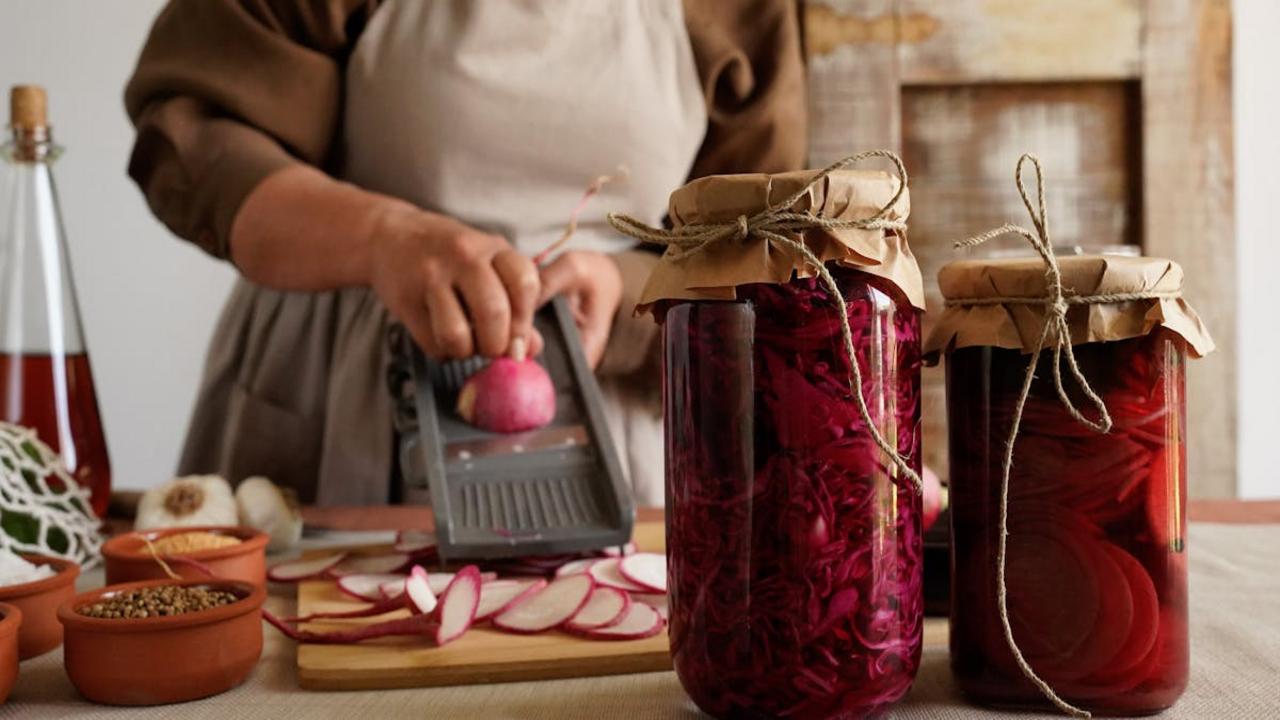
Your overflowing garden just gifted you seventeen zucchinis and a mountain of cucumbers? Time to channel your inner grandmother and turn that produce avalanche into pantry gold! Fermenting and preserving transforms your “oh-no-what-do-I-do-with-all-this” moments into “look-at-my-amazing-homemade-pickles” victories. I discovered this magic during my first apartment garden disaster—I mean, triumph—when my tomato plants decided to gift me forty pounds of fruit in one week. Instead of watching them turn into expensive compost, I learned the ancient arts of pickling, fermenting, and preserving. Your kitchen becomes a mad scientist laboratory, and you get to play with salt, time, and beneficial bacteria.
Fermentation turns ordinary vegetables into probiotic powerhouses that your gut will thank you for later. Sauerkraut, kimchi, fermented salsa, and pickled everything become your new best friends. The process requires minimal equipment—just jars, salt, and patience (though patience might be the hardest ingredient to source). You’ll discover that fermented foods develop complex, tangy flavors that make store-bought versions taste like sad, vinegary imposters. Plus, properly fermented foods last months in your fridge, meaning you can enjoy summer’s bounty well into winter’s bleakness. Your friends will think you’ve become some sort of preservation wizard, and honestly, you kind of have.
Grow food from kitchen leftovers
Your kitchen scraps are basically tiny green thumbs waiting for their moment to shine! That wilted celery bottom you’re about to toss? Pop it in a shallow dish of water, and within days you’ll watch new stalks sprout like magic. Same goes for green onions – those root ends will regenerate faster than your houseplants die (speaking from experience here). I once accidentally created a small forest of green onions on my windowsill because I kept forgetting to harvest them. My friends thought I’d become some sort of urban farming genius, but really I just had commitment issues with using scissors.
The beauty of this zero-waste wizardry extends beyond the basic herbs too. Potato eyes will happily grow into full plants in containers, giving you homegrown spuds that taste infinitely better than store-bought ones. Ginger root, garlic cloves, and even pineapple tops can transform your kitchen into a mini greenhouse. Sure, your pineapple might take two years to fruit (patience, grasshopper!), but imagine the bragging rights! Plus, you’ll save money while reducing food waste – a win-win that makes both your wallet and the planet do a little happy dance. Start small with herbs and work your way up to the more ambitious projects once you’ve proven you can keep something alive for more than a week.
Consider insects as protein

I know what you’re thinking – bugs for dinner? But hear me out! Cricket flour contains all nine essential amino acids and requires 2,000 times less water than beef to produce the same amount of protein. These tiny powerhouses pack more iron than spinach and more calcium than milk. Plus, they’re already on menus in over 80% of the world’s countries, so we’re actually the weird ones for not crunching on them yet. You can start small by mixing cricket flour into your usual protein smoothies or energy bars – it adds a subtle nutty flavor that’s surprisingly pleasant.
If whole insects make you squeamish, try chapuline (grasshopper) tacos next time you spot them on a Mexican restaurant menu, or order some cricket chips online for movie night. They taste like crunchy, savory popcorn with a hint of umami magic. One company even makes cricket pasta that looks completely normal but delivers twice the protein of regular noodles. Your dinner guests will never know they’re eating bugs unless you tell them – and trust me, the shocked faces when you reveal your secret ingredient are absolutely priceless. Mother Earth will thank you for choosing the most sustainable protein source on the planet.
Cook with scraps and peels
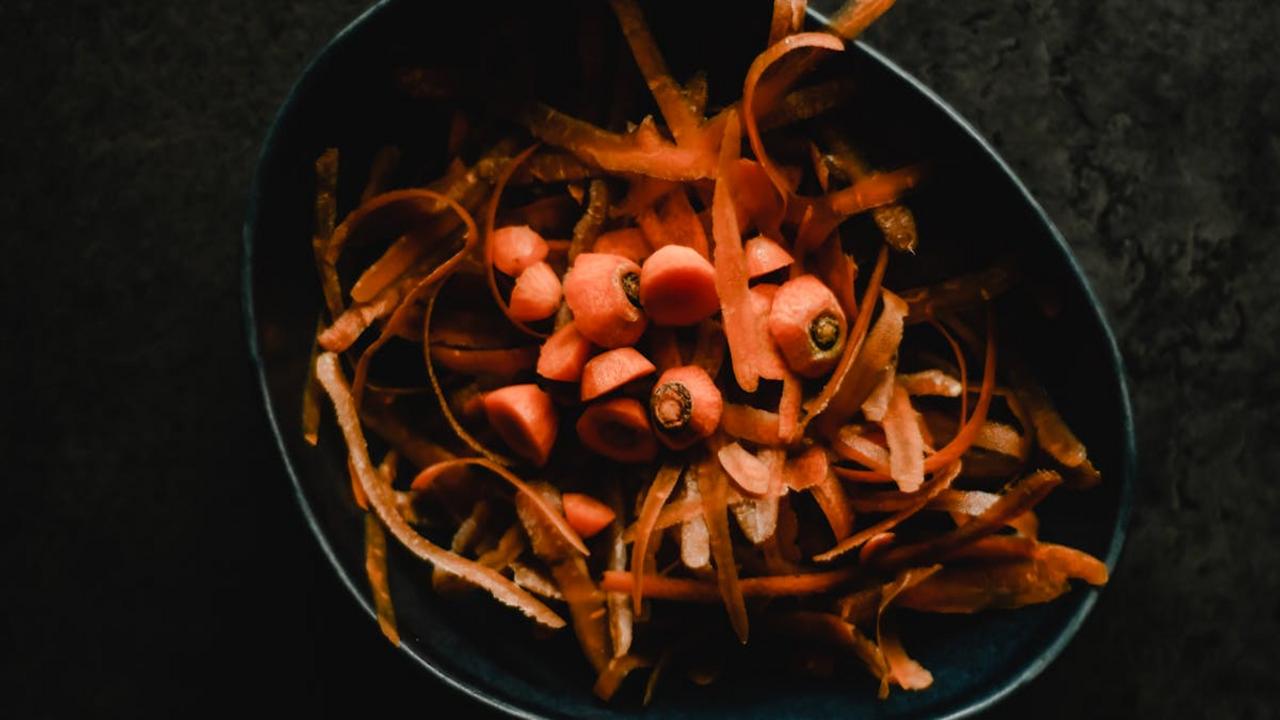
Your grandmother would roll her eyes at you tossing perfectly good potato peels into the trash – and honestly, she’d be right! Those “scraps” you’re throwing away contain more nutrients than you might expect, plus they pack serious flavor punch. Carrot tops taste like a cross between parsley and carrots themselves (shocking, I know), while beet greens deliver an earthy sweetness that makes regular spinach seem boring. Even your banana peels can transform into tender, pulled-pork-style magic when you slow-cook them with BBQ sauce – trust me on this one, it sounds weird but tastes incredible.
Start small by saving your onion skins, celery ends, and herb stems in a freezer bag – boom, instant vegetable stock base! Those crispy potato peels? Toss them with olive oil and salt, then roast until golden for the world’s easiest chips. Watermelon rinds pickle beautifully (they taste like cucumber’s sweeter cousin), and apple peels make fantastic tea when you steep them with cinnamon. The best part? You’re not just reducing waste – you’re discovering flavors hiding right under your nose. Your wallet will thank you, your taste buds will do a happy dance, and Mother Earth might even send you a thank-you card.