14 Retro Grocery Aisle Icons That Changed How We Eat
Remember those classic grocery products that totally transformed your kitchen routines? From quick morning fixes to dinnertime solutions, these 14 retro food icons didn’t just fill our pantries—they revolutionized how American families ate throughout the 20th century!
I’ve rounded up the most influential supermarket staples that created entirely new food categories and mealtime habits. These convenient innovations saved you precious time while introducing flavors that became household favorites across generations. Each product tells a story about American ingenuity and our evolving relationship with food.
Some of these grocery legends sparked initial skepticism (instant coffee, really?), but they quickly earned their permanent spots in our shopping carts. Whether you grew up with Pop-Tarts for breakfast or TV dinners on busy weeknights, these familiar packages hold more than just food—they contain the history of modern American eating habits.
Frozen Fish Sticks
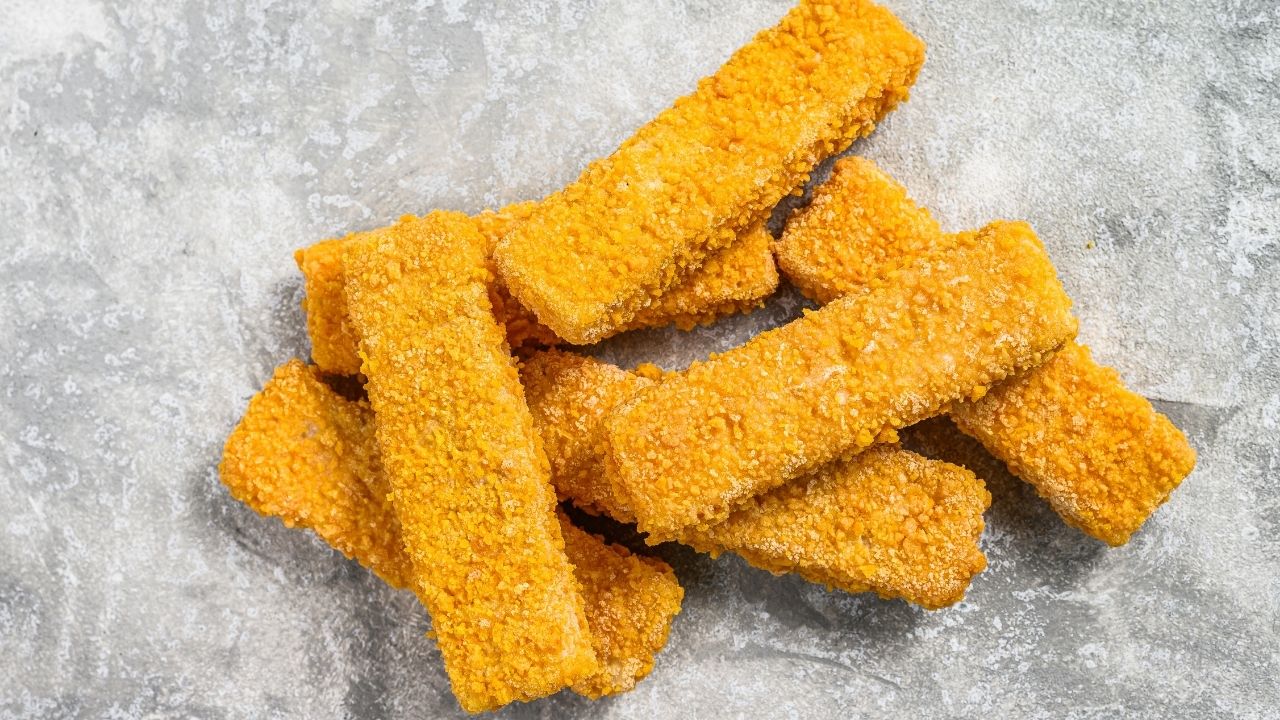
Remember those golden, crispy rectangles that transformed weeknight dinners across America? Frozen fish sticks became the superhero of busy parents everywhere when they hit grocery store freezers in the 1950s. These breaded beauties turned seafood from something intimidating into something fun and approachable for families. Suddenly, kids who turned their noses up at “real” fish were happily munching on these crunchy treats, often paired with a mountain of ketchup or tartar sauce.
What made fish sticks so revolutionary was how they democratized seafood eating in American households. Before their arrival, preparing fish required skill, timing, and often left your kitchen smelling like the ocean for days. Fish sticks changed all that by offering a foolproof way to get protein and omega-3s into your family’s diet without the fuss. You simply pulled them from the freezer, popped them in the oven, and fifteen minutes later, dinner was served. This convenience food didn’t just feed families – it created lasting food memories and introduced countless children to seafood in a way that felt safe and familiar.
Instant Noodles
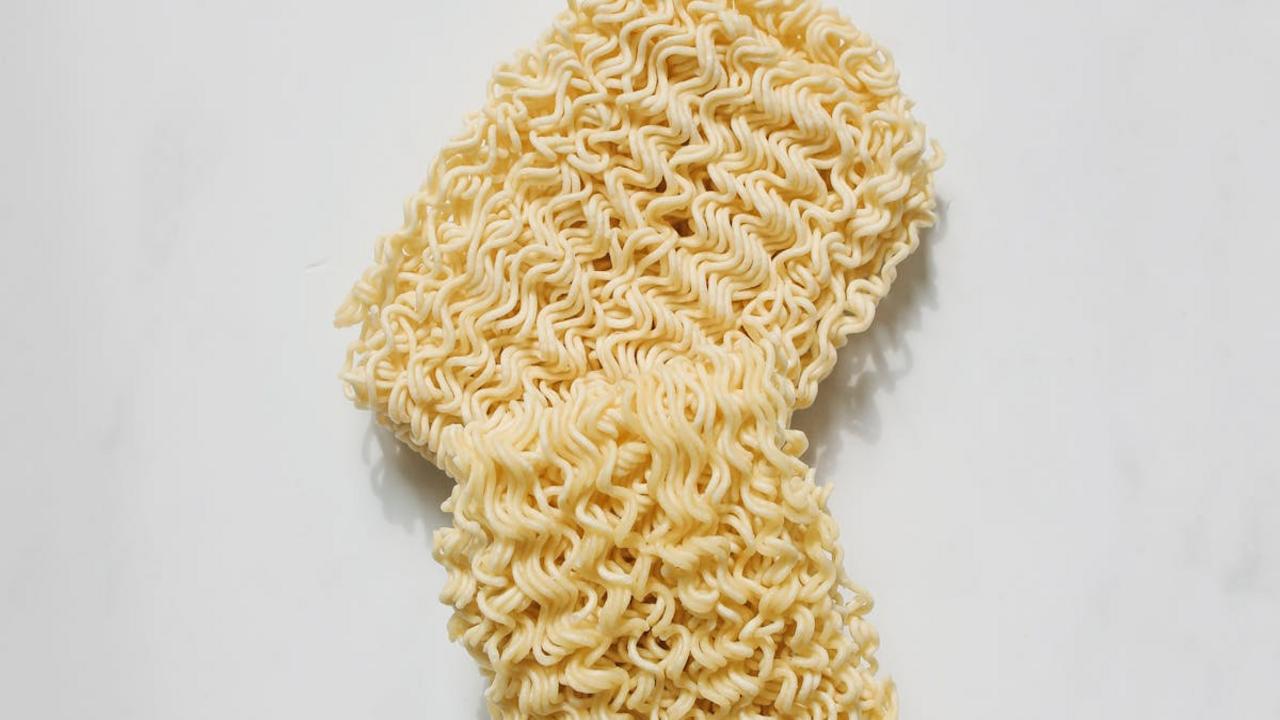
Instant noodles burst onto grocery store shelves in the 1970s and completely transformed how busy families approached quick meals. I remember my college days when these convenient packets became my saving grace during late-night study sessions and tight budgets. The genius behind instant noodles lies in their flash-frying process, which removes moisture while preserving flavor and texture. You simply add hot water, wait three minutes, and voilà – a steaming bowl of comfort food appears before your eyes.
While traditional instant noodles often get criticized for their high sodium content and artificial additives, today’s market offers incredible healthy alternatives that maintain that same satisfying convenience. You can find whole grain varieties, reduced-sodium options, and even veggie-packed versions that sneak extra nutrition into your bowl. I love upgrading my instant noodles by tossing in fresh vegetables, a soft-boiled egg, or leftover rotisserie chicken to create a more balanced meal. These simple additions transform a basic packet into a nourishing dinner that takes less than ten minutes to prepare – perfect for those hectic weeknight moments when you need something quick but satisfying.
Pop Tarts
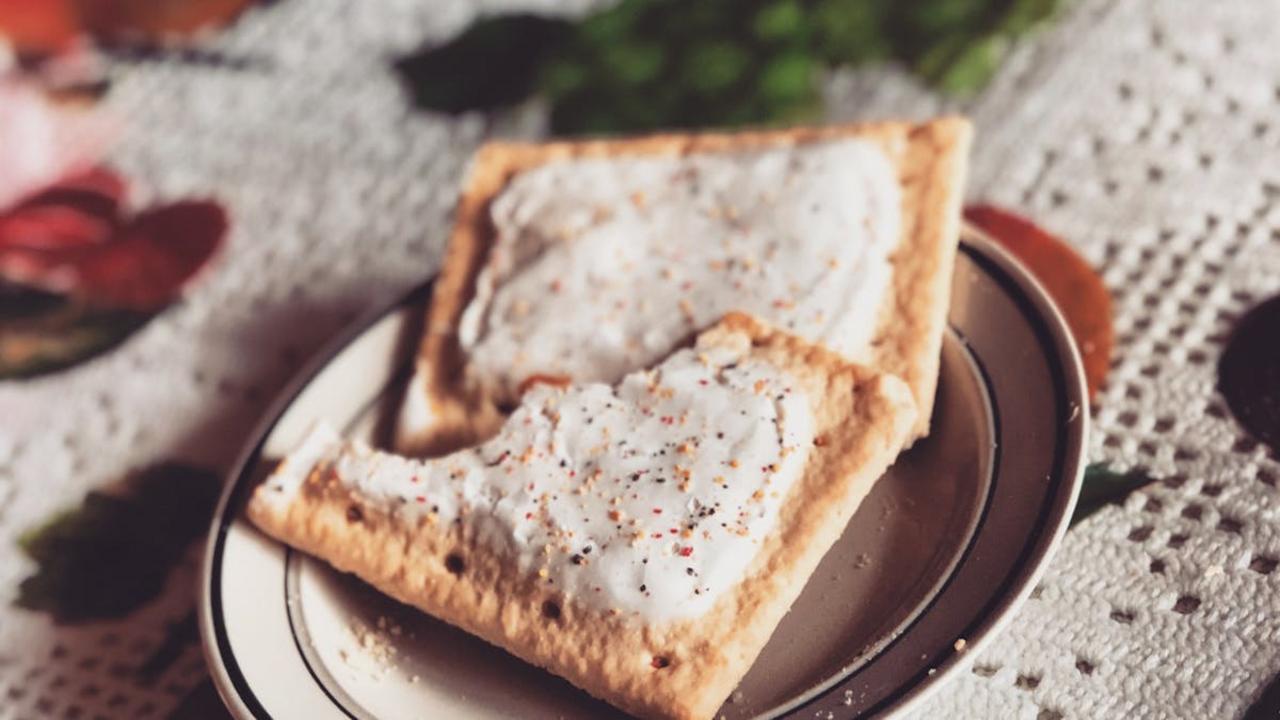
Pop-Tarts burst onto grocery store shelves in 1964 and completely transformed how families thought about breakfast. Kellogg’s brilliant creation gave busy parents a quick solution that kids actually wanted to eat – no mixing, no mess, just straight from the package or a quick trip through the toaster. The original flavors like strawberry and brown sugar cinnamon became instant classics, turning morning routines into something exciting rather than rushed. What started as a simple convenience food quickly became a cultural phenomenon that made breakfast feel more like dessert.
While I absolutely love promoting wholesome, homemade breakfasts, I can’t ignore how Pop-Tarts changed our relationship with morning meals forever. They introduced an entire generation to the concept of grab-and-go breakfast, paving the way for countless portable morning options we see today. The colorful packaging and sweet fillings made breakfast feel fun and accessible to kids, even if the nutritional profile wasn’t ideal. Today’s parents can take inspiration from Pop-Tarts’ convenience factor while creating healthier versions at home – think homemade pastries filled with real fruit preserves and whole grain crusts that capture that same excitement without all the processed ingredients.
Velveeta Cheese
You know that golden, silky smooth cheese that melts like a dream? Velveeta has been the secret weapon in American kitchens since 1928, transforming simple ingredients into comfort food magic. This processed cheese product revolutionized how families approached weeknight dinners and party appetizers. Unlike traditional cheese that can become stringy or grainy when melted, Velveeta maintains its creamy consistency every single time, making it the go-to choice for mac and cheese, queso dips, and grilled cheese sandwiches that actually hold together.
While nutrition-conscious cooks today might reach for natural cheese alternatives, Velveeta taught generations of home cooks that melting cheese didn’t have to be tricky or unpredictable. Its consistent texture and mild flavor made it approachable for kids and adults alike, creating countless family memories around bubbling casseroles and gooey comfort foods. Sure, we’ve learned more about whole food nutrition since then, but you can still create satisfying meals by mixing Velveeta with fresh vegetables, lean proteins, or whole grain pasta. Sometimes that nostalgic, perfectly melted cheese experience is exactly what your soul needs on a cozy evening at home.
Cool Whip

Cool Whip burst onto grocery store shelves in 1967 and completely transformed how families thought about dessert toppings. This fluffy, non-dairy whipped topping became an instant kitchen staple because it offered something fresh cream couldn’t – convenience and shelf stability. You could keep it in your freezer for months, thaw it when needed, and create beautiful dollops that held their shape perfectly on pies, hot chocolate, and fruit salads. The genius behind Cool Whip was its ability to deliver that creamy, sweet satisfaction without the fuss of whipping heavy cream or worrying about it deflating.
What made Cool Whip truly revolutionary was how it changed dessert-making for busy families. Suddenly, you could create impressive-looking desserts with minimal effort – think classic strawberry shortcake, chocolate pie with towering peaks, or that beloved Jell-O parfait your grandmother used to make. The product’s consistent texture and sweetness level meant your desserts turned out perfectly every time. While we’ve learned more about whole food ingredients since then, Cool Whip’s impact on American dessert culture remains undeniable. It democratized fancy-looking desserts and gave home cooks the confidence to create beautiful treats that brought families together around the dinner table.
Cake Mix
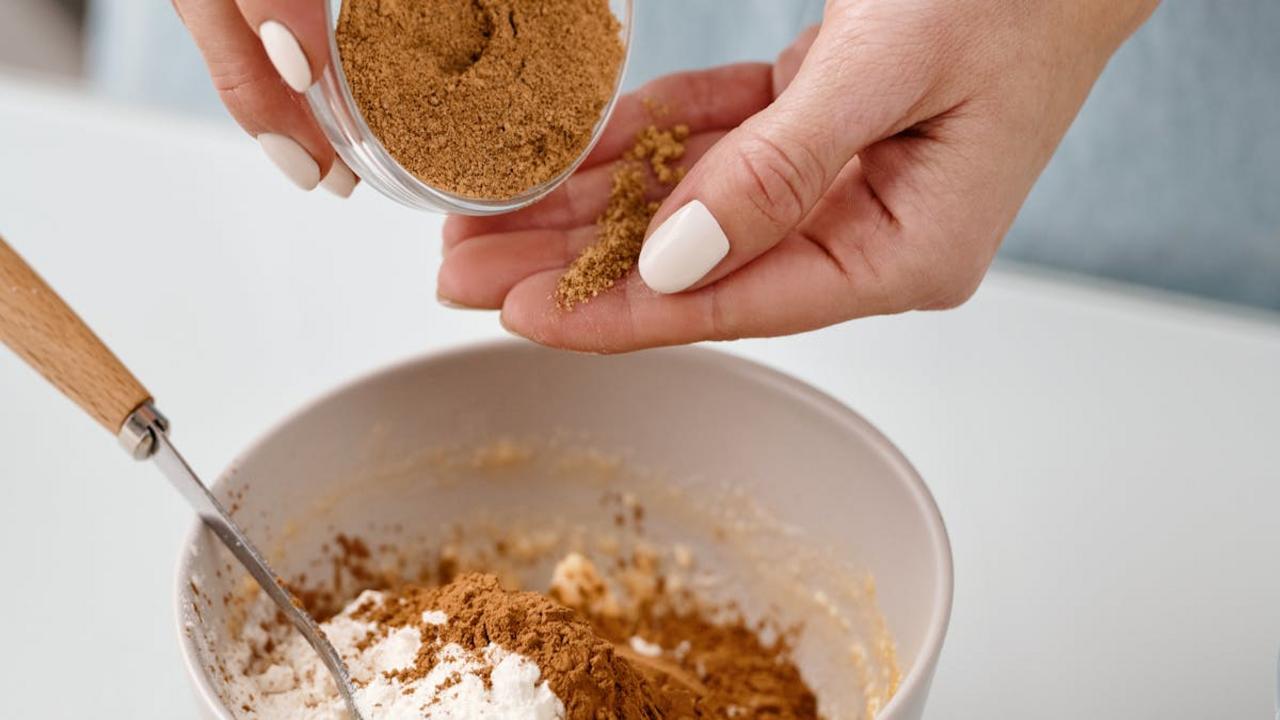
Picture this: it’s 1947, and General Mills just dropped a kitchen revolution in a box. Betty Crocker’s cake mix promised home bakers they could whip up a perfect cake without measuring flour or cracking eggs separately. This wasn’t just convenience – it was pure magic for busy families who wanted homemade desserts without the fuss. The original mix required only water, but clever marketing minds soon realized people wanted to feel more involved in the baking process, so they added back the eggs and oil requirements.
What started as a simple shortcut transformed how we think about baking forever. Cake mix became the gateway drug for countless home bakers, giving them confidence to experiment with flavors and decorating techniques. You can jazz up basic vanilla with fresh berries, swirl in cream cheese for richness, or add a handful of mini chocolate chips for extra indulgence. While I always encourage baking from scratch when you have time, there’s absolutely nothing wrong with reaching for that familiar box when life gets hectic. Modern cake mixes have actually improved dramatically, with many brands now offering organic options and cleaner ingredient lists that make them a perfectly respectable pantry staple.
Wonder Bread
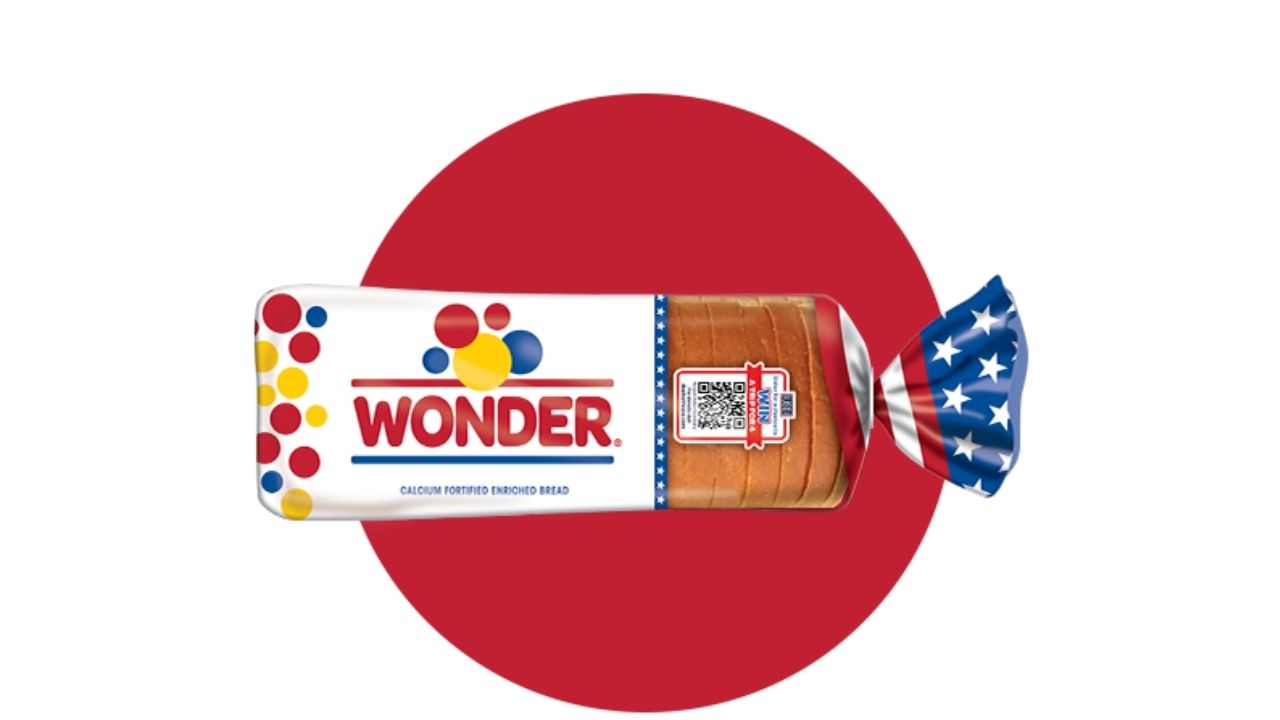
You know that soft, pillowy white bread that practically defined American sandwiches for decades? Wonder Bread revolutionized how families approached mealtime when it hit shelves in 1921. This iconic loaf became the go-to choice for busy parents who needed reliable, long-lasting bread that kids would actually eat. The company’s genius marketing convinced generations that this enriched white bread was the foundation of a healthy diet, and honestly, it worked like magic. Wonder Bread’s uniform slices and extended shelf life made it a kitchen staple that could handle everything from peanut butter and jelly to grilled cheese adventures.
What really changed our eating habits was how Wonder Bread normalized processed convenience foods in American households. Before this mass-produced marvel, families often baked their own bread or visited local bakeries daily. Wonder Bread shifted us toward a culture where convenience trumped tradition, paving the way for countless other packaged foods. Sure, we’ve learned a lot about whole grains and nutrition since then, but you can’t deny this bread’s impact on busy family life. It taught us that sometimes simple solutions work best, even if we’ve since discovered more wholesome alternatives that better fuel our bodies and satisfy our hunger.
Kraft Mac and Cheese
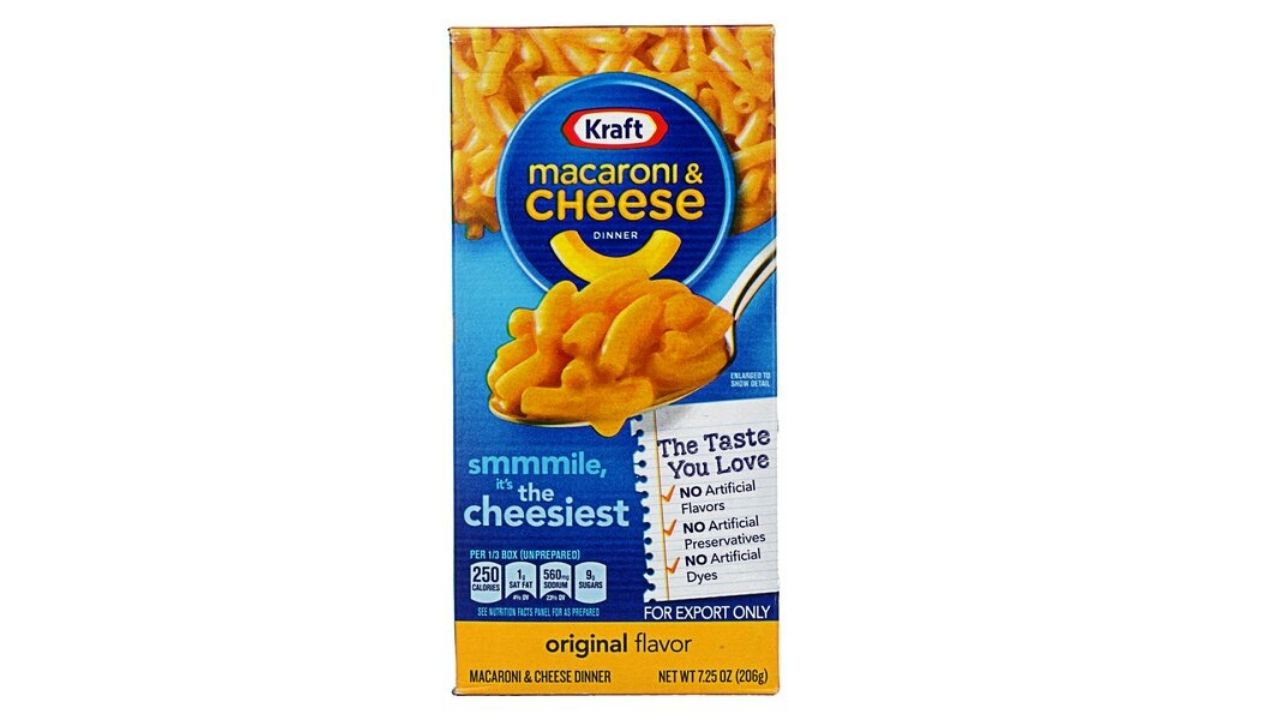
When Kraft introduced their boxed macaroni and cheese in 1937, they created something that would become the ultimate comfort food for generations of Americans. That bright orange powder mixed with butter and milk transformed simple elbow macaroni into a creamy, indulgent dish that satisfied both kids and adults. During World War II, this affordable meal became a household staple when rationing made fresh ingredients scarce, and families discovered they could feed four people for just 19 cents.
What makes Kraft Mac and Cheese so special isn’t just its convenience – it’s the nostalgia factor that keeps us coming back. You can elevate this childhood favorite by adding roasted vegetables, lean proteins like grilled chicken, or even a handful of spinach for extra nutrients. Try mixing in some Greek yogurt instead of butter for added protein, or sprinkle in some herbs from your garden. The beauty of this pantry staple lies in its versatility – it serves as a blank canvas for whatever healthy additions you want to include, making it possible to create a more balanced meal while still enjoying that familiar, comforting flavor we all remember.
Frozen Orange Juice

Remember those little cylindrical cans of frozen orange juice concentrate that practically ruled breakfast tables across America? You’d pop open that metal lid, dump the frozen slush into a pitcher, add three cans of cold water, and stir until magic happened. This wasn’t just convenience – it was a revolution that made vitamin C accessible year-round, even when fresh oranges were expensive or out of season. Minute Maid pioneered this frozen concentrate in 1946, and suddenly every family could afford fresh-tasting orange juice without the hassle of squeezing dozens of oranges.
What made frozen concentrate so brilliant was how it transformed our morning routines and nutrition habits. You could store these compact cans in your freezer for months, always ready to whip up a pitcher of juice that tasted surprisingly fresh. The process concentrated all those bright citrus flavors while removing water weight, making shipping cheaper and storage easier. While fresh-squeezed juice has made a comeback, frozen concentrate taught us that healthy choices could be both convenient and budget-friendly. It proved that sometimes the simplest innovations – like freezing juice and adding water back – can completely change how families eat and drink together.
Tang

You probably remember Tang from those iconic orange packets that promised astronaut-approved refreshment right in your kitchen! This powdered orange drink mix became a household staple in the 1960s after NASA selected it for space missions, giving Tang an instant credibility boost that no other beverage could match. What started as a convenient way to get vitamin C became a symbol of space-age living, making every glass feel like you were part of the cosmic adventure.
Tang changed how families thought about drinks by proving that convenience didn’t have to mean sacrificing nutrition entirely. While it wasn’t exactly a health drink by today’s standards, Tang did pack vitamin C and made hydration more appealing for kids who turned their noses up at plain water. The bright orange powder mixed into countless childhood memories, from lunch boxes to camping trips, showing us that sometimes the most memorable foods come from the most unexpected places. Today, you can still find Tang on grocery shelves, reminding us of a time when space exploration captured our imaginations and influenced what we put on our tables.
Spam
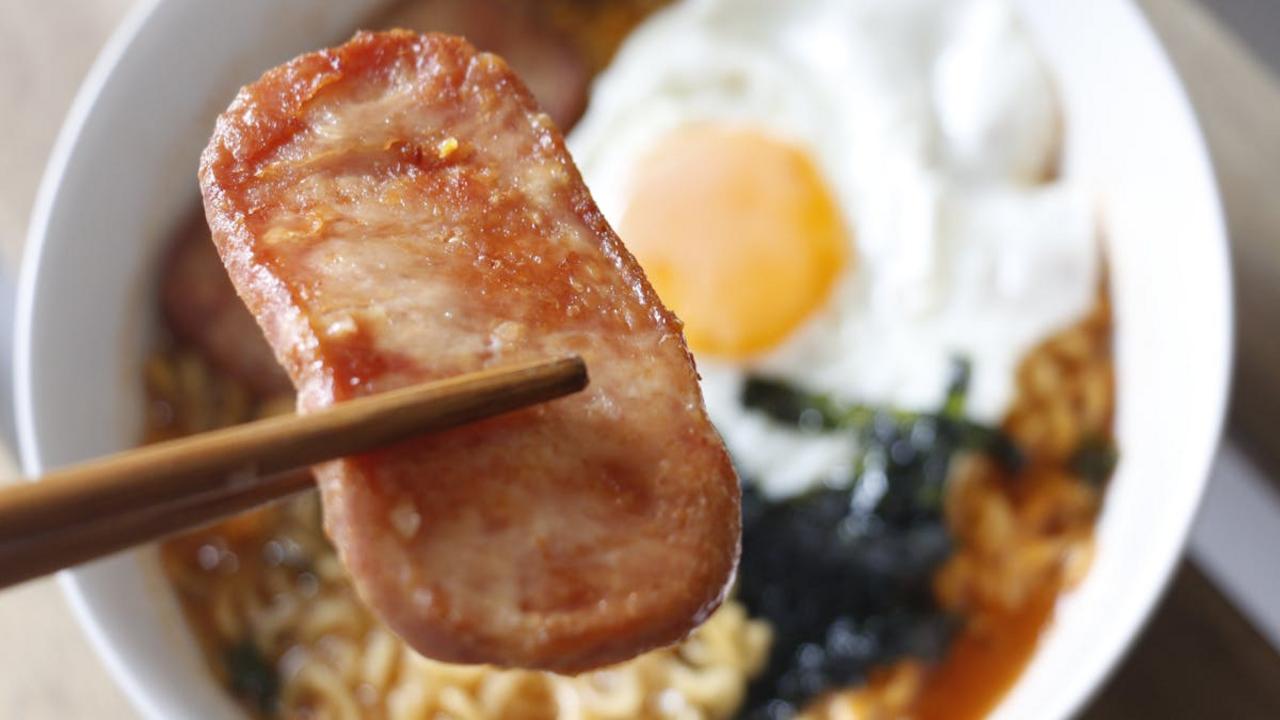
You know that distinctive blue and yellow can sitting proudly on grocery shelves since 1937? That’s Spam, and it completely transformed how we think about convenient protein. This canned meat became a household staple during World War II, feeding soldiers and families when fresh meat was scarce. What started as a wartime necessity quickly became a comfort food phenomenon that crossed cultural boundaries and found its way into kitchens worldwide.
Today, Spam has evolved far beyond its humble beginnings as emergency rations. From Hawaiian musubi to Korean budae jjigae, this versatile protein has become a celebrated ingredient in countless global dishes. You can slice it, dice it, fry it until crispy, or add it to fried rice for that perfect salty punch. While it might not win any health food awards, Spam taught us that convenience doesn’t have to mean boring. It showed generations of home cooks that pantry staples could be transformed into satisfying meals with just a little creativity and an open mind.
Jello

When Jell-O first wiggled into American homes back in 1897, nobody could have predicted how this simple gelatin dessert would transform our relationship with food. You know that satisfying moment when you watch colorful gelatin set in the fridge? That magic began with Pearl Wait, who created the first flavored gelatin mix in his cough syrup factory. What started as a kitchen experiment became a phenomenon that taught generations of home cooks that dessert could be both easy and impressive. Jell-O didn’t just give us a sweet treat – it gave us confidence in the kitchen and showed us that creating something beautiful for our families could happen with just boiling water and a little patience.
The real genius of Jell-O lies in how it changed our approach to entertaining and family meals. Suddenly, every home cook could create stunning molded salads, layered parfaits, and show-stopping desserts without spending hours in the kitchen. You’ve probably seen those vintage Jell-O cookbook photos with their rainbow layers and suspended fruit – that was revolutionary home cooking for its time! Even today, when we want to add a playful touch to our meals or create something special for the kids, Jell-O remains our go-to ingredient. It taught us that cooking doesn’t always have to be complicated to bring joy to our tables, and sometimes the simplest ingredients create the most memorable moments with our loved ones.
TV Dinners
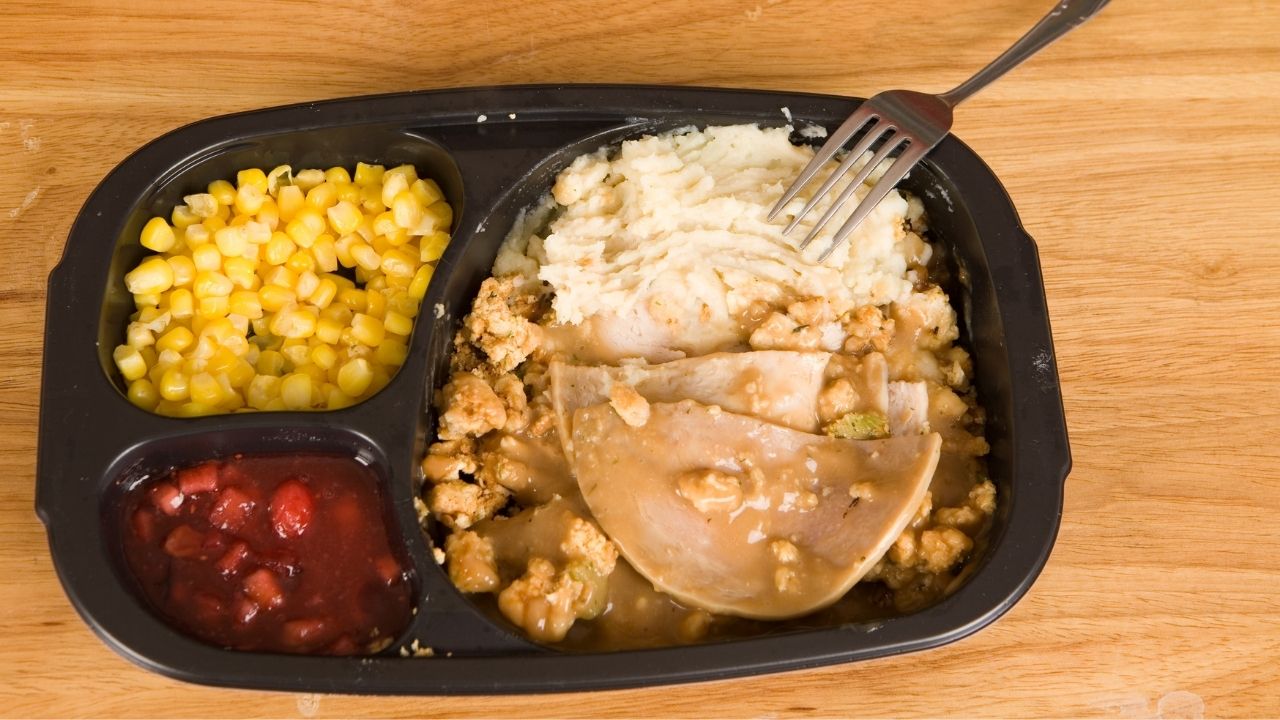
TV dinners completely transformed how American families approached weeknight meals in the 1950s and beyond. Swanson’s aluminum tray creations brought restaurant-style convenience right into your home freezer, making it possible to serve a complete meal – protein, vegetables, and starch – with just 25 minutes in the oven. You could finally enjoy turkey with stuffing, fried chicken with mashed potatoes, or Salisbury steak with green beans without spending hours in the kitchen. These portioned meals became the perfect solution for busy parents juggling work schedules and hungry kids who needed dinner fast.
While modern nutrition knowledge has us reaching for fresher options, TV dinners deserve credit for pioneering the concept of balanced, portion-controlled meals that we see in today’s healthy frozen food market. They introduced millions of families to international flavors and cooking techniques they might never have tried otherwise. Sure, the sodium levels were sky-high and the vegetables often resembled colorful mush, but these frozen meals taught us that dinner doesn’t have to be complicated to be satisfying. Today’s frozen meal innovations – with organic ingredients, globally-inspired flavors, and better nutritional profiles – trace their DNA directly back to those iconic aluminum compartments that made dinnertime simpler for generations of home cooks.
Instant Coffee
Picture this: you’re rushing to catch the morning train, but you desperately need your caffeine fix. Enter instant coffee, the brilliant solution that transformed busy mornings forever! This powdered miracle first gained serious traction during World War II when soldiers needed their coffee boost without the luxury of brewing equipment. What started as a military necessity quickly became a household staple, making coffee accessible to everyone regardless of time constraints or brewing skills. You simply add hot water, stir, and voilà – coffee in seconds!
While coffee purists might turn their noses up at the instant version, this pantry hero deserves serious credit for democratizing coffee culture. Brands like Folgers and Maxwell House made morning rituals possible for families across America, creating that comforting routine we all know and love. Plus, instant coffee proved surprisingly versatile in the kitchen – you can whip up mocha desserts, coffee-rubbed meats, and energizing smoothies with just a spoonful. Sure, specialty coffee shops have raised our standards, but instant coffee remains the reliable friend who’s always there when you need a quick pick-me-up without any fuss or fancy equipment.