12 Edible Plants Celebrated in Indigenous Cuisines You Can Cook With Today
Indigenous communities across North America have cultivated incredible knowledge about edible plants for thousands of years. These traditional foods offer amazing nutritional benefits and unique flavors that can transform your modern kitchen. From wild rice that adds nutty richness to soups, to dandelion greens that pack vitamins into salads, these plants connect us to sustainable eating practices.
You don’t need to forage in remote locations to enjoy these ingredients. Many grow naturally in backyards or you can find them at farmers markets and specialty stores. Each plant tells a story of resourcefulness and deep understanding of nature’s bounty.
Today’s home cooks can honor these traditions while creating delicious, healthy meals. Whether you’re stirring maple syrup into oatmeal or roasting acorns for flour, these ingredients bring both history and nutrition to your table with every bite you take.
Squash
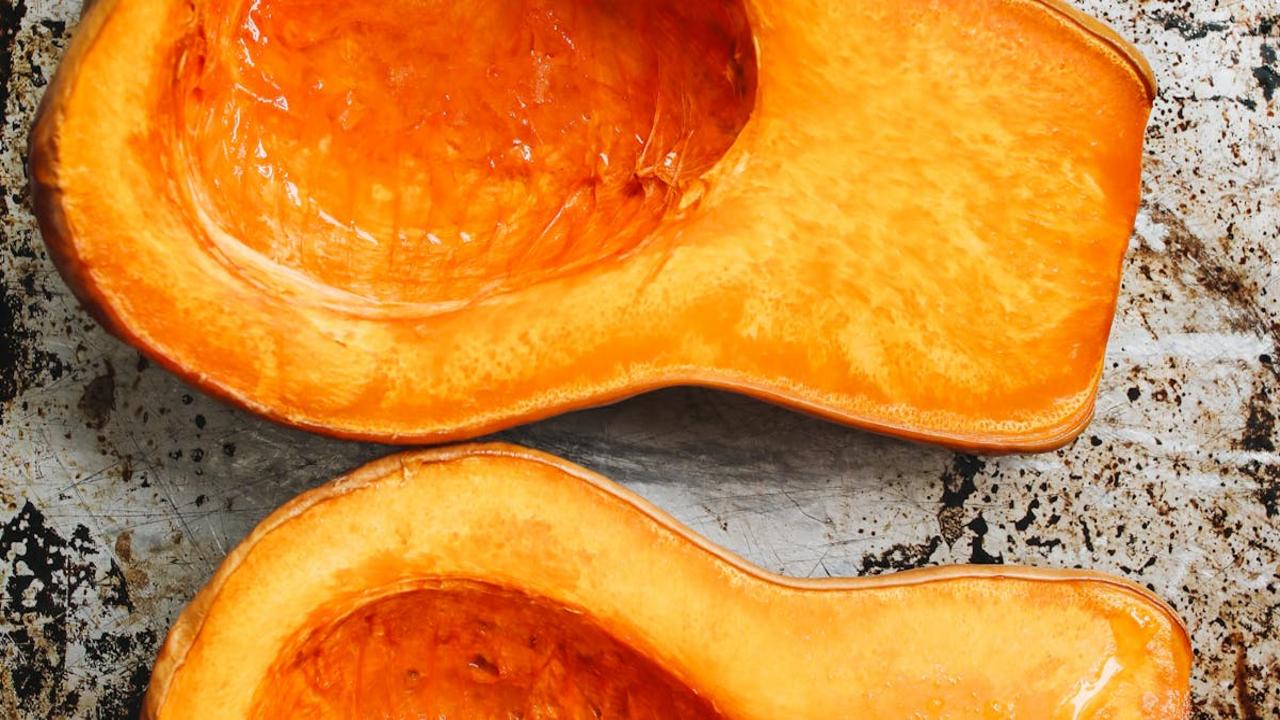
Squash holds a sacred place in Indigenous cooking traditions across North and South America, where it forms part of the legendary “Three Sisters” alongside corn and beans. Native communities have cultivated winter squash varieties like butternut, acorn, and hubbard for thousands of years, developing techniques to store them through harsh winters. You can roast the flesh for soups and stews, toast the seeds for protein-rich snacks, and even use the blossoms in salads or stuffed preparations. The versatility of squash makes it perfect for both sweet and savory dishes that will warm your kitchen with incredible aromas.
What makes squash truly special is how every part serves a purpose in traditional Indigenous cooking – nothing goes to waste! The shells become natural serving bowls, while the flesh transforms into everything from hearty winter soups to sweet puddings flavored with maple syrup or honey. Try roasting cubes of butternut squash with sage and a drizzle of olive oil for a simple side dish, or blend cooked squash into pancake batter for a nutritious breakfast twist. Indigenous cooks often combine squash with wild rice, creating filling one-pot meals that showcase the ingredient’s natural sweetness and creamy texture when properly prepared.
Corn
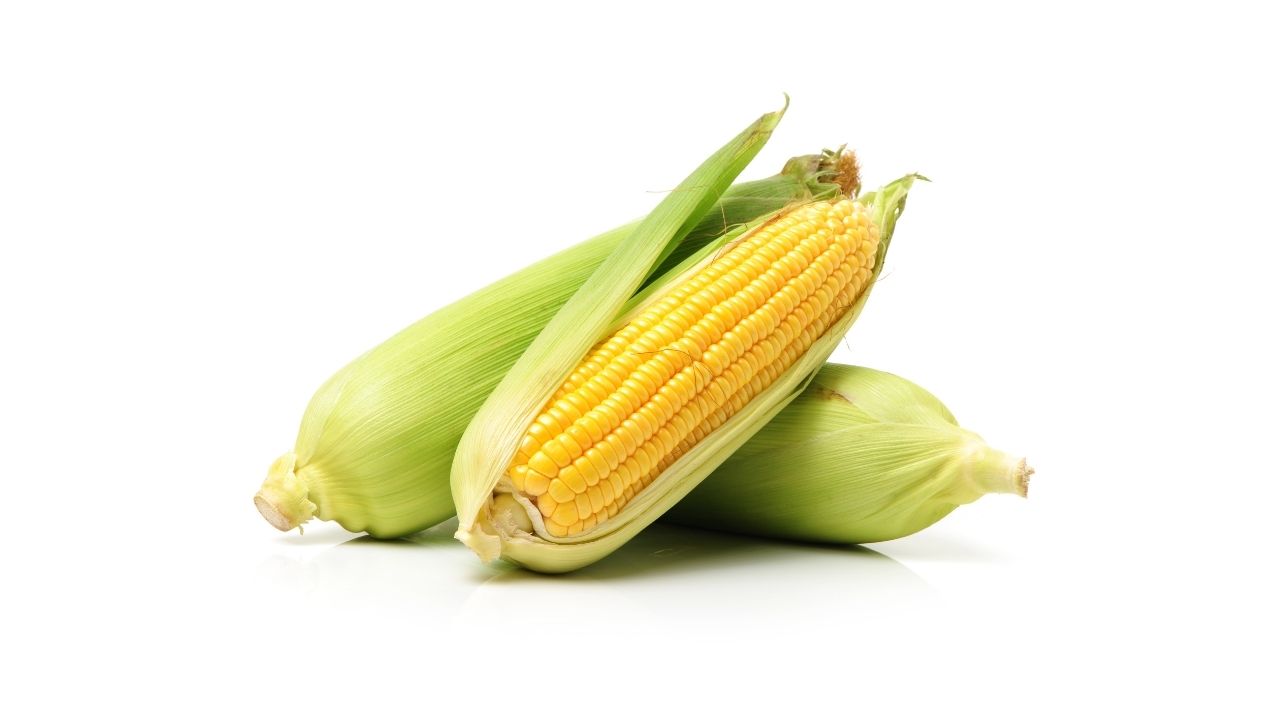
Corn holds a sacred place in Indigenous food traditions across the Americas, where it’s been cultivated for thousands of years and remains one of the three sisters alongside beans and squash. Native communities developed countless varieties, from sweet white corn to deep purple flint corn, each with unique flavors and cooking properties. You can find heritage corn varieties at farmers markets or specialty stores, and they offer so much more complexity than standard grocery store corn. Try grinding dried corn into fresh cornmeal for authentic polenta, or use whole kernels in hearty stews and soups where they add natural sweetness and satisfying texture.
What I love most about cooking with corn is how versatile it becomes in your kitchen! You can roast fresh ears directly over an open flame for that smoky char, blend kernels into creamy corn chowder, or dry and grind them into flour for making traditional flatbreads. Indigenous communities often prepare corn as hominy by treating it with lime water, which creates those wonderfully chewy kernels perfect for pozole. Don’t forget about corn silk either – many Native traditions use it as a gentle tea that’s naturally caffeine-free. Whether you’re making simple cornbread or trying your hand at tamales, this ancient grain connects you to thousands of years of Indigenous food wisdom.
Sunflowers
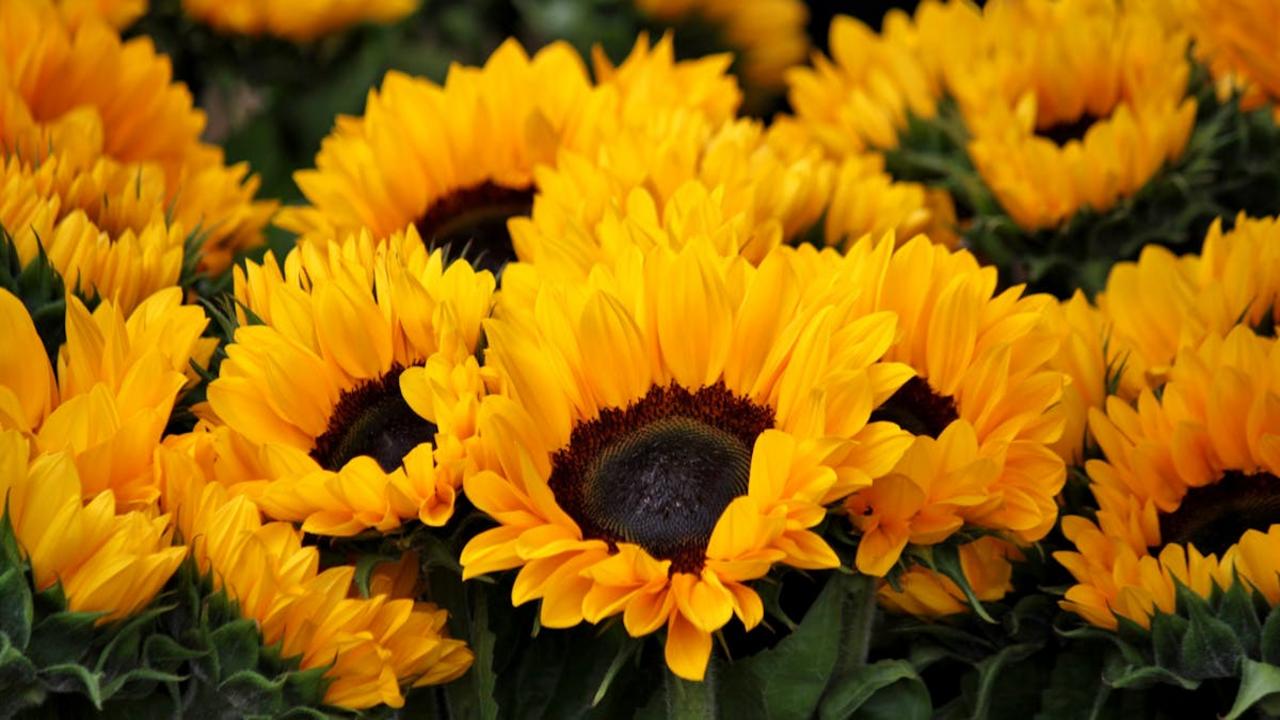
You know those gorgeous yellow giants that turn their faces toward the sun? They’re not just Instagram-worthy garden stars – sunflowers have been feeding Indigenous communities across North America for thousands of years! Native American tribes like the Hopi and Cherokee have long treasured every part of this magnificent plant, from the protein-packed seeds to the sturdy stalks. The seeds alone contain impressive amounts of vitamin E, healthy fats, and magnesium, making them nutritional powerhouses that sustained entire communities through harsh winters.
Today, you can bring this ancient wisdom straight into your modern kitchen! Roast raw sunflower seeds with a sprinkle of sea salt for a crunchy snack that beats any processed alternative. Toss them into your morning granola, blend them into homemade nut butter, or grind them into flour for gluten-free baking adventures. The petals make beautiful, peppery additions to salads, while the stalks can be peeled and cooked like vegetables. I love how versatile these sunny treasures are – they add both nutrition and history to every meal you create!
Wild Potatoes
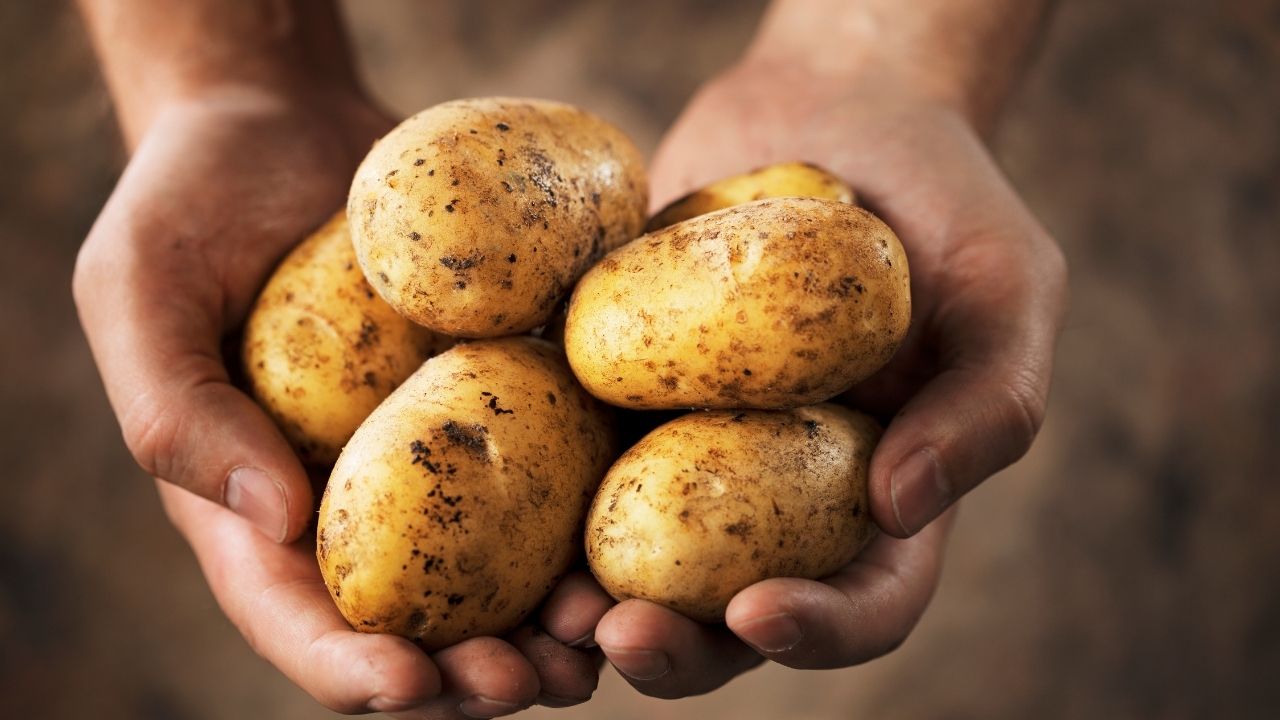
Wild potatoes have been feeding Indigenous communities across the Americas for thousands of years, long before European settlers introduced the common potato varieties we know today. These hardy tubers grow naturally in mountainous regions and offer incredible diversity in flavor, texture, and nutritional value. You can find wild potato varieties like the purple-skinned papa criolla from South America or the small, intensely flavored groundnuts native to North America. Many Indigenous groups developed sophisticated cultivation and storage techniques that maximized these plants’ potential, creating food security systems that lasted through harsh seasons.
Today, you can experiment with wild potato varieties through specialty seed companies or farmers’ markets that focus on heirloom crops. These tubers often pack more antioxidants and unique flavors than standard supermarket potatoes. Try roasting small wild potatoes whole with herbs, or mash the colorful varieties for visually stunning side dishes. The smaller wild types work beautifully in soups and stews, where their concentrated flavors really shine. If you’re growing your own, remember that wild potatoes often prefer well-drained soil and cooler temperatures, making them perfect for fall harvests in many regions.
Pine Trees
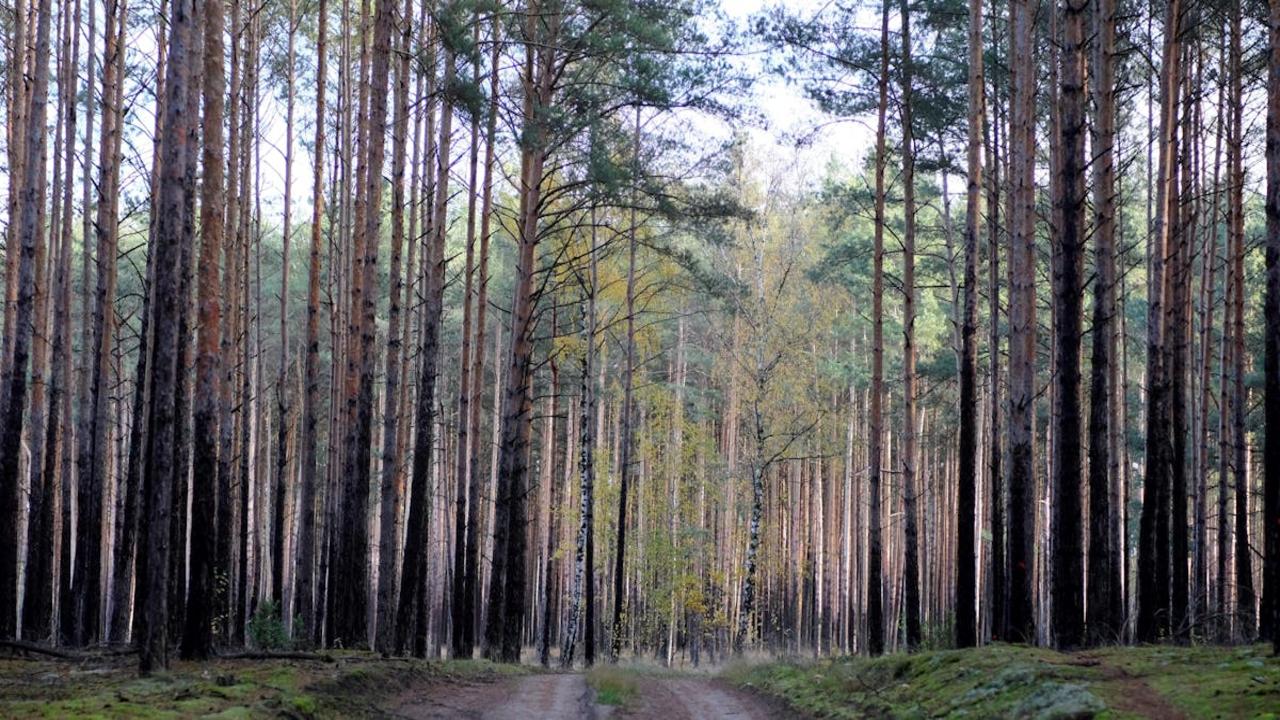
Pine trees offer more than scenic beauty – their needles, inner bark, and nuts provide incredible flavors that Indigenous communities have treasured for centuries. Native American tribes across North America have long gathered pine needles to brew vitamin C-rich teas, especially during harsh winters when fresh produce was scarce. The inner bark, called cambium, was dried and ground into flour for bread-making, while pine nuts became a protein-packed snack perfect for long hunting trips.
You can easily bring these ancient flavors into your modern kitchen! Pine needle tea tastes surprisingly citrusy and fresh – just steep a handful of clean needles in hot water for 5-10 minutes. Make sure you’re using pine, fir, or spruce needles (avoid yew, which is toxic). Pine nuts work beautifully in salads, pasta dishes, or homemade pesto. If you’re feeling adventurous, try foraging pine needles yourself, or find them at specialty stores. This connection to traditional Indigenous foodways adds both nutrition and history to your meals.
Berries
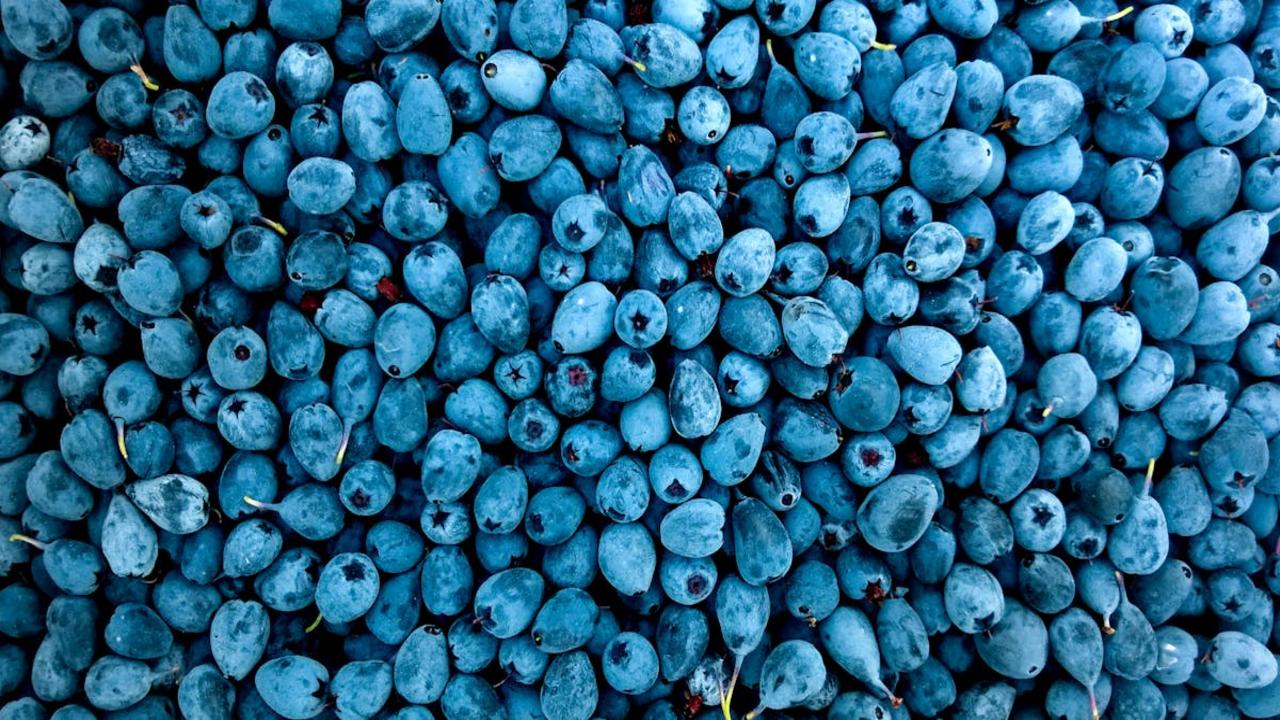
Wild berries have been nature’s candy for Indigenous communities across North America for thousands of years, and now you can bring these incredible flavors into your modern kitchen! From tart elderberries and sweet huckleberries to antioxidant-packed serviceberries and vibrant red sumac berries, these natural gems offer so much more than your typical grocery store options. Many of these berries grow wild in different regions, but you can often find them at farmers markets, specialty stores, or even forage them yourself with proper guidance. Each variety brings its own unique flavor profile and nutritional punch that’ll make your taste buds dance with joy.
What I love most about cooking with Indigenous berries is how versatile they are in both sweet and savory dishes. Try making a traditional pemmican with dried serviceberries, or whip up a modern twist by adding elderberries to your morning pancakes or yogurt bowls. Sumac berries create a tangy, lemony seasoning that’s perfect for sprinkling over roasted vegetables or mixing into salad dressings. You can also make stunning jams, sauces, and even fermented beverages that celebrate these time-honored ingredients. The best part? These berries are absolutely loaded with vitamins, minerals, and antioxidants that’ll nourish your body while satisfying your sweet tooth naturally.
Maple Trees
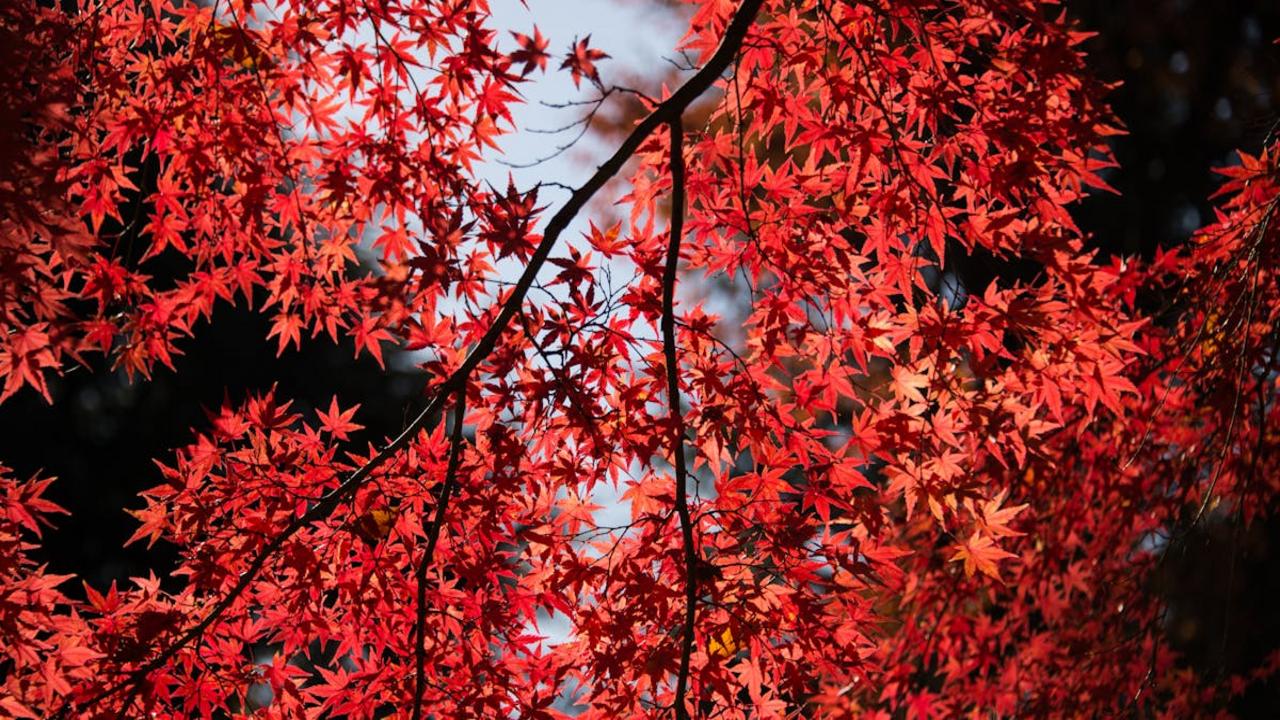
Maple trees have provided sweet sustenance to Indigenous communities across North America for centuries, particularly the Ojibwe, Haudenosaunee, and other woodland tribes who developed sophisticated techniques for collecting and processing maple sap. You can tap into this ancient wisdom right in your own backyard if you have access to sugar maples, red maples, or even box elder trees. The process involves drilling small holes into the trunk during late winter or early spring when temperatures fluctuate between freezing nights and warmer days. Insert spouts called taps, hang collection buckets, and watch the clear, slightly sweet sap flow out. This liquid gold contains minerals and trace nutrients that make it more than just a sweetener.
Beyond the famous syrup, you can use fresh maple sap as a cooking liquid for rice, oatmeal, or even coffee – it adds a subtle sweetness and mineral complexity that water simply cannot provide. Try boiling down the sap yourself to create your own maple syrup, though be patient since it takes roughly 40 gallons of sap to make just one gallon of syrup. You can also experiment with maple sugar by continuing to cook the syrup until it crystallizes, creating granules perfect for baking or seasoning roasted vegetables. Many Indigenous cooks traditionally combined maple products with wild rice, game meats, and seasonal vegetables, creating balanced meals that celebrated the tree’s generous gift throughout the year.
Wild Onions
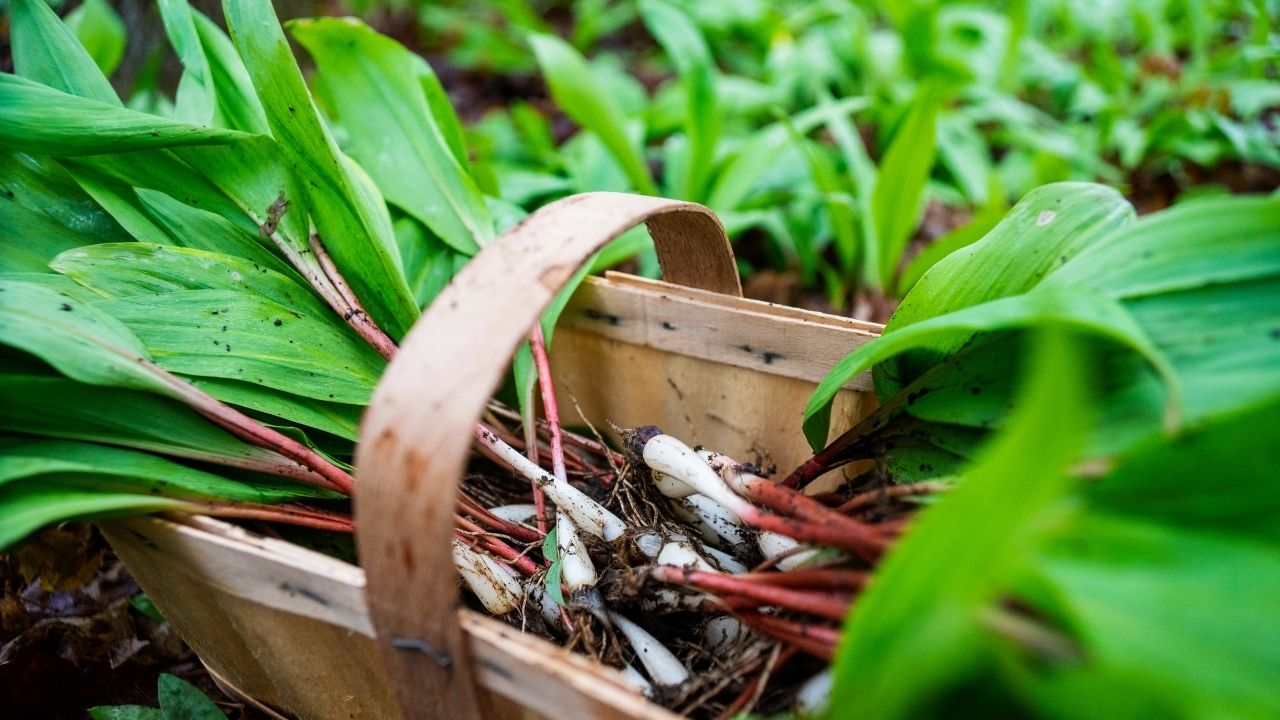
Wild onions have been feeding Indigenous communities across North America for thousands of years, and they bring such incredible flavor to your cooking! These hardy little bulbs grow naturally in meadows, prairies, and woodlands, offering a more delicate and nuanced taste than their grocery store cousins. You can identify them by their hollow, grass-like leaves and distinctive onion smell when crushed. Many tribes, including the Cherokee and Ojibwe, traditionally gathered these seasonal treasures in spring and early summer, using them fresh or drying them for winter storage.
You can use wild onions exactly like regular onions in your kitchen – they’re fantastic sautéed with other vegetables, added to soups and stews, or mixed into grain dishes for extra depth. Try them in scrambled eggs for a gentle onion flavor that won’t overpower your morning meal, or toss them into a simple pasta with olive oil and herbs. If you’re foraging for wild onions yourself, make absolutely sure you’re identifying them correctly, as some toxic plants can look similar. Many specialty food stores and farmers markets now carry wild onions during their season, making it easier than ever to experience these traditional flavors in your own cooking adventures.
Dandelions

Those bright yellow flowers dotting your lawn aren’t just weeds – they’re actually nutrient powerhouses that Indigenous communities across North America have treasured for centuries! Every single part of the dandelion plant offers something special for your kitchen. The tender young leaves make incredible salads with their slightly bitter, peppery flavor that pairs beautifully with sweet fruits or creamy dressings. You can sauté the more mature leaves just like you would spinach, and they become wonderfully mild and earthy. The roots, when roasted, create a coffee-like beverage that’s naturally caffeine-free and packed with minerals.
I love how versatile dandelions are – you can even turn those sunny flower heads into jelly, wine, or fritters! Indigenous peoples traditionally used dandelions as both food and medicine, recognizing their incredible nutritional value long before modern science caught up. They’re loaded with vitamins A, C, and K, plus iron, calcium, and potassium. Spring is the perfect time to harvest dandelions when the leaves are at their most tender, but make sure you’re picking from areas free of pesticides and road pollution. Start small if you’re new to eating dandelions – their bitter notes might take some getting used to, but once you do, you’ll appreciate how they add complexity and depth to your meals.
Acorns
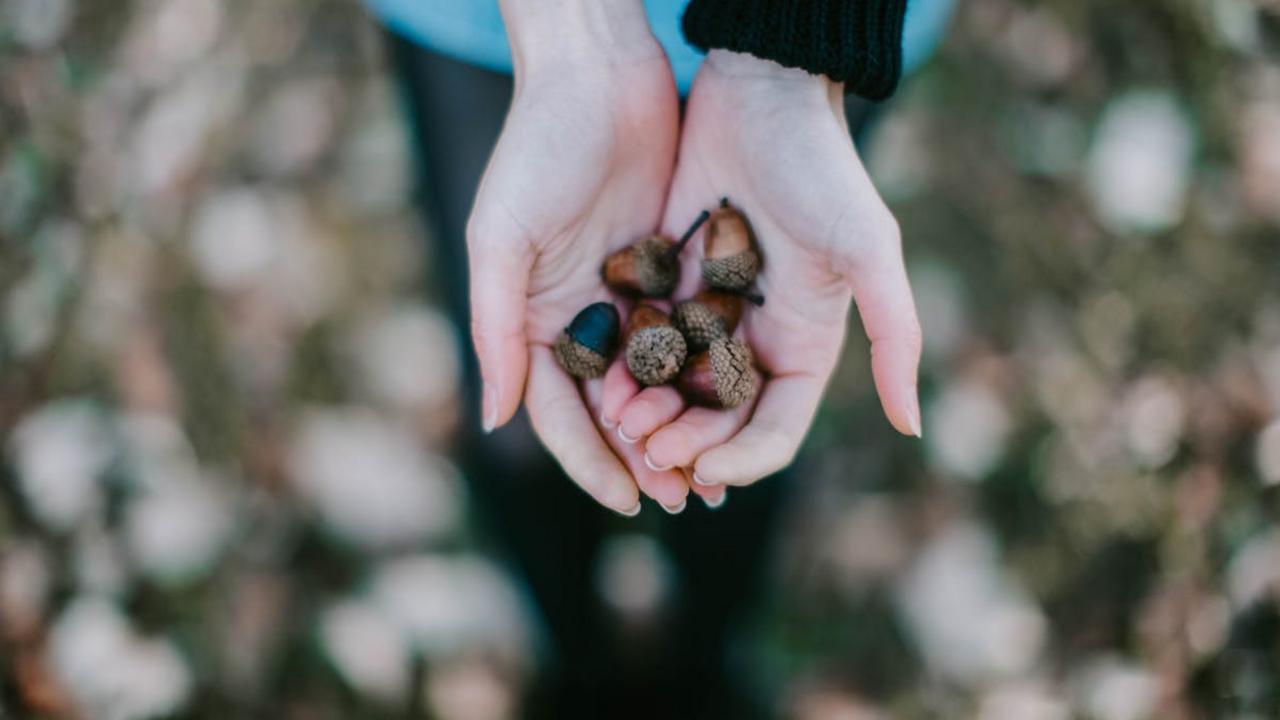
You probably walk right past these little treasures every fall without giving them a second thought, but acorns have been feeding people for thousands of years! Native American tribes across North America turned these nuts into flour, porridge, and bread long before wheat became the go-to grain. The secret lies in processing them correctly – fresh acorns contain tannins that make them bitter, but with a simple leaching process involving water and patience, you can transform them into a sweet, nutty ingredient that’s packed with protein, healthy fats, and complex carbohydrates.
Making acorn flour at home is easier than you think! Start by collecting fresh acorns (avoid any with holes or cracks), shell them, and grind the nutmeat into coarse pieces. Then comes the fun part – you’ll rinse them repeatedly with water until the bitter tannins wash away and the water runs clear. This traditional method connects you directly to Indigenous food wisdom while giving you an incredibly nutritious flour that works beautifully in pancakes, muffins, and flatbreads. The slightly sweet, earthy flavor adds depth to baked goods, and knowing you’ve created something meaningful from what nature provides right outside your door makes every bite taste even better.
Cattails
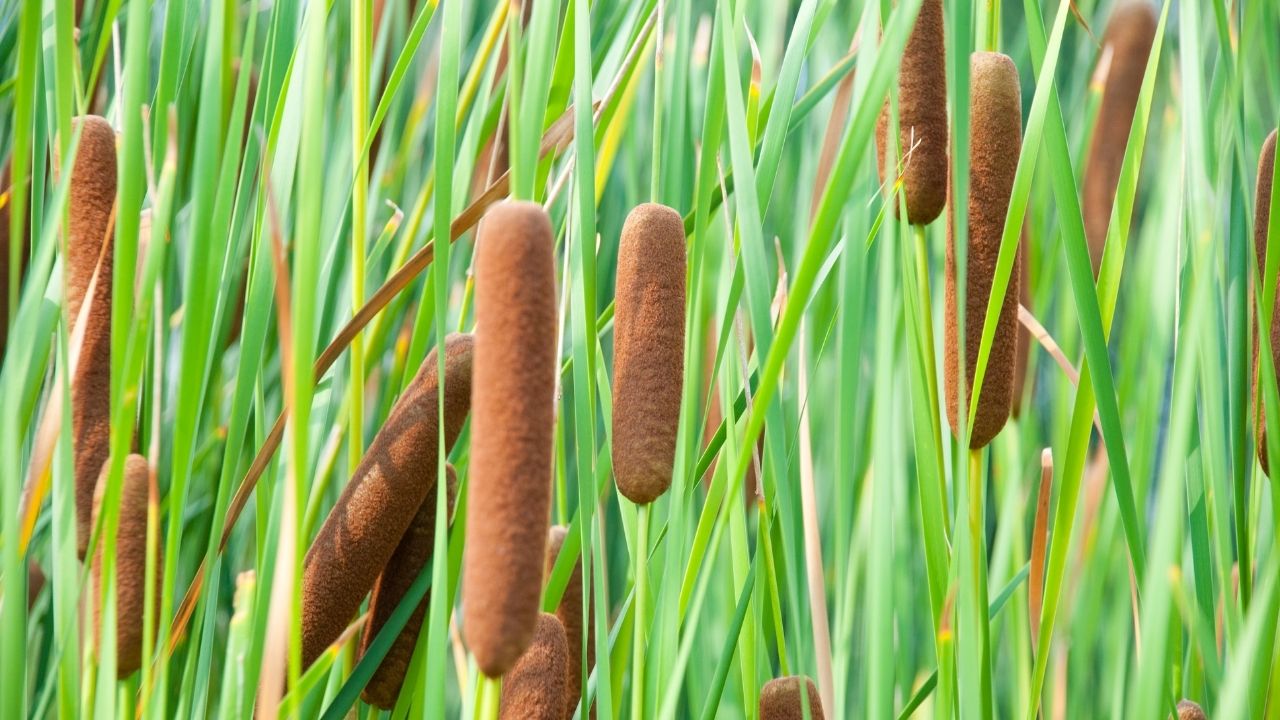
You might walk past cattails at your local pond without realizing you’re looking at one of nature’s most versatile superfoods! Indigenous communities across North America have treasured these marsh plants for thousands of years, calling them “nature’s grocery store” for good reason. Every part of the cattail offers something delicious – from the tender young shoots in spring to the protein-rich pollen in summer. The roots contain more starch than potatoes, making them perfect for grinding into flour or roasting like root vegetables.
Getting started with cattails in your kitchen is easier than you think! The young shoots taste remarkably similar to cucumber with a mild, refreshing crunch that works beautifully in salads or stir-fries. You can harvest the golden pollen by shaking mature flower heads into a bag, then mix this nutrient-dense powder into pancakes, breads, or smoothies for an protein boost. The roots need thorough cleaning and can be dried and ground into flour for baking, or sliced and sautéed like parsnips. Always harvest from clean water sources away from roads and pollutants, and make sure you can properly identify cattails before foraging – your safety comes first!
Wild Rice
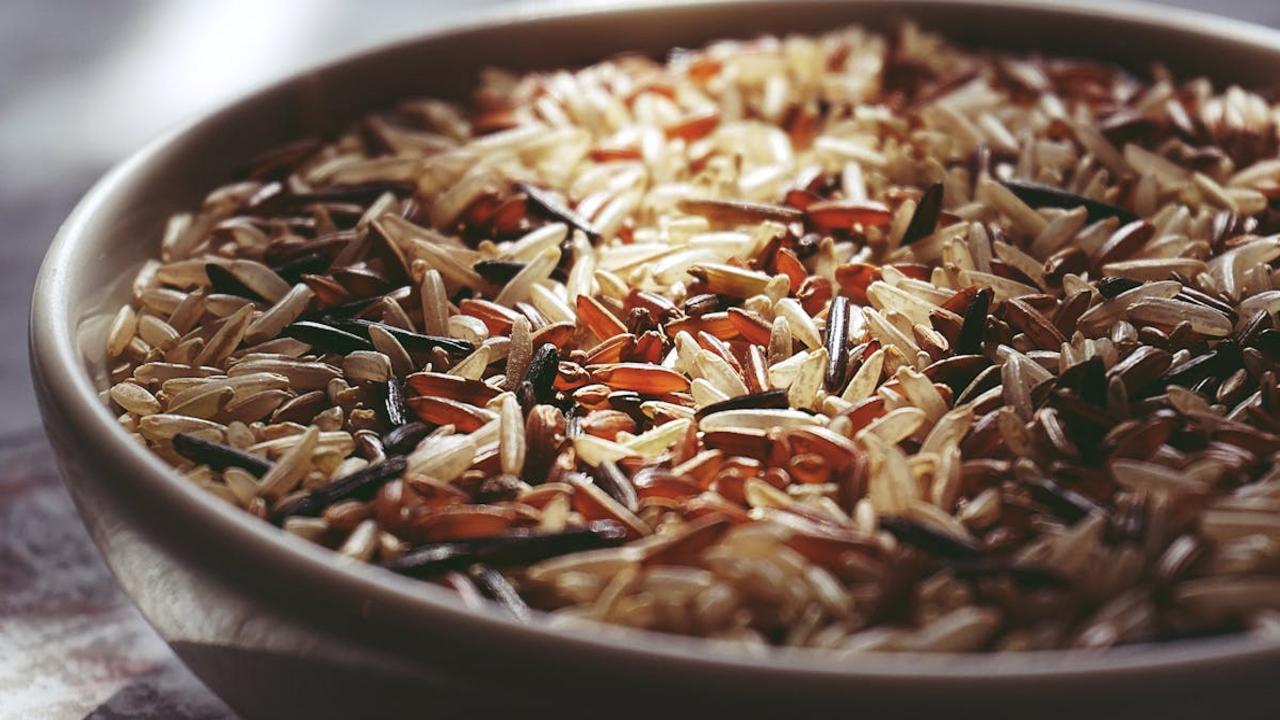
Wild rice holds a sacred place in many Native American communities, particularly among the Ojibwe, Menominee, and other Great Lakes tribes who have harvested this nutritious grain for over a thousand years. You’ll discover that what we call “wild rice” isn’t actually rice at all—it’s the seed of an aquatic grass that grows in shallow lakes and slow-moving rivers across North America. The traditional harvesting methods involve canoes and wooden poles, creating a sustainable practice that honors both the plant and the waterways where it thrives.
When you cook with wild rice today, you’re connecting with generations of Indigenous knowledge about this protein-packed superfood. Its nutty, earthy flavor and chewy texture make it perfect for hearty soups, stuffings, and grain bowls that will keep you satisfied for hours. Try simmering it with mushrooms and herbs for a simple side dish, or mix cooked wild rice into your favorite salad for extra substance and nutrients. The grain contains more protein than brown rice and provides folate, magnesium, and antioxidants—making it a fantastic addition to your weekly meal rotation that celebrates Indigenous food wisdom.