15 Long-Lasting Pantry Staples You Can Count On Anytime
Your pantry can become your best friend during busy weeks, unexpected guests, or those moments when inspiration strikes but the fridge looks bare. Building a collection of long-lasting staples means you’re always just minutes away from creating something delicious and nourishing.
These fifteen powerhouse ingredients will transform how you approach meal planning. Each item offers incredible versatility while staying fresh for months or even years when stored properly. From protein-packed legumes to nutrient-dense seeds, these staples work together to create countless combinations.
You’ll discover how simple swaps and smart storage can keep your kitchen ready for anything. Whether you’re whipping up a quick weeknight dinner or experimenting with new flavors, these reliable ingredients will support your cooking adventures and help you create meals that both satisfy and nourish your body.
Chia seeds
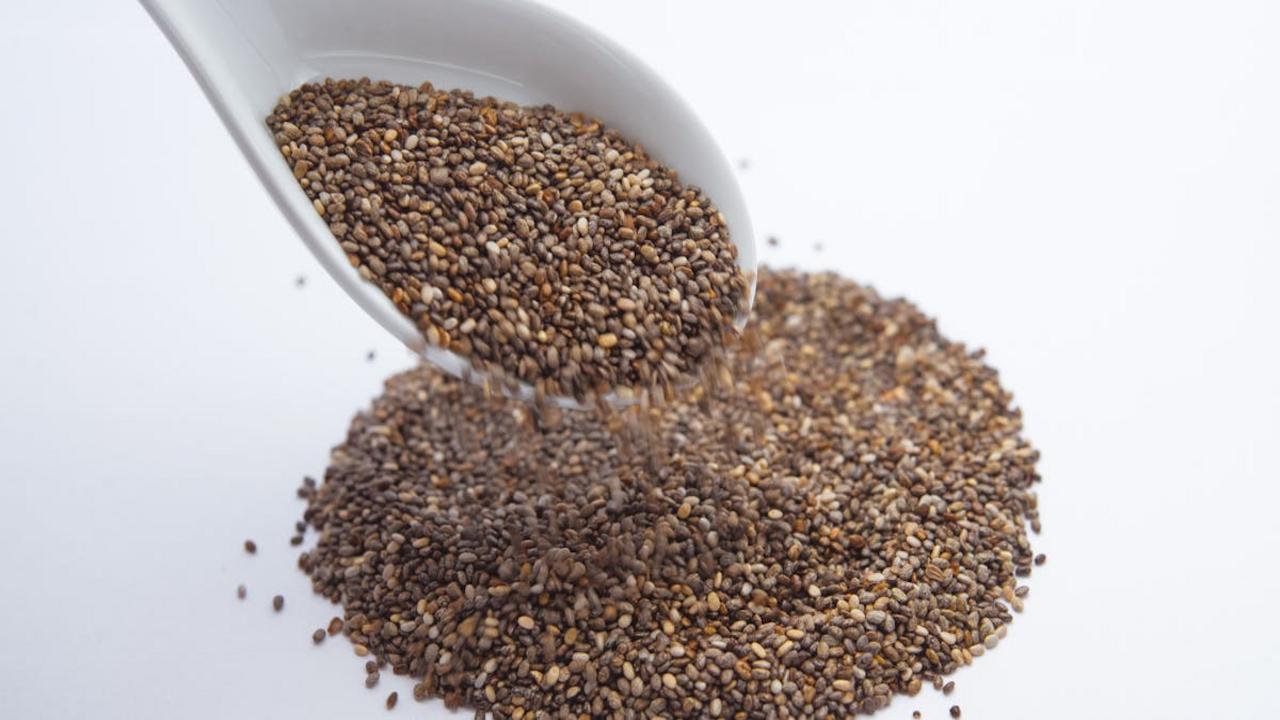
These tiny powerhouses pack more nutrition per ounce than you might expect! Chia seeds bring omega-3 fatty acids, fiber, and protein to your pantry with a shelf life that stretches up to four years when stored properly. I love keeping them in an airtight container in my cool, dry pantry where they stay fresh and ready for spontaneous cooking adventures. Their neutral flavor means you can sneak them into practically anything without changing the taste profile of your favorite recipes.
What makes chia seeds so brilliant is their incredible versatility in the kitchen. You can sprinkle them directly onto yogurt, blend them into smoothies, or create puddings by mixing them with your favorite milk and letting them gel overnight. They work beautifully as an egg substitute in baking – just mix one tablespoon with three tablespoons of water and let it sit for five minutes. I particularly enjoy making chia jam by mashing fresh berries with a few tablespoons of these seeds for a naturally thickened, fiber-rich spread that keeps in the fridge for weeks.
Dried seaweed

Dried seaweed sits quietly in your pantry like a secret weapon waiting to transform your everyday meals into something special. This ocean treasure can last for years when stored properly in a cool, dry place, making it one of the most reliable ingredients you can keep on hand. I love how versatile dried seaweed can be – from adding umami depth to soups and stews to creating quick snacks that satisfy your salty cravings. The mineral-rich profile of seaweed brings incredible nutritional value to your table, packed with iodine, calcium, and vitamins that support your overall health.
You can easily rehydrate dried seaweed varieties like wakame or kombu by soaking them in water for just a few minutes, then toss them into salads, ramen bowls, or miso soup for instant flavor enhancement. Nori sheets work wonderfully for wrapping rice balls or creating homemade sushi rolls that rival your favorite restaurant. I particularly enjoy crumbling dried seaweed over rice dishes or mixing it into salad dressings for a briny kick that makes ordinary meals feel extraordinary. Keep several types in your pantry rotation – each variety offers unique textures and flavors that can completely change how you think about home cooking.
Nutritional yeast
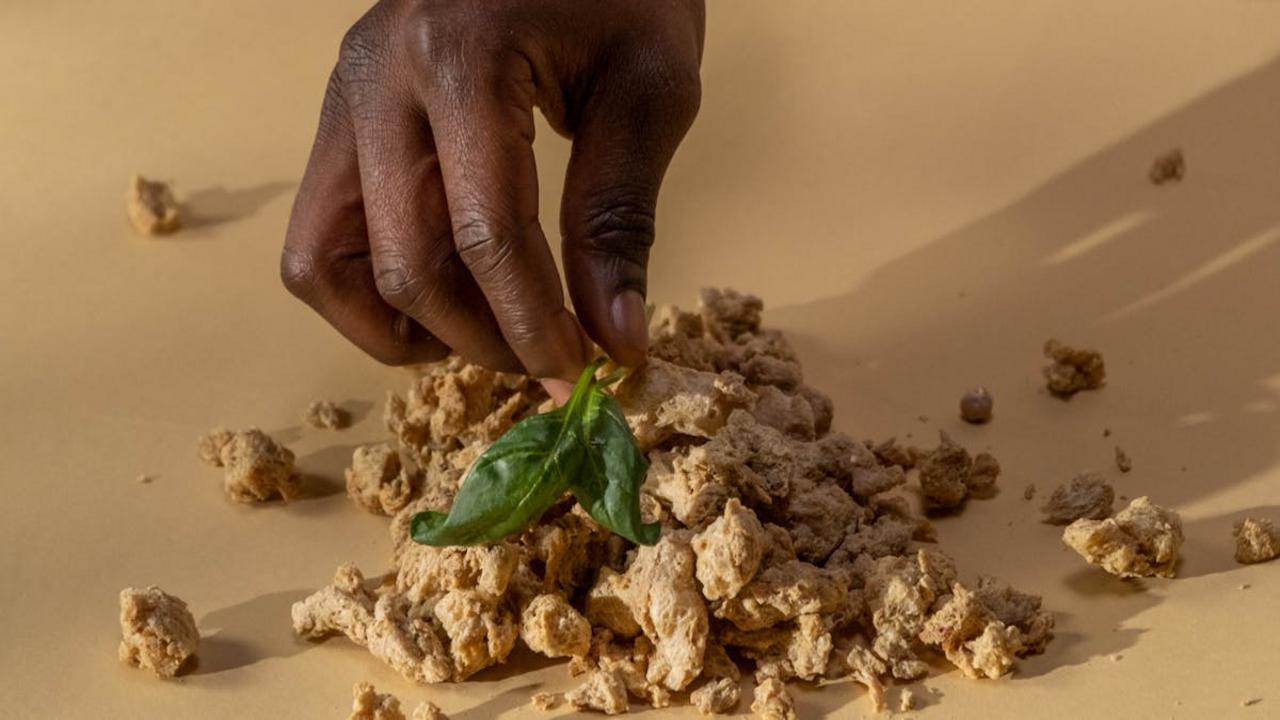
If you haven’t discovered the magic of nutritional yeast yet, you’re missing out on one of the most versatile pantry staples around! This golden, flaky powder packs a serious punch of umami flavor that transforms ordinary dishes into something special. I love sprinkling it over pasta, mixing it into salad dressings, or whisking it into creamy sauces for that rich, cheese-like taste without any dairy. The nutty, slightly tangy flavor makes everything taste more complex and satisfying.
Beyond its incredible taste, nutritional yeast brings impressive health benefits to your table. It’s loaded with B vitamins, including B12 (especially important for plant-based eaters), protein, and fiber. I keep mine in an airtight container where it stays fresh for months, ready to boost both flavor and nutrition in my meals. Try it on popcorn, blended into cashew cream, or stirred into soups – once you start experimenting with this powerhouse ingredient, you’ll wonder how you ever cooked without it!
Wheat berries

Wheat berries might sound fancy, but they’re simply whole wheat kernels with nothing stripped away – think of them as wheat in its most natural, unprocessed form. These golden nuggets pack incredible staying power in your pantry, easily lasting up to 30 years when stored properly in airtight containers. I love keeping wheat berries on hand because they’re like having your own personal grain mill right in your kitchen cabinet. You can grind them into fresh flour whenever you need it, or cook them whole for a chewy, nutty addition to salads and soups.
What makes wheat berries so special is their incredible versatility and nutrition density. When you cook them (which takes about an hour of simmering), they develop this wonderful chewy texture that’s perfect for grain bowls, pilafs, or even breakfast porridge. They’re loaded with fiber, protein, and B vitamins – basically everything that gets stripped away from refined flour. I particularly enjoy adding cooked wheat berries to my morning yogurt or tossing them into hearty winter stews. They absorb flavors beautifully while adding substance and nutrition to any dish you create.
Honey

Honey stands as nature’s most perfect sweetener, and I absolutely adore how this golden treasure practically never expires when stored properly. You can keep honey in your pantry for years – literally decades – and it will remain just as delicious and nutritious as the day you bought it. The secret lies in honey’s natural composition: its low moisture content and acidic pH create an environment where bacteria simply cannot survive. Even if your honey crystallizes over time, don’t worry! Just gently warm it up, and it returns to its smooth, pourable consistency.
What makes honey truly special in my kitchen goes far beyond its impressive shelf life. This natural sweetener brings complex flavors that refined sugar simply cannot match – from floral notes in wildflower honey to rich, robust tastes in buckwheat varieties. I love drizzling honey over yogurt, stirring it into tea, or using it in marinades where its natural enzymes help tenderize meat. Plus, honey contains antioxidants and has antimicrobial properties that make it a healthier choice than processed sugars. Keep a few different types on hand, and you’ll always have a reliable sweetener that adds depth and character to both sweet and savory dishes.
Instant oats
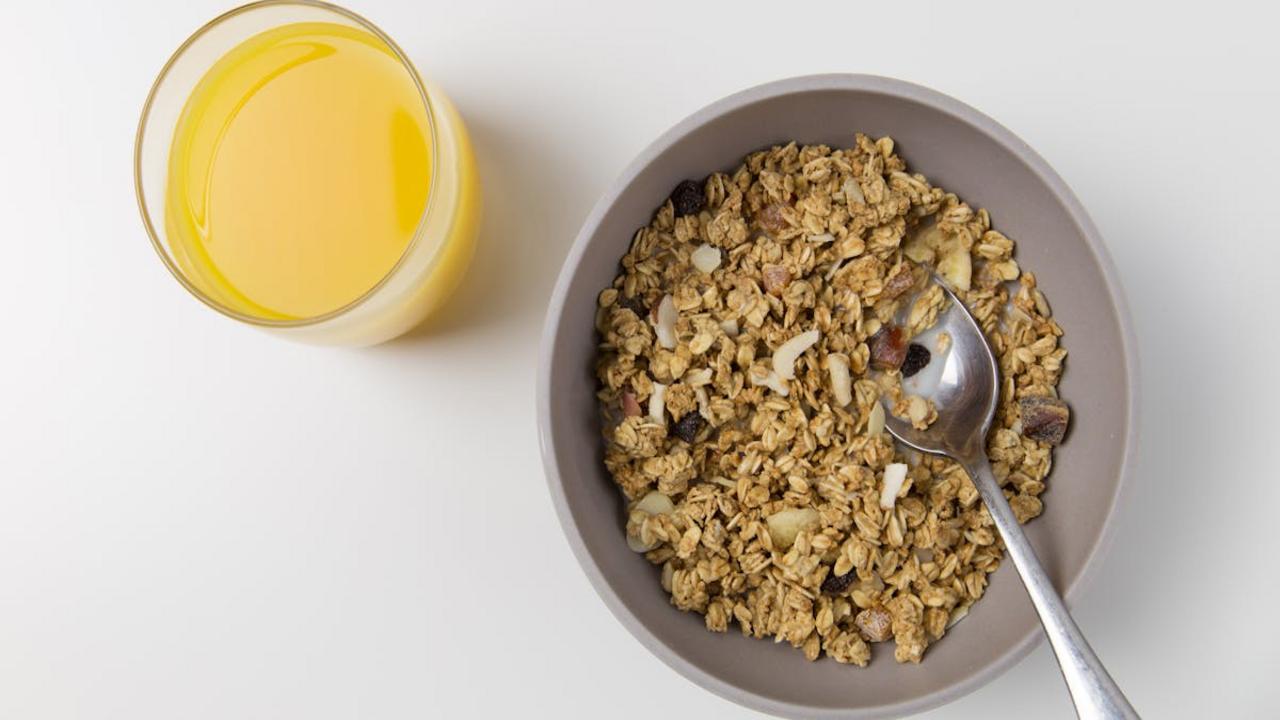
Instant oats deserve a permanent spot in your pantry because they’re incredibly versatile and stay fresh for months when stored properly. I love keeping a big container of them on hand since they cook up in just minutes and provide a hearty base for countless breakfast combinations. You can transform these quick-cooking grains into creamy porridge, overnight oats, or even blend them into smoothies for extra thickness and fiber. The beauty lies in their adaptability – sweet or savory, they work with whatever you have available.
Beyond breakfast, instant oats work wonders in baking projects and homemade granola bars. I frequently grind them into oat flour for pancakes or use them to add texture to muffins and cookies. They absorb flavors beautifully, so you can experiment with different spices, fruits, and nuts to create new combinations every time. Stock up during sales since they have an impressive shelf life of up to two years in airtight containers, making them one of the most reliable pantry staples for busy mornings and creative cooking adventures.
Dehydrated vegetables
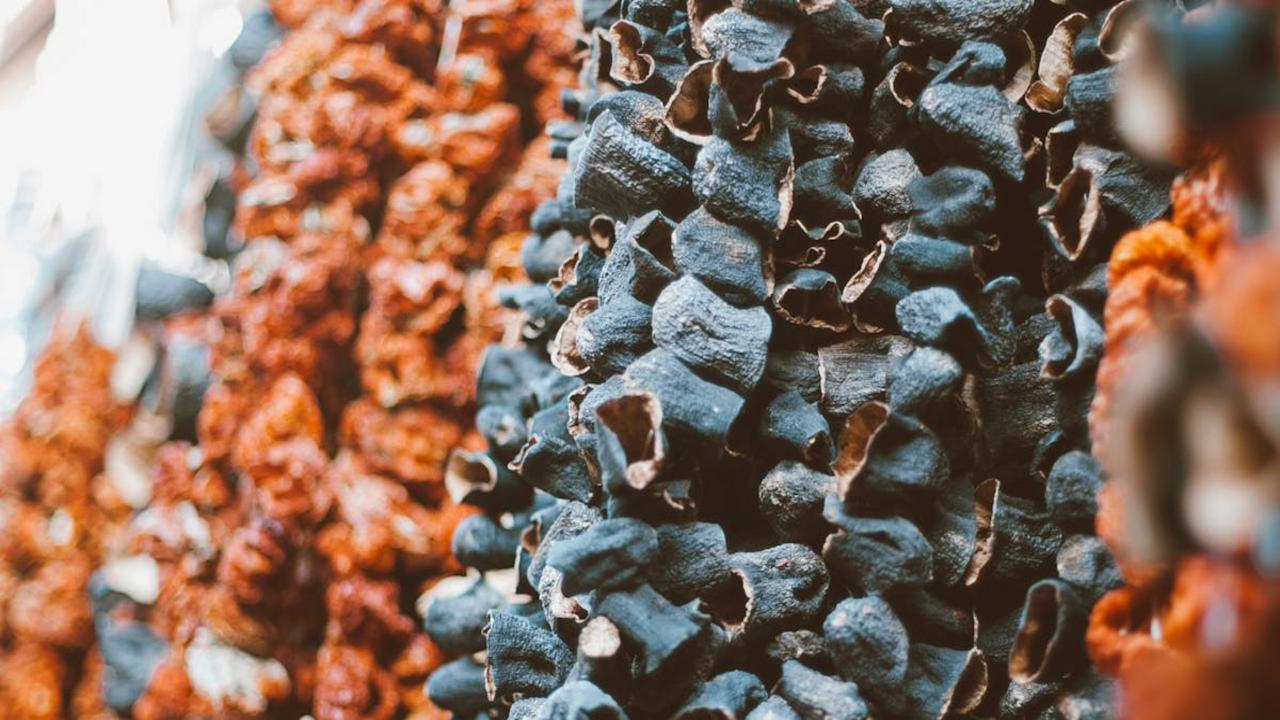
Dehydrated vegetables are your pantry’s secret weapon for adding nutrition and flavor to meals without worrying about spoilage. These concentrated gems can sit happily in your cupboard for months, sometimes even years, while maintaining most of their vitamins and minerals. I love keeping carrots, bell peppers, onions, and tomatoes on hand because they rehydrate beautifully and taste surprisingly fresh when you add them to soups, stews, or rice dishes.
The beauty of dehydrated vegetables lies in their versatility and convenience. You can toss them directly into slow-cooker meals, mix them into pasta sauces, or soak them in warm water for fifteen minutes to bring them back to life. They’re also fantastic for camping trips or busy weeknights when fresh produce isn’t available. Plus, they take up minimal storage space compared to their fresh counterparts, making them perfect for small kitchens or anyone who wants to stock up without cluttering their refrigerator.
Canned fish

Canned fish stands as one of the most reliable protein sources you can keep in your pantry for years. Salmon, tuna, sardines, and mackerel all pack incredible nutritional value while maintaining their quality for 2-5 years when stored properly. I love how these little tins transform simple meals into something special – whether you’re making a quick salmon salad for lunch or adding sardines to pasta for dinner. The omega-3 fatty acids in these fish support heart health and brain function, making them smart choices for your family’s wellbeing.
What makes canned fish so wonderful is its incredible versatility and convenience. You can create Mediterranean-inspired dishes with sardines and olives, whip up protein-packed tuna melts, or make salmon patties from scratch in minutes. The bones in canned salmon and sardines actually become soft during processing, giving you an excellent source of calcium that you can eat without worry. Keep different varieties on hand – chunk light tuna for sandwiches, wild-caught salmon for special occasions, and sardines for when you want to add bold flavor to your cooking adventures.
Shelf-stable tofu
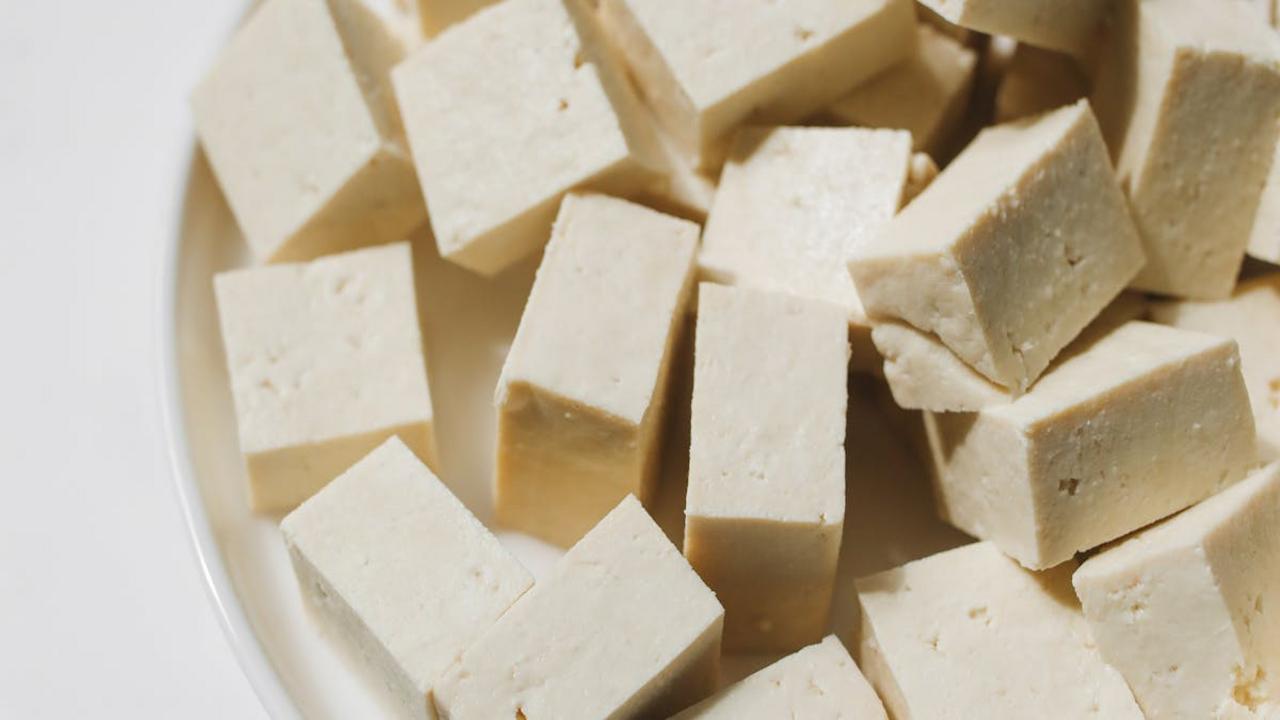
You know that moment when you open your fridge and realize you forgot to pick up protein for dinner? That’s where shelf-stable tofu becomes your absolute kitchen hero! This amazing pantry staple sits happily in your cupboard for months, ready to transform into countless delicious meals without any planning ahead. Unlike its refrigerated cousin, shelf-stable tofu comes in convenient aseptic packaging that keeps it fresh and ready to use whenever inspiration strikes your cooking mood.
The beauty of shelf-stable tofu lies in its incredible versatility and protein-packed nutrition. You can crumble it into scrambles, cube it for stir-fries, blend it into creamy sauces, or marinate it for grilling. I love keeping several packages on hand because tofu absorbs flavors like a sponge, making it perfect for everything from spicy Asian dishes to Mediterranean herb combinations. Plus, with about 10 grams of protein per serving, it’s a fantastic way to add substance to your meals while keeping your pantry stocked with reliable, plant-based nutrition that never goes bad.
Coconut oil

Coconut oil stands as one of your most dependable kitchen companions, ready to transform your cooking and baking adventures at a moment’s notice. This tropical treasure offers incredible versatility – you can sauté vegetables, roast proteins, or swap it into your favorite baking recipes for added richness and subtle sweetness. Unlike many other cooking oils, coconut oil remains stable at room temperature and won’t go rancid quickly, making it perfect for your pantry storage needs. Its unique composition of medium-chain fatty acids provides steady energy while adding a hint of tropical flavor to your dishes.
Beyond cooking, coconut oil serves multiple purposes that make it worth keeping on hand year-round. You can whip it into homemade granola, blend it into smoothies for extra creaminess, or even use it as a natural moisturizer for your skin and hair. The solid form at cooler temperatures makes it excellent for creating flaky pie crusts, while its liquid state works beautifully in stir-fries and curries. Choose unrefined, virgin coconut oil for the most nutritional benefits and authentic coconut taste, or opt for refined versions when you prefer a more neutral flavor profile in your recipes.
Powdered milk
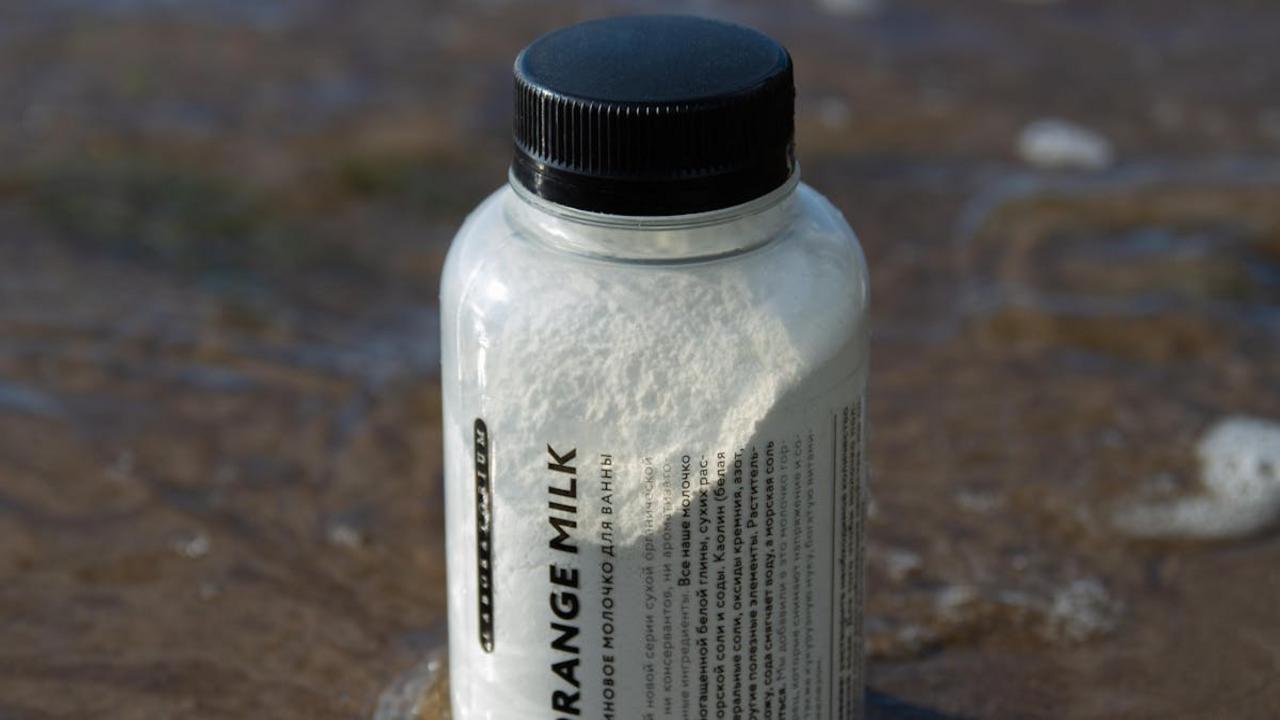
Powdered milk stands as one of those incredibly smart pantry investments that delivers serious staying power. This dehydrated dairy wonder can sit happily in your cabinet for months, sometimes even years, without losing its nutritional punch. I keep several containers on hand because you never know when you’ll run out of fresh milk right in the middle of making pancakes for Sunday brunch or need to whip up some homemade bread. The convenience factor alone makes powdered milk worth its weight in gold – no more last-minute grocery runs just for a cup of milk!
What really gets me excited about powdered milk is how versatile it proves in the kitchen. You can reconstitute it with water for drinking, baking, or adding to coffee, but here’s where it gets interesting – try mixing it directly into dry ingredients for extra richness and protein in your baked goods. I love adding a few tablespoons to my smoothie powders, homemade granola mixes, and even savory dishes like creamy soups. The protein content remains intact during the drying process, making it a fantastic backup option for growing families or anyone who wants to boost their daily protein intake without thinking twice about expiration dates.
Almonds
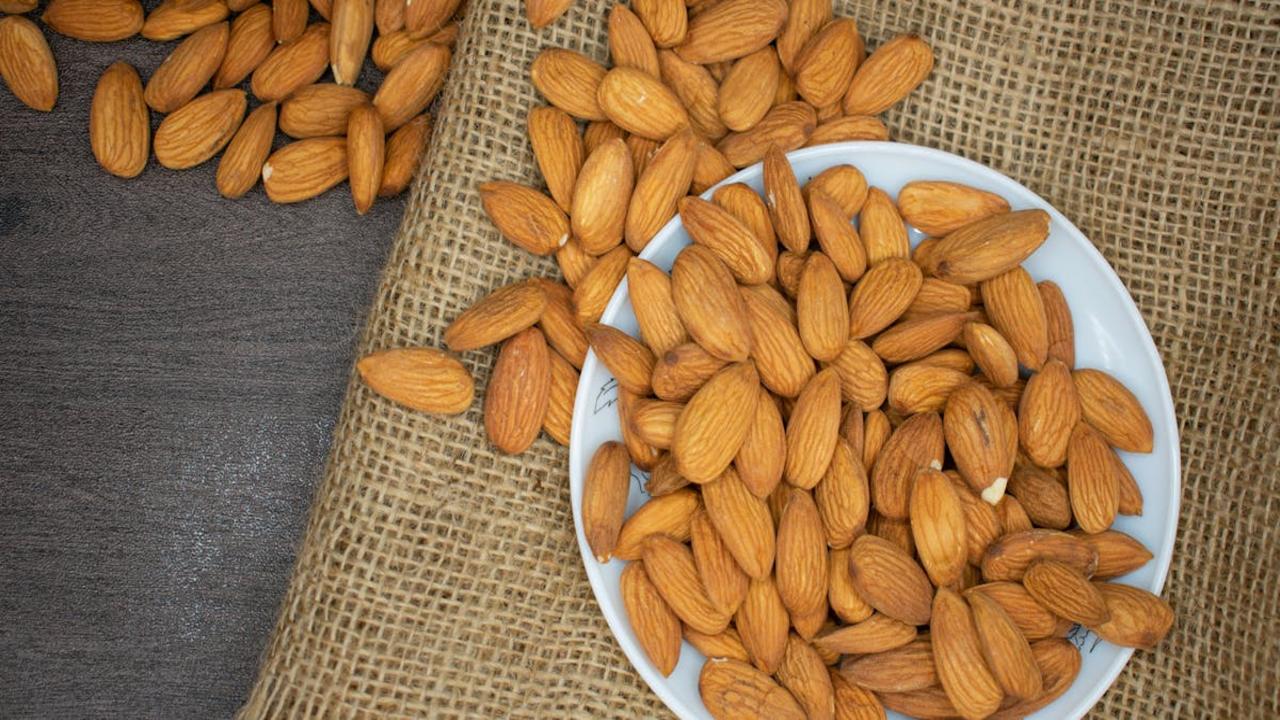
Almonds deserve a permanent spot in your pantry because they’re basically the Swiss Army knife of nuts! I keep several pounds stashed away at all times, and they never disappoint me. Raw almonds can last up to two years when stored properly in airtight containers, making them one of the most reliable long-term pantry investments you can make. Whether you buy them whole, sliced, or slivered, these protein-packed powerhouses maintain their nutritional value and that satisfying crunch we all crave.
What makes almonds truly special is their incredible versatility in both sweet and savory dishes. You can toast them quickly in a dry pan for an instant snack upgrade, blend them into creamy almond butter, or grind them into flour for gluten-free baking adventures. I love throwing a handful into my morning oatmeal, sprinkling sliced almonds over salads for extra texture, or using them to create a crunchy coating for chicken or fish. They’re packed with healthy fats, vitamin E, and magnesium, so you’re nourishing your body while satisfying your hunger. Trust me, once you start keeping almonds on hand, you’ll wonder how you ever cooked without them!
Quinoa
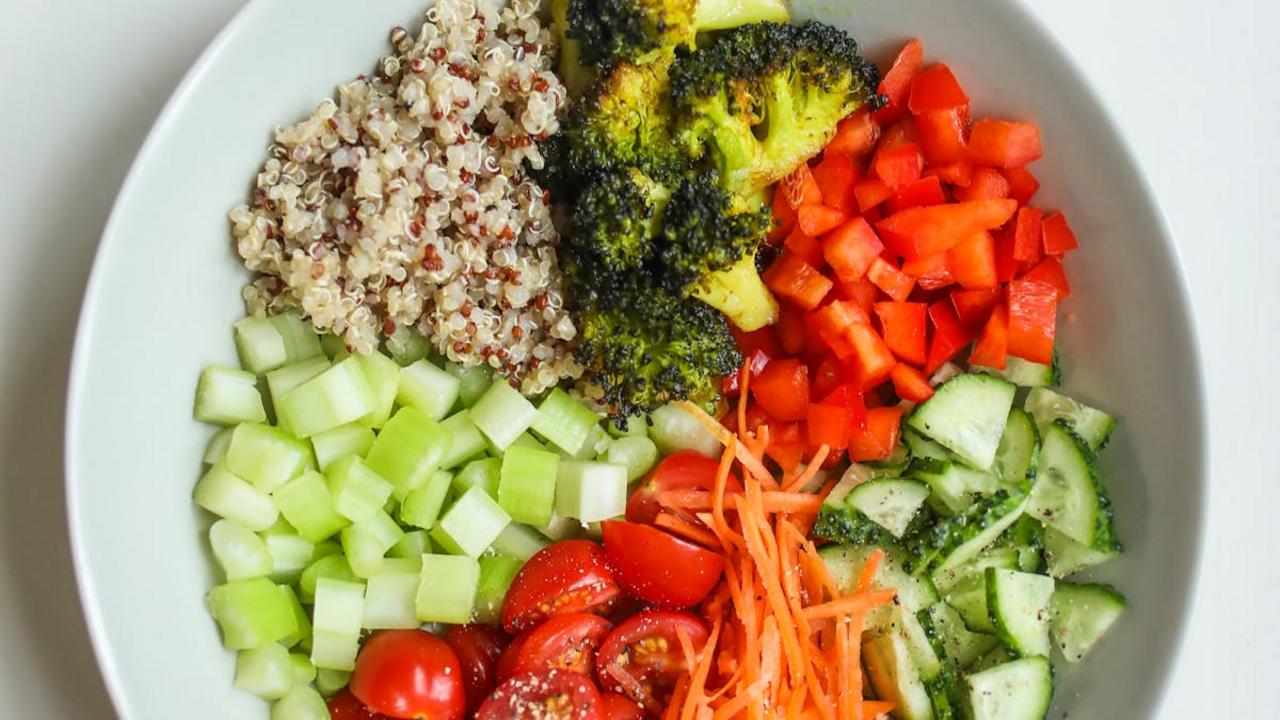
Quinoa stands as one of my favorite pantry superheroes, and you’ll quickly understand why once you stock up on this incredible grain-like seed. With a shelf life of 2-3 years when stored properly in an airtight container, quinoa gives you amazing flexibility in meal planning without worrying about spoilage. This protein powerhouse contains all nine amino acids your body needs, making it a complete protein that’s perfect for vegetarians and anyone looking to boost their nutritional intake. I love how quinoa cooks up fluffy and light, with a subtle nutty flavor that pairs beautifully with everything from roasted vegetables to fresh herbs.
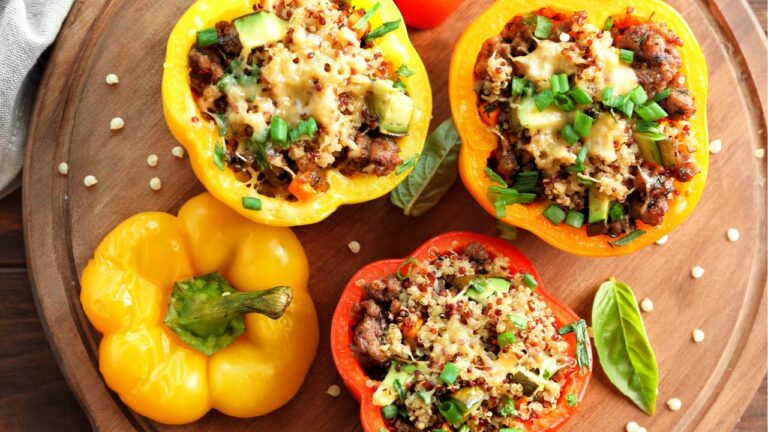
What makes quinoa truly shine in your pantry is its incredible versatility and quick cooking time. You can whip up a batch in just 15 minutes, making it perfect for those busy weeknight dinners when you need something nutritious fast. I use quinoa in grain bowls, stuff it into bell peppers, toss it into salads for extra protein, or even make breakfast porridge with cinnamon and fresh fruit. The texture adds wonderful substance to soups and stews too. Keep both white and red quinoa on hand – white cooks faster and has a milder flavor, while red quinoa offers a nuttier taste and holds its shape beautifully in cold salads.
Dried lentils
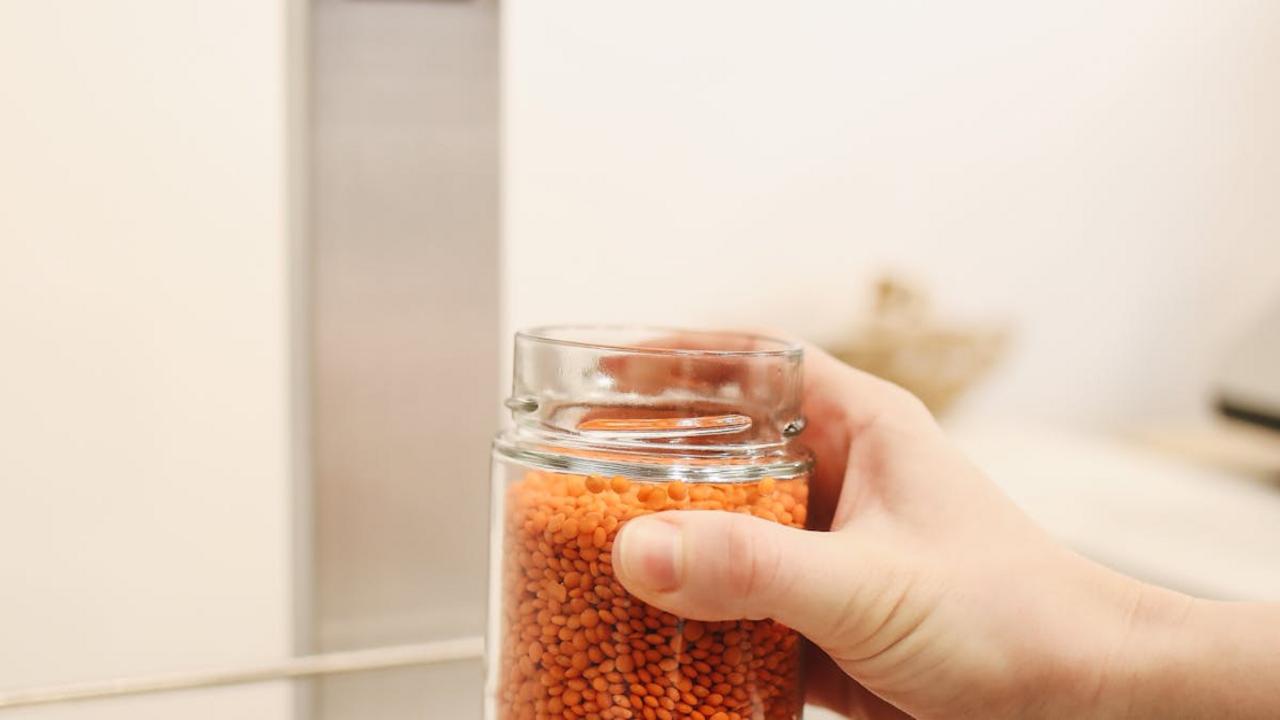
Dried lentils deserve a permanent spot in your pantry because they’re incredibly versatile and have an impressive shelf life of 2-3 years when stored properly. These tiny nutritional powerhouses cook faster than most other legumes, making them perfect for weeknight dinners when you need something hearty and satisfying. I love how they transform simple ingredients into filling meals – whether you’re making a warming soup, a protein-packed salad, or even veggie burgers that actually hold together beautifully.
You can buy red, green, brown, or black lentils, and each variety brings its own personality to your cooking. Red lentils break down quickly and create creamy textures perfect for dal or thick soups, while green and brown lentils hold their shape wonderfully in salads and grain bowls. They’re loaded with protein, fiber, and folate, making them an excellent choice for anyone looking to add more plant-based nutrition to their meals. Plus, they’re budget-friendly and don’t require any soaking – just rinse and cook!
Canned beans
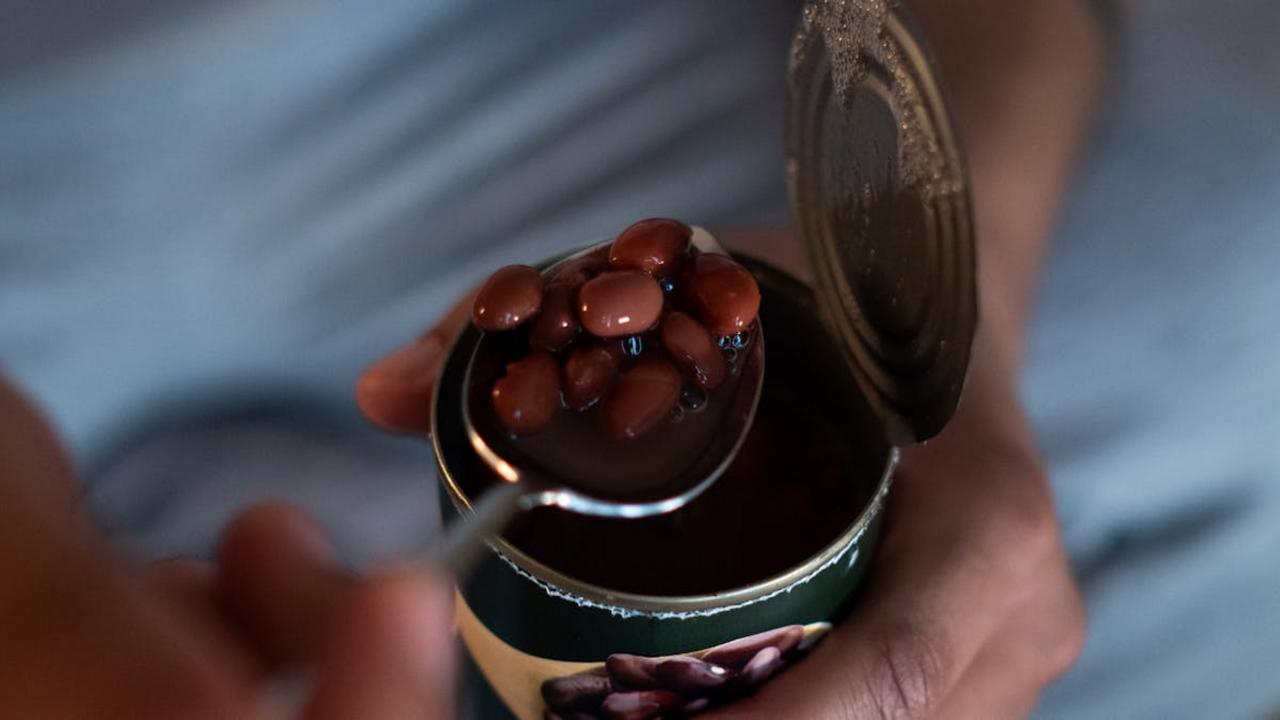
Canned beans deserve a permanent spot in your pantry because they transform any meal from ordinary to satisfying in minutes. You can count on them to deliver protein, fiber, and heartiness whether you’re whipping up a quick weeknight chili, tossing together a colorful salad, or creating a comforting soup. Black beans, chickpeas, kidney beans, and cannellini beans each bring their own personality to your dishes, and the best part? They keep for years without losing their nutritional punch or flavor potential.
I love how canned beans remove all the guesswork from meal planning – no soaking overnight or waiting hours for them to cook. You simply drain, rinse, and add them to whatever you’re making. They work beautifully in Mediterranean bowls with fresh herbs, Mexican-inspired dishes with lime and cilantro, or even mashed into creamy dips for impromptu entertaining. Stock up on different varieties during sales, and you’ll always have the foundation for a nourishing meal that fills you up and keeps your energy steady throughout the day.