Restaurant Served Her a Spiked Mocktail. She Demanded the Waiter Apologize for Poisoning Her.
We all know that a little grace goes a long way, especially when dining out. Mistakes happen, and it’s always best to be polite to the staff who are often doing their best in a very busy environment. However, what happens when a simple mistake becomes a matter of health and safety, and your concerns are brushed aside?
One woman took to the internet to share a story about a dinner with a friend that went horribly wrong, not just because of the service, but because of a fundamental disagreement on what constitutes a reasonable reaction. She was left wondering if she was wrong for not defending her friend’s explosive behavior.
The Incident
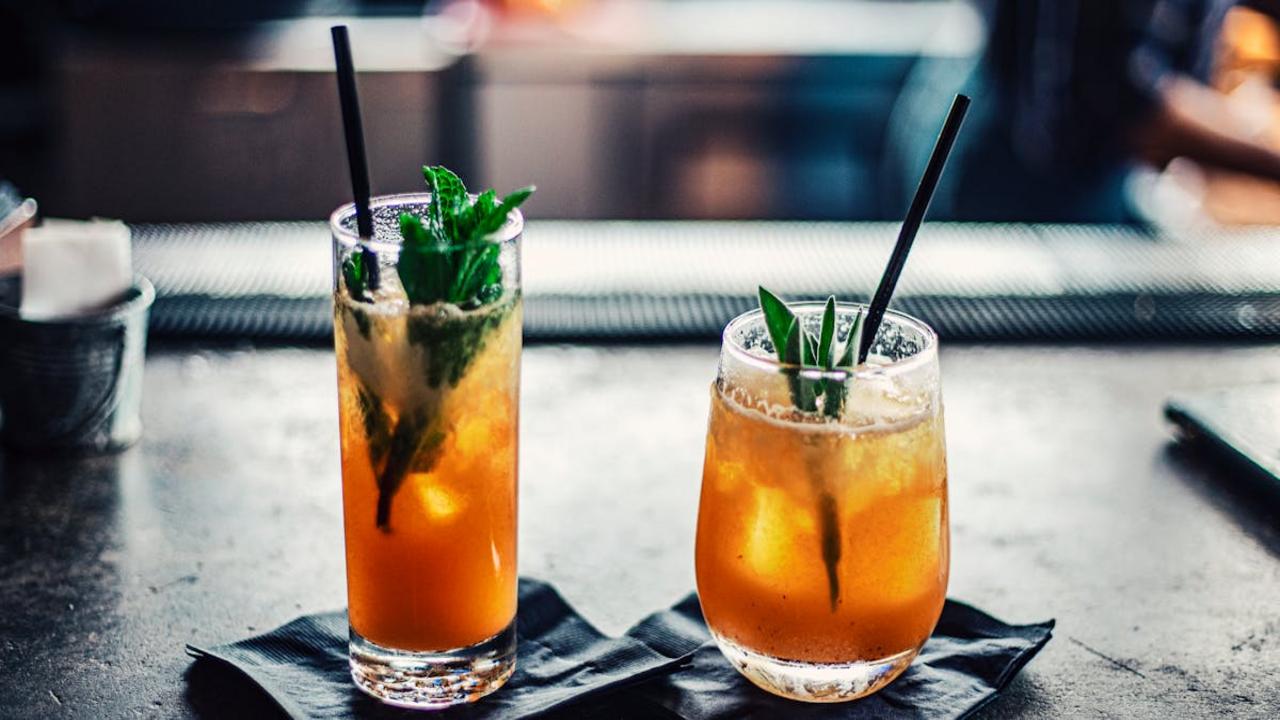
The evening started simply enough. The woman and her friend met for dinner, and the friend, who sometimes gets an itchy rash from alcohol, ordered a non-alcoholic mocktail. After a few sips, she began to feel that familiar itch and suspected her drink contained alcohol. When she flagged a waitress, her concern was gently dismissed. The waitress suggested it was likely just “non-alcoholic substitutes mimicking the flavour” and promised to check, but never returned.
The truth came out when the bill arrived, listing a charge for a full-fledged cocktail. The waitress was mortified and apologized profusely, but the damage was done. The friend became “visibly angry.” When the original waiter came to the table, she confronted him, but his dismissive “Oh, ok” only fanned the flames.
Her anger escalated. The narrator described her friend using a “talk down” tone with the now-distressed waitress, who was on the verge of tears. The friend then demanded the original waiter return to apologize personally, which he did, looking “visibly shaken and scared.”

Even as the manager intervened, the friend remained rude, demanding to know the drink’s alcohol content in case she needed medical attention. The narrator felt her friend’s reaction was completely “out of line.”
The Internet Reacts
The woman may have expected sympathy for her uncomfortable position, but the internet saw things very differently. Commenters overwhelmingly sided with her friend, believing the restaurant’s mistake was not minor, but dangerous. They sorted themselves into a few clear camps.
First was the “Absolutely Not” Crowd, who were furious on the friend’s behalf. They pointed out the serious potential consequences of the mix-up. “What if she was a recovering alcoholic or pregnant?” one person asked.
Another brought up a terrifying legal scenario: “If someone’s on an alcohol tether for probation, this would potentially send them back to jail.” For this group, the restaurant’s error was unforgivable, and the narrator’s lack of support for her friend was the real breach of etiquette.
Then came the “Justified Anger” Camp. These readers explained that the friend’s reaction didn’t come out of nowhere; it was a direct result of being ignored and dismissed. “The friend started polite. The friend was ignored,” one commenter stated plainly.
Another added, “Women go through life being told not to make a fuss but too often you’ll get the total brush off until you make a little fuss.” They argued that her tone only sharpened after her legitimate health concerns were brushed aside.

Finally, there was the “Allergy Analogy” Group. They treated the situation with the same gravity as a severe food allergy. “Just because it wasn’t a food allergy with immediate consequence doesn’t mean the principle here isn’t the exact same thing,” a user wrote.
Another pointed out the breakdown in trust: “A restaurant whose response to accidentally exposing someone to an allergen is ‘Oh ok’ is not taking allergies seriously.” This group felt the friend had every right to be upset, as her physical well-being was put at risk through negligence.
The Etiquette Verdict
While no one enjoys a public confrontation, there are times when a firm response is not just warranted, but necessary. The restaurant made a serious error and, worse, initially dismissed a customer’s valid health concern. Politeness is a two-way street, and the staff’s initial carelessness created a situation that was bound to escalate.
The Golden Rule here applies not to the restaurant, but to friendship. When your friend is in distress—whether from an allergic reaction or the anxiety of being ignored—your first duty is to be their ally. You can discuss their tone of voice later, over coffee, but in the heat of the moment, they need to know you have their back. To prioritize the feelings of the staff over the health and safety of your friend is a misstep in loyalty.
Your Thoughts
Did the friend’s reaction go too far, or was her anger completely justified by the restaurant’s dangerous mistake?
Ready for the next level of insight? Discover more in my latest article here.